

Care Requirements
Adult Size
4.7" (12cm)
Min Tank
20 gal
Temperature
64-75°F
pH Range
6.5-8
Lifespan
15-30 years
Min Group
Can be kept alone
Diet
Carnivore
Swim Level
Bottom
Bioload
3/10
Hardness
5-20 dGH
About African Clawed Frog
The African Clawed Frog is a fascinating, hardy amphibian that's also frequently mis-sold and misunderstood. Pet stores routinely sell juvenile ACFs as 'African Dwarf Frogs' — a completely different species with very different adult size and care requirements. This confusion leads to countless problems when the 'dwarf' frog grows to 5+ inches and eats everything in its community tank.
Critical distinction: African Clawed Frogs (Xenopus laevis) are NOT African Dwarf Frogs (Hymenochirus species). ACFs grow to 5 inches, have webbed back feet only with clawed toes, flat heads, and no webbing on front feet. ADFs stay under 2 inches, have webbed feet on all four limbs, and more pointed snouts. Buying the wrong species leads to disaster.
ACFs are fully aquatic frogs requiring no land access — they spend their entire lives underwater, unlike many amphibians. They're remarkably hardy, tolerating conditions that would kill most aquarium inhabitants. This toughness made them laboratory research animals for decades (the original pregnancy tests used ACFs). Their hardiness is both asset and liability — escaped or released ACFs have become invasive in many regions.
For keepers providing appropriate housing, ACFs offer something genuinely different from fish keeping. Their 15-30 year lifespan, amusing feeding behavior, and unique appearance provide long-term engagement. They're not difficult to keep but require understanding of their specific needs — and accepting that they'll eat anything they can catch.
Natural Habitat & Origin
African Clawed Frogs are native to sub-Saharan Africa, with their original range centered in southern Africa. They inhabit ponds, lakes, slow-moving streams, and virtually any permanent water body including man-made reservoirs and drainage systems. They're extraordinarily adaptable to various aquatic conditions.
They're fully aquatic frogs that never need to leave water, unlike semi-aquatic species requiring land access. Their entire life cycle — feeding, breeding, resting — occurs underwater. They surface periodically to breathe but immediately return below. This lifestyle makes them true aquarium animals rather than terrarium species.
Their adaptability has led to invasive populations on multiple continents — North America, South America, Europe, and Asia all have established ACF populations from released or escaped pets. They outcompete native amphibians, eat native species' eggs and larvae, and potentially carry chytrid fungus affecting other amphibians.
Wild diet consists of aquatic invertebrates, small fish, tadpoles (including their own species), and essentially anything that moves and fits in their mouths. They're opportunistic predators using their clawed feet to stuff food into their mouths.
Native Region
Sub-Saharan Africa — Southern Africa primarily
Habitat Type
Ponds, lakes, slow-moving streams, reservoirs
Wild Water Conditions
Variable (extremely adaptable) — temperate to tropical
Appearance & Varieties
African Clawed Frogs have distinctive appearance that helps distinguish them from commonly confused African Dwarf Frogs. The body is flattened, especially the head, with eyes positioned on top of the head rather than on the sides.
The most identifying feature is their feet: back feet are fully webbed with three clawed toes (hence the name), while front feet are small, unwebbed, and fingerlike. Front feet are used to stuff food into the mouth during feeding.
Coloration is typically olive-green to gray-brown with mottling; albino specimens (cream/white with pink eyes) are common in the pet trade. Adults reach 4-5 inches (10-12 cm) body length, with females larger than males.
Sexing adults is straightforward. Females are larger with visible cloaca and more rotund bodies. Males are smaller and develop dark nuptial pads on their forearms during breeding season.
Popular Varieties
| Variety | Description | Rarity |
|---|---|---|
| Wild-Type | Olive-green to gray-brown with dark mottling. Natural coloration providing camouflage. | Common |
| Albino | Cream to white body with pink/red eyes. Popular in pet trade, equally hardy. Easier to observe. | Common |
Tank Setup & Requirements
Quick Requirements Summary
Tank Size
Minimum Tank Size
20 gallons
Recommended Tank Size
30 gallons
African Clawed Frogs need fully aquatic setups with no land areas. They're undemanding regarding décor but require appropriate space and feeding considerations.
Water Parameters
Room temperature is usually ideal — they don't need heaters in most homes and actually prefer cooler water than tropical fish. Very adaptable to various parameters. Good water quality is important; they're sensitive to ammonia and chlorine despite overall hardiness. Temperature: 18-24°C (64-75°F), pH: 6.5-8.0, Hardness: 5-20 dGH.
Substrate
Avoid small gravel they can swallow during feeding — they're sloppy eaters that may ingest substrate while grabbing food. Large river rocks, sand, or bare bottom prevent impaction. Bare bottom is easiest for cleaning their messy feeding debris.
Plants & Decorations
Provide caves, PVC pipes, or similar hiding spots where they feel secure. Avoid sharp decorations that could injure their soft skin. Plants aren't necessary but hardy species like Anubias and Java Fern work. Floating plants provide cover.
Filtration & Water Flow
Good filtration handles their waste but avoid powerful current — they're not strong swimmers. Sponge filters are excellent choices providing biological filtration without strong flow. If using HOB or canister, baffle output to reduce current.
Lighting
They don't require special lighting. Standard aquarium lighting works fine. They may prefer dimmer conditions with hiding spot access.
Diet & Feeding Guide
Diet Type
carnivore
Feeding Frequency
Every 2-3 days for adults, daily for juveniles
Portion Size
What they'll consume in 10-15 minutes. They're enthusiastic eaters that will overeat if allowed — obesity reduces lifespan.
African Clawed Frogs are carnivorous predators that eat anything they can fit in their mouths. They're enthusiastic, messy eaters that stuff food using their front feet.
Best Foods for African Clawed Frog
- Sinking pellets (Reptomin, etc.) — Commercial amphibian pellets provide balanced nutrition. Should form staple diet.
- Frozen bloodworms — Excellent food eagerly consumed. High protein. Good staple alongside pellets.
- Earthworms — Excellent nutrition, eagerly consumed. Cut into pieces for smaller frogs.
- Frozen brine shrimp — Good variety food readily accepted. Nutritious supplement.
- Commercial frog food — Foods specifically formulated for aquatic frogs provide appropriate nutrition.
Foods to Avoid
- Freeze-dried foods exclusively — May cause impaction or digestive issues if not rehydrated.
- Foods too large to swallow — They have fixed jaws and cannot bite — food must fit whole.
- Unquarantined wild-caught insects — Pesticide risk from wild insects.
Feed every 2-3 days for adults. Remove uneaten food to maintain water quality. They're messy eaters.
Behavior & Temperament
African Clawed Frogs display entertaining behavior patterns quite different from fish. Their feeding response is triggered by movement and vibration — they'll lunge at anything that moves near them, using their front feet to stuff food into their mouths. This indiscriminate feeding response is why they eat tankmates.
They're primarily bottom dwellers but rise to the surface to breathe. You'll see them occasionally shoot to the surface, gulp air, and descend again. They can absorb some oxygen through their skin but require regular surface access.
Despite predatory nature, they're not aggressive in the territorial sense — they don't chase or attack fish deliberately. They simply eat whatever they can catch when it comes within range. Slow, small, or bottom-dwelling tankmates are most at risk.
They're intelligent enough to recognize feeding schedules and may become 'excited' when their keeper approaches. Males produce clicking sounds underwater, especially during breeding season. Overall, they're engaging animals with more personality than many expect from amphibians.
Tank Mates: Compatibility Guide
Compatible Tank Mates
Other African Clawed Frogs
Same species works well if similarly sized. May eat smaller conspecifics.
None (safest approach)
They'll eat or attempt to eat most tankmates. Species-only tanks eliminate risk.
Tank Mates to Avoid
African Dwarf Frogs
Will be eaten. Despite both being African aquatic frogs, ADFs are prey items for ACFs.
Small to medium fish
Food. They'll eat any fish they can catch and fit in their mouth.
Shrimp
Favorite food. Shrimp won't last a day.
Bottom-dwelling fish
Share space with the frog and are easily caught. High predation risk.
Slow fish
Can't escape when ACF lunges. Will be eaten.
Common Pairing Questions
Can ACFs live with African Dwarf Frogs?
Absolutely not. ACFs will eat ADFs. Despite similar names, they're completely different species with dramatically different adult sizes.
Will ACFs eat my fish?
Yes — they'll eat any fish they can catch and fit in their mouths. Species-only tanks are safest.
African Clawed Frogs breed readily in captivity with appropriate conditions. Breeding triggers include temperature changes and water changes simulating rainy season. Females release thousands of eggs. Eggs hatch in 2-4 days; tadpoles metamorphose over 6-8 weeks. Parents will eat eggs and tadpoles.
Health Issues & Disease Prevention
African Clawed Frogs are remarkably hardy — their use in laboratories was partly due to disease resistance. Most health problems relate to water quality issues or bacterial infections.
Common Diseases
| Disease | Symptoms | Treatment |
|---|---|---|
| Red leg (bacterial infection) | Reddening of legs and underside, lethargy, loss of appetite. | Improve water quality. Salt baths. Antibacterial treatment for severe cases. |
| Fungal infections | White cottony growths on skin. | Improve water quality. Antifungal treatment. Salt baths help. |
| Impaction | Swollen abdomen, loss of appetite, no waste production. | Often from swallowing gravel. Warm water baths may help. Prevent with appropriate substrate. |
| Chytrid fungus | Skin shedding, lethargy, neurological symptoms. | Antifungal medication. ACFs can be carriers without symptoms, spreading to other amphibians. |
Signs of a Healthy African Clawed Frog
- Active behavior
- Strong feeding response
- Clear skin without lesions
- Bright eyes
- Regular breathing trips to surface
- Good body condition
Prevention Tips
- Maintain good water quality
- Use appropriate substrate (no small gravel)
- Avoid overfeeding
- Secure lid to prevent escapes
- Never release into wild — illegal and ecologically harmful
Frequently Asked Questions
Critical distinction: ACFs grow to 5 inches with clawed back feet and unwebbed front feet. ADFs stay under 2 inches with webbing on all four feet. ACFs have flat heads with eyes on top; ADFs have more pointed snouts with eyes on sides. Stores frequently mislabel juveniles. ACFs will EAT ADFs if housed together.
Yes — they'll eat any fish they can catch and fit in their mouths, which includes surprisingly large fish. They're indiscriminate predators that lunge at movement. Most successful ACF keeping involves species-only tanks.
No — they're fully aquatic frogs that never need to leave water. Their entire lives occur underwater. They surface to breathe air but immediately return below. No land area, basking spot, or terrarium setup is needed.
With proper care: 15-30 years. Laboratory specimens have lived over 30 years. They're long-lived amphibians representing significant commitments.
In many places, yes. However, they're banned in some U.S. states (California, Arizona, others) due to invasive species concerns. Always verify local laws before purchase, and NEVER release them.
Occasional floating while resting is normal. Constant floating, especially with swelling, indicates bloat/dropsy — a serious condition often related to bacterial infection or organ failure requiring immediate attention.
Tips for Keeping African Clawed Frog
Pro Tips
- ✓Verify species before purchase — stores frequently mislabel ACFs as ADFs. Check feet: clawed back feet with unwebbed front feet = ACF.
- ✓Bare bottom tanks are easiest — ACFs are messy eaters and bare bottom allows easy cleanup.
- ✓Feed in a separate container to reduce mess — keeps main tank cleaner with messy foods.
- ✓They recognize feeding schedules — ACFs learn when feeding time approaches and become active when they see their keeper.
Common Mistakes to Avoid
- ✗Confusing with African Dwarf Frogs — 5-inch frog instead of 1.5-inch; eaten tankmates.
- ✗Using small gravel substrate — impaction from swallowing gravel during feeding, potentially fatal.
- ✗Housing with fish — eaten fish. They're predators that eat tankmates.
- ✗Inadequate lid security — escaped frog found dead. They're capable jumpers.
- ✗Releasing unwanted frogs — ecological damage from invasive species. Illegal in many areas.
Related Species You Might Like
View All Fish →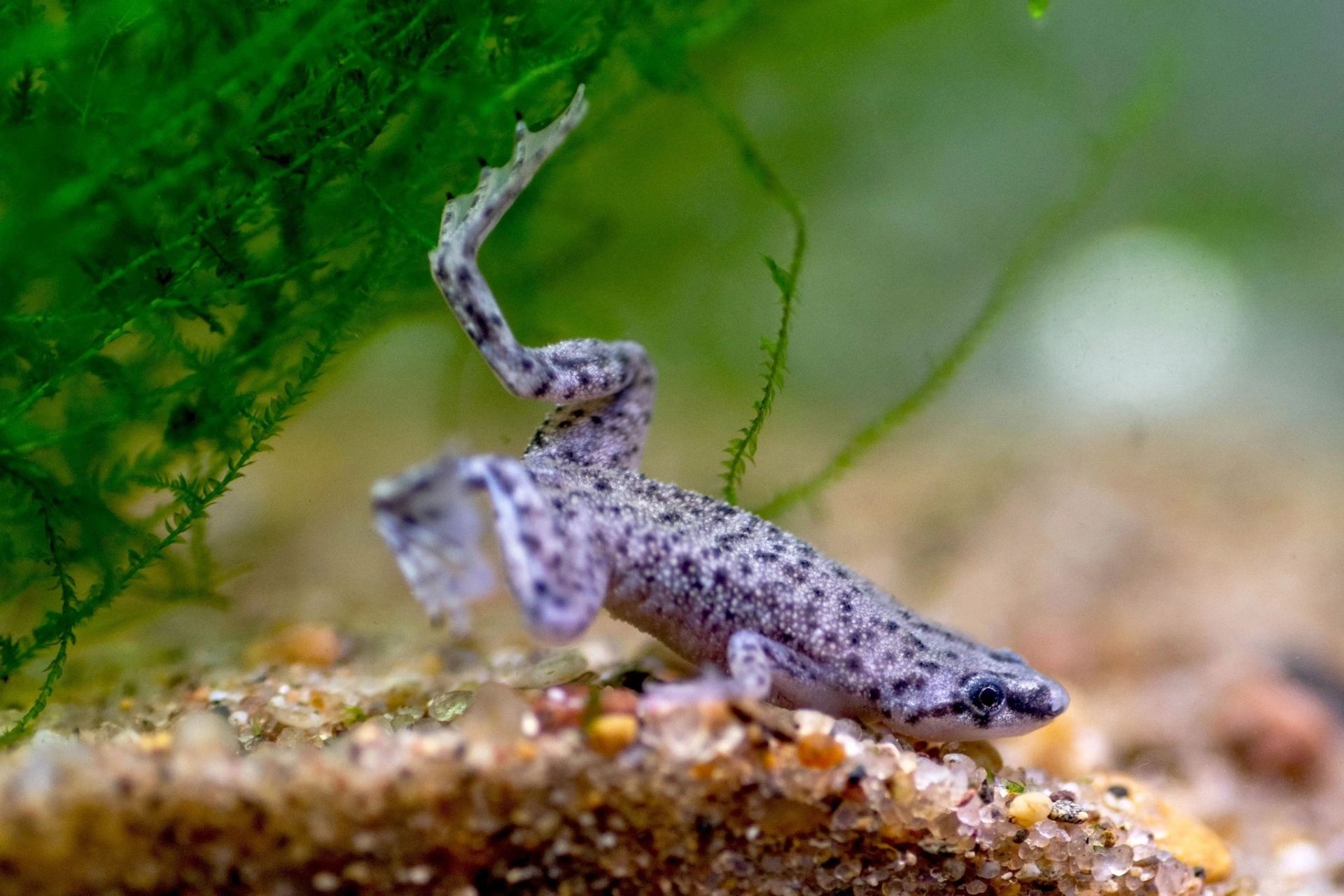
African Dwarf Frog
Hymenochirus boettgeri

Bumblebee Goby
Brachygobius xanthozonus

Apistogramma Cacatuoides
Apistogramma cacatuoides

Black Skirt Tetra
Gymnocorymbus ternetzi

Buenos Aires Tetra
Hyphessobrycon anisitsi
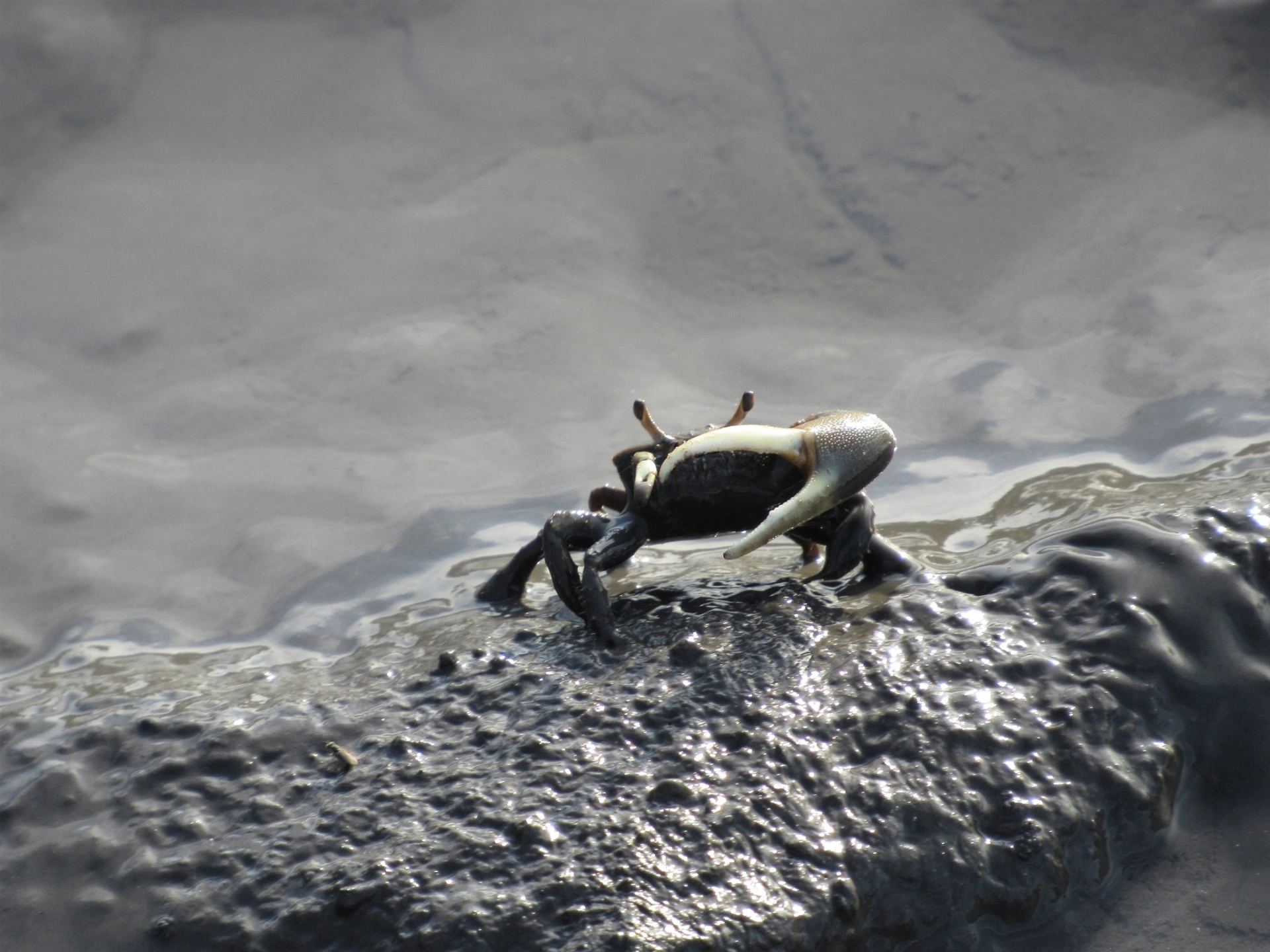
Fiddler Crab
Uca spp.

Golden Wonder Killifish
Aplocheilus lineatus

Kribensis
Pelvicachromis pulcher
Ready to Add African Clawed Frog to Your Tank?
Use our free stocking calculator to check compatibility, bioload, and get personalized recommendations.