
Java Fern Care Guide
Microsorum pteropus (syn. Leptochilus pteropus)
Reviewed by the AquariumStocking team · Updated August 2026
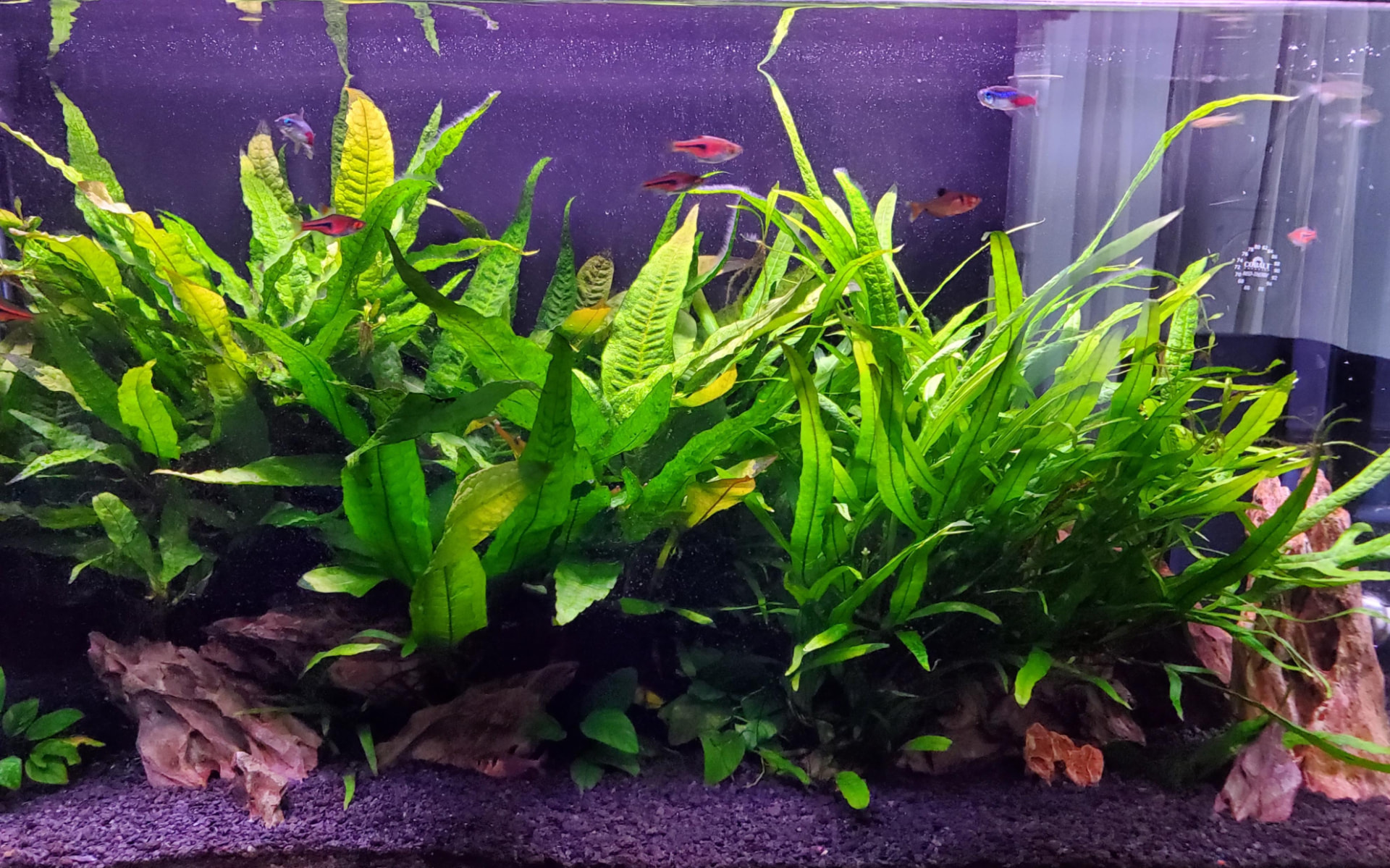
A slow-growing epiphyte that attaches to wood and rock, thrives in low light with no CO2, and asks almost nothing of you — provided you never bury its rhizome.
Java Fern quick facts
- Light demand
- Low
- CO2 requirement
- Not needed
- Difficulty
- Beginner
- Growth rate
- Slow
- Placement
- Midground / Background
- Growth habit
- Rhizome/epiphyte
- Substrate need
- None — attaches to hardscape
- Max size
- 35 cm (13.8 in) tall, ~20 cm wide
- pH
- 6.0–7.5
- Hardness
- 3–15 dGH
- Propagation
- Rhizome division and adventitious plantlets on mature leaves
- Temperature
- 20–28 °C (68–82 °F)
Roots may touch the substrate, but the rhizome must stay fully exposed. A buried rhizome rots and kills the plant.
Overview
Java fern (Microsorum pteropus, syn. Leptochilus pteropus) is a rhizomatous aquatic fern from Southeast Asia, where it grows clinging to rock and wood along stream margins rather than rooted in soil. In the aquarium it behaves exactly the same way: it is an epiphyte that grips hardscape and feeds through its leaves, so it needs no nutrient substrate and no injected CO2.
Its reputation is earned. Java fern tolerates a wide pH and hardness range, shrugs off low light, survives long stretches of neglect, and is one of the very few plants that plant-wrecking fish leave alone. If you want green in a low-tech tank without a dosing routine and a CO2 cylinder, this is where to start.
The one rule is that the rhizome must never be buried; everything else about this plant is forgiving.
What you're buying
Almost all retail java fern is grown emersed (out of water) in nurseries, because emersed growth is faster and cheaper to produce. Those leaves are built for air, not water, and many of them melt within the first few weeks in your tank. That is expected behaviour, not a failed plant.
Emersed vs submersed
Nursery leaves often melt after planting. New submersed leaves emerge within a few weeks and are the ones that persist.
Picking a healthy specimen
Look for a firm, green rhizome with no mushy or blackened sections, and intact rather than translucent leaves.
Quarantine or dip
Pest snails, snail eggs and algae hitchhike on nursery plants. Quarantine or dip before adding to a stocked tank.
Judge a new plant by the rhizome, not the leaves. A firm green rhizome will regrow a full set of leaves even if every leaf you bought melts away; a soft, brown or hollow rhizome is already dead and no amount of light or fertiliser will bring it back.
If you are adding it to an established, stocked tank, a short dip or a two-week quarantine in a bare container is enough to break the snail and algae pipeline. Tissue-culture cups are the exception — they ship pest-free, but the tiny plants inside need a slower start.
Light, CO2 & nutrients
Light
Low
CO2
Not needed
Fertilisation
Water column (liquid)
Light
Low light is genuinely enough. Java fern grows under a basic LED strip, in shaded corners, and beneath floating plants. Strong light does not speed it up — it only gives algae a longer window.
In a high-light tank, treat java fern as a shade plant: tuck it behind hardscape or under the canopy of taller stems. Eight hours of moderate light per day is a good default; long photoperiods buy you nothing here and feed algae.
CO2
Not needed. Injected CO2 produces slightly denser, marginally faster growth, but java fern is fully healthy without it and CO2 is never the fix for a struggling specimen.
If you already run CO2 for other plants, java fern is untroubled by it — just keep the drop checker in the usual range so livestock stay safe.
Not sure your CO2 is worth running? Check the injection rate →
Nutrients
As an epiphyte it absorbs nutrients through its leaves, so root tabs do nothing for it. A light all-in-one liquid fertiliser once a week is plenty, and in a well-stocked tank fish waste already covers much of the demand.
Persistent pale or translucent patches, pinholes in older leaves and general yellowing point to potassium or nitrogen shortfalls rather than a lighting problem. Dose to a target rather than by guesswork.
Water & temperature
pH
6.0–7.5
Hardness
3–15 dGH
Temperature
20–28 °C (68–82 °F)
Java fern is unusually tolerant of water chemistry. pH of roughly 6.0–7.5 and soft to moderately hard water (about 3–15 dGH) suit it, and it survives well outside that range. Temperature is secondary: anything in the normal tropical band works, which is why it also thrives in unheated room-temperature tanks and goldfish setups.
Planting & attaching
- 1Remove the plant from the pot and gently separate the roots from the rock wool.
- 2Split the rhizome into clumps if you want more than one piece — keep 3–4 leaves per section.
- 3Choose driftwood or a porous rock. Rhizome plants will not attach to smooth glass or sand.
- 4Apply a small bead of cyanoacrylate (super glue) gel to the hardscape, or position the rhizome and bind it with cotton thread or fishing line.
- 5Press the rhizome — not the leaves — firmly against the surface for about 30 seconds.
- 6Keep the rhizome fully exposed. Roots may touch or enter the substrate; the rhizome must not be buried.
- 7After roughly 4–8 weeks the roots grip the hardscape. Cut the thread away or leave it to rot off.
Never bury the rhizome. The rhizome is the thick, dark green horizontal stalk that leaves and roots emerge from. Under substrate it suffocates and rots, taking the whole plant with it.
Placement & aquascaping role
Java fern is a midground to background plant. Mature broad-leaf specimens reach around 35 cm tall and 20 cm wide, so in tanks under 40 litres they take over quickly — use Narrow Leaf or Needle Leaf in nano tanks instead.
Because it attaches rather than roots, it is the natural choice for bare-bottom tanks, sand-only scapes, and any layout where the substrate should stay clear. Tie it to a branch angled upward and the leaves fan outward, which is an easy way to build height and screen equipment along the back wall.
It doubles as cover: a clump in front of a filter intake or heater breaks the line cleanly, and the leaf mass gives shy fish and fry somewhere to hide without dense stem planting.
Growth, trimming & maintenance
Expect roughly one new leaf every few weeks in a low-tech tank, and several months to a year for a small portion to fill out into a mature clump. That pace is the point: java fern is a plant you look at, not a plant you prune.
Trim by cutting whole leaves off at the rhizome rather than shortening them — a cut leaf tip browns and never recovers. Remove old outer leaves once they turn brown or become heavily encrusted with algae, and take out damaged leaves after melt so the plant puts its energy into new growth.
Propagation
Propagation is a routine keeper task with java fern, not a project. The plant reproduces on its own and your job is mostly to decide where the new plants go.
Mature leaves develop adventitious plantlets — small daughter plants with their own leaves and roots — along their edges and tips. You can also divide the rhizome deliberately whenever the clump gets too large.
- 1Wait until a plantlet has 3–4 leaves and visible roots of its own.
- 2Snap or cut it away from the parent leaf.
- 3Attach it to new hardscape with thread or glue gel, exactly as you would a mature plant.
- 4To divide instead: cut the rhizome with clean scissors, keeping at least 3–4 leaves per section.
- 5Attach each division separately and leave it undisturbed for 4–8 weeks while it roots.
Sori vs plantlets
Java fern produces two different things on its leaves and they are constantly confused for each other. Sori are spore clusters: orderly rows or regular patterns of dark brown dots on the leaf underside. They are normal fern reproduction — not a disease, not a pest, not an algae infestation, and nothing to treat.
Adventitious plantlets are different: irregular bumps, usually along leaf edges and tips, that swell and develop into miniature plants with their own leaves and roots. Those are the ones you can detach and replant. If the pattern is neat and confined to the underside, it is sori; if the bumps are scattered and sprouting leaves, they are plantlets.
Troubleshooting & diagnosis
Java fern problems are almost always keeper-caused — a buried rhizome, a nutrient shortfall, or too much light for a plant that grows this slowly. Work down this table before you assume the plant is dying.
| Symptom | Likely cause | Fix |
|---|---|---|
| Translucent or browning leaves on a newly bought plant | Emersed-to-submersed conversion | Normal. Trim the worst leaves, wait for new growth. |
| Slow total collapse; soft or blackened rhizome | Buried rhizome rotting | Remove from substrate immediately, trim rot, reattach to hardscape. |
| Widespread melt with black spots spreading through healthy leaves | Nutrient deficiency (often potassium) or high organic waste | Test, dose all-in-one fertiliser, increase water changes. |
| Pinholes in older leaves, or general yellowing | Potassium or nitrogen shortfall | Weekly all-in-one liquid fertiliser; potassium specifically if pinholes dominate. |
| Black or green spot algae on leaf surfaces | Slow leaf turnover under strong light | Reduce photoperiod, shade the plant, remove heavily encrusted leaves. |
| Orderly rows of brown dots on leaf undersides | Sori (spores) — normal reproduction | Nothing. Not a disease. |
| Irregular bumps growing small leaves and roots | Adventitious plantlets — normal reproduction | Nothing, or detach once they have 3–4 leaves and visible roots. |
Algae relationship
Java fern is a poor algae competitor by design. A fast stem plant strips nutrients out of the water at speed and replaces its leaves constantly; java fern does neither, so it removes relatively little from the water column and every leaf it grows stays exposed to light for months.
That long leaf lifespan is why green spot and black beard algae colonise java fern more readily than fast growers in the same tank. The algae is not attacking the plant — it is simply the oldest, most stable surface in the tank apart from the glass.
The fixes are all environmental: shade the plant under high light, shorten the photoperiod to around eight hours, and keep nutrients stable so leaves grow at a healthy rate rather than stalling. Remove heavily encrusted old leaves at the rhizome instead of scrubbing them, and let grazers — nerite snails and amano shrimp in particular — handle the light surface film.
Varieties & cultivars
| Variety | Appearance | Mature size | Availability |
|---|---|---|---|
| Standard / Broad Leaf | Wide, strap-like leaves; the default form | ~30–35 cm | Very common |
| Narrow Leaf | Slimmer leaves at a steeper upward angle | ~20–30 cm | Common |
| Windelov (Lace) | Forked, branching leaf tips; Tropica cultivar | ~15–20 cm | Common |
| Needle Leaf | Very thin, fine leaves; smallest common form | ~15–20 cm | Uncommon |
| Trident | Deeply lobed, finger-like leaf divisions | ~15–25 cm | Uncommon |
| Philippine | Broader, heavily textured and rippled leaves | ~25–30 cm | Uncommon |
Care is identical across all forms; only leaf shape and final size differ. Narrow Leaf and Needle Leaf are the nano-tank choices.
Natural habitat & origin
Native region
Southeast Asia — Thailand, Malaysia, Indonesia, the Philippines and southern China
Habitat type
Stream margins, waterfalls and rocky banks, growing on rock and wood rather than rooted in soil
Wild growing conditions
Shaded, soft to moderately hard water, frequently emersed or only seasonally submerged
In the wild java fern is a plant of stream edges and splash zones. It anchors to rock and submerged wood in shaded, often fast-moving water, and through the dry season much of it sits emersed — leaves in the air, roots gripping wet stone. It has never been a soil plant.
That habit explains the single rule this page keeps repeating. A rhizome evolved to sit on top of rock, in open water or open air, has no defence against being packed into wet substrate: it cannot exchange gas, bacteria move in, and it rots. Burying it is not a planting mistake in the ordinary sense — it puts the plant in a place its wild counterpart never occupies.
The same origin explains its tolerances. Shaded stream margins mean low light is native, not merely survivable; seasonal emersion means it copes with big swings in conditions; and a life spent feeding from flowing water rather than sediment is why liquid fertiliser works and root tabs do not.
Fish & invert compatibility
Java fern's defence is chemical, not structural: the leaves are bitter and leathery, so most fish that shred softer plants leave it alone. The species below are grouped by whether they graze on it or dig it loose from its wood — nothing here is a comment on how they treat each other.
Safe with Java Fern
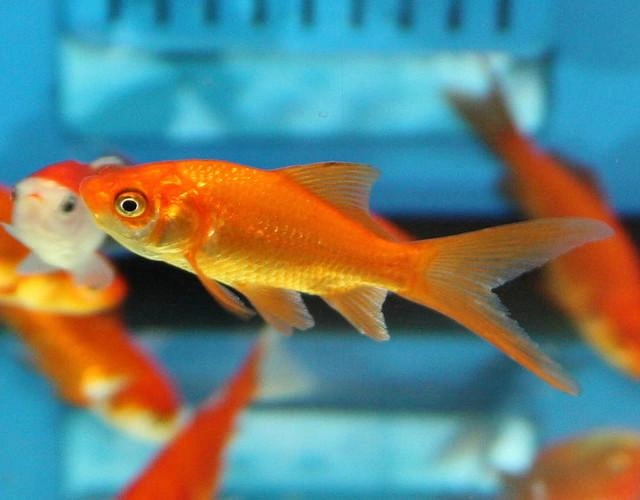 Common GoldfishCarassius auratus
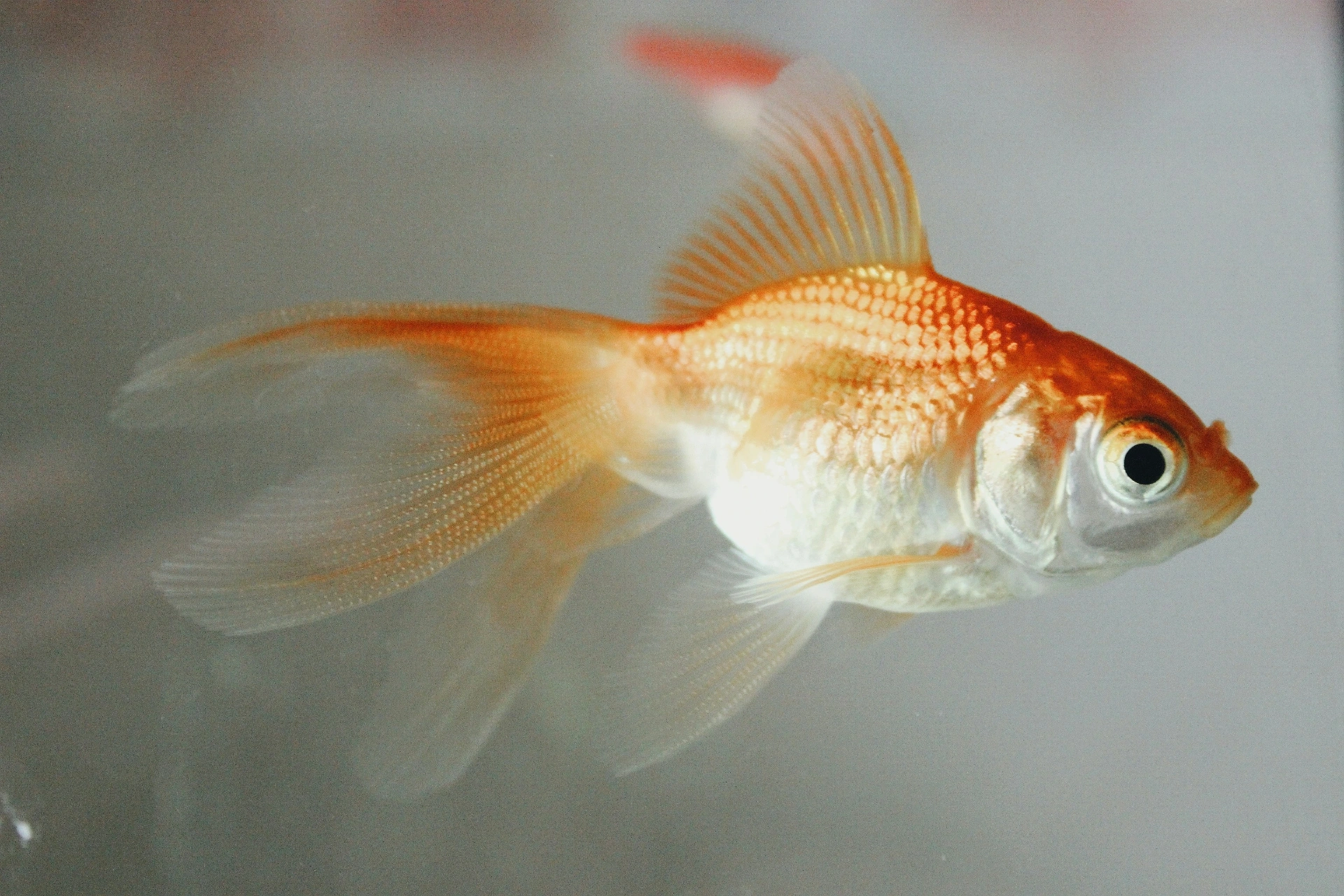 Fancy GoldfishCarassius auratus
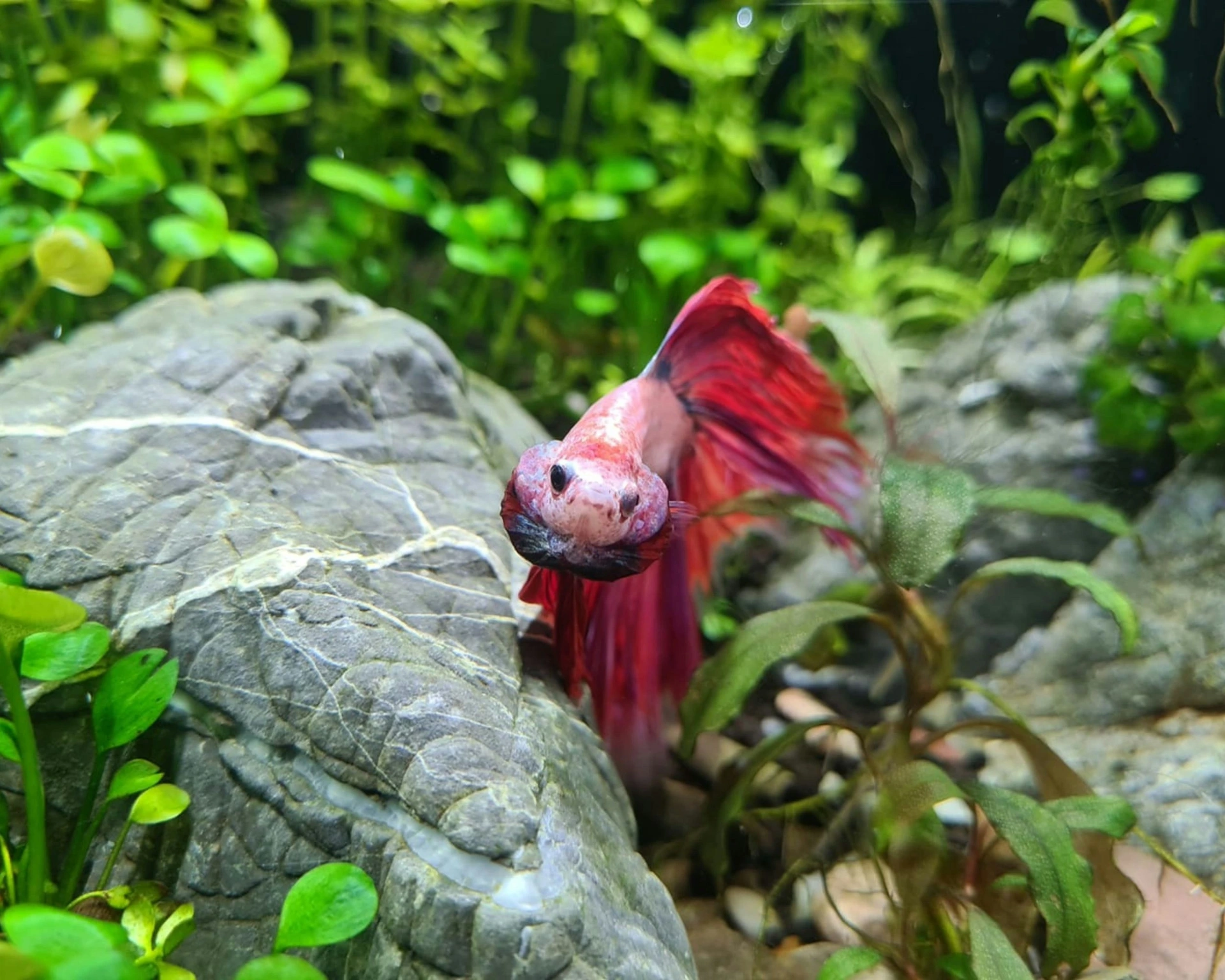 BettaBetta splendens
 OscarAstronotus ocellatus
 Jack DempseyRocio octofasciata
 Convict CichlidAmatitlania nigrofasciata
 Yellow LabLabidochromis caeruleus
 Red ZebraMaylandia estherae
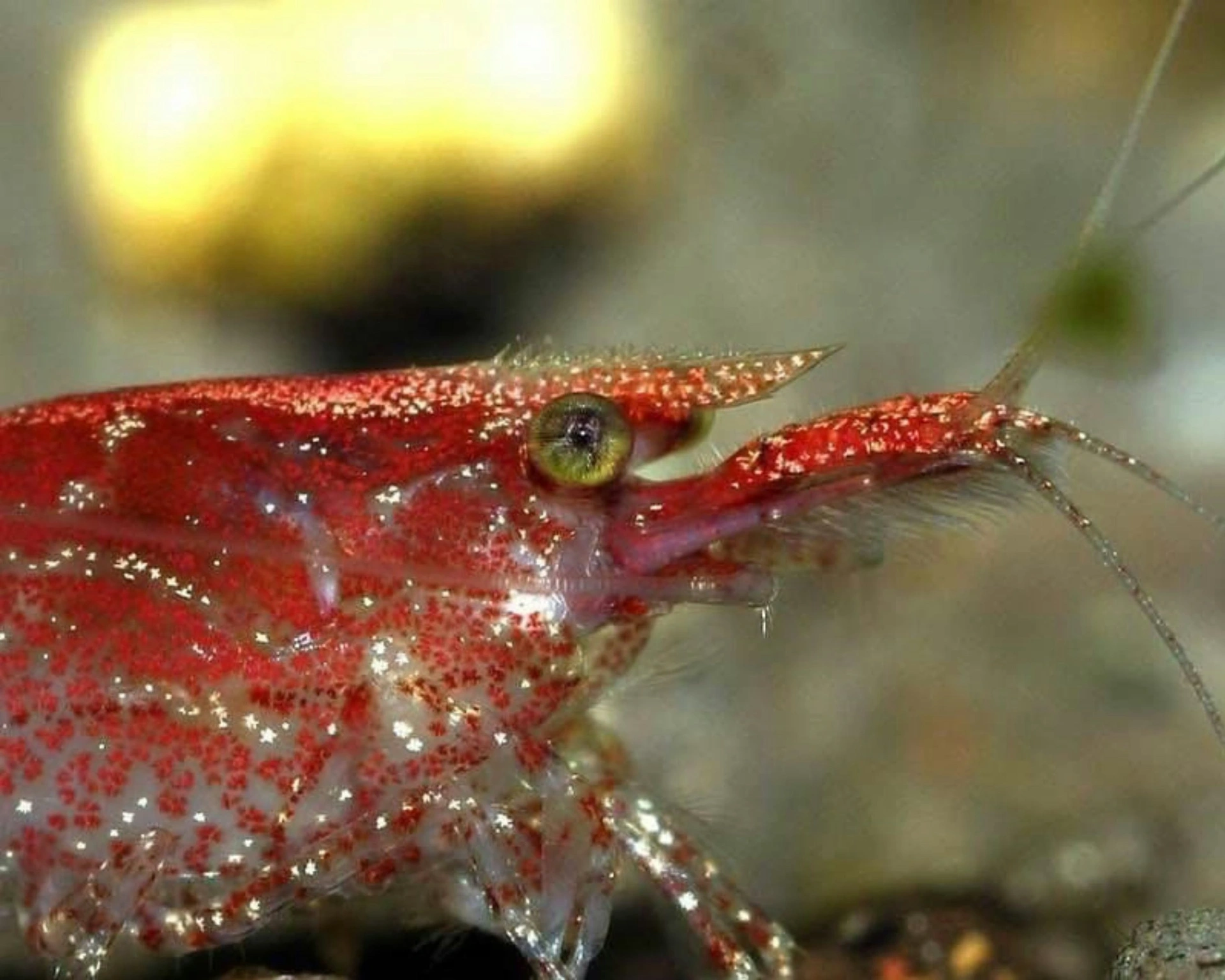 Cherry ShrimpNeocaridina davidi
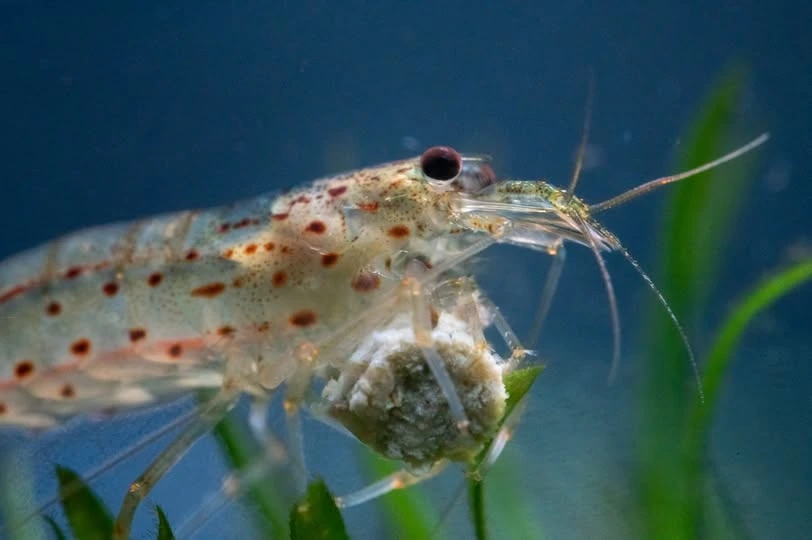 Amano ShrimpCaridina multidentata
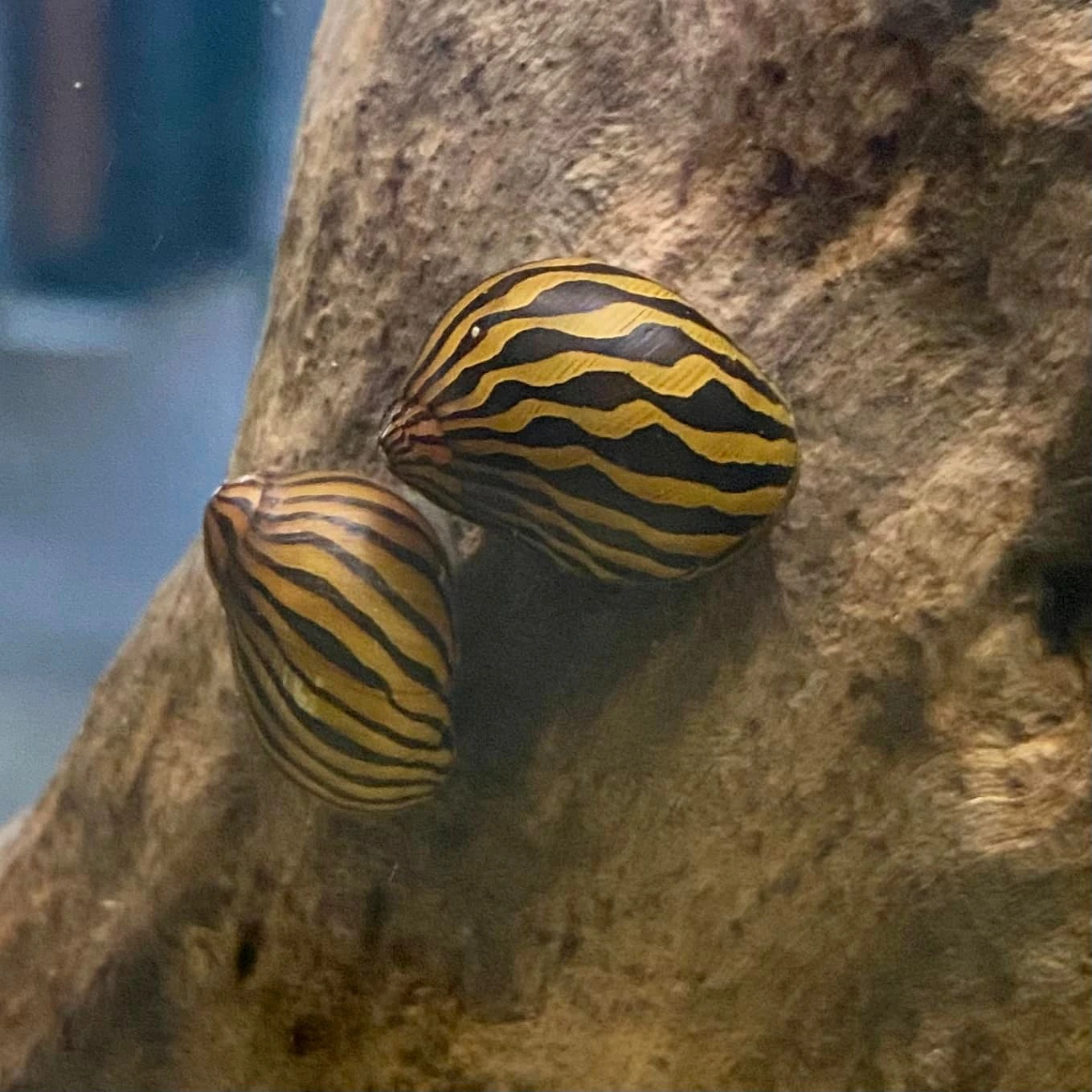 Nerite SnailNeritina sp.
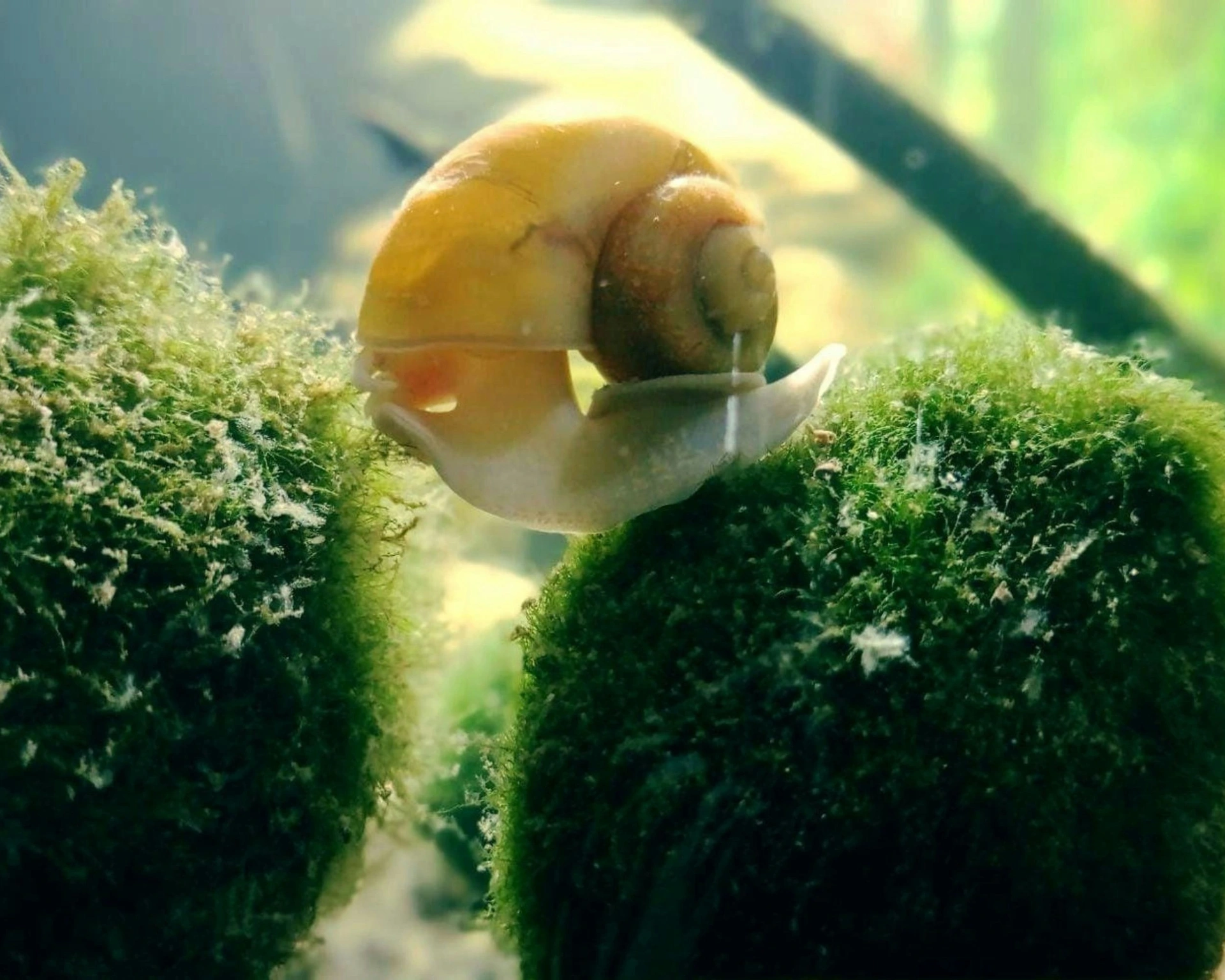 Mystery SnailPomacea bridgesii
Will eat or uproot it
Companion plants
Anything that shares java fern's low-light, no-CO2 budget works. Pair it with other epiphytes and slow rooted plants so one modest weekly dose covers the whole tank.
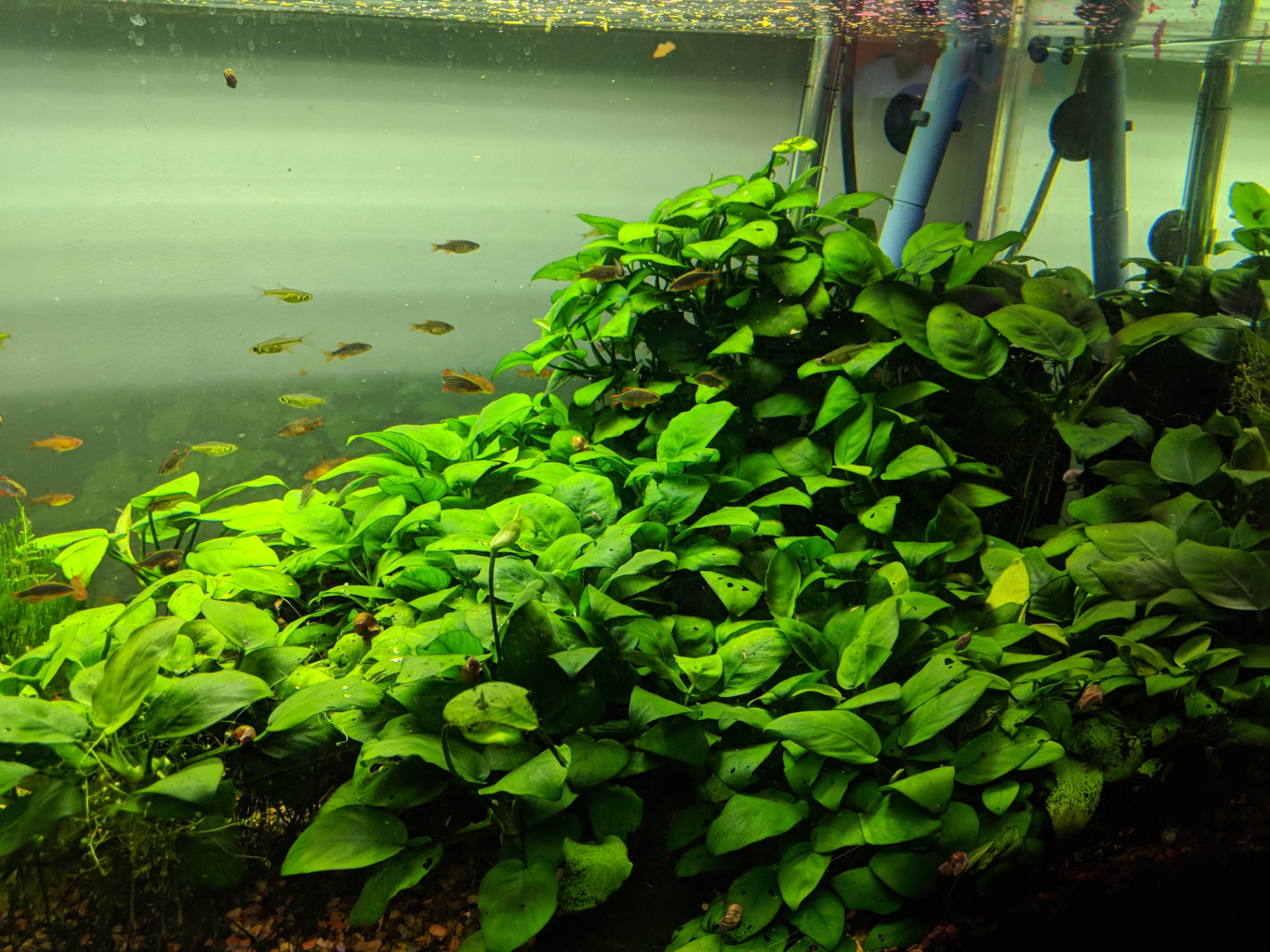
Anubias
Anubias barteri
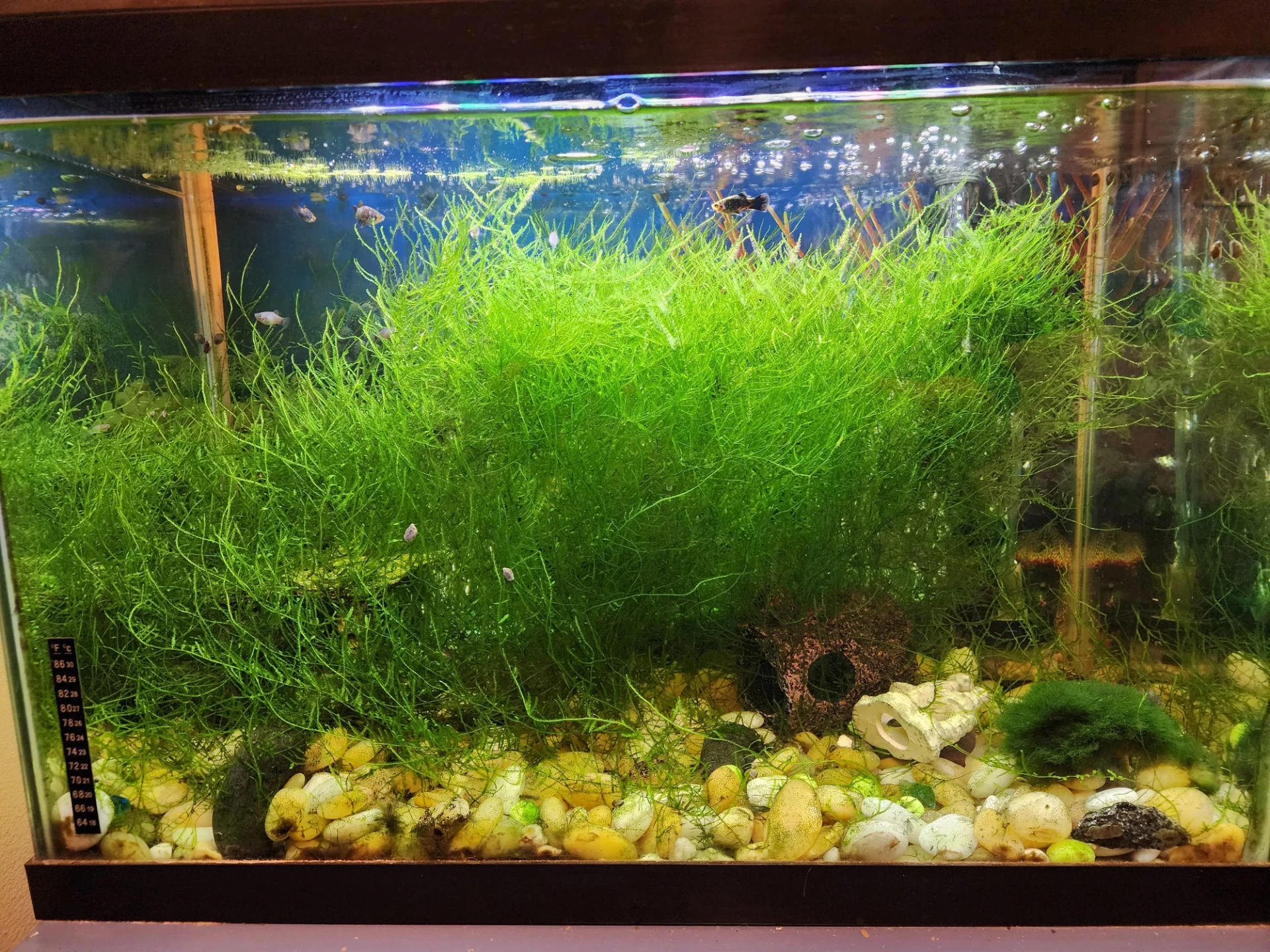
Java Moss
Taxiphyllum barbieri
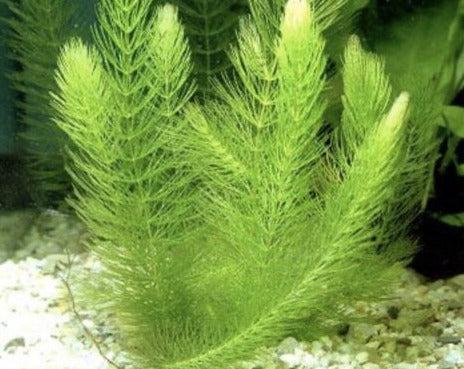
Hornwort
Ceratophyllum demersum
Pro tips & common mistakes
Pro tips
- Glue gel is faster and more reliable than thread, and it is safe once cured underwater — a bead the size of a grain of rice is enough.
- Attach it to a branch angled upward rather than a flat surface; the leaves fan outward and instantly look established.
- Buy one large portion and split it into three or four attachments — it fills a scape faster than a single clump ever will.
- Use Narrow Leaf or Needle Leaf in tanks under 40 litres; broad leaf outgrows a nano within a year.
- If a plant looks hopeless, strip every leaf and keep the bare rhizome attached. A firm green rhizome regrows in a few weeks.
Common mistakes
- Burying the rhizome in substrate — the single most common way to kill java fern.
- Throwing out a newly bought plant when it melts; the melt is the emersed-to-submersed conversion, not death.
- Adding root tabs and expecting a response — it feeds from the water column, not the substrate.
- Blasting it with high light to speed it up, which only grows algae on months-old leaves.
- Panicking at the brown dots on the leaf undersides and dosing algaecide at what are simply spores.
Frequently asked questions
Sources
- Plants of the World Online — Accepted name for Microsorum pteropus and its Southeast Asian distribution.
- IUCN Red List — Least Concern assessment, published under Leptochilus pteropus.
Related plants
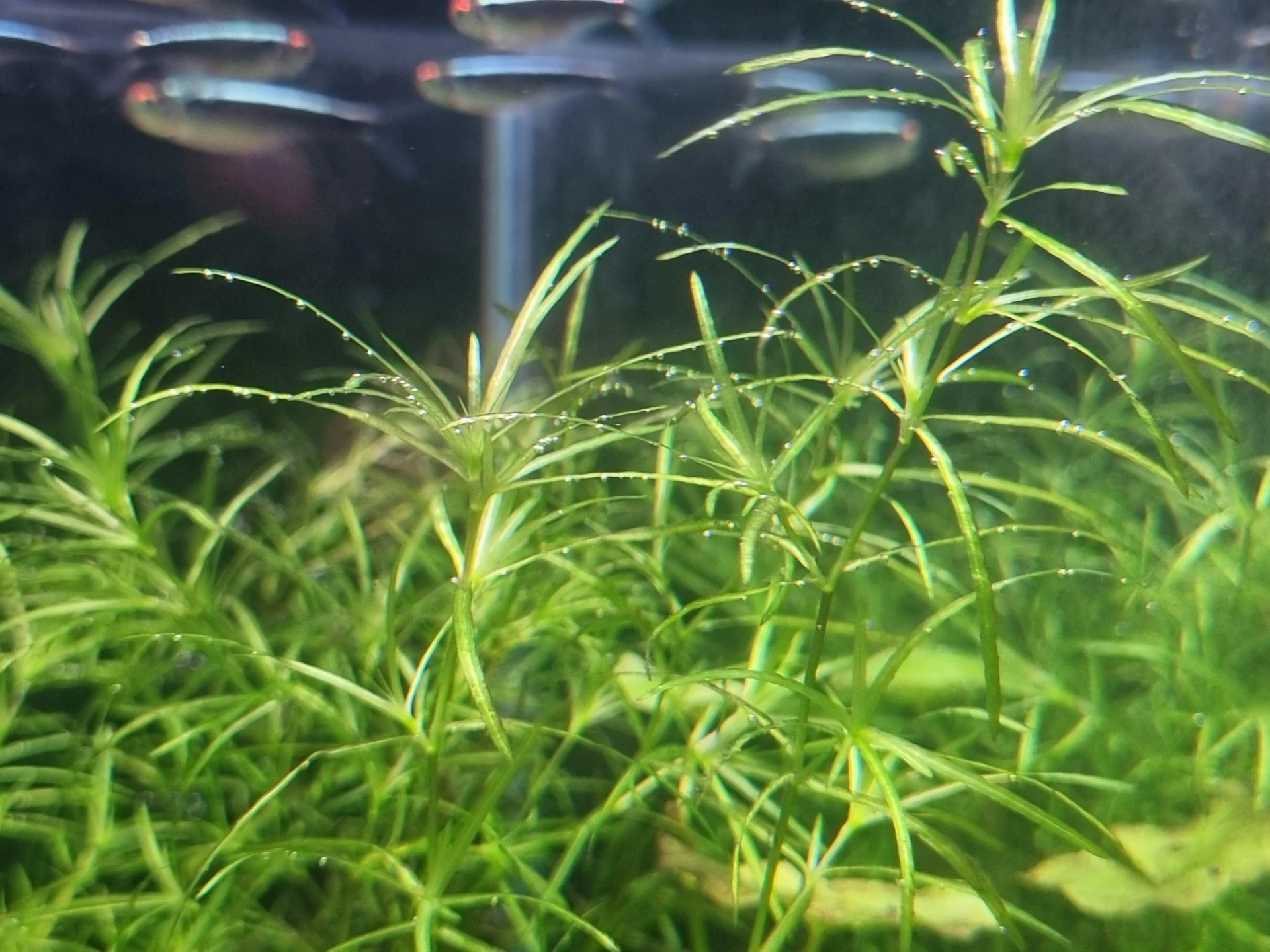
Guppy Grass
Najas guadalupensis
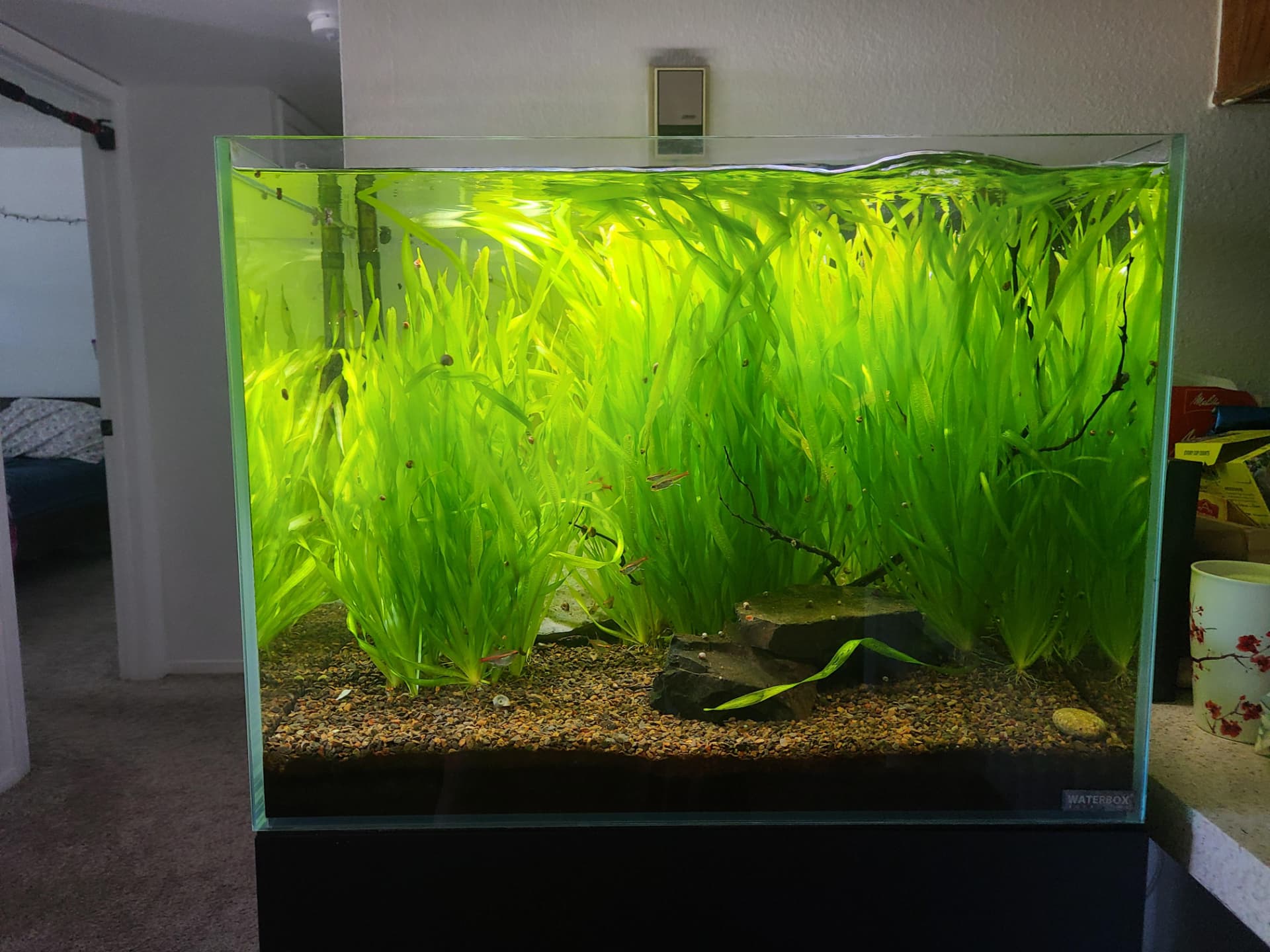
Vallisneria
Vallisneria spiralis
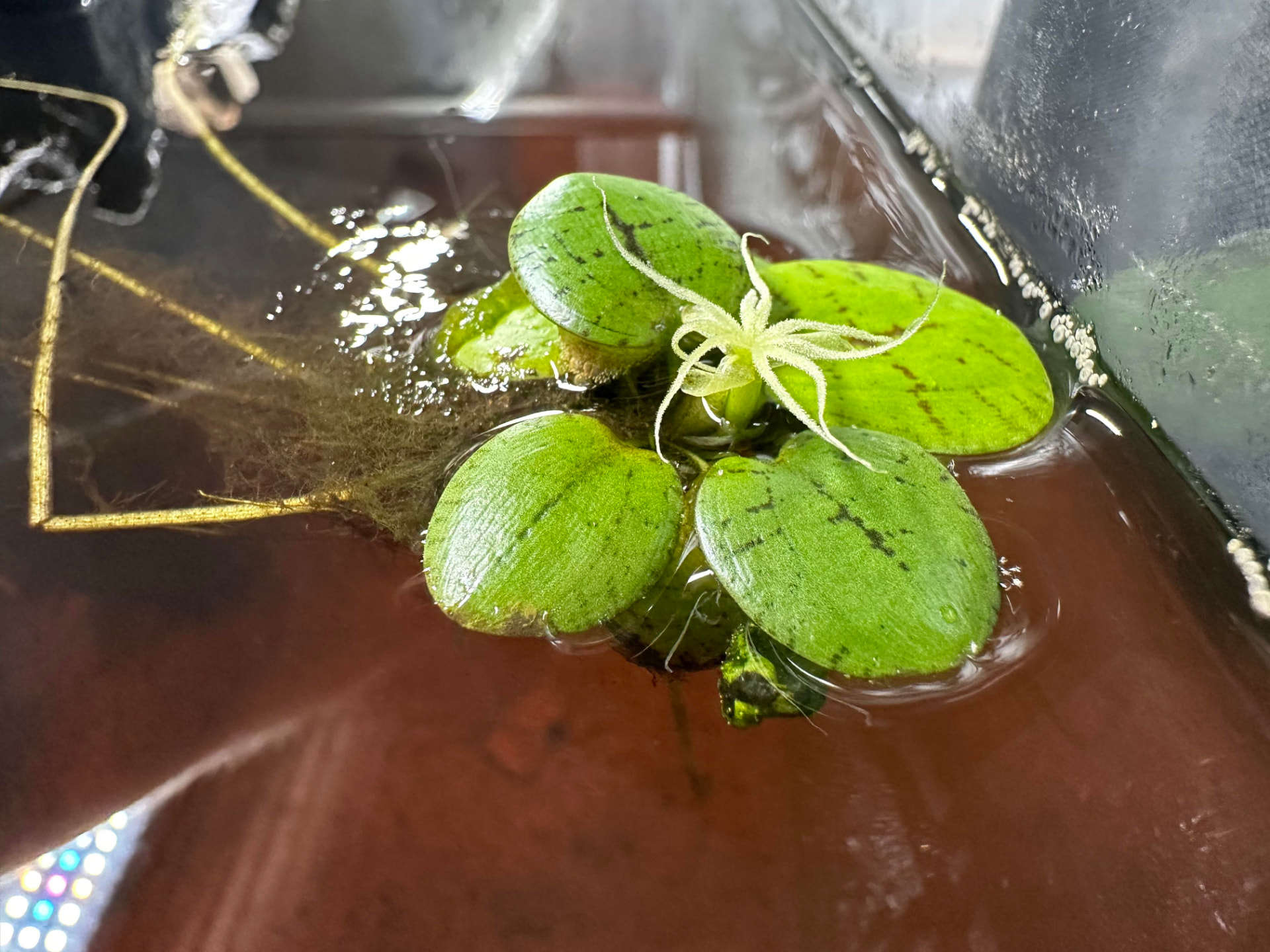
Amazon Frogbit
Limnobium laevigatum
Marimo Moss Ball
Aegagropila linnaei
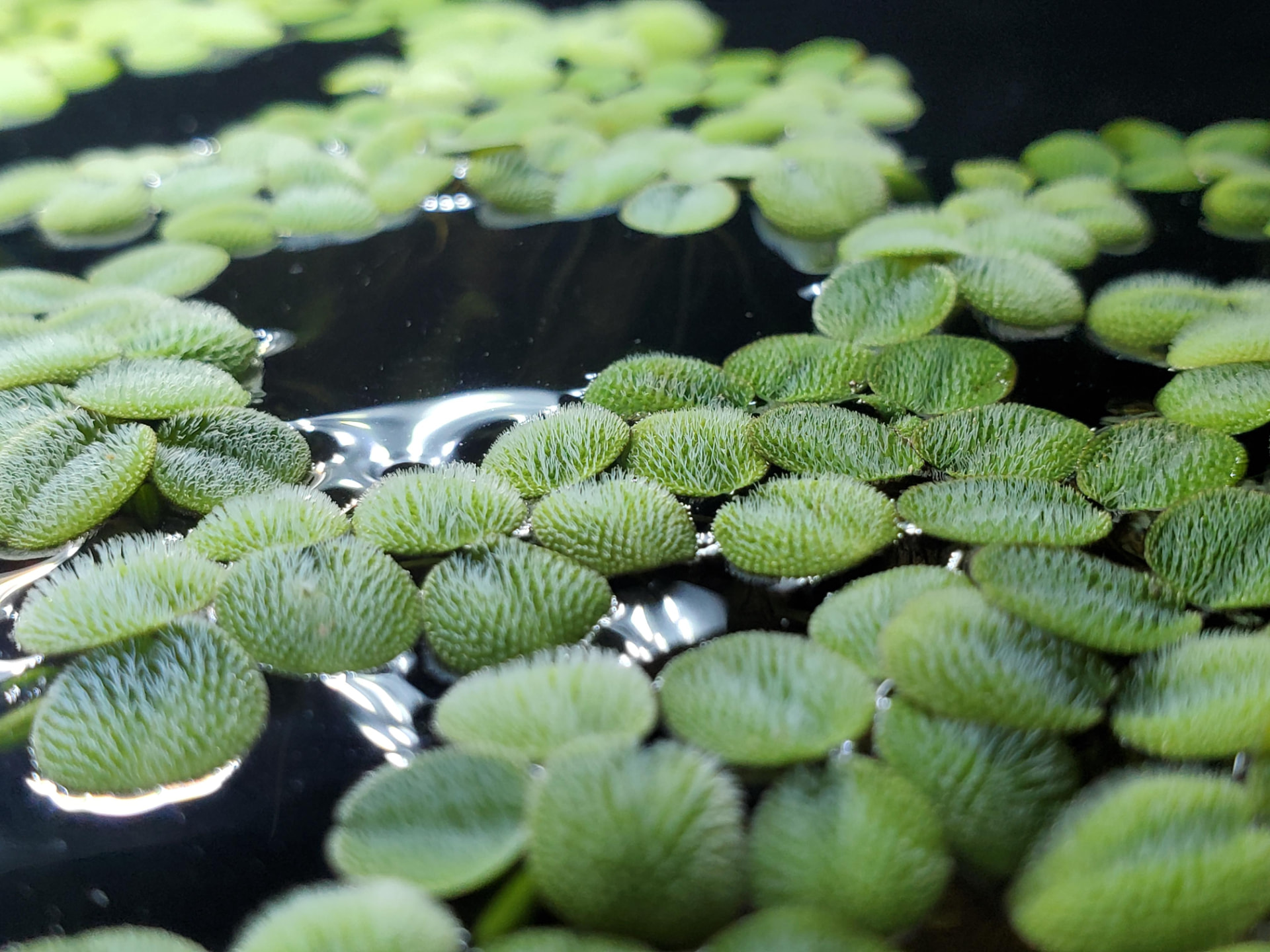
Salvinia
Salvinia minima
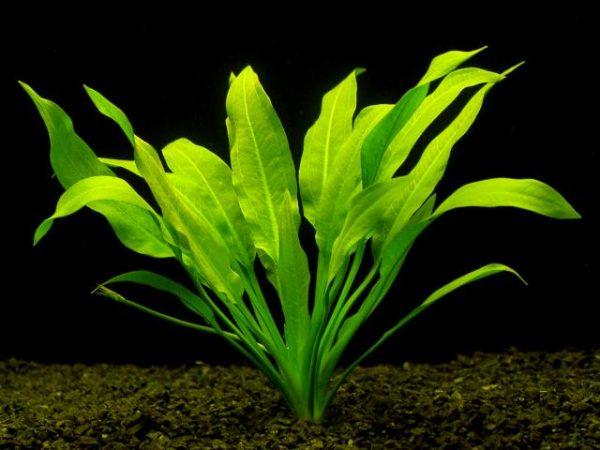
Amazon Sword
Echinodorus grisebachii
Where java fern fits in your build
Low-tech tanks live or die on stocking, not fertiliser. Java fern will grow in almost anything, so the real question is how many fish that filter and footprint can carry.
Reviewed by the AquariumStocking team · Updated August 2026