

Weather Loach
The closest thing to a purpose-built goldfish companion.
Adult Size
11.8" (30cm)
Min Tank
75 gal
Temperature
50-75°F
pH Range
7-8.4
Lifespan
10-15 years (up to 25+ with proper care)
Min Group
Can be kept alone
Diet
Omnivore
Swim Level
All
Bioload
5/10
Hardness
5-19 dGH
The Common Goldfish is simultaneously the world's most popular aquarium fish and its most mistreated. Billions have been sold, and billions have died prematurely in bowls, tiny tanks, and carnival prizes — victims of persistent myths about their care requirements. This profile exists to correct those myths: goldfish are NOT disposable pets, they do NOT 'grow to their tank size,' and they absolutely CANNOT thrive in bowls.
Properly kept, Common Goldfish are magnificent fish reaching 10-12 inches in aquariums and even larger in ponds. They live 10-15 years routinely, with exceptional specimens exceeding 25 years. That carnival goldfish could outlive your dog — if given appropriate care. The fish dying within weeks or months in bowls aren't demonstrating natural lifespan; they're being killed by ammonia poisoning in inadequate conditions.
Their care requirements are substantial: they need large tanks (75+ gallons) or preferably ponds, powerful filtration, and cool temperatures. They're coldwater fish that actually suffer in heated tropical aquariums. They produce enormous waste relative to their size — far more than tropical fish — requiring filtration most beginners don't anticipate.
For those willing to provide proper housing, goldfish offer remarkable rewards. They're intelligent, personable fish that recognize their keepers, learn feeding schedules, and display genuine individual personalities. They're hardy once established, tolerate temperature ranges other fish can't, and provide decades of companionship. The tragedy is how few ever experience this potential because of pervasive misinformation about their care.
Common Goldfish don't exist in the wild — they're domesticated fish developed in China over 1,000 years ago from wild Prussian carp (Carassius gibelio). Centuries of selective breeding produced the orange coloration and various body forms we recognize today. They're one of the earliest domesticated fish species.
Their wild ancestors inhabited slow-moving freshwater — ponds, lakes, and sluggish rivers across East Asia. These environments featured cool, well-oxygenated water with abundant plant growth. Understanding this ancestry explains goldfish preferences: they're temperate fish, not tropical, evolved for conditions very different from heated aquariums.
Feral goldfish populations now exist worldwide where released pets have established breeding populations. They're remarkably adaptable, surviving temperature extremes from near-freezing to warm summer waters. This adaptability, combined with high reproductive rates, makes them invasive concerns in many regions. Never release goldfish into natural waters.
Their natural diet as wild carp consisted of plants, algae, insects, crustaceans, and detritus — omnivorous feeding on whatever was available. This dietary flexibility carries into captivity; they're unfussy eaters accepting nearly any food offered.
Native Region
East Asia — China (domesticated species, no wild population)
Habitat Type
Originally slow-moving ponds, lakes, and rivers; now primarily captive/ornamental
Wild Water Conditions
Cool to temperate (10-24°C), well-oxygenated, neutral to alkaline
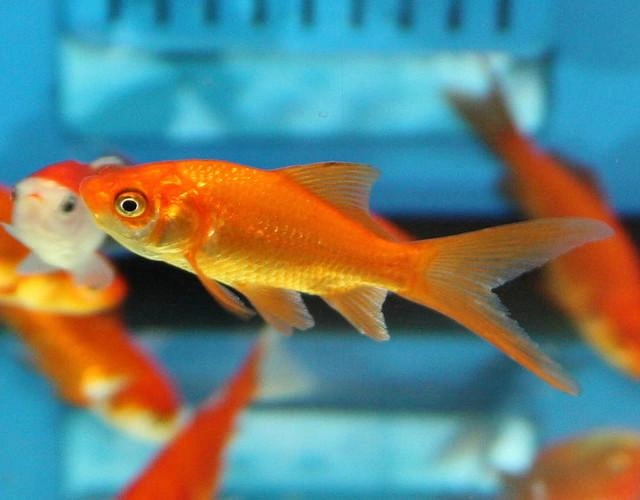
Common Goldfish display the classic 'goldfish' appearance — streamlined, torpedo-shaped bodies with single tail fins, built for active swimming. Unlike fancy goldfish varieties with modified bodies, Commons retain the athletic body shape of their carp ancestors, making them faster swimmers and generally hardier fish.
The iconic orange-gold coloration is the most recognized, but Common Goldfish also appear in red, white, yellow, orange-and-white combinations, and occasionally other colors. Young fish often start brownish or olive, developing orange coloration as they mature. Color intensity varies with diet, conditions, and genetics.
Adults typically reach 10-12 inches (25-30 cm) in aquariums and can exceed this in ponds — fish over 14 inches aren't unusual in optimal conditions. The stunted 2-3 inch fish in bowls represent growth suppression from inadequate conditions, not natural adult size. Healthy Commons are substantial, robust fish.
Comet Goldfish are a variety of Common Goldfish with longer, more flowing tail fins. Care requirements are identical — the distinction is purely aesthetic. Both are often sold interchangeably under either name.
| Variety | Description | Rarity |
|---|---|---|
| Common (Standard) | Classic goldfish shape with moderately sized, slightly forked tail fin. The original domesticated form. Hardy and athletic. | Very Common |
| Comet | Similar body to Common but with elongated, deeply forked tail fin creating elegant flowing appearance. American-developed variety. Equally hardy. | Very Common |
| Shubunkin | Calico coloration (blue, orange, black, white patches) on Common body type. 'Blue' base color is particularly prized. Hardy pond fish. | Common |
Minimum Tank Size
75 gallons
Recommended Tank Size
100 gallons
Common Goldfish require far more space than most people realize. They're pond fish that can adapt to large aquariums, not bowl fish. Proper setup prevents the ammonia poisoning that kills most pet goldfish.
Goldfish are COLDWATER fish — they don't need heaters and actually suffer in warm water. Room temperature (65-72°F) is ideal for indoor tanks. They tolerate wide temperature ranges, surviving near-freezing pond temperatures in winter to summer warmth. Hard, alkaline water suits them well. They're adaptable to various conditions but excel in cooler temperatures with good oxygen levels. Temperature: 10-24°C (50-75°F), pH: 7.0-8.4, Hardness: 5-19 dGH.
Goldfish constantly forage, sifting substrate for food. Smooth gravel or sand allows natural behavior. Avoid small gravel they might swallow and become impacted. Bare bottom tanks work for easier cleaning but prevent foraging behavior. Many pond keepers use no substrate.
Goldfish eat plants. Most planted tank attempts fail as goldfish consume, uproot, or destroy vegetation. Hardy species like Anubias and Java Fern may survive. Elodea/Anacharis can be grown as supplemental food they'll consume. Goldfish need swimming room more than decorations. If including décor, ensure nothing sharp that could injure them.
Goldfish produce 2-3x the waste of comparably-sized tropical fish. Filtration rated for their tank size is INSUFFICIENT — use filters rated for 2x your tank volume minimum. Canister filters or multiple HOB filters are standard. Pond setups need dedicated pond filtration. Underfiltering is the second most common cause of goldfish death after inadequate tank size.
No special lighting requirements. Standard aquarium lighting works fine. Natural light cycles are beneficial. Avoid placing tanks in direct sunlight, which causes temperature swings and algae problems.
Diet Type
omnivore
Feeding Frequency
1-2 times daily
Portion Size
What they can consume in 2-3 minutes. Goldfish always appear hungry — this is manipulation, not genuine need. One fasting day per week benefits digestion.
Common Goldfish are easy-to-feed omnivores accepting nearly anything offered. Their enthusiasm for food can lead to overfeeding problems — they'll always act hungry regardless of actual need.
Feed 1-2 times daily. One fasting day per week benefits digestion and prevents swim bladder issues.
Common Goldfish are active, social fish that display more personality than many people expect. They're intelligent enough to recognize their keepers, learn feeding schedules, and even perform simple trained behaviors. Long-term keepers often describe genuine bonds with their fish.
They're peaceful community fish that do well with other goldfish of similar type. Commons and Comets are faster swimmers than fancy varieties and may outcompete fancies for food — keep similar types together. They're not aggressive but will eat anything that fits in their mouths, including smaller fish and invertebrates.
Activity levels are high when healthy — constant swimming, foraging, and exploring. Lethargic goldfish are usually sick goldfish. They're most active during daylight hours and rest at night, though they don't truly sleep like mammals.
Social hierarchy exists in groups, but aggression is minimal. Breeding behavior in spring can include males chasing females persistently, which can stress females in small spaces. Otherwise, they're among the most peaceful fish available.
A common goldfish is a large, cool-water, heavy-waste animal, and those three facts eliminate almost every tropical fish sold as a tank mate. What remains are temperate species that tolerate the same 18–22 °C and are too big to be inhaled during feeding. Volume spent on tank mates is volume the goldfish was using to dilute its own waste.
The closest thing to a purpose-built goldfish companion.
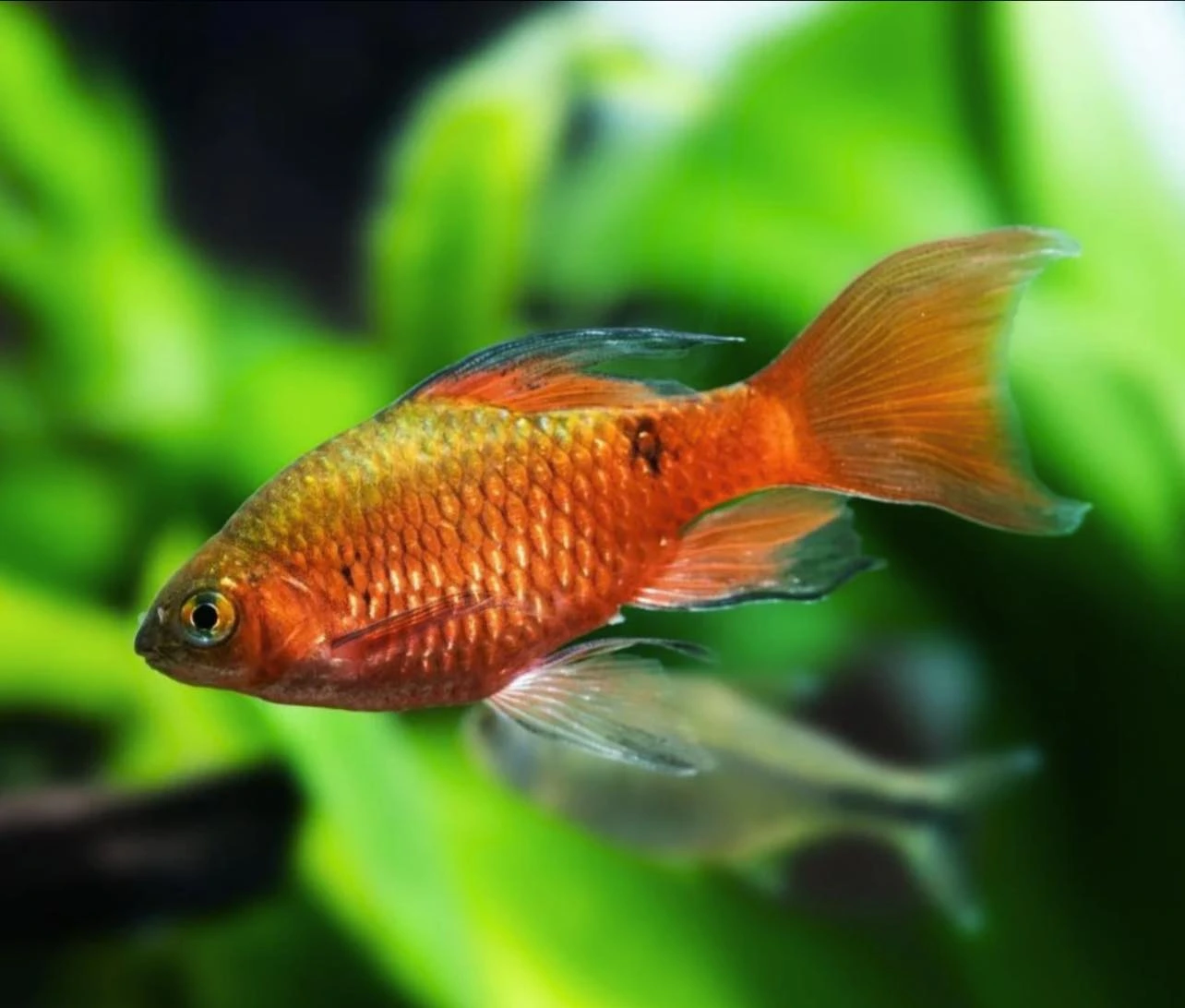
A hardy temperate barb that thrives in exactly the unheated 18–22 °C range a goldfish tank runs at, which is rare enough to make it a standard recommendation.
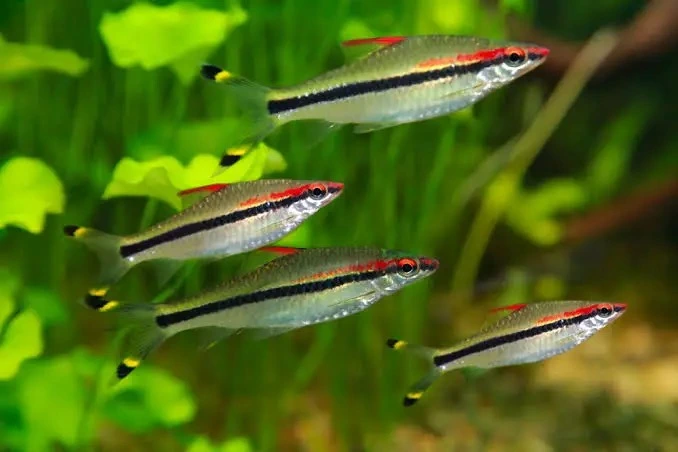
A 15 cm torpedo-shaped barb that is far too large to be eaten and comfortable down to 18 °C, so both of the usual objections disappear.
Also compatible: Giant Danio, Rubber Lip Pleco, Madagascar Rainbowfish
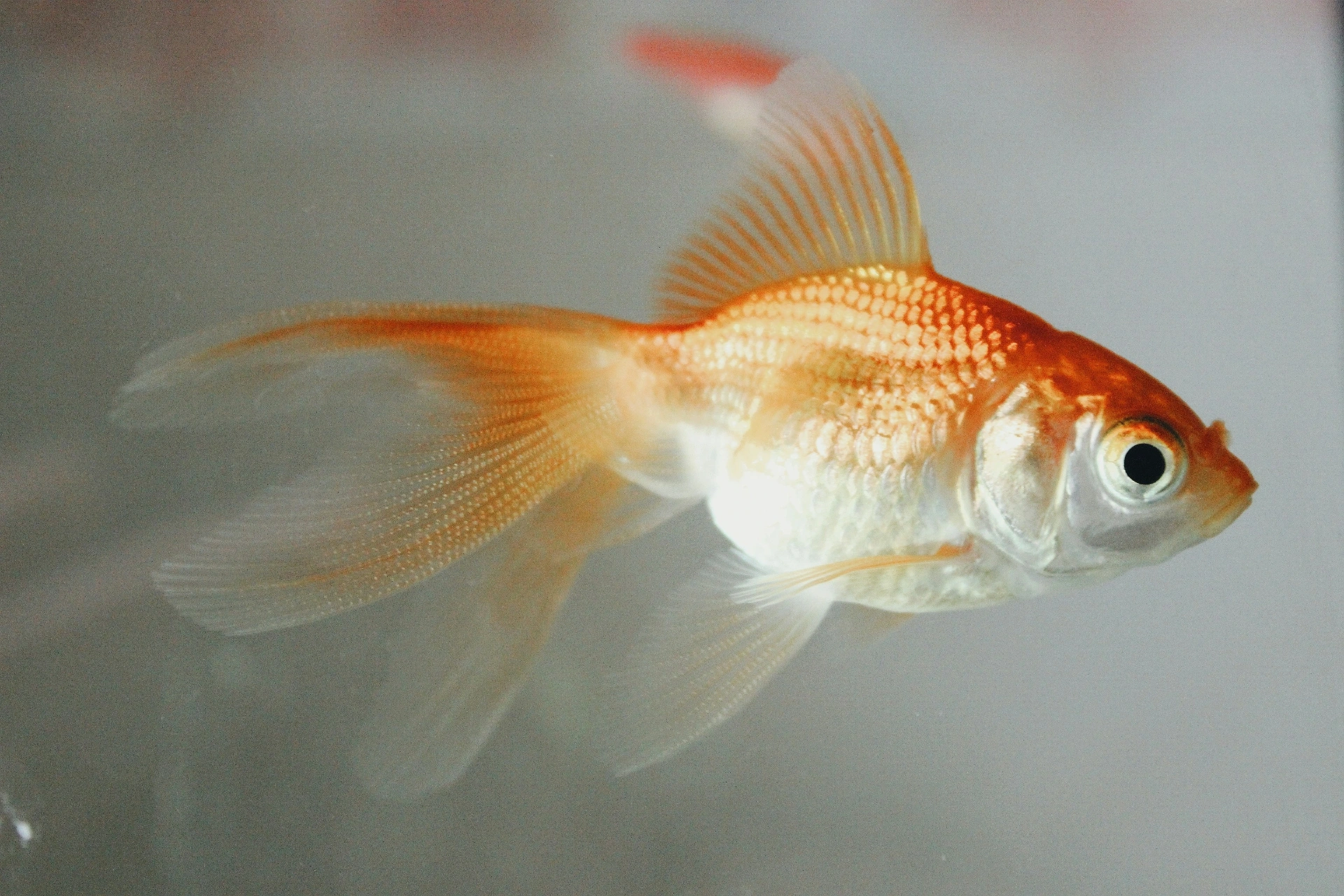
Avoid — outcompeted for food
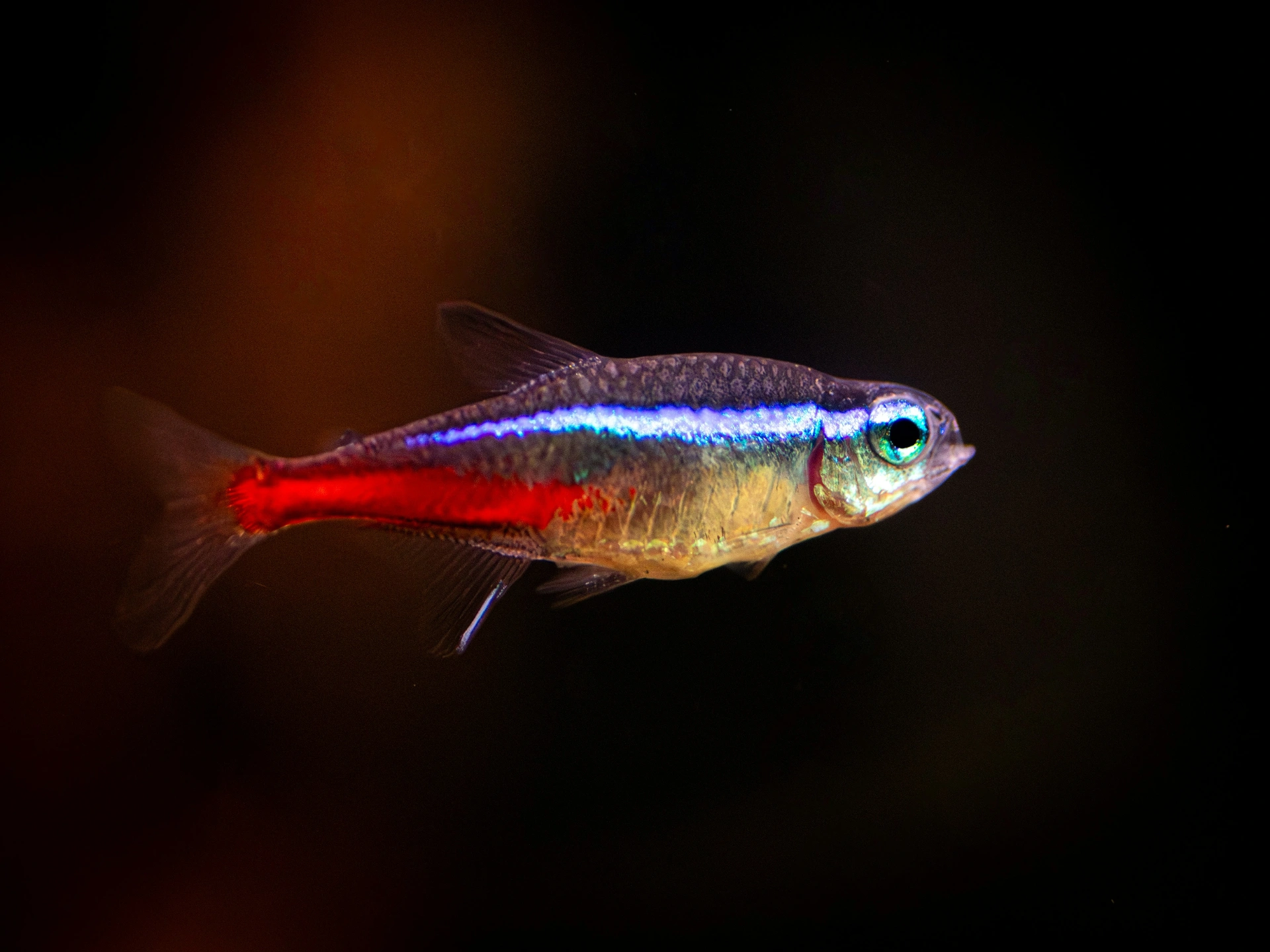
Avoid — will be eaten
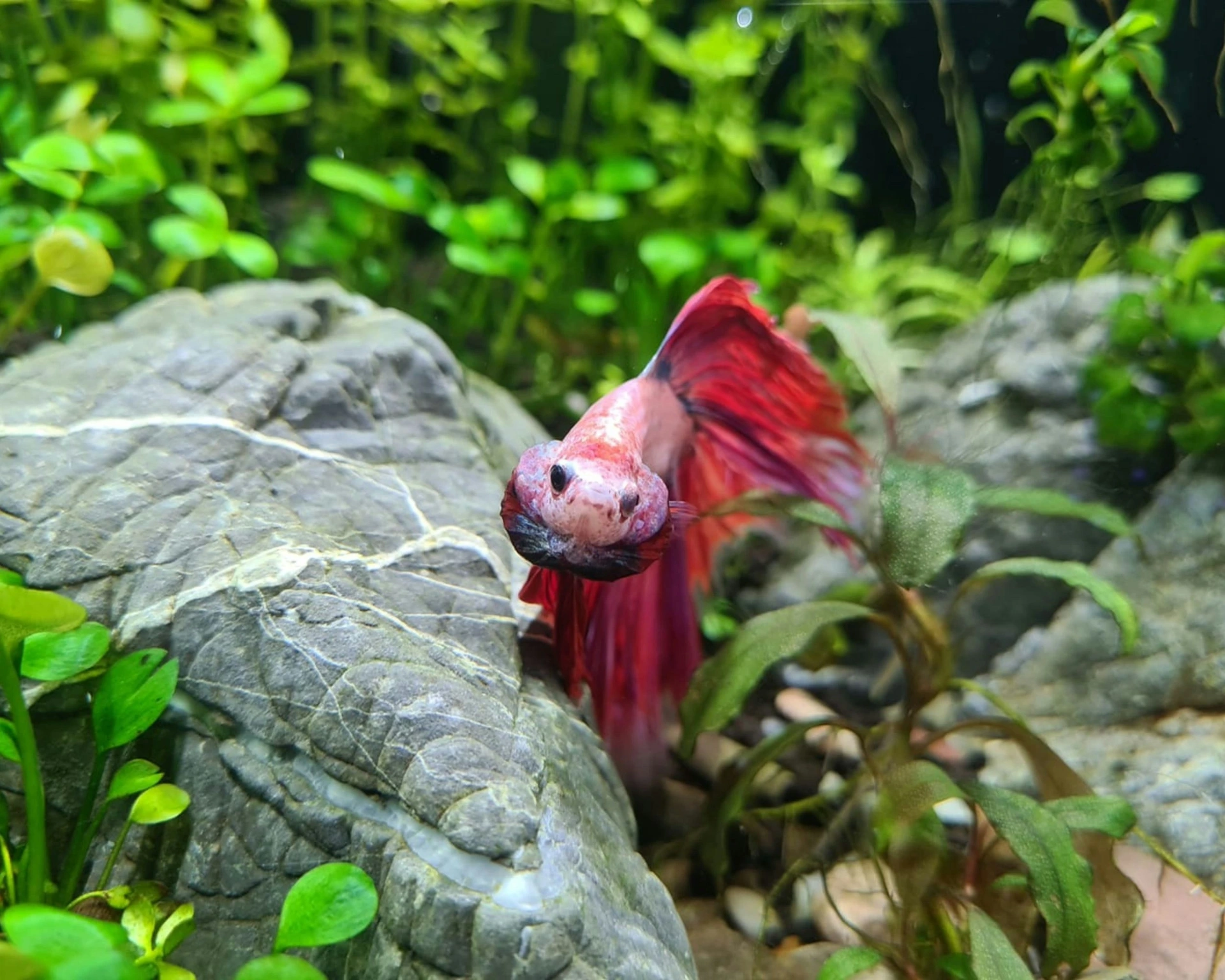
Avoid — wrong temperature range
Also avoid: Guppy, Cherry Shrimp, Otocinclus, Angelfish
Full Common Goldfish tank mates guideCommon Goldfish breed readily in appropriate conditions — ponds often experience 'accidental' breeding when conditions trigger spawning. Males develop white breeding tubercles on gill covers during breeding season. Breeding triggers include temperature changes simulating seasons. Eggs hatch in 4-7 days; parents will eat eggs and fry.
Common Goldfish are hardy when properly housed but suffer predictably when kept in inadequate conditions. Most goldfish health problems trace directly to poor water quality from overstocking and underfiltering.
| Disease | Symptoms | Treatment |
|---|---|---|
| Ammonia/nitrite poisoning | Gasping, red/inflamed gills, lethargy, death. THE most common goldfish killer. | Immediate water change, address overstocking/underfiltering. |
| Ich (White Spot) | White spots on body and fins, scratching against objects. | Raise temperature slightly (within safe goldfish range), salt treatment, ich medication. |
| Swim bladder disorder | Floating at surface, sinking, swimming abnormally. | Often diet-related — fast 2-3 days, feed blanched peas. Improve water quality. |
| Fin rot | Ragged, deteriorating fins, often with red edges. | Improve water quality (usually the cause). Antibacterial treatment for severe cases. |
| Dropsy | Severely bloated body, raised scales ('pinecone' appearance). | Often fatal by time symptoms appear. Epsom salt baths, antibacterial treatment. |
| Flukes | Scratching, excess mucus, labored breathing, lethargy. | Praziquantel treatment. May require multiple treatments. |
NO. This is the most harmful myth in fishkeeping. Goldfish cannot survive long-term in bowls — they need 75+ gallons minimum. Bowls lack filtration and volume to process their enormous waste production. Fish in bowls die from ammonia poisoning, usually within weeks to months. Properly kept goldfish live 10-25+ years.
Common Goldfish reach 10-12 inches (25-30 cm) in aquariums and can exceed this in ponds. The small fish you see in stores are juveniles — they don't stay that size. The stunted 2-3 inch fish in bowls represent growth suppression from inadequate conditions, not natural adult size.
With proper care: 10-15 years routinely, with well-maintained fish often exceeding 20 years. The oldest documented goldfish lived 43 years. The common perception that goldfish live 'a few months' reflects how most are killed by inadequate housing, not natural lifespan.
NO — this is a harmful myth. Fish don't automatically adjust growth to container size. What actually happens: goldfish in small tanks become stunted, suffer organ damage, and die prematurely from poor conditions.
Generally no — temperature incompatibility is the main issue. Goldfish are coldwater fish thriving at 65-72°F; tropical fish need 76-82°F. Keeping goldfish in heated tropical tanks stresses them and shortens lifespan.
This usually indicates oxygen deprivation, often caused by ammonia poisoning. Test your water immediately — ammonia and nitrite should be zero. This is an emergency requiring immediate water change.
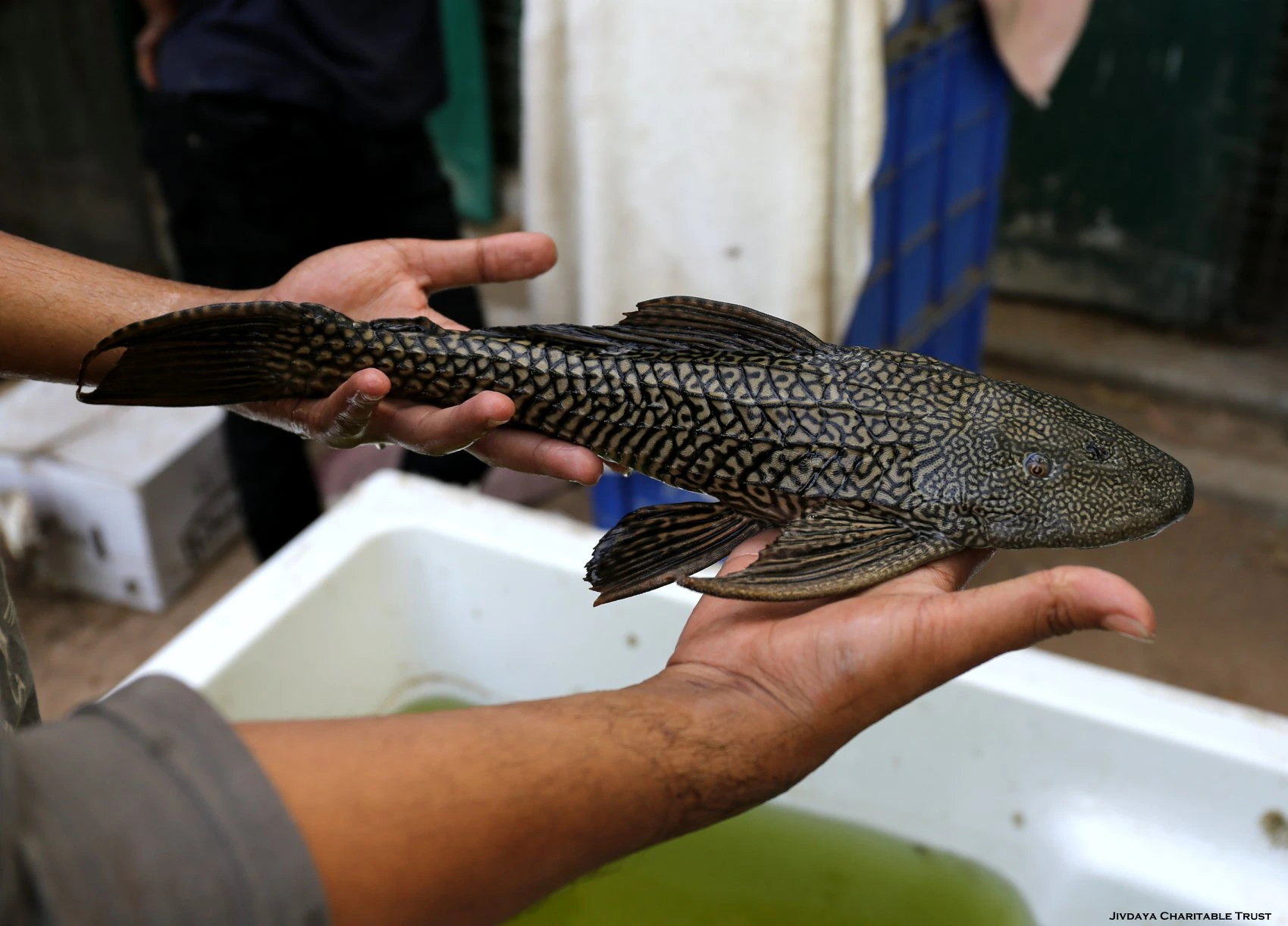
Hypostomus plecostomus
Carassius auratus

Pseudotropheus acei
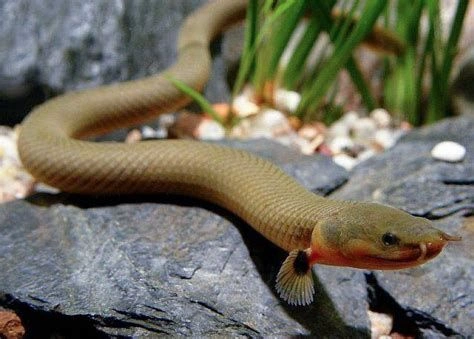
Erpetoichthys calabaricus
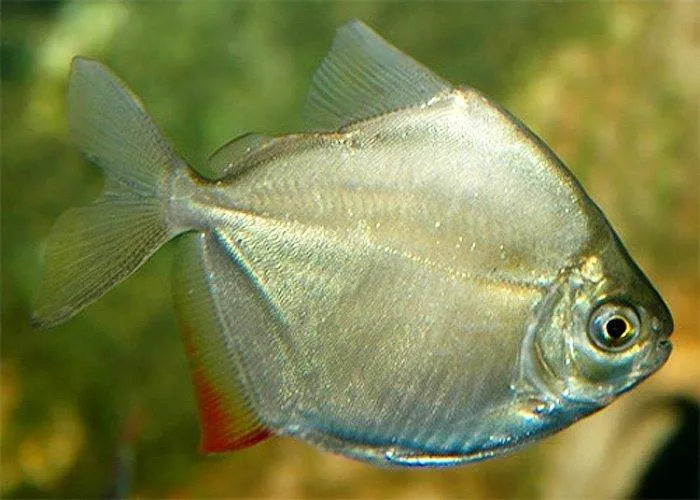
Metynnis argenteus
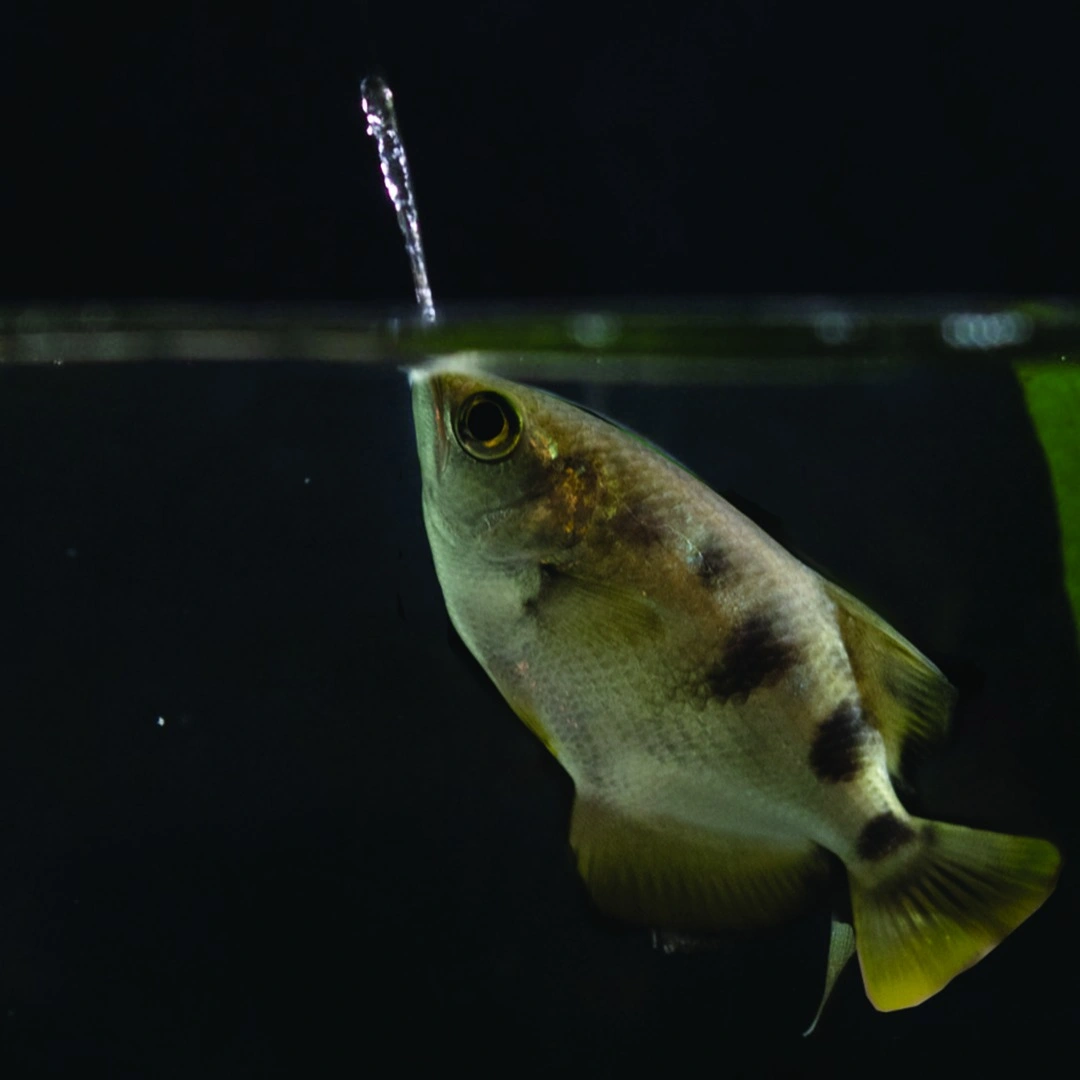
Toxotes jaculatrix

Pseudotropheus crabro

Sciaenochromis fryeri
Use our free stocking calculator to check compatibility, bioload, and get personalized recommendations.