

Care Requirements
Adult Size
5.9" (15cm)
Min Tank
75 gal
Temperature
75-82°F
pH Range
7.5-8.8
Lifespan
8-10 years
Min Group
6+ fish
Diet
Herbivore
Swim Level
Middle
Bioload
3/10
Hardness
10-20 dGH
About Acei Cichlid
The Acei Cichlid breaks nearly every mbuna stereotype. While most mbuna are territorial rock-dwellers with intense aggression, Acei are peaceful schooling fish that spend much of their time in open water. This unusual temperament makes them perfect for keepers who want Lake Malawi color and hardiness without the combative dynamics typical of African cichlids.
In the wild, Acei inhabit a unique ecological niche — rather than defending rocky territories, they school above submerged logs and fallen trees, grazing on the biofilm and algae growing on wood. This wood-associated lifestyle is unusual among Lake Malawi cichlids and explains their peaceful disposition; schooling behavior requires cooperation, not territorial aggression.
Their coloration is subtle but attractive: a deep blue-purple body with striking yellow or white fins depending on the variant. Males and females look nearly identical, making sexing difficult without close examination. This similarity, combined with their schooling nature, means they work best in groups where precise sex ratios matter less.
Acei's peaceful nature makes them versatile tankmates. They coexist well with other peaceful to moderately aggressive mbuna, haplochromines, and even some Peacocks — combinations that would fail with more aggressive mbuna. For beginners intimidated by mbuna aggression, Acei offer an excellent entry point into African cichlid keeping.
Natural Habitat & Origin
Acei cichlids occupy a unique niche in Lake Malawi. While most mbuna are strictly rock-dwelling, Acei associate with submerged wood — fallen trees, logs, and branches that accumulate along the northwestern shoreline. They school above this woody debris, grazing on the aufwuchs growing on submerged surfaces.
This habitat preference shapes their unusual behavior. Schooling above wood requires cooperation rather than territorial defense, producing a peaceful temperament rare among mbuna. In aquariums, they often hover in midwater in loose groups, occasionally descending to graze on surfaces.
Two main variants exist based on fin coloration — Yellow-Tail Acei from the Msuli and Ngara regions, and White-Tail Acei from other locations. Both share the same peaceful temperament and care requirements.
Native Region
Lake Malawi, northwestern shoreline (wood-associated)
Habitat Type
Open water above submerged logs and fallen trees
Wild Water Conditions
Hard, alkaline water (pH 7.8-8.6), stable parameters
Appearance & Varieties
Acei display a deep blue to purple body coloration with fins that vary by geographic variant. The Yellow-Tail form features bright yellow dorsal, caudal, and pelvic fins contrasting beautifully with the blue body. The White-Tail form has white or light blue fins, creating a more subtle appearance.
Both males and females display similar coloration, making visual sexing unreliable. Males may be slightly larger and show marginally more intense color, but differences are subtle. Venting remains the only reliable sexing method.
Popular Varieties
| Variety | Description | Rarity |
|---|---|---|
| Yellow-Tail Acei (Msuli/Ngara) | Deep blue-purple body with bright yellow dorsal, caudal, and pelvic fins. The most popular and striking variety. | Common |
| White-Tail Acei | Same blue-purple body with white or pale blue fins instead of yellow. More subtle appearance but equally hardy and peaceful. | Uncommon |
Tank Setup & Requirements
Quick Requirements Summary
Tank Size
Minimum Tank Size
75 gallons
Recommended Tank Size
100 gallons
Acei tanks should provide both open swimming space and grazing surfaces. Unlike typical mbuna setups that prioritize dense rockwork, Acei appreciate more open water for schooling behavior. Including driftwood mimics their natural habitat.
Water Parameters
Standard Lake Malawi chemistry. Temperature 24-28°C (75-82°F), pH 7.5-8.8, hardness 10-20 dGH. Use aragonite substrate, limestone, or crushed coral to buffer pH naturally. Acei are more tolerant of parameter variation than aggressive mbuna but still require hard, alkaline conditions.
Substrate
Sand or fine gravel. Aragonite sand provides buffering while maintaining natural aesthetics. Substrate choice is less critical for Acei than for bottom-dwelling species.
Plants & Decorations
Mix of rockwork and driftwood with open swimming space. Include some rock groupings for territory markers, but leave substantial open swimming areas. Driftwood mimics their natural wood-associated habitat — Acei will graze on biofilm growing on wood surfaces. Hardy plants like Anubias and Java Fern may survive.
Filtration & Water Flow
Aim for 8x tank volume turnover per hour. Canister filtration recommended. Good biological filtration and oxygenation essential. Their wood-associated habitat means they tolerate tannins from driftwood better than most mbuna.
Lighting
Standard aquarium lighting works well. If using driftwood, moderate lighting encourages biofilm growth that Acei naturally graze on.
Diet & Feeding Guide
Diet Type
herbivore
Feeding Frequency
2-3 times daily in small amounts
Portion Size
What the school can consume in 2 minutes. Multiple small feedings mimic natural grazing patterns.
Acei are herbivores that graze on aufwuchs in the wild — the biofilm, algae, and microorganisms covering submerged wood and rocks. Like other herbivorous mbuna, they're susceptible to Malawi bloat when fed high-protein foods. A plant-based diet is essential for long-term health.
Best Foods for Acei Cichlid
- Spirulina flakes/pellets — Should form the staple diet. Spirulina closely matches their natural aufwuchs food source.
- Algae wafers — Excellent supplement that encourages natural grazing behavior. Acei will school to graze on wafers together.
- Blanched vegetables — Zucchini, cucumber, shelled peas, spinach. Provides variety and enrichment.
- Quality herbivore pellets — New Life Spectrum, Northfin Veggie, or similar with plant-based primary ingredients.
Foods to Avoid
- Bloodworms — High protein triggers Malawi bloat in herbivorous mbuna. Never feed to Acei.
- Brine shrimp — Too high in protein for strict herbivores. Avoid entirely.
- High-protein cichlid foods — Many cichlid foods are formulated for carnivores. Always check labels.
- Beef heart and mammalian proteins — Inappropriate for any fish. Mammalian fats cause organ damage.
Overfeeding contributes to bloat and water quality issues. Multiple small feedings mimic natural grazing patterns.
Behavior & Temperament
Acei behavior sets them apart from virtually all other mbuna. Rather than defending rocky territories with aggressive posturing, they school peacefully in midwater, often hovering as a loose group that moves together around the tank. This schooling instinct makes them social fish that do best in groups of 6 or more.
Males do establish loose hierarchies, and some chasing occurs during breeding, but aggression rarely reaches the intense levels seen in other mbuna. Serious injuries are uncommon even in smaller tanks.
Their grazing behavior is constant and entertaining. Acei methodically work over surfaces — glass, rocks, driftwood, decorations — picking at biofilm and algae. Groups often graze together, creating an appealing display.
Tank Mates: Compatibility Guide
Compatible Tank Mates
Both peaceful mbuna with complementary colors. Excellent pairing for harmonious mbuna tank.
Another peaceful mbuna species. Different coloration and similar temperament.
Acei's peaceful nature makes them one of the few mbuna that can coexist with Peacocks.
While more aggressive, Acei's midwater schooling keeps them out of rock territory disputes.
Hardy African catfish that complements any mbuna setup.
Both use open water and have moderate temperaments. Works well in larger tanks.
Tank Mates to Avoid
Highly aggressive mbuna
Species like Kenyi, Auratus, and Melanochromis will bully the peaceful Acei.
Small community fish
Tetras, rasboras require completely different water chemistry.
Demasoni (in small tanks)
Demasoni aggression can overflow to any tankmate in smaller setups.
Fish requiring soft water
South American cichlids and most community fish cannot tolerate Lake Malawi chemistry.
Common Pairing Questions
Can Acei live with Peacocks?
Yes — Acei are one of the few mbuna peaceful enough to coexist with Peacock Cichlids.
Can Acei live with Demasoni?
Possible in very large tanks (100+ gallons) with proper Demasoni numbers (12+). Risky in smaller setups.
Acei are maternal mouthbrooders that breed readily but less prolifically than many mbuna. Their peaceful nature means breeding aggression is minimal. Females hold 20-40 eggs for approximately 3 weeks without eating. Fry are released fully formed and can accept crushed flake and baby brine shrimp immediately. Breeding is straightforward — provide proper conditions and a group of healthy adults, and spawning will occur naturally.
Health Issues & Disease Prevention
Acei are hardy fish that tolerate a range of conditions better than many mbuna. Their peaceful nature reduces stress-related health issues. Like all herbivorous mbuna, they're susceptible to Malawi bloat when fed inappropriate diets.
Common Diseases
| Disease | Symptoms | Treatment |
|---|---|---|
| Malawi Bloat | Swollen abdomen, loss of appetite, white stringy feces, lethargy. Often fatal. | Isolate and stop feeding. Treat with Metronidazole. Prevention through plant-based diet is far more effective. |
| Ich (White Spot Disease) | Small white spots on body and fins, flashing against objects, clamped fins. | Raise temperature to 30°C for 10-14 days. Add aquarium salt. Commercial ich medication for severe cases. |
| Fin Rot | Deteriorating fin edges, ragged appearance. | Improve water conditions. Antibacterial medication for severe cases. |
Signs of a Healthy Acei Cichlid
- Deep blue-purple coloration
- Active schooling behavior
- Eager grazing on surfaces
- Intact fins without damage
- Clear eyes and smooth body
- Good appetite for plant-based foods
Prevention Tips
- Strictly herbivorous diet
- Maintain stable, hard, alkaline water parameters
- Weekly water changes of 25-30%
- Keep in groups for natural schooling behavior
- Provide adequate swimming space
Frequently Asked Questions
No — Acei are unusually peaceful for mbuna. They school in midwater rather than defending rock territories, displaying cooperative rather than aggressive behavior. This makes them excellent for beginners to African cichlids.
Minimum of 6, preferably 8-10 or more. Acei are schooling fish that display best behavior and feel most secure in groups. Single specimens or pairs often become reclusive.
Yes — Acei are one of the few mbuna peaceful enough to coexist with Peacock Cichlids. They won't bully the more docile Peacocks. Works well in tanks of 75+ gallons.
Geographic variants with different fin coloration. Yellow-Tail have bright yellow fins; White-Tail have pale or white fins. Both have identical care requirements and peaceful temperament.
Not required, but beneficial. In the wild, Acei associate with submerged wood rather than rocks. Driftwood provides grazing surfaces and mimics natural habitat.
Yes — they're one of the best mbuna for beginners. Peaceful temperament means less aggression management, and they're hardy and tolerant of minor mistakes.
Herbivorous diet — spirulina flakes and pellets, algae wafers, and blanched vegetables. Like all herbivorous mbuna, susceptible to Malawi bloat from high-protein foods.
Tips for Keeping Acei Cichlid
Pro Tips
- ✓Add driftwood for natural habitat — Acei are the only mbuna that naturally associate with wood
- ✓Keep in larger groups for best behavior — a school of 10-12 creates impressive displays
- ✓Excellent 'dither fish' for more aggressive mbuna — their confident swimming draws out shy fish
- ✓One of few mbuna safe with Peacocks — opens up stocking combinations that wouldn't otherwise work
Common Mistakes to Avoid
- ✗Keeping as single specimen or pair — need groups of 6+
- ✗Treating like typical mbuna with only rocks — driftwood provides enrichment
- ✗Housing with extremely aggressive mbuna — chronic stress
- ✗Feeding high-protein foods — triggers Malawi bloat
Related Species You Might Like
View All Fish →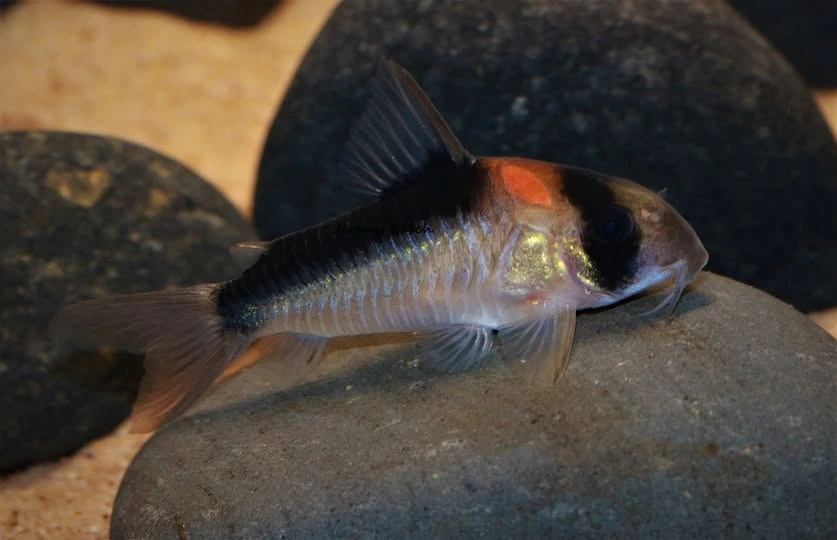
Adolfo's Corydoras
Corydoras adolfoi

Bumblebee Cichlid
Pseudotropheus crabro

Demasoni
Pseudotropheus demasoni
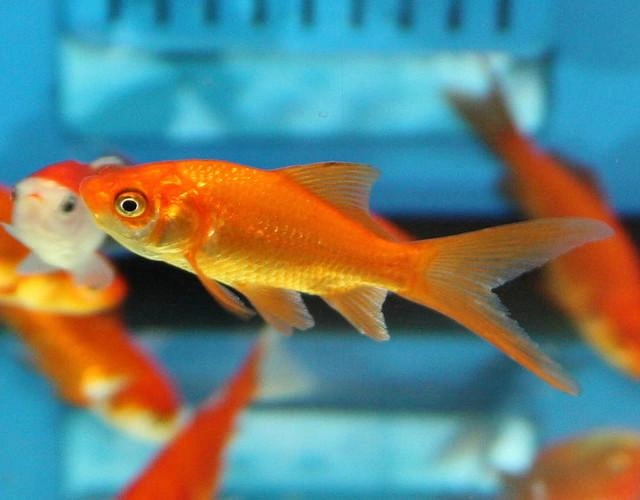
Common Goldfish
Carassius auratus
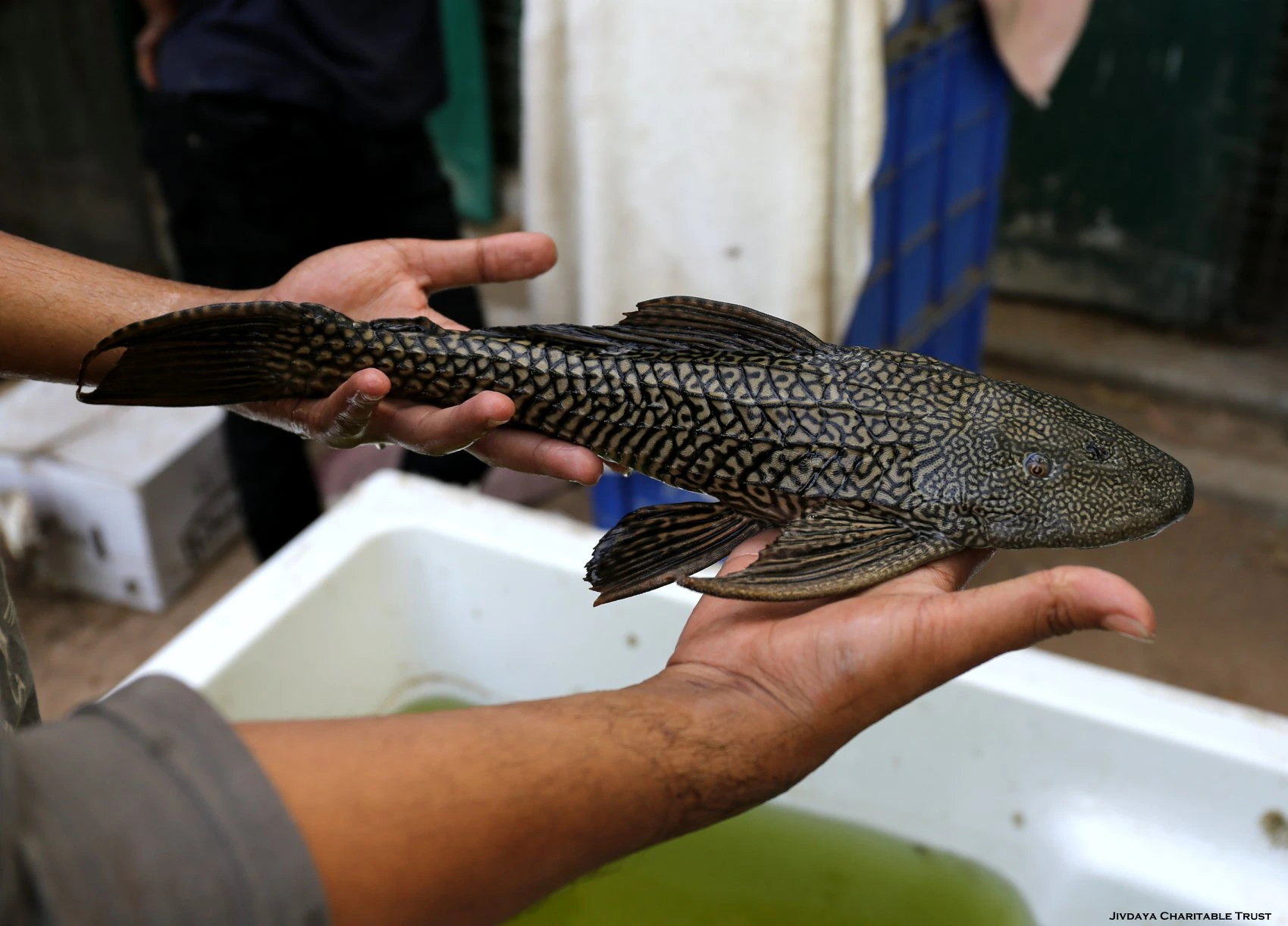
Common Pleco
Hypostomus plecostomus
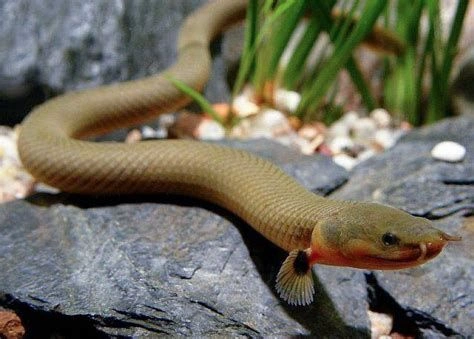
Rope Fish
Erpetoichthys calabaricus
Silver Dollar
Metynnis argenteus

Electric Blue Hap
Sciaenochromis fryeri
Ready to Add Acei Cichlid to Your Tank?
Use our free stocking calculator to check compatibility, bioload, and get personalized recommendations.