

Care Requirements
Adult Size
3.9" (10cm)
Min Tank
40 gal
Temperature
75-82°F
pH Range
7.5-8.8
Lifespan
5-8 years
Min Group
Can be kept alone
Diet
Omnivore
Swim Level
Middle
Bioload
2/10
Hardness
10-20 dGH
About Rusty Cichlid
The Rusty Cichlid is one of the best-kept secrets in African cichlid keeping — a genuinely peaceful mbuna with unique coloration that thrives in conditions that would stress more demanding species. Their rusty orange-brown coloration with purple undertones sets them apart from the typical blues and yellows of Lake Malawi cichlids, providing visual variety in mbuna communities.
What makes Rusty Cichlids special is their temperament. While most mbuna are notorious for aggression, Rusties are remarkably calm. They establish territories but defend them without the relentless intensity of species like Demasoni or Melanochromis. This peaceful nature makes them ideal tankmates for other calm mbuna, Peacocks, and even some haplochromines.
Their hardiness is exceptional. Rusty Cichlids tolerate parameter fluctuations and beginner mistakes that would harm more sensitive species. This forgiveness, combined with their peaceful temperament, makes them arguably the best mbuna for beginners — all the Lake Malawi appeal with a gentler learning curve.
Native to Boadzulu Island and nearby areas in Lake Malawi, Rusties inhabit the intermediate zones between rocks and sediment. This transitional habitat produces fish comfortable in various tank setups, from dense rockwork to more open arrangements.
Natural Habitat & Origin
Conservation status: Near Threatened (NT)
Rusty Cichlids are endemic to the southeastern arm of Lake Malawi, primarily around Boadzulu Island and Chinyankwazi Island. Unlike mbuna that inhabit purely rocky habitats, Rusties prefer the sediment-rich intermediate zones where rocks meet sandy or muddy substrates.
This transitional habitat contains organic matter and detritus that supplements their diet — explaining why Rusties are omnivores rather than strict herbivores like many mbuna. The less purely rocky environment also correlates with their reduced territorial aggression.
Lake Malawi's water conditions apply to Rusties as they do to all the lake's cichlids, but Rusties demonstrate more tolerance for variation, making them forgiving of beginner parameter management mistakes.
Native Region
Lake Malawi, Boadzulu Island and Chinyankwazi Island
Habitat Type
Intermediate zones between rocks and sediment
Wild Water Conditions
Hard, alkaline water (pH 7.8-8.6), stable parameters
Appearance & Varieties
Rusty Cichlids display a unique coloration among mbuna — a rusty orange-brown base color with subtle purple or lavender undertones. The overall effect is warm and earthy, contrasting beautifully with the blues and yellows of typical mbuna.
Both males and females display similar coloration, though males often show more intense purple highlights when dominant or breeding. Adults reach about 4 inches (10 cm), making them moderately sized mbuna.
Popular Varieties
| Variety | Description | Rarity |
|---|---|---|
| Standard/Wild-Type | Rusty orange-brown body with purple-lavender undertones. The only naturally occurring form. Color intensity varies with mood, dominance, and diet quality. | Common |
Tank Setup & Requirements
Quick Requirements Summary
Tank Size
Minimum Tank Size
40 gallons
Recommended Tank Size
55 gallons
Rusty Cichlid tanks can be more flexible than typical mbuna setups due to their peaceful temperament and transitional habitat preference. While they appreciate rockwork, they don't require the extreme density needed for aggressive species.
Water Parameters
Standard Lake Malawi chemistry. Temperature 24-28°C (75-82°F), pH 7.5-8.8, hardness 10-20 dGH. Rusties are more tolerant of variation than many mbuna. Use aragonite or crushed coral to buffer naturally. Stability matters more than exact numbers.
Substrate
Sand or fine gravel. Their natural sediment-associated habitat makes sand particularly appropriate. Aragonite sand provides both natural appearance and chemistry buffering.
Plants & Decorations
Moderate rockwork with some open areas. Provide some caves and hiding spots, but you don't need to fill every inch with rocks. A mix of rock groupings and open areas works well. Hardy plants like Anubias and Java Fern may survive — Rusties are less destructive than many mbuna.
Filtration & Water Flow
Aim for 6-8x tank volume turnover per hour. Standard canister or HOB filtration works well. Rusties produce moderate waste typical of mid-sized cichlids.
Lighting
Standard aquarium lighting works well. Their rusty coloration shows nicely under warm-toned lights.
Diet & Feeding Guide
Diet Type
omnivore
Feeding Frequency
1-2 times daily
Portion Size
What can be consumed in 2-3 minutes. Rusties aren't as prone to bloat as herbivorous mbuna but shouldn't be overfed.
Unlike many mbuna that are strict herbivores, Rusty Cichlids are true omnivores. Their natural habitat's sediment-rich environment provides protein from invertebrates and organic matter alongside plant material. This omnivorous nature makes them more flexible feeders, though a primarily plant-based diet is still recommended.
Best Foods for Rusty Cichlid
- Quality omnivore cichlid pellets — A good balance of plant and animal proteins works well. New Life Spectrum and Northfin offer balanced formulas.
- Spirulina flakes/pellets — Plant-based foods should form a significant portion of diet. Spirulina provides excellent nutrition.
- Frozen foods (occasionally) — Unlike strict herbivore mbuna, Rusties can safely eat occasional brine shrimp and mysis shrimp 1-2 times weekly.
- Blanched vegetables — Zucchini, cucumber, peas, and lettuce provide fiber and variety.
- Algae wafers — Sinking wafers provide grazing opportunities and plant matter.
Foods to Avoid
- Beef heart and mammalian proteins — Inappropriate for any fish. Mammalian fats cause organ damage.
- Excessive protein — While more protein-tolerant than herbivorous mbuna, Rusties still need balance with plant matter.
- Low-quality foods with fillers — Cheap foods provide poor nutrition and cloud water.
- Overfeeding — Rusties are eager eaters. Overfeeding leads to obesity and water quality issues.
Consistent moderate feeding produces healthiest fish. More dietary flexibility than herbivorous mbuna.
Behavior & Temperament
Rusty Cichlid behavior contradicts mbuna stereotypes. They're genuinely peaceful fish that establish territories without the aggressive intensity typical of the group. Males defend areas around caves or rocks, but disputes rarely escalate to serious aggression or injury.
This calm temperament makes them excellent community members. They coexist well with other peaceful mbuna, Peacocks, and many haplochromines. They're often recommended as 'beginner mbuna' specifically because their behavior doesn't require aggression management skills.
Rusties are moderately active, spending time both in open water and among rockwork. They don't school like Acei but tolerate each other in loose groups without constant sparring.
Tank Mates: Compatibility Guide
Compatible Tank Mates
Two peaceful mbuna that complement each other perfectly. Perhaps the best mbuna combination for beginners.
Both peaceful with complementary behaviors. Acei school in midwater while Rusties use rocks.
Rusties are peaceful enough to coexist with Peacocks without bullying.
Similar temperament levels. Blue and rusty-orange color contrast is visually striking.
Hardy African catfish that complements any mbuna setup.
Bristlenose tolerate Lake Malawi chemistry reasonably well. Rusties' peaceful nature prevents harassment.
Tank Mates to Avoid
Highly aggressive mbuna
Demasoni, Melanochromis, Kenyi, and Auratus are too aggressive for peaceful Rusties.
Small community fish
Tetras and rasboras require completely different water chemistry.
Fish requiring soft water
South American cichlids cannot tolerate Lake Malawi chemistry.
Common Pairing Questions
Can Rusty Cichlids live with Peacocks?
Yes — their peaceful temperament makes them one of the few mbuna compatible with Peacock Cichlids.
Can Rusty Cichlids live with Demasoni?
Not recommended. Demasoni aggression is too intense for peaceful Rusties.
Rusty Cichlids are maternal mouthbrooders that breed readily. Their peaceful nature means breeding aggression is minimal. Females hold 10-30 eggs for approximately 3 weeks without eating. Fry are released fully formed and can accept crushed flake and baby brine shrimp immediately. Their peaceful nature means fry survival rates can be higher than in aggressive mbuna tanks.
Health Issues & Disease Prevention
Rusty Cichlids are hardy fish that tolerate conditions and mistakes that would harm more sensitive species. Their omnivorous diet means less bloat risk than herbivorous mbuna, and their peaceful nature reduces stress-related health issues.
Common Diseases
| Disease | Symptoms | Treatment |
|---|---|---|
| Ich (White Spot Disease) | Small white spots on body and fins, flashing against objects, clamped fins. | Raise temperature to 30°C for 10-14 days. Add aquarium salt. Commercial ich medication for severe cases. |
| Bloat | Swollen abdomen, loss of appetite, white stringy feces. | Less common in omnivorous Rusties. Isolate, stop feeding, treat with Metronidazole if needed. |
| Fin Rot | Deteriorating fin edges, ragged appearance. | Improve water conditions. Antibacterial medication for severe cases. |
Signs of a Healthy Rusty Cichlid
- Warm, rich coloration
- Active but calm behavior
- Good appetite
- Clear eyes
- Intact fins
- Normal body shape
- Peaceful coexistence with tankmates
Prevention Tips
- Maintain stable water parameters
- Regular water changes (25-30% weekly)
- Feed varied, quality diet
- Avoid overfeeding
- Don't house with overly aggressive tankmates
- Quarantine new fish
Frequently Asked Questions
No — they're one of the most peaceful mbuna species. They establish territories but defend them without intense aggression. Excellent for beginners.
Yes — arguably the best mbuna for beginners. Peaceful temperament and hardiness tolerate beginner mistakes.
They're omnivores, unlike many herbivorous mbuna. Balanced diet of quality omnivore pellets, spirulina, vegetables, and occasional frozen foods works well.
Yes — their peaceful temperament makes them one of the few mbuna compatible with Peacock Cichlids.
One male with 2-3 females works well. They can also be kept as single specimens in community mbuna tanks. Flexible about groupings.
Usually indicates stress from aggressive tankmates, poor water conditions, or inadequate hiding spots. Check tank dynamics and water parameters.
Minimum 40 gallons for a small group, 55+ allows larger groups and more tankmates. Smaller size and peaceful nature means they thrive in smaller tanks than aggressive mbuna.
Tips for Keeping Rusty Cichlid
Pro Tips
- ✓Best 'starter mbuna' for beginners — learn mbuna keeping without intense aggression
- ✓Excellent with Yellow Labs for a peaceful mbuna tank with complementary colors
- ✓One of few mbuna for Peacock community tanks
- ✓Omnivorous diet is more forgiving than strict herbivore mbuna
Common Mistakes to Avoid
- ✗Housing with aggressive mbuna — they'll hide constantly and fail to thrive
- ✗Expecting typical mbuna aggression — Rusties don't need extreme rockwork
- ✗Underestimating their appeal — unique coloration and personality make them rewarding
Sources
- FishBase — Accepted scientific name, maximum size and native range for Rusty Cichlid.
- IUCN Red List — Near Threatened conservation assessment for Iodotropheus sprengerae.
Featured in Biotope Presets
Related Species You Might Like
View All Fish →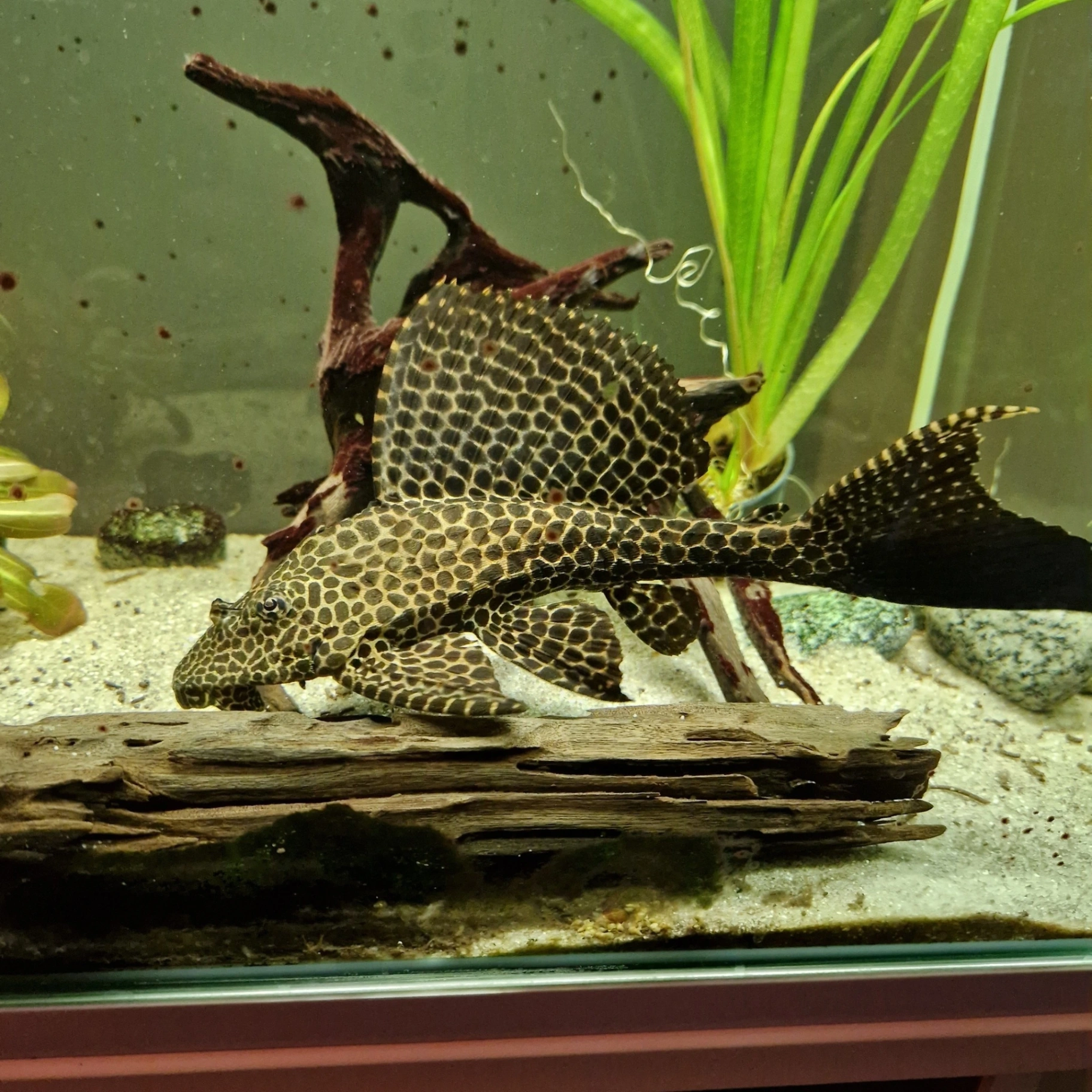
Sailfin Pleco
Pterygoplichthys gibbiceps

Discus
Symphysodon aequifasciatus

Keyhole Cichlid
Cleithracara maronii

Australian Rainbowfish
Melanotaenia splendida
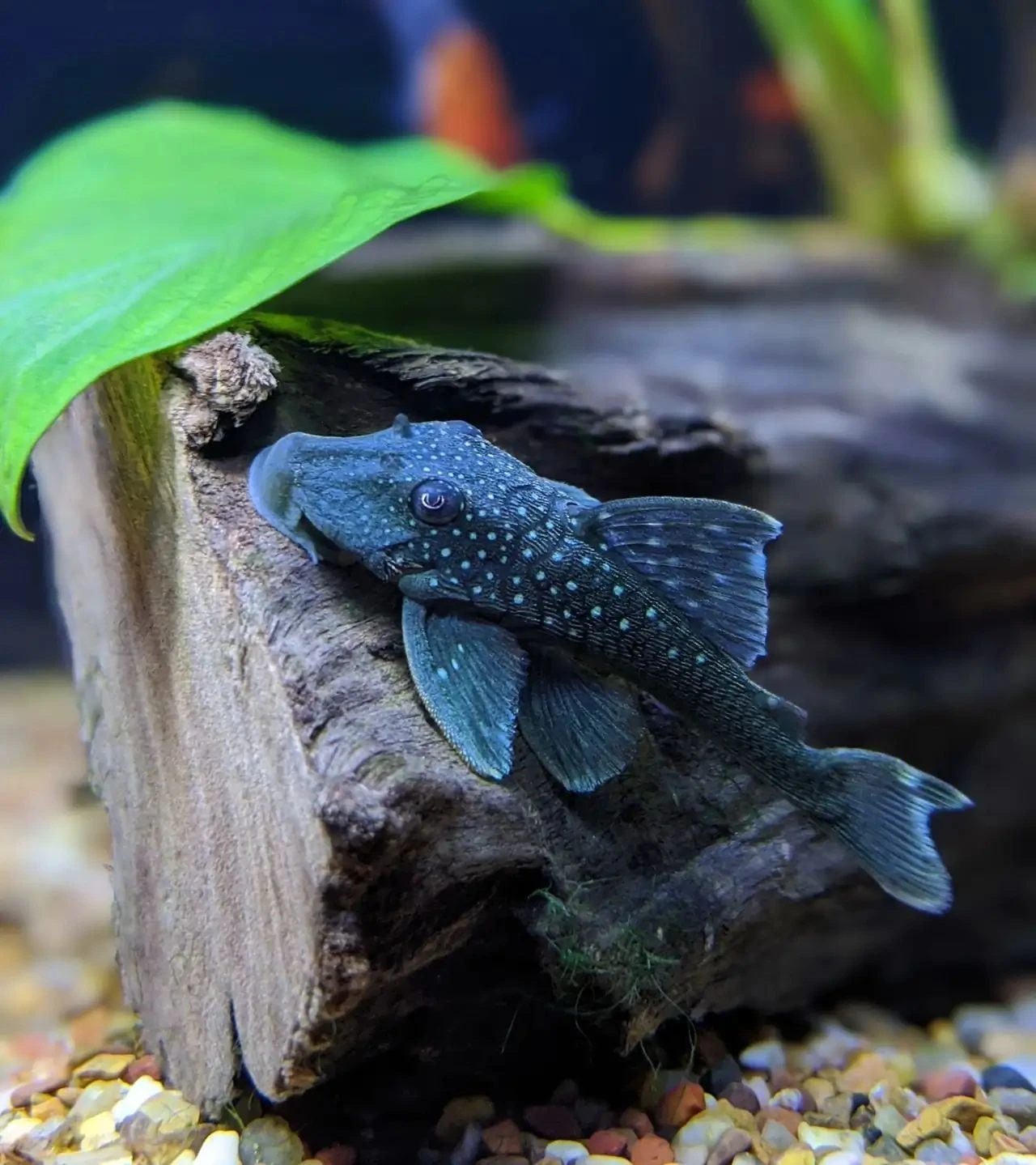
Blue Phantom Pleco
Hemiancistrus sp.
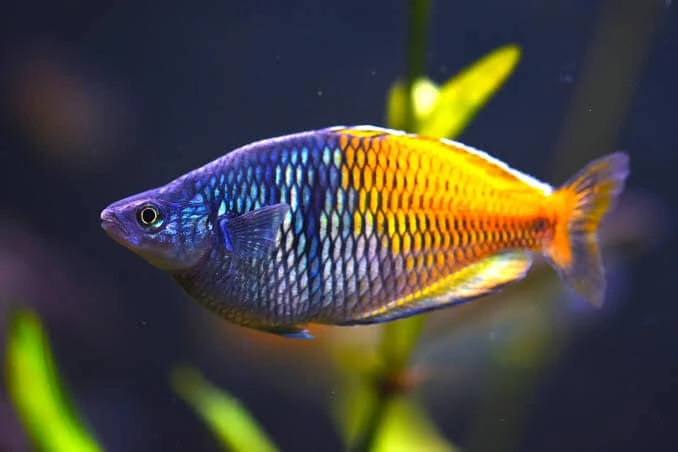
Boesemani Rainbowfish
Melanotaenia boesemani
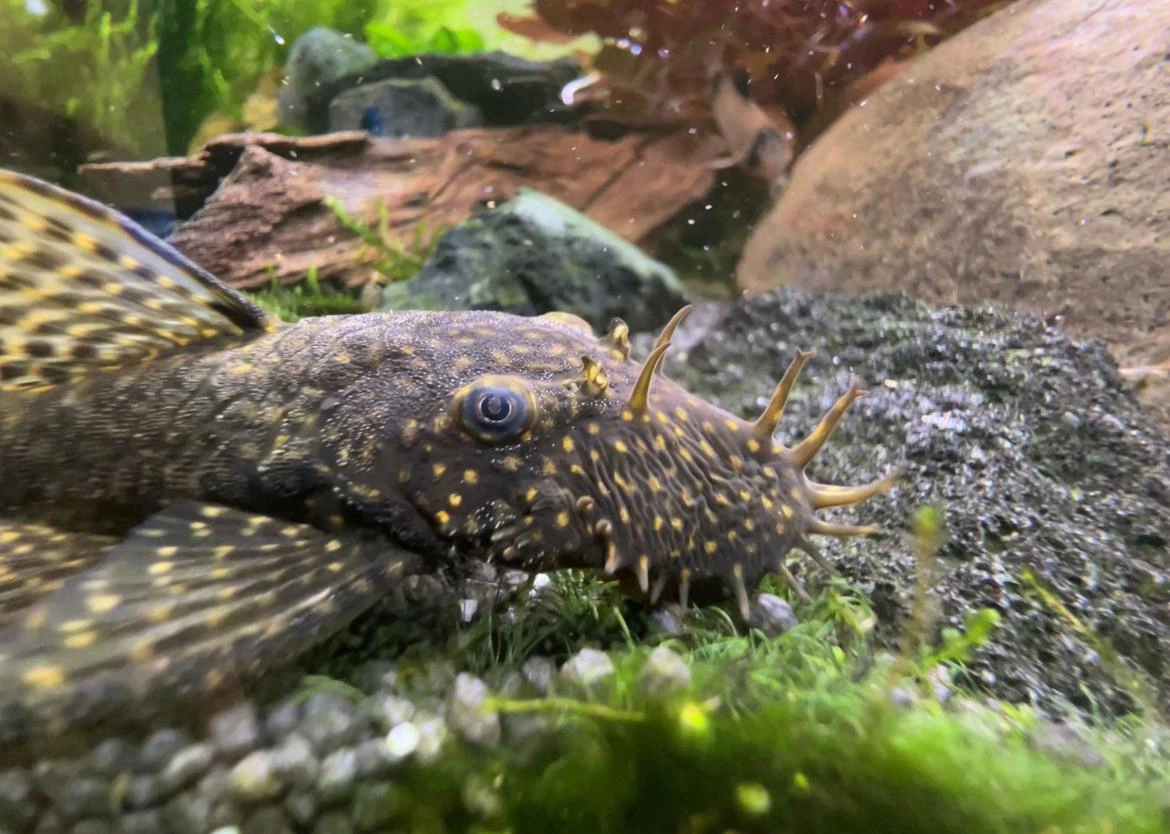
Bristlenose Pleco
Ancistrus sp.
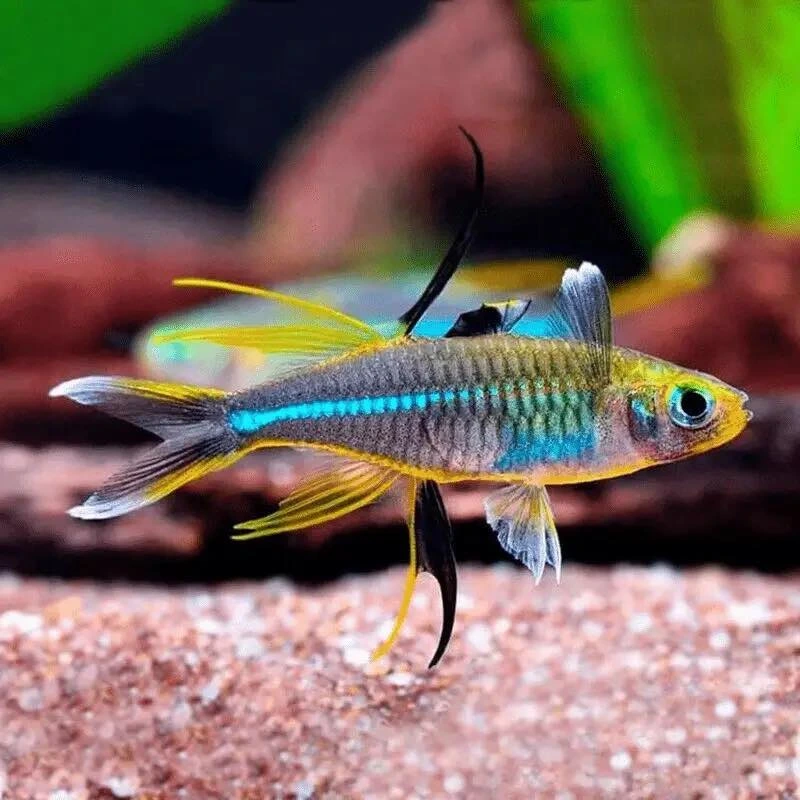
Celebes Rainbowfish
Marosatherina ladigesi
Ready to Add Rusty Cichlid to Your Tank?
Use our free stocking calculator to check compatibility, bioload, and get personalized recommendations.