
Care Requirements
Adult Size
3.1" (8cm)
Min Tank
30 gal
Temperature
72-82°F
pH Range
7-8
Lifespan
3-5 years
Min Group
6+ fish
Diet
Omnivore
Swim Level
Middle
Bioload
2/10
Hardness
10-25 dGH
About Celebes Rainbowfish
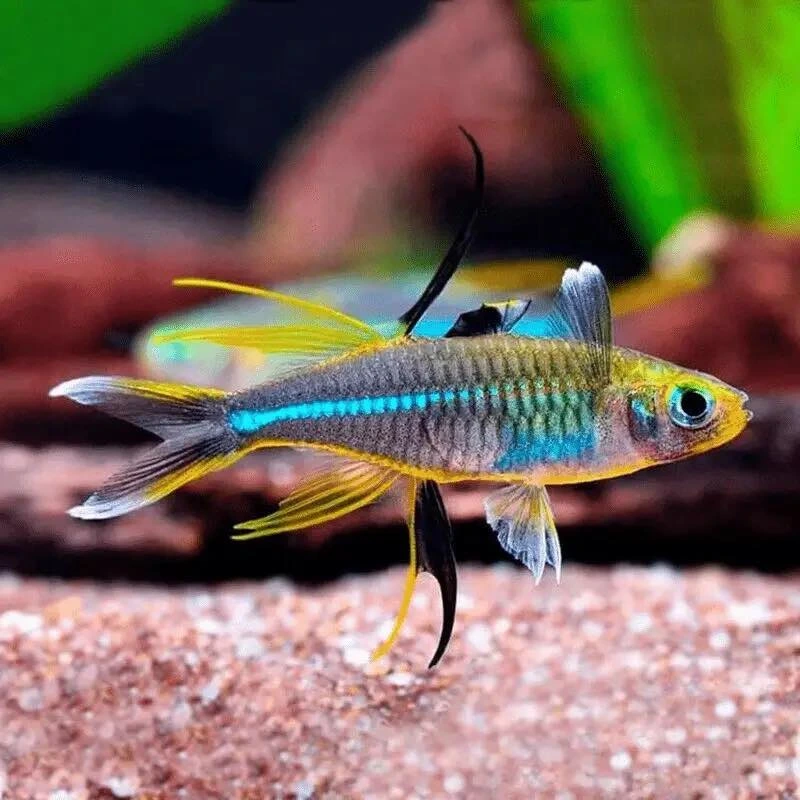
The Celebes Rainbowfish is an elegant species that stands apart from typical rainbowfish with its unique sail-like fins and delicate trailing filaments. Males develop extended rays on their second dorsal and anal fins that stream behind them as they swim — a graceful effect unlike any other commonly available fish.
Native to the limestone karst streams of Sulawesi, Indonesia, Celebes Rainbows have specific water requirements that differ from most aquarium fish. They need hard, alkaline water — conditions that would stress many popular species. This makes them excellent choices for aquarists with naturally hard tap water who struggle to keep soft-water fish, but challenging for those with soft water.
Their translucent bodies show subtle iridescence, with males displaying yellow coloration and those distinctive extended fin rays. They're not the most colorful rainbowfish, but their graceful form and active schooling behavior create elegant displays. Morning light often triggers spectacular male displaying.
Celebes Rainbows require thoughtful tankmate selection due to their water requirements. They thrive with other hard-water species like livebearers, some African cichlids, and other Sulawesi endemics. Mixing them with soft-water species means compromising conditions for someone.
Natural Habitat & Origin
Conservation status: Vulnerable (VU)
Celebes Rainbowfish are endemic to a small region of Sulawesi, Indonesia — specifically the Maros karst area near Makassar. These limestone karst streams have very specific characteristics: hard, alkaline water from the calcium-rich rock, clear to slightly turbid conditions, and moderate to strong current.
The karst topography creates unique aquatic habitats. Streams emerge from limestone caves and flow through rocky channels. The water chemistry remains remarkably consistent — high mineral content, alkaline pH, and moderate temperature. This stability is something to replicate in aquariums.
Their restricted natural range and ongoing habitat pressure make wild populations vulnerable. Fortunately, captive breeding supplies the aquarium trade, reducing pressure on wild fish. However, maintaining proper water parameters honors their natural history and ensures their health.
Native Region
Sulawesi, Indonesia — Maros karst region
Habitat Type
Limestone karst streams with clear, hard water
Wild Water Conditions
Hard, alkaline (pH 7.5-8.0), mineral-rich, moderate current
Appearance & Varieties
Celebes Rainbowfish have elongated, compressed bodies with a translucent quality that catches light beautifully. The body shows subtle iridescence — blues, greens, and yellows that shimmer as they move. A dark lateral stripe runs from the eye to the tail base.
Males are the stars, developing dramatically extended rays on the second dorsal and anal fins. These filaments trail elegantly behind swimming fish and are displayed prominently during courtship. Males also show more intense yellow coloration, particularly in the fins. Females lack the extended fin rays and show subtler coloration.
Adults reach about 3 inches (8cm), making them medium-sized for rainbowfish. Their slender, streamlined shape emphasizes the elegant fin extensions rather than bulk.
Popular Varieties
| Variety | Description | Rarity |
|---|---|---|
| Standard/Wild-Type | Translucent body with iridescence, dark lateral stripe, extended fin filaments on males. The only available form. Color intensity varies with condition, lighting, and social context. | Uncommon |
Tank Setup & Requirements
Quick Requirements Summary
Tank Size
Minimum Tank Size
30 gallons
Recommended Tank Size
40 gallons
Celebes Rainbow tanks must prioritize their specific water chemistry requirements. Hard, alkaline water is non-negotiable for long-term health.
Water Parameters
Temperature 22-28°C (72-82°F), pH 7.0-8.0, hardness 10-25 dGH. Hard, alkaline water is essential — this is their defining requirement. They come from limestone streams with high mineral content. Soft, acidic water causes stress, poor color, and health problems. If your tap water is naturally hard and alkaline, these fish are excellent choices.
Substrate
Sand, fine gravel, or limestone-based substrates. Crushed coral, aragonite, or coral sand can help maintain alkaline conditions. Standard substrates work if water chemistry is managed through other means.
Plants & Decorations
Limestone and calcium-rich rocks help maintain water chemistry while providing natural aesthetics. Include open swimming areas for their active schooling. Avoid sharp decorations that might damage delicate fin extensions. Choose hard-water tolerant plants like Vallisneria, Java Fern, and Anubias.
Filtration & Water Flow
Good filtration with moderate current. They appreciate some current matching their stream origins. Standard canister or HOB filtration works well. Good oxygenation benefits these active fish.
Lighting
Moderate to bright lighting shows off their iridescence and encourages displaying behavior. Morning light often triggers the best male displays. They're not light-sensitive.
Diet & Feeding Guide
Diet Type
omnivore
Feeding Frequency
2-3 times daily in small amounts
Portion Size
What they consume in 2-3 minutes. They're active and have fast metabolisms. Multiple smaller feedings suit them better than single large meals.
Celebes Rainbowfish are omnivores with a tendency toward small invertebrates and insects. They accept a wide range of foods and aren't difficult to feed.
Best Foods for Celebes Rainbowfish
- Quality flake food — Readily accepted staple. Choose high-quality flakes with varied ingredients. Feed what they consume quickly — they're active feeders.
- Small pellets — Floating or slow-sinking pellets appropriate for their small mouths. Good for ensuring all fish get adequate food.
- Frozen bloodworms — Eagerly consumed. Excellent for variety and conditioning. Don't overfeed — treats rather than staples.
- Frozen brine shrimp — Readily accepted. Good protein source. Enriched varieties add nutritional value.
- Frozen daphnia — Natural food that promotes good digestion. Floats initially, suiting their mid-water feeding.
- Live foods — Trigger excellent feeding response. Baby brine shrimp, daphnia, and small insects are greedily consumed.
- Mosquito larvae — Excellent natural food when seasonally available. Floats at the surface where they readily feed.
Foods to Avoid
- Large foods — Their mouths are smaller than their body size suggests. Ensure foods are appropriately sized.
- Only sinking foods — Mid-water feeders that prefer food in the water column. Purely sinking foods may not reach them before bottom dwellers intercept.
Celebes Rainbowfish are enthusiastic feeders that accept most aquarium foods. Offer varied diet with emphasis on small, high-quality foods that match their small mouth size.
Behavior & Temperament
Celebes Rainbowfish are active schooling fish that spend their time swimming in mid-water, often in loose formation. They're constantly in motion, which combined with their iridescence creates shimmering displays as light plays across the school.
Males display to females with impressive fin extension spreading and intensified coloration. These displays are most frequent in morning light — many keepers report spectacular showing behavior shortly after lights come on. Males also display to each other in harmless hierarchical behavior.
They're peaceful fish that don't bother tankmates, but their active nature and water requirements limit compatible species. Slow, timid fish may be stressed by their constant activity (though not aggression). Fast-flowing tanks with appropriate water chemistry suit them best.
Schooling is important — groups under 6 often show stressed behavior, poor color, and hide more. Larger groups display more natural behavior and more frequent male displaying.
Tank Mates: Compatibility Guide
Compatible Tank Mates
Other hard-water rainbowfish
Species with similar water requirements. Pseudomugil species from similar habitats are excellent choices.
Platies, Swordtails, and Mollies thrive in hard, alkaline water. Similar requirements make them natural companions.
Hard-water tolerant Corydoras
Some Corydoras tolerate harder water than others. Research specific species. Bottom-dwelling zone difference helps.
Brackish-tolerant species
Fish comfortable with mineral-rich water often overlap in requirements. Some gobies and other species work well.
Sulawesi shrimp (carefully)
Sulawesi shrimp need similar hard, alkaline water. Celebes Rainbows are generally shrimp-safe with adults.
Tank Mates to Avoid
Soft-water species
Cardinal Tetras, Discus, most wild-caught South American fish need soft, acidic water. Mixing means someone suffers.
Aggressive or nippy fish
Their delicate fin extensions are targets for nippers. Avoid Tiger Barbs and similar species.
Large predatory fish
Will be eaten. Their active mid-water swimming makes them visible targets.
Very slow, timid species
May be stressed by Celebes Rainbows' constant activity (not aggression, just energy).
Common Pairing Questions
Can Celebes Rainbowfish live with Neon Tetras?
Not ideal — Neon Tetras need soft, acidic water while Celebes Rainbows need hard, alkaline water. One species will always be in suboptimal conditions.
Can Celebes Rainbowfish live with livebearers?
Yes — livebearers like Platies, Mollies, and Swordtails thrive in the same hard, alkaline water. They're natural tankmate choices.
Celebes Rainbowfish can be bred in aquariums, though they're not the easiest rainbowfish to spawn. They're egg scatterers that deposit adhesive eggs among fine-leaved plants or spawning mops.
Condition breeding groups with high-quality live and frozen foods. Maintain hard, alkaline water matching their natural requirements. Spawning typically occurs in morning light after male displaying. Eggs are scattered among plants and adhere to surfaces.
Eggs hatch in 7-10 days depending on temperature. Parents may eat eggs and fry, so removing eggs or separating spawning sites improves survival. Fry are small but can take baby brine shrimp shortly after becoming free-swimming.
Water chemistry is critical for egg and fry survival. Hard, alkaline conditions must be maintained — soft water causes egg failure and fry mortality. This requirement makes breeding more challenging for aquarists without naturally hard tap water.
Health Issues & Disease Prevention
Celebes Rainbowfish are reasonably hardy when their specific water requirements are met. Most health problems trace to inappropriate water chemistry rather than disease.
Common Diseases
| Disease | Symptoms | Treatment |
|---|---|---|
| Water Chemistry Stress | Faded color, clamped fins, lethargy, increased disease susceptibility. Occurs in soft, acidic water. | Correct water chemistry to hard, alkaline conditions. This species cannot adapt to soft water long-term. |
| Ich (White Spot Disease) | Small white spots on body and fins, flashing against objects, lethargy. | Raise temperature to 28-30°C gradually. Use commercial ich medication. Maintain good water quality. |
| Fin Damage/Rot | Torn or deteriorating fin extensions, frayed edges. | Often from nippy tankmates or rough decorations. Remove cause; treat secondary bacterial infection with antibacterial medication if needed. Their delicate fins are vulnerable. |
| Mycobacteriosis | Emaciation, curved spine, lethargy. Can affect rainbowfish. | No effective treatment. Euthanize affected fish. Not common but serious when it occurs. |
Signs of a Healthy Celebes Rainbowfish
- Active schooling
- Visible iridescence
- Intact fin extensions on males
- Eager feeding
- Clear eyes
- Frequent displaying behavior
Prevention Tips
- Maintain hard, alkaline water — their critical requirement
- Keep in groups of 6+ for security
- Avoid nippy tankmates that damage fin extensions
- Provide adequate swimming space
- Feed varied, high-quality diet
- Don't mix with soft-water species
Frequently Asked Questions
They're from limestone karst streams in Sulawesi where water is naturally hard and alkaline from the calcium-rich rock. They've evolved to require these conditions — soft, acidic water causes stress, poor health, and shortened lifespan.
Not healthily long-term. They may survive temporarily but will show stress, poor color, and health problems. Hard, alkaline water (pH 7.0-8.0, 10-25 dGH) is essential, not optional.
Crushed coral, aragonite, or limestone in the filter or as substrate raises hardness and pH. Commercial products can also adjust chemistry. Test regularly and maintain consistency. Or, choose different fish suited to your natural water.
Intermediate level due to specific water requirements. If you have naturally hard, alkaline tap water, they're actually easy. If you have soft water, they're challenging. Know your water chemistry before purchasing.
Minimum 6, preferably 8-10+. They're schooling fish that display best behavior and health in larger groups. More fish also means more impressive displaying and schooling.
Usually water chemistry issues (not hard/alkaline enough), stress from small groups, poor diet, or illness. Check water parameters first — this is the most common cause. Then consider group size and tankmates.
Species thriving in hard, alkaline water: livebearers (Platies, Mollies, Swordtails), other hard-water rainbowfish, and some brackish-tolerant species. Avoid soft-water species — mixing means compromising someone's health.
Yes, fin extensions can regenerate if the damage isn't too severe and conditions are good. Remove the cause of damage (nippy tankmates, sharp decorations) and maintain excellent water quality. Regrowth takes several weeks.
Tips for Keeping Celebes Rainbowfish
Pro Tips
- ✓Perfect for hard water aquarists — if you've struggled with soft-water species because your tap is hard and alkaline, Celebes Rainbows are ideal.
- ✓Morning light triggers displays — males display most intensively shortly after lights come on.
- ✓Mix with livebearers naturally — Platies, Swordtails, and Mollies overlap perfectly in chemistry needs.
- ✓Avoid tankmates that nip — those beautiful fin extensions are irresistible targets for nippy species.
Common Mistakes to Avoid
- ✗Keeping in soft, acidic water — chronic stress, faded coloration, health problems, shortened lifespan.
- ✗Mixing with soft-water species — someone suffers in compromised conditions.
- ✗Keeping too few — stressed, hiding fish that don't display natural behavior. Groups of 6+ minimum.
- ✗Housing with fin nippers — damaged, ragged fin extensions that ruin their appearance.
- ✗Expecting them to be like other rainbowfish — their water requirements are specific. Research before purchasing.
Sources
- FishBase — Accepted scientific name, maximum size and native range for Celebes Rainbowfish.
- IUCN Red List — Vulnerable conservation assessment for Marosatherina ladigesi.
Related Species You Might Like
View All Fish →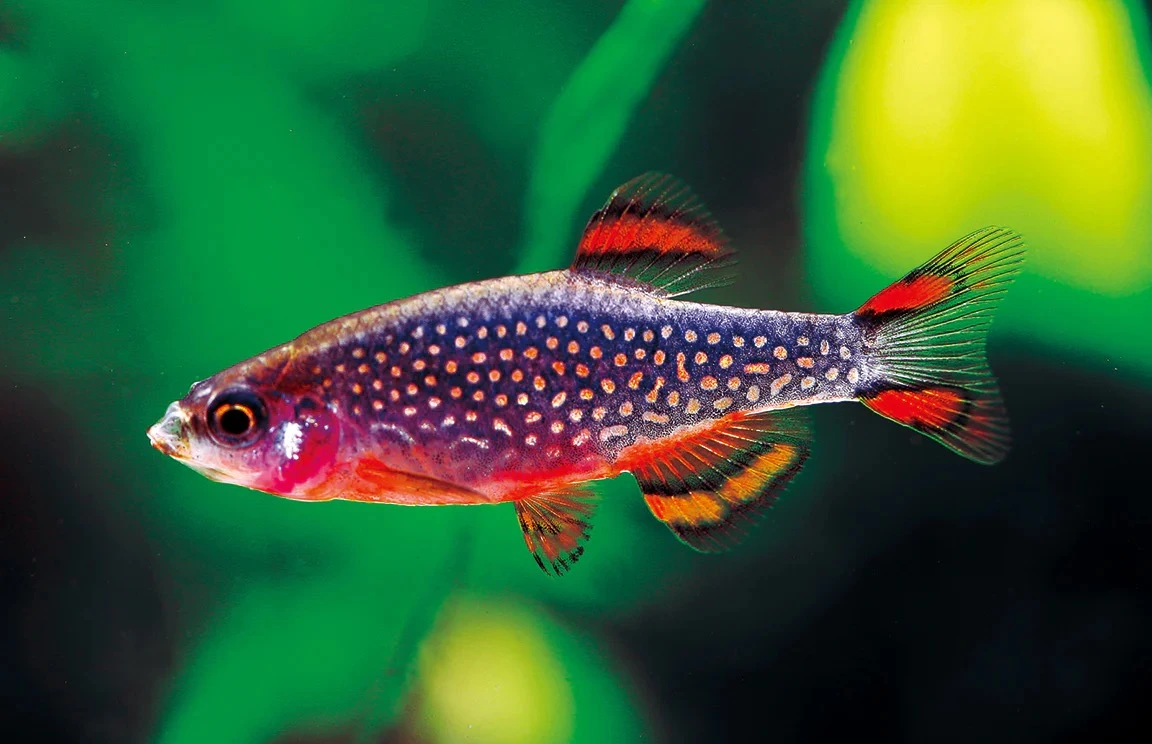
Celestial Pearl Danio
Danio margaritatus

Australian Rainbowfish
Melanotaenia splendida
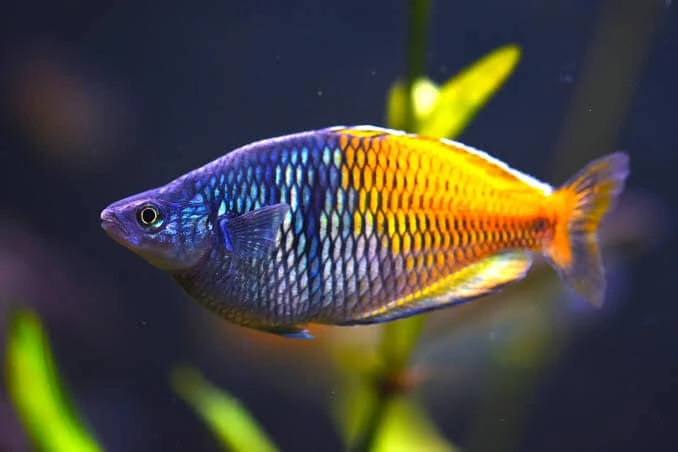
Boesemani Rainbowfish
Melanotaenia boesemani
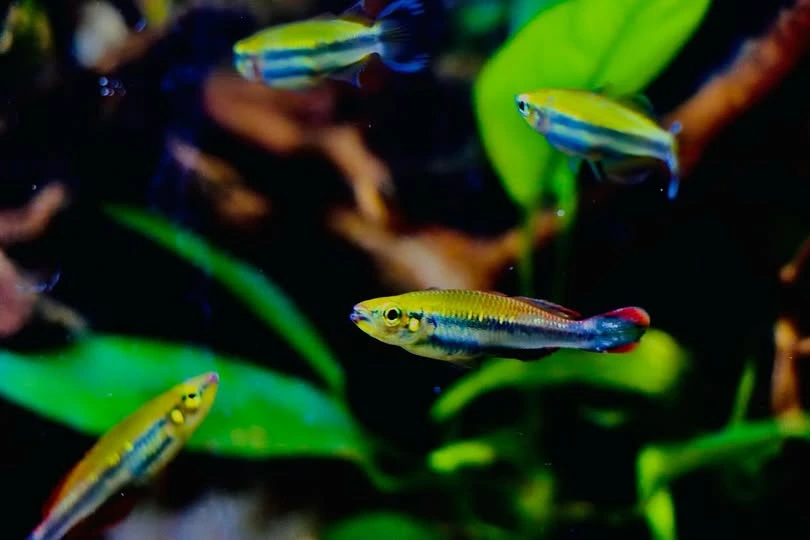
Madagascar Rainbowfish
Bedotia madagascariensis
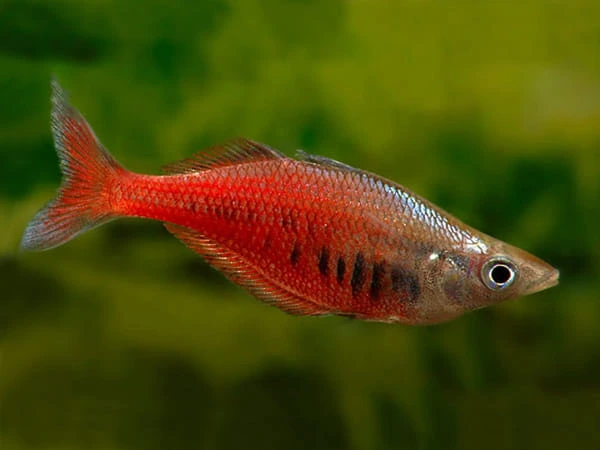
Red Rainbowfish
Glossolepis incisus
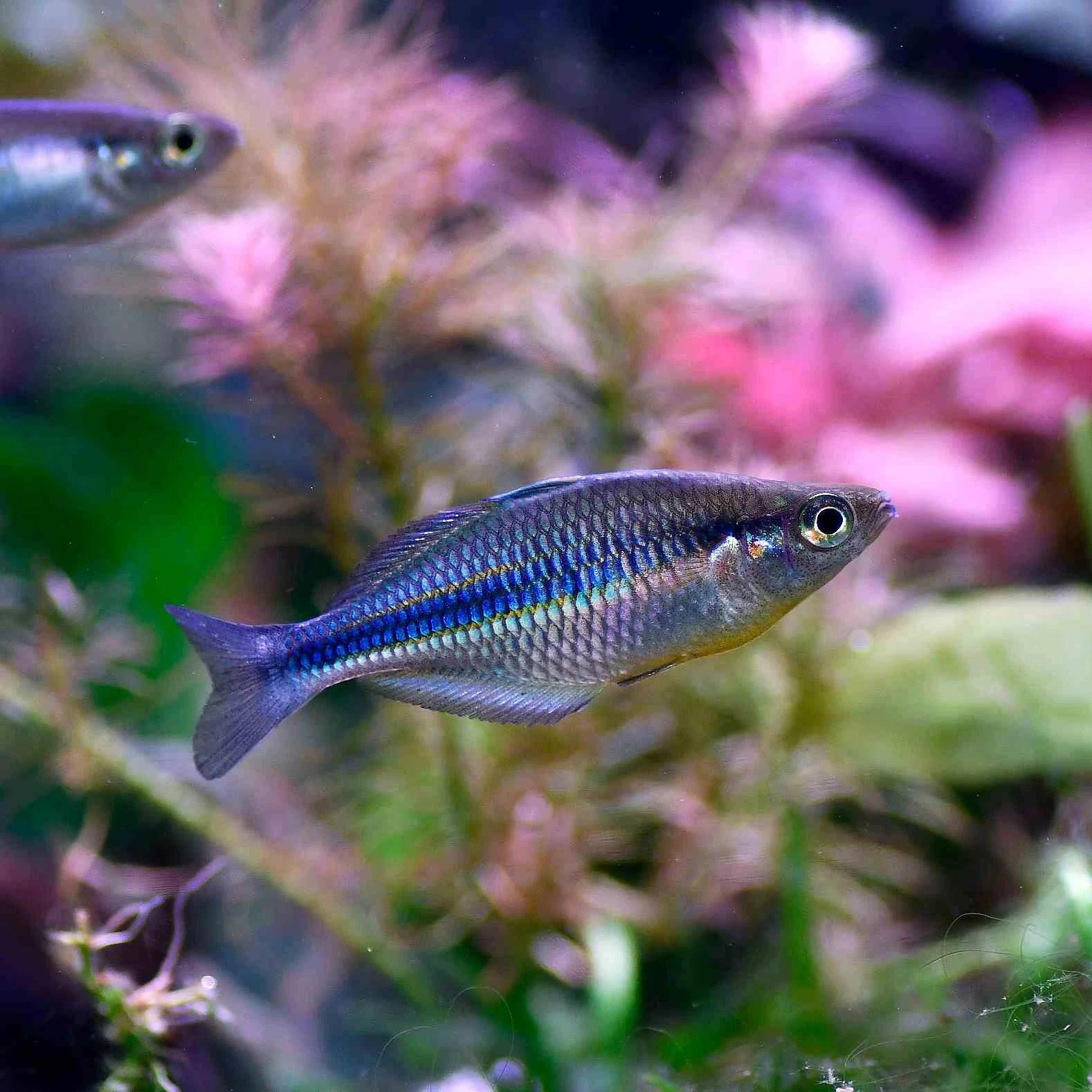
Turquoise Rainbowfish
Melanotaenia lacustris
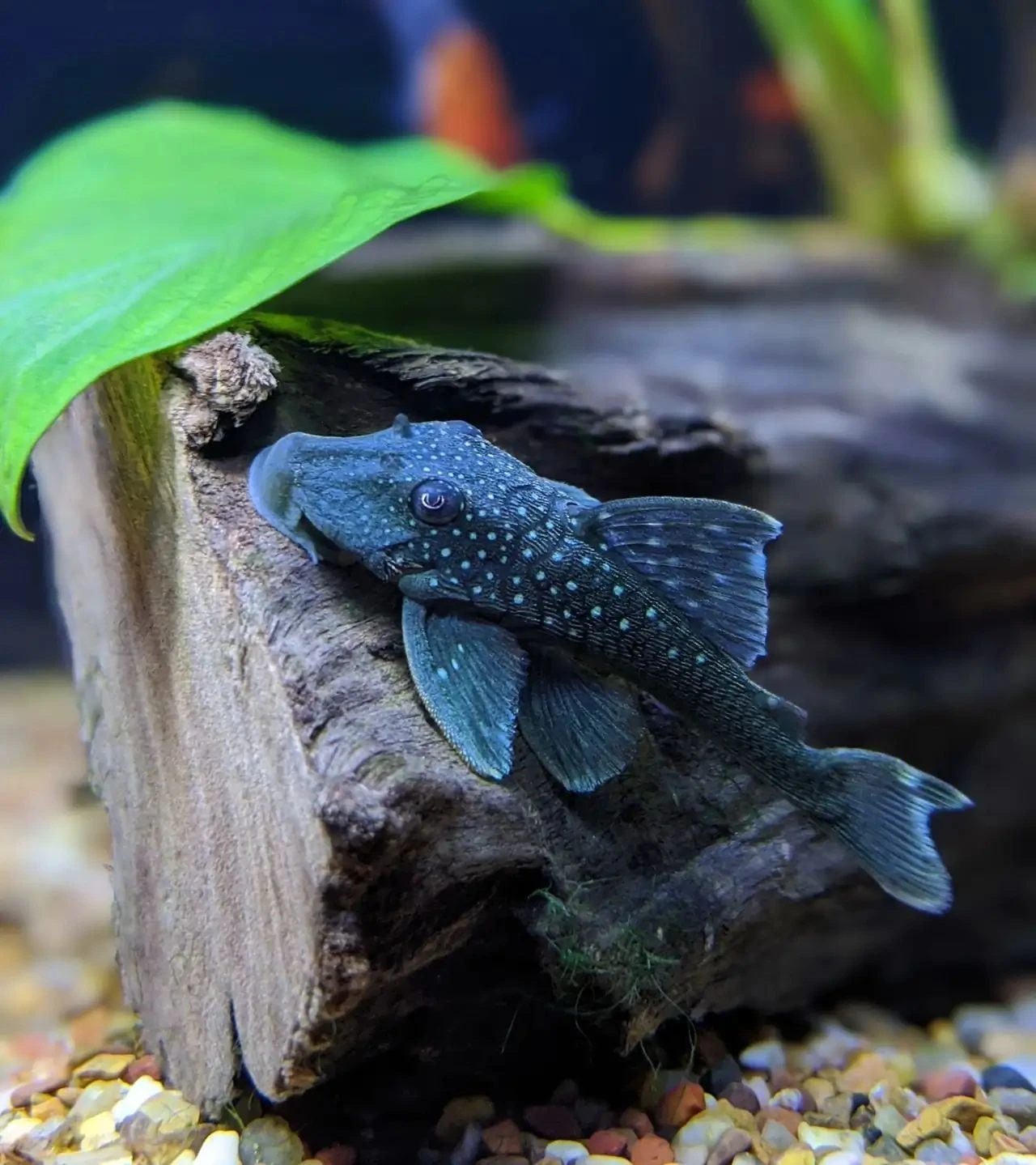
Blue Phantom Pleco
Hemiancistrus sp.
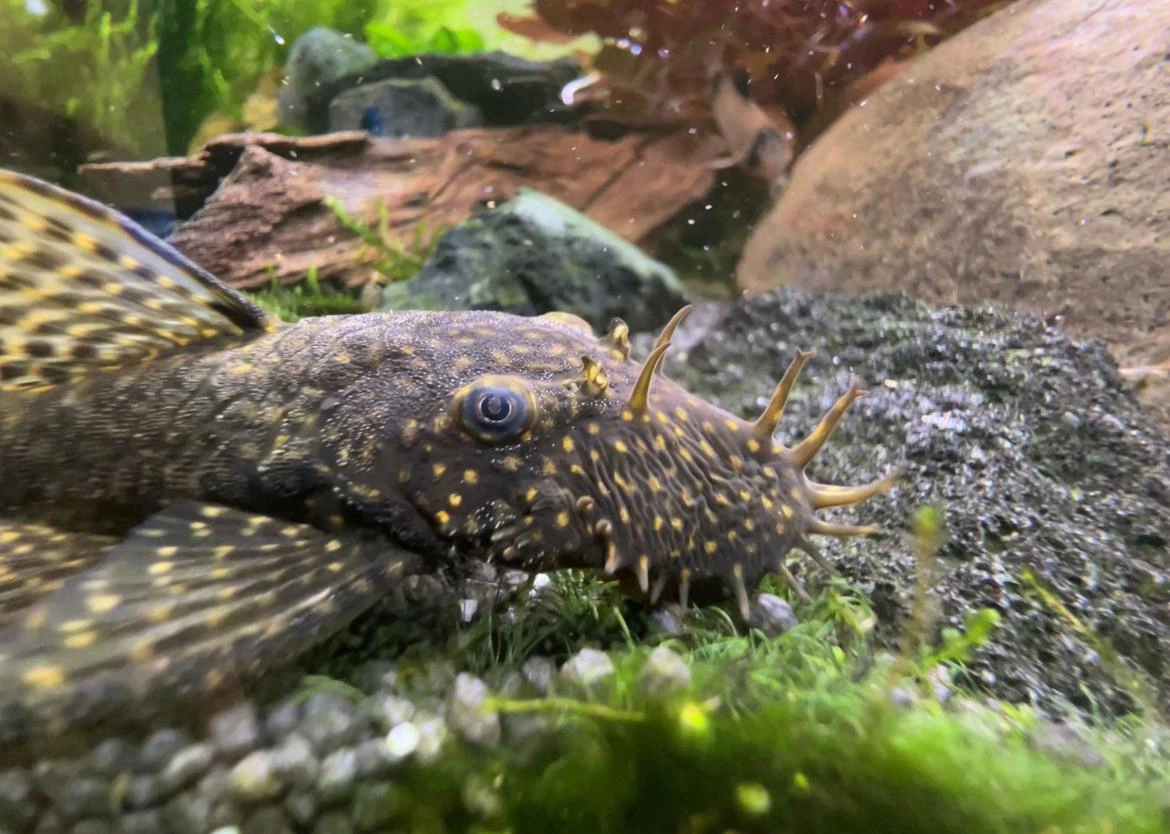
Bristlenose Pleco
Ancistrus sp.
Ready to Add Celebes Rainbowfish to Your Tank?
Use our free stocking calculator to check compatibility, bioload, and get personalized recommendations.