
Care Requirements
Adult Size
5.9" (15cm)
Min Tank
55 gal
Temperature
72-82°F
pH Range
6.5-8
Lifespan
5-8 years
Min Group
6+ fish
Diet
Omnivore
Swim Level
Middle
Bioload
3/10
Hardness
8-20 dGH
About Red Rainbowfish
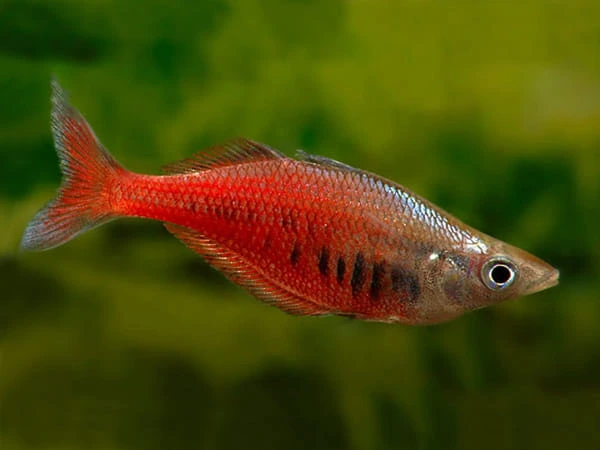
The Red Rainbowfish produces some of the most intensely colored males in the freshwater hobby — mature specimens develop deep, saturated red coloration covering virtually the entire body that rivals marine fish for visual impact. No photograph truly captures the brilliance of a displaying male Red Rainbowfish; they must be seen in person to appreciate the depth and intensity of their color.
This species demonstrates one of the most dramatic examples of sexual dimorphism in aquarium fish. Males transform from rather plain silver juveniles into blazing red adults over 1-2 years, while females remain silver-olive with subtle hints of color. The transformation is remarkable — patience is rewarded as juvenile males gradually develop their signature coloration.
At 5-6 inches, Red Rainbowfish are among the larger commonly available rainbowfish, requiring substantial tanks for proper keeping. They're active swimmers that need horizontal space to cruise and display. Despite their size, they're peaceful fish that work well in communities with appropriately sized tankmates.
Their native Lake Sentani in Papua New Guinea faces environmental pressures, and wild populations are classified as Vulnerable. Captive breeding supplies the aquarium trade, making responsible keeping a minor conservation contribution. These spectacular fish deserve spacious tanks where their color and activity can be properly appreciated.
Natural Habitat & Origin
Conservation status: Endangered (EN)
Red Rainbowfish are endemic to Lake Sentani and its tributary streams in Papua New Guinea, near the border with Indonesian Papua. This ancient lake sits at approximately 75 meters elevation and supports several endemic fish species found nowhere else on Earth.
Lake Sentani's water is moderately hard and slightly alkaline, warm year-round, with good clarity in most areas. Red Rainbowfish occupy various lake zones from shallow vegetated margins to deeper open water, moving between habitats seasonally and for breeding.
The lake ecosystem faces threats from introduced species (particularly Tilapia), pollution, and development pressures. These factors contributed to the species' Vulnerable conservation status. Wild populations have declined significantly from historical levels.
Despite conservation concerns for wild populations, Red Rainbowfish breed readily in captivity. The aquarium trade is entirely supplied by captive-bred specimens, which are often more colorful and adaptable than wild fish would be. Aquarium populations help maintain genetic diversity for this vulnerable species.
Native Region
Papua New Guinea — Lake Sentani and tributaries
Habitat Type
Lake margins, open water, and tributary streams
Wild Water Conditions
Warm (24-28°C), moderately hard, slightly alkaline (pH 7.0-8.0)
Appearance & Varieties
Mature male Red Rainbowfish are breathtaking — deep, saturated red coloration covers the body from head to tail, intensifying during displays and breeding activity. The red can range from bright crimson to deep blood-red depending on diet, condition, and genetics. Scales have a metallic sheen that catches light beautifully.
Males also develop a distinctively deep body profile as they mature, becoming noticeably taller than females. The dorsal profile rises steeply, creating an impressive silhouette. Fins develop red coloration matching the body.
Females are dramatically different — silver-olive base coloration with yellowish fins and subtle iridescence. They never develop the intense red of males. This extreme sexual dimorphism means mixed-sex groups show striking contrast.
Juveniles of both sexes appear similar to adult females — silver with hints of color. Male coloration develops gradually over 12-18 months, requiring patience. The transformation from plain juvenile to blazing adult male is one of the hobby's more dramatic developments.
Popular Varieties
| Variety | Description | Rarity |
|---|---|---|
| Standard/Wild-Type | Deep red males, silver-olive females. The only form available. Color intensity varies with genetics, diet, and condition. | Common |
Tank Setup & Requirements
Quick Requirements Summary
Tank Size
Minimum Tank Size
55 gallons
Recommended Tank Size
80 gallons
Red Rainbowfish need spacious tanks accommodating their size and activity level. They're not demanding regarding parameters but require adequate swimming space to thrive and display properly.
Water Parameters
Temperature 72-82°F (22-28°C). Adaptable to various conditions — moderately hard, slightly alkaline water preferred but captive-bred specimens tolerate a wide range. pH 6.5-8.0, hardness 8-20 dGH. Consistency matters more than exact numbers.
Substrate
Not particular about substrate. Dark substrates enhance color display dramatically. Sand or gravel both work well.
Plants & Decorations
Prioritize open swimming areas — these are active fish that need room to cruise. Plants and driftwood around tank edges provide security without impeding movement. Don't overcrowd with decorations. Vallisneria and similar tall plants work well along back walls.
Filtration & Water Flow
Good filtration handles their moderate bioload. They appreciate some current but don't require extreme flow. Standard community filtration with 6-8x turnover works well.
Lighting
Good lighting showcases their red coloration spectacularly. They're not light-sensitive. Bright lighting can enhance color display.
Diet & Feeding Guide
Diet Type
omnivore
Feeding Frequency
Once or twice daily
Portion Size
Amount consumed within 2-3 minutes. They're enthusiastic feeders but avoid overfeeding.
Red Rainbowfish are omnivores that accept virtually any aquarium food. A varied diet with color-enhancing foods helps develop and maintain their spectacular red coloration. They're enthusiastic feeders that eat readily.
Best Foods for Red Rainbowfish
- Quality flake food — Staple diet. They're surface and mid-water feeders that consume flakes readily.
- Color-enhancing foods — Foods containing carotenoids, astaxanthin, and spirulina intensify red coloration significantly. Essential for developing maximum color.
- Floating pellets — Quality floating pellets provide varied nutrition. Appropriately sized for their mouths.
- Frozen bloodworms — Excellent protein source eagerly consumed. Feed 2-3 times weekly.
- Frozen brine shrimp — Readily accepted. Enriched brine shrimp add nutritional value.
- Live foods — Daphnia, mosquito larvae, and brine shrimp trigger enthusiastic feeding.
- Vegetable matter — Spirulina flakes, blanched vegetables. Provides fiber and nutrients.
Foods to Avoid
- Exclusively one food type — Variety is essential for color development and health.
- Low-quality foods — Cheap foods won't develop maximum coloration. Invest in quality foods for these display fish.
Color-enhancing foods are essential, not optional — the spectacular red coloration depends heavily on diet.
Behavior & Temperament
Red Rainbowfish are active, schooling fish that spend most of their time cruising through open water. They're constantly moving, exploring, and interacting with their group. Males display to each other and to females with intensified coloration and fin spreading. Morning hours often see the most impressive displays as males compete for female attention.
Despite active displaying, they're peaceful fish. Male competition is ritualistic rather than damaging — displays and parallel swimming rather than actual fighting. They coexist well with other peaceful species of appropriate size.
Schooling behavior is best in groups of 6+, ideally with more females than males to distribute male attention. Larger groups create more impressive displays and more natural behavior patterns.
Tank Mates: Compatibility Guide
Compatible Tank Mates
Different rainbowfish species school loosely together and create spectacular multi-colored displays.
Appropriately sized and share similar water preferences.
Can share large tanks. Different zones minimize interaction.
Active, larger barbs create dynamic communities with compatible activity levels.
Occupy the bottom while rainbowfish swim above. Peaceful coexistence.
Different zones and peaceful temperaments.
Bottom-dwelling loaches complement mid-water rainbowfish.
Tank Mates to Avoid
Small fish that could be eaten
Adult Red Rainbowfish may consume very small fish like Neon Tetras.
Aggressive cichlids
Aggressive species may bully peaceful rainbowfish.
Slow, timid fish
Active rainbowfish may stress very shy species.
Small shrimp
May prey on small shrimp. Not safe for dwarf shrimp.
Red Rainbowfish breed readily in aquariums using typical rainbowfish methodology. They're egg scatterers that spawn among fine-leaved plants or spawning mops over extended periods.
Conditioning with protein-rich foods brings adults into breeding condition. Spawning typically occurs in early morning hours. Unlike many fish that spawn in single events, rainbowfish scatter eggs over days or weeks. Eggs hatch in 7-10 days depending on temperature. Fry are tiny and require infusoria initially, graduating to baby brine shrimp. The spectacular adult coloration takes 12-18 months to develop.
Health Issues & Disease Prevention
Red Rainbowfish are hardy fish that rarely develop problems when basic requirements are met. They're not particularly disease-prone and adapt well to aquarium conditions.
Common Diseases
| Disease | Symptoms | Treatment |
|---|---|---|
| Ich (White Spot Disease) | White spots on body and fins, flashing, clamped fins. | Raise temperature to 28-30°C for 10-14 days. Commercial medications effective. |
| Columnaris | White or gray patches, frayed fins, cottony growth. | Antibacterial medication. Improve water quality. |
| Loss of Coloration | Faded red in males, washed-out appearance. | Usually indicates stress, poor diet, or suboptimal conditions. Improve diet with color-enhancing foods. |
| General Decline | Lethargy, loss of appetite, faded color. | Review all environmental factors. Check water quality, temperature, and tankmate compatibility. |
Signs of a Healthy Red Rainbowfish
- Intense red coloration (mature males)
- Active swimming and schooling
- Regular displaying behavior
- Enthusiastic feeding
- Clear eyes and intact fins
Prevention Tips
- Provide adequate space for swimming
- Maintain good water quality
- Feed varied diet including color-enhancing foods
- Keep in appropriate groups (6+)
- Choose compatible tankmates
Frequently Asked Questions
Very red — mature males develop deep, saturated crimson that covers virtually the entire body. The intensity rivals marine fish. However, this coloration takes 12-18 months to fully develop, and diet significantly affects intensity. Color-enhancing foods are essential for maximum red development.
Several possibilities: age (juveniles aren't red — full color takes 12-18 months), sex (females never develop red), diet (color-enhancing foods are essential), stress (poor conditions fade color), or genetics.
Adults reach 5-6 inches (12-15 cm), making them among the larger commonly available rainbowfish. This size requires substantial tank space — at least 55 gallons, preferably 75+.
Wild populations are classified as Vulnerable due to habitat threats at Lake Sentani in Papua New Guinea. However, aquarium populations are entirely captive-bred and abundant.
Be cautious — their size means very small fish may be eaten or harassed. Choose tankmates at least 2 inches as adults.
Full coloration development takes 12-18 months from juvenile stage. Color begins appearing around 6-8 months but intensifies gradually.
Tips for Keeping Red Rainbowfish
Pro Tips
- ✓Color-enhancing foods are essential, not optional — foods with carotenoids and astaxanthin should be regular.
- ✓Morning viewing shows the best colors when males display most intensely.
- ✓More females than males reduces aggression and produces more displaying.
- ✓Patience with juveniles pays off — the transformation to brilliant red takes over a year.
Common Mistakes to Avoid
- ✗Expecting instant red coloration — full color takes 12-18 months.
- ✗Not feeding color-enhancing foods — males never achieve maximum intensity.
- ✗Tank too small — these large, active fish need 55+ gallon tanks.
- ✗Keeping with very small fish that may be eaten.
- ✗Buying only males — males show best color when competing for female attention.
Sources
- FishBase — Accepted scientific name, maximum size and native range for Red Rainbowfish.
- IUCN Red List — Endangered conservation assessment for Glossolepis incisus.
Related Species You Might Like
View All Fish →
Red Tail Catfish
Phractocephalus hemioliopterus

Australian Rainbowfish
Melanotaenia splendida
Boesemani Rainbowfish
Melanotaenia boesemani
Celebes Rainbowfish
Marosatherina ladigesi
Madagascar Rainbowfish
Bedotia madagascariensis
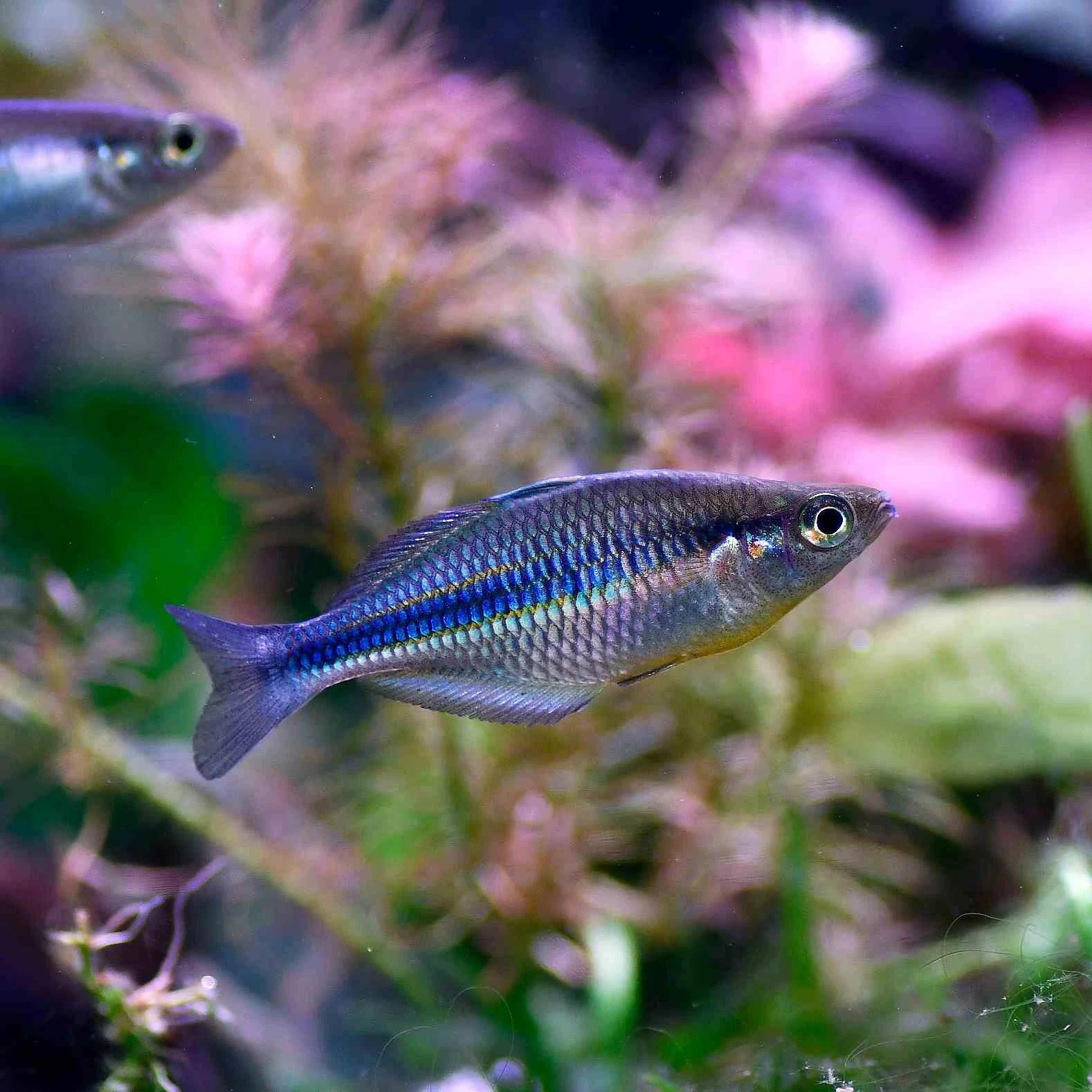
Turquoise Rainbowfish
Melanotaenia lacustris
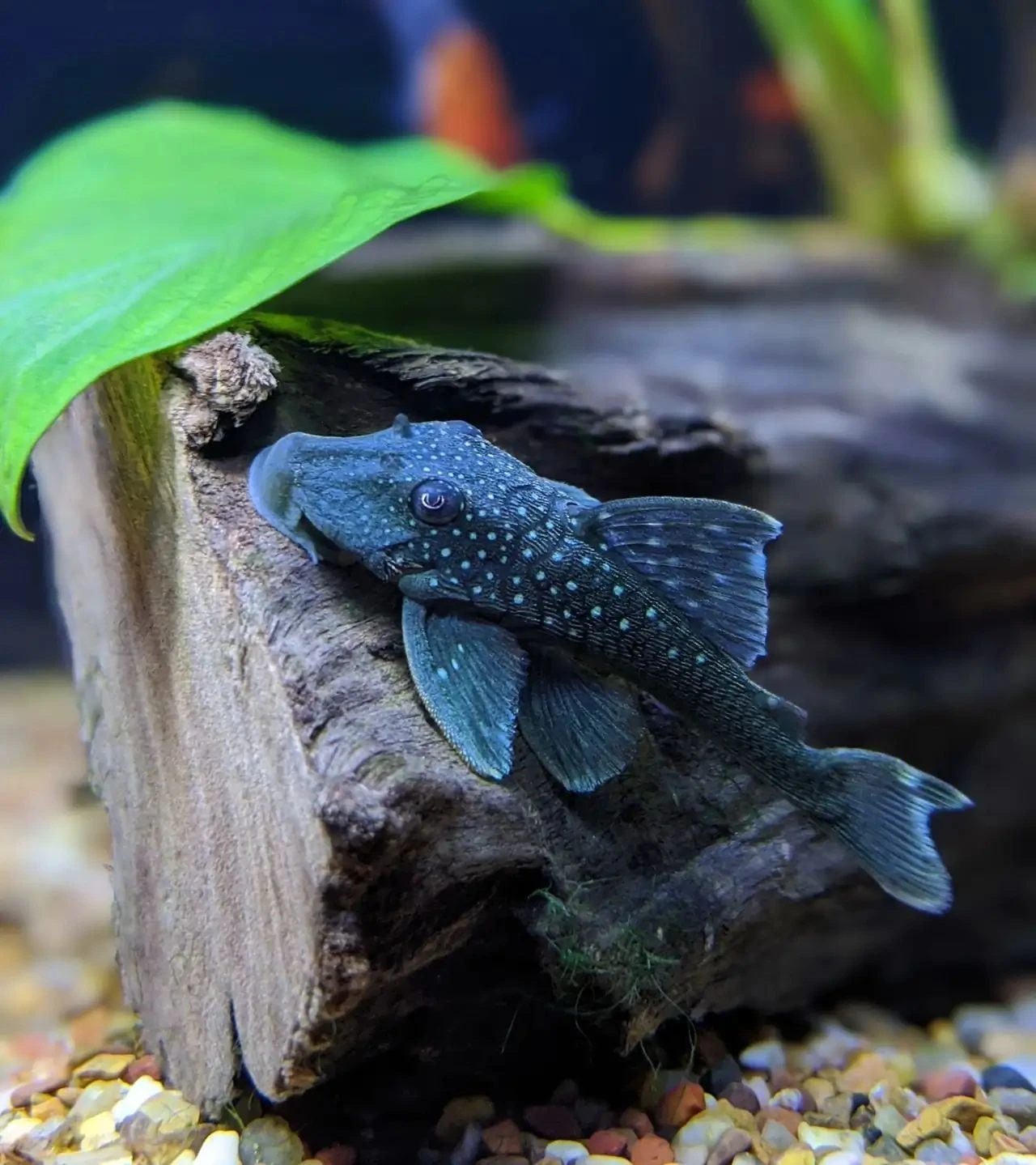
Blue Phantom Pleco
Hemiancistrus sp.
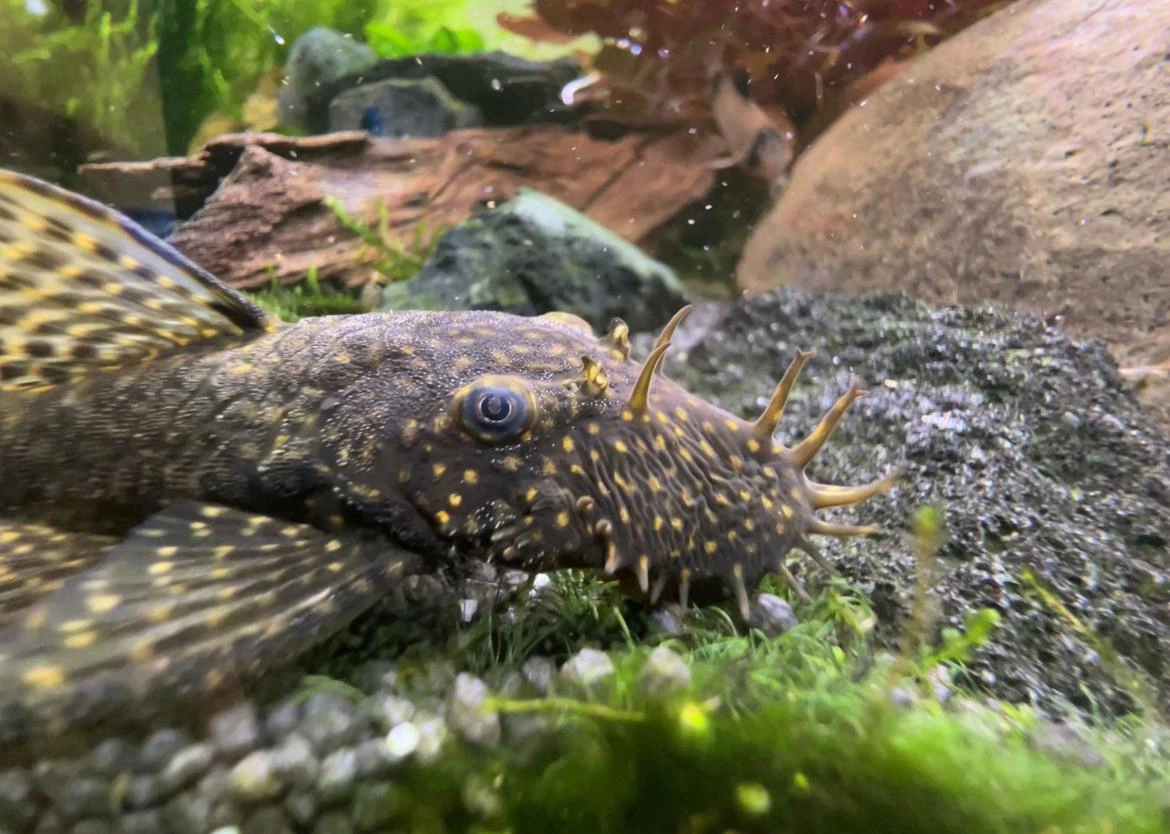
Bristlenose Pleco
Ancistrus sp.
Ready to Add Red Rainbowfish to Your Tank?
Use our free stocking calculator to check compatibility, bioload, and get personalized recommendations.