

Care Requirements
Adult Size
3.1" (8cm)
Min Tank
30 gal
Temperature
73-82°F
pH Range
6-7.5
Lifespan
3-5 years
Min Group
6+ fish
Diet
Omnivore
Swim Level
Middle
Bioload
3/10
Hardness
3-12 dGH
About Congo Tetra
The Congo Tetra is widely considered one of the most beautiful freshwater fish in the hobby. Mature males display spectacular iridescent colors that shift through the spectrum as they move—blues, greens, golds, and oranges shimmering across their bodies. Add flowing, elegant finnage and you have a truly breathtaking centerpiece fish.
Unlike the more commonly seen South American tetras, Congo Tetras are African natives from the Congo River basin. They're larger than most tetras (reaching 3+ inches) and need correspondingly more space. A school of mature males in a properly sized tank is one of the hobby's great visual experiences—their colors literally dance as light catches them from different angles.
They're peaceful fish, but they're also shy when first introduced. With time and security (proper school size, appropriate tankmates, adequate space), they develop confidence and spend more time displaying in open water. Patient aquarists are rewarded with one of the most stunning freshwater displays possible.
Natural Habitat & Origin
Congo Tetras are native to Central Africa, specifically the Congo River basin in the Democratic Republic of Congo. They inhabit slow-moving tributaries, pools, and marshes with tannin-stained, slightly acidic water.
Their natural habitat features dense vegetation, subdued lighting filtered through forest canopy, and soft substrates. These conditions help explain why Congos display best in similar aquarium setups—dark substrates, tannin-rich water, and appropriate lighting bring out their spectacular coloration.
Native Region
Central Africa—Congo River basin, Democratic Republic of Congo
Habitat Type
Slow-moving tributaries, pools, and marshes
Wild Water Conditions
Tannin-stained, slightly acidic, soft water with dense vegetation
Appearance & Varieties
Male Congo Tetras are nothing short of spectacular. Their bodies display iridescent scales that shift through rainbow colors as they move—shimmering blues, greens, golds, and oranges that change with viewing angle. The effect is mesmerizing and unlike most other freshwater fish.
Males also develop long, flowing extensions on their dorsal, anal, and caudal fins, often with distinctive white edges. Females are considerably smaller and less colorful, with shorter fins and a more subdued appearance. Both sexes reach about 3 inches (8 cm), though males appear larger due to their finnage.
Importantly, this spectacular appearance develops gradually. Juveniles are relatively plain, and full coloration/finnage takes 6-12 months to develop. Patience is essential—the wait is worth it.
Tank Setup & Requirements
Quick Requirements Summary
Tank Size
Minimum Tank Size
30 gallons
Recommended Tank Size
40 gallons
Congo Tetras need larger tanks than most tetras—minimum 40 gallons (150 liters) for a school, with 55-75 gallons (230+ liters) being preferable. They're active swimmers that need length to display properly.
Water Parameters
Temperature 75-82°F (24-28°C), pH 6.0-7.5, GH 3-18. They prefer slightly acidic, soft water but adapt to moderate conditions. More sensitive to water quality than hardy tetras—keep nitrates below 20 ppm.
Substrate
Dark substrate is essential for bringing out their iridescent colors. Light substrates wash out their appearance significantly.
Plants & Decorations
Plants are important for security. Create shaded areas with floating plants and dense background planting, but leave open swimming space in the front/center. Driftwood adds tannins they appreciate.
Filtration & Water Flow
Good filtration with moderate flow. They come from calmer waters, so avoid strong currents. Sensitive to water quality—maintain excellent biological filtration.
Lighting
This is crucial for Congos. Moderate lighting with shaded areas allows their iridescence to shimmer beautifully. Excessively bright or dim lighting reduces the spectacular effect. Experiment to find the sweet spot.
Diet & Feeding Guide
Diet Type
omnivore
Feeding Frequency
2x daily
Portion Size
What they consume in 2-3 minutes
Congo Tetras are omnivores that benefit significantly from a varied diet. High-quality nutrition is essential for developing and maintaining their spectacular coloration—a poor diet results in dull, washed-out fish.
Best Foods for Congo Tetra
- High-quality flakes — Good staple, choose color-enhancing formulas
- Color-enhancing pellets — Help maintain brilliant iridescence
- Frozen bloodworms — Excellent for color and conditioning
- Frozen brine shrimp — Good protein variety
- Daphnia — Natural food that promotes health
- Live foods — Occasionally for optimal condition
Foods to Avoid
- Low-quality foods — Results in poor coloration and health
- Exclusively dry diet — Need variety for best color
Varied diet with frozen and live foods brings out their spectacular iridescent colors. Color-enhancing foods help maintain brilliance. They feed mid-water and will catch falling food. Don't skimp on food quality—it directly affects their appearance.
Behavior & Temperament
Congo Tetras are peaceful, graceful swimmers that school loosely in mid-water. Males periodically display to each other, flaring their fins and showing off their colors—a beautiful behavior that doesn't escalate to actual aggression.
They're shy when first introduced, often hiding and showing stress colors. This is normal—with time, security, and appropriate conditions, they become confident and spend more time in the open. Larger groups (8+) accelerate this process, as there's safety in numbers.
Importantly, while they're peaceful, their flowing fins make them targets for fin nippers. Avoid housing them with known nippers like tiger barbs or serpae tetras, which will shred their beautiful finnage.
Tank Mates: Compatibility Guide
Compatible Tank Mates
Other peaceful African fish
Biotope-appropriate companions
Similar size, peaceful
Rainbowfish
Active, similarly sized, peaceful
Different level, peaceful
Compatible if space permits
Synodontis catfish
African biotope companions
Peaceful, different level
Tank Mates to Avoid
Fin nippers (Tiger Barbs, Serpae Tetras)
Will shred their flowing fins
Very small fish
May be outcompeted or eaten
Aggressive cichlids
Will stress and harass them
Boisterous fish
Overwhelm their peaceful nature
Common Pairing Questions
Why are my Congo tetras so pale?
Stress, poor water quality, recent transport, or inadequate diet cause color loss. Provide stable, clean water, varied diet with frozen foods, and a secure environment. Colors should improve over weeks.
Do Congo tetras need a large tank?
Yes—they're active swimmers reaching 3+ inches. Minimum 40 gallons for a school, but 55-75 gallons allows better swimming and more impressive displays.
Are Congo tetras fin nippers?
No—they're actually victims of fin nipping due to their flowing fins. Avoid keeping them with known nippers like tiger barbs or serpae tetras.
Congo Tetras can be bred in home aquariums but are more challenging than common tetras. They require specific conditions and patience.
Set up a breeding tank with soft, acidic water (pH 6.0-6.5), fine-leaved plants or spawning mops, and dim lighting. Condition a mature pair with high-quality live and frozen foods for 2+ weeks before attempting breeding.
Males display intensely during courtship, and eggs are scattered among plants over several hours. Remove parents afterward as they will eat eggs. Eggs take 5-7 days to hatch—longer than most tetras. Fry are tiny and need infusoria initially, graduating to baby brine shrimp after 1-2 weeks. They grow slowly.
Health Issues & Disease Prevention
Congo Tetras are moderately hardy but more sensitive than beginner tetras like black skirts. They require consistent water quality and are less forgiving of parameter swings.
Common Diseases
| Disease | Symptoms | Treatment |
|---|---|---|
| Ich | White spots, scratching | Raise temperature gradually, standard ich medication |
| Fin rot | Deteriorating fins—especially the flowing male fins | Pristine water quality, antibacterial treatment |
| Bacterial infections | Red marks, ulcers, lethargy | Improve water quality, antibacterial medication |
| Velvet | Gold dust coating on body | Copper-based treatment, dim lighting |
Signs of a Healthy Congo Tetra
- Vibrant iridescent coloration
- Full, flowing fins (males)
- Active schooling in open water
- Good appetite
- Confident, not hiding
Prevention Tips
- Quarantine new fish for 2-3 weeks
- Maintain excellent water quality—keep nitrates low
- Avoid fin-nipping tankmates that damage finnage
- Provide high-quality, varied diet
- Keep in groups of 6+ for security and confidence
Frequently Asked Questions
Stress, poor water quality, recent transport, or inadequate diet cause color loss. Provide stable, clean water, varied diet with frozen foods, and a secure environment. Colors should improve over weeks.
Yes—they're active swimmers reaching 3+ inches. Minimum 40 gallons for a school, but 55-75 gallons allows better swimming and more impressive displays.
No—they're actually victims of fin nipping due to their flowing fins. Avoid keeping them with known nippers like tiger barbs or serpae tetras.
Quality diet with frozen and live foods, clean water, dark substrate, and proper lighting. Their iridescence shifts with viewing angle—watch them catch light for full effect.
Tips for Keeping Congo Tetra
Pro Tips
- ✓One of the most beautiful freshwater fish when mature males display
- ✓Dark substrate and background make their iridescence pop
- ✓Males need space to develop full finnage—don't overcrowd
- ✓Larger groups (8+) create stunning schooling displays
- ✓Their colors shift with lighting angle—position tank for best viewing
- ✓Patient fish—juveniles take 6-12 months to develop full coloration
- ✓Worth the wait and space—mature males are spectacular
Common Mistakes to Avoid
- ✗Too small tanks—they need swimming room
- ✗Keeping with fin nippers—their flowing fins are targets
- ✗Expecting full color immediately—takes months to develop
- ✗Poor diet—need variety for best coloration
- ✗Bright lighting without shaded areas
- ✗Small groups—need 6+ to feel secure and school properly
- ✗Poor water quality—sensitive to nitrates
Sources
- FishBase — Accepted scientific name, maximum size and native range for Congo Tetra.
Featured in Biotope Presets
Related Species You Might Like
View All Fish →
Convict Cichlid
Amatitlania nigrofasciata

Australian Rainbowfish
Melanotaenia splendida
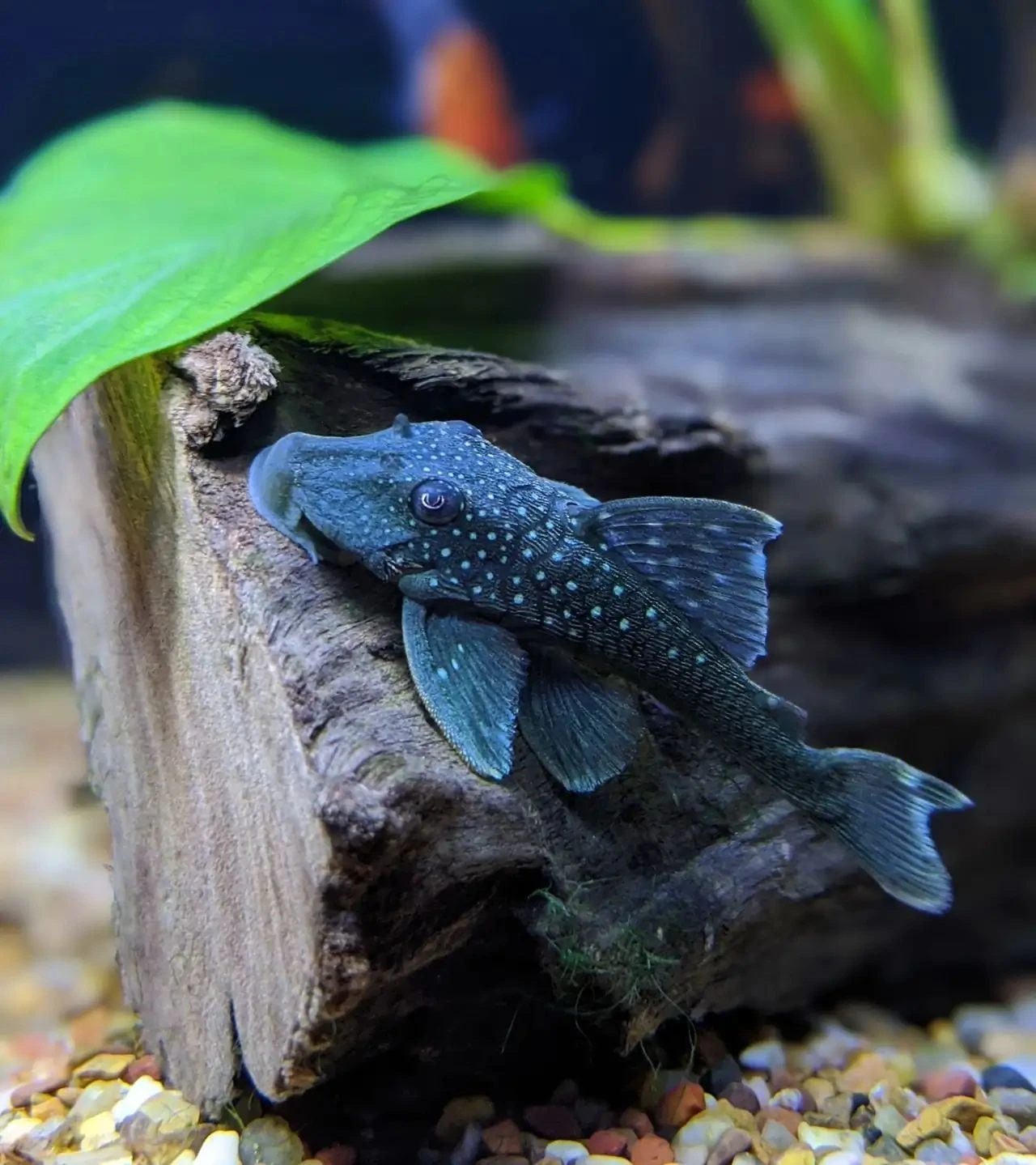
Blue Phantom Pleco
Hemiancistrus sp.
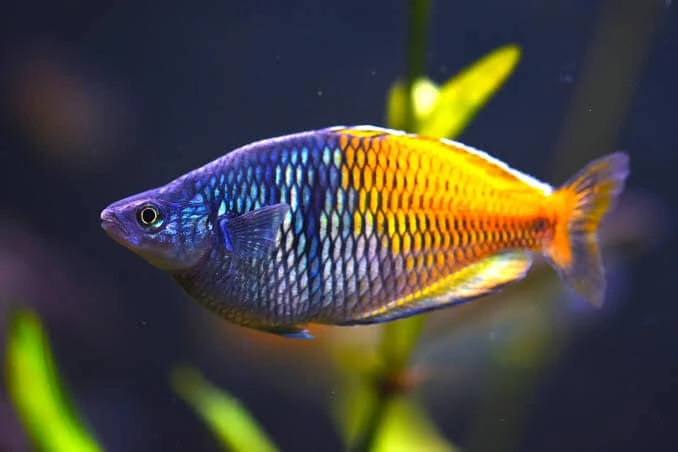
Boesemani Rainbowfish
Melanotaenia boesemani
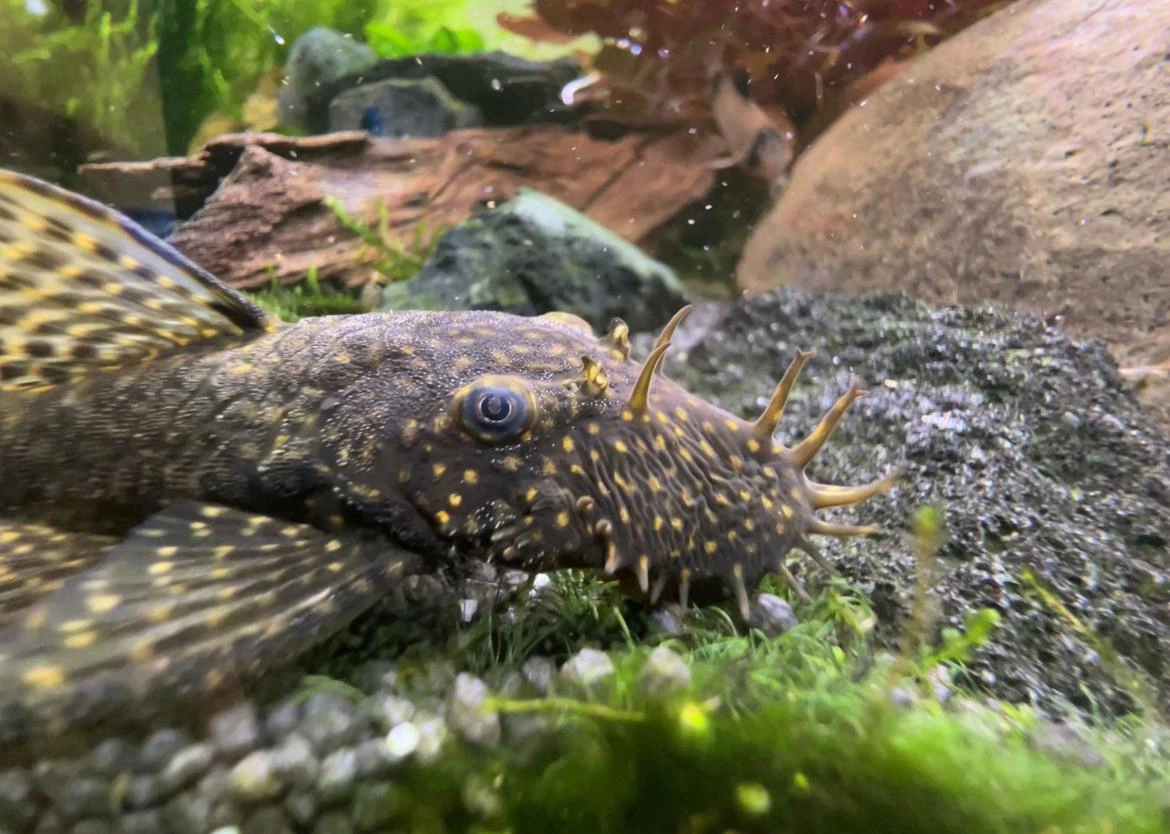
Bristlenose Pleco
Ancistrus sp.
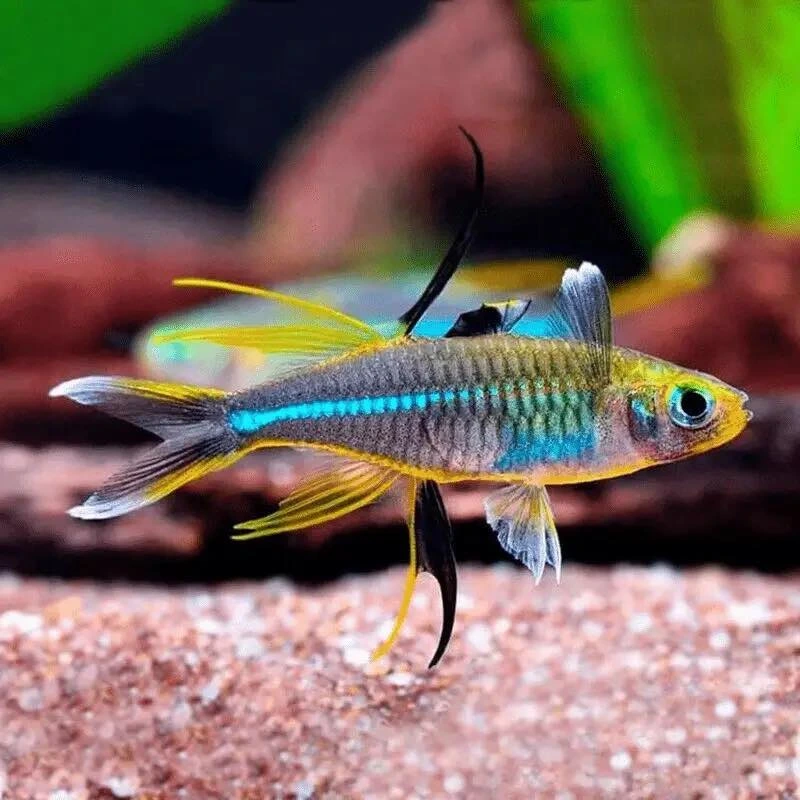
Celebes Rainbowfish
Marosatherina ladigesi
Denison Barb
Sahyadria denisonii

Discus
Symphysodon aequifasciatus
Ready to Add Congo Tetra to Your Tank?
Use our free stocking calculator to check compatibility, bioload, and get personalized recommendations.