
Care Requirements
Adult Size
4.7" (12cm)
Min Tank
30 gal
Temperature
73-81°F
pH Range
6-7.5
Lifespan
10-15 years
Min Group
Can be kept alone
Diet
Herbivore
Swim Level
Bottom
Bioload
5/10
Hardness
4-18 dGH
About Bristlenose Pleco
The Bristlenose Pleco is the aquarium hobby's favorite algae eater, and for good reason. Unlike the common pleco that grows to an unmanageable 18+ inches, bristlenoses stay compact at around 4-5 inches, making them suitable for most community tanks. Their comical appearance, excellent algae-eating habits, and peaceful nature have made them a staple in planted and community aquariums worldwide.
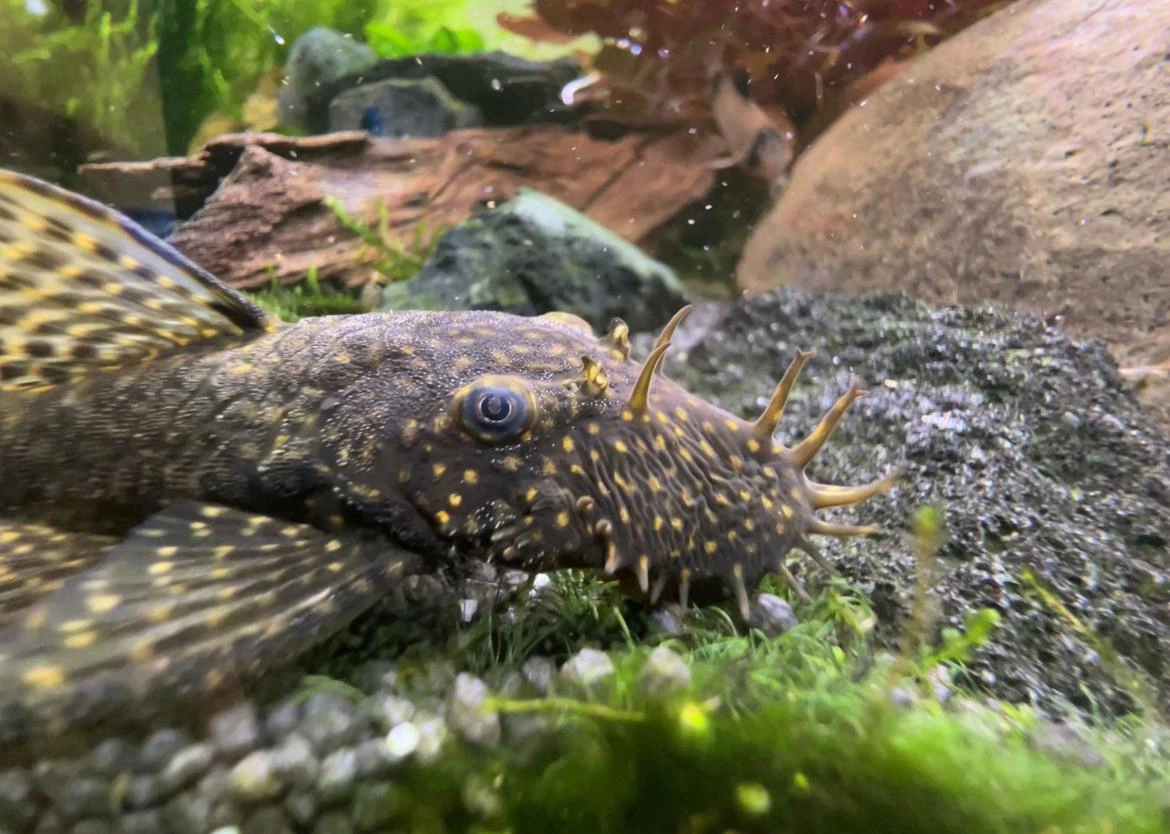
The distinctive 'bristles' that give this fish its name are fleshy tentacle-like growths on the snout, most prominent in mature males. These bizarre appendages are thought to mimic eggs or fry, signaling good parenting genes to females. While they look strange, they're completely harmless and add character to these already endearing fish.
Bristlenose plecos are primarily nocturnal, spending daylight hours hiding in caves or under driftwood before emerging at night to graze. Despite their shy nature, they're hardy and adaptable, thriving in a wide range of conditions that make them perfect for beginners seeking natural algae control.
Natural Habitat & Origin
Bristlenose plecos belong to the genus Ancistrus, which contains over 70 species found throughout South America. They inhabit fast-flowing rivers and streams in the Amazon basin, where they cling to rocks and submerged wood using their specialized sucker mouths. The water in these habitats is typically warm, soft, and well-oxygenated.
In nature, bristlenoses are found in areas with abundant driftwood and rocky surfaces covered in biofilm and algae—their primary food sources. The wood is particularly important, as they rasp on it to aid digestion. This habitat preference explains their need for driftwood in captivity, which isn't optional but essential for their health.
Native Region
Amazon Basin, South America (multiple Ancistrus species)
Habitat Type
Fast-flowing rivers and streams with rocky/woody substrates
Wild Water Conditions
Warm (73-81°F), soft to moderate hardness, slightly acidic to neutral, well-oxygenated
Appearance & Varieties
Bristlenose plecos have flattened bodies covered in bony plates, with a large head and underslung sucker mouth designed for rasping surfaces. Their coloration is typically dark brown to gray with lighter spots or mottling, providing excellent camouflage against wood and rocks. The dorsal fin is large and sail-like when erect.
The most distinctive feature is the bristles (tentacles) on the snout. Males develop elaborate, branching bristles that can extend up to the forehead, while females have smaller bristles limited to the snout edge or none at all. Males also tend to have broader, flatter heads. Adult size is typically 4-5 inches (10-12 cm), with females slightly smaller.
Popular Varieties
| Variety | Description | Rarity |
|---|---|---|
| Common/Wild-type | Dark brown/gray with lighter spots; most common variety | Common |
| Albino | Pale yellow/pink body with red eyes; equally hardy | Common |
| Super Red | Orange-red coloration throughout body | Uncommon |
| Longfin | Extended finnage; available in multiple color varieties | Uncommon |
| Starlight/L183 | Black body with white spots; technically different species | Uncommon |
| Calico | Mottled orange, brown, and black patches | Uncommon |
Tank Setup & Requirements
Quick Requirements Summary
Tank Size
Minimum Tank Size
30 gallons
Recommended Tank Size
40 gallons
Bristlenose plecos adapt to various setups but have one non-negotiable requirement: driftwood. They rasp on wood to aid digestion, and tanks without it often result in health problems. Beyond this, they appreciate hiding spots, moderate flow, and surfaces to graze.
Water Parameters
Temperature between 73-81°F (23-27°C) suits bristlenoses well. They tolerate pH from 6.0-7.5 and aren't particularly sensitive to hardness. Good water quality matters—they produce significant waste for their size. Weekly water changes of 25-30% help maintain healthy conditions.
Substrate
Any substrate works. Sand, gravel, or bare bottom tanks are all acceptable. They spend most time on wood, rocks, and glass rather than the substrate itself.
Plants & Decorations
Driftwood is ESSENTIAL—not decorative but a dietary requirement. Include at least one piece large enough for the pleco to hide under and rasp. Caves, PVC pipes, or coconut shells provide additional hiding spots. Live plants are safe; bristlenoses rarely damage healthy plants, though they may eat dying leaves.
Filtration & Water Flow
Moderate to strong filtration recommended. Bristlenoses produce more waste than their size suggests, and they appreciate some water movement. Ensure good oxygenation—they come from flowing water habitats.
Lighting
Subdued lighting preferred since they're nocturnal. They'll hide under bright lights and only emerge at night. Provide shaded areas with caves and driftwood regardless of lighting level.
Diet & Feeding Guide
Diet Type
herbivore
Feeding Frequency
Daily (evening)
Portion Size
What they consume overnight
Despite being famous algae eaters, bristlenose plecos need supplemental feeding in most aquariums. They're primarily herbivores that graze constantly—a tank's natural algae growth rarely sustains them. Think of them as algae eaters that also need vegetables, not fish that live on algae alone.
Best Foods for Bristlenose Pleco
- Algae wafers — Staple diet—Hikari Algae Wafers, Repashy Soilent Green
- Blanched vegetables — Zucchini, cucumber, spinach, peas—weight down to sink
- Driftwood — Essential for digestion; they rasp wood fiber constantly
- Repashy gel foods — Morning Wood, Soilent Green—excellent nutrition
- Spirulina tablets — High-quality plant-based supplement
- Fresh algae — Tank algae, algae-covered rocks from established tanks
Foods to Avoid
- High-protein foods as staple — Herbivores—too much protein causes digestive issues
- Relying on tank algae alone — Most tanks don't produce enough; supplemental feeding required
- Cucumber as sole vegetable — Low nutrition; vary vegetables for balanced diet
Feed in the evening when bristlenoses become active. Drop algae wafers or vegetables after lights out. Remove uneaten vegetables after 24 hours to prevent fouling. In community tanks, ensure food reaches the bottom—fast surface feeders may intercept sinking wafers.
What a Bristlenose Pleco will actually graze depends entirely on which algae you have — soft film comes off easily, while black beard and blue-green growth are ignored by almost everything. Identify the algae in your tank before deciding whether livestock is the right fix.
Behavior & Temperament
Bristlenose plecos are peaceful, nocturnal fish that spend daylight hours wedged into hiding spots. At night, they emerge to systematically graze every surface in the tank—glass, rocks, wood, decorations, and plants. Their constant rasping motion is distinctive and effective at removing algae.
Males are territorial with each other, particularly around caves during breeding. Two males in a small tank will spar, though serious injury is rare. They're peaceful toward all other species, completely ignoring tankmates as they go about their grazing. Bristlenoses can live 10-15+ years, so expect a long-term companion.
Tank Mates: Compatibility Guide
Compatible Tank Mates
Perfect match—different zones, no competition
Both bottom dwellers but coexist peacefully
Excellent community companions
Usually works well—pleco stays hidden, different zones
Compatible in larger tanks with plenty of hiding spots
Peaceful community fish, no conflicts
Great schooling fish that won't bother plecos
Peaceful barb, different tank zone
Compatible if temperature kept at higher end
Tank Mates to Avoid
Common Pleco
Will outcompete bristlenose for territory and food as it grows
Oscar
May harass or injure the bristlenose
Large aggressive cichlids
Territorial aggression, potential injury
Other male bristlenose (small tanks)
Males territorial; need 30+ gallons for multiple males
Crayfish
Will attack bristlenose, especially during molting
Common Pairing Questions
Can bristlenose plecos live with bettas?
Yes, this is a popular and usually successful combination. Bristlenose plecos stay at the bottom and hide during the day, while bettas occupy the upper levels. The pleco's armor provides protection if the betta investigates. Use a 10+ gallon tank with caves for the pleco to hide in.
How many bristlenose plecos can I keep?
One per 30 gallons is a good rule for males due to territorial behavior. Multiple females coexist peacefully. A male-female pair works well for breeding. In larger tanks (55+ gallons), multiple males can establish separate territories if sufficient caves are provided.
Will bristlenose plecos eat my plants?
Healthy plants are usually safe. Bristlenoses may nibble on dying or decaying plant matter, soft-leaved plants, or plants with biofilm. Well-established, healthy plants like anubias, java fern, and amazon swords are rarely damaged. Hungry plecos are more likely to nibble plants—ensure adequate feeding.
Bristlenose plecos are among the easiest egg-laying fish to breed in home aquariums. Males guard eggs in caves, making the process fascinating to observe.
Provide caves slightly larger than the male—he should fit snugly with little extra room. PVC pipes, coconut shells, or commercial pleco caves all work. The male claims a cave, cleans it, and entices females to lay eggs inside. After spawning, he guards and fans the eggs while the female leaves.
Eggs hatch in 4-10 days depending on temperature. Fry absorb their yolk sacs over several days before becoming free-swimming. The male continues guarding until fry leave the cave. Feed fry blanched vegetables, algae wafers, and biofilm. Growth is slow but steady—expect 1-2 inches in the first year.
Health Issues & Disease Prevention
Bristlenose plecos are hardy fish with few disease issues when their basic needs are met. Most problems stem from poor water quality, inadequate diet, or lack of driftwood. They're sensitive to medications containing copper.
Common Diseases
| Disease | Symptoms | Treatment |
|---|---|---|
| Ich (White Spot) | White spots on body and fins, flashing against surfaces, lethargy | Raise temperature to 82-86°F gradually. Use half-dose ich medication—plecos are scaleless and sensitive. Salt can be used cautiously. |
| Bloat/Constipation | Swollen belly, not eating, stringy white feces, lethargy | Often caused by improper diet—too much protein, not enough fiber. Fast for 2-3 days, then feed blanched peas and increase vegetable matter. Ensure driftwood is available for fiber. |
| Hole in the Head (HITH) | Pitting/erosion on head and lateral line, usually starts as small holes | Caused by poor water quality and nutritional deficiencies. Improve water quality immediately, increase vegetable variety, consider vitamin supplements. Metronidazole for severe cases. |
| Sunken Belly | Concave abdomen, wasting away despite eating | Often internal parasites. Treat with anti-parasitic food containing praziquantel or metronidazole. May also indicate inadequate diet—ensure sufficient feeding. |
Signs of a Healthy Bristlenose Pleco
- Round belly (not sunken or bloated)
- Active grazing behavior, especially at night
- Clear eyes without cloudiness
- Intact fins and smooth body plates
- Feces should be dark (from algae/vegetables), not white/stringy
- Strong suction when attached to surfaces
Prevention Tips
- Always provide driftwood—essential for digestion and health
- Feed vegetables and algae wafers, don't rely on tank algae alone
- Maintain good water quality—they produce significant waste
- Avoid copper-based medications
- Provide hiding spots to reduce stress
- Quarantine new fish for 2-3 weeks before adding
Frequently Asked Questions
Bristlenose plecos reach 4-5 inches (10-12 cm) as adults, with males slightly larger than females. This is dramatically smaller than common plecos (18+ inches), making bristlenoses suitable for tanks 30 gallons and up.
Yes, they're excellent algae eaters and will graze on green algae, brown diatoms, and some types of biofilm. However, most tanks don't produce enough algae to sustain them—supplement with algae wafers and blanched vegetables.
Bristlenoses rasp on driftwood for fiber that aids digestion. It's not optional—tanks without driftwood often result in digestive problems and health issues. Any aquarium-safe driftwood (mopani, Malaysian, spider wood) works.
Yes. They hide during the day and become active at dusk, grazing throughout the night. You may rarely see them during daytime unless food is offered. This is normal behavior, not a sign of stress.
Males develop prominent bristles (tentacles) on the snout that can extend to the forehead. Females have few or no bristles, limited to the snout edge. Males also have broader, flatter heads. Differences become obvious around 6 months of age.
Minimum 30 gallons (115 liters) for one adult. They produce significant waste and need grazing space. Larger tanks are easier to maintain and provide more surface area for algae growth.
With proper care, bristlenose plecos live 10-15 years, sometimes longer. They're a long-term commitment. Poor diet (no driftwood, inadequate vegetables) and water quality are the main factors that shorten lifespan.
No. Despite being 'bottom feeders,' bristlenose plecos eat algae, biofilm, vegetables, and wood—not fish waste. No fish eats poop. You still need regular tank maintenance and water changes.
Tips for Keeping Bristlenose Pleco
Pro Tips
- ✓Drop algae wafers after lights out—you'll see more natural grazing behavior and ensure they get food
- ✓Zucchini medallions weighted with a fork are the easiest vegetable to prepare
- ✓If you never see your pleco, it's probably fine—check at night with a flashlight
- ✓Males with the biggest bristles often win breeding competitions for females
- ✓A pleco that's always out during the day may be underfed—increase feeding
- ✓Malaysian driftwood is ideal—dense, lasts for years, and releases beneficial tannins
Common Mistakes to Avoid
- ✗No driftwood in tank—essential for digestion, not decorative
- ✗Relying on tank algae for food—supplement with wafers and vegetables
- ✗Keeping in tanks too small—need 30+ gallons for adequate grazing area
- ✗Multiple males in small tanks—territorial aggression around caves
- ✗Confusing with common pleco—commons grow 18+ inches, bristlenoses stay under 6
- ✗Using copper medications at full strength—plecos are sensitive, use half-dose
Related Species You Might Like
View All Fish →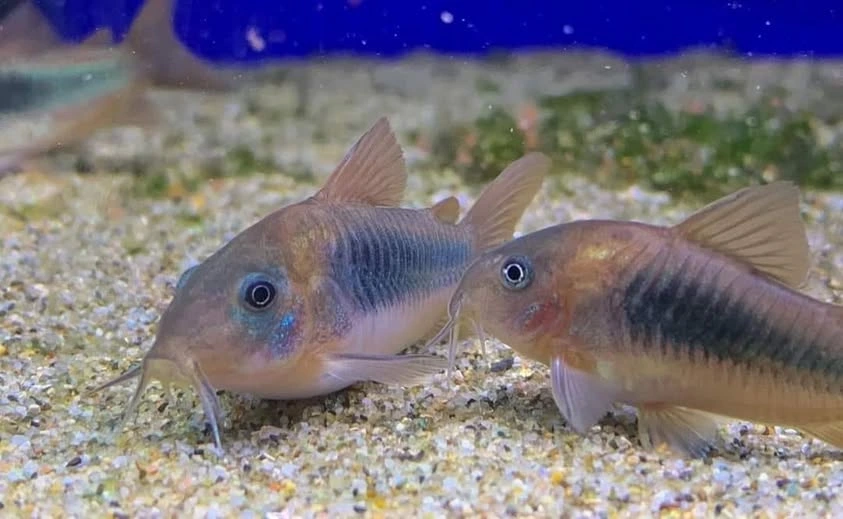
Bronze Corydoras
Corydoras aeneus
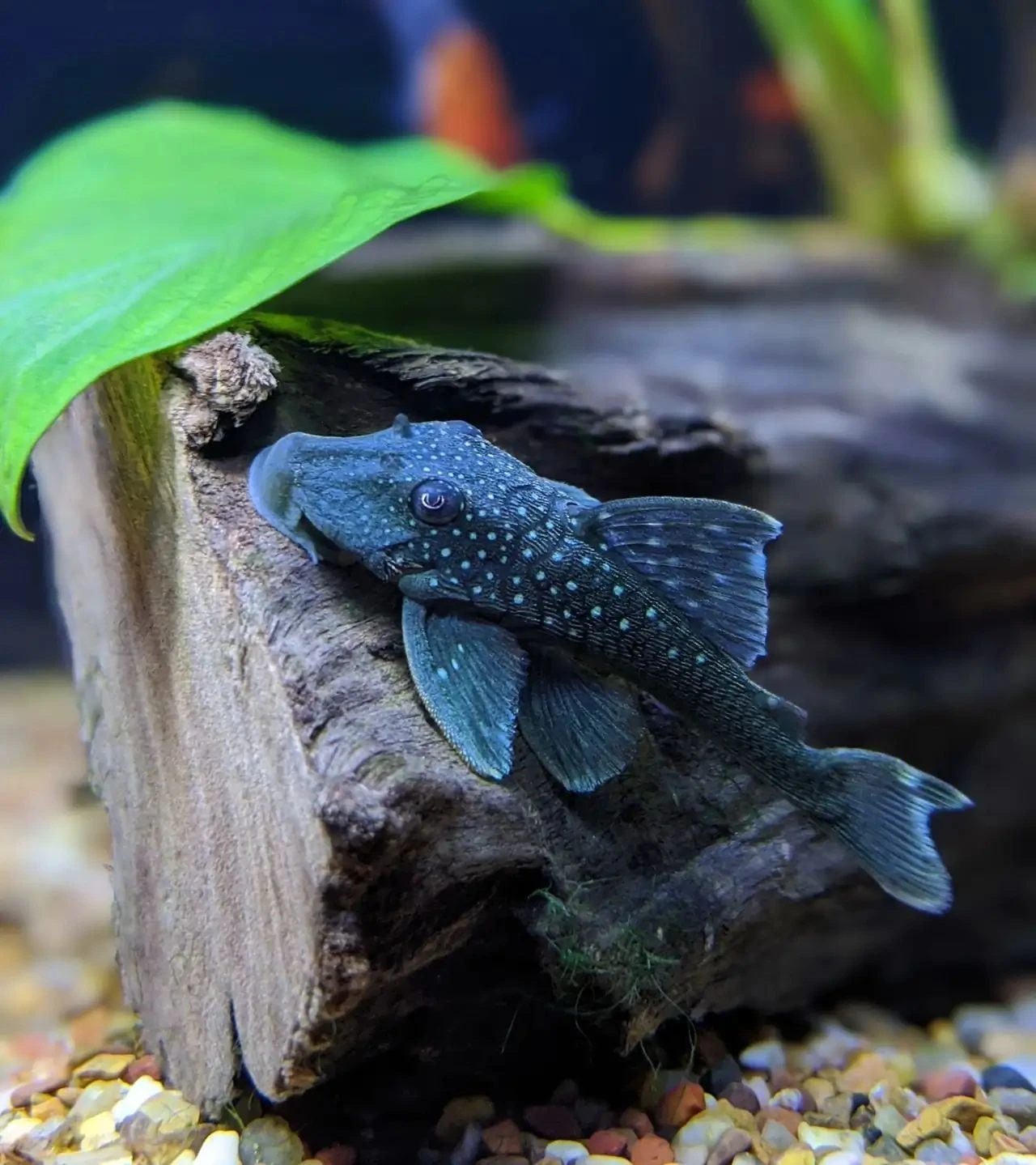
Blue Phantom Pleco
Hemiancistrus sp.
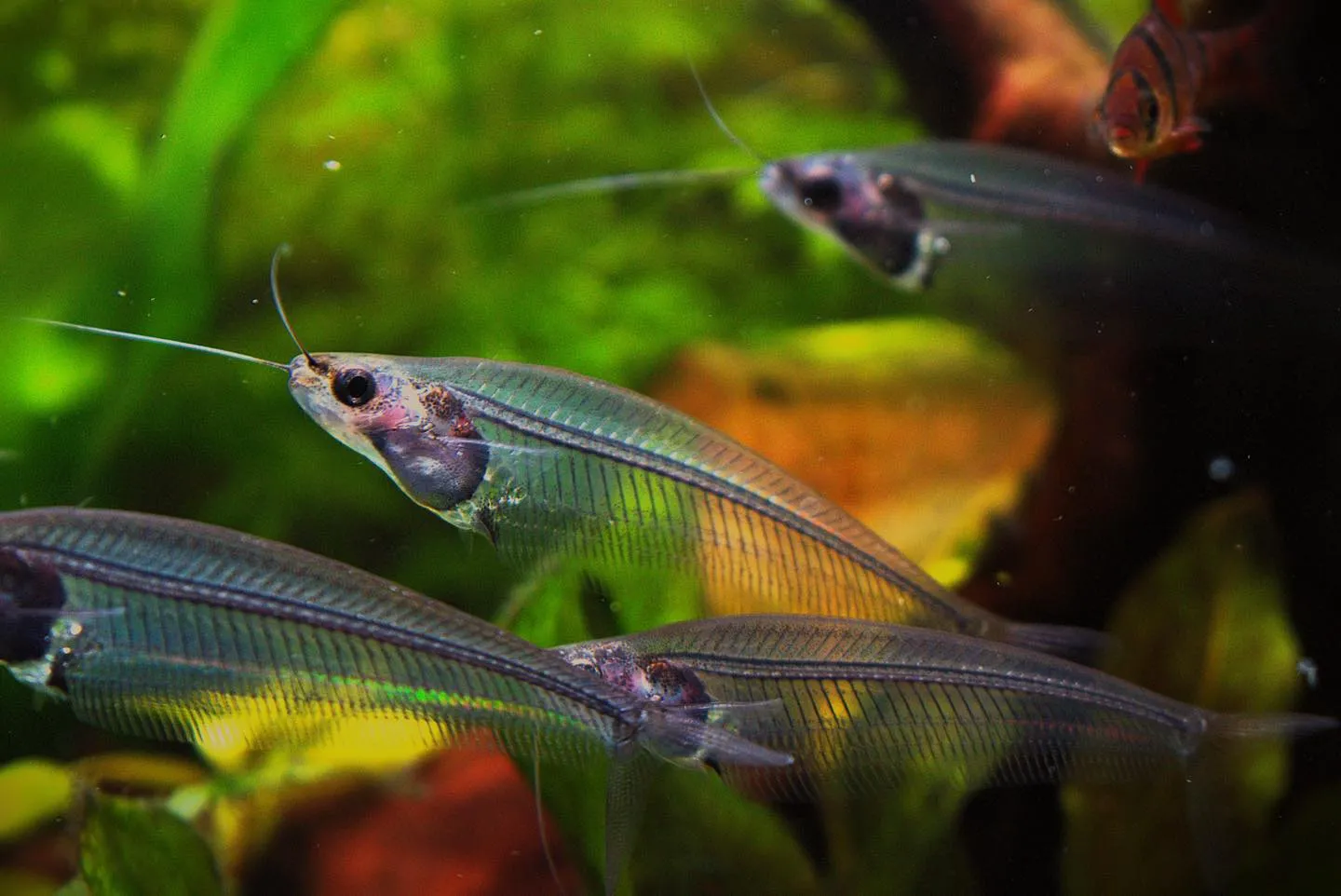
Glass Catfish
Kryptopterus vitreolus
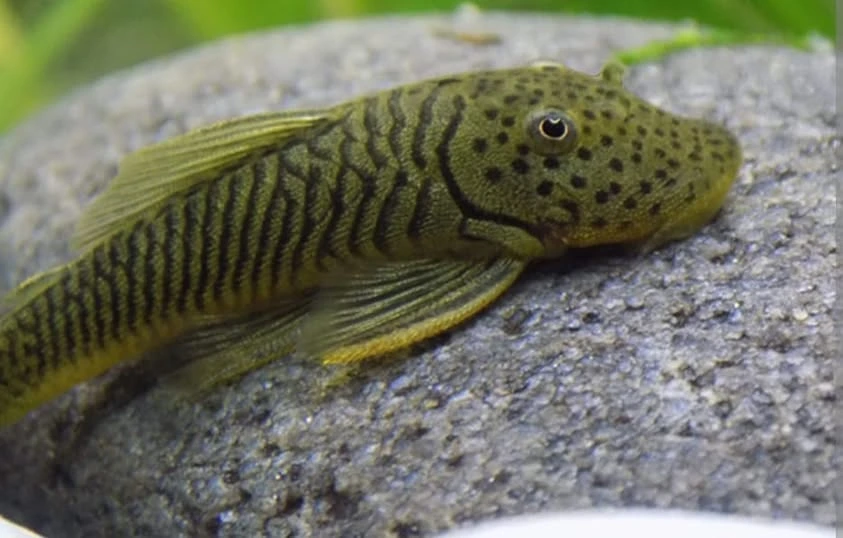
Rubber Lip Pleco
Chaetostoma formosae
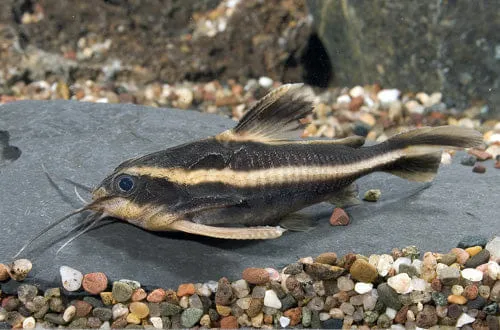
Striped Raphael Catfish
Platydoras armatulus
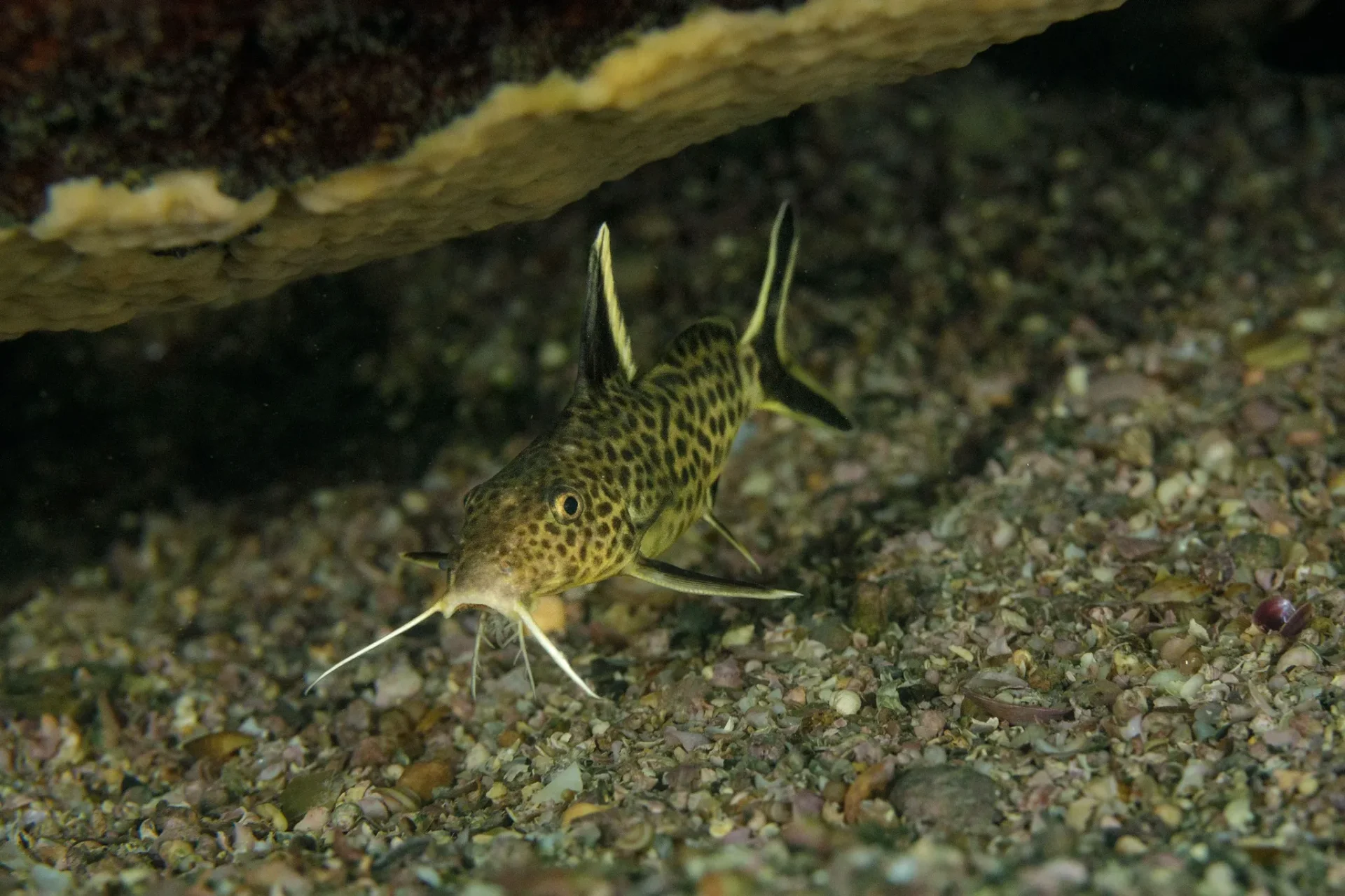
Synodontis Petricola
Synodontis petricola
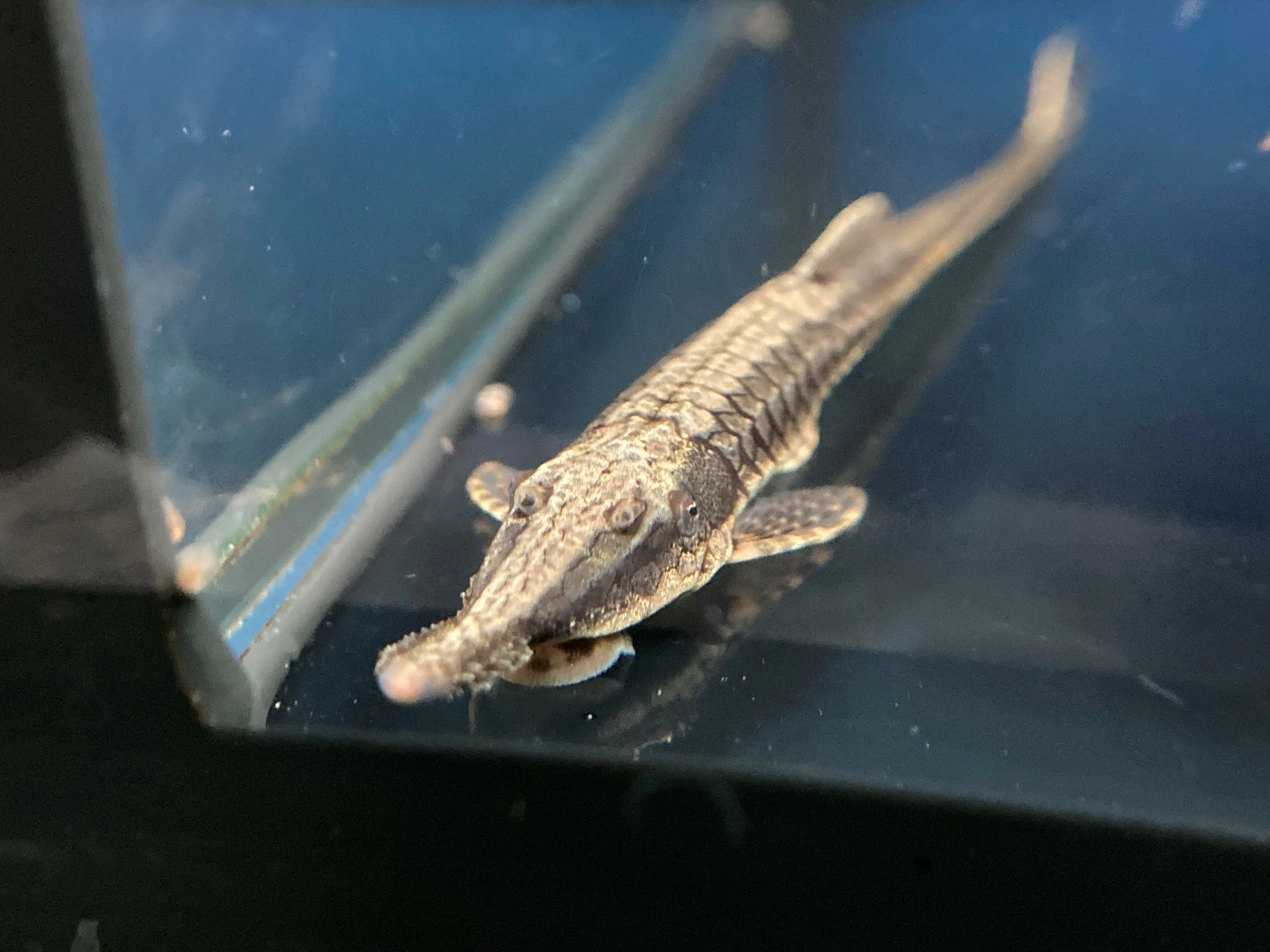
Twig Catfish
Farlowella acus
Upside Down Catfish
Synodontis nigriventris
Ready to Add Bristlenose Pleco to Your Tank?
Use our free stocking calculator to check compatibility, bioload, and get personalized recommendations.