
Care Requirements
Adult Size
3.9" (10cm)
Min Tank
30 gal
Temperature
72-82°F
pH Range
6-7.5
Lifespan
15+ years
Min Group
3+ fish
Diet
Omnivore
Swim Level
All
Bioload
3/10
Hardness
4-15 dGH
About Upside Down Catfish
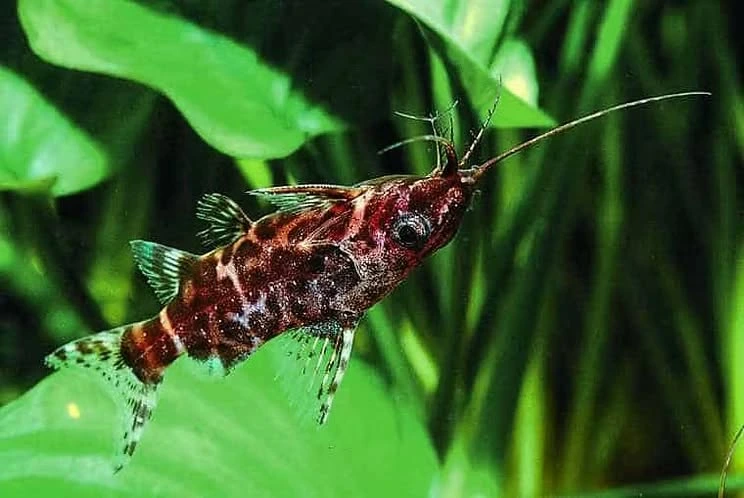
The Upside Down Catfish is one of the most fascinating and unusual fish in the aquarium hobby, famous for its unique habit of swimming belly-up. This African catfish has evolved specifically to feed from the undersides of surfaces—floating plants, submerged wood, and broad leaves—and has adapted its entire biology to this inverted lifestyle.
What makes this species truly remarkable is its reversed countershading. Most fish have dark backs and light bellies for camouflage, but the Upside Down Catfish has evolved the opposite—a darker belly than back. When swimming inverted, this coloration provides camouflage from above, just as normal countershading does for right-side-up fish.
Despite their unusual appearance and behavior, these catfish are peaceful, hardy, and surprisingly long-lived, often reaching 15-20 years with proper care. They're shy initially but become bolder over time, especially when kept in groups. Watching a school of these fascinating fish swim upside-down under driftwood is one of the hobby's unique pleasures.
Natural Habitat & Origin
Upside Down Catfish originate from the Congo River Basin in Central Africa, primarily the Democratic Republic of Congo. They inhabit slow-moving rivers, streams, and flooded forest areas where dense vegetation provides abundant surfaces for their inverted feeding behavior.
In the wild, they're found in shaded areas under floating vegetation, submerged branches, and overhanging plants. The water is typically soft and slightly acidic, with plenty of cover and subdued lighting. Understanding this preference for shaded environments with horizontal surfaces helps explain their tank setup requirements.
Native Region
Central Africa (Congo River Basin, Democratic Republic of Congo)
Habitat Type
Slow-moving rivers, streams, flooded forests with dense vegetation
Wild Water Conditions
Soft, slightly acidic water with abundant cover and subdued lighting
Appearance & Varieties
Upside Down Catfish are small to medium-sized catfish reaching about 4 inches (10 cm) in length. Their body is moderately compressed with a typical Synodontis shape—large head, three pairs of barbels, and an adipose fin. The pectoral and dorsal fins have sharp spines for defense.
Their most notable physical feature is their reversed coloration. Unlike most fish with dark backs and light bellies, these catfish have a darker belly (brown to black mottling) and a lighter back. This counter-intuitive pattern provides camouflage when swimming upside-down. The overall coloration is mottled brown and tan with irregular blotching.
Popular Varieties
| Variety | Description | Rarity |
|---|---|---|
| Synodontis nigriventris | The true Upside Down Catfish, most commonly sold, smaller species | Common |
| Other Synodontis species | Some related species also swim inverted occasionally but less consistently | Varies |
Tank Setup & Requirements
Quick Requirements Summary
Tank Size
Minimum Tank Size
30 gallons
Recommended Tank Size
40 gallons
Upside Down Catfish require a minimum tank size of 20 gallons, with 30+ gallons recommended for a group. Standard tank shapes work well, but the key requirement is providing horizontal surfaces for their inverted swimming behavior. Driftwood with horizontal branches is essential equipment for this species.
Water Parameters
Temperature should be maintained between 72-82°F (22-28°C). They prefer soft to moderately hard water (4-15 dGH) with a slightly acidic to neutral pH of 6.0-7.5. Stable parameters are more important than hitting exact numbers.
Substrate
Sand or fine gravel works well, though they spend relatively little time on the substrate compared to other catfish. They're more focused on mid-water surfaces for their inverted behavior.
Plants & Decorations
Heavily planted tanks are ideal. Broad-leaved plants like Amazon swords and Anubias provide surfaces for upside-down feeding. Floating plants are especially valuable—they give the catfish natural surfaces to swim under. Driftwood with horizontal branches is essential for displaying their signature behavior.
Filtration & Water Flow
Moderate filtration is sufficient. Avoid excessive current, as they prefer calmer waters. Ensure intake tubes are covered as their spines can get caught.
Lighting
Subdued lighting is strongly preferred. They're naturally shy and will hide constantly under bright lights. Floating plants help diffuse lighting and increase their confidence.
Diet & Feeding Guide
Diet Type
omnivore
Feeding Frequency
Once daily, preferably evening
Portion Size
What they consume in 3-5 minutes
Upside Down Catfish are omnivores with a natural diet of insect larvae from the water surface, algae from undersides of leaves and wood, small invertebrates, and organic detritus. Their unique feeding position allows them to exploit food sources unavailable to other fish.
Best Foods for Upside Down Catfish
- Sinking pellets — Will eat from bottom when needed
- Catfish tablets — Excellent nutrition for catfish species
- High-quality flakes — Floating flakes work well—they feed naturally from surface
- Frozen bloodworms — Favorite food, great for conditioning
- Blanched vegetables — Zucchini and cucumber provide fiber
- Live blackworms — Excellent treat, stimulates natural foraging
Foods to Avoid
- Large pellets — Choose appropriately sized food for their small mouths
- Exclusively dry food — Variety is important for long-term health
These catfish feed both upside-down from the surface and right-side-up from the bottom. Floating foods work particularly well as they naturally feed from beneath the surface. Feed in the evening when they're most active. Once comfortable, they'll learn to feed during daytime hours.
Behavior & Temperament
The signature behavior of these catfish is, of course, swimming upside-down. This isn't a sign of illness or stress—it's their natural orientation for feeding from undersides of surfaces. They spend most of their time inverted under driftwood, broad plant leaves, and floating plants, grazing on biofilm and algae.
They're primarily nocturnal and may hide during bright daylight, especially when newly introduced. Over time, and especially in groups of 5 or more, they become bolder and may be active during the day. They're peaceful and social, gaining confidence from the company of their own kind.
One interesting characteristic is their ability to produce sounds. When stressed or removed from water, they make squeaking sounds using their pectoral spines. This is normal and not harmful.
Tank Mates: Compatibility Guide
Compatible Tank Mates
Peaceful community fish that occupy different areas
Peaceful mid-water schoolers
Cherry barbs and similar peaceful species
Fellow peaceful catfish, different territory
Most dwarf cichlids are compatible
Peaceful labyrinth fish
Active but peaceful community fish
Tank Mates to Avoid
Large Aggressive Fish
Will stress or harm the peaceful catfish
Very Active Fish
May outcompete them for food and cause stress
Large Cichlids
Too aggressive for these peaceful catfish
Common Pairing Questions
Can I keep just one Upside Down Catfish?
You can, but they're much more confident and display better behavior in groups of 3 or more. Single specimens often hide constantly and rarely show their interesting upside-down behavior during daylight hours.
Are Upside Down Catfish nocturnal?
Yes, they're primarily nocturnal and most active at dawn, dusk, and night. They may hide during bright daylight, especially when new or kept alone. Groups become bolder and may be active during daytime.
Do they eat algae?
They graze on biofilm and soft algae from undersides of leaves and wood, but they're not dedicated algae eaters. Don't rely on them for algae control—they're omnivores that need a varied diet.
Breeding Upside Down Catfish in captivity is difficult and rarely accomplished in home aquariums. Most specimens in the hobby are wild-caught. When breeding does occur, it requires very specific conditions and well-conditioned adults.
Successful breeding needs a large tank with caves, soft acidic water (pH 6.0-6.5), temperatures around 79-81°F (26-27°C), and conditioning with live foods. Spawning is sometimes triggered by a large water change with slightly cooler water, simulating the rainy season.
Pairs enter caves or sheltered areas where females deposit 100-400 eggs on the ceiling or walls. Some parental guarding may occur but is often minimal. Eggs hatch in 5-7 days, and fry require baby brine shrimp, microworms, and finely crushed flakes. Breeding is most likely to succeed in species-only setups with established groups of 6 or more.
Health Issues & Disease Prevention
Upside Down Catfish are generally hardy fish when their basic needs are met. Their main requirements are subdued lighting, hiding spots, horizontal surfaces for natural behavior, and group housing for confidence.
Common Diseases
| Disease | Symptoms | Treatment |
|---|---|---|
| Ich (White Spot Disease) | White spots on body and fins, flashing, clamped fins | Raise temperature gradually, add salt (half dose for scaleless fish), use commercial ich medication |
| Bacterial Infections | Fin rot, body sores, cloudy eyes, lethargy | Antibacterial medication, improve water quality, reduce stress |
| Stress-related Illness | Loss of color, constant hiding, not eating, susceptibility to disease | Provide hiding spots, keep in groups, subdued lighting, ensure gentle tankmates |
Signs of a Healthy Upside Down Catfish
- Active swimming, especially in evening
- Good appetite
- Bold coloration
- Confident behavior in open
- Regular upside-down swimming
Prevention Tips
- Keep in groups of 3+ for confidence
- Provide subdued lighting or shaded areas
- Include driftwood with horizontal branches
- Maintain stable water parameters
- Choose peaceful tankmates
- Feed in evening initially when they're most active
Frequently Asked Questions
It's their natural behavior! They evolved to feed from the undersides of leaves, floating plants, and submerged wood. Their belly is darker than their back (reverse countershading) as an adaptation to this lifestyle. It's not a sign of illness.
No—they swim both ways depending on what they're doing. They'll swim right-side-up when foraging on the bottom or moving between areas. Constant right-side-up swimming combined with hiding may indicate stress.
They're naturally nocturnal and will hide during bright daylight. This is normal. Provide hiding spots during the day and watch for activity at dawn, dusk, and after lights out. They become bolder over time and with group confidence.
With proper care, 15-20 years. They're one of the longer-lived common aquarium fish. This lifespan commitment is important to consider before purchasing.
You can, but they're much more confident and display better behavior in groups of 3 or more. Single specimens often hide constantly and never show their interesting upside-down behavior.
They graze on biofilm and soft algae from undersides of leaves and wood, but they're not dedicated algae eaters. Don't rely on them for algae control—they're omnivores that need a varied diet.
Tips for Keeping Upside Down Catfish
Pro Tips
- ✓Driftwood with horizontal branches is the single best addition for this species
- ✓Floating plants give them natural surfaces to swim under and increase confidence
- ✓Groups of 5+ will be out during the day much more than smaller groups or singles
- ✓Feed after lights go out initially—once comfortable they'll learn to feed in daylight
- ✓They make squeaking sounds when netted—don't be alarmed
- ✓One of the few catfish that readily takes floating food
- ✓Despite the long lifespan, they stay relatively small at 4 inches
Common Mistakes to Avoid
- ✗Keeping alone—they need groups for confidence
- ✗Bright lighting with no cover—they'll hide constantly
- ✗No horizontal surfaces—limits their signature behavior
- ✗Expecting daytime activity immediately—give them time to acclimate
- ✗Not considering 15+ year lifespan—long-term commitment
- ✗Assuming they're sick when swimming upside-down—it's normal!
- ✗Housing with aggressive tankmates—they're peaceful and easily bullied
- ✗Only providing sinking food—they naturally feed from water surface
Sources
- FishBase — Accepted scientific name, maximum size and native range for Upside Down Catfish.
Featured in Biotope Presets
Related Species You Might Like
View All Fish →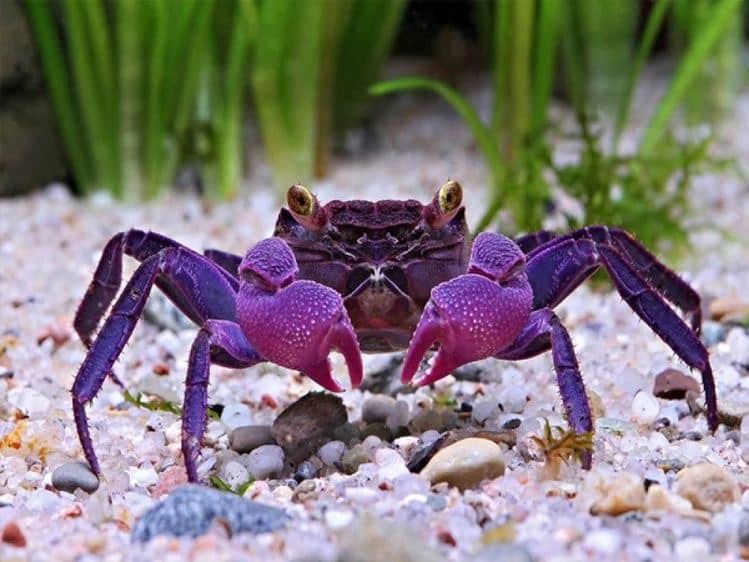
Vampire Crab
Geosesarma dennerle
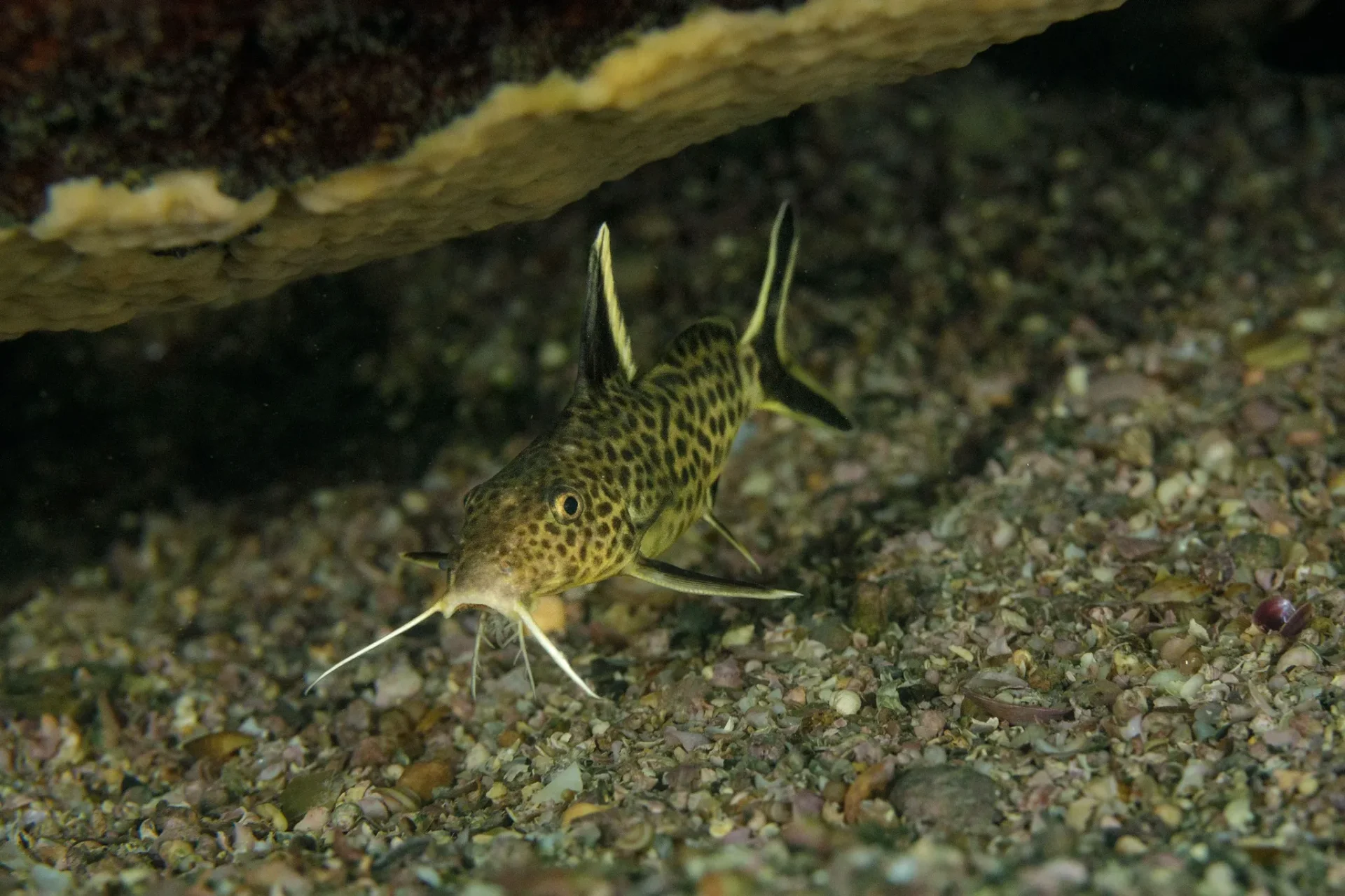
Synodontis Petricola
Synodontis petricola
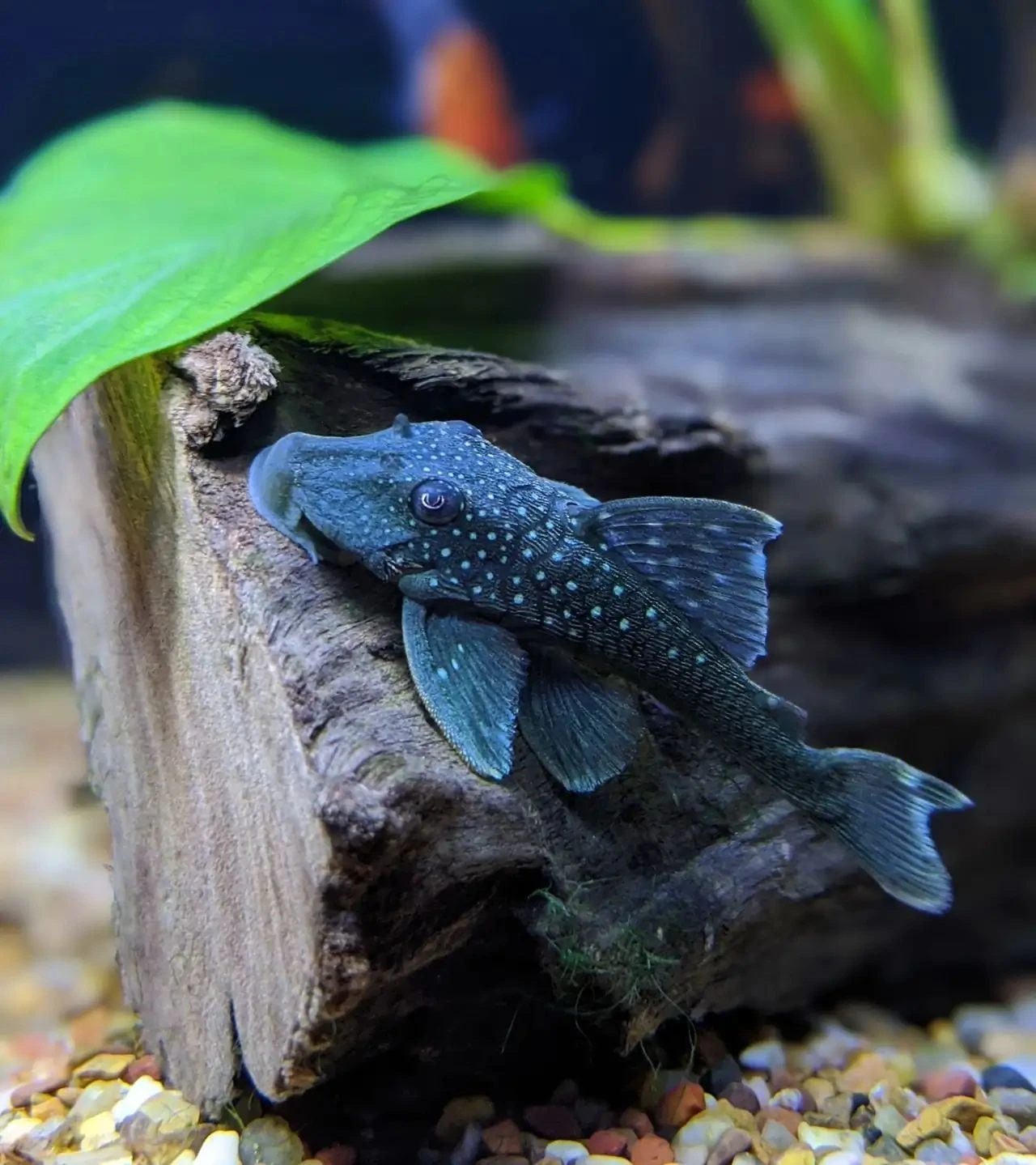
Blue Phantom Pleco
Hemiancistrus sp.
Bristlenose Pleco
Ancistrus sp.
Glass Catfish
Kryptopterus vitreolus
Rubber Lip Pleco
Chaetostoma formosae
Striped Raphael Catfish
Platydoras armatulus
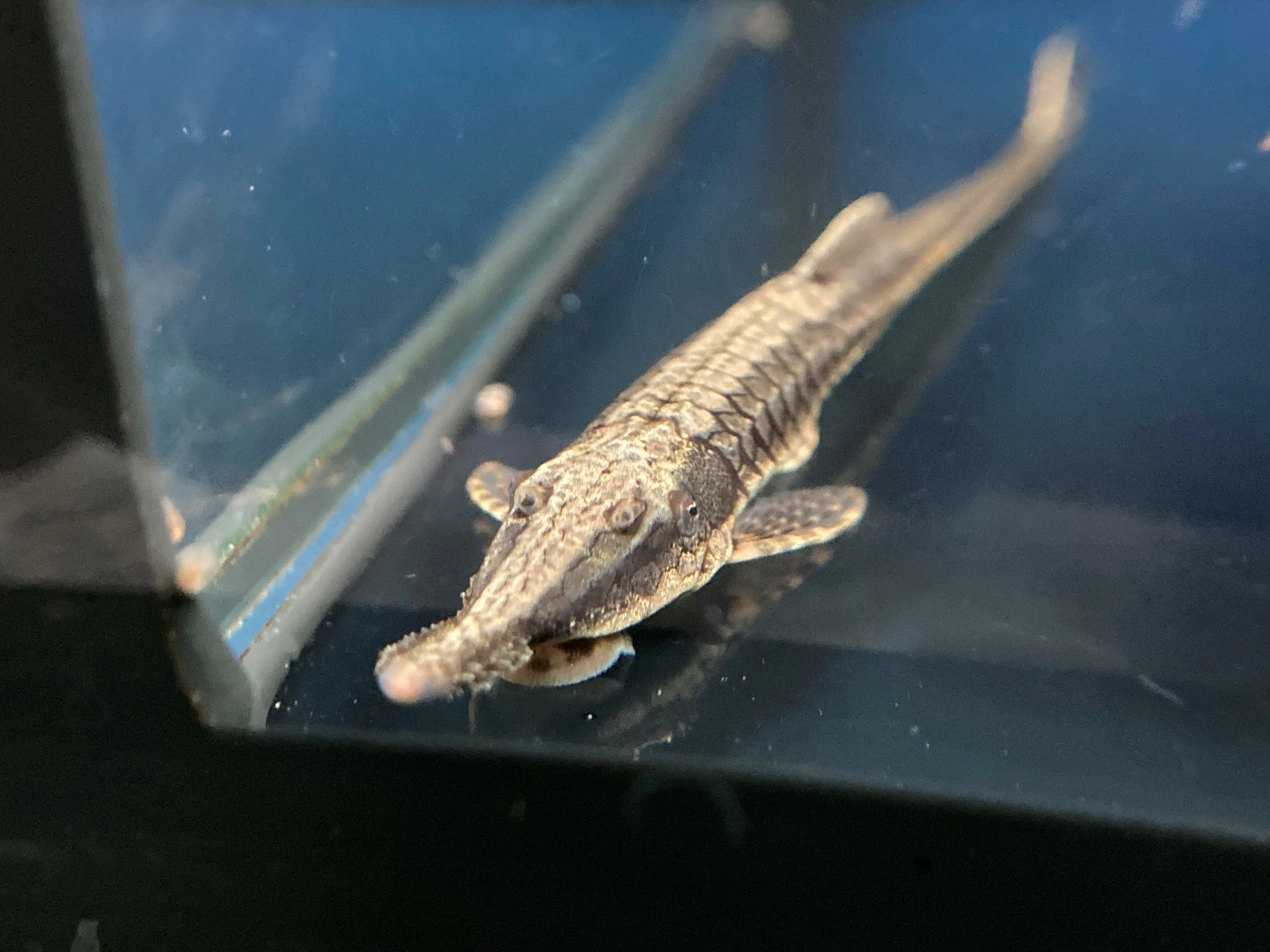
Twig Catfish
Farlowella acus
Ready to Add Upside Down Catfish to Your Tank?
Use our free stocking calculator to check compatibility, bioload, and get personalized recommendations.