
Care Requirements
Adult Size
4.7" (12cm)
Min Tank
30 gal
Temperature
70-79°F
pH Range
6.5-7.5
Lifespan
10-12 years
Min Group
Can be kept alone
Diet
Herbivore
Swim Level
Bottom
Bioload
3/10
Hardness
5-15 dGH
About Rubber Lip Pleco
The Rubber Lip Pleco is an underrated algae-eating powerhouse that deserves more attention in the hobby. Often overshadowed by the ubiquitous Bristlenose, Rubber Lips offer comparable algae control with one significant advantage: they prefer cooler water. This makes them ideal for unheated tanks or setups where tropical temperatures aren't maintained — goldfish companions, cooler community tanks, or temperate species setups.
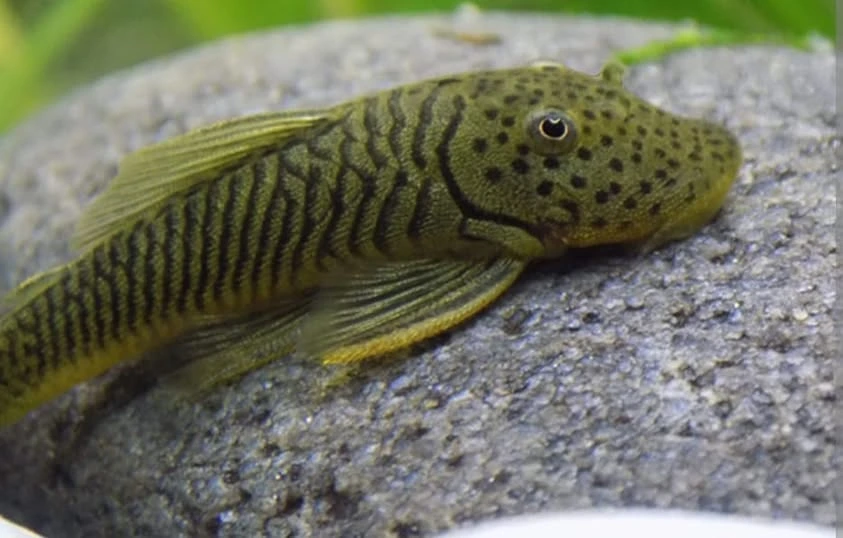
Their name comes from their large, sucker-like mouth with distinctive 'rubber' appearance. Unlike Bristlenose Plecos, Rubber Lips never develop bristles regardless of sex, making them smoother in appearance. They're somewhat more streamlined than Bristlenose, with spotted or mottled gray-brown coloration that provides excellent camouflage.
As algae eaters, Rubber Lip Plecos are highly effective. They methodically graze on glass, rocks, and decorations, consuming green algae, brown diatoms, and biofilm. A single Rubber Lip can make a noticeable difference in a moderately-sized tank's algae levels. However, like all plecos, they need supplemental feeding — don't rely on tank algae alone.
Their hardiness rivals Bristlenose Plecos. They tolerate a range of parameters, adapt well to captive conditions, and rarely develop health issues with basic care. For aquarists wanting a solid algae-eater that can handle cooler conditions than most tropical fish, Rubber Lip Plecos are excellent choices.
Natural Habitat & Origin
Conservation status: Vulnerable (VU)
Rubber Lip Plecos originate from fast-flowing rivers and streams in Colombia and Venezuela, particularly the Apure, Magdalena, and Meta River systems. These Andean-influenced watersheds feature cooler water temperatures than lowland Amazon rivers — typically 68-77°F rather than the 78-84°F of tropical species.
Their native habitat features strong currents over rocky substrates with abundant surfaces for algae growth. They inhabit the rapids and riffles where oxygen levels are high and biofilm accumulates on rocks. This environment shapes their preferences: good flow, high oxygenation, and cooler temperatures.
The genus Chaetostoma contains many similar species, and aquarium identification to exact species level is difficult. 'Rubber Lip Pleco' in the hobby may include multiple Chaetostoma species with similar care requirements.
Native Region
Colombia and Venezuela — Andean river systems
Habitat Type
Fast-flowing rivers and streams with rocky substrates
Wild Water Conditions
Cool to moderate temperatures (18-24°C), moderate hardness, good oxygenation, strong flow
Appearance & Varieties
Rubber Lip Plecos have a streamlined pleco body with a large, distinctive sucker mouth that gives them their common name. The mouth lacks the bristles seen in Ancistrus species, appearing smooth and 'rubbery.' Coloration is typically gray to brown with darker spots or mottling providing camouflage. Adults reach 4-5 inches (10-12 cm), similar to Bristlenose Plecos. Body shape is somewhat more flattened and streamlined than Bristlenose, adapted for clinging to rocks in strong current.
Popular Varieties
| Variety | Description | Rarity |
|---|---|---|
| Standard/Wild-Type | Gray-brown body with darker spots or mottling. The only commonly available form. Pattern intensity varies between individuals. | Common |
Tank Setup & Requirements
Quick Requirements Summary
Tank Size
Minimum Tank Size
30 gallons
Recommended Tank Size
40 gallons
Rubber Lip Pleco tanks should provide good flow, grazing surfaces, and hiding spots. Their cooler temperature preference is the main consideration that distinguishes their setup from typical tropical community tanks.
Water Parameters
The key distinction from Bristlenose — Rubber Lips prefer cooler water. Temperature 21-26°C (70-79°F), ideal 22-24°C (72-75°F), pH 6.5-7.5, hardness 5-15 dGH. They may struggle in tanks maintained at 80°F+ for tropical species.
Substrate
Soft substrate protects their undersides. Sand is most natural. Rocky areas provide grazing surfaces for algae.
Plants & Decorations
Rubber Lips don't damage healthy plants — they consume algae growing on leaves without harming the plant itself. Excellent for planted tanks needing algae control. Provide multiple surfaces for algae grazing — rocks, driftwood, and broad-leafed plants. Caves or hiding spots are appreciated for daytime rest.
Filtration & Water Flow
Rubber Lips appreciate water movement from their native stream habitat. Aim for 6-8x tank volume turnover. Good oxygenation is important. Their moderate bioload requires adequate filtration.
Lighting
Standard aquarium lighting works well. They're nocturnal but more likely to be visible during the day than some pleco species. Moderate lighting promotes algae growth for grazing.
Diet & Feeding Guide
Diet Type
herbivore
Feeding Frequency
Daily or every other day, depending on tank algae availability
Portion Size
One algae wafer per adult fish, plus vegetables several times weekly. They graze continuously.
Rubber Lip Plecos are dedicated algae eaters that efficiently consume green algae, brown diatoms, and biofilm. They're among the most effective algae-control plecos, methodically grazing across all tank surfaces. However, established tanks rarely produce enough algae for complete nutrition — supplemental feeding is essential.
Best Foods for Rubber Lip Pleco
- Algae wafers — Primary supplemental food. High-quality sinking wafers provide nutrition beyond what tank algae supplies.
- Blanched vegetables — Zucchini, cucumber, shelled peas, spinach. Blanch to soften, weight down or clip in place.
- Spirulina-based foods — Flakes or pellets with high spirulina content supplement their herbivorous diet excellently.
- Repashy gel foods — Soilent Green and similar herbivore formulas. Can be applied to rocks for natural grazing.
- Driftwood (supplemental grazing) — Not required like Clown Plecos, but they will graze on biofilm growing on driftwood surfaces.
Foods to Avoid
- High-protein foods as staples — They're herbivores — protein shouldn't dominate their diet.
- Relying solely on tank algae — Even in algae-heavy tanks, supplemental feeding ensures adequate nutrition.
- Low-quality foods — Cheap foods provide poor nutrition. Invest in quality algae wafers for long-term health.
Always supplement with algae wafers and vegetables regardless of visible tank algae. Don't assume natural algae provides complete nutrition.
What a Rubber Lip Pleco will actually graze depends entirely on which algae you have — soft film comes off easily, while black beard and blue-green growth are ignored by almost everything. Identify the algae in your tank before deciding whether livestock is the right fix.
Behavior & Temperament
Rubber Lip Plecos are peaceful, somewhat shy fish that spend considerable time grazing on tank surfaces. While nocturnal by nature, they're often more visible during daylight hours than some pleco species, particularly when comfortable in their environment.
They methodically work across glass, rocks, driftwood, and plant leaves, consuming algae and biofilm with their sucker mouths. The grazing action is continuous during active periods, making them effective algae controllers.
Toward tankmates, they're completely peaceful and rarely interact with other fish. They focus entirely on grazing rather than territorial behavior or social interaction. Multiple Rubber Lips can coexist if adequate space is provided, though they're not social and don't require company.
They may be somewhat more cold-tolerant than their already-cool preferences suggest — some keepers report success in unheated tanks that drop to the mid-60s°F during winter, though this isn't recommended for long-term health.
Tank Mates: Compatibility Guide
Compatible Tank Mates
Cooler-water community fish
White Cloud Minnows, Rosy Barbs, and similar cooler-water fish are ideal companions.
Goldfish (with caveats)
One of few plecos suitable for goldfish tanks due to cooler temperature tolerance. Ensure the pleco receives adequate food.
Fellow peaceful bottom-dwellers with overlapping temperature preferences.
Active, hardy fish that tolerate cooler temperatures. Different tank zones.
Similar cooler-water, high-flow preferences. Both appreciate stream-like conditions.
Shrimp
Completely shrimp-safe. They're herbivores with no interest in hunting.
Tank Mates to Avoid
Warm-water tropical fish
Species requiring 80°F+ temperatures are incompatible. Rubber Lips prefer cooler conditions.
Large aggressive cichlids
While their armor provides protection, constant harassment causes stress.
Discus and other heat-lovers
Temperature requirements are directly opposed — Discus need 82-86°F while Rubber Lips prefer 70-75°F.
Common Pairing Questions
Can Rubber Lip Plecos live with goldfish?
Yes — one of few plecos suitable for goldfish tanks due to cooler temperature tolerance. Ensure the pleco receives adequate food since goldfish are aggressive eaters.
What's the difference between Rubber Lip and Bristlenose?
Similar size and algae-eating ability, but Rubber Lips never develop bristles, prefer cooler water (70-75°F vs 73-80°F), and have a more streamlined body.
Rubber Lip Plecos can breed in aquariums but do so less readily than Bristlenose Plecos. They're cave spawners with males guarding eggs and fry. Breeding triggers include cooler temperatures, water current, and well-conditioned adults. Breeding requires mature adults (2+ years), appropriately sized caves, cooler temperatures in the 70-74°F range, and excellent water quality.
Health Issues & Disease Prevention
Rubber Lip Plecos are hardy fish that rarely develop health issues when basic requirements are met. Most problems stem from temperature stress (too warm), inadequate nutrition, or poor water quality.
Common Diseases
| Disease | Symptoms | Treatment |
|---|---|---|
| Temperature Stress | Lethargy, loss of appetite, increased susceptibility to disease. Often seen in tanks maintained too warm. | Gradually reduce temperature to preferred range (70-75°F). Ensure good oxygenation. They're cooler-water fish that suffer in tropical conditions. |
| Malnutrition/Starvation | Sunken belly, faded coloration, lethargy, visible bone structure. | Increase feeding with high-quality algae wafers and vegetables. Don't assume tank algae is sufficient. |
| Ich (White Spot Disease) | Small white spots on body and fins, flashing against objects. | Raise temperature slightly (to high end of their range) for 10-14 days. Use half-dose salt if needed. |
| Oxygen Deprivation | Gasping, lethargy, hanging near surface or filter outputs. | Increase aeration with air stones and surface agitation. They come from well-oxygenated streams. |
Signs of a Healthy Rubber Lip Pleco
- Rounded belly
- Active grazing behavior
- Good coloration
- Clear eyes
- Intact fins
- Strong attachment to surfaces
Prevention Tips
- Maintain cooler temperatures — don't overheat their tank
- Feed supplemental foods — don't rely on algae alone
- Ensure good oxygenation and flow
- Provide hiding spots for security
- Regular water changes and maintenance
Frequently Asked Questions
Similar size and algae-eating ability, but key differences: Rubber Lips never develop bristles, prefer cooler water (70-75°F vs 73-80°F for Bristlenose), and have a more streamlined body shape. Choose Rubber Lips for cooler tanks; Bristlenose for typical tropical setups.
Yes — one of few plecos suitable for goldfish tanks due to cooler temperature tolerance. Ensure the pleco receives adequate food since goldfish are aggressive eaters. Large fancy goldfish tanks work best.
Cooler than most tropical fish — 70-79°F (21-26°C), ideally 72-75°F. This distinguishes them from Bristlenose and most other common plecos.
Excellent — among the best algae-eating plecos. They efficiently consume green algae, brown diatoms, and biofilm from all tank surfaces.
Adults reach 4-5 inches (10-12 cm), similar to Bristlenose Plecos. This manageable size suits tanks of 30+ gallons.
Not required like wood-eating Clown Plecos, but beneficial. They'll graze on biofilm growing on driftwood surfaces but don't consume the wood itself.
Most likely temperature or nutrition issues. Check tank temperature — if above 78°F, it may be too warm. Ensure supplemental feeding with algae wafers and vegetables.
Tips for Keeping Rubber Lip Pleco
Pro Tips
- ✓Ideal for unheated or cooler tanks where Bristlenose would be uncomfortable
- ✓Better goldfish companion than Bristlenose due to cooler temperature tolerance
- ✓Good flow improves their activity — add a powerhead for stream-like conditions
- ✓Don't maintain at tropical temperatures — choose Bristlenose instead if tank runs at 80°F+
Common Mistakes to Avoid
- ✗Keeping at tropical temperatures — stress, lethargy, and shortened lifespan at 78-82°F
- ✗Confusing with Bristlenose Plecos — wrong temperature expectations
- ✗Relying on tank algae alone — always supplement with algae wafers and vegetables
- ✗Assuming all plecos are the same — their cooler-water preference is a specific advantage
Sources
- FishBase — Accepted scientific name, maximum size and native range for Rubber Lip Pleco.
- IUCN Red List — Vulnerable conservation assessment for Chaetostoma formosae.
Related Species You Might Like
View All Fish →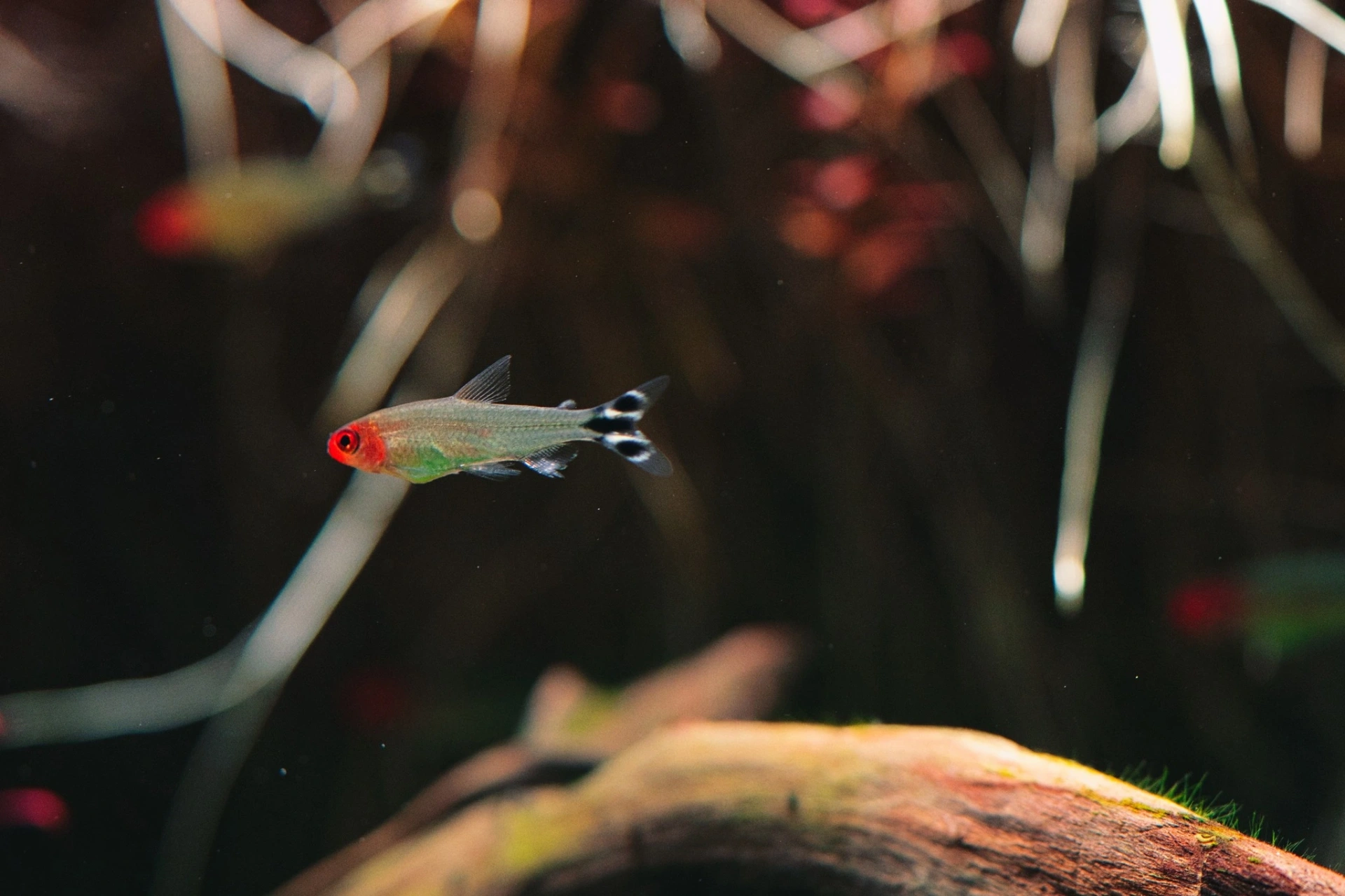
Rummy Nose Tetra
Hemigrammus rhodostomus
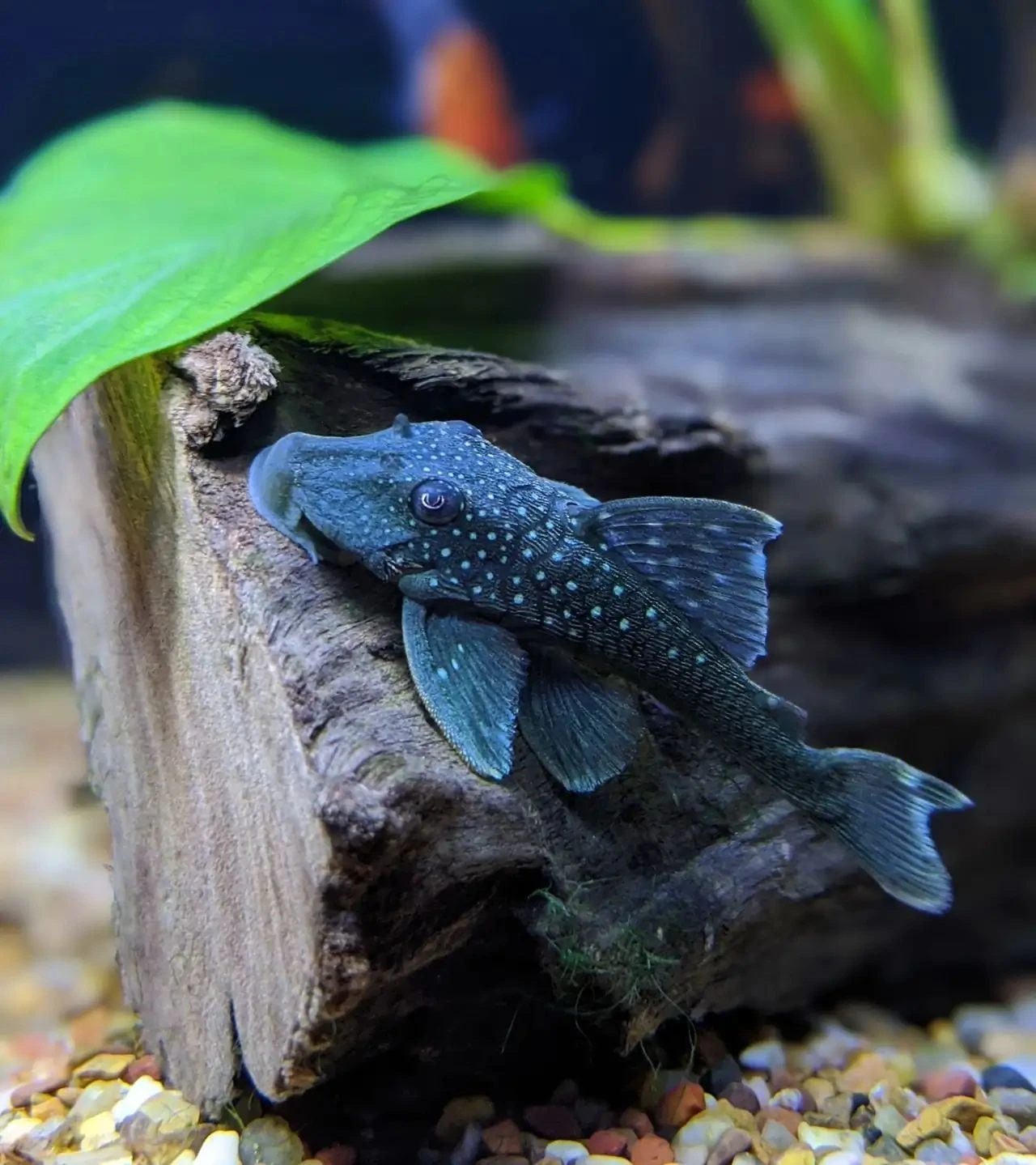
Blue Phantom Pleco
Hemiancistrus sp.
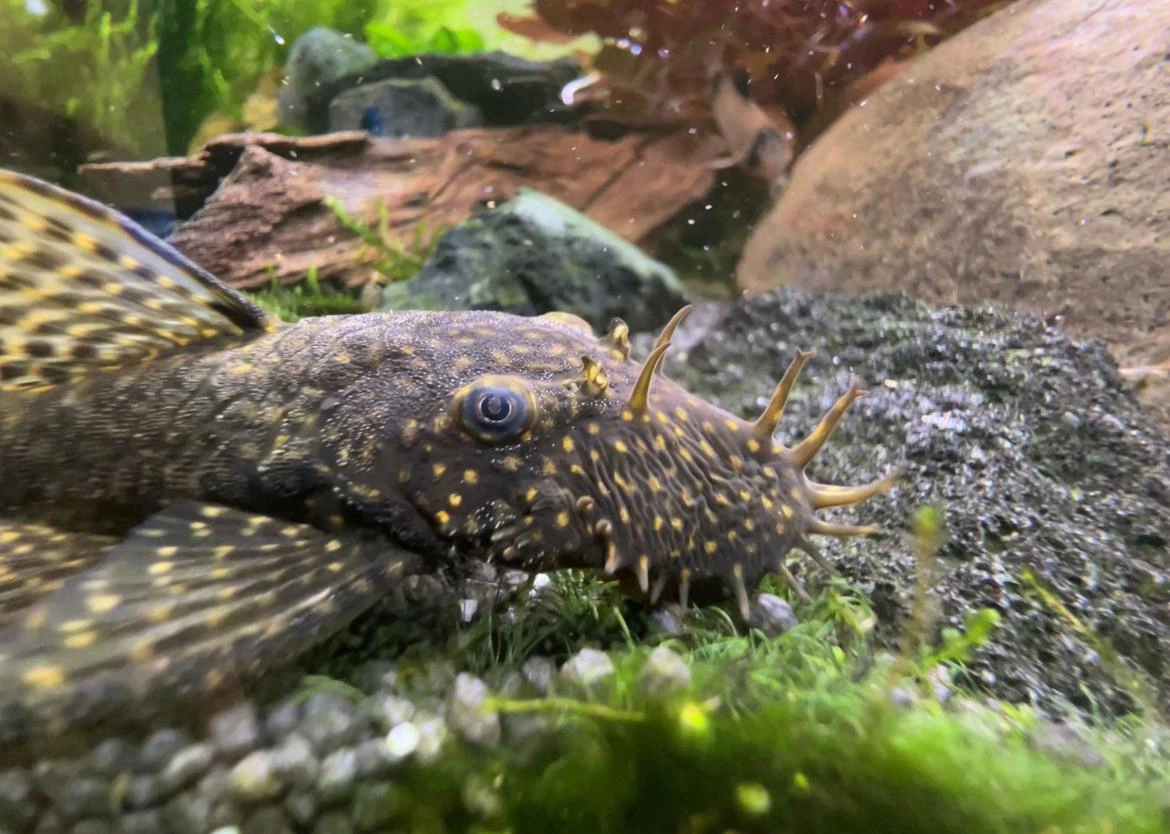
Bristlenose Pleco
Ancistrus sp.
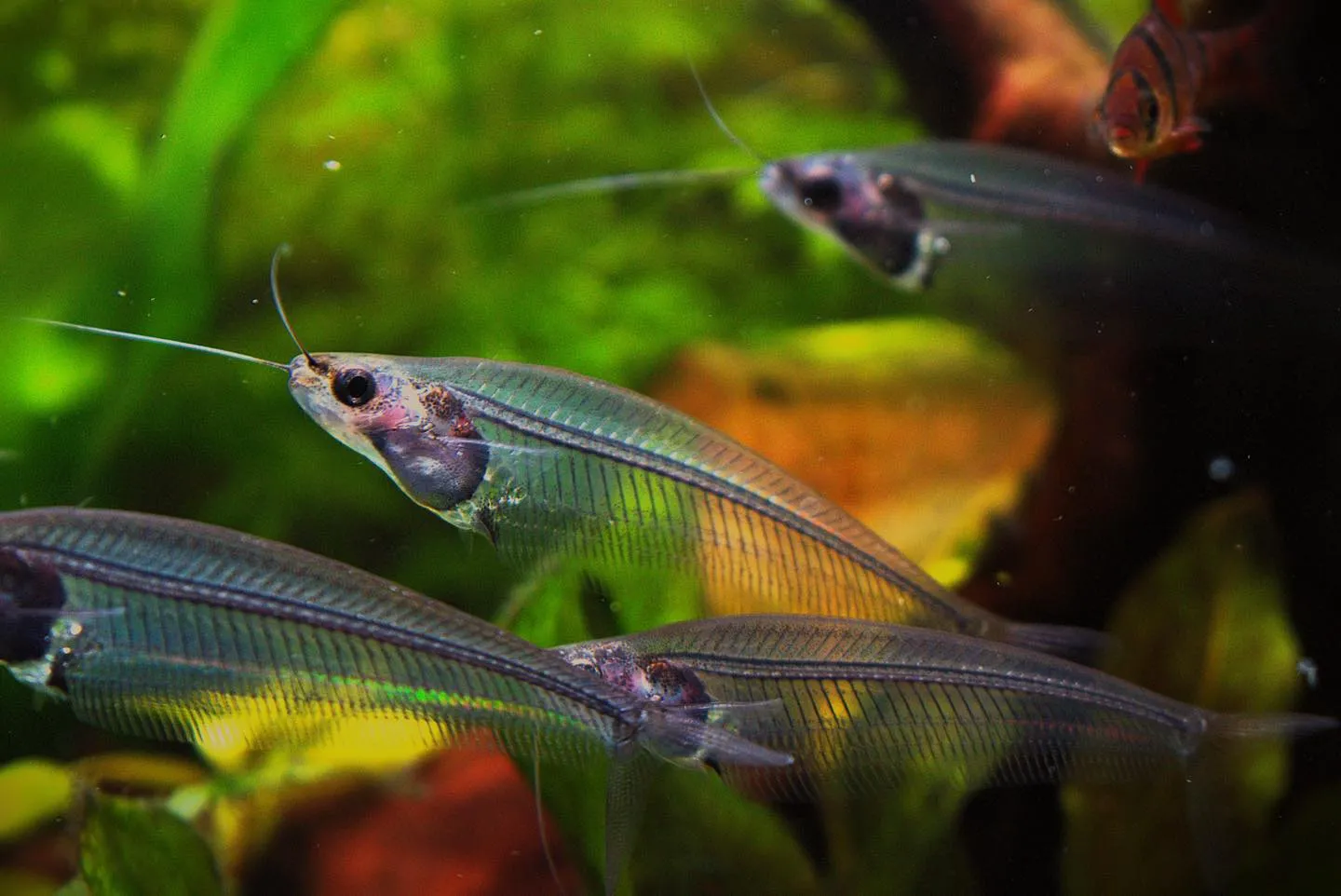
Glass Catfish
Kryptopterus vitreolus
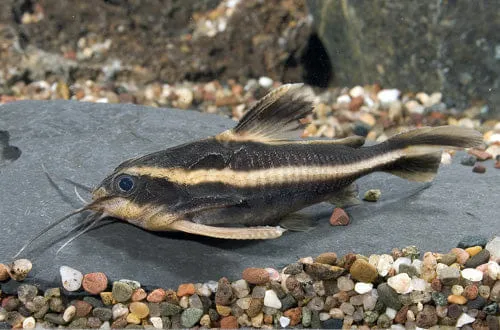
Striped Raphael Catfish
Platydoras armatulus
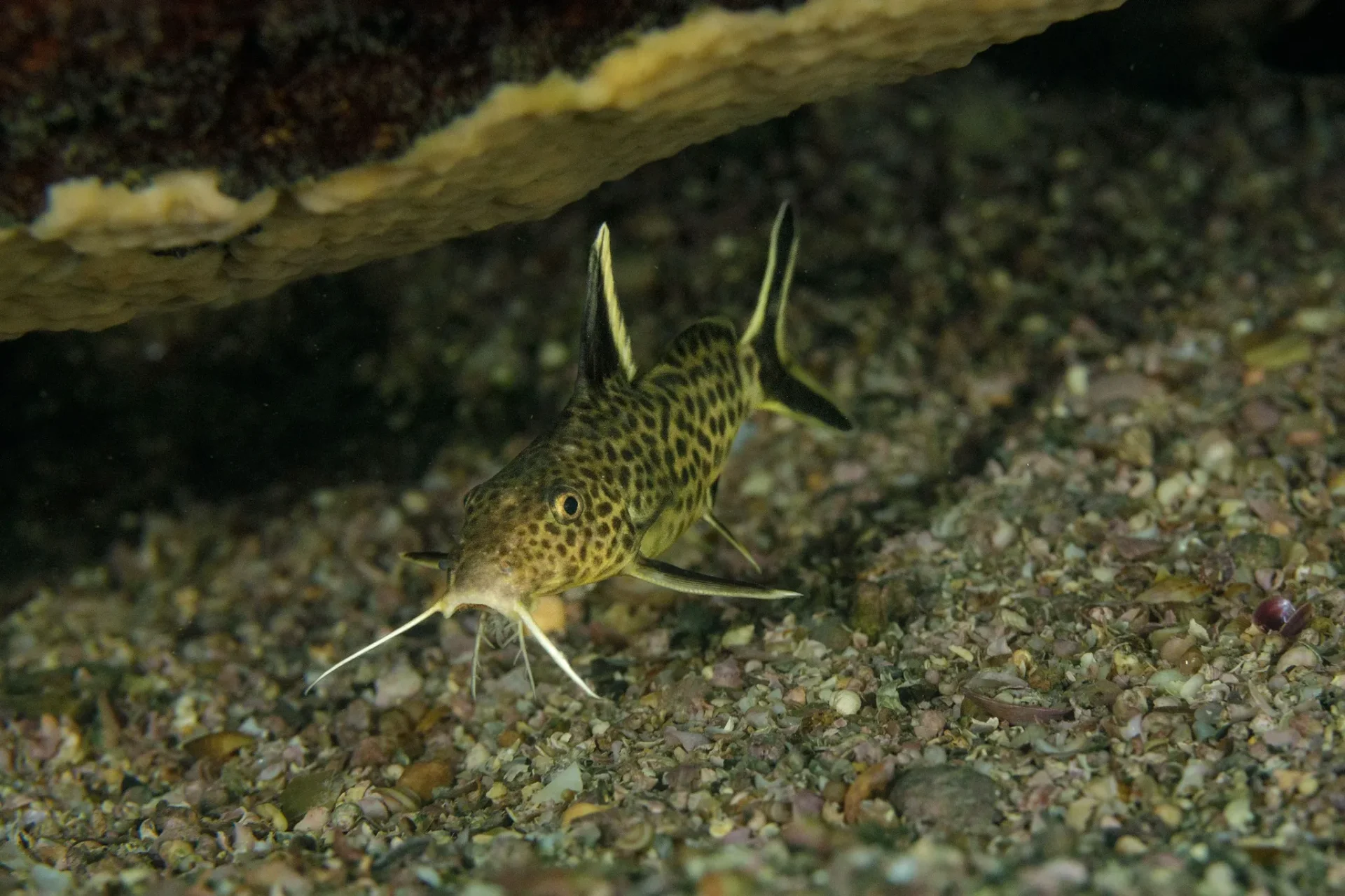
Synodontis Petricola
Synodontis petricola
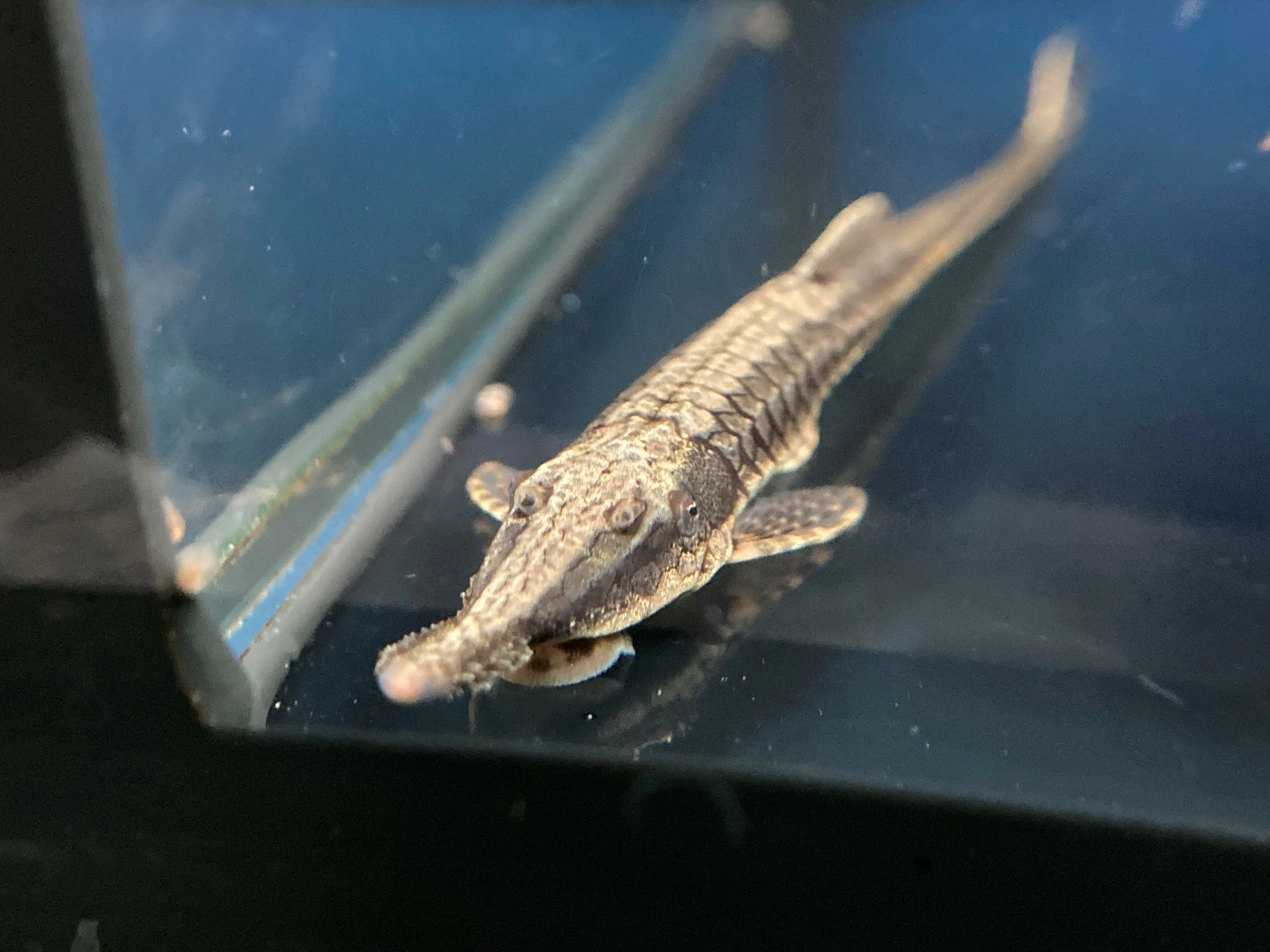
Twig Catfish
Farlowella acus
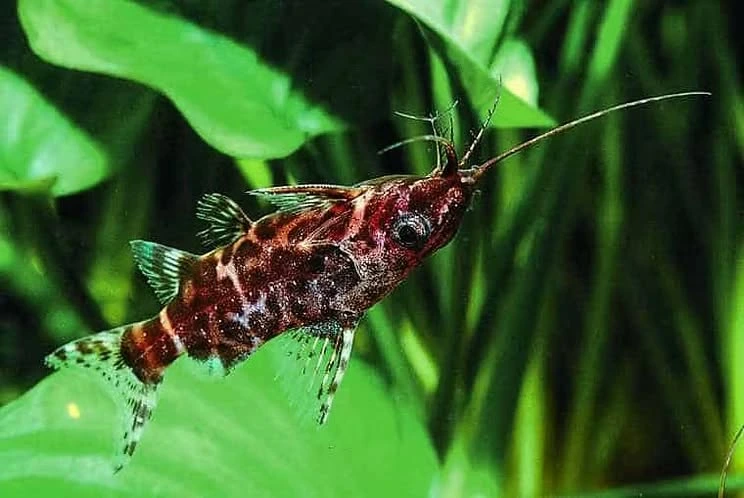
Upside Down Catfish
Synodontis nigriventris
Ready to Add Rubber Lip Pleco to Your Tank?
Use our free stocking calculator to check compatibility, bioload, and get personalized recommendations.