
Care Requirements
Adult Size
2.8" (7cm)
Min Tank
20 gal
Temperature
64-75°F
pH Range
6.5-7.5
Lifespan
8-10 years
Min Group
3+ fish
Diet
Herbivore
Swim Level
Bottom
Bioload
2/10
Hardness
4-12 dGH
About Hillstream Loach
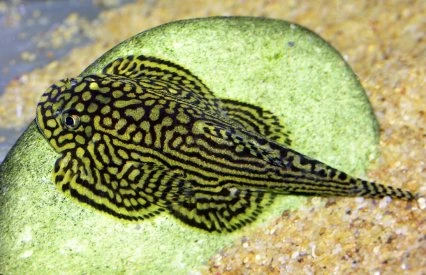
The Hillstream Loach is one of the most uniquely adapted freshwater fish available in the aquarium hobby. With their flattened, almost ray-like body shape and powerful sucker-like fins, they're perfectly evolved for life in fast-moving mountain streams. These fascinating fish have captured the attention of aquarists worldwide with their unusual appearance and specialized care requirements.
What sets Hillstream Loaches apart is their complete adaptation to high-flow, oxygen-rich environments. Every aspect of their biology—from their flattened body that creates minimal water resistance to their modified fins that allow them to cling to rocks in rapids—speaks to millions of years of evolution in rushing water. They can climb vertical glass surfaces and position themselves in the strongest current flow.
Keeping Hillstream Loaches successfully requires understanding and replicating their unique needs. They're not difficult fish once their requirements are met, but those requirements are specific and non-negotiable. Cool temperatures, high oxygen, strong flow, and constant access to biofilm are essential for their health and happiness.
Natural Habitat & Origin
Conservation status: Vulnerable (VU)
Hillstream Loaches originate from the fast-flowing, highly oxygenated mountain streams and rivers of Southeast Asia, primarily Vietnam, with related species found throughout China, Laos, and Cambodia. Their natural habitat is characterized by cool, crystal-clear water rushing over rocky substrates.
In these environments, they cling to rocks in areas of strongest current, constantly grazing on the biofilm and aufwuchs (the community of algae and microorganisms) that coats every surface. The water is cool, often below 75°F (24°C), and dissolved oxygen levels are extremely high due to constant agitation. Understanding these conditions is essential for keeping them successfully in captivity.
Native Region
Southeast Asia (Vietnam primarily, also China, Laos, Cambodia)
Habitat Type
Fast-flowing mountain streams and rivers with rocky substrates
Wild Water Conditions
Cool (64-75°F), highly oxygenated, fast-flowing, pristine water quality
Appearance & Varieties
Hillstream Loaches are small fish reaching only about 3 inches (7 cm) in length. Their body is dramatically flattened dorsoventrally (top to bottom), creating an almost disc-like shape when viewed from above. This flattening is an adaptation for life in fast-moving water, reducing drag and allowing them to hug the substrate.
Their pectoral and pelvic fins are highly modified, extending horizontally to form a broad sucker-like surface that allows them to adhere to rocks even in the strongest current. The species most commonly sold, Sewellia lineolata, displays beautiful reticulated (net-like) patterns of brown, tan, and cream across its body. Males have broader heads with raised 'fences' of skin on the snout and the first ray of their pectoral fins.
Popular Varieties
| Variety | Description | Rarity |
|---|---|---|
| Sewellia lineolata | The most common species sold, with distinctive reticulated pattern | Uncommon |
| Beaufortia species | Similar care requirements, various pattern variations | Uncommon |
| Gastromyzon species | Borneo hillstream loaches with similar requirements | Rare |
Tank Setup & Requirements
Quick Requirements Summary
Tank Size
Minimum Tank Size
20 gallons
Recommended Tank Size
30 gallons
Hillstream Loaches require a minimum tank size of 20 gallons (75 liters), with 30+ gallons recommended for a small group. Long tanks with maximum surface area for oxygen exchange are preferred. A secure lid is essential as they can climb glass and may escape through surprisingly small gaps.
Water Parameters
Temperature must stay cool—between 64-75°F (18-24°C). They will suffer and eventually die in typical tropical temperatures. pH should be 6.5-7.5 with soft to moderately hard water (3-12 dGH). Pristine water quality is essential; keep nitrates below 10 ppm.
Substrate
Sand or fine gravel works well, but the key elements are the large river rocks and cobbles that should cover much of the tank bottom. These rocks provide the grazing surfaces essential for their survival. Smooth river rocks of various sizes are ideal.
Plants & Decorations
Hardy plants that tolerate current work well—Anubias, Java fern, and Bucephalandra attached to rocks are ideal. Avoid plants that would block water flow. Java moss can provide additional grazing surfaces. Focus on rocks, lots of rocks, creating a riverbed appearance with channels for water flow.
Filtration & Water Flow
Powerful filtration with strong current is ESSENTIAL—this cannot be emphasized enough. Target 15-20x tank volume turnover per hour. Use multiple powerheads, wavemakers, or canister filters with spray bars. Consider a river tank manifold setup. The flow should be strong enough that you can see the water moving.
Lighting
Moderate to bright lighting is recommended to encourage algae and biofilm growth on rocks—their food source. If lighting is too dim, you'll need to supplement feeding more heavily.
Diet & Feeding Guide
Diet Type
herbivore
Feeding Frequency
Constant grazer—biofilm should always be available
Portion Size
Supplement 1-2 times daily if biofilm is scarce
Hillstream Loaches are specialized herbivores that primarily eat biofilm—the thin layer of bacteria, algae, and microorganisms that grows on surfaces in established aquariums. They're not typical 'algae eaters' and won't clean your tank; rather, they depend on algae and biofilm to survive.
Best Foods for Hillstream Loach
- Natural biofilm/algae on rocks — The primary food source—essential for survival
- Repashy Soilent Green — Excellent supplemental food, mimics natural biofilm
- Spirulina wafers — Good vegetable-based supplement
- Blanched zucchini — Easy to prepare, leave in tank until consumed
- Blanched spinach — Nutrient-rich green vegetable
- Repashy Morning Wood — Another excellent prepared food option
Foods to Avoid
- High-protein foods — They're herbivores; protein-heavy diets cause health issues
- Bloodworms — Wrong diet type for these specialized grazers
- Flakes — Won't eat floating food; sinks too quickly to graze properly
These fish can starve in 'clean' tanks. They need constant access to biofilm—a pristine, algae-free tank is a death sentence for Hillstream Loaches. Keep rocks under light to encourage algae growth. Consider rotating rocks between tanks to provide fresh grazing surfaces. Supplemental feeding is important but cannot replace natural biofilm.
Behavior & Temperament
Hillstream Loaches are peaceful, social fish that display fascinating behaviors shaped by their unique adaptations. They spend most of their time attached to rocks, glass, and hardscape in areas of highest water flow, constantly grazing on the biofilm that coats these surfaces.
They're social creatures that do best in groups of 3 or more, ideally 5-6+. Males may establish small territories on favorite rocks and perform 'dancing' displays, chasing each other briefly, but these encounters rarely cause harm. They position themselves in the strongest current available and may rest during low-light periods.
Watching them move is fascinating—they can climb vertical glass surfaces and reposition themselves against powerful current with apparent ease. They're most active during dawn and dusk (crepuscular) and may hide during the brightest part of the day.
Tank Mates: Compatibility Guide
Compatible Tank Mates
Perfect match—same temperature and flow requirements
Tolerate cooler water and enjoy current
Pearl Danios
Similar requirements, active schooling fish
Stiphodon Gobies
Share similar habitat requirements
Cooler-water Corydoras
Some species tolerate cooler temps
Completely shrimp-safe, share similar needs
Tank Mates to Avoid
Tropical fish requiring warm water
Temperature incompatibility—Hillstream Loaches need cool water
Slow-moving bottom dwellers
May compete for territory or food
Large aggressive fish
Will stress the peaceful Hillstream Loaches
Fish that compete for algae
Competition for limited food resources
Plecos
Territory competition and different temperature needs
Common Pairing Questions
Can Hillstream Loaches live in a tropical tank?
No. They require cool water (64-75°F/18-24°C) and will suffer and eventually die in typical tropical temperatures (77-82°F/25-28°C). They're subtropical fish that need cool, highly oxygenated water with strong flow.
Can Hillstream Loaches live with plecos?
Not ideal. They compete for the same food sources and territory. Plecos also prefer warmer, calmer water. In very large tanks with abundant food it might work, but generally keep them separate.
Are Hillstream Loaches good with shrimp?
Yes! They're completely shrimp-safe and actually share similar environmental requirements. Cherry shrimp, Amano shrimp, and other dwarf shrimp make excellent tankmates.
Breeding Hillstream Loaches is moderately challenging but achievable with proper conditions. They're egg scatterers that spawn in caves or under flat rocks, with no parental care after eggs are laid.
Successful breeding requires a group of 6+ fish with multiple males, strong flow, pristine water conditions, cool temperatures (around 68°F/20°C), and abundant biofilm. Males establish territories on flat rocks and display to females with raised fins. Spawning occurs under rocks or in crevices, producing 30-80 eggs per spawn.
Eggs hatch in 14-21 days depending on temperature. Fry are tiny and immediately begin grazing on biofilm. Heavy plant cover or a separate breeding box helps protect vulnerable fry. The key to successful breeding is often a seasonal temperature drop followed by a slight increase, mimicking natural conditions. Raising fry requires mature tanks with abundant biofilm—new tanks cannot support young Hillstream Loaches.
Health Issues & Disease Prevention
Hillstream Loaches are generally hardy when their specific requirements are met, but their specialized needs mean they can decline quickly when conditions aren't right. Most health problems stem from inadequate flow, high temperatures, or lack of food.
Common Diseases
| Disease | Symptoms | Treatment |
|---|---|---|
| Starvation | Sunken belly, lethargy, pale coloration, eventual death | Ensure constant biofilm availability, supplement with appropriate foods, only add to mature tanks |
| Oxygen deprivation | Gasping, staying near surface or filter outflow, lethargy | Increase flow and aeration, keep temperature cool, add air stones or powerheads |
| Temperature stress | Lethargy, loss of color, gasping, sitting motionless | Lower temperature below 75°F (24°C), use fans or chillers in summer, never use heaters |
Signs of a Healthy Hillstream Loach
- Constantly grazing on rocks and glass
- Good color and distinct pattern
- Active movement between grazing spots
- Belly slightly rounded (not sunken)
- Quick to find optimal flow positions
- Responsive to environment
Prevention Tips
- Only add to mature tanks with established biofilm
- Maintain strong water flow—15-20x turnover
- Keep temperature below 75°F (24°C) year-round
- Supplement feeding with spirulina and Repashy foods
- Monitor for sunken bellies—early sign of starvation
- Use fans or chiller in summer to prevent overheating
Frequently Asked Questions
No. They require cool water (64-75°F/18-24°C) and will suffer and eventually die in typical tropical temperatures (77-82°F/25-28°C). They're subtropical fish that need cool, highly oxygenated water with strong flow.
They're specialized biofilm grazers and won't eat typical fish food. They need mature tanks with algae and biofilm on rocks. A 'clean' tank is a death sentence. Supplement with Repashy or spirulina wafers if natural food is scarce.
Absolutely. Strong current is essential—target 15-20x tank volume turnover per hour. They're adapted to fast-flowing rapids and struggle in still water. Use powerheads, wavemakers, or strong filtration.
They eat biofilm and soft algae, but they're not miracle cleaners. They graze constantly but won't eliminate algae problems. They need algae to survive—don't expect a spotless tank.
Minimum 3, ideally 5-6 or more. They're social fish and display better behavior in groups. Males may have minor territorial disputes but rarely harm each other.
Not ideal. They compete for the same food sources and territory. Plecos also prefer warmer, calmer water. In large tanks with abundant food it might work, but generally keep them separate.
Tips for Keeping Hillstream Loach
Pro Tips
- ✓Cycle multiple rocks in an established tank before adding—provides instant food source
- ✓Keep a rotation of 'grazing rocks' in a sunny window or separate tank to grow biofilm
- ✓Position powerhead outflow along back glass to create circular current pattern
- ✓Summer can be deadly—use aquarium fans or a chiller if room temperature exceeds 75°F (24°C)
- ✓They're crepuscular—most active at dawn and dusk, may hide during bright midday
- ✓White Cloud Mountain Minnows are the perfect tankmate—same temperature and flow requirements
- ✓Sewellia lineolata is the most commonly available species—others like Beaufortia have similar care
Common Mistakes to Avoid
- ✗Keeping in warm tropical tanks—they need cool water below 75°F (24°C)
- ✗Insufficient flow—strong current is essential, not optional
- ✗Adding to new/sterile tanks—they'll starve without established biofilm
- ✗Expecting them to clean algae—they need algae to survive
- ✗Keeping alone—social species that needs a group of 3+
- ✗Housing with tropical fish—temperature incompatibility
- ✗Clean tank syndrome—removing their food source with excessive cleaning
- ✗Treating them like plecos—completely different requirements
Sources
- FishBase — Accepted scientific name, maximum size and native range for Hillstream Loach.
- IUCN Red List — Vulnerable conservation assessment for Sewellia lineolata.
Featured in Biotope Presets
Related Species You Might Like
View All Fish →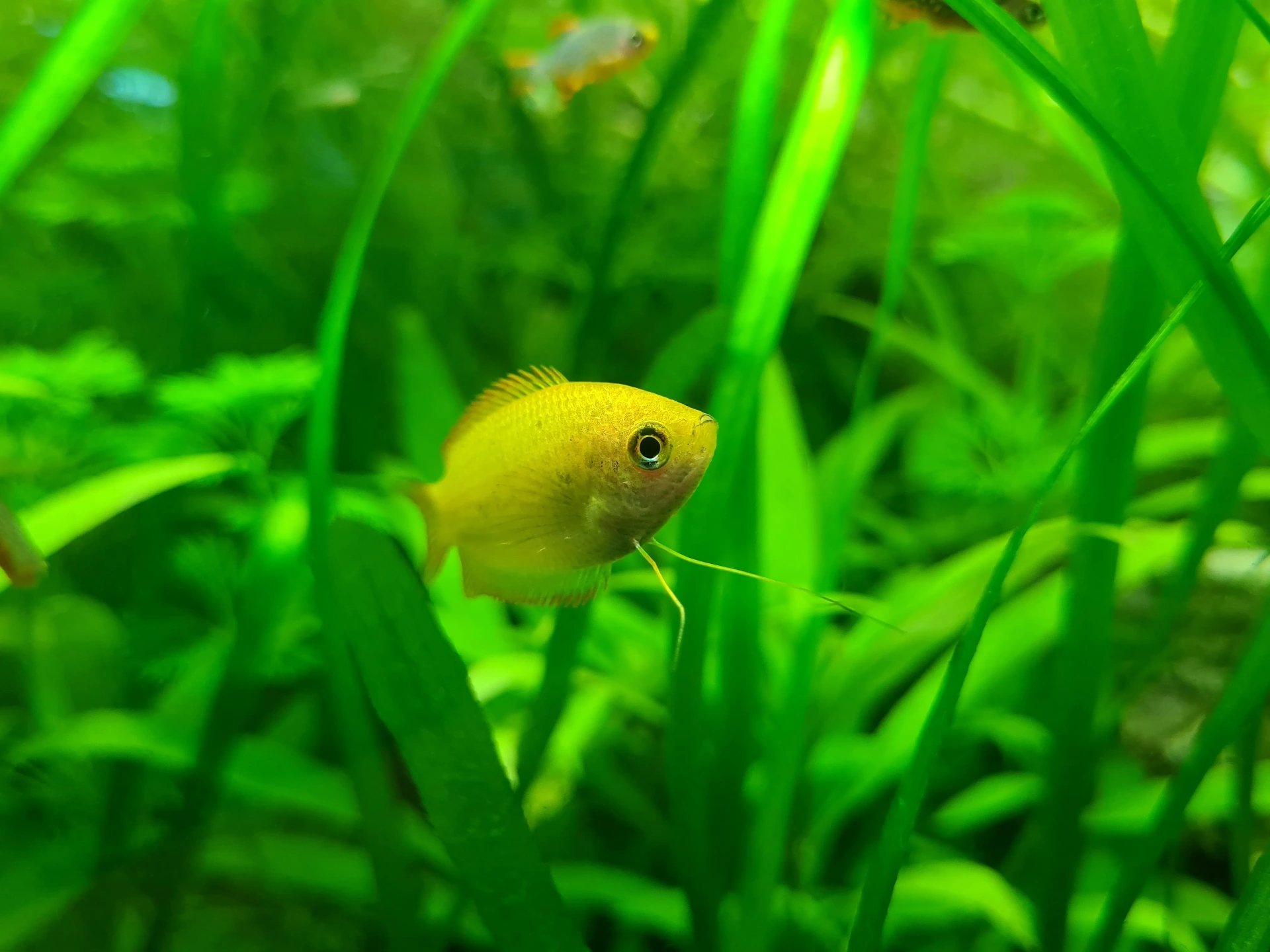
Honey Gourami
Trichogaster chuna
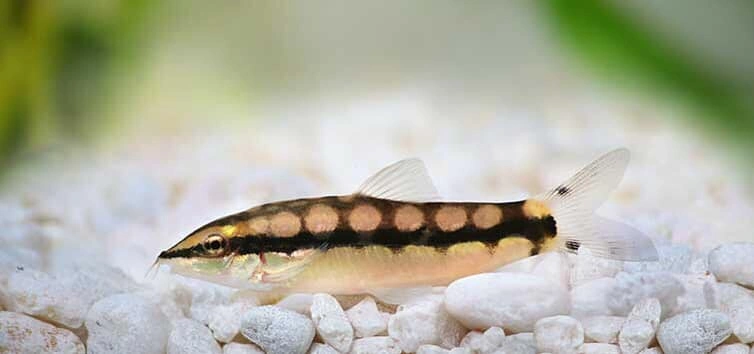
Dwarf Chain Loach
Ambastaia sidthimunki
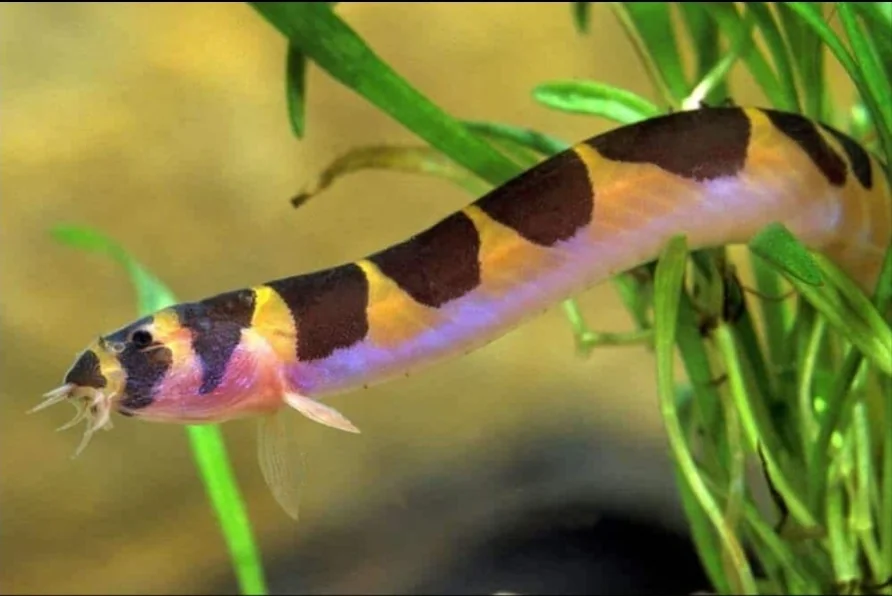
Kuhli Loach
Pangio kuhlii
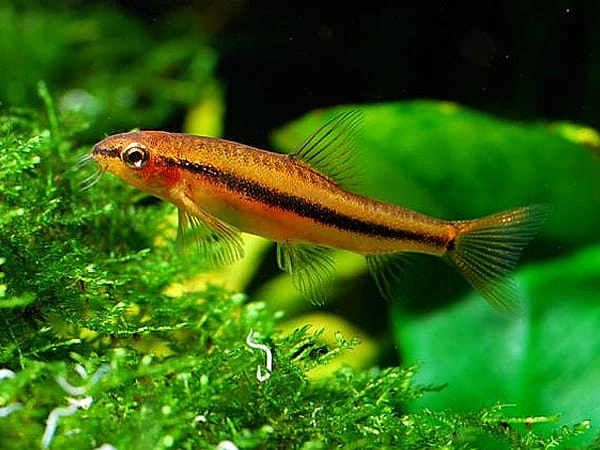
Rosy Loach
Petruichthys sp. 'rosy'
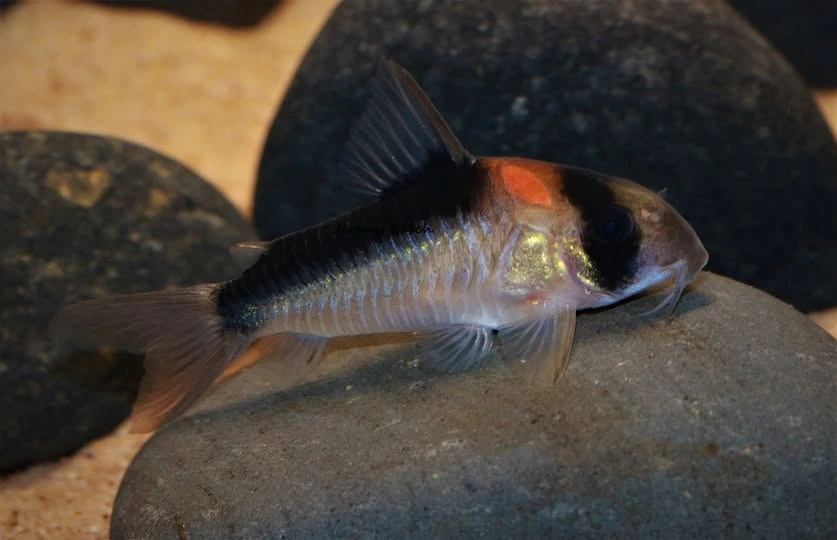
Adolfo's Corydoras
Corydoras adolfoi
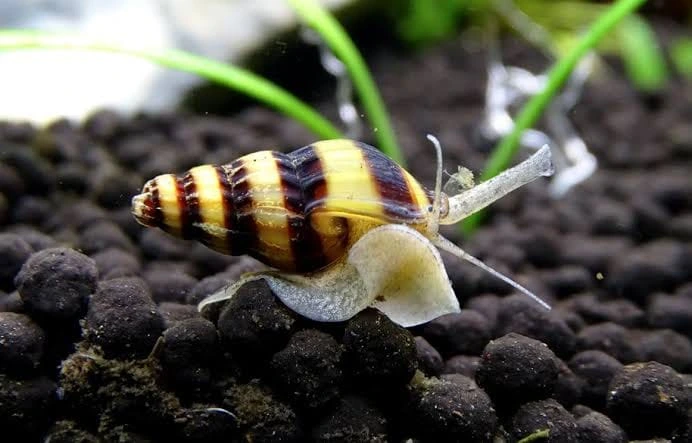
Assassin Snail
Clea helena
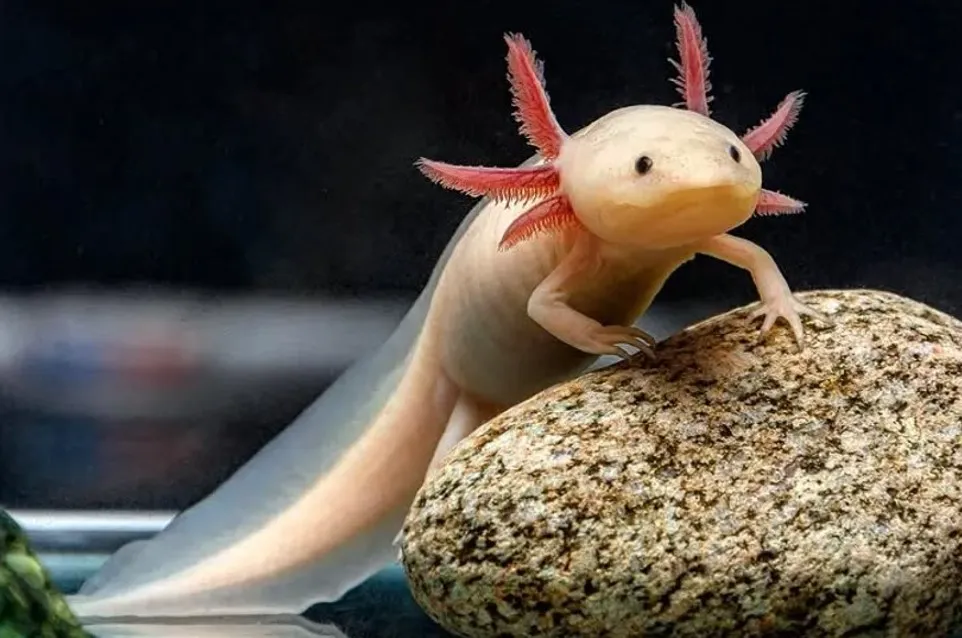
Axolotl
Ambystoma mexicanum
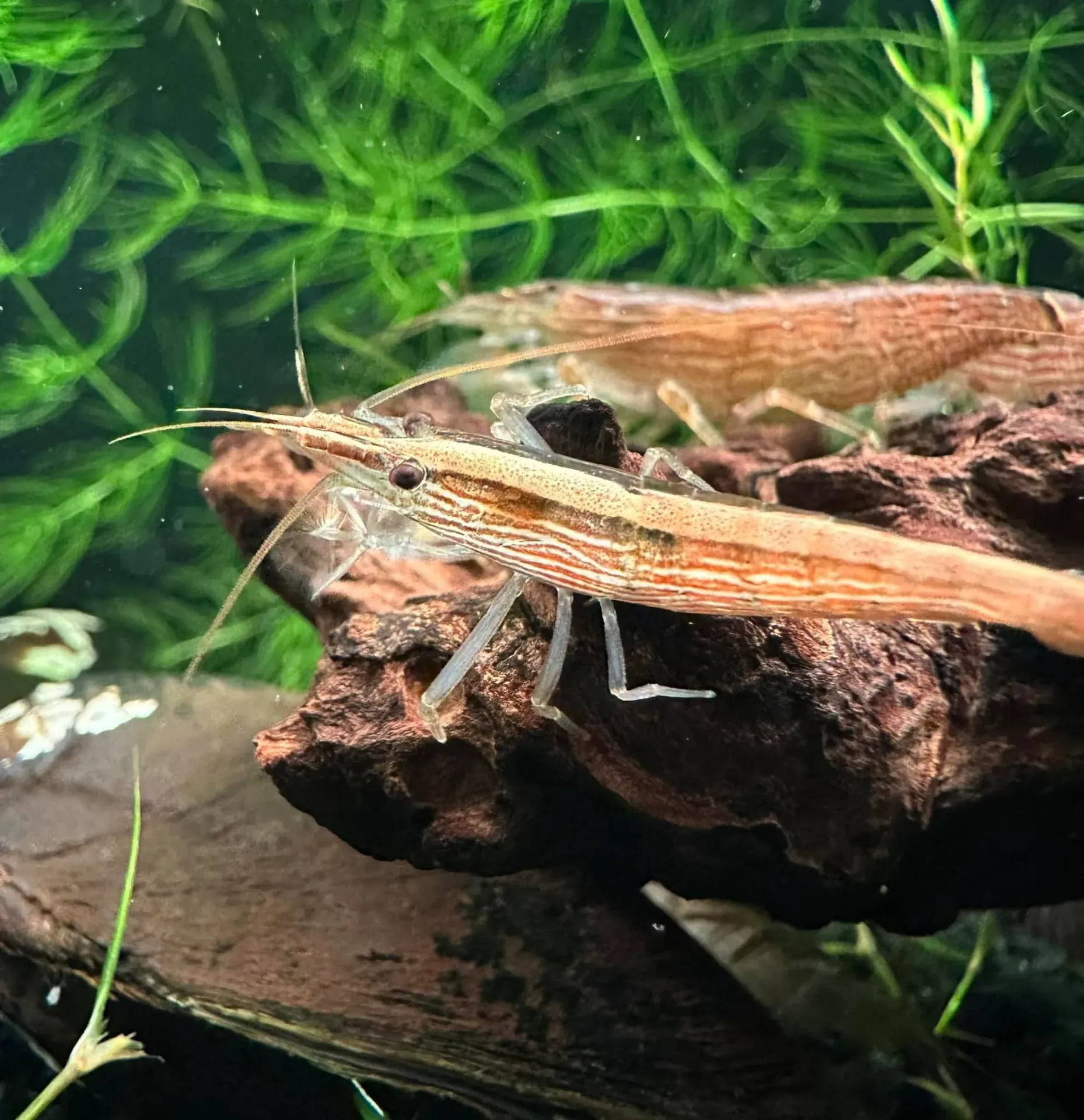
Bamboo Shrimp
Atyopsis moluccensis
Ready to Add Hillstream Loach to Your Tank?
Use our free stocking calculator to check compatibility, bioload, and get personalized recommendations.