
Care Requirements
Adult Size
2.4" (6cm)
Min Tank
20 gal
Temperature
77-86°F
pH Range
6-7.5
Lifespan
8-12 years
Min Group
6+ fish
Diet
Omnivore
Swim Level
Bottom
Bioload
2/10
Hardness
2-12 dGH
About Dwarf Chain Loach
The Dwarf Chain Loach breaks the mold for loaches — instead of hiding all day and appearing only at night, these social fish are highly active throughout the day, constantly moving, playing, and interacting with their group. They're among the most entertaining bottom-dwellers available, displaying fascinating social behaviors that include playful chasing, group sleeping piles, and curious exploration of every tank surface.
At just 2-2.5 inches fully grown, they're the smallest commonly available loaches, making them suitable for moderate-sized tanks that couldn't accommodate their larger relatives like Clown Loaches. Despite small size, they share the engaging personality that makes loaches so popular — they're just a miniature, more manageable version.
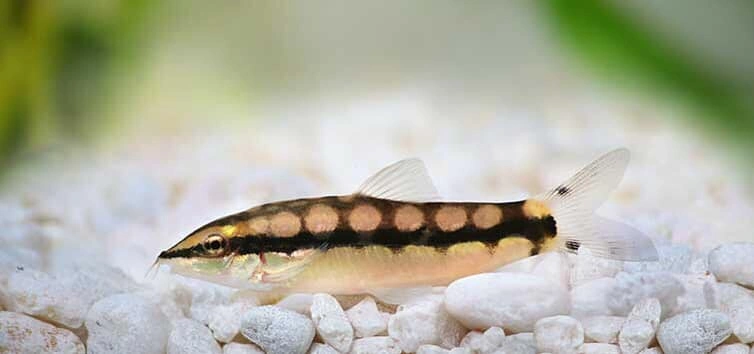
Their common name describes their appearance: a chain-like pattern of dark markings running along their golden-silver body. The pattern is attractive but their behavior is the real draw. Watching a group of Dwarf Chain Loaches interact is genuinely entertaining — they have more personality per inch than almost any fish.
Conservation concerns add significance to keeping these fish responsibly. Wild populations in Thailand are endangered due to habitat loss, making them one of the few commonly available aquarium fish with genuine conservation status. Captive breeding supplies most aquarium specimens, but responsible keeping matters for this vulnerable species.
Natural Habitat & Origin
Conservation status: Endangered (EN)
Dwarf Chain Loaches originate from specific river systems in northern Thailand, including the Mae Klong basin. Their natural range is quite restricted, contributing to their endangered status. They inhabit clear, flowing streams with sandy or gravelly substrates, moderate current, and abundant hiding spots among rocks and submerged wood.
Their native waters are warm year-round, typically 25-28°C, with soft to moderately soft conditions. The habitat features good oxygen levels from flowing water and plenty of microhabitats where loaches can hunt invertebrates and hide from predators.
Wild populations have declined dramatically due to dam construction, agricultural development, and habitat degradation. The IUCN lists them as Endangered based on population declines exceeding 50%. This conservation status makes responsible aquarium keeping meaningful — captive populations serve as a genetic reservoir.
Captive breeding programs supply most aquarium specimens, reducing collection pressure on wild populations. The species breeds in captivity, though not as prolifically as some fish, making each successful breeding contribution valuable.
Native Region
Thailand — Northern rivers including Mae Klong basin (restricted range)
Habitat Type
Clear, flowing streams with sandy/gravelly substrate and abundant structure
Wild Water Conditions
Warm (25-28°C), soft to moderately soft, good oxygen levels from water flow
Appearance & Varieties
Dwarf Chain Loaches display attractive golden-silver bodies marked with a distinctive chain-like pattern of dark markings. The pattern runs horizontally, creating a broken-line effect that gives them their common name. Intensity of markings varies between individuals and with mood.
They possess the typical loach body plan — elongated, somewhat cylindrical, with a subterminal mouth equipped with barbels for substrate foraging. Their small size (maximum 2-2.5 inches / 5-6 cm) distinguishes them from most loaches.
Sexing is difficult. Mature females appear slightly plumper when full of eggs, and males may be slightly more streamlined, but differences are subtle and inconsistent.
Their appearance, while attractive, is secondary to their behavior. Dwarf Chain Loaches are kept for their personality and activity level more than their pattern.
Popular Varieties
| Variety | Description | Rarity |
|---|---|---|
| Standard/Wild-Type | Golden-silver body with dark chain-like markings. The only form available. Pattern intensity varies with mood and condition. | Common in trade (captive-bred); Endangered in wild |
Tank Setup & Requirements
Quick Requirements Summary
Tank Size
Minimum Tank Size
20 gallons
Recommended Tank Size
30 gallons
Dwarf Chain Loaches require appropriate group size, warm temperatures, and good water quality. They're more demanding than some loaches due to social needs and temperature preferences, but not exceptionally difficult for intermediate keepers.
Water Parameters
Temperature 77-86°F (25-30°C) with pH 6.0-7.5 and hardness 2-12 dGH. They prefer warmer water than many community fish — the 77-82°F sweet spot exceeds what cooler-water species prefer. This limits compatible tankmates. Soft, slightly acidic water is ideal. Good oxygenation is important given warmer temperatures.
Substrate
Sand or smooth fine gravel is essential. They constantly forage in substrate and need soft material protecting their barbels. Sand is ideal. Avoid sharp substrates that damage their faces.
Plants & Decorations
Provide hiding spots — they appreciate caves and tight spaces for resting. Driftwood and rocks create natural microhabitats. They'll explore every surface and crevice. Plants provide natural cover and aesthetics. They won't damage most plants. Broad-leaved plants provide resting spots. Plants tolerating warm water like Anubias and Java Fern work well.
Filtration & Water Flow
Moderate to strong filtration with good oxygenation is recommended. Native to flowing water, they appreciate current and oxygen. Good filtration with some flow suits them. Ensure adequate oxygenation given warm temperatures.
Lighting
Any standard aquarium lighting works. Not particularly light-sensitive. Unlike many loaches, they're active during daylight regardless of lighting.
Diet & Feeding Guide
Diet Type
omnivore
Feeding Frequency
Once or twice daily
Portion Size
Amount consumed within a few minutes. They're enthusiastic feeders that compete actively for food.
Dwarf Chain Loaches are omnivores that accept a wide variety of foods. They're excellent snail controllers — a group will decimate pest snail populations efficiently. Beyond snails, they eagerly accept sinking foods, frozen fare, and even pick at algae wafers.
Best Foods for Dwarf Chain Loach
- —
- —
- —
- —
- —
- —
- —
Foods to Avoid
- —
- —
Behavior & Temperament
Dwarf Chain Loaches are exceptionally social, active fish that break the typical 'hiding loach' stereotype. They spend most of the day actively swimming, foraging, and interacting with their group. This activity level makes them far more visible and entertaining than most loaches.
Social behavior is pronounced — they play chase, rest in group piles, and seem to genuinely enjoy each other's company. Keeping too few (under 6) results in stressed, hiding fish that don't display natural behavior. Larger groups are noticeably more confident and active.
They're curious fish that explore every surface, investigating decorations, tank walls, and even other fish without aggression. Their inquisitive nature extends to the aquarist — they often come to the front glass when people approach.
Unlike many loaches that only appear at night, Dwarf Chain Loaches are active throughout the day. They rest occasionally but don't hide for extended periods.
Tank Mates: Compatibility Guide
Compatible Tank Mates
Loaches generally coexist well. Kuhli Loaches tolerate similar conditions and add variety.
Cardinals and similar warm-water tetras tolerate the temperatures Dwarf Chain Loaches prefer.
Rams and similar warm-water cichlids are compatible. Both appreciate warm temperatures.
Sterbai Corydoras tolerate warm water. Different bottom-dweller that coexists well.
Different feeding strategies and peaceful temperaments. Compatible bottom-dwellers.
Pearl Gouramis and similar species appreciate warm water and are peaceful companions.
Tank Mates to Avoid
Cool-water species
Their warm water preference (77-86°F) excludes species preferring cooler temperatures.
Aggressive fish
Despite active behavior, they're peaceful and can be bullied by aggressive tankmates.
Large predators
Their small size makes them potential prey for large fish.
Ornamental snails you want to keep
They're efficient snail predators. Don't keep with Nerites, Mystery Snails, or other snails you value.
Small shrimp
May prey on small shrimp and shrimplets. Not reliably shrimp-safe.
Dwarf Chain Loaches can breed in aquariums, though successful breeding is relatively uncommon and represents an achievement. They're egg scatterers that typically spawn in groups.
Breeding triggers include seasonal simulation (cooler period followed by warming), conditioning with protein-rich foods, and proper group dynamics. Spawning reportedly occurs among fine-leaved plants or spawning mops.
Eggs are scattered and not guarded. Parental care is absent — adults may consume eggs if found. Separating eggs to a grow-out tank improves survival.
Fry are tiny and require infusoria or similar foods initially. Growth is slow. Successful breeding contributes to captive populations of this endangered species, making breeding attempts conservation-relevant.
Health Issues & Disease Prevention
Dwarf Chain Loaches are reasonably hardy but susceptible to some loach-specific concerns. They're sensitive to certain medications and require scaleless fish precautions during treatment.
Common Diseases
| Disease | Symptoms | Treatment |
|---|---|---|
| Ich (White Spot Disease) | White spots on body, flashing, clamped fins. | Raise temperature to 30°C (their warm preference makes this tolerable). Use half-dose medications — loaches are sensitive. Avoid copper-based treatments. |
| Skinny Disease | Progressive weight loss despite eating, sunken belly, eventual death. Internal parasites or bacterial infection. | Difficult to treat. Anti-parasitic medicated foods may help. Improve overall conditions. Often fatal once advanced. |
| Barbel Erosion | Shortened or damaged barbels, redness around mouth. | Usually caused by sharp substrate. Switch to sand. Improve water quality. Barbels may partially regenerate. |
| Stress from inadequate group size | Hiding, faded color, loss of appetite, not displaying social behavior. | Add more Dwarf Chain Loaches. Groups under 6 often cause problems. Larger groups (8+) are noticeably healthier. |
Signs of a Healthy Dwarf Chain Loach
- Active daytime behavior
- Social interaction with group
- Good appetite
- Clear, visible pattern
- Intact barbels
- Curious, exploratory behavior
Prevention Tips
- Keep in groups of 6+ (8+ is better)
- Use sand substrate to protect barbels
- Maintain warm temperatures (77-82°F)
- Avoid copper and strong medications
- Provide good water quality and oxygenation
- Choose temperature-compatible tankmates
Frequently Asked Questions
Minimum of 6, ideally 8 or more. They're highly social fish that suffer when kept in small groups. Groups under 6 often hide, stress, and fail to display natural behavior. Larger groups are dramatically more active, confident, and entertaining.
Excellent — among the best aquarium snail predators. A group will systematically hunt and eat pest snails, often eliminating populations within weeks. However, this means they're incompatible with ornamental snails you want to keep.
Wild populations in Thailand have declined over 50% due to dam construction, agricultural development, and habitat degradation. Their restricted natural range makes them vulnerable. Captive breeding supplies aquarium trade, reducing wild collection pressure.
No — that's one of their main appeals. Unlike many loaches that are nocturnal or secretive, Dwarf Chain Loaches are highly active throughout the day. They swim, play, explore, and interact constantly.
Warmer than many community fish — 77-86°F (25-30°C). This preference limits compatible tankmates to other warm-water species.
Not reliably. They may prey on small shrimp and will likely eat shrimplets. Large adult shrimp might survive but breeding colonies would fail.
Only 2-2.5 inches (5-6 cm) — much smaller than popular loaches like Clown Loaches that grow over 12 inches.
They're intermediate-level fish — not extremely difficult but with specific requirements. Group size (6+) is essential. Temperature (warm) limits tankmate options. They're sensitive to some medications.
Tips for Keeping Dwarf Chain Loach
Pro Tips
- ✓Larger groups are dramatically more entertaining — go beyond minimum group size if space allows.
- ✓Use them strategically for pest snail control — they're an entertaining, effective solution.
- ✓Provide caves for sleeping piles — they often rest in group piles inside caves.
- ✓Their conservation status makes responsible keeping meaningful — captive populations represent genuine conservation value.
Common Mistakes to Avoid
- ✗Keeping in groups too small — stressed, hiding fish.
- ✗Keeping with ornamental snails — snails eaten.
- ✗Combining with cool-water species — temperature incompatibility.
- ✗Using sharp substrate — barbel damage.
- ✗Using copper-based medications — loaches are sensitive.
Sources
- FishBase — Accepted scientific name, maximum size and native range for Dwarf Chain Loach.
- IUCN Red List — Endangered conservation assessment for Ambastaia sidthimunki.
Related Species You Might Like
View All Fish →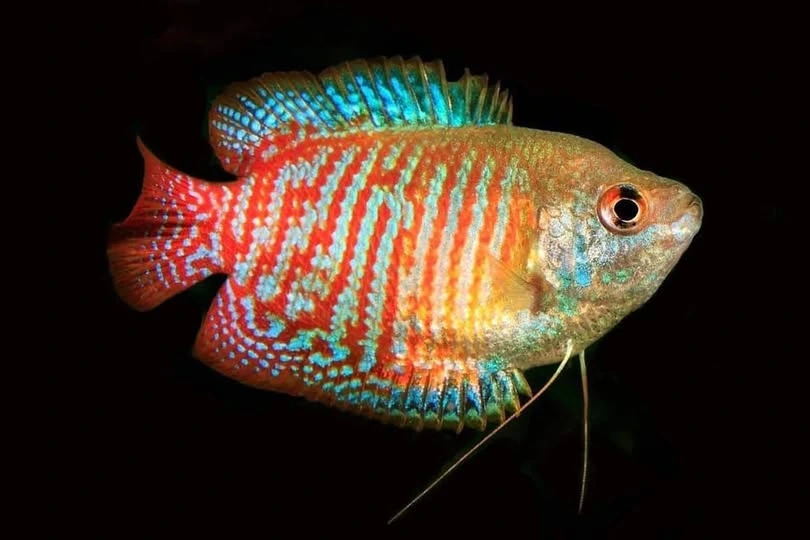
Dwarf Gourami
Trichogaster lalius
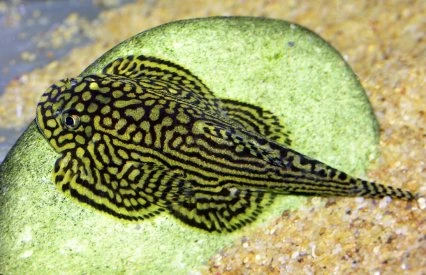
Hillstream Loach
Sewellia lineolata
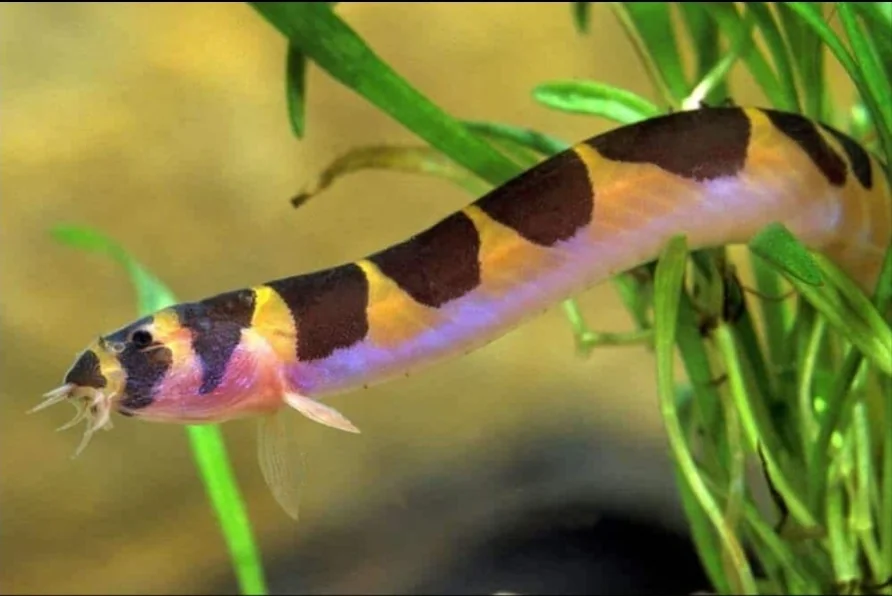
Kuhli Loach
Pangio kuhlii
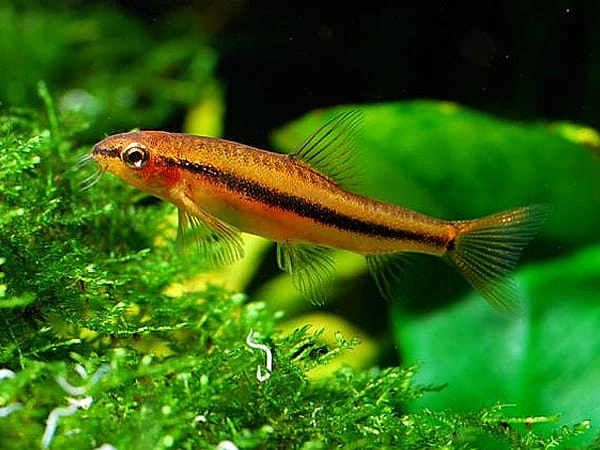
Rosy Loach
Petruichthys sp. 'rosy'
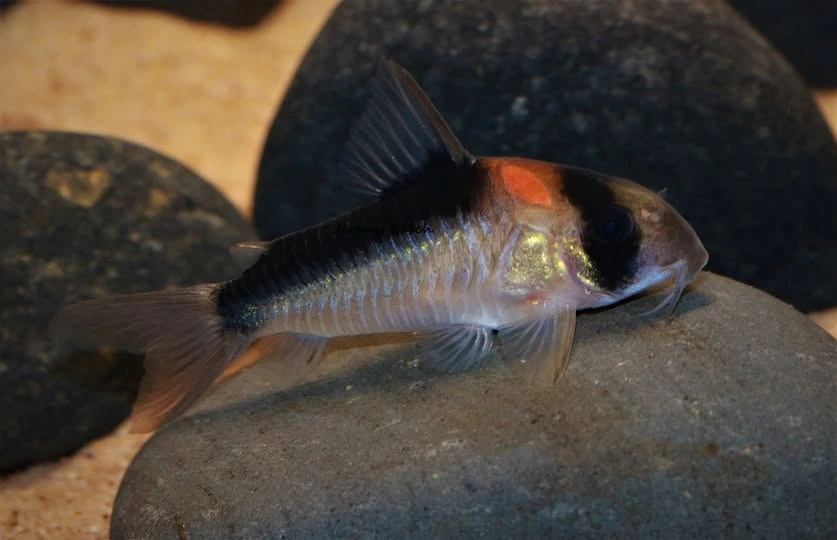
Adolfo's Corydoras
Corydoras adolfoi
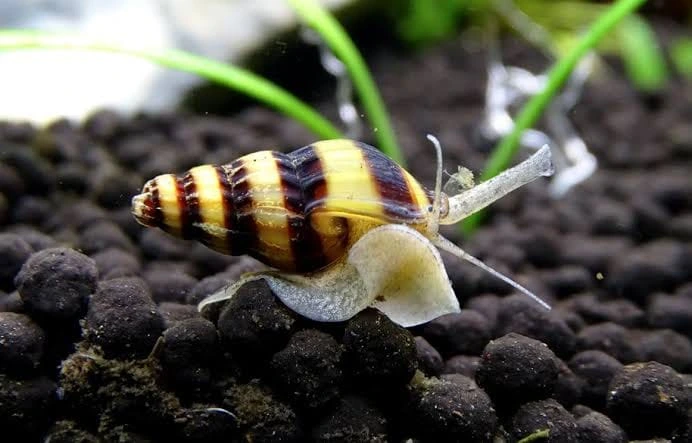
Assassin Snail
Clea helena
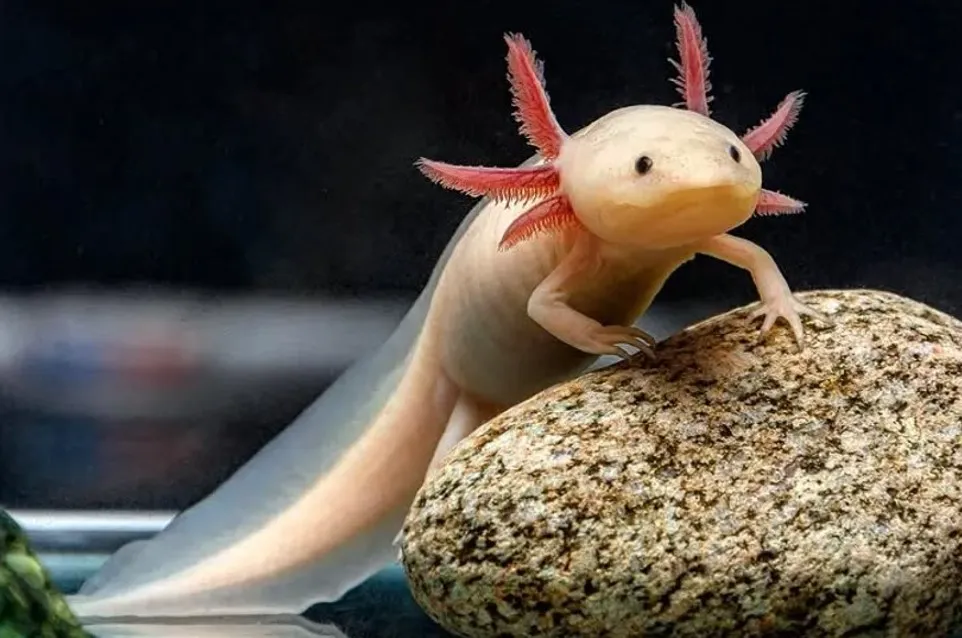
Axolotl
Ambystoma mexicanum
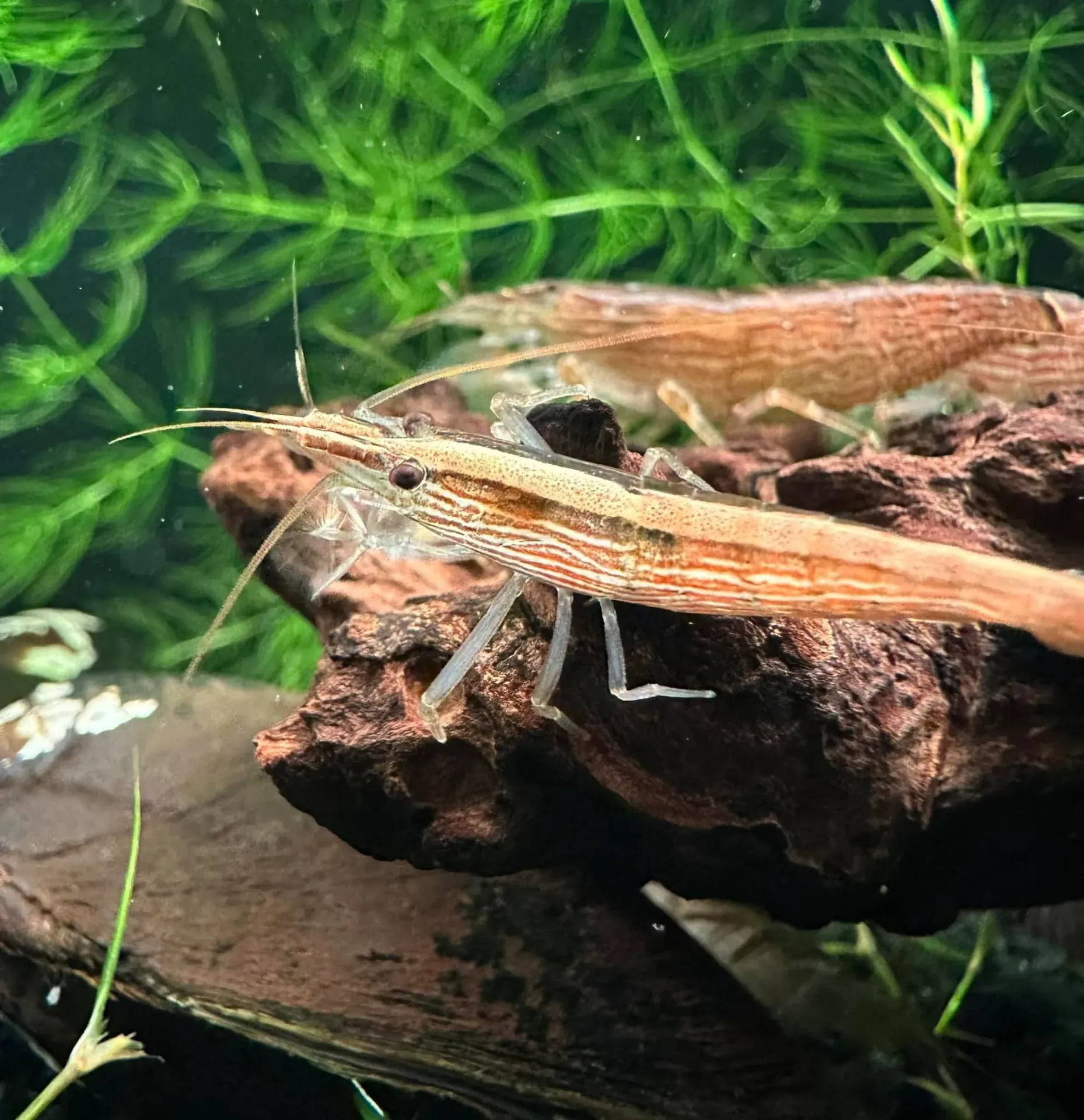
Bamboo Shrimp
Atyopsis moluccensis
Ready to Add Dwarf Chain Loach to Your Tank?
Use our free stocking calculator to check compatibility, bioload, and get personalized recommendations.