
Care Requirements
Adult Size
9.8" (25cm)
Min Tank
20 gal
Temperature
57-68°F
pH Range
7-8
Lifespan
10-15 years
Min Group
Can be kept alone
Diet
Carnivore
Swim Level
Bottom
Bioload
7/10
Hardness
7-14 dGH
About Axolotl
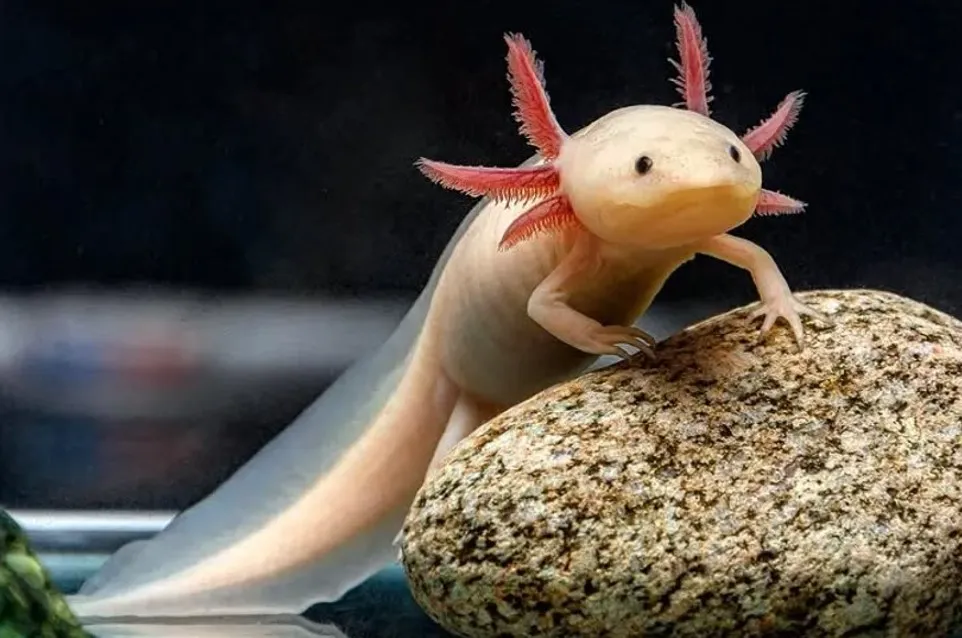
The Axolotl is one of the most extraordinary creatures in the aquarium hobby — and indeed, in the animal kingdom. These permanently aquatic salamanders are neotenic, meaning they retain their larval features (external gills, aquatic lifestyle) throughout their entire lives without ever metamorphosing into a terrestrial form. Their charming 'smiling' face, feathery external gills, and remarkable ability to regenerate lost limbs have made them icons of both the pet trade and scientific research.
Endemic to Lake Xochimilco in the Valley of Mexico, Axolotls are critically endangered in the wild with fewer than 1,000 individuals estimated to remain. However, they thrive in captivity and are widely bred, with a robust captive population ensuring the species' survival outside its vanishing natural habitat.
Axolotls are not fish — they're amphibians — but they live their entire lives underwater. Their care requirements differ significantly from tropical fish, most notably their need for cool water temperatures (15-20°C / 59-68°F). This single requirement rules out most tropical fish as tankmates and is the most common challenge for new keepers.
Natural Habitat & Origin
Conservation status: Critically Endangered (CR)
Axolotls are endemic to the lake systems of the Valley of Mexico, specifically Lake Xochimilco and formerly Lake Chalco (now drained). These high-altitude lakes (2,200 meters above sea level) provide cool, deep freshwater with abundant aquatic vegetation, muddy bottoms, and slow-moving water year-round.
The remaining wild habitat is severely threatened by urbanization (Mexico City has expanded over much of the historical lake system), pollution, and invasive species — particularly tilapia and carp that compete for food and prey on juvenile Axolotls. With fewer than 1,000 individuals estimated in the wild, conservation efforts focus on protecting and restoring the remaining canal systems of Xochimilco.
Native Region
Mexico — Lake Xochimilco, Valley of Mexico
Habitat Type
Cool, deep freshwater lakes with vegetation and muddy bottoms at high altitude
Wild Water Conditions
Cool (59-68°F), moderate hardness, slightly alkaline, slow-moving water
Appearance & Varieties
Axolotls are large for aquarium inhabitants, reaching 25-30 cm (10-12 inches) as adults. They have a broad, flat head with a permanent 'smiling' expression (an anatomical feature, not a mood indicator), small lidless eyes, and three pairs of feathery external gills branching from each side of the head.
They have four legs with delicate toes, a long laterally-compressed tail used for swimming, and smooth, permeable skin. Several color morphs are available in captivity: Wild Type (dark with olive/brown mottling and golden speckles), Leucistic (pale pink/white with dark eyes), Albino (golden/white with red eyes), Melanoid (solid dark without golden speckles), GFP (genetically modified to fluoresce under UV light), and various others.
Sexing is reliable from about 12-18 months: males have a noticeably swollen cloaca near the tail base, while females have a flatter, less prominent cloaca. Males tend to be slimmer with longer tails.
Popular Varieties
| Variety | Description | Rarity |
|---|---|---|
| Wild Type | Dark olive/brown with golden speckles — closest to natural coloration | Common |
| Leucistic | Pale pink/white body with dark eyes — the most popular morph | Common |
| Albino | Golden/white body with red eyes | Common |
| Melanoid | Solid dark without golden speckles | Common |
| GFP (Green Fluorescent Protein) | Fluoresces green under UV/blue light — genetically modified | Uncommon |
| Copper | Warm copper/caramel coloration | Uncommon |
Tank Setup & Requirements
Quick Requirements Summary
Tank Size
Minimum Tank Size
20 gallons
Recommended Tank Size
40 gallons
Temperature control is the biggest challenge for most keepers. Axolotls MUST be kept below 20°C (68°F), ideally 16-18°C (60-64°F). Temperatures above 22°C (72°F) cause severe stress, appetite loss, and susceptibility to disease. In warm climates, you may need an aquarium chiller, fan cooling, or climate-controlled room.
Water Parameters
Temperature 59-68°F (15-20°C) — this is non-negotiable. pH 6.5-8.0, hardness 7-14 dGH. Ammonia and nitrite must be 0, nitrate below 20 ppm. Axolotls produce heavy bioload and require robust biological filtration.
Substrate
Fine sand (pool filter sand, play sand) or bare bottom ONLY. NEVER use gravel or small pebbles — Axolotls feed by suction and will inevitably swallow gravel, leading to fatal gut impaction. This is the single most critical setup rule. There is no safe gravel size.
Plants & Decorations
Live cold-water tolerant plants benefit water quality: Java Fern, Anubias, Java Moss, Marimo Moss Balls, Elodea/Anacharis, Pothos (roots in water). Hides are essential — each Axolotl needs at least 2 hides. All decorations must have no sharp edges that could damage their delicate skin and gills.
Filtration & Water Flow
Gentle filtration is essential. Axolotls produce heavy bioload but are stressed by strong current. Sponge filters for smaller tanks, canister or HOB filters with baffled/reduced flow for larger tanks. Must handle bioload without creating strong water movement.
Lighting
Low lighting or none. Axolotls have no eyelids and are sensitive to bright light. They strongly prefer dim to dark conditions. Tank lights stress them and drive them into hides.
Diet & Feeding Guide
Diet Type
carnivore
Feeding Frequency
Juveniles daily, adults every 2-3 days
Portion Size
Earthworm pieces roughly head-width of the axolotl
Axolotls are carnivores that feed by suction — snapping their mouth open to create a vacuum that sucks food in. They don't chew; they swallow whole. Earthworms (nightcrawlers) are the gold standard food — nutritionally complete, readily accepted, and affordable.
Best Foods for Axolotl
- Earthworms/nightcrawlers — The gold standard — nutritionally complete, cut to head-width size
- Soft sinking pellets — Hikari Sinking Carnivore Pellets — good staple alternative
- Frozen bloodworms — Good for juveniles mainly
- Blackworms — Excellent live food supplement
- Repashy Grub Pie — Nutritious gel food option
- Raw shrimp pieces — Unseasoned, occasional treat
- Daphnia — Good for juveniles
Foods to Avoid
- Feeder fish — High parasites/disease risk, thiaminase issues
- Mealworms — Hard chitin exoskeleton causes impaction risk
- Red wigglers — Bitter secretion makes axolotls spit them out
- Any processed human food — Completely inappropriate nutrition
- Fatty meats — Cannot digest properly
Use feeding tongs or tweezers to hand-feed — axolotls have poor eyesight and snap at movement. Tongs prevent accidental bites and keep food off the substrate. For pellet feeding, place directly in front of the axolotl. A well-fed adult has a body width roughly matching its head width. Juveniles need daily feeding; adults every 2-3 days.
Behavior & Temperament
Axolotls are primarily sedentary bottom-dwellers that spend most of their time sitting on the substrate, resting in hides, and occasionally walking or swimming lazily. They're more active at night and during feeding time. Despite their calm demeanor, they will attempt to eat anything that moves near their mouth and fits inside — including tankmates' limbs and gills.
Their most remarkable feature is their extraordinary regeneration ability — they can regrow entire limbs, portions of their brain, spinal cord, heart tissue, and gills. Regenerated limbs are fully functional. This ability makes them extremely important in scientific research.
Axolotls are neotenic — permanently retaining larval features without ever metamorphosing. Their famous 'smiling' appearance is a permanent anatomical feature, not an expression. They may float at the surface occasionally — brief floating is normal, but persistent floating can indicate gut impaction or gas buildup.
Tank Mates: Compatibility Guide
Compatible Tank Mates
Other Axolotls (same size)
The only truly recommended tankmate — must be similar in size to prevent limb nipping
Tank Mates to Avoid
Fish (any kind)
Either the axolotl eats them, or fish nip gills — no good options
Cherry Shrimp
Will be eaten immediately
Crayfish
Will attack and damage gills and limbs
Plecos
Will latch onto and damage axolotl slime coat
Smaller Axolotls
Cannibalism of limbs is common with size differences
Common Pairing Questions
Can Axolotls live with fish?
No. Small fish will be eaten, larger fish nip gills, most tropical fish need warmer water, and fish introduce diseases and parasites. The only recommended tankmates are other similarly-sized Axolotls.
Can I keep two Axolotls together?
Yes, if they're similar in size. Two females is the lowest-maintenance option. Males will repeatedly attempt to breed with females, which can stress them. Size differences lead to limb and gill nipping.
Can Axolotls live with snails?
Large Mystery Snails are sometimes kept with Axolotls successfully — they're too large to eat. Small snails will be eaten. Monitor any snail tankmates.
Axolotl breeding is moderately challenging but achievable for dedicated keepers. A temperature drop of 2-3°C for a few weeks followed by gradual return to normal, combined with reduced light period, mimics seasonal change and triggers breeding.
Males perform a courtship 'dance,' nudging the female and leading her over deposited spermatophores (sperm packets). The female picks up the spermatophore with her cloaca and deposits 100-1,000+ fertilized eggs individually on plants, rocks, and surfaces over 12-72 hours. Eggs hatch in 14-17 days at 18°C.
Before breeding, have a plan for potentially hundreds of babies. Hatchlings need live baby brine shrimp, must be separated by size to prevent cannibalism, and require extensive space and daily feeding. Finding homes for 200+ axolotls is a real challenge. Breeding should only be undertaken with a solid plan for the offspring.
Health Issues & Disease Prevention
Axolotl health revolves around three critical factors: cool water temperature, zero ammonia/nitrite, and appropriate substrate. Most health problems trace back to warm water (above 20°C), poor water quality, or gravel impaction. Their delicate external gills are the best health indicator — full, fluffy gills that curl forward slightly indicate good health.
Common Diseases
| Disease | Symptoms | Treatment |
|---|---|---|
| Gut impaction | Bloating, not eating, constipation, floating, lethargy | NEVER use gravel substrate. Fine sand or bare bottom only. Cut food to appropriate sizes. Fridging (5-8°C) can help pass blockages. Seek vet if persistent. |
| Fungal infection | White cotton-like growths on skin, gills, or wounds | Pristine water quality, keep temp below 20°C, salt baths (non-iodized) for treatment. Indian almond leaves may help. Treat wounds promptly. |
| Ammonia/nitrite burns | Red/inflamed skin, curled gill filaments, lethargy, loss of appetite, curled tail tip | Immediate water change, ensure tank is properly cycled. Tub the axolotl in clean dechlorinated water with daily 100% changes until tank is safe. |
| Heat stress | Loss of appetite, forward-curled gills, floating, lethargy, increased disease susceptibility | Cool water immediately — frozen water bottles, fans, chiller. Move to coolest room. Tub in cool water if necessary. |
| Gill deterioration | Shortened, thin, or frayed gill filaments over time | Improve water quality, ensure proper temperature and oxygenation, remove any gill-nipping tankmates. |
Signs of a Healthy Axolotl
- Full, fluffy gill filaments curling forward slightly
- Good appetite and active feeding response
- Plump body (width roughly matching head width)
- Active walking and exploring during evening/night
- Clear, bright eyes
- Smooth, unblemished skin
Prevention Tips
- Keep water temperature below 20°C at all times — have a cooling plan
- Fine sand or bare bottom only — NEVER gravel
- Maintain 0 ammonia, 0 nitrite with proper cycling and filtration
- Learn to 'tub' your axolotl — the standard emergency treatment protocol
- Provide at least 2 hides per axolotl
- Keep lighting low — they have no eyelids and are light-sensitive
Frequently Asked Questions
No. Axolotls are amphibians (salamanders), not fish. They're often called 'Mexican walking fish' which is misleading. They breathe through external gills, lungs, and skin. They're permanently aquatic but more closely related to tiger salamanders than any fish.
Cool water between 15-20°C (59-68°F), with 16-18°C (60-64°F) ideal. Temperatures above 22°C (72°F) cause serious stress, appetite loss, and disease susceptibility. You may need a chiller, clip-on fans, or cool room to maintain proper temperature.
Absolutely not. Axolotls feed by suction and will inevitably swallow gravel, leading to fatal gut impaction. Use fine sand (pool filter sand or play sand) or bare bottom. There is no safe gravel size for Axolotls.
No. Small fish will be eaten, larger fish nip gills, most tropical fish need warmer water, and fish introduce diseases and parasites. The only recommended tankmates are other similarly-sized Axolotls.
Yes. They can regrow entire limbs, portions of their brain, spinal cord, heart tissue, and gills — fully functional including bones, muscles, nerves, and blood vessels. Regeneration takes weeks to months depending on age and health.
Brief floating during swimming is normal. Persistent floating typically indicates gut impaction, constipation, or gas. Stop feeding for a few days and try fridging (5-8°C container in fridge). Consult an exotic vet if it persists.
It depends on location. They're illegal in some US states (California, Maine, New Jersey, Virginia, DC), parts of Canada, and some other countries. Some areas require permits. Always check local regulations before purchasing.
Options: aquarium chiller (most reliable), clip-on fans (drops 2-4°C via evaporation), frozen water bottles (temporary), placing tank in coolest room, or air conditioning. Avoid direct sunlight. In emergencies, tub in a cool area with daily water changes.
Tips for Keeping Axolotl
Pro Tips
- ✓Earthworms are the staple food — nutritionally complete, affordable, and loved by axolotls. Keep a supply in the fridge from bait shops
- ✓Use feeding tongs to hand-feed — prevents accidental bites and substrate ingestion
- ✓Fine sand or bare bottom only — never gravel, no exceptions, no 'large enough' rocks
- ✓Keep a thermometer visible and check daily — temperature creep above 20°C is the silent killer
- ✓Indian almond leaves provide mild antifungal tannins — add one or two and replace as they decompose
- ✓Learn to 'tub' your axolotl — keeping in a container with daily 100% water changes is the standard treatment for most health issues
- ✓Each axolotl needs at least 2 hides — stressed axolotls without retreats develop chronic health issues
- ✓Don't handle unless necessary — they have a delicate slime coat. If you must, wet your hands first
Common Mistakes to Avoid
- ✗Using gravel substrate — the most dangerous and common mistake. Gravel impaction kills axolotls. Fine sand or bare bottom only
- ✗Keeping water above 20°C (68°F) — warm water suppresses immunity, kills appetite, and breeds infections
- ✗Keeping with fish — fish nip gills, stress axolotls, introduce parasites, and need warmer water
- ✗Adding to uncycled tanks — ammonia and nitrite are extremely toxic to axolotls
- ✗Buying as impulse pets without understanding 10-15 year lifespan and temperature requirements
- ✗Feeding mealworms — hard chitin causes impaction. Stick to earthworms and soft-bodied foods
- ✗Bright lighting — they have no eyelids and are stressed by bright light
- ✗Housing different-sized axolotls together — size differences lead to limb nipping and cannibalism
Sources
- IUCN Red List — Critically Endangered conservation assessment for Ambystoma mexicanum.
Related Species You Might Like
View All Fish →
Bala Shark
Balantiocheilos melanopterus
Adolfo's Corydoras
Corydoras adolfoi
Assassin Snail
Clea helena
Bamboo Shrimp
Atyopsis moluccensis
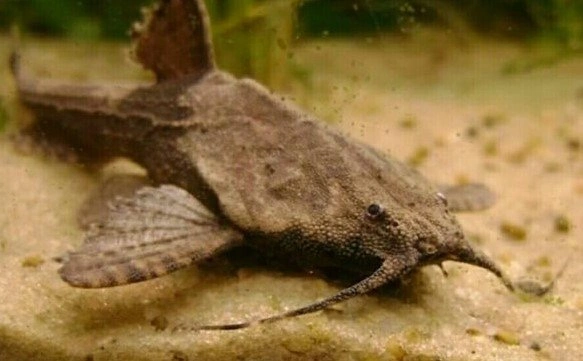
Banjo Catfish
Bunocephalus coracoideus
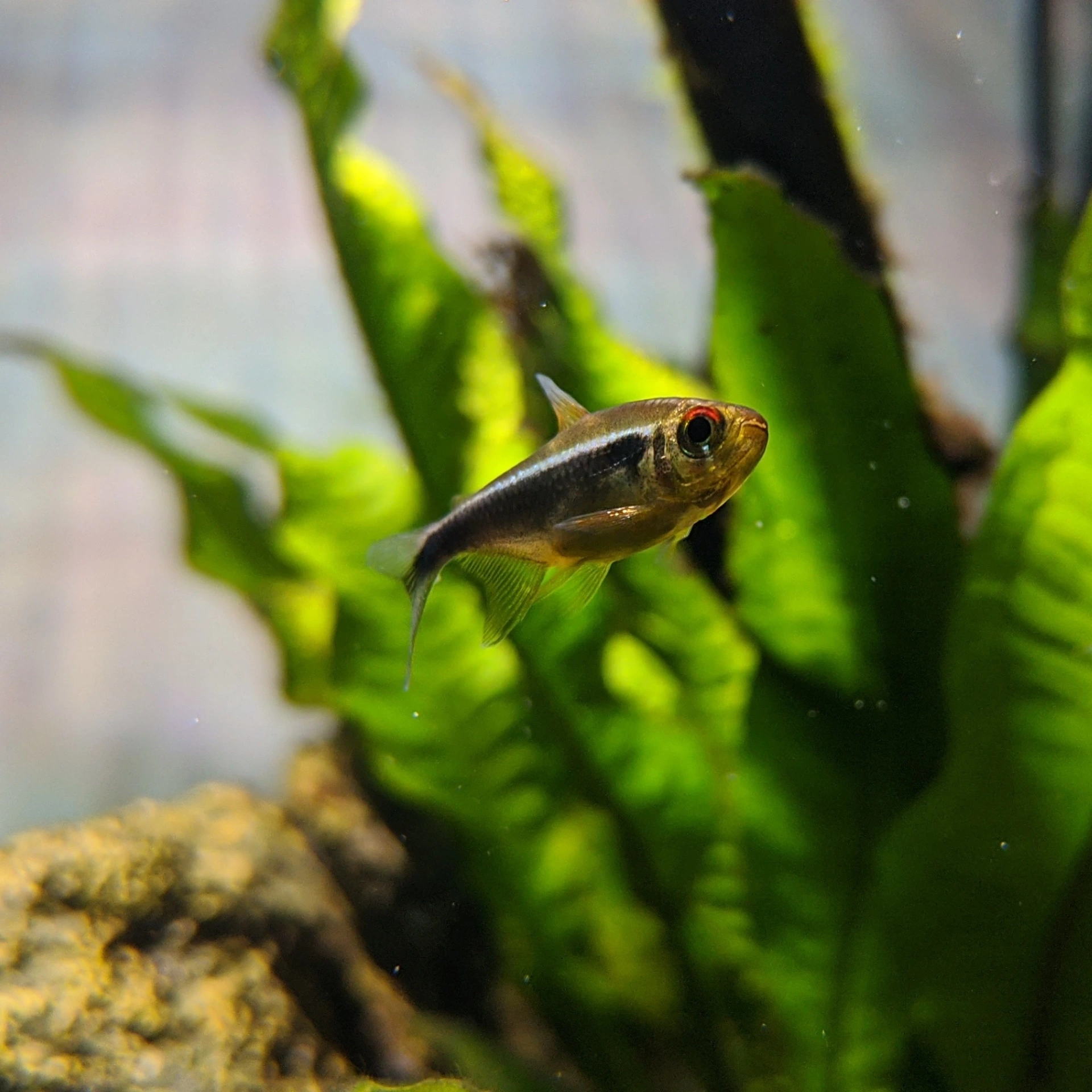
Black Neon Tetra
Hyphessobrycon herbertaxelrodi
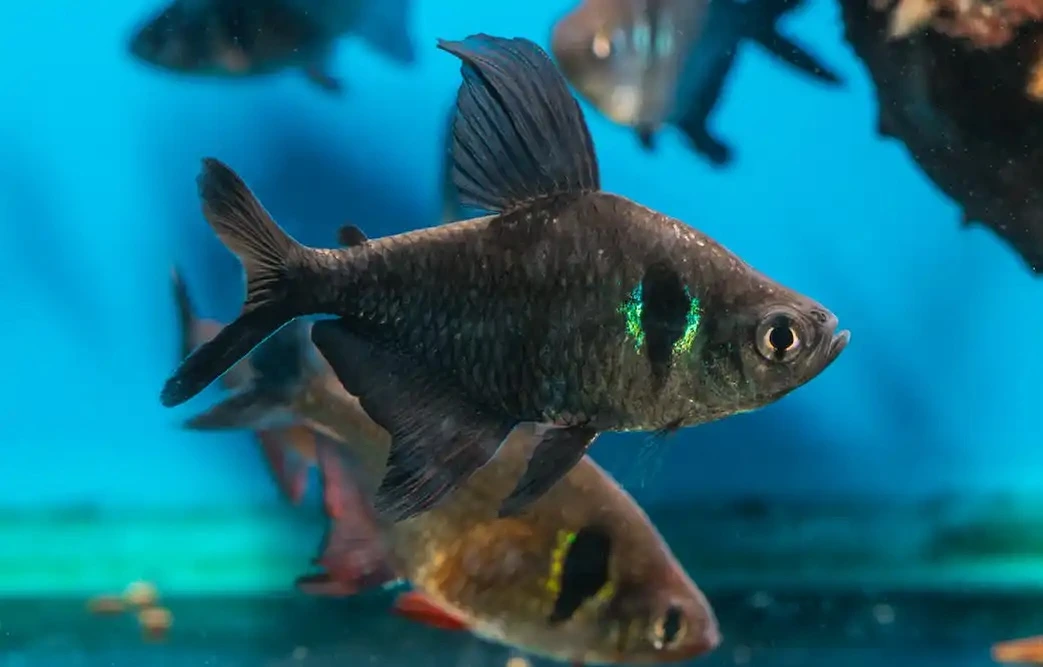
Black Phantom Tetra
Hyphessobrycon megalopterus
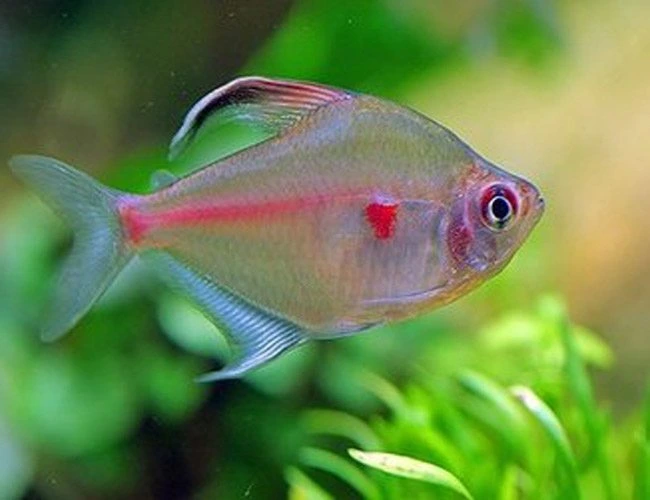
Bleeding Heart Tetra
Hyphessobrycon erythrostigma
Ready to Add Axolotl to Your Tank?
Use our free stocking calculator to check compatibility, bioload, and get personalized recommendations.