

Care Requirements
Adult Size
13.8" (35cm)
Min Tank
125 gal
Temperature
72-82°F
pH Range
6.5-7.5
Lifespan
10+ years
Min Group
3+ fish
Diet
Omnivore
Swim Level
Middle
Bioload
7/10
Hardness
5-15 dGH
About Bala Shark
The Bala Shark is one of the most commonly mis-sold fish in the aquarium hobby. Sold as cute 5 cm juveniles, these torpedo-shaped cyprinids grow to a massive 35 cm (14 inches) and need tanks of 150 gallons or more to thrive. Despite their shark-like appearance and common name, they're actually peaceful members of the minnow family, closely related to barbs and danios.
Bala Sharks are stunning fish when properly housed — their bright silver bodies with crisp black-edged fins create an impressive display as they cruise back and forth in synchronized schools. They're active, social, and surprisingly gentle for their size. The problem is that very few home aquarists can provide the space they need long-term.
These fish are listed as Endangered on the IUCN Red List and are believed to be extinct across much of their native range in Southeast Asia. Virtually all specimens in the pet trade are now commercially bred in Asian fish farms using hormone injections, as they don't breed naturally in home aquaria.
Natural Habitat & Origin
Conservation status: Vulnerable (VU)
In the wild, Bala Sharks inhabit the mid-water zones of large, fast-flowing rivers and lakes across Southeast Asia — including the Mekong and Chao Phraya river basins, the Malay Peninsula, Sumatra, and Borneo. They prefer deep, open-water habitats with clear water rather than shallow streams or heavily vegetated areas.
Tragically, Bala Sharks are now critically endangered or locally extinct across much of their native range due to overcollection for the aquarium trade and extensive habitat loss from dam construction and deforestation. This makes responsible fishkeeping — providing proper space and long-term care — all the more important for this species.
Native Region
Southeast Asia — Mekong and Chao Phraya basins, Malay Peninsula, Sumatra, Borneo
Habitat Type
Mid-water zones of large, fast-flowing rivers and lakes with clear water
Wild Water Conditions
Warm (72-82°F), moderate hardness, neutral to slightly acidic pH, strong current
Appearance & Varieties
Bala Sharks have a sleek, torpedo-shaped body built for speed and endurance swimming. Their scales are bright, reflective silver that catches light beautifully as they move. The most distinctive feature is the bold black edging on their dorsal, caudal, anal, and pelvic fins, which gives them the 'tricolor' appearance referenced in one of their alternative names.
They reach an impressive adult size of 30-35 cm (12-14 inches), which is drastically different from the 5-8 cm (2-3 inches) at which they're typically sold. This dramatic growth is one of the main reasons so many owners are caught off-guard. Sexing is extremely difficult outside of breeding condition — mature females may appear slightly rounder in the belly, but there are no reliable external differences.
Tank Setup & Requirements
Quick Requirements Summary
Tank Size
Minimum Tank Size
125 gallons
Recommended Tank Size
200 gallons
This is one of the most commonly mis-sold fish in the hobby. The single most important requirement is SPACE. A group of adult Bala Sharks needs a 200+ gallon (760L) tank minimum. Most home aquarists cannot properly house this species long-term. Think very carefully before purchasing.
Water Parameters
Temperature 72-82°F (22-28°C), pH 6.0-8.0, hardness 5-12 dGH. Bala Sharks are relatively adaptable but sensitive to rapid parameter changes. Do water changes slowly and gently — rapid shifts stress them more than many other species. Match temperature and chemistry carefully.
Substrate
Fine gravel or sand — not critical as they're mid-water fish that rarely interact with the bottom.
Plants & Decorations
Hardy, well-rooted plants along the back and sides only. Leave the center and front completely open for swimming. Expect some plant damage from their activity. Floating plants can help reduce skittishness. Avoid sharp decorations — panicked Bala Sharks crash into things. Recommended plants: Vallisneria, Java Fern (attached to hardscape), Anubias (attached to hardscape), Amazon Sword (well-rooted), floating plants for cover.
Filtration & Water Flow
Powerful filtration rated well above your tank volume. These are large, active, messy fish that produce significant bioload. Canister filters or sumps recommended. They appreciate moderate current.
Lighting
Moderate — avoid sudden on/off transitions. Use a timer with gradual ramp-up/down if possible, as sudden light changes trigger panic responses.
Diet & Feeding Guide
Diet Type
omnivore
Feeding Frequency
2-3 times daily
Portion Size
What they consume in 3-5 minutes
In the wild, Bala Sharks feed on insects, larvae, algae, plant matter, and small crustaceans in fast-flowing rivers. In captivity, they're enthusiastic omnivores that accept virtually any food offered. Their appetite increases significantly as they grow — be prepared for rising food costs.
Best Foods for Bala Shark
- High-quality flakes — Staple diet for juveniles
- Medium pellets — Staple for adults — easier to feed in quantity
- Algae wafers — Plant matter component of their diet
- Frozen bloodworms — Excellent protein supplement
- Brine shrimp — Good variety and enrichment
- Daphnia — Natural prey item
- Blanched spinach — Vegetable supplement
- Blanched peas — Good fiber source
- Blanched zucchini — Plant matter they enjoy
Foods to Avoid
- Very small foods — Adults can't efficiently eat micro-foods — waste sinks and fouls water
- Exclusively protein-heavy diets — Need plant matter for balanced nutrition and digestion
Bala Sharks are enthusiastic, fast eaters that will outcompete slower tankmates for food. Feed at multiple spots in the tank if keeping with other species. Their appetite increases significantly as they grow — be prepared for rising food costs.
Behavior & Temperament
Bala Sharks are schooling fish that must be kept in groups of 5 or more. Solitary or paired Bala Sharks become extremely skittish, stressed, and prone to erratic dashing that can injure them or damage equipment. A proper school is calmer and displays natural synchronized swimming behavior.
They're very active fish that constantly cruise the length of the tank at moderate to high speed. They can produce audible clicking sounds and often school tightly, moving in synchronized formation. They're incredibly skittish when startled — sudden movements, loud noises, or light changes can trigger panic dashing that may injure them or crack tank lids.
As they grow, they will eat anything that fits in their mouth, including small tankmates. This is normal predatory behavior for a large cyprinid, not aggression.
Tank Mates: Compatibility Guide
Compatible Tank Mates
Both grow large and both need the same long footprint
Tinfoil Barb
Similar size and temperament — excellent companions
Large Gouramis
Occupy different zones, peaceful coexistence
Rainbowfish
Active mid-water fish that match their energy
Peaceful bottom-dweller, different zone
Another large, peaceful schooler
Silver Dollar
Similar size, peaceful schooling fish
Synodontis Catfish
Large, robust catfish that coexist well
Tank Mates to Avoid
Neon Tetra
Far too small — will be eaten as Balas grow
Guppy
Will be eaten — any fish under 5 cm is at risk
Cherry Shrimp
All shrimp will be eaten, even as juveniles
Betta
Slow-moving, long-finned — stressed by Bala activity
Aggressive Cichlids
May bully the peaceful Bala Sharks
Common Pairing Questions
Can Bala Sharks live with neon tetras?
No. Juvenile Balas may temporarily coexist, but as they grow, any fish under 5 cm will be eaten. This includes neon tetras, guppies, small rasboras, and all shrimp.
How many Bala Sharks should I keep?
A minimum of 5. Solitary or paired Bala Sharks become extremely stressed, skittish, and display abnormal behavior including constant hiding and panic dashing.
Can Bala Sharks live with goldfish?
Not recommended. While both are peaceful, goldfish prefer cooler water (65-72°F) while Bala Sharks need warmer tropical temperatures (72-82°F). The temperature requirements are incompatible.
Breeding Bala Sharks in home aquaria is essentially not feasible. Commercial breeding uses hormonal injections in massive pond or pool setups in Southeast Asia. In the rare event of spawning, eggs are scattered among plants with no parental care — adults will eat the eggs. Females may produce thousands of eggs in commercial settings, with incubation taking approximately 24-48 hours. Fry would need infusoria initially, then baby brine shrimp.
Don't attempt to breed Bala Sharks at home. Virtually all specimens in the hobby are commercially bred in Asian fish farms using hormone injections. Focus on providing the best possible long-term home instead.
Health Issues & Disease Prevention
Bala Sharks are generally hardy when kept in proper conditions, but their size and skittish nature create unique health challenges. Stress-related injuries from panic dashing — split fins, scraped scales, bloody marks from crashing into glass or decorations — are perhaps more common than disease in this species.
Common Diseases
| Disease | Symptoms | Treatment |
|---|---|---|
| Ich (White Spot Disease) | White spots on body and fins, flashing against objects, clamped fins | Raise temperature to 86°F gradually, add aquarium salt. Maintain stable temperature and quarantine new fish to prevent. |
| Stress-related injuries | Split fins, scraped scales, bloody marks from crashing into glass or decorations during panic episodes | Address the underlying stressor — ensure proper school size, avoid sudden movements near tank, use gradual lighting transitions, provide adequate space. |
| Fin Rot | Fraying, discolored, or receding fin edges | Improve water quality with regular changes, ensure good filtration, reduce stress. Antibacterial medication for severe cases. |
Signs of a Healthy Bala Shark
- Clear, bright silver scales
- Active swimming in the school
- Good appetite
- Intact, erect fins with clean black edges
- Alert behavior
Prevention Tips
- Maintain stable water parameters — avoid sudden changes
- Keep in proper schools of 5+ to reduce stress
- Use gradual lighting transitions to prevent panic
- Provide adequate tank size — undersized tanks cause chronic stress
- Quarantine all new fish for 2-4 weeks
- Regular water changes with carefully matched parameters
Frequently Asked Questions
Bala Sharks reach 30-35 cm (12-14 inches) as adults. They're typically sold at 5-8 cm (2-3 inches), which is extremely misleading. This is one of the most commonly undersold fish in the hobby — pet stores rarely mention their adult size or tank requirements.
No. A 55 gallon (210L) tank is far too small for adult Bala Sharks. They need a minimum of 150 gallons (570L) for a school, and 200+ gallons (760L) is recommended. A 55 gallon might temporarily house juveniles, but you'd need to upgrade within months as they grow rapidly.
No, Bala Sharks are cyprinids (minnow family), closely related to barbs and danios. They got their common name from their torpedo-shaped body and prominent dorsal fin that resembles a shark silhouette. They're entirely freshwater and completely peaceful.
Bala Sharks are notorious jumpers, especially when stressed, startled, or kept in tanks that are too small. Common triggers include sudden light changes, loud noises, quick movements near the tank, poor water quality, or being kept without a proper school. A tight-fitting lid is absolutely essential.
Keeping a single Bala Shark is strongly discouraged. They're schooling fish that become extremely stressed and skittish when kept alone. A solitary Bala Shark will hide constantly, dash erratically when startled, and live a significantly lower quality of life. Keep at least 5.
Glass-crashing or 'panic dashing' is a classic stress response. Common causes include: tank too small, kept alone or in too-small a group, sudden environmental changes, being startled, or new additions to the tank. This behavior can cause serious injuries. Address the underlying stressor immediately.
Good tankmates are other large, peaceful fish: Tinfoil Barbs, Rainbowfish, large Gouramis, Clown Loaches, Plecos, and Silver Dollars. Avoid anything small enough to be eaten (under 5 cm) and aggressive species that might bully them.
Yes. Bala Sharks are listed as Endangered on the IUCN Red List and are believed to be extinct in several parts of their native range in Southeast Asia. Overcollection for the aquarium trade and habitat destruction are the primary causes. Virtually all pet trade specimens are now commercially bred.
Tips for Keeping Bala Shark
Pro Tips
- ✓Put a timer on your aquarium lights with gradual dimming — sudden light changes are the #1 trigger for panic episodes
- ✓Plan for their adult size from day one — if you can't commit to 150+ gallons long-term, choose a different species
- ✓Keep the center of the tank completely open — they need unobstructed swimming lanes across the full length
- ✓Feed in multiple locations if you have slower tankmates — Bala Sharks dominate single feeding spots
- ✓Use a background on at least three sides of the tank to reduce reflections and startling stimuli
- ✓Invest in the best filtration you can afford — a school of adults produces enormous bioload
- ✓Do water changes slowly and gently — rapid parameter shifts stress them more than many species
- ✓Monitor any fish consistently excluded from the school — it may be sick or being bullied
Common Mistakes to Avoid
- ✗Buying them as cute 5 cm juveniles without understanding they'll reach 35 cm
- ✗Keeping them in tanks under 150 gallons — a 55 or 75 gallon is not adequate
- ✗Keeping only 1-2 instead of a proper school of 5+ — solitary Balas are miserable
- ✗Not having a secure lid — they WILL jump, and lost fish on the floor is tragically common
- ✗Keeping with small fish like neon tetras or guppies — they will eat small tankmates as they grow
- ✗Believing pet store advice that they'll 'grow to the size of the tank' — this is a myth
- ✗Not planning for the long term — 10-15 year commitment to maintaining a very large aquarium
- ✗Using sudden on/off lighting without dimmers or timers — triggers panic dashing
Sources
- FishBase — Accepted scientific name, maximum size and native range for Bala Shark.
- IUCN Red List — Vulnerable conservation assessment for Balantiocheilos melanopterus.
Related Species You Might Like
View All Fish →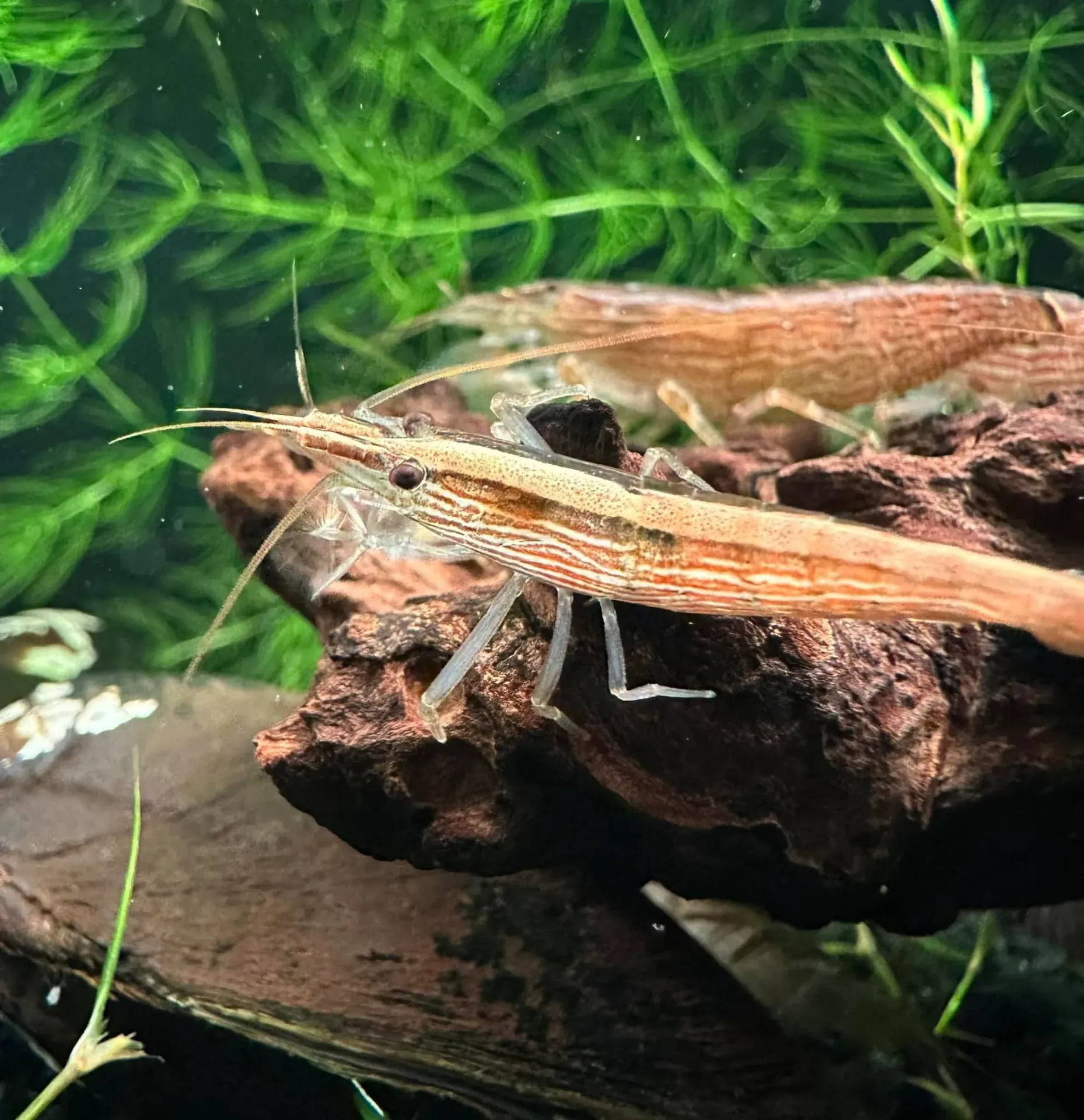
Bamboo Shrimp
Atyopsis moluccensis
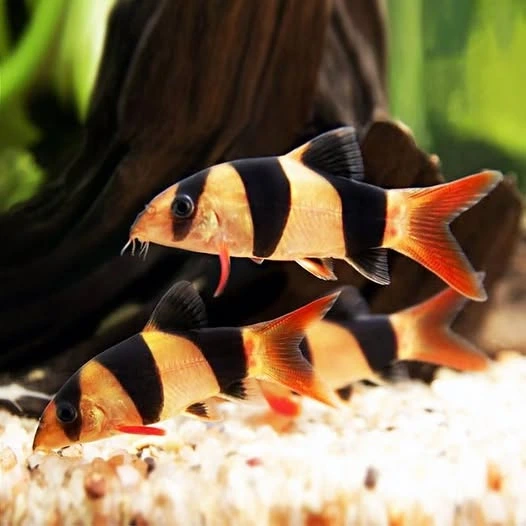
Clown Loach
Chromobotia macracanthus
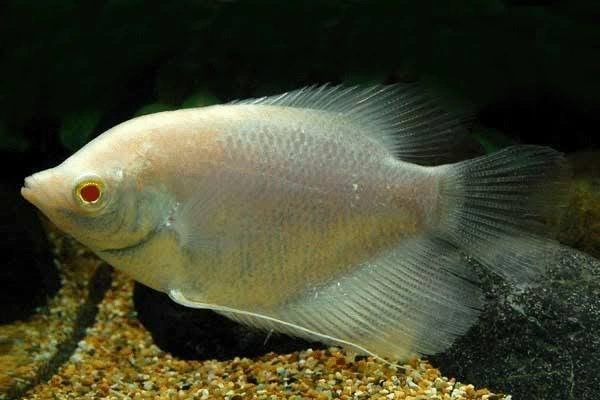
Giant Gourami
Osphronemus goramy
Iridescent Shark
Pangasianodon hypophthalmus
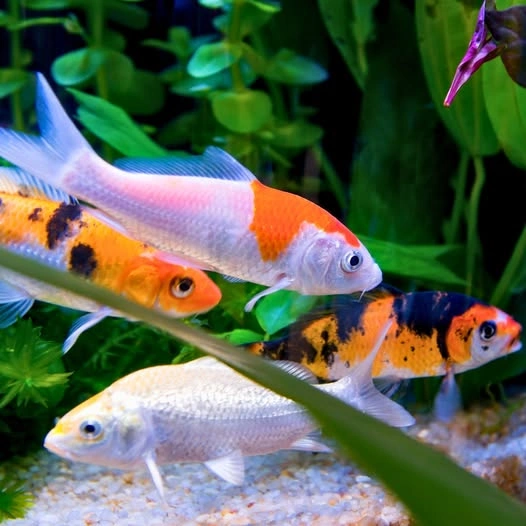
Koi
Cyprinus rubrofuscus
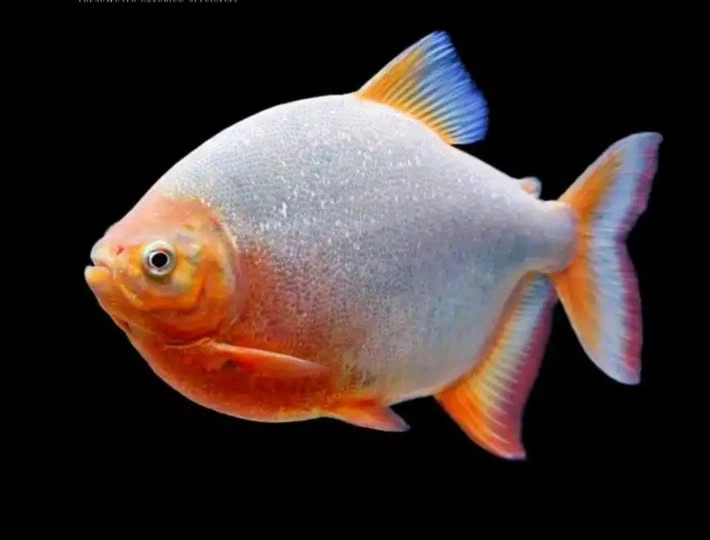
Pacu
Colossoma macropomum
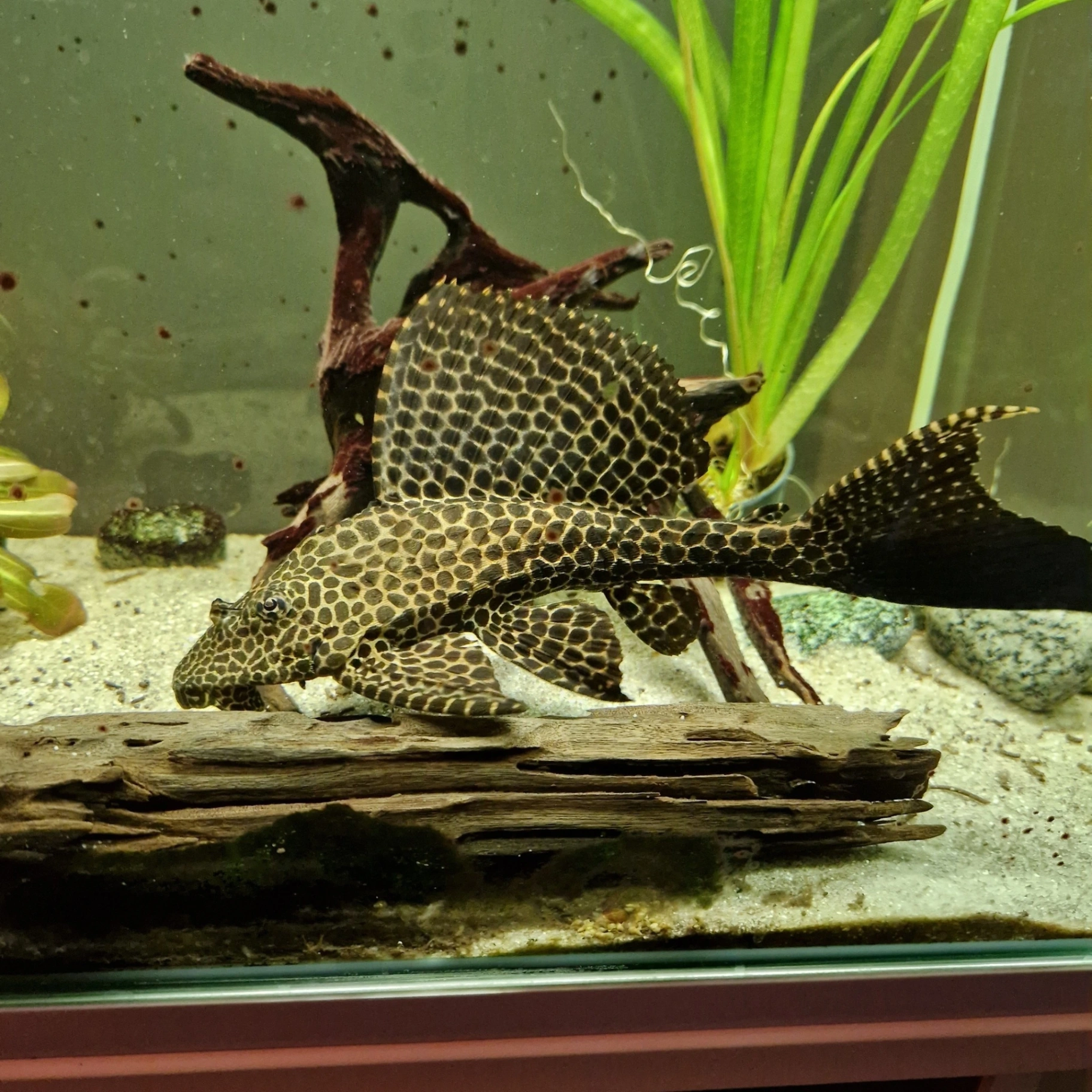
Sailfin Pleco
Pterygoplichthys gibbiceps
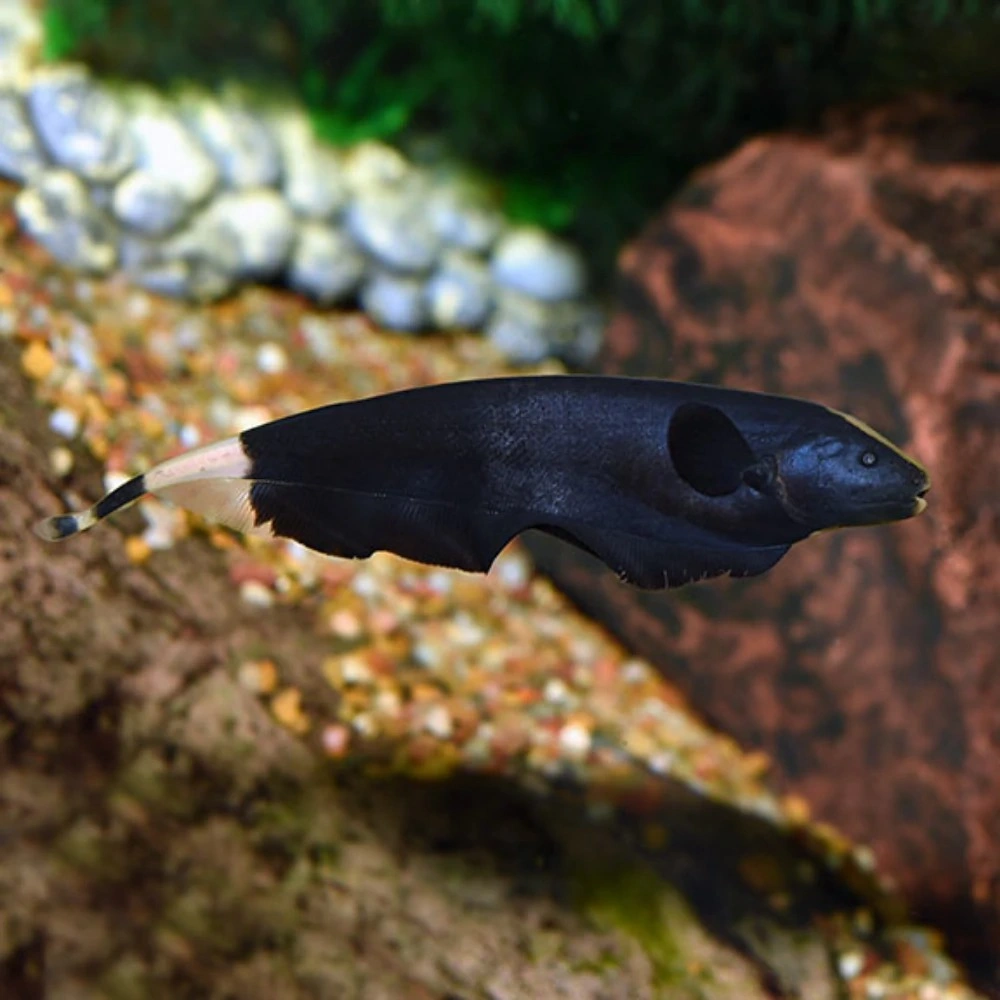
Black Ghost Knifefish
Apteronotus albifrons
Ready to Add Bala Shark to Your Tank?
Use our free stocking calculator to check compatibility, bioload, and get personalized recommendations.