
Care Requirements
Adult Size
35.4" (90cm)
Min Tank
1000 gal
Temperature
39-82°F
pH Range
7-8.5
Lifespan
25-35 years (up to 100+ years documented)
Min Group
Can be kept alone
Diet
Omnivore
Swim Level
All
Bioload
5/10
Hardness
8-25 dGH
About Koi
Koi represent ornamental fish keeping at its most ambitious — living artwork measured in feet rather than inches, lifespans measured in decades rather than years, and investments measured in thousands rather than tens of dollars. These selectively-bred carp transform outdoor ponds into galleries of swimming color, with champion specimens approaching six figures in value.
The Japanese developed modern Koi (Nishikigoi, meaning 'brocaded carp') from common carp beginning in the 1820s in Niigata prefecture. What started as colorful mutations in food carp became a refined art form with dozens of recognized varieties, formal judging standards, and global competitions. Japanese Koi breeding remains the pinnacle of the craft, with serious collectors seeking specific bloodlines from renowned breeders.
Koi are fundamentally pond fish — aquarium keeping is not viable regardless of tank size. Adults routinely reach 2-3 feet (60-90 cm) and require thousands of gallons, robust filtration, and the oxygen exchange only pond surface area provides. Their waste production is substantial; water quality management in Koi ponds is a discipline unto itself.
The commitment extends beyond infrastructure. Koi can live 25-35 years routinely, with documented cases exceeding 200 years. Purchasing Koi means potentially decades of care, pond maintenance, and protection from predators. They become genuine companion animals, recognizing their keepers and hand-feeding with obvious enthusiasm.
Natural Habitat & Origin
Modern Koi are entirely domesticated with no wild population — they exist only through human cultivation. Their ancestor, the common carp, originated in Central Asia and was introduced throughout Europe and Asia as a food source centuries ago.
Japanese farmers in the Niigata region noticed occasional color mutations in their food carp and began selectively breeding for these traits in the early 19th century. By the early 20th century, Koi keeping had become an established hobby. Post-WWII globalization spread Japanese Koi worldwide.
Koi ponds aim to provide optimal growing and display conditions rather than mimicking natural habitat. Ideal ponds feature excellent water quality, appropriate depth (3+ feet), efficient filtration, supplemental aeration, and viewing areas.
Their hardiness reflects carp ancestry — surviving winters under ice, tolerating summer heat, and adapting to various conditions. This adaptability enables global keeping from tropical to temperate climates.
Native Region
Japan (developed); Central Asia (carp ancestor)
Habitat Type
Domesticated pond fish
Wild Water Conditions
N/A — adapted to wide range of pond conditions
Appearance & Varieties
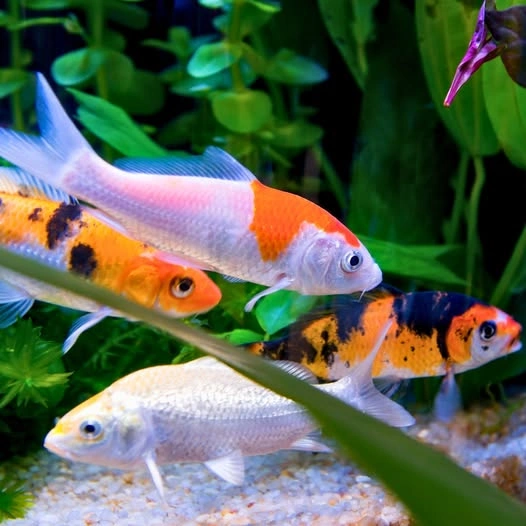
Koi display enormous variety in coloration and pattern, categorized into recognized variety classifications for showing and judging. Body shape is robust and elongated, typical of carp. Quality specimens show balanced proportions — proper body depth, appropriate head size, and smooth body lines.
The major variety groups include: Kohaku (red patterns on white base — the most iconic), Sanke (red and black on white), Showa (red and white on black base), Bekko (black spots on solid base), Utsuri (two-color with black component), Asagi (blue-gray scaled with red), Shusui (scaleless Asagi variant), Ogon (metallic solid colors), and numerous others including butterfly (long-finned) variants.
Judging criteria evaluate pattern (balanced, interesting, extending appropriately), coloration (intensity, clarity, edges between colors), body conformation (proportions, size, skin quality), and overall impression. Champion Koi combine excellent genetics, optimal raising conditions, and often years of development.
Pattern may change throughout life — experienced keepers assess potential rather than just current appearance.
Popular Varieties
| Variety | Description | Rarity |
|---|---|---|
| Kohaku | Red (hi) patterns on white (shiroji) base. The foundational variety — 'the beginning and end of Koi.' | Common (but quality varies enormously) |
| Taisho Sanshoku (Sanke) | Red and black (sumi) on white base. Black markings complement but shouldn't dominate. | Common |
| Showa Sanshoku (Showa) | Red and white on black base. Black wraps the body; red and white provide contrast. | Common |
| Bekko | Black spots on solid white, red, or yellow base. | Moderately Common |
| Utsurimono | Two-color varieties with black base: Shiro Utsuri, Hi Utsuri, Ki Utsuri. | Moderately Common |
| Asagi | Blue-gray scaled body with red on belly, fins, and face. Ancient variety. | Moderately Common |
| Ogon | Solid metallic colors — gold, platinum, orange. Metallic sheen is defining feature. | Common |
| Butterfly/Longfin | Long, flowing fins on various color varieties. Dramatic appearance. | Common |
| Tancho | Single red marking on head only. Evokes Japanese flag. | Uncommon (specific pattern is rare) |
Tank Setup & Requirements
Quick Requirements Summary
Tank Size
Minimum Tank Size
1000 gallons
Recommended Tank Size
2000 gallons
Koi are pond fish. The 'tank setup' discussion must address pond construction and maintenance — aquarium keeping is not viable for Koi regardless of claims made when selling juveniles.
Water Parameters
Temperature: 4-28°C (39-82°F). pH: 7.0-8.5. Hardness: 8-25 dGH. Koi tolerate wide temperature ranges — surviving under ice in winter and warm summers. Alkaline, moderately hard water supports health. Ammonia and nitrite must be zero.
Substrate
Varies — gravel, bare bottom, or natural pond substrate. Bare-bottom ponds are easier to clean. Gravel provides biological filtration surface. Koi dig in substrate, potentially uprooting plants and clouding water.
Plants & Decorations
Koi eat most plants — protected bog/marginal plants work. Lilies may survive in containers with gravel protection. Many keepers maintain separate planted filtration areas. Minimal decorations; avoid sharp edges that could injure fish.
Filtration & Water Flow
MASSIVE — multi-stage pond filtration systems. Multi-chamber systems with settlement, mechanical filtration, and biological filtration. Bottom drains, skimmers, and UV clarifiers standard. Filtration is typically the largest pond investment after construction.
Lighting
Natural sunlight for outdoor ponds. Optional underwater/feature lighting for nighttime viewing. Some shade is beneficial to prevent excessive algae.
Diet & Feeding Guide
Diet Type
omnivore
Feeding Frequency
Multiple times daily in summer, once daily in moderate temperatures, none in winter
Portion Size
What Koi consume in 3-5 minutes. Water temperature dictates feeding schedule: active feeding above 65°F, reduced 55-65°F, none below 50°F.
Koi are omnivorous carp willing to eat almost anything organic. Diet significantly impacts health, coloration, and growth. Feeding practices change seasonally with metabolism.
Best Foods for Koi
- Quality Koi pellets (staple) — Formulated Koi foods provide balanced nutrition. Choose quality brands (Hikari, Saki-Hikari, Blue Ridge). Pellet size should match fish size.
- Color-enhancing foods — Foods with spirulina, astaxanthin, or carotenoids enhance red coloration.
- Growth foods — High-protein formulas for younger fish. Used during warm months when metabolism is high.
- Wheat germ foods — Easily digestible formula for spring and fall when temperatures are lower.
- Fresh foods — Oranges, watermelon, lettuce, peas — accepted enthusiastically as treats.
- Live foods (occasional) — Earthworms, shrimp — natural protein sources.
Foods to Avoid
- Bread, corn, and other fillers — Low nutritional value. May cause digestive issues.
- Feeding in cold water — Stop feeding below 50°F (10°C). Koi can't digest food with slowed metabolism.
- Overfeeding — More food means more waste, straining filtration and water quality.
Diet significantly impacts coloration. Color-enhancing foods intensify reds. Feeding is interactive and enjoyable but requires restraint.
Behavior & Temperament
Koi are social, intelligent fish that interact with their environment and keepers far more than typical aquarium fish. They recognize individual people, learn feeding routines, and hand-feed readily — becoming genuine companion animals.
Feeding time reveals their personality — they rush to familiar feeders, may splash at the surface, and jostle for position. Individual personalities emerge over years of observation.
Social dynamics within groups are generally peaceful but hierarchies exist. Larger, more dominant fish eat first. Aggression is uncommon outside breeding periods, when males may chase females vigorously.
Seasonal behavior changes dramatically. Active and voracious in summer, Koi become increasingly sluggish as temperatures drop. Below 50°F, they enter dormancy. They survive winter under ice if ponds are adequately deep and oxygenated.
Tank Mates: Compatibility Guide
Compatible Tank Mates
Other Koi
Social fish that do well in groups. Mix sizes cautiously.
Share similar requirements and temperature tolerance.
Sturgeon (in large ponds)
Can coexist in large, well-oxygenated ponds.
Orfe
Active surface fish that add movement to ponds. Cold-hardy and compatible.
Tank Mates to Avoid
Small fish
Koi are opportunistic omnivores. Anything mouth-sized may be eaten.
Tropical fish
Temperature incompatibility — Koi tolerate cold that kills tropical species.
Aggressive fish
May harass Koi or create stress in pond environment.
Common Pairing Questions
Can Koi live with Goldfish?
Yes — they share similar requirements. Koi may outcompete for food, so ensure adequate feeding for both.
Can Koi live in an aquarium?
No — aquarium keeping is not viable regardless of tank size. They need ponds of 1,000+ gallons.
Koi breeding ranges from uncontrolled pond spawning to sophisticated controlled breeding programs. Natural spawning occurs in spring/early summer above 68°F. Males chase females vigorously. Females release thousands of adhesive eggs. Eggs hatch in 4-7 days. Perhaps 1% of fry from excellent parents become quality Koi.
Health Issues & Disease Prevention
Koi health management involves prevention through water quality, prompt identification of problems, and access to Koi-experienced veterinarians for serious issues.
Common Diseases
| Disease | Symptoms | Treatment |
|---|---|---|
| Koi Herpesvirus (KHV) | Mass mortality (80-100%), gill necrosis, sunken eyes, lethargy, excess mucus. | No cure. Quarantine, euthanasia of affected fish. Prevention through quarantine and reputable sourcing. |
| Ich (White Spot) | White spots on body and fins, flashing, clamped fins. | Raise temperature, salt treatment, commercial ich medication. |
| Parasites (various) | Flashing, scratching, excess mucus, visible parasites. | Identification determines treatment. Potassium permanganate, praziquantel, salt baths. |
| Bacterial infections | Ulcers, fin rot, hemorrhaging, dropsy. | Antibiotics, improving water quality, salt baths. |
| Dropsy / fluid retention | Severe swelling, raised scales, lethargy; can follow systemic bacterial disease or spring viraemia of carp | Treat as urgent. Isolate if practical, test water, consult a koi veterinarian when possible, and address the underlying infection or viral outbreak rather than relying on salt alone. |
| Fungal infections | Cotton-like white growth, often at wound sites. | Salt treatment, antifungals. Usually secondary to injury. |
| Swim bladder disorders | Floating, sinking, or listing to one side. | Varies by cause — may be bacterial, viral, physical, or dietary. |
Signs of a Healthy Koi
- Active swimming and feeding
- Bright coloration
- Clear eyes
- Intact fins and scales
- Appropriate body condition
- Social behavior
Prevention Tips
- Quarantine ALL new fish for 4-6 weeks minimum
- Maintain excellent water quality
- Don't overcrowd
- Feed appropriate diet and amounts
- Establish relationship with Koi-experienced vet
Frequently Asked Questions
No — aquarium keeping is not viable regardless of tank size. Koi routinely reach 2-3 feet and require thousands of gallons, which only outdoor ponds provide. Juveniles may survive temporarily in tanks, but it's inadequate long-term housing that stunts growth and shortens lifespan.
Adults typically reach 2-3 feet (60-90 cm), with exceptional specimens exceeding this. Size depends on genetics, nutrition, water quality, and pond size. Even 'small' Koi outgrow any reasonable aquarium.
25-35 years is typical with good care. Well-documented cases exist of Koi living over 100 years. Koi represent multi-decade commitments — potentially outliving their keepers.
Prices range from a few dollars for low-grade fish to hundreds of thousands for champion specimens. Pet store Koi cost $10-50; quality varieties $100-1000+; competition-grade fish from Japanese breeders can cost tens of thousands.
Minimum approximately 1,000 gallons for a small group, with 2,000+ gallons recommended. Depth should be at least 3 feet for temperature stability and predator protection.
Yes — Koi tolerate cold and survive under ice if the pond is properly designed. Depth (3+ feet) prevents complete freezing. A hole in ice allows gas exchange. They become dormant in cold water.
Tips for Keeping Koi
Pro Tips
- ✓Quarantine is non-negotiable — KHV and other diseases spread through introduction of infected fish.
- ✓Buy the best you can afford — quality Koi appreciate over time.
- ✓Filtration is the foundation — oversizing is better than undersizing.
- ✓Join the Koi community — clubs, shows, and online communities accelerate learning.
Common Mistakes to Avoid
- ✗Attempting aquarium keeping — stunted, unhealthy fish with shortened lifespan.
- ✗Skipping quarantine — disease introduction potentially killing entire collection.
- ✗Undersizing filtration — chronic water quality problems.
- ✗Feeding in cold water — digestive problems from food Koi can't process.
- ✗Inadequate predator protection — herons, raccoons take Koi from unprotected ponds.
- ✗Impulse purchasing — committing to 30+ year responsibility without preparation.
Sources
- FishBase — Accepted scientific name, maximum size and native range for Koi.
Related Species You Might Like
View All Fish →
Kribensis
Pelvicachromis pulcher

Bala Shark
Balantiocheilos melanopterus
Clown Loach
Chromobotia macracanthus
Giant Gourami
Osphronemus goramy
Iridescent Shark
Pangasianodon hypophthalmus
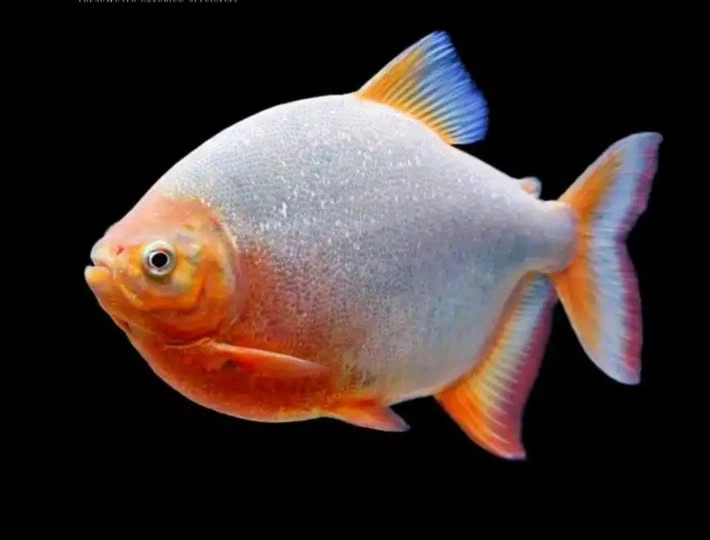
Pacu
Colossoma macropomum
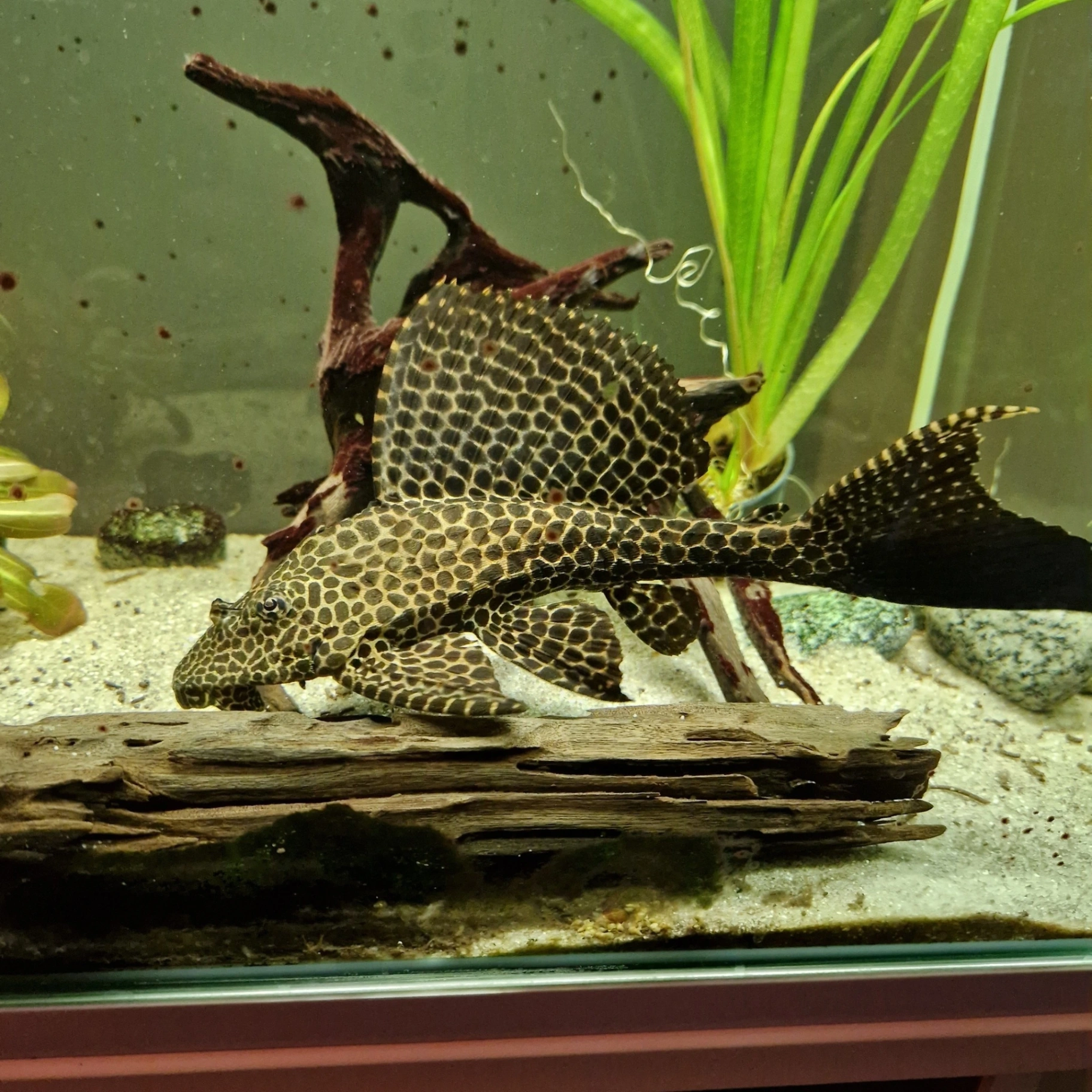
Sailfin Pleco
Pterygoplichthys gibbiceps
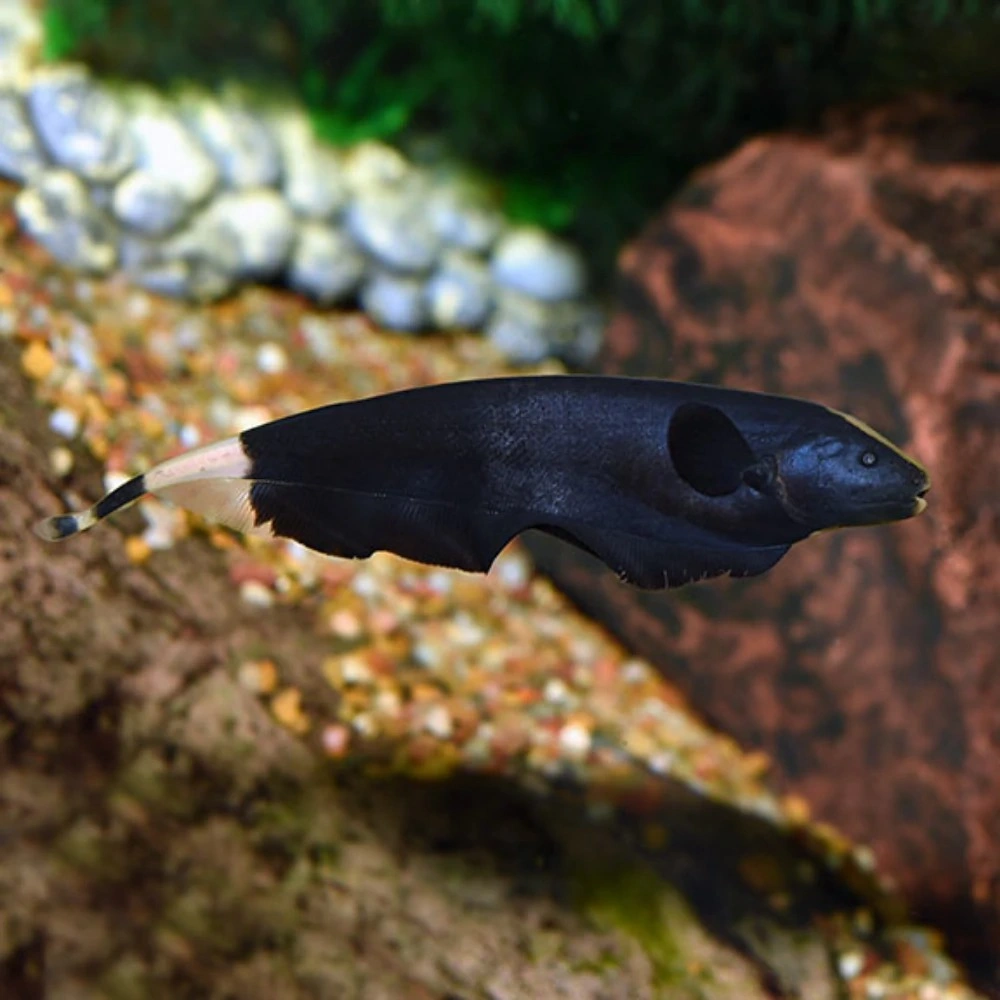
Black Ghost Knifefish
Apteronotus albifrons
Ready to Add Koi to Your Tank?
Use our free stocking calculator to check compatibility, bioload, and get personalized recommendations.