
Care Requirements
Adult Size
11.8" (30cm)
Min Tank
125 gal
Temperature
77-86°F
pH Range
6-7.5
Lifespan
20+ years
Min Group
5+ fish
Diet
Omnivore
Swim Level
Bottom
Bioload
7/10
Hardness
5-12 dGH
About Clown Loach
The Clown Loach is one of the most iconic freshwater fish in the hobby—and one of the most misunderstood. These brilliantly colored orange-and-black striped loaches are beloved for their personality, playful behavior, and fascinating social dynamics. They're the fish that sleep on their sides (looking dead), click audibly when excited, and pile together in communal sleeping spots.
However, clown loaches come with a serious commitment that many hobbyists don't anticipate. Those adorable 2-inch juveniles in pet stores can grow to 12+ inches and live over 20 years with proper care. They're highly social and need groups of 5 or more, meaning you're committing to housing several large fish for decades. Tank size requirements—125 gallons minimum, 180+ gallons recommended—reflect their adult needs, not their juvenile size.
Despite these demands, experienced fishkeepers consider clown loaches among the most rewarding fish to keep. Their intelligence, personality, and complex social behavior create an engaging experience unlike most other aquarium fish. Just be prepared for the long haul.
Natural Habitat & Origin
Clown loaches are native to the large rivers and flooded forests of Sumatra and Borneo in Indonesia. During monsoon season, they migrate from main river channels into flooded forest areas to spawn, returning to the rivers afterward. This migratory behavior explains why home breeding is virtually impossible—their reproductive cycle is tied to massive environmental changes impossible to replicate.
Their natural habitat features murky, slow-moving water with soft substrates and abundant hiding spots among roots and fallen wood. They're adapted to dim conditions, explaining their preference for subdued lighting and dawn/dusk activity patterns in aquariums.
Native Region
Indonesia—Sumatra and Borneo
Habitat Type
Large rivers and flooded forests during monsoon season
Wild Water Conditions
Warm (77-86°F), soft, acidic to neutral, murky slow-moving water
Appearance & Varieties
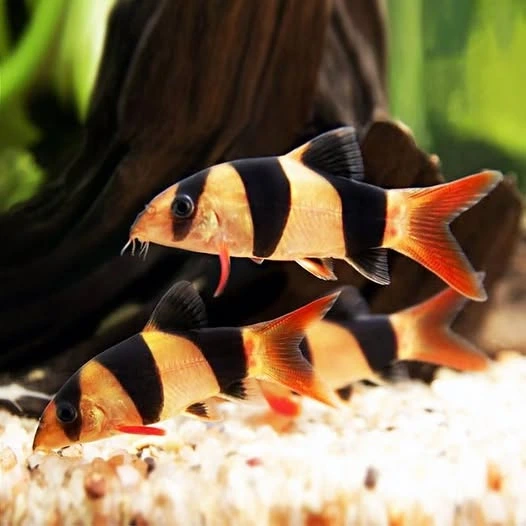
Clown loaches are unmistakable—bright orange bodies with three bold black vertical bands (one through the eye, two on the body) and striking red fins. Healthy specimens display vibrant orange coloration that becomes even more intense with proper care and diet.
They have the typical loach body shape: elongated, laterally compressed, with a downward-pointing mouth adapted for bottom feeding. Notably, they have sharp erectile spines under their eyes—a defense mechanism that can get caught in nets and cause injury to handlers. Adults can reach 12 inches (30 cm) in home aquariums, though wild specimens have been recorded even larger.
Tank Setup & Requirements
Quick Requirements Summary
Tank Size
Minimum Tank Size
125 gallons
Recommended Tank Size
150 gallons
Clown loaches require large aquariums—125 gallons minimum, 180+ gallons recommended—to accommodate their adult size and group requirements. Long tanks are preferable to tall ones, as they need swimming length at the bottom level.
Water Parameters
Temperature 77-86°F (25-30°C), pH 6.0-7.5, GH 5-15. They prefer warmer water, especially during ich treatment (more on that below). Very sensitive to water quality—pristine conditions are essential. Nitrates should stay below 20 ppm.
Substrate
Soft sand or smooth gravel is essential. Clown loaches dig and forage constantly, and sharp substrate can damage their sensitive barbels and undersides.
Plants & Decorations
Hardy, well-anchored plants work—they may uproot delicate specimens while foraging. More importantly, provide extensive hiding spots: caves, driftwood tunnels, large PVC pipes, and rock formations. They sleep in communal piles and need large caves that fit multiple fish.
Filtration & Water Flow
Strong filtration is absolutely essential. Clown loaches are messy eaters and produce significant waste. Overfilter the tank and maintain excellent biological filtration. Good oxygenation is critical—they're oxygen-dependent.
Lighting
Subdued lighting encourages natural behavior. They're more active during dawn and dusk periods and may hide during bright lighting.
Diet & Feeding Guide
Diet Type
omnivore
Feeding Frequency
2x daily
Portion Size
What the group consumes in 2-3 minutes
Clown loaches are enthusiastic omnivores with strong natural inclinations toward protein-rich foods. In the wild, they consume snails, worms, crustaceans, insect larvae, and plant matter. Their famous snail-eating ability makes them the hobby's premier pest snail control option.
Best Foods for Clown Loach
- Sinking pellets and wafers — Staple diet—choose high-quality brands
- Frozen bloodworms — Favorite food, excellent for conditioning
- Snails — Will eliminate pest snail populations with enthusiasm
- Frozen brine shrimp — Good variety food
- Live blackworms — Excellent treat, promotes natural hunting behavior
- Blanched vegetables — Cucumber, zucchini, melon for variety
Foods to Avoid
- Exclusively dry foods — Varied diet essential for long-term health
- Sharp-edged foods — Can damage their sensitive mouths
Feed after lights dim when they're most active. Vary their diet regularly for optimal health and coloration. They're famous for snail control—a group will eliminate pest snail populations completely.
Behavior & Temperament
Clown loach behavior is endlessly entertaining. They're famous for sleeping on their sides—a posture that panics new owners who think their fish is dead. This is completely normal, as is wedging into impossibly tight spaces to sleep. They also make audible clicking sounds using their pharyngeal teeth when excited or during feeding.
They're highly social, establishing hierarchies through playful chasing that rarely causes harm. Groups pile together when sleeping, sometimes in comical arrangements. They're intelligent fish that recognize their keepers and often beg for food.
Activity levels peak during dawn and dusk, with more subdued behavior during bright daylight. Healthy clown loaches are active foragers with good appetites and vibrant coloration. Stress manifests as faded colors, hiding, or isolation from the group.
Tank Mates: Compatibility Guide
Compatible Tank Mates
Different level, similar adult size, and neither is interested in the other
Rainbowfish
Good size match, peaceful, active
Large tetras (Congo, Buenos Aires)
Different level, similar water requirements
Peaceful cichlids (Severum, Geophagus)
Similar size, peaceful temperament
Large barbs (Tinfoil, Denison)
Active companions, similar requirements
Different level, peaceful coexistence
Giant Danios
Active, robust, good dither fish
Tank Mates to Avoid
Small fish
May be accidentally eaten by large adults
Aggressive cichlids
Will stress peaceful clown loaches
Snails
Will be eaten—they're famous snail eaters
Shrimp
Will be eaten as food
Slow long-finned fish
May be outcompeted for food
Common Pairing Questions
Can I use clown loaches to control pest snails?
Yes—they're the best snail control in the hobby. However, this requires committing to a 125+ gallon tank and 20+ year lifespan. Don't buy clown loaches just for snails unless you want to keep clown loaches.
Can I keep one clown loach?
Absolutely not. They're highly social and become stressed, shy, and may stop eating when kept alone. Minimum 5, preferably 6-8+. The group dynamic is essential to their wellbeing.
Are clown loaches aggressive?
No—they're peaceful despite their size. They establish hierarchies through playful chasing but rarely harm each other or tankmates. They're compatible with most peaceful community fish of appropriate size.
Clown loaches have never been successfully bred in home aquariums. Their natural breeding behavior involves massive migrations during monsoon season from rivers into flooded forests—conditions impossible to replicate at home.
All aquarium clown loaches are either wild-caught or commercially bred using hormone injections. This raises conservation concerns and is one reason hobbyists should commit long-term to specimens they purchase. Sexing is virtually impossible until fish are very mature, and even then females are only slightly plumper than males.
Health Issues & Disease Prevention
Clown loaches are notoriously susceptible to ich (white spot disease)—more so than almost any other aquarium fish. Their small scales provide less protection against parasites, and stress from transport makes new specimens especially vulnerable.
Common Diseases
| Disease | Symptoms | Treatment |
|---|---|---|
| Ich (White Spot Disease) | White spots covering body, scratching on objects | Raise temperature to 86°F, use half-dose medications—they're sensitive |
| Skinny disease | Wasting despite eating, sunken belly | Often internal parasites—treat with appropriate medication |
| Bacterial infections | Red streaks, ulcers, fin rot | Improve water quality, half-dose antibacterial medications |
Signs of a Healthy Clown Loach
- Bright orange coloration
- Active foraging behavior
- Good appetite
- Playful interaction with group
- Clicking sounds during feeding
Prevention Tips
- Quarantine for 4-6 weeks minimum—ich is almost guaranteed on new imports
- Use half-dose medications—clown loaches are sensitive to many treatments
- Maintain pristine water quality at all times
- Keep water warm (78-82°F) to discourage ich
- Be extremely careful when netting—their eye spines can get caught
Frequently Asked Questions
This is completely normal! Clown loaches are famous for sleeping in odd positions—on their sides, upside down, or wedged in crevices. It's not a sign of illness unless accompanied by other symptoms.
In home aquariums, 8-12 inches is common. In ideal conditions or the wild, they can reach 12+ inches. They grow slowly but live 20+ years. Plan for their adult size from the start.
No—they're highly social and stressed when alone. Minimum 5, preferably 6+. Solitary clown loaches become shy, stressed, and may stop eating. The group dynamic is essential to their wellbeing.
They have very small scales, making them more susceptible to parasites. Quarantine all new loaches for 4-6 weeks. Keep water warm (28-30°C) during treatment. They're sensitive to many medications—use half doses.
Tips for Keeping Clown Loach
Pro Tips
- ✓Quarantine for 4-6 weeks minimum—ich is almost guaranteed on new imports
- ✓They're a 20+ year commitment—think carefully before buying
- ✓Plan tank size for adult fish, not the cute juveniles in stores
- ✓They're the best snail control in the hobby—will eliminate pest snails
- ✓The clicking sound they make is normal and often indicates excitement
- ✓Provide multiple large caves—they sleep in piles together
- ✓Be careful netting them—they have sharp spines that can get caught
Common Mistakes to Avoid
- ✗Buying for small tanks—they need 125+ gallons as adults
- ✗Keeping alone or in pairs—they need groups of 5+
- ✗Not quarantining—ich is extremely common and deadly
- ✗Underestimating their lifespan—20+ years
- ✗Using sharp substrate—they dig and can injure themselves
- ✗Full-dose medications—they're sensitive, use half doses
- ✗Not providing enough hiding spots
Sources
- FishBase — Accepted scientific name, maximum size and native range for Clown Loach.
Related Species You Might Like
View All Fish →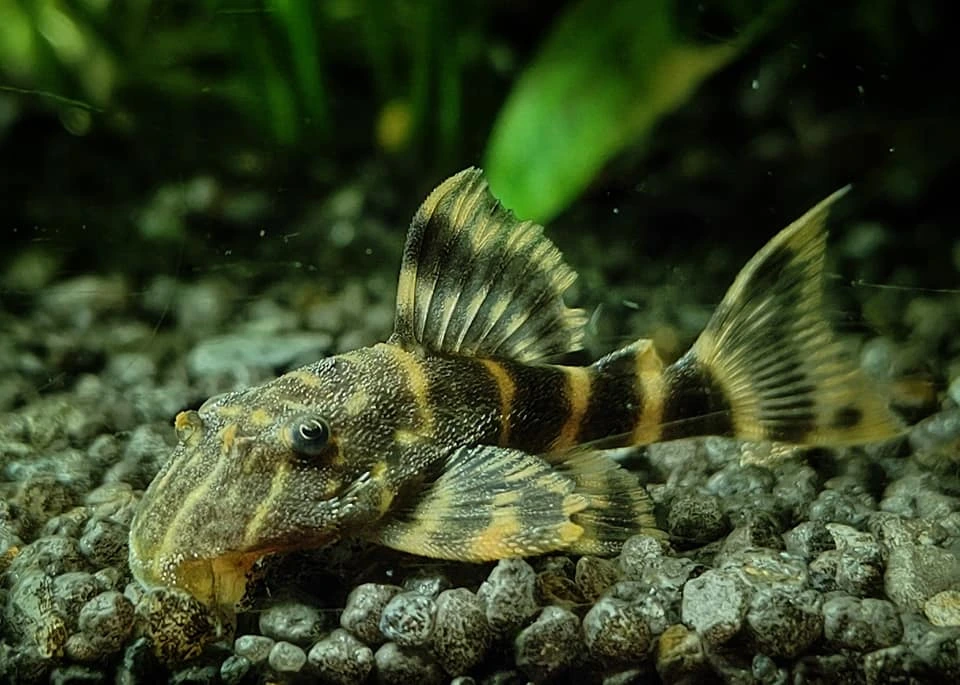
Clown Pleco
Panaqolus maccus

Bala Shark
Balantiocheilos melanopterus
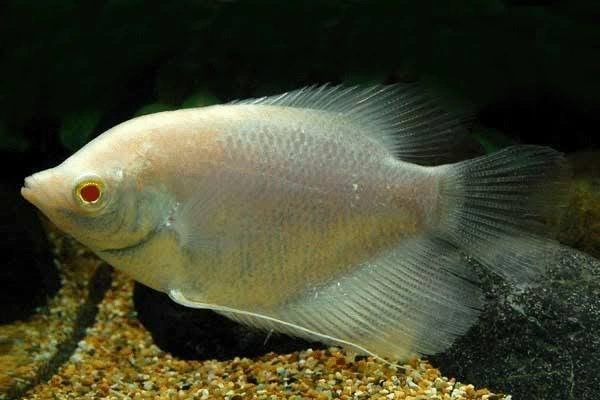
Giant Gourami
Osphronemus goramy
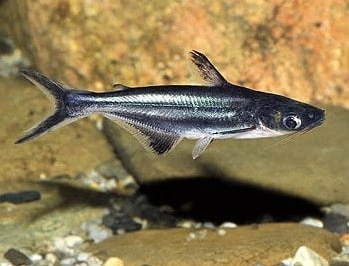
Iridescent Shark
Pangasianodon hypophthalmus
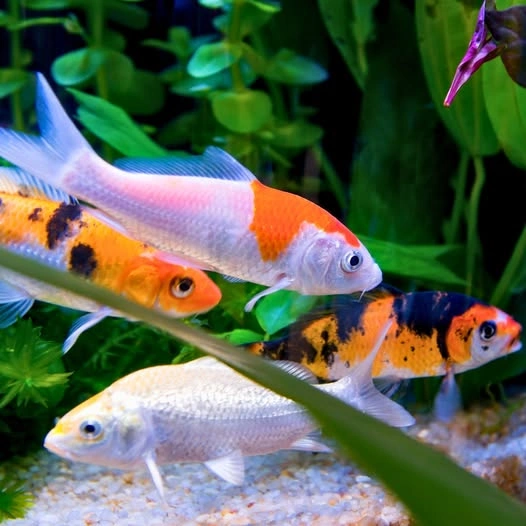
Koi
Cyprinus rubrofuscus
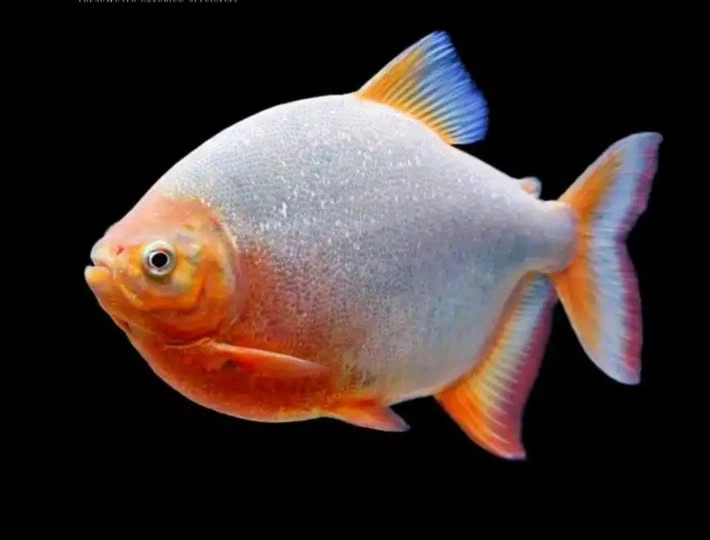
Pacu
Colossoma macropomum
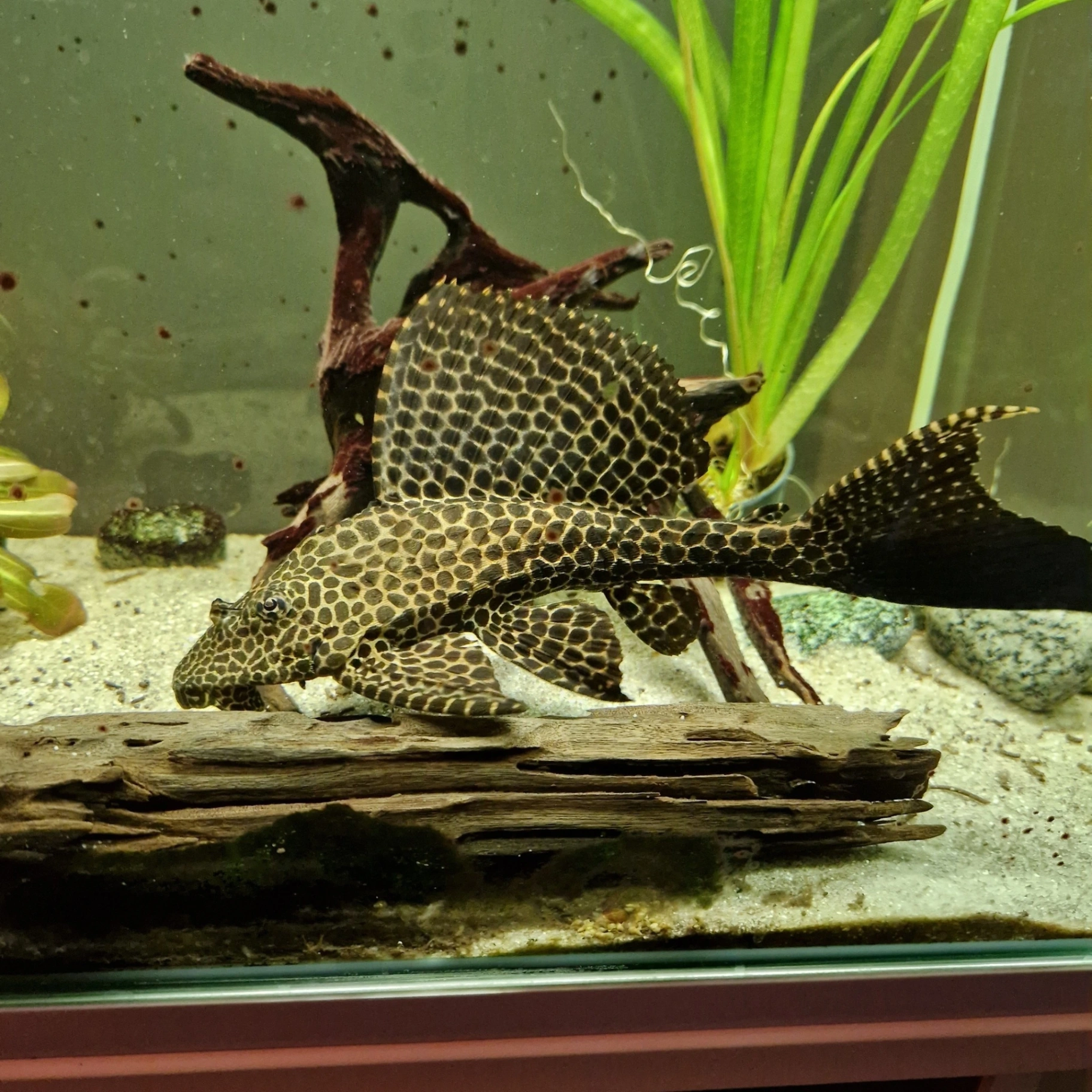
Sailfin Pleco
Pterygoplichthys gibbiceps
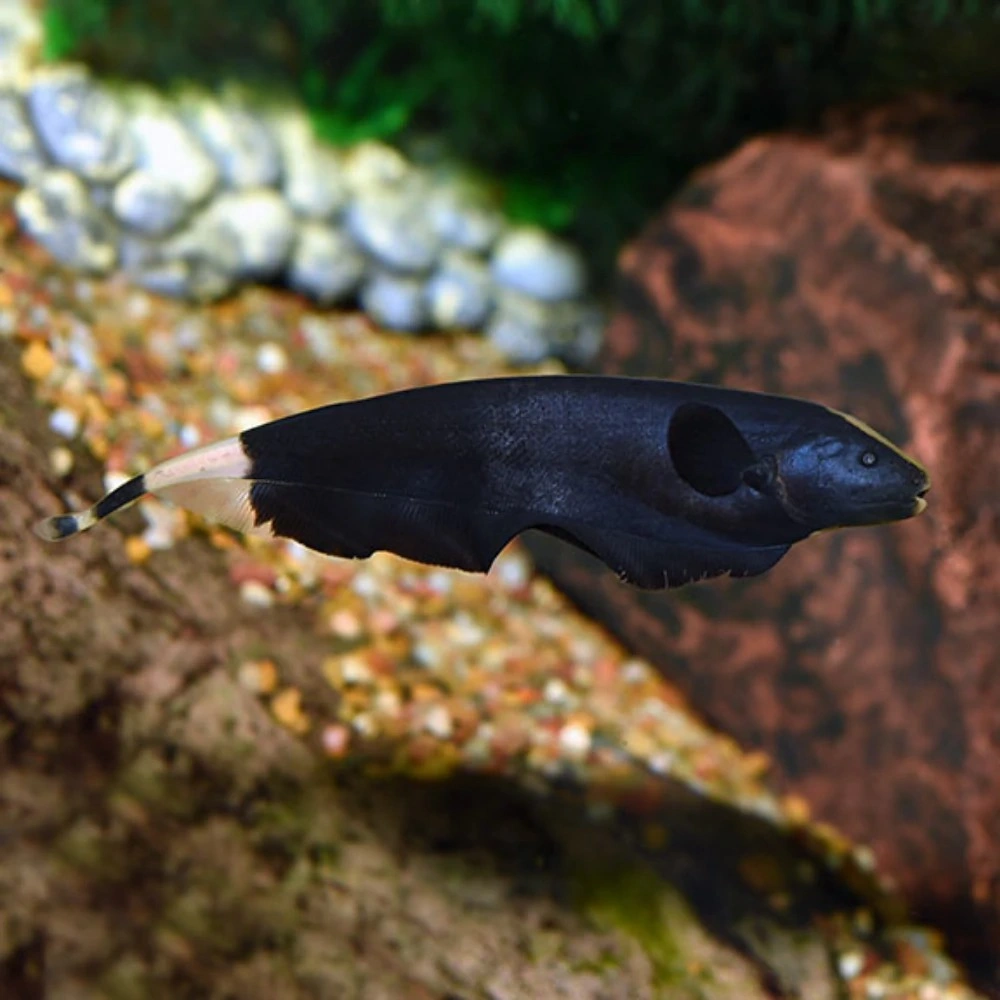
Black Ghost Knifefish
Apteronotus albifrons
Ready to Add Clown Loach to Your Tank?
Use our free stocking calculator to check compatibility, bioload, and get personalized recommendations.