
Care Requirements
Adult Size
23.6" (60cm)
Min Tank
210 gal
Temperature
68-86°F
pH Range
6.5-8
Lifespan
20-25 years
Min Group
Can be kept alone
Diet
Omnivore
Swim Level
All
Bioload
5/10
Hardness
5-25 dGH
About Giant Gourami
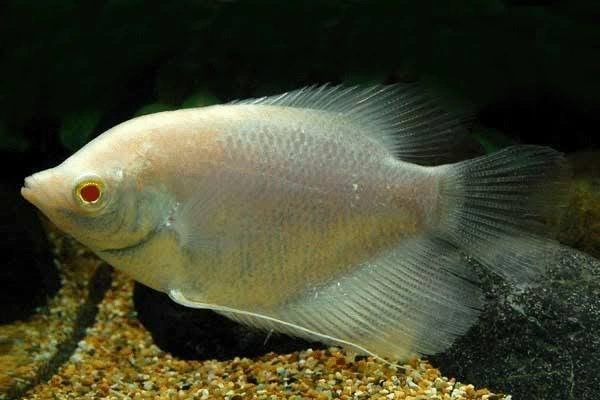
The Giant Gourami is exactly what its name promises — a massive fish reaching 2 feet (60 cm) and 20+ pounds in optimal conditions. They're sold as 2-3 inch juveniles, often with no indication of their true adult size, creating one of fishkeeping's most egregious examples of irresponsible sales.
For keepers who can accommodate them, Giant Gouramis are among the most rewarding aquarium fish. Their intelligence exceeds typical fish expectations — they recognize individual keepers, respond to their names, accept hand feeding, and display genuine personality. Long-term owners describe them as 'underwater dogs' with individual quirks and interactive behavior.
Their diet trends heavily herbivorous despite omnivorous capability. Vegetables, fruits, and plant matter should constitute the majority of their diet. They accept an extraordinary range of foods: lettuce, spinach, banana, watermelon, peas, and commercially-prepared foods.
The commitment required cannot be overstated. A 20-25 year lifespan means these fish may outlive marriages, careers, and residences. Tank requirements (200+ gallons minimum, realistically 500+) exceed what most hobbyists can provide.
Natural Habitat & Origin
Giant Gouramis originate from Indonesia — Java, Sumatra, and Borneo — inhabiting slow-moving rivers, swamps, lakes, and canals. Their adaptability has enabled successful introduction throughout Southeast Asia where they're valued as food fish.
Natural habitat features warm, often murky water with abundant vegetation. As labyrinth fish, atmospheric air breathing allows colonization of oxygen-poor waters.
Wild diet is primarily vegetarian — aquatic plants, terrestrial vegetation falling into water, fruits, and whatever plant matter is available. They supplement with insects and small animals opportunistically.
Aquaculture for food is well-established throughout Asia. Their hardiness, vegetable-based diet, and rapid growth make farming economical.
Native Region
Southeast Asia — Indonesia (Java, Sumatra, Borneo), widely introduced
Habitat Type
Slow rivers, swamps, lakes, canals, ponds
Wild Water Conditions
Warm (20-30°C), variable chemistry, often turbid
Appearance & Varieties
Giant Gourami juveniles display pointed heads and vertical banding that transforms dramatically with age. Adults develop massive, bulky bodies with thick lips, rounded heads, and overall coloration shifting to grey, gold, or pink depending on variant.
Adult size reaches 60+ cm (2+ feet) with weights exceeding 9 kg (20 lbs). Even 'stunted' specimens reach 12-18 inches.
Several color variants exist: wild-type grey/silvery, golden/albino forms, and pink/red variants. All reach similar sizes and share care requirements.
Sexing becomes possible as fish mature — males develop nuchal humps (forehead swelling) and more pointed dorsal fins. Females remain rounder-headed.
Popular Varieties
| Variety | Description | Rarity |
|---|---|---|
| Wild-Type (Grey) | Grey to silver-grey body with darker markings. Natural coloration. Common in trade. | Common |
| Golden/Albino | Yellow to gold body lacking dark pigmentation. Popular variant offering bright coloration. | Common |
| Pink/Red | Pale pink to reddish body coloration. Attractive variant popular in Asian markets. | Moderately Common |
Tank Setup & Requirements
Quick Requirements Summary
Tank Size
Minimum Tank Size
210 gallons
Recommended Tank Size
400 gallons
Giant Gourami housing requirements are effectively pond-scale. Standard aquariums rarely suffice for adult specimens.
Water Parameters
Remarkably adaptable to various conditions — their hardiness is one reason they're farmed successfully. They tolerate temperature ranges from subtropical through tropical. Water chemistry flexibility makes housing easier than their size might suggest.
Substrate
Large gravel or sand works. They'll rearrange substrate regardless. Choose based on maintenance convenience.
Plants & Decorations
They'll move anything not anchored securely. Small decorations become hazards or toys. Large rocks, heavy driftwood, and minimal decor works best. Any vegetation is salad, not decoration — they eat plants.
Filtration & Water Flow
Massive filtration capacity is essential. Large sump systems, multiple canister filters, or pond-rated equipment handles their waste production. Plan for adult bioload, not juvenile needs.
Lighting
No special requirements. Standard lighting works. They're not light-sensitive.
Diet & Feeding Guide
Diet Type
omnivore
Feeding Frequency
1-2 times daily for adults, more frequently for growing juveniles
Portion Size
Substantial amounts — adults consume significant quantities of vegetables daily. Monitor body condition to adjust quantities.
Giant Gouramis are primarily herbivorous, with vegetables and plant matter forming the dietary foundation. Their enthusiasm for produce makes feeding economical despite their size.
Best Foods for Giant Gourami
- Romaine lettuce — Dietary staple. Readily consumed in large quantities. Economical source of roughage.
- Spinach — Nutritious greens eagerly accepted. Blanching optional for these strong feeders.
- Peas — Good fiber and nutrition. Shell them for easier consumption.
- Zucchini/Squash — Well-accepted vegetables. Slice for appropriate portions.
- Fruits (banana, watermelon, melon) — Treats accepted enthusiastically. Don't overdo sugary fruits.
- High-quality pellets — Large cichlid pellets or koi pellets supplement diet.
- Occasional protein — Earthworms, shrimp, fish pieces — accepted but shouldn't dominate diet.
Foods to Avoid
- Exclusively protein diet — They need plant matter as dietary foundation. Protein-heavy feeding causes health issues.
- Low-quality pellets — Cheap foods lack nutrition their size demands.
- Overfeeding fruits — Sugar content means fruits should be occasional treats, not staples.
Their herbivorous nature makes them economical to feed despite impressive size. A head of romaine lettuce disappears quickly but costs little.
Behavior & Temperament
Giant Gouramis display intelligence that surprises keepers expecting typical fish behavior. They recognize individual people, respond to names and voices, actively interact with keepers, and display problem-solving abilities. Long-term owners consistently describe dog-like characteristics.
Despite their size, they're generally peaceful. Aggression is uncommon except between rival males or during breeding. Their peaceful nature makes them gentle giants.
They're aware of their surroundings in ways smaller fish aren't — watching household activity, responding to familiar people, becoming excited at feeding time before food appears.
Territory establishment occurs through displays rather than violence. Their intelligence means they remember conflicts and social dynamics can be surprisingly complex.
Tank Mates: Compatibility Guide
Compatible Tank Mates
Tank Mates to Avoid
Any fish they can eat
Despite peaceful nature, mouth-sized fish eventually become food.
Aggressive fish
While Giants can hold their own, highly aggressive cichlids create stress.
Standard aquarium fish
The tank requirements preclude keeping typical community fish.
Shrimp and invertebrates
Natural prey items. Will be consumed.
Common Pairing Questions
Can Giant Gouramis live in a 75-gallon tank?
No — not humanely for adults. They require 200+ gallons minimum, with 400+ gallons recommended.
Are Giant Gouramis aggressive?
Generally no — they're peaceful despite their size. Aggression is rare except between rival males during breeding.
Giant Gourami breeding typically requires pond conditions. They're bubble nest builders with male parental care.
Sexing mature specimens: males develop pronounced nuchal humps and longer, more pointed dorsal fins. Females remain rounder-headed.
Males construct substantial bubble nests using plant material. Males guard nests aggressively. Fry hatch in 24-48 hours. Raising fry requires massive culture space.
Health Issues & Disease Prevention
Giant Gouramis are hardy fish that tolerate conditions killing smaller species. Most health issues stem from inadequate housing or poor diet.
Common Diseases
| Disease | Symptoms | Treatment |
|---|---|---|
| Hole-in-the-head (HITH) | Pitting, lesions on head and lateral line areas. | Improve diet (more vegetables, vitamin-rich foods), improve water quality. |
| Bacterial infections | Fin rot, body ulcers, lethargy, redness. | Large water changes, antibacterial medication. Treating fish this size requires substantial medication quantities. |
| Ich | White spots, flashing, clamped fins. | Raise temperature, salt treatment. Standard ich medications at appropriate doses for water volume. |
| Bloat | Swollen abdomen, loss of appetite, lethargy. | Fast for several days, then offer fiber-rich foods (peas). Often results from dietary issues. |
| Stunting/deformity | Undersized fish with curved spines or deformed features. | Prevention only — results from inadequate housing during growth. Irreversible. |
Signs of a Healthy Giant Gourami
- Active interest in environment and keeper
- Good appetite
- Clear eyes
- Full body condition
- Responsive personality
- Normal swimming
Prevention Tips
- Provide adequate tank size — this solves most problems
- Feed vegetable-rich diet
- Maintain water quality with appropriate filtration
- Don't overstock
- Monitor for early disease signs
Frequently Asked Questions
Up to 60 cm (2 feet) and 9+ kg (20+ lbs) in optimal conditions. Even 'stunted' fish typically reach 12-18 inches. The 2-3 inch juveniles give no indication of eventual size.
No — not humanely for adults. They require 200+ gallons minimum, with 400+ gallons recommended. Keeping in undersized tanks causes stunting and deformity.
Yes — remarkably so. They recognize individual keepers, respond to names, anticipate feeding times, and display distinct personalities. Long-term owners describe dog-like characteristics.
Primarily vegetables — romaine lettuce, spinach, peas, zucchini, and various fruits as treats. They accept commercial pellets and occasional protein but diet should be plant-based.
20-25 years with proper care — longer than many dogs. This exceptional lifespan makes them a serious commitment comparable to getting a pet.
Economics — juveniles are cute, cheap to transport, and easy to sell. Stores rarely mention adult size because doing so would reduce sales.
Tips for Keeping Giant Gourami
Pro Tips
- ✓Plan for full adult size before purchasing — if you can't provide 200+ gallon housing, don't buy.
- ✓Treat them as pets, not fish — their intelligence warrants companion-animal consideration.
- ✓Vegetables are the dietary foundation — romaine lettuce, spinach should form most of their diet.
- ✓Stock tanks and indoor ponds are practical housing — standard aquariums large enough are expensive.
Common Mistakes to Avoid
- ✗Purchasing without understanding adult size — cute juvenile becomes 2-foot, 20-lb fish.
- ✗Planning to 'upgrade later' — upgrades rarely happen, fish suffers stunting.
- ✗Feeding primarily protein — health problems including bloat and fatty liver.
- ✗Underestimating lifespan — 20+ year commitment exceeds most hobbyist timeframes.
- ✗Insufficient filtration — water quality problems from underestimating waste production.
Sources
- FishBase — Accepted scientific name, maximum size and native range for Giant Gourami.
Related Species You Might Like
View All Fish →
Glass Catfish
Kryptopterus vitreolus

Bala Shark
Balantiocheilos melanopterus
Clown Loach
Chromobotia macracanthus
Iridescent Shark
Pangasianodon hypophthalmus
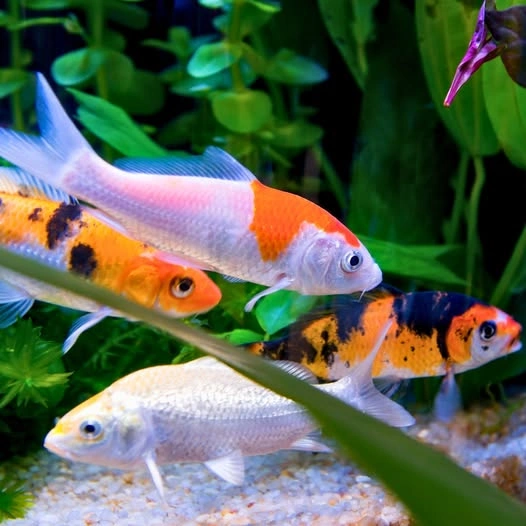
Koi
Cyprinus rubrofuscus
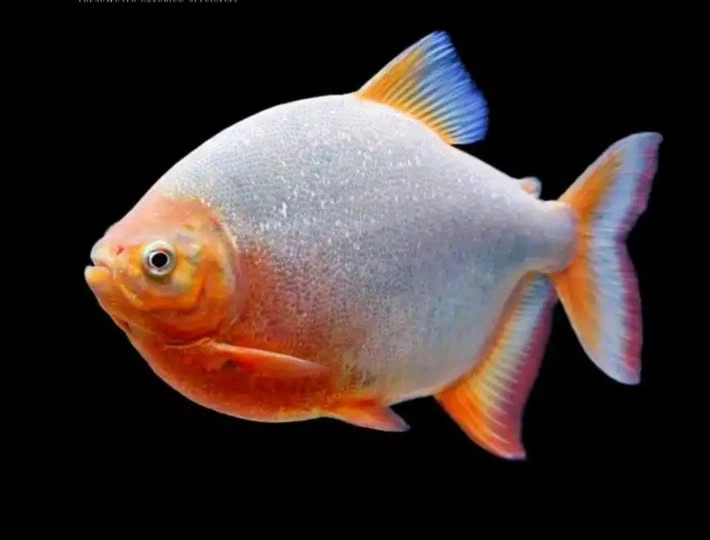
Pacu
Colossoma macropomum
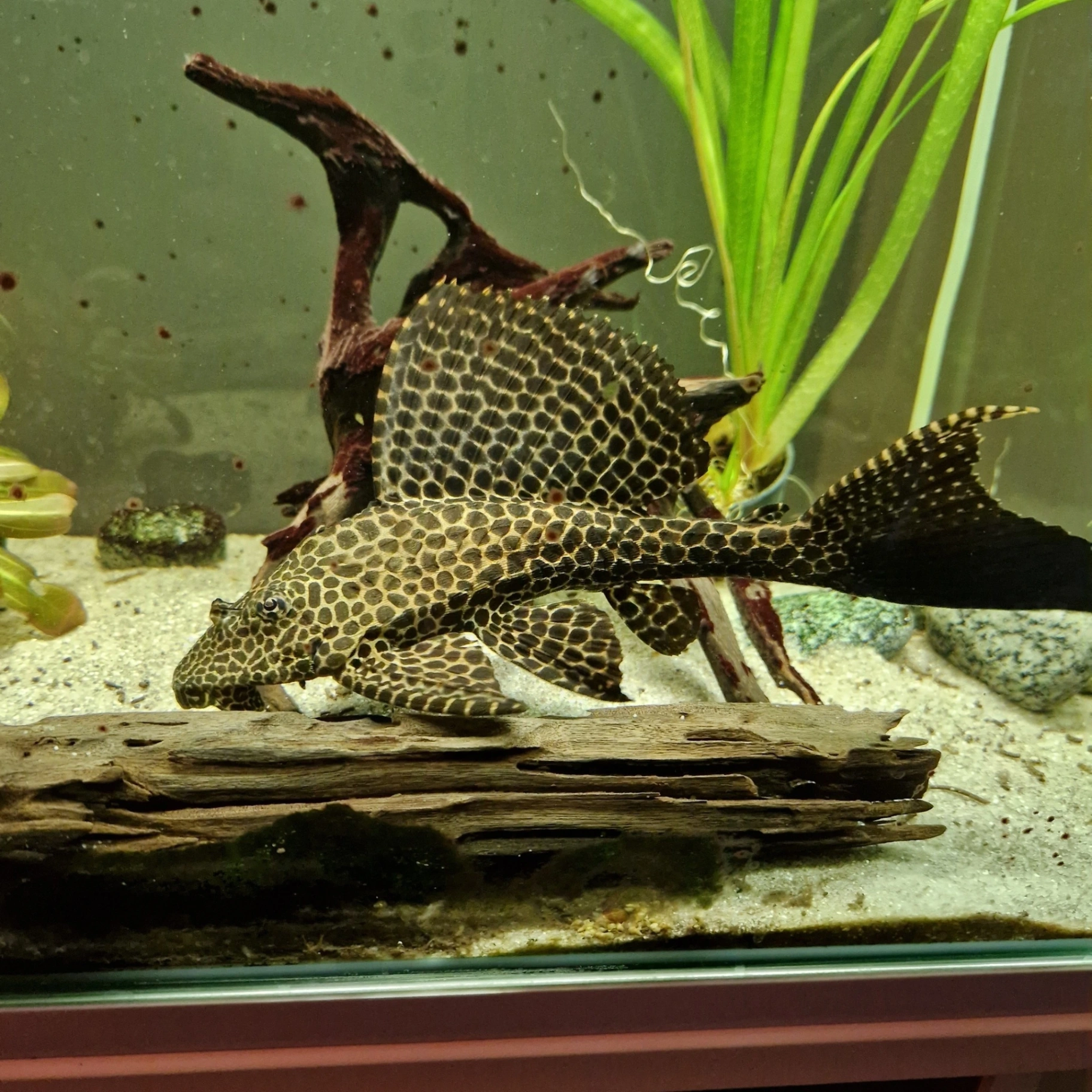
Sailfin Pleco
Pterygoplichthys gibbiceps
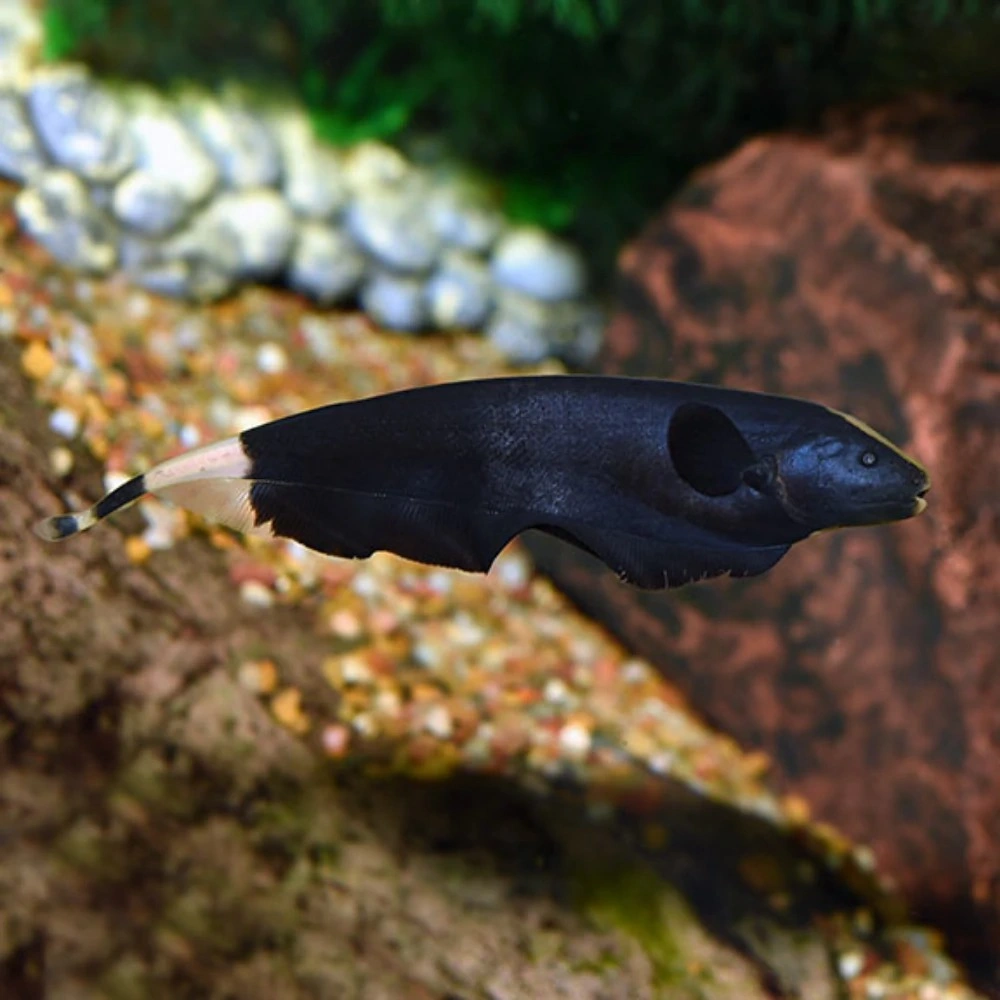
Black Ghost Knifefish
Apteronotus albifrons
Ready to Add Giant Gourami to Your Tank?
Use our free stocking calculator to check compatibility, bioload, and get personalized recommendations.