
Care Requirements
Adult Size
3.1" (8cm)
Min Tank
30 gal
Temperature
75-82°F
pH Range
6.5-7.5
Lifespan
7-8 years
Min Group
6+ fish
Diet
Carnivore
Swim Level
Middle
Bioload
2/10
Hardness
4-12 dGH
About Glass Catfish
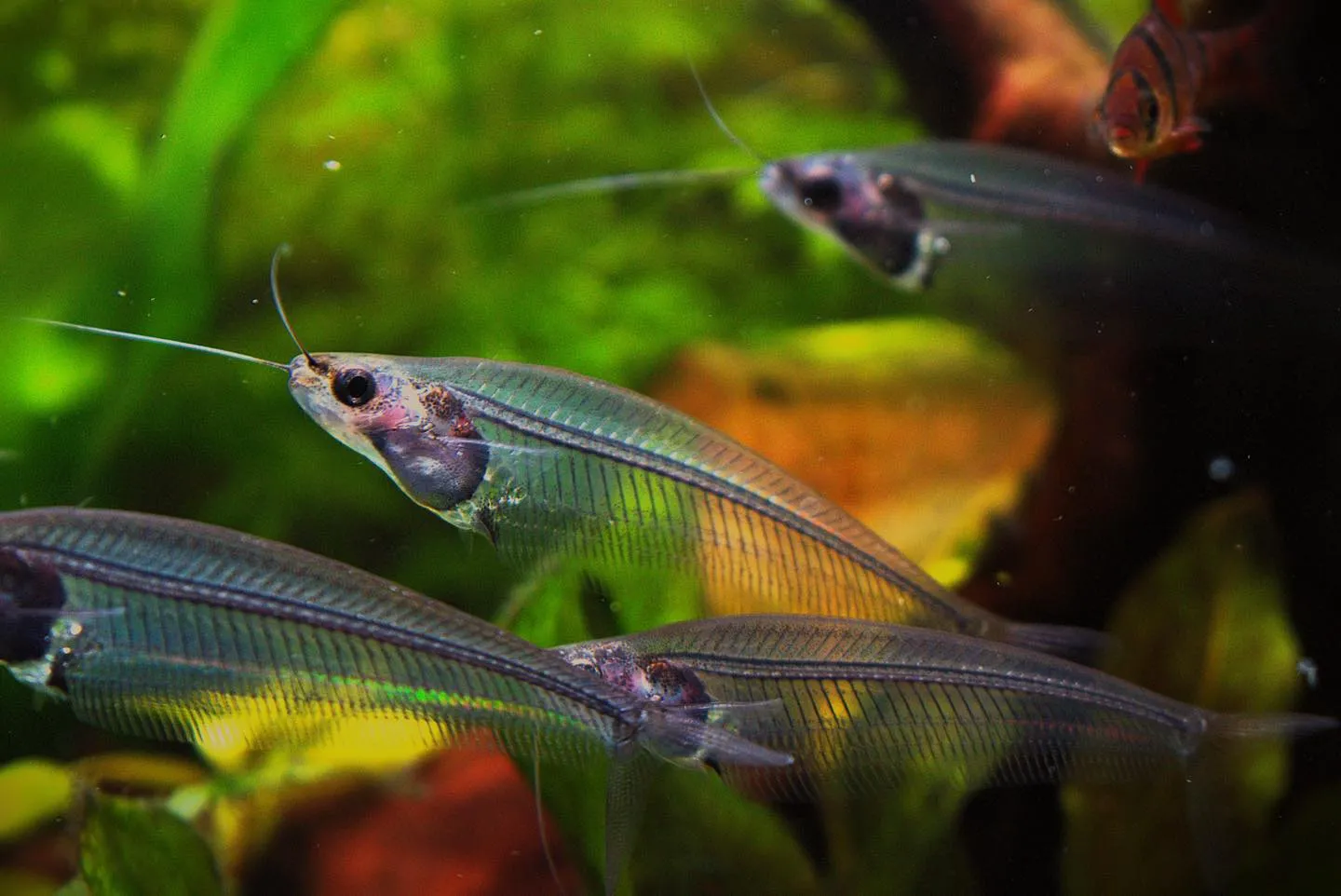
The Glass Catfish is one of the most unique fish in the aquarium hobby—a completely transparent catfish where you can see the spine, internal organs, and even the beating heart. Their ethereal, ghost-like appearance makes them instantly recognizable and endlessly fascinating.
Unlike virtually all other catfish, Glass Catfish don't rest on the bottom. Instead, they hover mid-water in schools, facing into gentle current, barely moving. A group of healthy Glass Catfish hovering together is an almost otherworldly sight.
Their transparency serves as a built-in health indicator. Healthy Glass Catfish are crystal clear; stressed or sick fish turn milky white or opaque. This makes problems immediately visible but also means they're sensitive fish that require stable, mature tanks and peaceful conditions.
Natural Habitat & Origin
Glass Catfish are native to Southeast Asia, primarily Thailand's Chao Phraya and Mekong river basins. They inhabit slow-moving streams, rivers, and flooded forests with murky water and dense vegetation.
In their natural habitat, their transparency provides camouflage in turbid, vegetated water where they're nearly invisible to predators. They're found in schools among submerged plants and structure, hovering in areas of gentle current. This explains their unique mid-water hovering behavior in aquariums.
Native Region
Thailand (Chao Phraya and Mekong river basins)
Habitat Type
Slow-moving streams, rivers, and flooded forests with vegetation
Wild Water Conditions
Warm (75-82°F), soft to moderately hard, neutral to slightly acidic
Appearance & Varieties
Glass Catfish reach about 3 inches (8 cm) and have an elongated, laterally compressed body that's completely transparent. You can clearly see their spine running the length of their body, their internal organs clustered near the head, and even their heart beating.
They have two long barbels extending from their nose used to detect food and navigate. Unlike most catfish, they lack an adipose fin and have a unique body shape adapted for mid-water hovering. Their transparency is their most striking feature—and their most important health indicator.
Tank Setup & Requirements
Quick Requirements Summary
Tank Size
Minimum Tank Size
30 gallons
Recommended Tank Size
40 gallons
Glass Catfish require stable, mature tanks with excellent water quality. They're sensitive to parameter swings and need peaceful conditions to thrive.
Water Parameters
Temperature 75-82°F (24-28°C), pH 6.5-7.5, hardness 4-15 dGH. They're sensitive to ammonia, nitrite, and high nitrate. Pristine, stable water quality is essential.
Substrate
Dark substrate shows off their transparency best—black sand is ideal. Their ghostly appearance really pops against dark backgrounds.
Plants & Decorations
Heavily planted tanks essential—provides security and mimics natural habitat. Tall plants create the shaded areas they prefer. Driftwood and dense vegetation create appropriate hovering areas.
Filtration & Water Flow
Gentle to moderate flow—they like some current to hover in but not strong flow. Position filter output where you want them to school—they face into current. Excellent water quality is critical.
Lighting
Subdued lighting mandatory. They're from shaded habitats and stress under bright lights. Floating plants help naturally dim lighting.
Diet & Feeding Guide
Diet Type
carnivore
Feeding Frequency
1-2x daily
Portion Size
Small amounts—they're delicate eaters
Glass Catfish are carnivores that feed mid-water. They often ignore flakes and foods that sink too quickly—frozen foods work best.
Best Foods for Glass Catfish
- Frozen bloodworms — Primary food—they readily accept these
- Frozen brine shrimp — Excellent staple
- Frozen daphnia — Good variety
- Frozen mysis shrimp — Protein-rich option
- Live baby brine shrimp — Ideal for finicky eaters
- Micro pellets (sinking) — May accept once settled
Foods to Avoid
- Large foods — They have small mouths
- Exclusively dry food — Often ignored—need frozen/live foods
- Fast-sinking foods — They feed mid-water, not bottom
They're mid-water feeders—food must be suspended or sinking slowly. May not eat from the surface or bottom. Frozen foods work best. They're shy eaters and may be outcompeted by faster tankmates.
Behavior & Temperament
Glass Catfish display unique behavior for catfish—they hover mid-water in schools rather than resting on the bottom. A healthy school hovers together facing into gentle current, barely moving, creating an almost surreal display.
They're extremely social and must be kept in groups of 6 or more. Alone or in small groups, they become stressed, hide constantly, and often die. Their transparency is a built-in stress indicator—healthy fish are crystal clear, while stressed or sick fish turn milky white.
Tank Mates: Compatibility Guide
Compatible Tank Mates
Peaceful, similar requirements
Calm schooling companion
Peaceful bottom dwellers
Gentle, peaceful companion
Generally safe with adult shrimp
Peaceful, won't compete for food
Tank Mates to Avoid
Large aggressive fish
Will stress or eat them
Boisterous species
Too much activity causes chronic stress
Fast competitive eaters
Will outcompete them for food
Fin nippers
Will damage their delicate bodies
Common Pairing Questions
Why is my Glass Catfish turning white/milky?
This is a serious stress indicator. Causes include poor water quality, inadequate school size, aggressive tankmates, disease, or improper conditions. Address the cause immediately—prolonged opacity often precedes death.
Can I keep just one or two Glass Catfish?
No—they require groups of 6 minimum, ideally 8-12+. They're highly social and will not thrive without a school. Alone or in pairs, they become stressed, stop eating, and usually die.
Glass Catfish are rarely bred in home aquariums. Little documentation exists about their breeding behavior in captivity.
Breeding would likely require a mature planted tank, soft acidic water, a large healthy school, and possibly simulated seasonal changes. Reported spawning involves scattering eggs among plants with no parental care.
Don't expect to breed them. Focus on keeping them healthy and stress-free. The lack of commercial breeding means most specimens are wild-caught.
Health Issues & Disease Prevention
Glass Catfish are more sensitive than many fish and require stable, pristine conditions. Their transparency makes health problems visible—literally.
Common Diseases
| Disease | Symptoms | Treatment |
|---|---|---|
| Ich (White Spot Disease) | White spots visible through transparent body, flashing, lethargy | Raise temperature carefully, treat with ich medication at reduced dose |
| Stress-related Illness | Turning milky/opaque, hiding, not eating, isolation | Address cause—water quality, school size, tankmates, lighting |
| Bacterial Infections | Opacity, red patches, fin deterioration, lethargy | Antibacterial medication, improve water quality |
Signs of a Healthy Glass Catfish
- Crystal clear transparency
- Visible internal organs and spine
- Hovering in school
- Good appetite
- Active barbels
- Upright posture
Prevention Tips
- Maintain pristine, stable water quality
- Keep in groups of 6+
- Provide subdued lighting
- Choose peaceful tankmates only
- Use mature, cycled tanks only
Frequently Asked Questions
Their transparency is camouflage—in murky, vegetated water they're nearly invisible to predators. The lack of pigmentation and reflective compounds in their skin and muscles allows light to pass through, making only their spine and organs visible.
This is a serious stress indicator. Causes include poor water quality, inadequate school size, aggressive tankmates, disease, or improper conditions. Address the cause immediately—prolonged opacity often precedes death.
No—they require groups of 6 minimum, ideally 8-12+. They're highly social and will not thrive without a school. Alone or in pairs, they become stressed, stop eating, and usually die.
This is completely normal behavior. Unlike most catfish, they hover mid-water facing into gentle current rather than resting on the bottom. A school hovering together is a sign of healthy, comfortable fish.
Moderately challenging. They require stable, pristine water quality, must be kept in groups of 6+, need peaceful tankmates, and are sensitive to stress. Not recommended for new tanks or beginners. Best for established, mature aquariums.
Primarily frozen meaty foods—bloodworms, brine shrimp, daphnia. They're carnivores that feed mid-water. They may ignore flakes and foods that sink too quickly. Live foods are ideal but frozen works well.
Tips for Keeping Glass Catfish
Pro Tips
- ✓Transparency is your health indicator—cloudy fish are stressed fish
- ✓Buy at least 6 together—never add singles to a tank
- ✓They face into current—position filter output where you want them to school
- ✓One of the only catfish that swims mid-water—unique display fish
- ✓Dark background and substrate shows off their transparency best
- ✓Feed frozen foods for best acceptance—they often ignore flakes
- ✓Mature, stable tanks only—they don't tolerate new tank syndrome
- ✓Floating plants reduce stress by dimming light and providing security
Common Mistakes to Avoid
- ✗Keeping fewer than 6—they need a proper school
- ✗New or unstable tanks—they need mature, stable water
- ✗Bright lighting—stresses them and reduces their unique appearance
- ✗Boisterous tankmates—too much activity causes chronic stress
- ✗Only feeding flakes—they're carnivores needing frozen/live foods
- ✗Ignoring opacity—milky color is a warning sign, not normal
- ✗Expecting bottom-dwelling behavior—they hover mid-water
- ✗Poor water quality—they're more sensitive than most fish
Sources
- FishBase — Accepted scientific name, maximum size and native range for Glass Catfish.
Related Species You Might Like
View All Fish →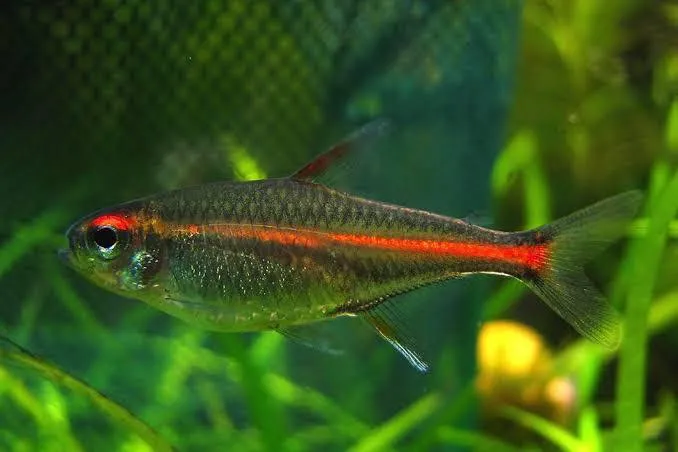
Glowlight Tetra
Hemigrammus erythrozonus
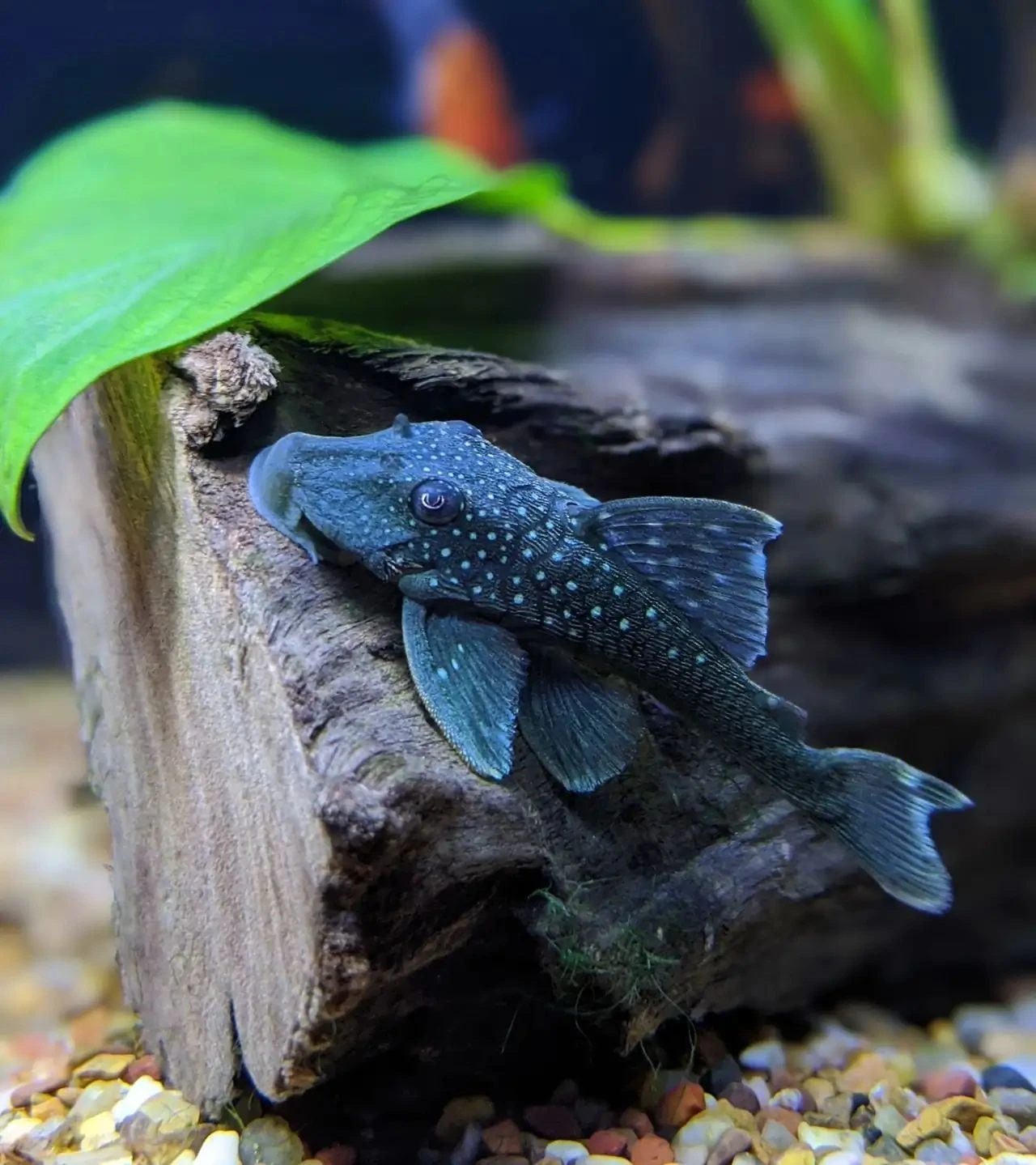
Blue Phantom Pleco
Hemiancistrus sp.
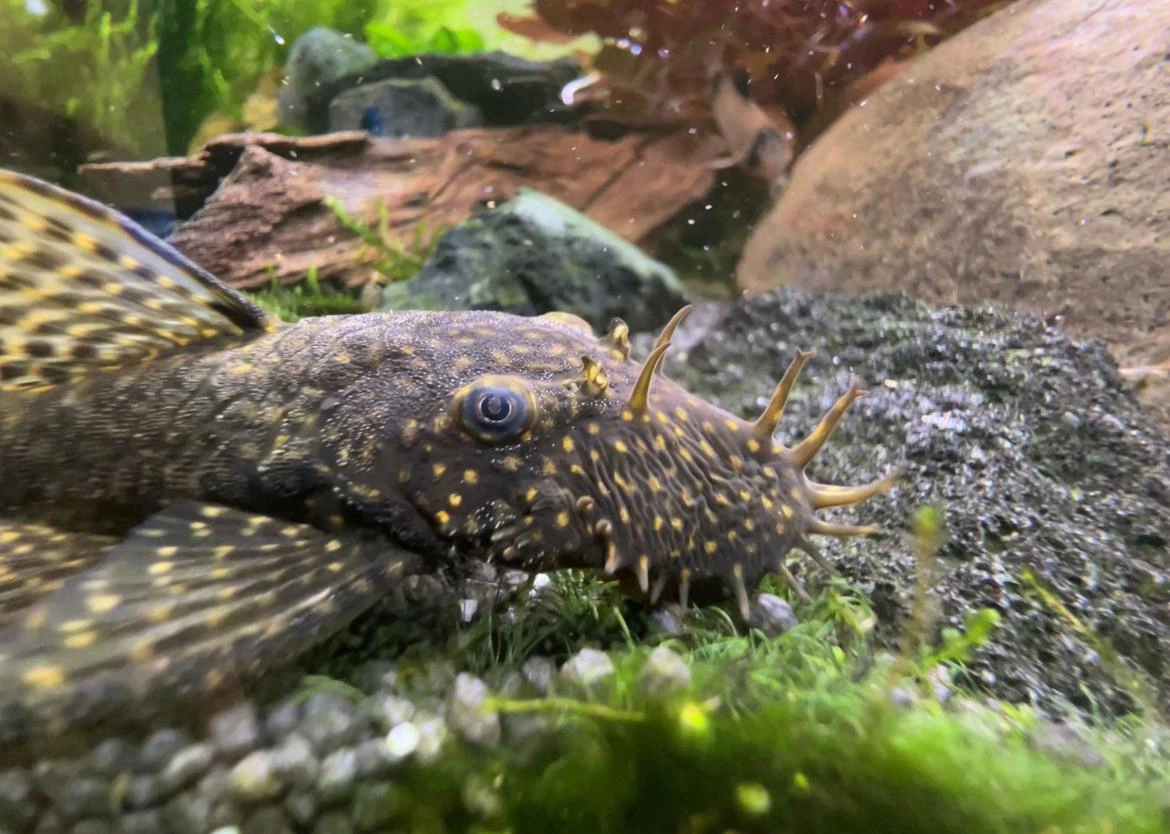
Bristlenose Pleco
Ancistrus sp.
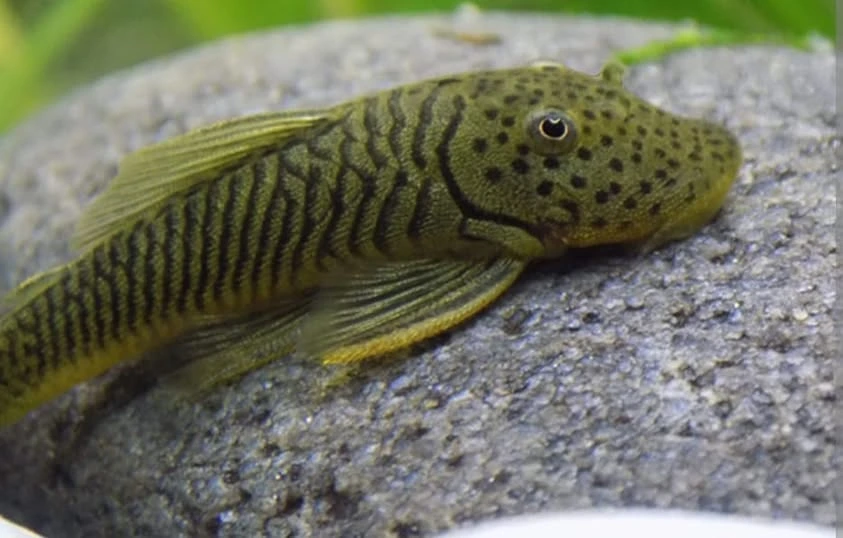
Rubber Lip Pleco
Chaetostoma formosae
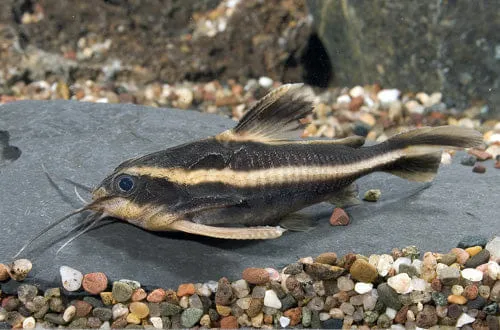
Striped Raphael Catfish
Platydoras armatulus
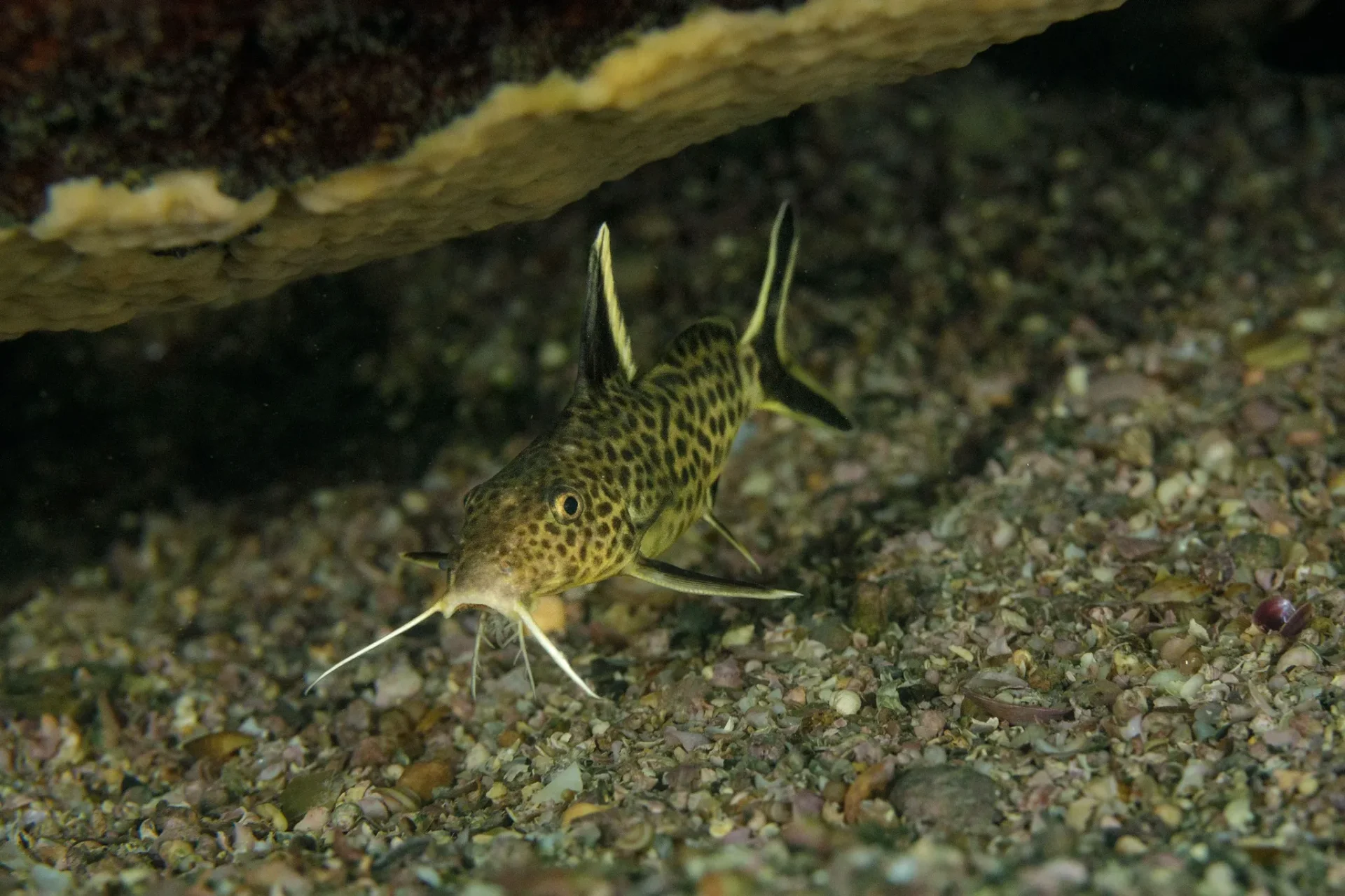
Synodontis Petricola
Synodontis petricola
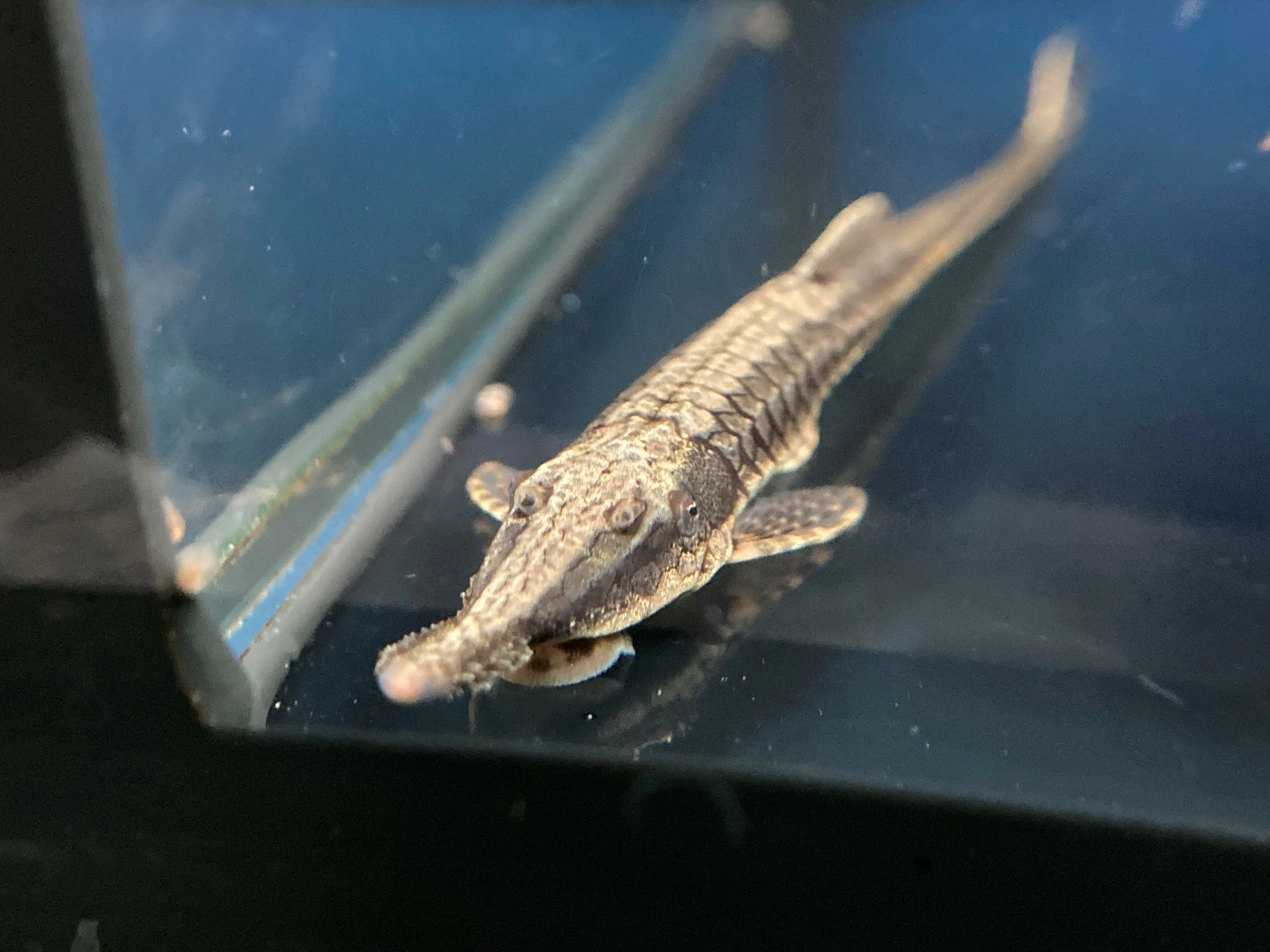
Twig Catfish
Farlowella acus
Upside Down Catfish
Synodontis nigriventris
Ready to Add Glass Catfish to Your Tank?
Use our free stocking calculator to check compatibility, bioload, and get personalized recommendations.