
Care Requirements
Adult Size
1.6" (4cm)
Min Tank
15 gal
Temperature
72-79°F
pH Range
6-7.5
Lifespan
3-5 years
Min Group
6+ fish
Diet
Herbivore
Swim Level
Bottom
Bioload
1/10
Hardness
2-15 dGH
About Otocinclus
The Otocinclus is one of the best algae eaters for planted aquariums—a tiny, peaceful catfish that won't disturb plants or tankmates while diligently grazing on soft algae and biofilm. These diminutive catfish from South America have earned their reputation as 'nature's glass cleaners' among planted tank enthusiasts.
What makes otos particularly appealing is their combination of effective algae control and gentle demeanor. Unlike larger plecos that can damage plants or outgrow tanks, otos stay small (under 2 inches) and are completely plant-safe. They work constantly, attached to leaves and glass with their sucker mouths, slowly grazing away soft algae.
However, otos have earned a reputation for being difficult to keep—not because they're inherently delicate, but because they're often sold in poor condition. Most are wild-caught, shipped stressed, and already starving by the time they reach stores. Success with otos depends on careful selection, proper acclimation, and understanding that they cannot survive on tank algae alone.
Natural Habitat & Origin
In the wild, otocinclus inhabit clear, oxygen-rich streams throughout the Amazon basin, Paraguay, and Argentina. These waters feature moderate flow, abundant sunlight, and rocks and plants covered in algae and biofilm—their primary food source.
Their natural habitat sees them forming massive shoals of thousands of individuals, all grazing on the aufwuchs (biofilm community) covering every available surface. The water is typically warm, well-oxygenated, and slightly soft to neutral. Understanding their wild environment explains why they need mature tanks with established biofilm and why they feel secure only in groups.
Native Region
South America (Amazon basin, Paraguay, Argentina)
Habitat Type
Clear, oxygen-rich streams with abundant algae growth
Wild Water Conditions
Warm (72-79°F), moderate hardness, neutral to slightly acidic pH, high oxygen
Appearance & Varieties
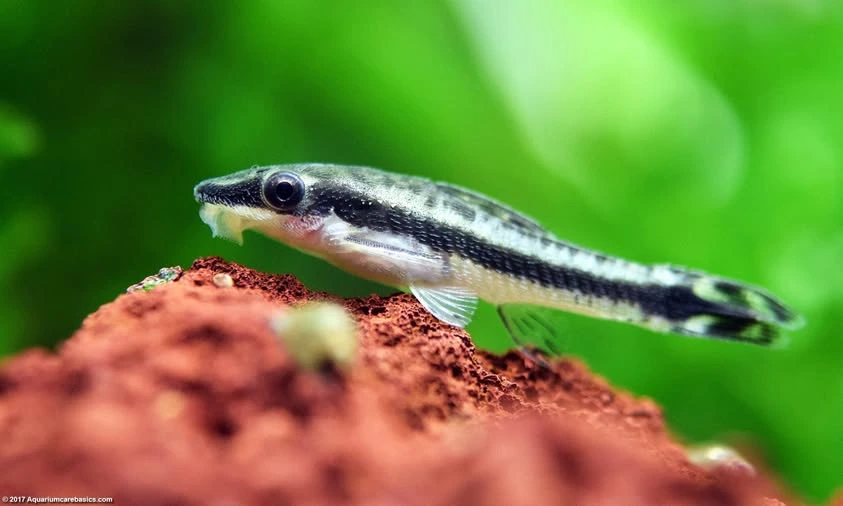
Otocinclus are small, streamlined catfish reaching only about 1.5 inches (4 cm) in length. They have a flattened underside with a specialized sucker mouth adapted for attaching to surfaces while grazing. Their bodies are olive-brown to gray on top with a distinctive dark horizontal stripe running from snout to tail. The underside is silvery-white.
Their large eyes sit high on their heads, giving them an alert, almost cute appearance. Small pectoral and dorsal fins help them maneuver between surfaces. When viewed from above, females appear slightly wider than males, especially when carrying eggs. Their armor plating gives them some protection, but they're still small and vulnerable to predators.
Tank Setup & Requirements
Quick Requirements Summary
Tank Size
Minimum Tank Size
15 gallons
Recommended Tank Size
15 gallons
Otocinclus have specific requirements that differ from many other fish—most importantly, they need mature tanks with established biofilm. Never add otos to newly set up aquariums.
Water Parameters
Temperature between 72-79°F (22-26°C), pH 6.0-7.5, and moderate hardness (2-15 dGH). They're extremely sensitive to ammonia and nitrite—both must be zero. Keep nitrates under 20 ppm. High oxygen levels are critical; they come from well-aerated streams.
Substrate
Any substrate works—otos spend most of their time on other surfaces rather than the bottom. They'll occasionally rest on sand or gravel but primarily attach to glass, plants, and decorations.
Plants & Decorations
Live plants are essential—they provide grazing surfaces and support biofilm growth. Broad-leaved plants like Anubias, Java fern, and Amazon swords are ideal. More surface area means more grazing opportunities. Smooth rocks and driftwood also provide grazing surfaces.
Filtration & Water Flow
Good oxygenation is essential—use surface agitation or air stones. They come from oxygen-rich waters and suffer in stagnant conditions. Moderate flow is appreciated but not extreme currents.
Lighting
Moderate lighting helps encourage the algae and biofilm growth they feed on. Tanks with very low light may not produce enough natural food to supplement their diet.
Diet & Feeding Guide
Diet Type
herbivore
Feeding Frequency
Constant grazing + daily supplement
Portion Size
Blanched vegetables left overnight
Otocinclus are herbivores that feed almost exclusively on soft algae and biofilm. In the wild, they graze constantly on the aufwuchs covering rocks and plants. This is where most aquarium failures occur—otos cannot survive on tank algae alone.
Best Foods for Otocinclus
- Natural tank biofilm and algae — Primary food in mature tanks—but rarely sufficient alone
- Blanched zucchini — Essential supplement—leave in tank overnight
- Blanched cucumber — Another excellent vegetable option
- Repashy Soilent Green — Gel food designed for grazing fish—excellent supplement
- High-quality algae wafers — Hikari, Omega One—ensure they're vegetable-based
- Blanched spinach — Occasional variety, high in nutrients
Foods to Avoid
- Meat-based foods — Herbivores—cannot properly digest protein-rich foods
- High-protein fish foods — Wrong diet for their digestive system
- Relying only on tank algae — Most tanks don't produce enough—starvation is the #1 killer
Most otos starve in aquariums because keepers assume they'll survive on tank algae alone. Supplement with blanched vegetables daily—leave them in overnight when otos are most active. If your otos have rounded bellies, you're feeding enough; sunken bellies mean they're starving.
What a Otocinclus will actually graze depends entirely on which algae you have — soft film comes off easily, while black beard and blue-green growth are ignored by almost everything. Identify the algae in your tank before deciding whether livestock is the right fix.
Behavior & Temperament
Otocinclus are peaceful, social fish that spend their lives grazing on surfaces. They attach with their sucker mouths and slowly move along, scraping away algae and biofilm. You'll often find them grouped together on the same leaf or section of glass.
They're more active at dawn, dusk, and nighttime, though they graze throughout the day. Otos may appear to 'rest' motionless on leaves for extended periods—this is normal behavior. They dart quickly between grazing spots when moving.
In proper groups (6+), otos are bolder and more visible. Solitary otos often hide and stress. Wild otos form shoals of thousands, so they feel most secure with companions.
Tank Mates: Compatibility Guide
Compatible Tank Mates
Similar soft water preference, peaceful
Excellent community pairing
Peaceful bottom dweller, won't compete
Completely shrimp safe—excellent pairing
Peaceful, won't bother otos
Peaceful mid-dweller
Peaceful bottom dweller, different niche
Generally peaceful companion
Tank Mates to Avoid
Large or aggressive fish
Will stress or eat small otos
Most cichlids
Too aggressive for these peaceful fish
Common plecos
May outcompete otos for algae and space
Fish that harass or outcompete
Otos are passive and easily stressed
Common Pairing Questions
Can otocinclus live with shrimp?
Yes! Otos are completely shrimp safe—they're pure herbivores with no interest in shrimp of any size. They make excellent tankmates for cherry shrimp, amano shrimp, and other dwarf shrimp.
Can otocinclus live with bettas?
Usually yes. Otos are small, peaceful, and stick to surfaces—most bettas ignore them entirely. Ensure the tank is at least 10 gallons with plenty of plants, and the betta isn't unusually aggressive.
Can otocinclus live with plecos?
Generally not ideal. Larger plecos may outcompete otos for algae and can be territorial. If keeping both, ensure the tank is large enough for separate territories and supplement otos' diet heavily.
Breeding otocinclus is challenging and rarely achieved intentionally in home aquariums. They're egg depositors that scatter eggs individually on plant leaves and glass.
Successful breeding requires a mature, heavily planted tank with excellent water quality, a group of 6+ well-fed adults, and often just happens spontaneously in optimal conditions. Males chase females, and eggs are deposited individually—about 30-50 per spawning. No parental care is provided.
Eggs hatch in 2-3 days, and fry require biofilm and infusoria to survive. Fry mortality is high. Most aquarists who breed otos do so accidentally in mature, well-maintained planted tanks rather than through deliberate attempts.
Health Issues & Disease Prevention
Otocinclus have a reputation for dying easily, but this is largely due to the poor condition they arrive in from collection and shipping, not inherent fragility. Most are wild-caught, stressed, and already starving by the time they reach stores.
Common Diseases
| Disease | Symptoms | Treatment |
|---|---|---|
| Starvation | Sunken belly, lethargy, death | Supplement diet immediately with blanched vegetables |
| Ich | White spots on body | Raise temperature, treat with medication |
| Bacterial infections | Red patches, fin erosion | Pristine water quality, antibacterial treatment |
| Oxygen deprivation | Gasping, lethargy, hanging at surface | Increase surface agitation, add air stone |
Signs of a Healthy Otocinclus
- Rounded, plump belly
- Active grazing on surfaces
- Clear eyes
- Firmly attached to surfaces
- Social behavior with group
- Good coloration
Prevention Tips
- Only add otos to mature tanks (3+ months) with established biofilm
- Buy otos that have been at the store for at least 2 weeks with round bellies
- Supplement feeding immediately—don't wait to see if they're eating algae
- Leave blanched zucchini in overnight when they're most active
- Keep in groups of 4+, ideally 6+ for security and visibility
- Quarantine for 2-4 weeks—high mortality in first weeks is normal for wild-caught
- Drip acclimate for 1-2 hours minimum when adding to tank
Frequently Asked Questions
Most otos are wild-caught, shipped in poor conditions, and already starving upon arrival. They're then placed in new tanks without biofilm. Buy from stores where they've been for 2+ weeks, choose ones with round bellies, and add to mature tanks only.
No—they mainly eat soft algae and biofilm, especially diatoms (brown algae). They won't touch hair algae, black beard algae, or green spot algae. For tough algae types, you need different solutions.
Minimum 4, ideally 6+. They're social fish that feel secure in groups. Solitary otos often hide, stress, and die. More otos means more confidence and visibility.
Rarely. Most tanks don't produce enough algae and biofilm. Supplement with blanched vegetables (zucchini, cucumber) and algae wafers. Starvation is the #1 killer of otos in aquariums.
A mature (3+ months), well-planted tank with established biofilm. They need surfaces to graze and stable water quality. New tanks without biofilm will starve them no matter how much you supplement.
Tips for Keeping Otocinclus
Pro Tips
- ✓Only add to mature tanks (3+ months) with established biofilm
- ✓Buy otos that have been at the store for at least 2 weeks with round bellies
- ✓Supplement feeding immediately—don't wait to see if they're eating algae
- ✓Leave blanched zucchini in overnight when they're most active
- ✓More otos = bolder otos. Groups of 6+ are noticeably more visible
- ✓They're one of the best algae eaters for planted tanks—won't damage plants
- ✓High mortality in first 2 weeks is normal for wild-caught specimens
Common Mistakes to Avoid
- ✗Adding to new tanks—they need mature tanks with biofilm
- ✗Assuming they'll survive on tank algae—supplement their diet
- ✗Buying otos with sunken bellies—they're already starving
- ✗Keeping alone or in pairs—they need groups
- ✗Not quarantining—wild-caught otos often carry parasites
- ✗Expecting them to eat all algae types—they're specialists
- ✗Poor acclimation—drip acclimate for 1-2 hours minimum
Sources
- FishBase — Accepted scientific name, maximum size and native range for Otocinclus.
Featured in Biotope Presets
Related Species You Might Like
View All Fish →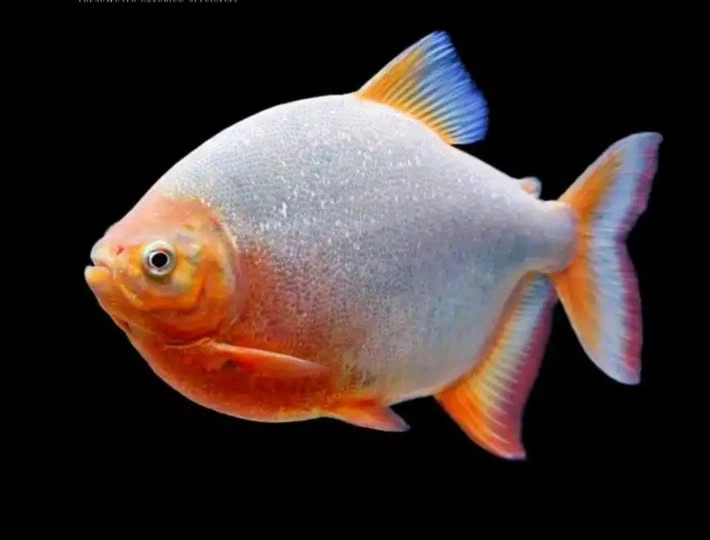
Pacu
Colossoma macropomum
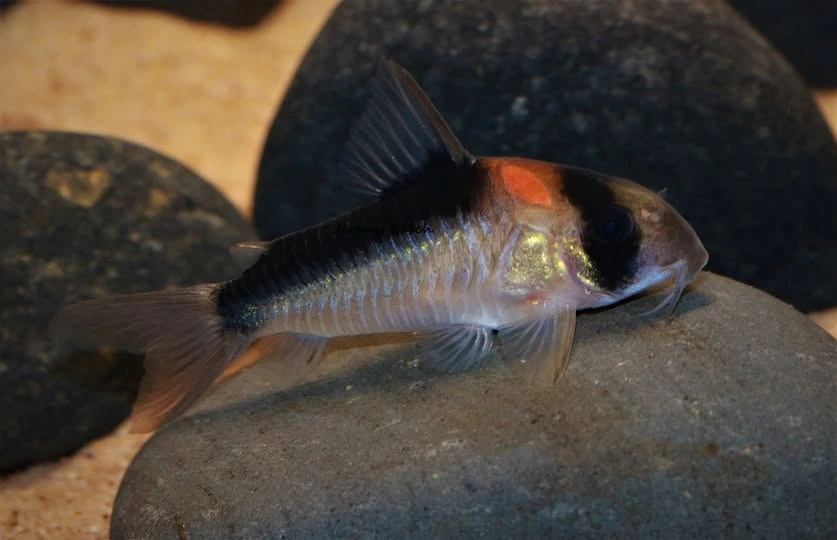
Adolfo's Corydoras
Corydoras adolfoi
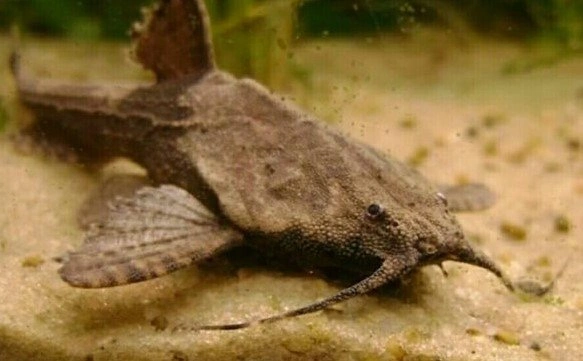
Banjo Catfish
Bunocephalus coracoideus
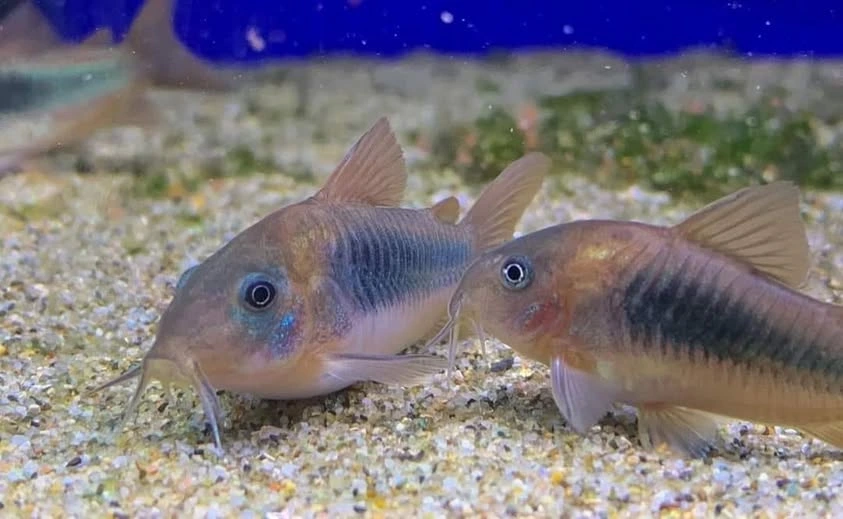
Bronze Corydoras
Corydoras aeneus
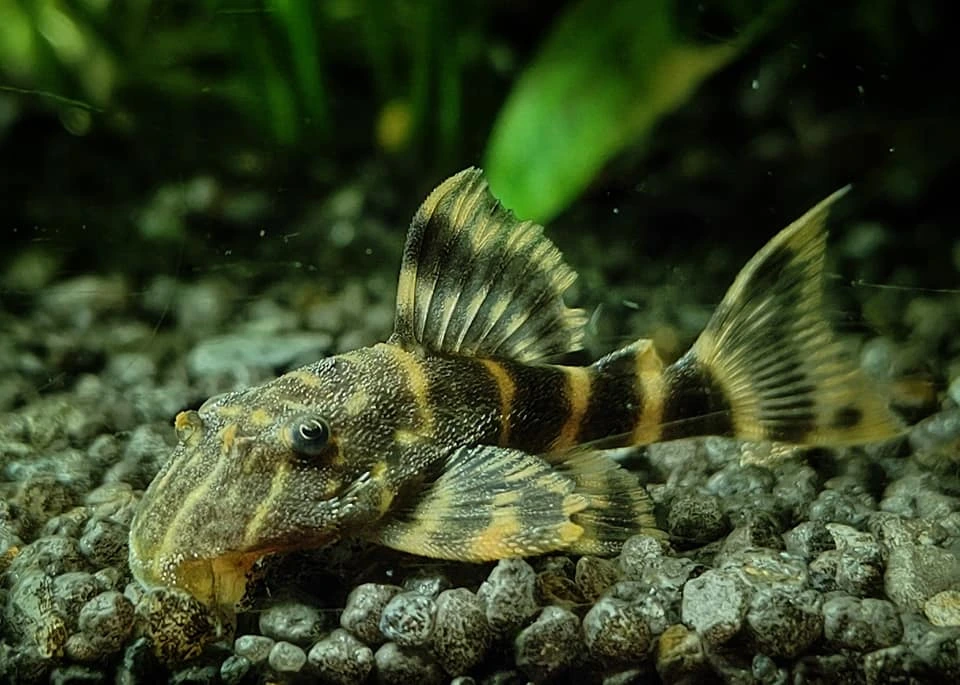
Clown Pleco
Panaqolus maccus
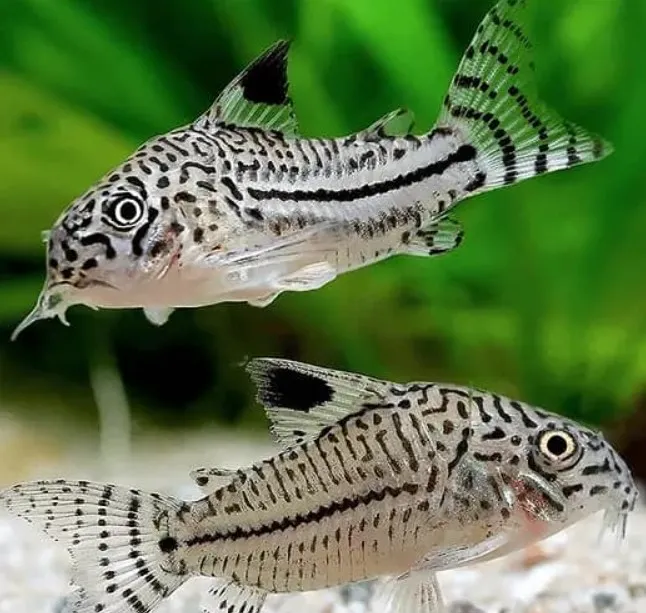
Corydoras Julii
Corydoras julii
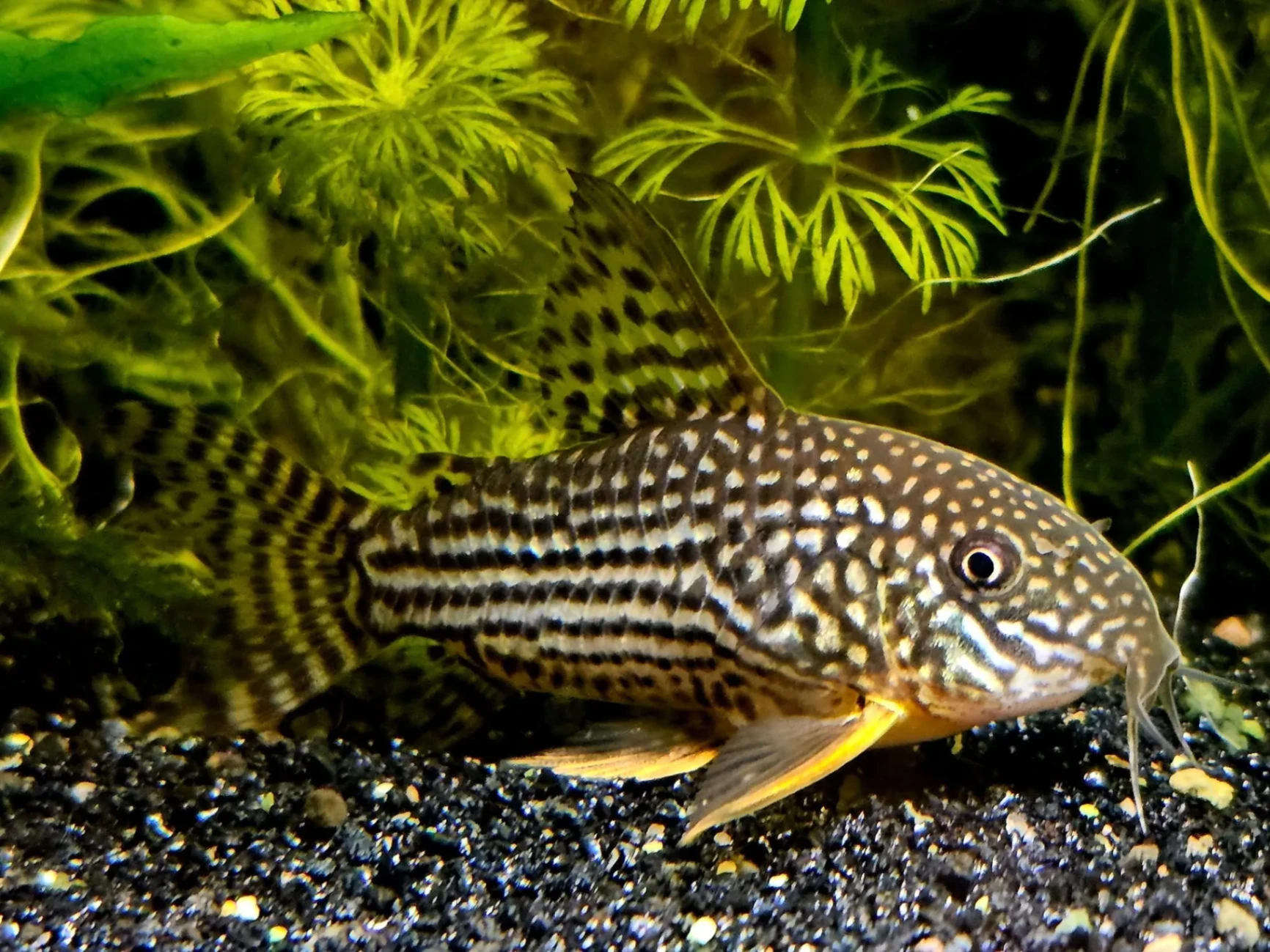
Corydoras Sterbai
Corydoras sterbai
False Julii Corydoras
Corydoras trilineatus
Ready to Add Otocinclus to Your Tank?
Use our free stocking calculator to check compatibility, bioload, and get personalized recommendations.