
Care Requirements
Adult Size
2.0" (5cm)
Min Tank
20 gal
Temperature
72-79°F
pH Range
6-7.5
Lifespan
10+ years
Min Group
6+ fish
Diet
Omnivore
Swim Level
Bottom
Bioload
2/10
Hardness
2-15 dGH
About Corydoras Julii
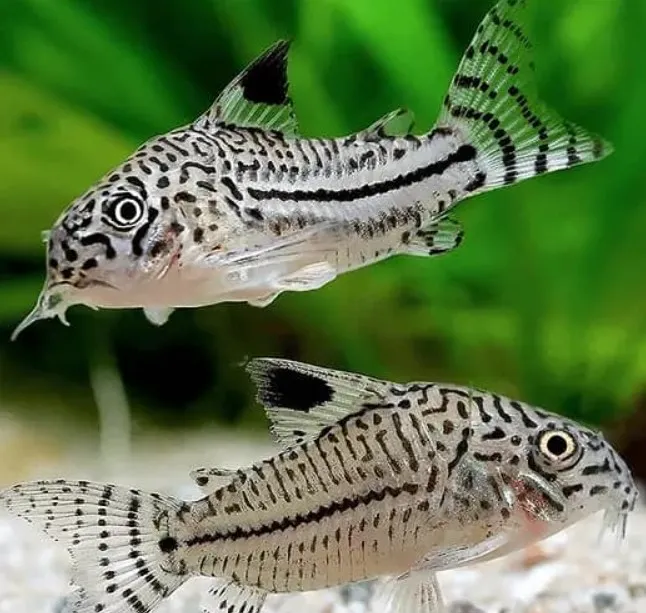
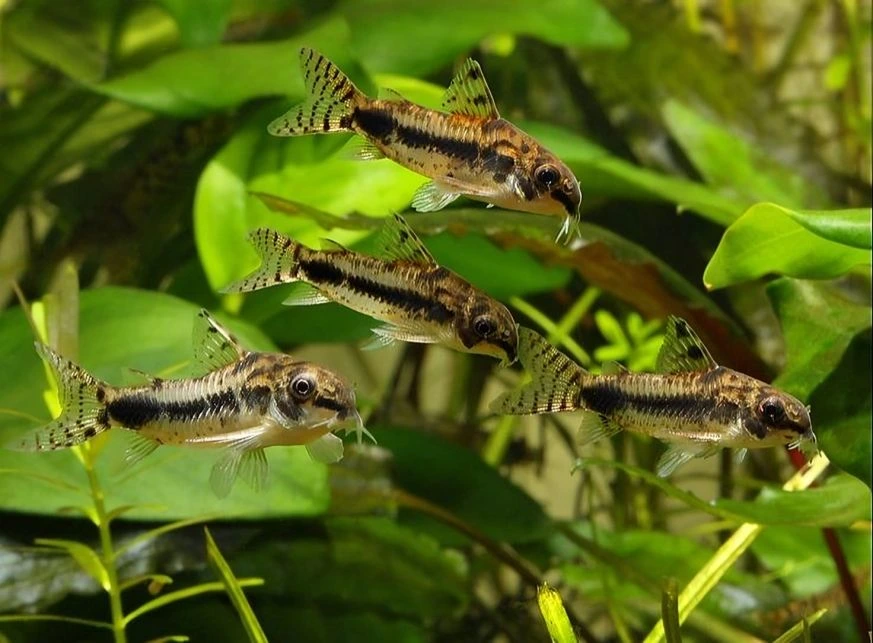
The Corydoras Julii is one of the most sought-after Corydoras species in the aquarium hobby, though ironically, most fish sold under this name are actually the closely related False Julii (Corydoras trilineatus). True Julii are native to the coastal rivers of northeastern Brazil and are distinguished by their beautiful pattern of isolated, distinct spots that don't connect into lines.
What makes Corydoras Julii special—beyond the identification mystery—is their charming personality shared with all Corydoras. They're endlessly entertaining bottom dwellers, constantly sifting through sand, interacting with their school, and performing their characteristic 'cory wiggle' as they forage. Their peaceful nature and hardiness make them excellent community fish.
Whether you have true Julii or the more common False Julii (C. trilineatus), the care requirements are identical. Both species are equally beautiful, hardy, and entertaining. The distinction matters primarily for collectors and breeders, not for the average aquarist looking for a wonderful bottom-dwelling companion.
Natural Habitat & Origin
In the wild, Corydoras Julii inhabit slow-moving streams and tributaries in northeastern Brazil, primarily in the lower Amazon tributaries near the coast. These waters feature sandy substrates covered in leaf litter, creating shallow, shaded environments with abundant organic debris.
The water in their natural habitat is soft and slightly acidic, filtered through decomposing vegetation. Understanding this environment explains their strong preference for sand substrate and shaded areas in captivity. Replicating elements of this biotope—sand, leaf litter, driftwood, and gentle flow—brings out their most natural and entertaining behaviors.
Native Region
South America - Coastal rivers of northeastern Brazil, lower Amazon tributaries
Habitat Type
Slow-moving streams, tributaries with sandy substrates and leaf litter
Wild Water Conditions
Soft, slightly acidic water (pH 6.0-7.0), shallow shaded streams with organic debris
Appearance & Varieties
Corydoras Julii are small, armored catfish reaching about 2.25 inches (5.5 cm). Their most distinctive feature is the pattern of isolated spots across their body—this is the key identifier separating true Julii from the False Julii (C. trilineatus), which has spots that connect into a reticulated, maze-like pattern.
The body has a silvery-white base with dark spots scattered across the head and body. A dark lateral stripe runs along the midline. Males are typically slimmer when viewed from above, while females are rounder and larger, especially when carrying eggs. Like all Corydoras, they have bony armor plates instead of scales and three pairs of barbels around the mouth used for foraging.
Tank Setup & Requirements
Quick Requirements Summary
Tank Size
Minimum Tank Size
20 gallons
Recommended Tank Size
20 gallons
Corydoras Julii need a minimum of 20 gallons (76 liters) for a school of 6, with 30 gallons (115 liters) recommended for a comfortable community. Long tanks with a large bottom footprint are ideal for these active bottom dwellers.
Water Parameters
Temperature should be maintained between 72-79°F (22-26°C)—note that true Julii prefer slightly cooler water than some tropical Corydoras like Sterbai. pH of 6.0-7.5 and hardness of 2-15 dGH. Stability is more important than exact values.
Substrate
Sand substrate is essential—this is nearly non-negotiable for all Corydoras. Sand allows natural foraging behavior and protects their delicate barbels. Sharp gravel causes barbel erosion, which is painful and can lead to infection.
Plants & Decorations
Live plants are appreciated for shade and natural environment. Broad-leaved plants like Amazon swords, Anubias, and Java fern provide resting spots. Driftwood, smooth rocks, and leaf litter create a natural Amazonian biotope. Provide both shaded resting areas and open foraging space.
Filtration & Water Flow
Moderate flow with good filtration. Avoid blasting the substrate with strong current. Sponge filters or gentle hang-on-back filters work well. Good water quality at the bottom is essential.
Lighting
Moderate lighting with shaded areas from floating plants. They appreciate dimmer conditions that mimic their forest stream habitat.
Diet & Feeding Guide
Diet Type
omnivore
Feeding Frequency
1-2x daily
Portion Size
What they consume in 3-5 minutes
Corydoras Julii are omnivores that naturally sift through sandy substrates for insect larvae, worms, small crustaceans, and organic detritus. In captivity, they need dedicated sinking foods—don't rely on leftovers from other fish reaching the bottom.
Best Foods for Corydoras Julii
- Sinking pellets/catfish tablets — Should be the staple diet—Hikari Sinking Wafers, Fluval Bug Bites Bottom Feeder
- Bottom feeder wafers — Shrimp pellets and algae wafers for variety
- Frozen bloodworms — Excellent supplemental protein, promotes foraging
- Frozen brine shrimp — Good variety, readily accepted
- Live blackworms — Excellent treat that stimulates natural foraging behavior
- Blanched zucchini — Vegetable supplement, leave overnight for grazing
Foods to Avoid
- Floating foods only — They're bottom feeders—food must reach the substrate
- Sharp-edged foods — Can damage delicate barbels
- Relying on leftovers — They need dedicated feeding, not scraps from above
Feed in the evening when they're most active for more natural foraging behavior. Provide dedicated sinking foods—never assume they'll get enough from what other fish miss. Watch for full, rounded bellies as a sign of proper nutrition.
Behavior & Temperament
Corydoras Julii are highly social schooling fish that must be kept in groups of at least 6, ideally 8-12+. They're constantly interacting, foraging together, and performing their characteristic behaviors—sifting through sand, dashing to the surface to gulp air (normal intestinal breathing), and resting in adorable 'cory piles.'
True Julii have a beautiful spotted pattern that's often confused with the more common False Julii (C. trilineatus). The key difference: true Julii has isolated, non-connected spots while False Julii has a reticulated/connected pattern. They prefer slightly cooler water than tropical Corydoras like Sterbai, making them better suited for temperate community tanks.
Tank Mates: Compatibility Guide
Compatible Tank Mates
Peaceful mid-dweller, excellent community companion
Peaceful, similar water preferences
Peaceful barb, won't compete for bottom space
Peaceful top-dweller, different tank zone
Gentle companion, occupies upper levels
Completely shrimp safe—won't bother adults or babies
Peaceful algae eater, no conflicts
Can be mixed with other Corydoras species
Tank Mates to Avoid
Oscar
Far too large and aggressive, will eat Corydoras
Convict Cichlid
Aggressive bottom-dweller, territorial conflicts
Large aggressive fish
Any large predatory fish will target small Corydoras
Fish requiring very warm water
Julii prefer cooler temps (72-78°F), incompatible with discus-temperature tanks
Common Pairing Questions
Can Corydoras Julii live with bettas?
Yes, generally a good combination. Bettas occupy the top and Corydoras stay at the bottom, so they rarely interact. Use a 20+ gallon tank with sand substrate. Monitor the betta for unusual aggression, but most bettas ignore Corydoras entirely.
Can I mix different Corydoras species?
Yes! Different Corydoras species coexist peacefully. However, each species prefers to school with its own kind, so maintain groups of 6+ of each species rather than mixing singles. A tank with 6 Julii and 6 Bronze Corydoras is better than 12 mixed individuals.
Breeding Corydoras Julii is moderately challenging but rewarding. They use the classic Corydoras 'T-position' mating behavior—the female holds eggs in her pelvic fin pouch while the male fertilizes them, then she deposits the adhesive eggs on surfaces like tank glass, plant leaves, or driftwood.
To trigger spawning, perform a large water change (50%) with water 2-3°C cooler than normal. This simulates the rainy season in their natural habitat. A mature group of 6+ with a mix of males and females increases success. Females can lay up to 100 eggs per spawn.
Eggs hatch in 4-6 days depending on temperature. Remove eggs to a separate container to prevent fungus and predation. Methylene blue helps prevent egg fungus. Feed fry baby brine shrimp, microworms, and finely crushed flakes.
Health Issues & Disease Prevention
Corydoras Julii are generally hardy when kept in proper conditions, but they're particularly sensitive to substrate quality and water conditions at the bottom of the tank. Barbel health is the most important indicator of their well-being.
Common Diseases
| Disease | Symptoms | Treatment |
|---|---|---|
| Barbel erosion | Shortened, damaged, or missing barbels | Switch to sand substrate immediately, improve water quality, keep bottom clean. Barbels may partially regrow but severe damage is permanent. |
| Ich (White Spot Disease) | White spots on body, flashing, clamped fins | Raise temperature gradually, use ich medication. Note: Corydoras are sensitive to some medications—use half doses of copper-based treatments. |
| Red blotch disease | Red or bloody patches on belly | Pristine water quality is critical. Antibacterial treatment may help. Often caused by dirty substrate or poor water quality. |
Signs of a Healthy Corydoras Julii
- Long, intact barbels
- Active foraging behavior
- Clear, well-defined spotted pattern
- Full, rounded belly
- Schooling with group members
- Bright, clear eyes
Prevention Tips
- Sand substrate is essential—sharp gravel destroys barbels
- Maintain pristine water quality, especially at bottom level
- Regular gravel/sand vacuuming to prevent debris buildup
- Weekly 25-30% water changes minimum
- Quarantine new fish for 2-3 weeks with sand substrate
- Keep in groups of 6+ to reduce stress
- Use half-dose medications—Corydoras are sensitive to copper and salt
Frequently Asked Questions
True Julii (C. julii) has isolated, distinct spots that don't connect. False Julii (C. trilineatus) has spots that connect into a reticulated/maze-like pattern, especially on the head. 90%+ of fish sold as 'Julii' are actually False Julii. True Julii are rarer and more expensive.
Look at the head pattern. True Julii: isolated spots with clear space between them. False Julii: spots connected by lines forming a network/maze pattern. Also check the lateral stripe—Julii has a more defined stripe, trilineatus is more broken.
For care purposes, not really—both have identical requirements. It only matters if you want the specific species for breeding purposes or collector value. False Julii are equally beautiful and hardy.
Not ideal. True Julii prefer cooler water (72-78°F) compared to discus (82-86°F). For warm water tanks, Corydoras Sterbai is a much better choice as it tolerates higher temperatures.
Minimum 6, ideally 8-12+. They're highly social and only display natural behavior in proper schools. Small groups lead to stressed, inactive fish.
Almost always rough substrate (sharp gravel) or poor water quality. Switch to fine sand immediately and improve water conditions. Barbels may partially regrow but severe damage is permanent.
Tips for Keeping Corydoras Julii
Pro Tips
- ✓Most 'Julii' in stores are actually False Julii (C. trilineatus)—doesn't matter for care, but know what you're buying
- ✓True Julii prefer cooler water than Sterbai—better for temperate community tanks
- ✓Sand substrate is non-negotiable for all Corydoras
- ✓The True vs False Julii debate is the most common Corydoras identification question
- ✓Watching them sift through sand is half the enjoyment of keeping them
- ✓School of 10+ creates constant entertaining activity on the tank bottom
- ✓Leaf litter creates a natural biotope they thrive in
- ✓They'll often rest together in 'cory piles'—completely normal
Common Mistakes to Avoid
- ✗Assuming store-labeled 'Julii' are true Julii—usually False Julii
- ✗Gravel substrate—sand is essential for barbel health
- ✗Keeping fewer than 6—they need schools
- ✗Too warm water—Julii prefer cooler than many tropical fish
- ✗Relying on leftovers for food—provide dedicated sinking foods
- ✗Not researching the True vs False Julii difference
- ✗Mixing with aggressive bottom dwellers
- ✗Ignoring barbel damage—it's a warning sign
Sources
- FishBase — Accepted scientific name, maximum size and native range for Corydoras Julii.
Related Species You Might Like
View All Fish →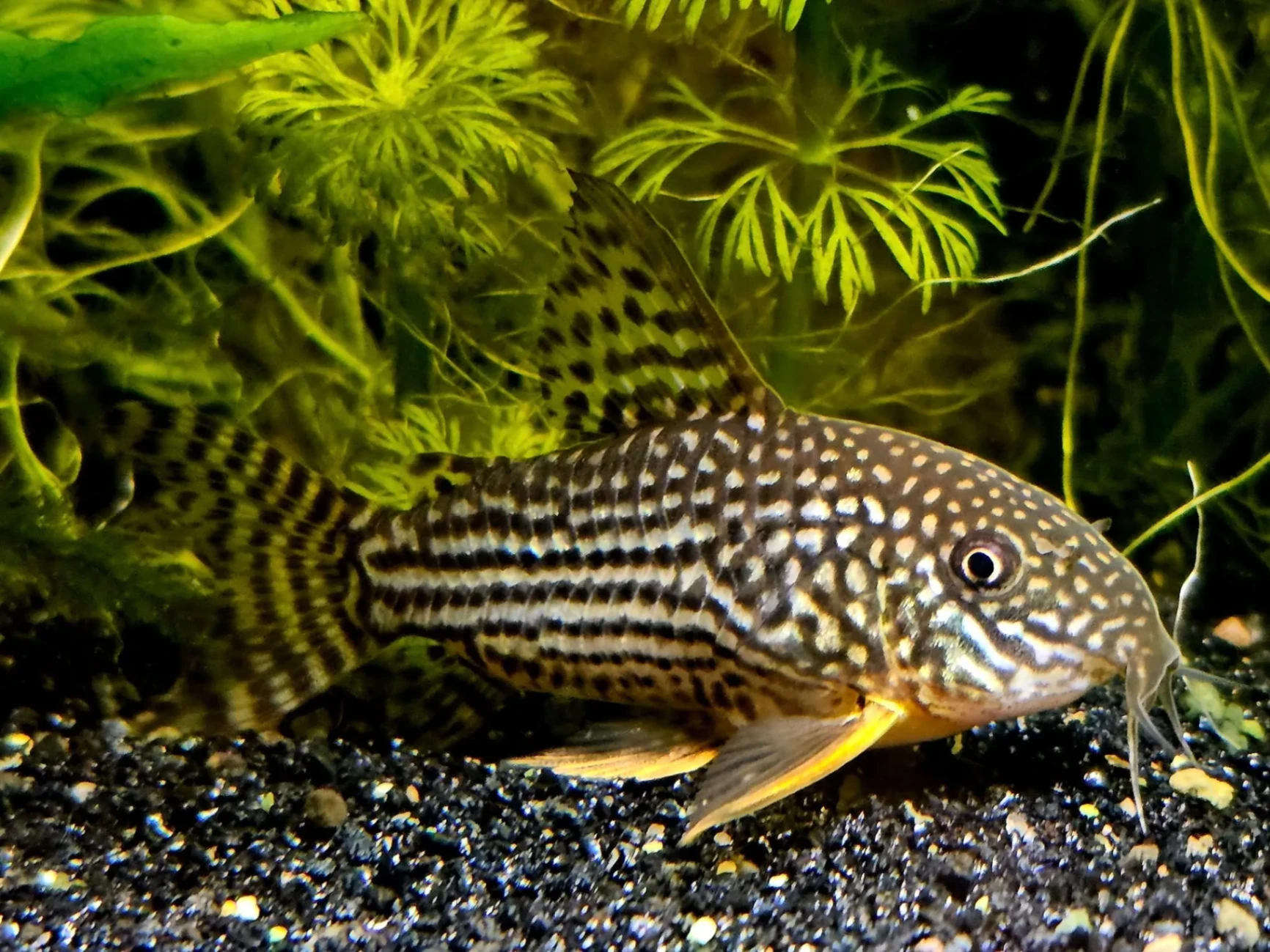
Corydoras Sterbai
Corydoras sterbai
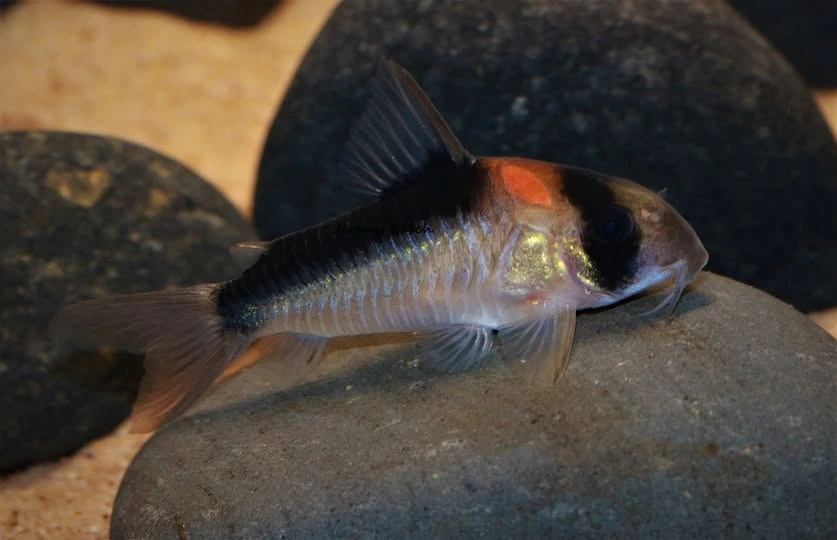
Adolfo's Corydoras
Corydoras adolfoi
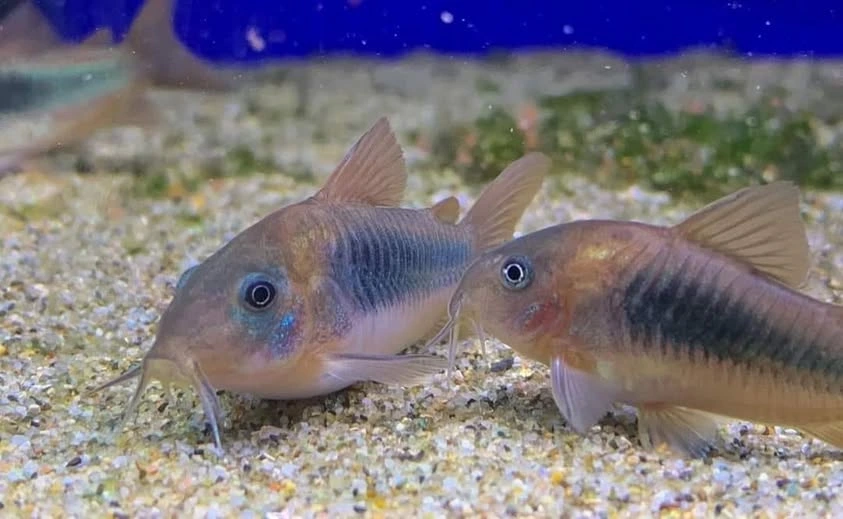
Bronze Corydoras
Corydoras aeneus
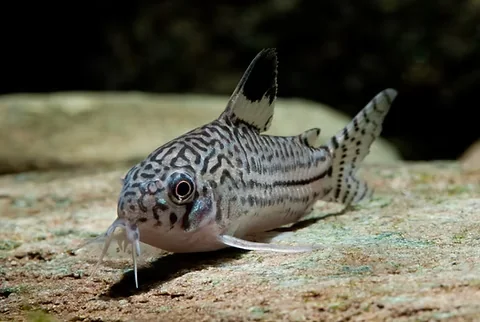
False Julii Corydoras
Corydoras trilineatus
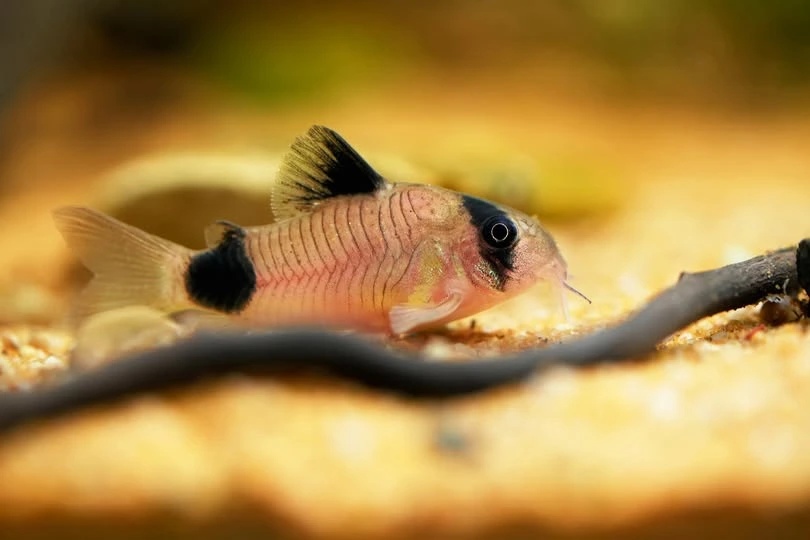
Panda Corydoras
Corydoras panda
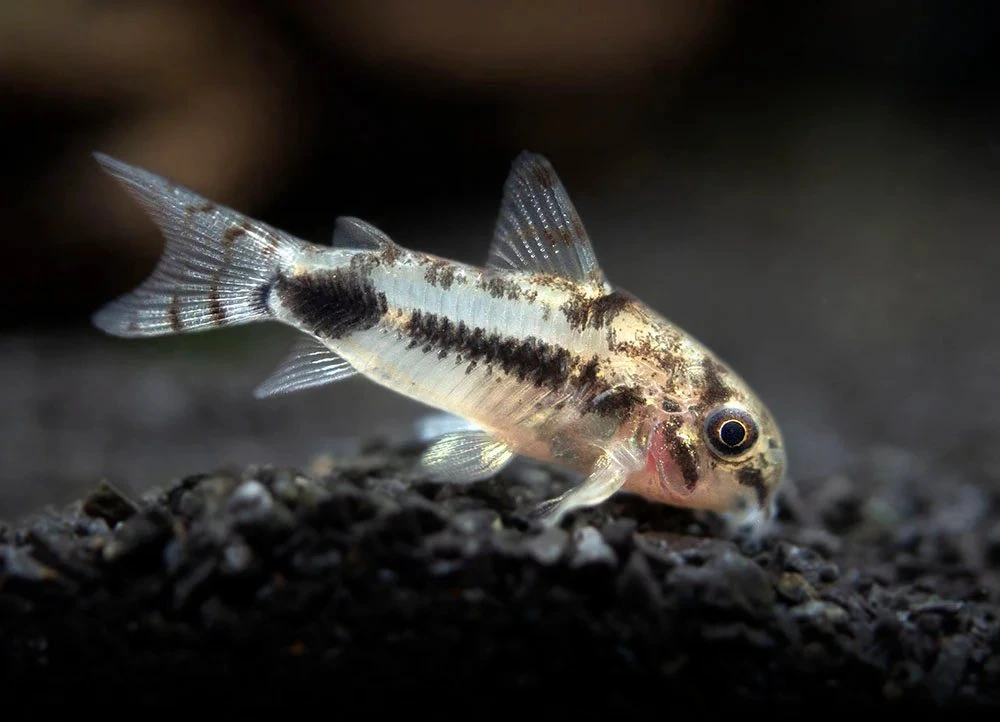
Peppered Corydoras
Corydoras paleatus
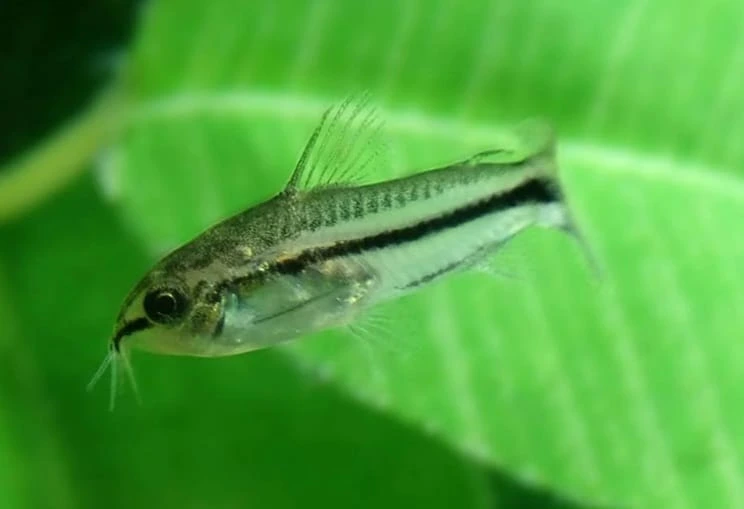
Pygmy Corydoras
Corydoras pygmaeus
Salt and Pepper Corydoras
Corydoras habrosus
Ready to Add Corydoras Julii to Your Tank?
Use our free stocking calculator to check compatibility, bioload, and get personalized recommendations.