
Harlequin Rasbora
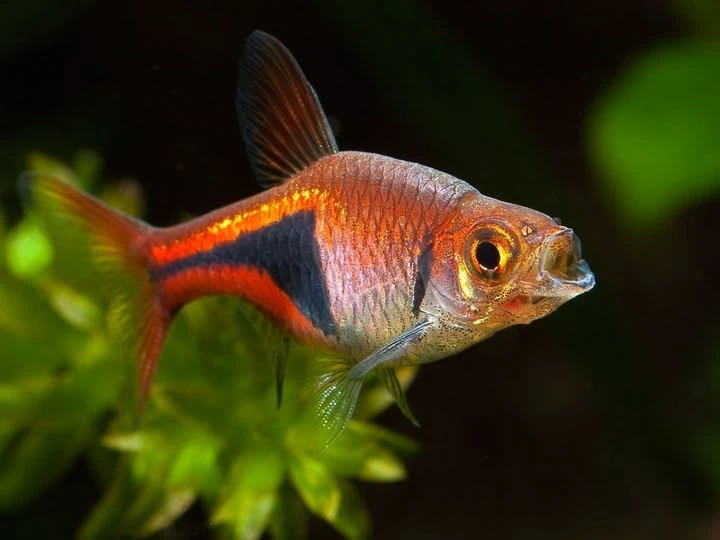
A mid-water shoal that is peaceful, quick, short-finned and content in exactly the soft, warm, still water a gourami wants.
Adult Size
3.5" (9cm)
Min Tank
15 gal
Temperature
72-82°F
pH Range
6-7.5
Lifespan
4-6 years
Min Group
Can be kept alone
Diet
Omnivore
Swim Level
Top
Bioload
3/10
Hardness
4-15 dGH
The Dwarf Gourami is one of the most beautiful freshwater fish available—and one of the most troubled. Native to South Asia, these stunning labyrinth fish feature brilliant blue and red-orange stripes that make them irresistible to aquarists. Unfortunately, decades of intensive commercial breeding have left the species plagued by a devastating viral disease that kills the majority of specimens within months of purchase.
This isn't meant to discourage you from keeping dwarf gouramis—but you need to know what you're getting into. Dwarf Gourami Iridovirus (DGIV) is estimated to affect 50-100% of commercially bred dwarf gouramis. There is no cure, no reliable way to identify infected fish before symptoms appear, and no way to prevent it. Many experienced aquarists have simply stopped buying dwarf gouramis after repeatedly losing fish to this disease.
If you accept this risk, dwarf gouramis can be wonderful fish. They're peaceful, personable, and undeniably gorgeous. Males build bubble nests, interact with their owners, and display fascinating behavior. Just understand that a significant portion of dwarf gouramis will die prematurely regardless of care quality—it's not your fault, it's the state of commercial breeding.
Dwarf gouramis are native to South Asia, found in India, Pakistan, and Bangladesh. They inhabit slow-moving, heavily vegetated waters including rivers, ponds, rice paddies, and irrigation channels. These habitats are often shallow and warm, with dense plant growth providing cover and supporting the insects and algae they feed on.
As labyrinth fish, they evolved the ability to breathe atmospheric air—essential in their native oxygen-poor waters. Wild dwarf gouramis are actually quite hardy and adaptable. The health problems plaguing aquarium specimens stem from intensive commercial breeding practices, not the species' natural constitution.
Native Region
South Asia (India, Pakistan, Bangladesh)
Habitat Type
Slow-moving rivers, ponds, rice paddies, irrigation channels
Wild Water Conditions
Warm (72-82°F), soft to moderate hardness, slightly acidic to neutral, heavily vegetated
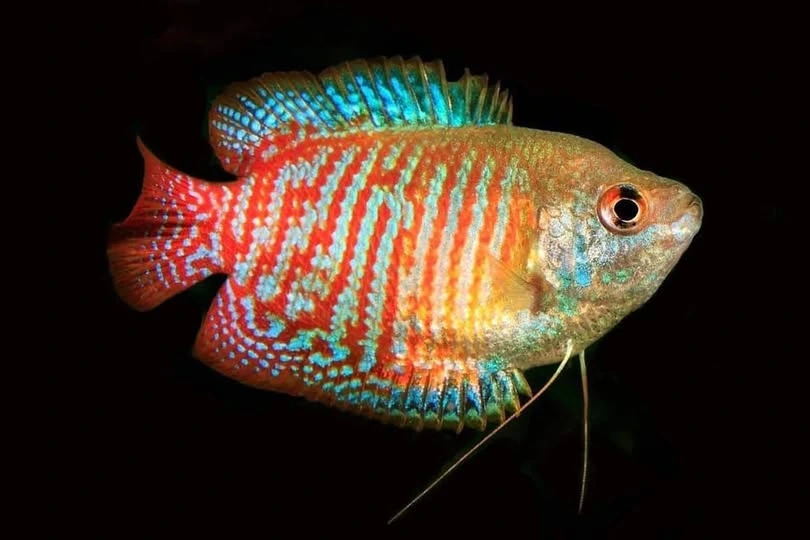
Male dwarf gouramis are among the most colorful freshwater fish. The wild-type coloration features alternating vertical stripes of brilliant turquoise-blue and red-orange, covering the entire body and extending into the fins. The effect is stunning—like a living jewel. Females are plain silvery-gray with faint vertical banding, much less colorful than males.
Dwarf gouramis reach about 3.5 inches (9 cm), larger than honey gouramis despite the 'dwarf' name. They have the typical gourami shape—laterally compressed body with long, thread-like pelvic fins used as sensory organs. Selective breeding has produced several color variants, though all carry the same disease susceptibility.
| Variety | Description | Rarity |
|---|---|---|
| Wild-type/Striped | Alternating blue and red-orange vertical stripes; the classic variety | Common |
| Powder Blue | Solid powder blue coloration with minimal red; very popular | Common |
| Flame/Red | Predominantly red-orange coloration with reduced blue | Common |
| Neon Blue | Enhanced blue coloration, often with some red markings | Common |
| Honey/Sunset | Golden-orange coloration; often confused with true honey gouramis | Common |
Minimum Tank Size
15 gallons
Recommended Tank Size
20 gallons
Dwarf gouramis need planted tanks with plenty of cover to feel secure. They're surface-oriented fish that need access to atmospheric air and prefer calm water with minimal current. Stress reduction is particularly important given their health vulnerabilities.
Temperature 72-82°F (22-28°C). They prefer soft to moderately hard water (4-15 dGH) and slightly acidic to neutral pH (6.0-7.5). As labyrinth fish, they must have access to the water surface for air breathing. Keep a gap between the water surface and any cover—the air above the water should be warm and humid.
Any substrate works. Dark substrates enhance their vibrant colors. They don't interact much with the substrate, preferring upper tank levels.
Heavily planted tanks essential. Dwarf gouramis are shy and easily stressed—plant cover reduces stress and provides security. Floating plants are particularly valuable, providing shade and surface cover. Males will build bubble nests among floating plants if conditions are right.
Gentle filtration required. Dwarf gouramis come from still or slow-moving water and dislike strong current. Sponge filters are ideal. Baffle the output of power filters to reduce flow. They need calm water to build bubble nests.
Subdued to moderate lighting preferred. Bright lights without plant cover cause stress and hiding behavior. Floating plants naturally diffuse light and are strongly recommended.
Diet Type
omnivore
Feeding Frequency
2x daily
Portion Size
What they consume in 2 minutes
Dwarf gouramis are omnivores that accept most small foods. In the wild, they eat insects, larvae, algae, and small invertebrates at the water's surface. Variety supports health—particularly important for these disease-prone fish.
Dwarf gouramis are surface-oriented feeders. Floating foods work best. They can be slow, deliberate eaters and may be outcompeted by faster tankmates. Ensure they're getting food in community tanks—consider target feeding if necessary.
Dwarf gouramis are generally peaceful, inquisitive fish. They spend most time in the upper tank levels, often hovering among plants or near the surface. Like other gouramis, they use their long pelvic fins to touch and explore their environment—fascinating to watch.
Males can be territorial with each other, especially in small tanks. Two males in a 20-gallon tank will likely result in constant harassment of the subordinate fish. Keep either one male or provide a very large, heavily planted tank for multiple males. Males are generally peaceful toward females and other species.
Healthy males build elaborate bubble nests at the surface—clusters of saliva-coated bubbles where eggs would be deposited. Nest building is a sign of contentment and good health. Males in poor conditions or infected with DGIV rarely build nests.
A dwarf gourami claims the surface and gets picked on everywhere else. It needs quiet, short-finned fish that live lower in the tank and no second surface-dweller to argue with. Buying from a source you trust matters too — iridovirus is common in the trade and no tank mate choice compensates for it.
A mid-water shoal that is peaceful, quick, short-finned and content in exactly the soft, warm, still water a gourami wants.
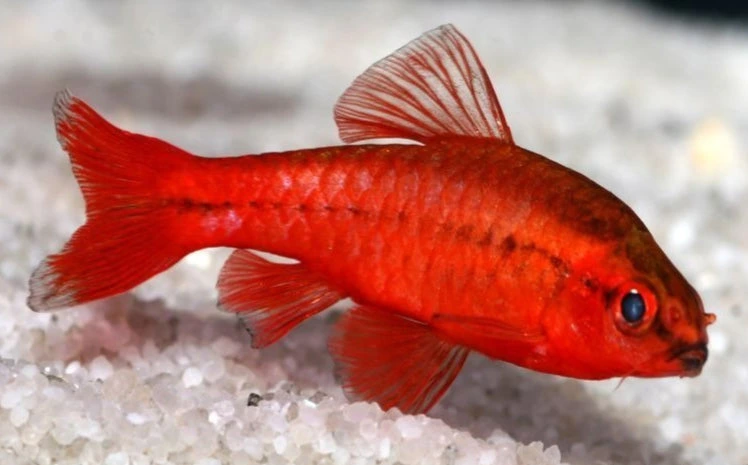
The exception among barbs: a slim, calm 5 cm fish that shoals loosely and has none of the nipping habit its relatives are known for.
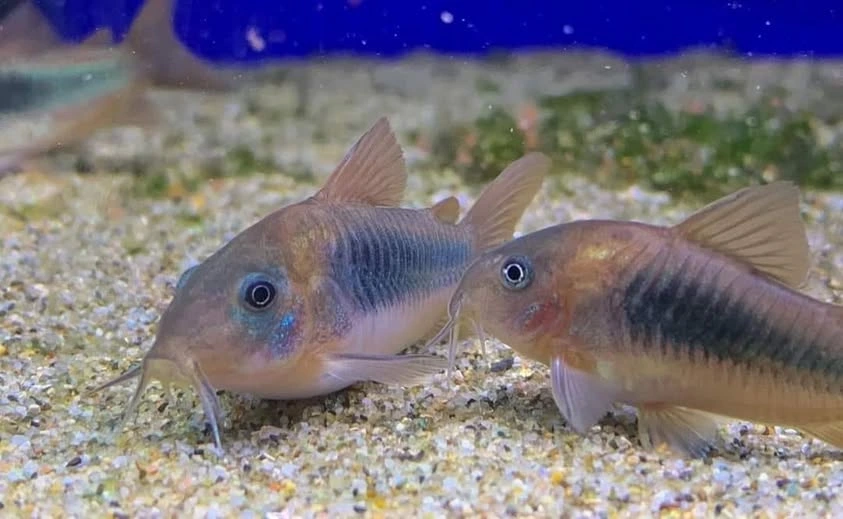
A bottom group is the most useful thing you can add to a gourami tank, because it puts activity in the one layer the gourami never visits.
Also compatible: Kuhli Loach, Otocinclus, Amano Shrimp, Neon Tetra
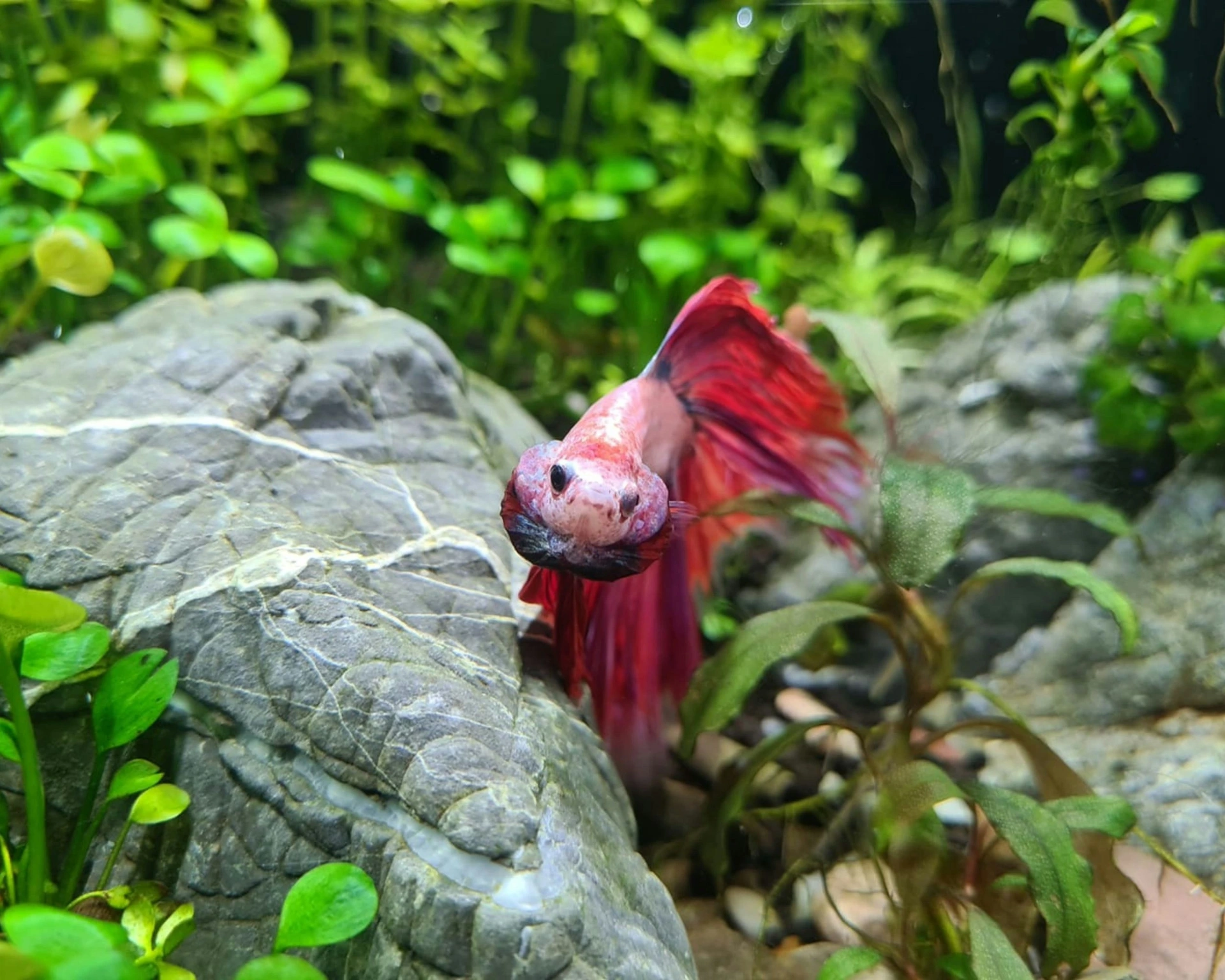
Avoid — competes for territory
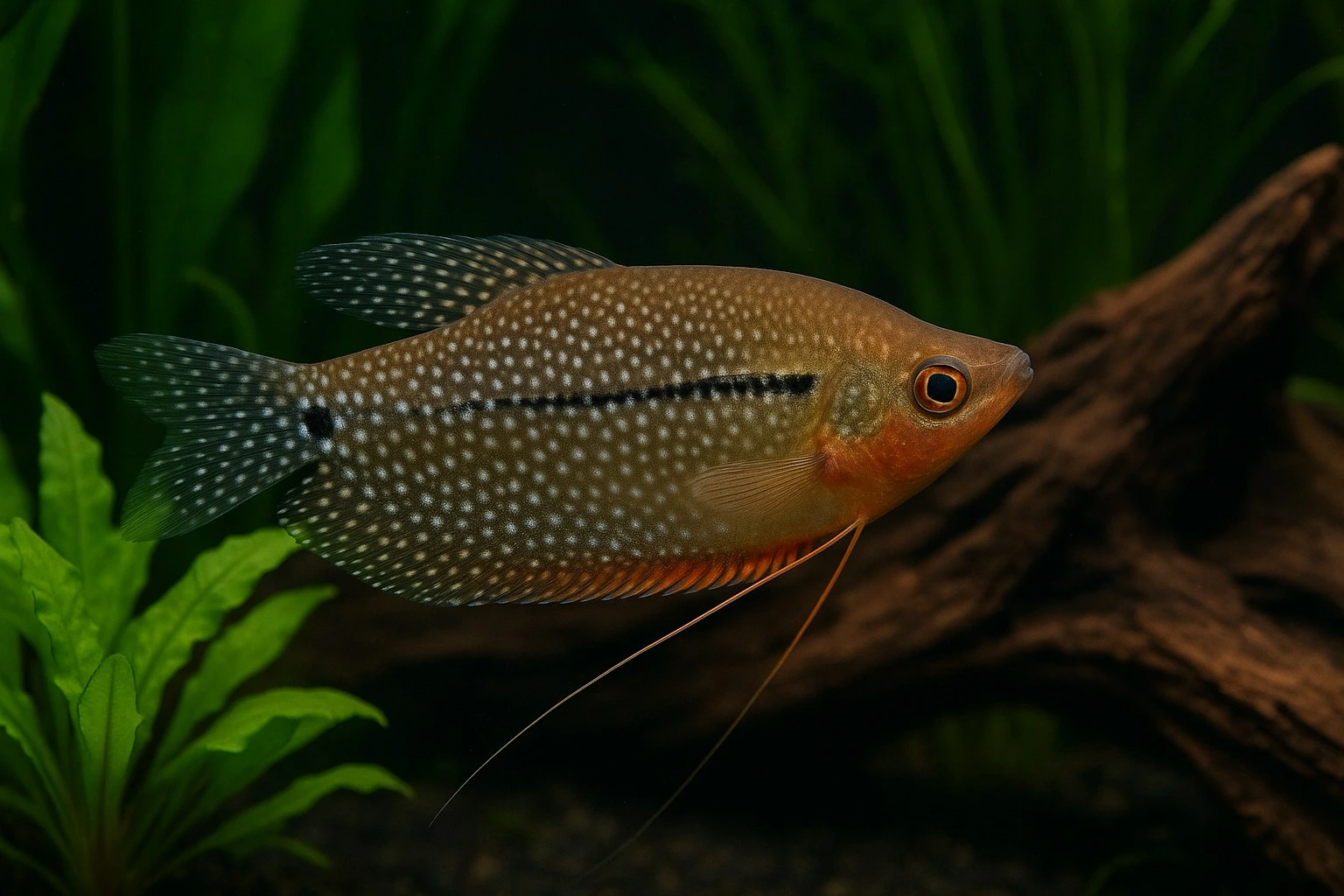
Avoid — competes for territory
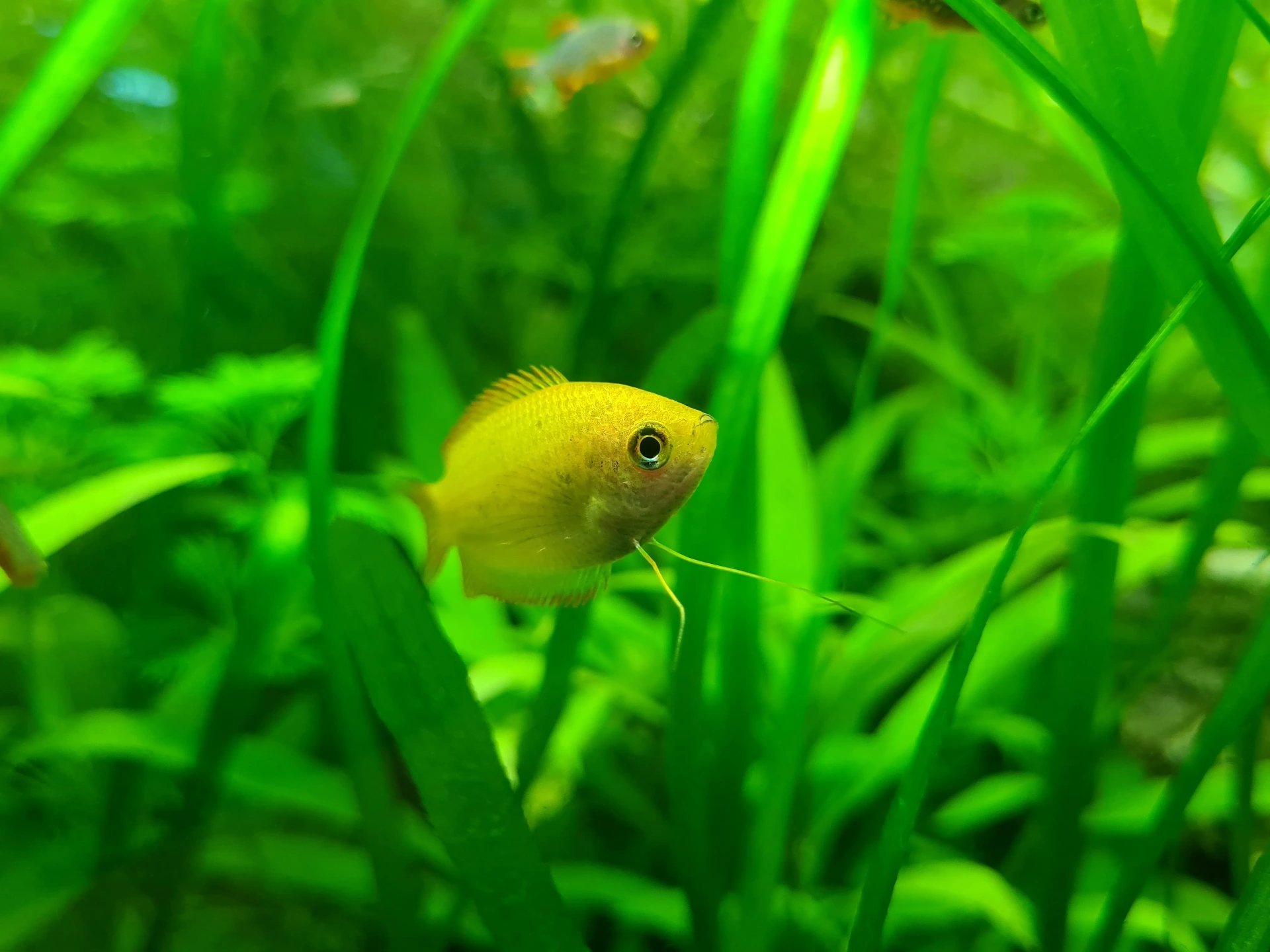
Avoid — competes for territory
Also avoid: Three Spot Gourami, Kissing Gourami, Paradise Fish, Tiger Barb
Full Dwarf Gourami tank mates guideDwarf gouramis are bubble nest builders with elaborate breeding behavior. Males construct floating nests of bubbles coated in saliva, often incorporating plant material. A healthy, comfortable male may build nests regularly even without females present.
For breeding, provide a pair in a 15+ gallon tank with warm water (80-82°F), gentle filtration, and floating plants. Condition with live or frozen foods. The male builds his nest, displays to the female with spread fins and intensified colors, and eventually wraps around her beneath the nest to spawn. He places fertilized eggs in the bubble nest.
Remove the female after spawning—the male guards the nest and can become aggressive. Eggs hatch in 24-36 hours. The male tends the fry initially, returning fallen babies to the nest. Remove him when fry become free-swimming. Fry require infusoria, then baby brine shrimp after about a week.
This is where dwarf gouramis differ dramatically from other aquarium fish. Dwarf Gourami Iridovirus (DGIV) is a lethal disease affecting the vast majority of commercially bred specimens. This isn't a care issue—it's a systemic problem with no solution available to hobbyists.
| Disease | Symptoms | Treatment |
|---|---|---|
| Dwarf Gourami Iridovirus (DGIV) | Fading color, lethargy, loss of appetite, darkening of body, sores/lesions, bloating, swimming abnormalities, death within days to weeks of symptom onset | NO CURE EXISTS. DGIV is fatal and untreatable. The virus is present in 50-100% of commercially bred dwarf gouramis. Fish may appear healthy for weeks or months before symptoms appear. Nothing you do wrong causes this—it's the state of commercial breeding. Consider honey gouramis as a DGIV-free alternative. |
| Dropsy / fluid retention | Severe bloating, raised scales, lethargy; may follow DGIV or secondary bacterial infection | Often a sign of advanced internal disease. Isolate, keep water pristine, consider Epsom salt (magnesium sulfate) baths for swelling support, and treat suspected bacterial infection promptly. |
| Ich (White Spot) | White spots like salt grains on body and fins, scratching, clamped fins | Raise temperature to 82-86°F gradually, add aquarium salt cautiously, use ich medication. Treatable if fish isn't already weakened by DGIV. |
| Bacterial Infections | Fin rot, sores, redness, cloudy eyes—often secondary to DGIV weakening immune system | Antibacterial medication (Kanaplex, Maracyn 2). May help temporarily but often fish are already compromised by underlying viral infection. |
| Columnaris | White or gray patches, cottony growths, rapid decline | Kanaplex or Furan-2. Lower temperature slightly. Often fatal in dwarf gouramis due to compromised immune systems. |
Dwarf Gourami Iridovirus (DGIV). This fatal, incurable virus affects 50-100% of commercially bred dwarf gouramis. Fish may appear healthy for weeks before suddenly declining and dying. It's not your fault—this is a systemic problem with commercial breeding. Nothing you do prevents DGIV once the fish is infected.
A lethal viral disease that affects dwarf gouramis specifically. It's spread through commercial breeding facilities and is present in most dwarf gouramis sold in stores. Symptoms include color fading, lethargy, sores, and death. There is no cure or prevention. Honey gouramis do not carry this virus.
No—despite being labeled beginner fish, the DGIV problem makes them frustrating for new aquarists who may blame themselves when fish die. The care itself is easy, but the high mortality rate from disease is discouraging. Honey gouramis are a much better beginner choice.
Potentially 4-6 years, but most commercially bred specimens die within 6-18 months due to DGIV. If you get a healthy individual (increasingly rare), they can live several years. Fish from local breeders may have better survival rates.
Only if you accept the high probability of premature death from DGIV. They're beautiful fish, and some individuals do thrive, but many experienced aquarists have stopped buying them after repeated losses. Honey gouramis offer similar appeal without the disease problem.
About 3.5 inches (9 cm)—larger than honey gouramis (2 inches) despite the 'dwarf' name. They need at least a 10-gallon tank, preferably 20+ gallons.
One male with one or more females works best. Multiple males fight in typical tank sizes. A single male is the safest option. Multiple females can coexist peacefully.
Dwarf gouramis are larger (3.5" vs 2"), more colorful (blue/red stripes vs honey-yellow), and plagued by DGIV. Honey gouramis are smaller, subtler colored, but healthy. Many 'honey gouramis' sold in stores are actually color-morphed dwarf gouramis with the same DGIV risk.
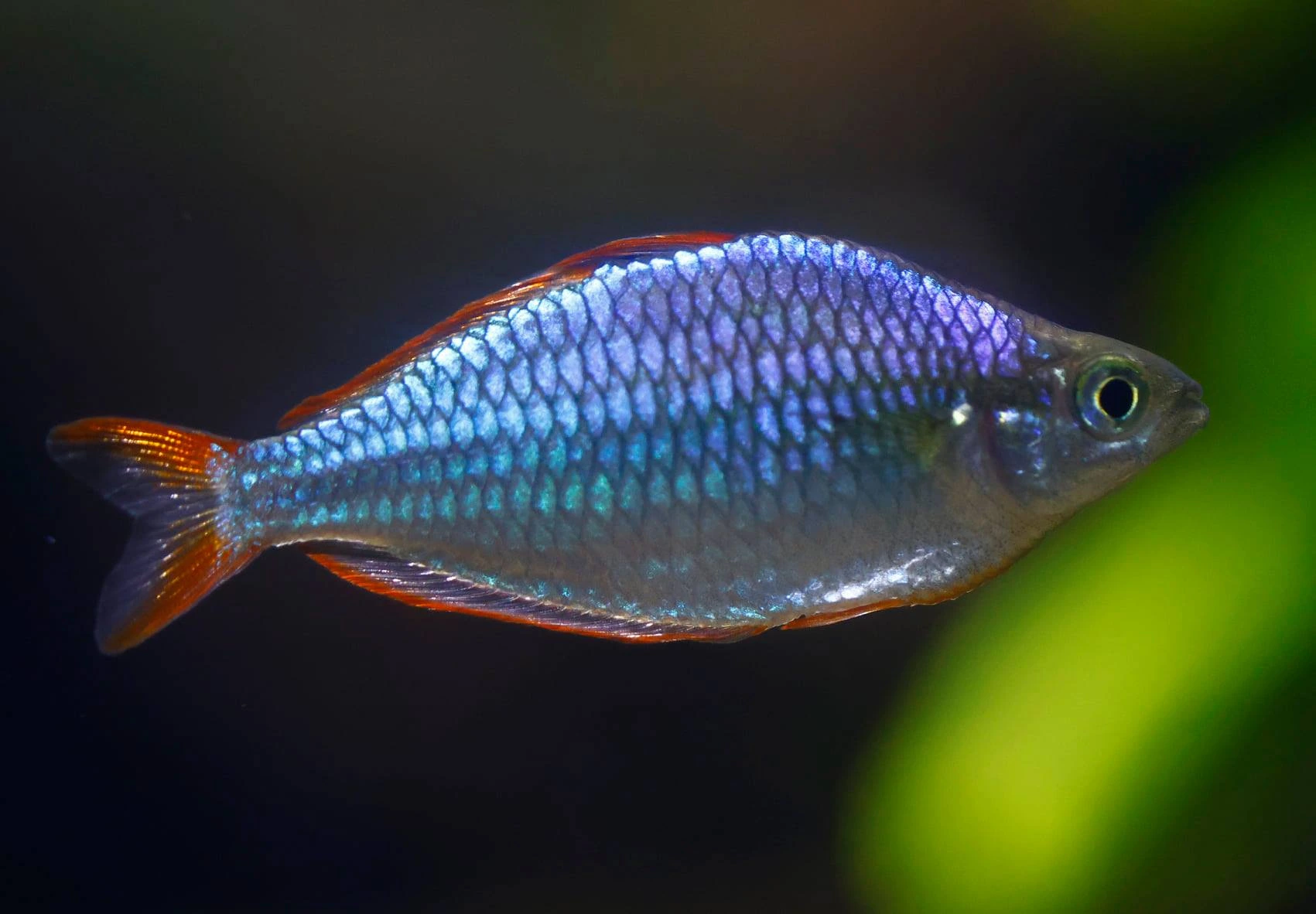
Melanotaenia praecox
Trichogaster chuna
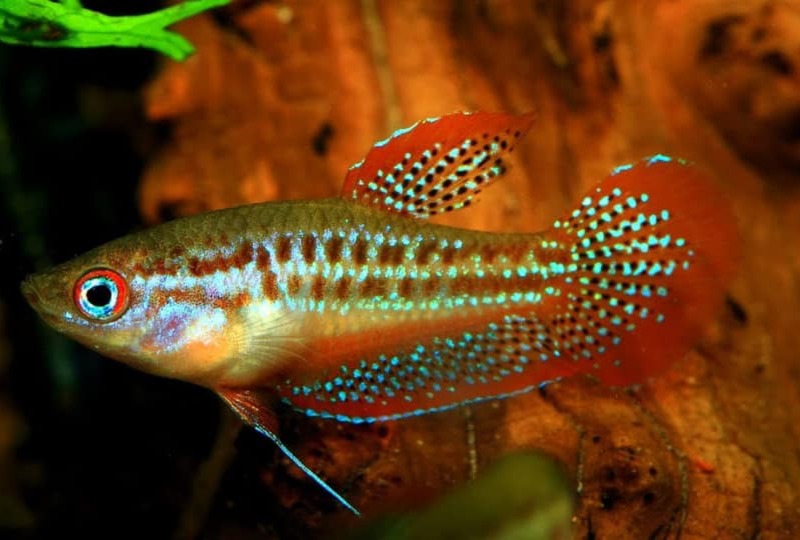
Trichopsis pumila
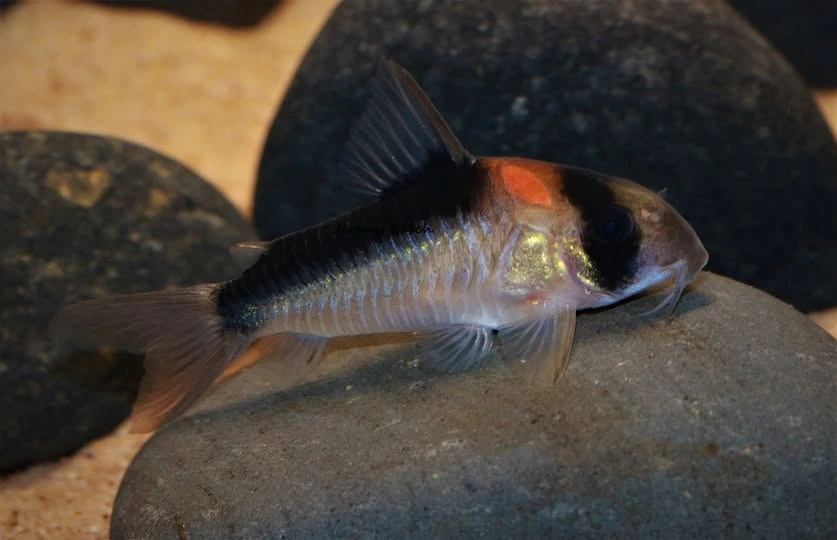
Corydoras adolfoi
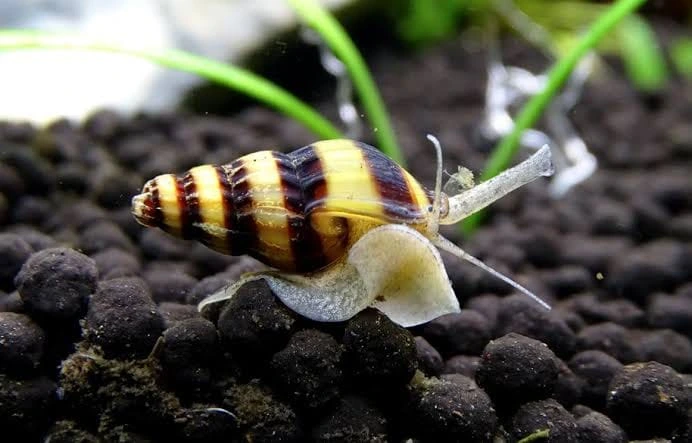
Clea helena
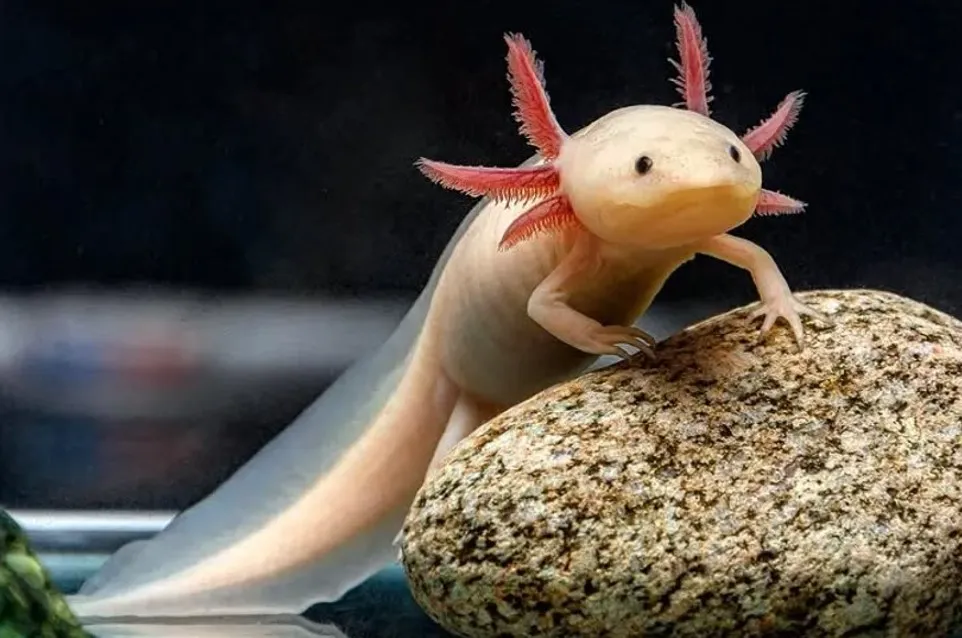
Ambystoma mexicanum
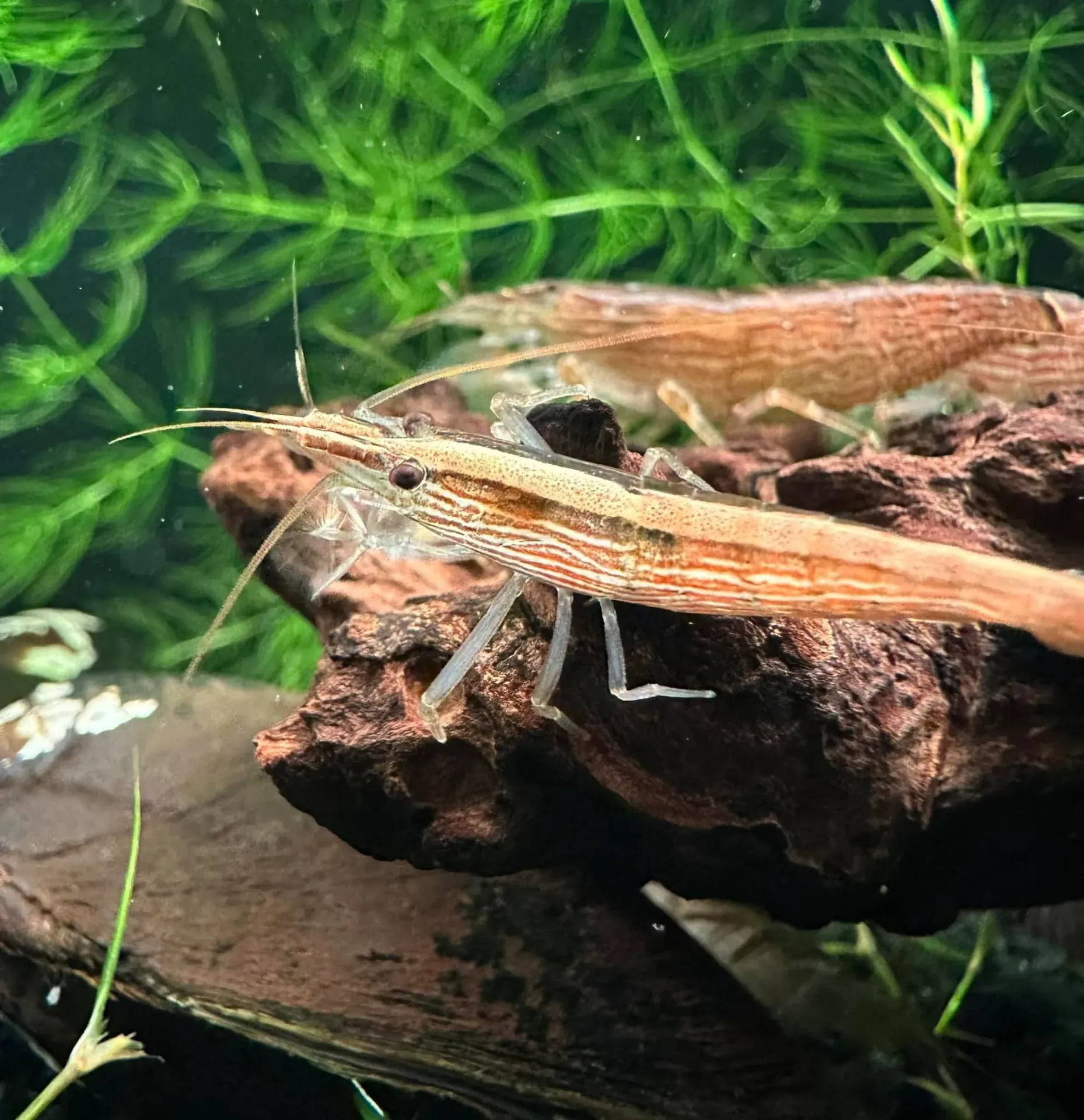
Atyopsis moluccensis
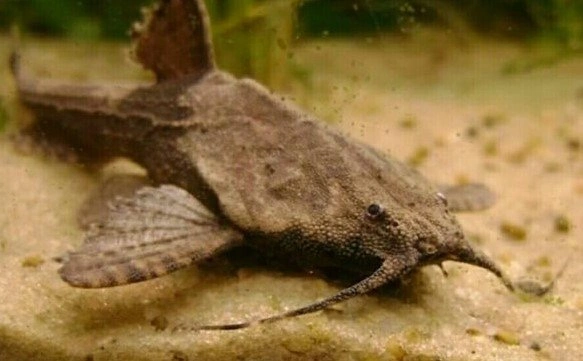
Bunocephalus coracoideus
Use our free stocking calculator to check compatibility, bioload, and get personalized recommendations.