
Care Requirements
Adult Size
5.9" (15cm)
Min Tank
40 gal
Temperature
72-82°F
pH Range
6-8.5
Lifespan
4-6 years
Min Group
Can be kept alone
Diet
Omnivore
Swim Level
Top
Bioload
5/10
Hardness
5-20 dGH
About Three Spot Gourami
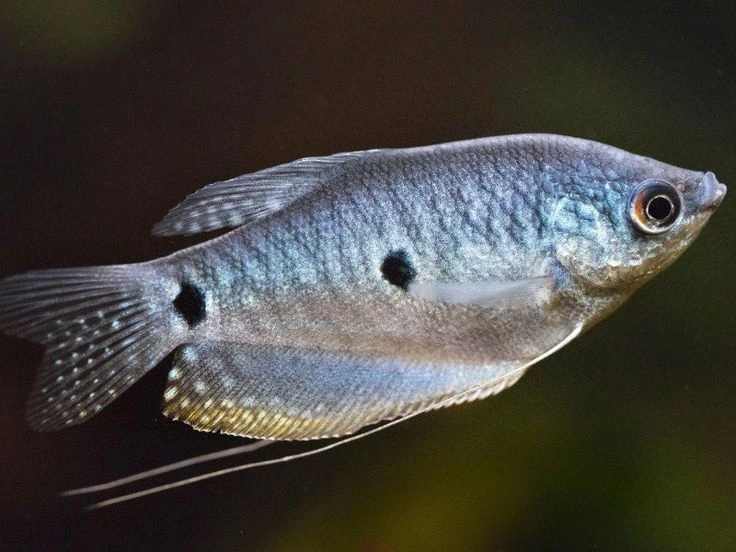
The Three Spot Gourami is one of the most widely recognized and readily available gourami species in the aquarium hobby. Despite its name suggesting three spots, you'll typically only see two dark spots on the body—the eye counts as the third spot. This hardy labyrinth fish has been captivating fishkeepers for decades with its bold personality and beautiful coloration.
What makes the Three Spot Gourami particularly interesting is the diversity of color morphs available. The natural 'Blue' form, the marbled 'Opaline,' and the striking 'Gold' variety are all the same species with identical care requirements. Their larger size compared to dwarf gouramis (reaching up to 6 inches) means they command attention in any aquarium.
As labyrinth fish, Three Spot Gouramis possess a specialized breathing organ that allows them to gulp atmospheric air from the surface. This adaptation evolved in the oxygen-poor waters of Southeast Asia and remains an essential behavior even in well-oxygenated aquariums. They're remarkably hardy fish that can tolerate a wide range of water conditions, making them excellent choices for beginners willing to accommodate their semi-aggressive nature.
Natural Habitat & Origin
Three Spot Gouramis originate from the warm, slow-moving waters of Southeast Asia, ranging from Thailand and Malaysia through Vietnam, Cambodia, Laos, Myanmar, and Indonesia. In their natural environment, they inhabit marshes, swamps, canals, ponds, and flooded forests—essentially any slow or stagnant water body with dense vegetation.
These habitats are characterized by low oxygen levels, which explains why gouramis developed their labyrinth organ. The dense vegetation provides cover from predators and supports the bubble nests males build during breeding. Understanding this preference for calm, planted environments helps explain why they don't appreciate strong water flow in aquariums.
Native Region
Southeast Asia (Thailand, Malaysia, Vietnam, Cambodia, Laos, Myanmar, Indonesia)
Habitat Type
Marshes, swamps, canals, ponds, flooded forests
Wild Water Conditions
Slow-moving or stagnant, warm, often low-oxygen with dense vegetation
Appearance & Varieties
Three Spot Gouramis are medium-sized fish reaching up to 6 inches (15 cm) in length. Their body is laterally compressed with a characteristic oval shape. The most distinctive features are the two dark spots on each side—one in the center of the body and one at the base of the tail. Combined with the eye, these create the 'three spot' pattern that gives them their name.
The natural wild form displays a silvery-blue body with the dark spots clearly visible. Males tend to be more vibrantly colored, especially during breeding, and develop longer, more pointed dorsal and anal fins. Females are rounder-bodied with shorter, more rounded fins. Both sexes possess the characteristic modified pelvic fins that extend into long, thread-like feelers used to explore their environment.
Popular Varieties
| Variety | Description | Rarity |
|---|---|---|
| Blue Gourami | The natural wild coloration with silvery-blue body and visible spots | Very Common |
| Opaline Gourami | Marbled blue pattern with reduced or absent spots, often calmer temperament | Very Common |
| Gold Gourami | Yellow-orange variety with reduced spot visibility | Common |
| Cosby Gourami | Dark marbled variety with intense patterning | Uncommon |
Tank Setup & Requirements
Quick Requirements Summary
Tank Size
Minimum Tank Size
40 gallons
Recommended Tank Size
55 gallons
Three Spot Gouramis require a minimum tank size of 30 gallons, with 40+ gallons recommended for optimal health and reduced aggression. Long tanks with ample surface area are preferred, as these fish are surface breathers and spend considerable time at the top of the tank.
Water Parameters
Temperature should be maintained between 74-82°F (24-28°C). They're adaptable to a wide pH range of 6.0-8.0 and tolerate moderate hardness (5-19 dGH). While hardy, they appreciate stable conditions and regular water changes of 25% weekly.
Substrate
Any substrate works well for Three Spot Gouramis. Sand or gravel are both suitable choices, with darker substrates helping to showcase their coloration. They don't dig, so planted substrate is also an option.
Plants & Decorations
Heavily planted tanks are ideal. Floating plants are especially recommended as they provide security, diffuse bright lighting, and support bubble nest construction during breeding. Include driftwood, rocks, and dense plant thickets to create territory boundaries. Leave open swimming areas in the middle of the tank.
Filtration & Water Flow
Moderate filtration is important, but avoid strong currents. Three Spot Gouramis prefer calmer water and need a stable surface for bubble nests. Use a spray bar or baffle to reduce flow from hang-on-back or canister filters. Sponge filters work well for smaller setups.
Lighting
Moderate lighting is sufficient. Floating plants help diffuse bright light, which gouramis appreciate. If keeping live plants that require stronger light, ensure there are shaded areas where the gourami can retreat.
Diet & Feeding Guide
Diet Type
omnivore
Feeding Frequency
1-2 times daily
Portion Size
What they consume in 2-3 minutes
Three Spot Gouramis are omnivores with hearty appetites. In the wild, they feed on insects, insect larvae, crustaceans, zooplankton, and plant matter. In captivity, they accept virtually all aquarium foods but thrive on a varied diet that includes both protein and vegetable matter.
Best Foods for Three Spot Gourami
- High-quality flakes — Should form the staple diet, look for gourami-specific or cichlid formulas
- Cichlid/gourami pellets — Floating pellets work best since they're surface feeders
- Frozen bloodworms — Excellent protein source, feed 2-3 times per week
- Brine shrimp — Frozen or live, great for conditioning and color enhancement
- Blanched vegetables — Zucchini, peas, and spinach provide essential fiber
- Live foods — Mosquito larvae, blackworms, and daphnia for optimal health
Foods to Avoid
- Exclusively dry food diet — Variety is essential for optimal health and coloration
- Large hard pellets — Their mouths are smaller than their body size suggests
- Overfeeding — Leads to obesity and poor water quality; feed only what's consumed in 2-3 minutes
Despite their size, Three Spot Gouramis have relatively small mouths. Crush or break up larger foods for easier consumption. A varied diet brings out their best coloration. They may eat surface plants like duckweed—this is natural grazing behavior. They can recognize owners and will often beg for food at the front of the tank.
Behavior & Temperament
Three Spot Gouramis display bold, interactive personalities that set them apart from many aquarium fish. They're curious, will explore their environment using their modified pelvic fins as feelers, and often recognize their owners—approaching the glass at feeding time.
However, they can be territorial and aggressive, particularly males toward other gouramis or fish with similar body shapes. This aggression intensifies during breeding or when housed in tanks that are too small. In appropriate setups, they generally ignore dissimilar tankmates while defending their chosen territory.
As labyrinth fish, they regularly surface to gulp air—this is normal and essential behavior, not a sign of distress. They alternate between active swimming and hovering near the surface or among plants. Their activity level is moderate compared to more active species like danios or barbs.
Tank Mates: Compatibility Guide
Compatible Tank Mates
Same family and the same surface habits — only in a tank of 75 gallons or more
Buenos Aires and Congo tetras are good choices—too large to harass
Active swimmers that can hold their own
Peaceful bottom dwellers that stay out of the gourami's territory
Different territory, helps with algae
Hardy livebearers that can coexist
Rosy Barbs and similar sized barbs work well
Active bottom dwellers that provide movement
Tank Mates to Avoid
Other Male Gouramis
Will fight relentlessly, often to the death
Dwarf Gouramis
Will be bullied and stressed by the larger Three Spot
Bettas
Similar body shape triggers aggression; betta will lose
Slow Long-finned Fish
May nip fins and harass slower fish
Small Tetras/Neons
May be eaten or constantly harassed
Guppies
Too small and may become prey or harassment victims
Shrimp
Will hunt and eat shrimp of all sizes
Common Pairing Questions
Can I keep two male Three Spot Gouramis together?
Not recommended. Males are highly territorial and will fight, sometimes fatally, especially in smaller tanks. Even in very large tanks (300+ liters), aggression remains common. Stick to one male, or keep a male with multiple females.
Can Three Spot Gouramis live with bettas?
No. Both are labyrinth fish with similar body shapes, which triggers aggression. The Three Spot Gourami is larger and more aggressive—it will harass or attack the betta. Keep them in separate tanks.
Are Three Spot Gouramis safe with shrimp?
No, they will actively hunt and eat shrimp. This includes cherry shrimp, amano shrimp, and other ornamental shrimp. If you want a shrimp colony, choose different tankmates.
Three Spot Gouramis are bubble nest builders and relatively easy to breed. Males construct elaborate nests of bubbles at the water surface, often incorporating bits of floating plants. The breeding process begins with the male displaying to the female with spread fins and vibrant colors.
For successful breeding, set up a separate tank of at least 75 liters with shallow water (15-20 cm deep), warm temperatures (26-28°C), floating plants, minimal water current, and a tight-fitting lid to maintain humid air above the surface—essential for fry developing their labyrinth organ.
During spawning, the male wraps around the female in a characteristic embrace, and eggs are released which float up to the bubble nest. Males become aggressively protective of the nest and should be left to guard it. Remove the female after spawning as the male may attack her. Spawns can produce 300-800 eggs, which hatch in 24-36 hours. Fry become free-swimming in 2-3 days and should be fed infusoria initially, graduating to baby brine shrimp. Remove the male once fry are free-swimming. They're prolific breeders when conditions are right.
Health Issues & Disease Prevention
Three Spot Gouramis are generally hardy fish that resist many common aquarium diseases when kept in proper conditions. However, they can carry and transmit diseases to more sensitive species, making quarantine important.
Common Diseases
| Disease | Symptoms | Treatment |
|---|---|---|
| Dwarf Gourami Iridovirus (DGIV) | Lethargy, loss of color, sores, bloating—primarily affects dwarf gouramis but Three Spots can carry it | No cure; prevention through quarantine and buying from reputable sources is key |
| Ich (White Spot Disease) | White spots on body and fins, flashing against objects, clamped fins | Raise temperature to 86°F (30°C) and add aquarium salt; commercial ich medications |
| Bacterial Infections | Fin rot, ulcers, red streaks, pop-eye | Antibacterial medication, improve water quality, isolate affected fish |
Signs of a Healthy Three Spot Gourami
- Vibrant coloration with clear pattern
- Active swimming and exploration
- Regular surface breathing (normal behavior)
- Good appetite at feeding time
- Intact, spread fins without tears
- Curious, alert behavior
Prevention Tips
- Quarantine new fish for 2-3 weeks before adding to main tank
- Maintain stable water parameters with weekly water changes
- Provide proper nutrition with varied diet
- Ensure adequate tank size to reduce stress
- Buy from reputable sources with healthy-looking stock
- Maintain humid air gap above water surface for labyrinth organ health
Frequently Asked Questions
The eye counts as the third spot! The two dark spots on the body plus the eye create the 'three spot' pattern. Some color morphs like Opaline or Gold may have reduced or absent body spots.
Not recommended. Males are territorial and will fight, sometimes to the death in smaller tanks. Even in large tanks (300+ liters), aggression is common. Stick to one male, or keep a male with multiple females.
They're semi-aggressive. They generally ignore fish that don't resemble them, but can bully similar-looking fish (other gouramis, bettas), slow-moving fish, or small tankmates. Males are more aggressive than females.
They're all the same species (Trichopodus trichopterus) - just different color morphs. Blue is the natural wild coloration, Opaline has marbled blue patterns, and Gold is a yellow-orange variety. Care is identical for all.
This is normal behavior. As labyrinth fish, they must breathe atmospheric air periodically. Ensure there's a gap between water and lid with humid air. Excessive gasping could indicate poor water quality.
No. Both are labyrinth fish with similar body shapes, and the gourami will likely harass or attack the betta. The gourami is also larger and more aggressive. Keep them separate.
Tips for Keeping Three Spot Gourami
Pro Tips
- ✓The 'two spot' varieties (Opaline, Gold) often have calmer temperaments than wild-type Blue
- ✓Floating plants are essential—they provide security and support bubble nest building
- ✓Single specimens often have the best temperament in community tanks
- ✓They can learn to recognize their owner and will come to the front of the tank at feeding time
- ✓Excellent pest control—will eat hydra, planaria, and pest snails
- ✓If keeping multiple females, add them simultaneously to prevent established fish from bullying newcomers
Common Mistakes to Avoid
- ✗Keeping multiple males together—leads to constant fighting and stress
- ✗Tank too small—need 30+ gallons; aggression increases dramatically in cramped spaces
- ✗Housing with bettas or dwarf gouramis—will harass and attack them
- ✗No lid or sealed lid—need humid air gap above water for labyrinth organ
- ✗Strong current—prefer calm water for bubble nests and natural behavior
- ✗Keeping with small fish like neon tetras or guppies—may become snacks or harassment victims
- ✗Underestimating adult size—they grow to 6 inches, much larger than dwarf gouramis
Sources
- FishBase — Accepted scientific name, maximum size and native range for Three Spot Gourami.
Related Species You Might Like
View All Fish →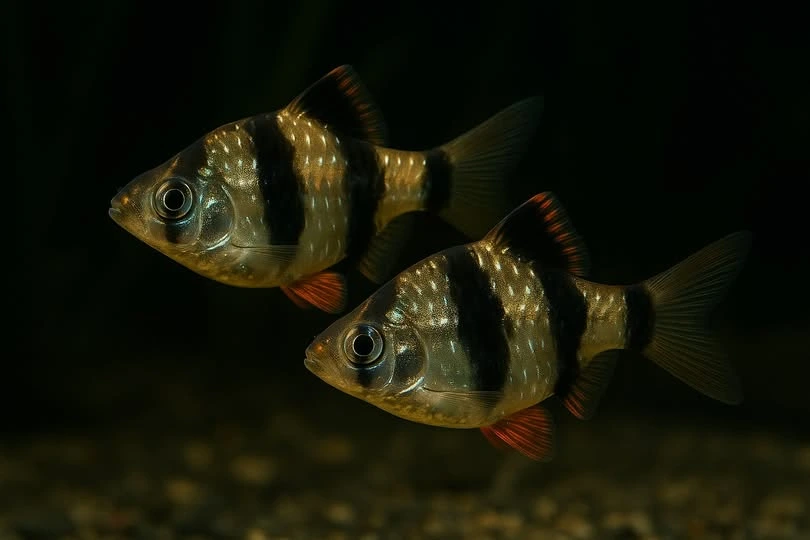
Tiger Barb
Puntigrus tetrazona
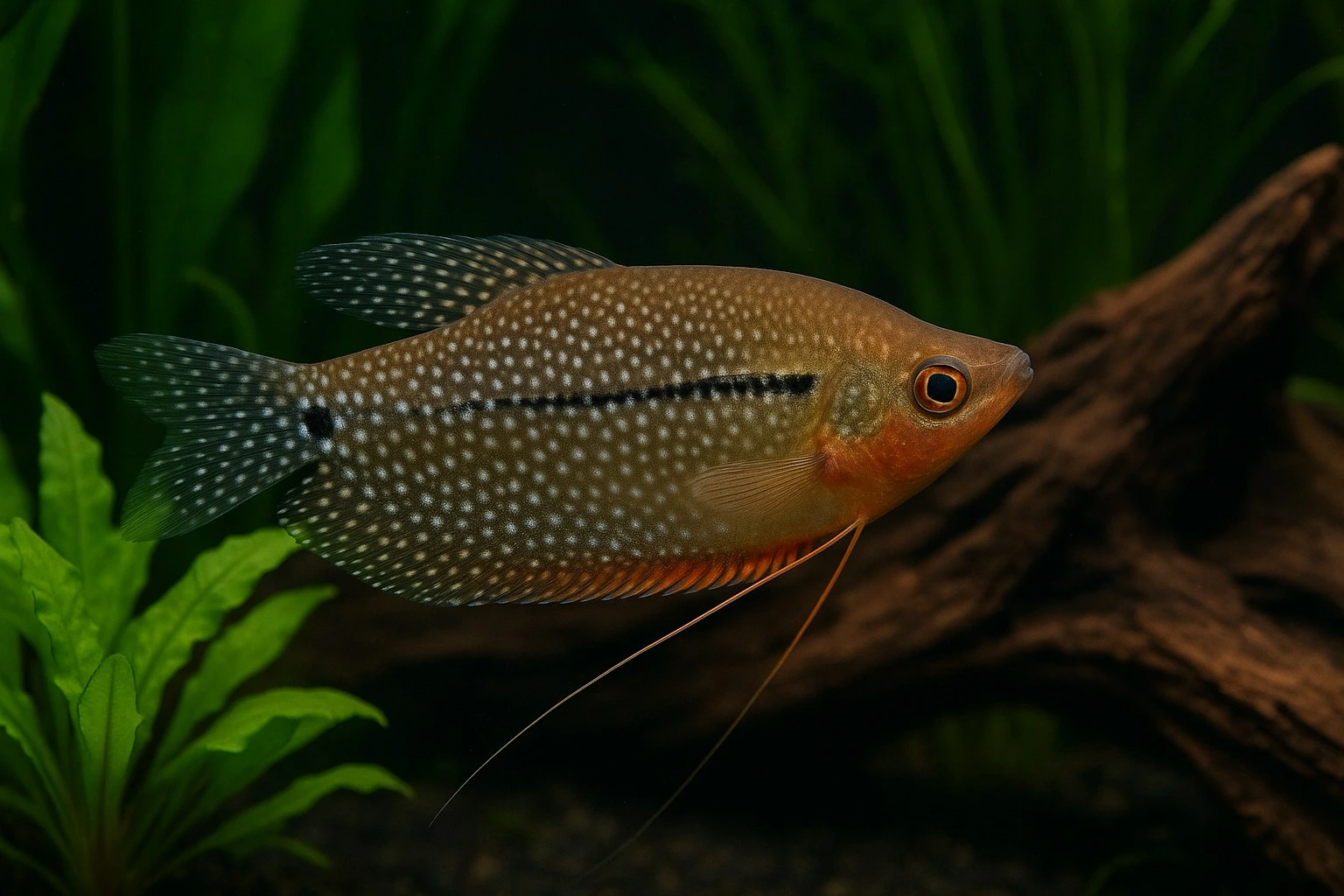
Pearl Gourami
Trichopodus leerii
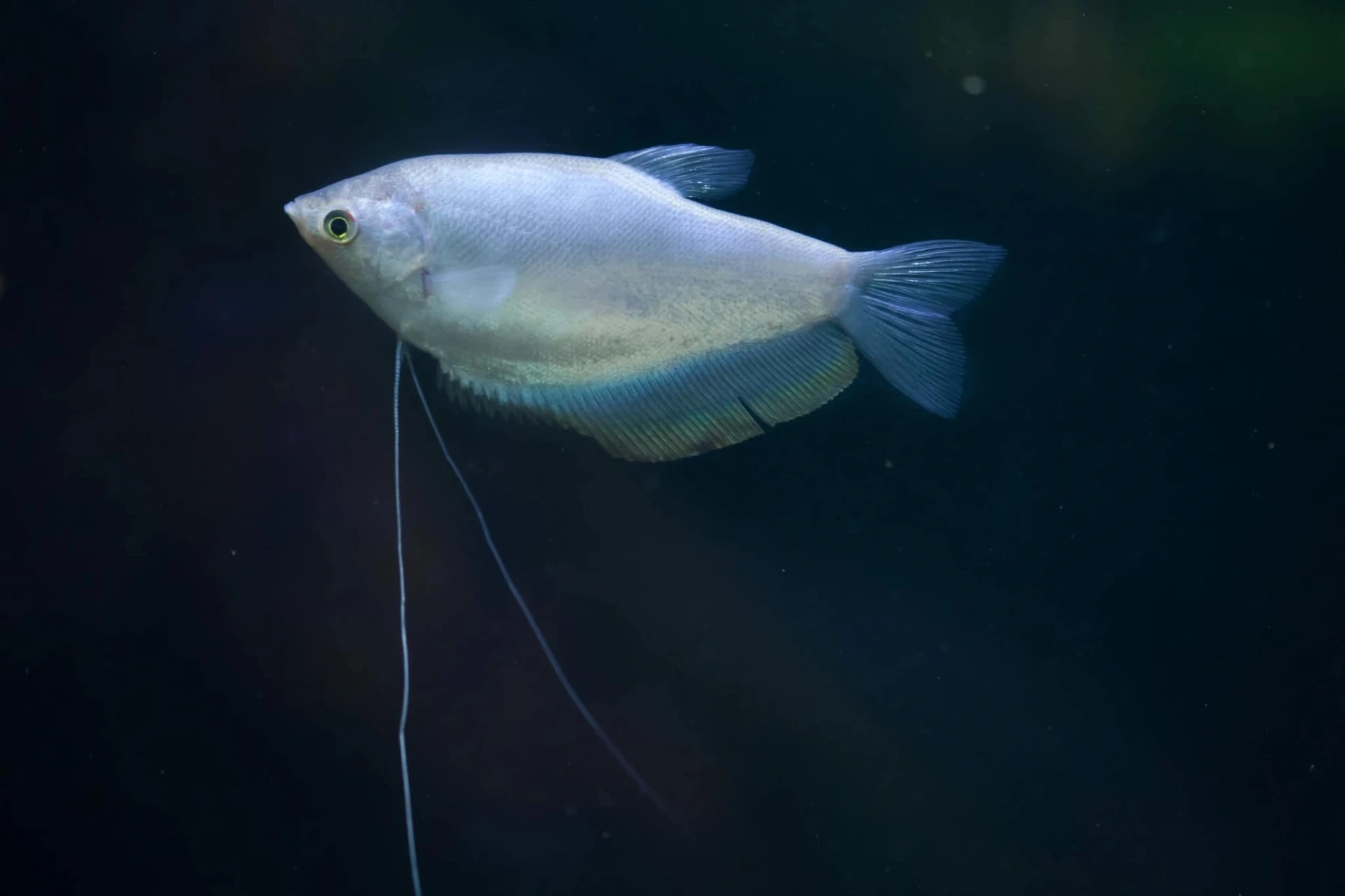
Moonlight Gourami
Trichopodus microlepis
African Butterfly Fish
Pantodon buchholzi
Amazon Puffer
Colomesus asellus
Angelfish
Pterophyllum scalare

Blood Parrot Cichlid
Amphilophus hybrid

Calvus
Altolamprologus calvus
Ready to Add Three Spot Gourami to Your Tank?
Use our free stocking calculator to check compatibility, bioload, and get personalized recommendations.