

Care Requirements
Adult Size
5.5" (14cm)
Min Tank
20 gal
Temperature
72-82°F
pH Range
7-8.4
Lifespan
3-5 years
Min Group
3+ fish
Diet
Omnivore
Swim Level
Middle
Bioload
4/10
Hardness
10-25 dGH
About Swordtail
The Swordtail is one of the most recognizable freshwater aquarium fish, named for the elongated lower tail fin that males develop—a distinctive "sword" that can add several inches to their overall length. Native to Central America, these hardy livebearers have been aquarium favorites for over a century.
Swordtails are closely related to platies and can even interbreed with them, as both belong to the Xiphophorus genus. Their popularity stems from their hardiness, ease of breeding, and the stunning variety of color morphs available—from classic green and red to pineapple, koi, and hi-fin varieties.
These are active, engaging fish that do well in community tanks. However, understanding their social dynamics is important: males can be territorial toward each other, and their prolific breeding means population control becomes a consideration for any keeper.
Natural Habitat & Origin
In the wild, swordtails inhabit fast-flowing rivers and streams throughout Central America, particularly in Mexico, Guatemala, and Honduras. Their native waters are typically hard and alkaline, flowing over limestone substrates that keep the pH elevated.
These streams feature dense vegetation along the banks, moderate to strong currents, and clean, well-oxygenated water. This explains their preference for hard, alkaline aquarium conditions and their active swimming behavior. Unlike many tropical fish from soft, acidic waters, swordtails thrive in conditions that more closely match typical tap water in many regions.
Native Region
Central America - Mexico, Guatemala, Honduras
Habitat Type
Fast-flowing rivers and streams with dense vegetation
Wild Water Conditions
Hard, alkaline water (pH 7.0-8.3) with limestone substrate
Appearance & Varieties
Male swordtails are instantly recognizable by the elongated lower lobe of their tail fin—the "sword" that gives them their name. This extension can add 2-3 inches to their total length. Males are typically more colorful with slimmer bodies and develop a pointed anal fin (gonopodium) used for mating.
Females lack the sword extension, have rounded anal fins, and are generally larger and rounder-bodied than males, especially when carrying fry. Both sexes reach about 4-5.5 inches in length (excluding the sword).
Decades of selective breeding have produced numerous color varieties including red, green, black, pineapple (orange/yellow), koi (multicolored), and hi-fin variants with extended dorsal fins.
Popular Varieties
| Variety | Description | Rarity |
|---|---|---|
| Red Swordtail | Solid red-orange body, most common variety | common |
| Green Swordtail | Olive-green body with red stripe, closest to wild form | common |
| Black Swordtail | Deep black coloration throughout body | common |
| Pineapple Swordtail | Yellow-orange body, very popular variety | common |
| Koi Swordtail | Multicolored pattern resembling koi fish | uncommon |
| Hi-Fin Swordtail | Extended dorsal fin, various color patterns | uncommon |
Tank Setup & Requirements
Quick Requirements Summary
Tank Size
Minimum Tank Size
20 gallons
Recommended Tank Size
30 gallons
Swordtails are active swimmers that need room to move. A longer tank is preferred over a tall one to give them adequate horizontal swimming space. These are not demanding fish regarding décor, but they do appreciate a well-planted tank with open swimming areas.
Water Parameters
Swordtails prefer hard, alkaline water—conditions that match their native limestone-rich streams. Temperature range of 72-79°F (22-26°C), pH 7.0-8.3, and hardness of 12-30 dGH. They're quite tolerant of parameter variations but thrive in harder water. Can tolerate aquarium salt (1 tbsp per 5 gallons) though it's not required.
Substrate
Any substrate works well—gravel or sand according to your preference. Since they don't dig or have sensitive barbels, substrate choice is primarily aesthetic.
Plants & Decorations
Dense planting is beneficial, especially for providing fry hiding spots and reducing male aggression by breaking sight lines. Recommended plants include Java Fern, Amazon Sword, Hornwort, Water Sprite, Java Moss, and Vallisneria. Include driftwood and rocks for visual interest while maintaining open swimming space.
Filtration & Water Flow
Standard HOB or canister filtration with moderate flow works well. Swordtails are good swimmers and handle moderate current without issue. Aim for 4-6x tank volume turnover per hour.
Lighting
Standard aquarium lighting for 8-10 hours daily. No special requirements—match lighting to your plants' needs.
Diet & Feeding Guide
Diet Type
omnivore
Feeding Frequency
1-2x daily
Portion Size
What they consume in 2-3 minutes
Swordtails are omnivores that benefit from a varied diet with significant plant matter. In the wild, they feed on algae, plant material, small invertebrates, and insects. They're enthusiastic, even greedy feeders—overfeeding is a common problem.
Best Foods for Swordtail
- Quality tropical flakes — Good staple food, varied nutrition
- Spirulina-based foods — Important vegetable component they naturally crave
- Sinking pellets — Varied diet staple
- Blanched vegetables — Zucchini, cucumber, spinach 2-3 times weekly
- Frozen bloodworms — Excellent protein supplement
- Frozen brine shrimp — Good for conditioning and variety
- Daphnia — Natural food, promotes good digestion
Foods to Avoid
- Overfeeding any food — Very enthusiastic eaters prone to obesity and water quality issues
- Protein-heavy diet only — Need vegetable matter for proper digestion
Swordtails benefit greatly from vegetable matter in their diet. Offer blanched vegetables 2-3 times weekly. They're extremely enthusiastic feeders that will eat until they're unhealthy if allowed. Fasting one day per week can be beneficial to prevent obesity.
Behavior & Temperament
Swordtails are active, social fish that spend most of their time swimming in the middle to upper water column. They're generally peaceful community fish, but males can be territorial toward each other, especially in smaller tanks.
Males display their swords frequently, particularly when competing for female attention or establishing hierarchy. In groups with multiple males, expect to see chasing and displaying behavior. This is normal and usually harmless if adequate space and hiding spots are provided.
Swordtails are also known jumpers, especially when startled or during male chasing behavior. A secure lid is essential.
Tank Mates: Compatibility Guide
Compatible Tank Mates
Closely related, nearly identical care requirements
Fellow livebearer, similar water preferences
Peaceful livebearer, though swords may nip fancy guppy tails
Peaceful bottom dwellers
Excellent algae eater, stays small
Peaceful schooling fish
Active, peaceful in appropriate numbers
Active, hardy schooling fish
Peaceful larger gourami
Active, colorful mid-dweller
Active bottom dweller
Tank Mates to Avoid
Betta
Mutual fin nipping risk, swords may harass bettas
Angelfish
Swordtails may nip long fins of slow-moving angelfish
Aggressive Cichlids
Will stress and potentially harm swordtails
Tiger Barbs (small groups)
Notorious fin nippers, need large schools to behave
Common Pairing Questions
How many swordtails should I keep together?
They can be kept individually but thrive in groups. The critical factor is sex ratio: maintain 2-3 females per male to prevent female harassment. A group of 5-6 (1-2 males, 3-4 females) works well in 29+ gallons. All-female groups eliminate breeding concerns entirely.
Can swordtails change sex?
There are rare reports of late-maturing females developing male characteristics in all-female tanks, though this is uncommon. More often, late-developing males are initially misidentified as females until their sword develops.
Can swordtails live with platies?
Yes! They're closely related (same genus) and have nearly identical care requirements. Be aware they can interbreed, producing hybrid offspring. If keeping both, maintain similar sex ratios and expect crossbreeding if males and females of both species are present.
Swordtails are prolific livebearers—among the easiest fish to breed. Internal fertilization means females give birth to live, free-swimming fry rather than laying eggs. In fact, preventing breeding can be more challenging than encouraging it.
Males have the distinctive sword-shaped tail extension and a pointed anal fin (gonopodium) used for mating. Females are larger, rounder-bodied, lack the sword, and have a fan-shaped anal fin.
Any community tank with plants works for breeding. Dense vegetation like Java moss and hornwort helps fry survive by providing hiding spots from hungry adults. Males court females constantly with displays and chasing. After internal fertilization, females carry developing embryos for 4-6 weeks before giving birth. Remarkably, females can store sperm for multiple broods—a single mating can result in several batches of fry over months.
Expect 20-100 live fry per birth. Adults will eat fry, so provide heavy planting or use a breeding box to separate pregnant females before birth. Fry can eat crushed flakes, baby brine shrimp, and powdered fry food from day one. Fry reach sexual maturity in 3-6 months. If breeding is not desired, keep only one sex or separate males and females.
Health Issues & Disease Prevention
Swordtails are generally hardy fish, but like all aquarium fish, they're susceptible to certain diseases, particularly when stressed or kept in poor water conditions.
Common Diseases
| Disease | Symptoms | Treatment |
|---|---|---|
| Ich (White Spot) | White spots on body and fins, flashing against objects, lethargy, clamped fins | Raise temperature to 82-86°F, add aquarium salt, use ich medication |
| Fin Rot | Ragged, frayed fins with redness at the base | Improve water quality, antibacterial medication if severe |
| Velvet (Oodinium) | Gold or rust-colored dust on body, scratching, rapid breathing | Copper-based medication, dim lighting |
Signs of a Healthy Swordtail
- Vibrant coloration
- Active swimming
- Good appetite
- Males actively displaying swords
- Healthy, intact fins
Prevention Tips
- Maintain stable water parameters
- Quarantine new fish for 2-3 weeks
- Keep proper sex ratios to reduce stress
- Weekly water changes of 25-30%
- Avoid overcrowding
- Provide secure lid—swordtails are jumpers
Frequently Asked Questions
Males chase females during breeding and chase other males to establish territory. Provide plants to break line of sight, maintain proper sex ratios (2-3 females per male), and ensure adequate tank size. Overcrowding increases aggression.
Both are Xiphophorus species and can interbreed. The main difference is that male swordtails have the elongated sword tail extension while platies have rounded tails. Swordtails are slightly larger and more active. Care requirements are nearly identical.
It's what they do! Swordtails are prolific breeders and will reproduce whenever males and females are kept together. To prevent breeding, keep only one sex (all-female groups are peaceful) or remove fry regularly. Some keepers allow nature to take its course, letting adults consume most fry to control population.
They prefer temperatures of 72-79°F. In consistently warm climates where indoor temperatures don't drop below 70°F, they may survive without a heater, but stable heated conditions are recommended for optimal health and longevity.
Tips for Keeping Swordtail
Pro Tips
- ✓One of the best beginner livebearers for hard water aquariums
- ✓Color varieties include red, green, black, pineapple, koi, and hi-fin
- ✓Hardy and adaptable to various conditions
- ✓Population control is essential—they breed prolifically
- ✓Males' swords can regenerate if damaged
- ✓Tolerate aquarium salt which helps prevent disease
- ✓Great for hard-water community tanks with platies and mollies
Common Mistakes to Avoid
- ✗Not managing breeding—tanks quickly become overcrowded
- ✗Keeping only males (fight) or unbalanced sex ratios (females harassed)
- ✗Soft acidic water—they prefer hard alkaline conditions
- ✗Mixing with bettas or long-finned fish (fin nipping)
- ✗Overfeeding—very enthusiastic eaters prone to obesity
- ✗No lid—they're excellent jumpers
- ✗Expecting them not to breed—it's automatic when sexes mix
Sources
- FishBase — Accepted scientific name, maximum size and native range for Swordtail.
Related Species You Might Like
View All Fish →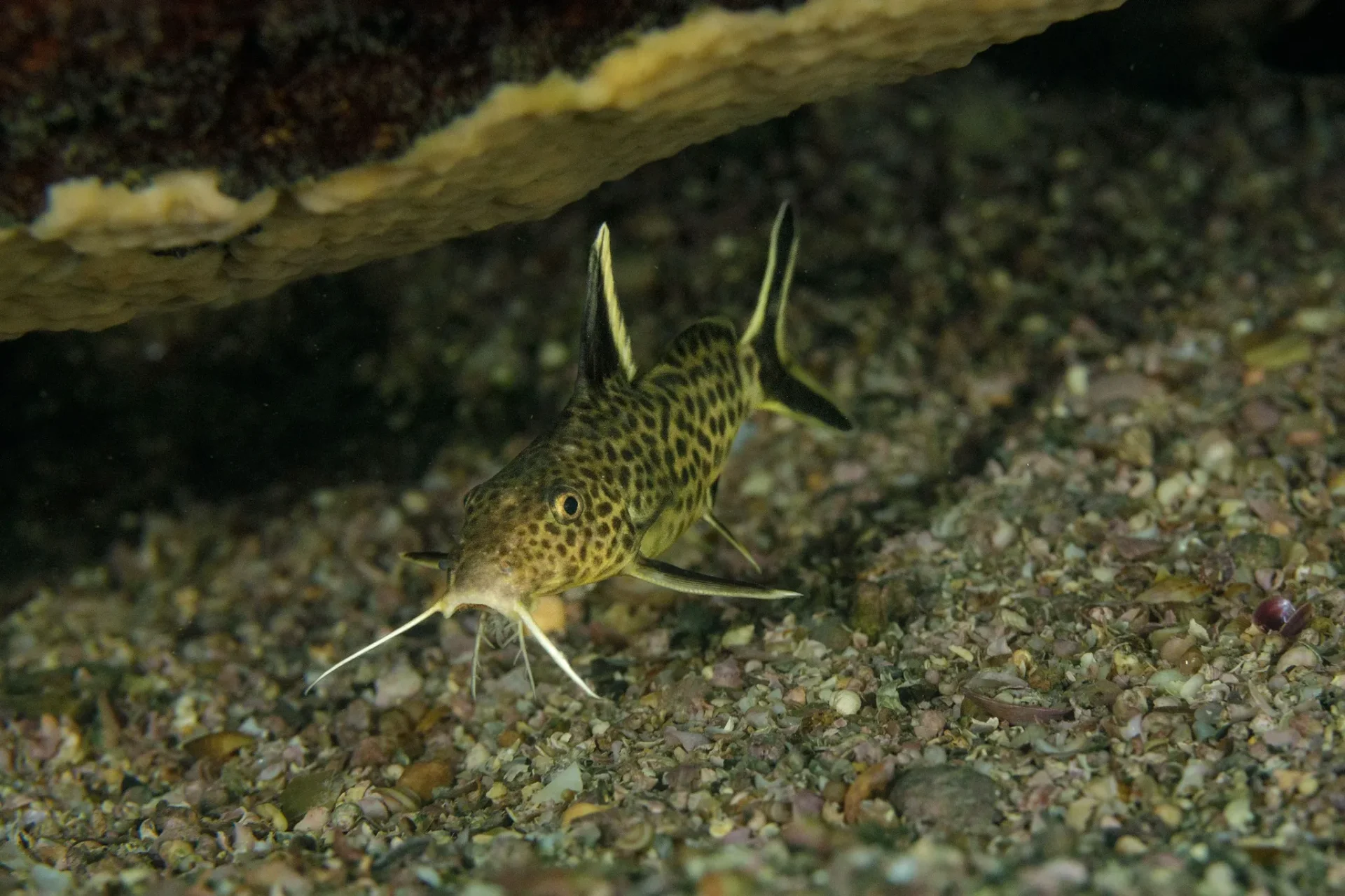
Synodontis Petricola
Synodontis petricola
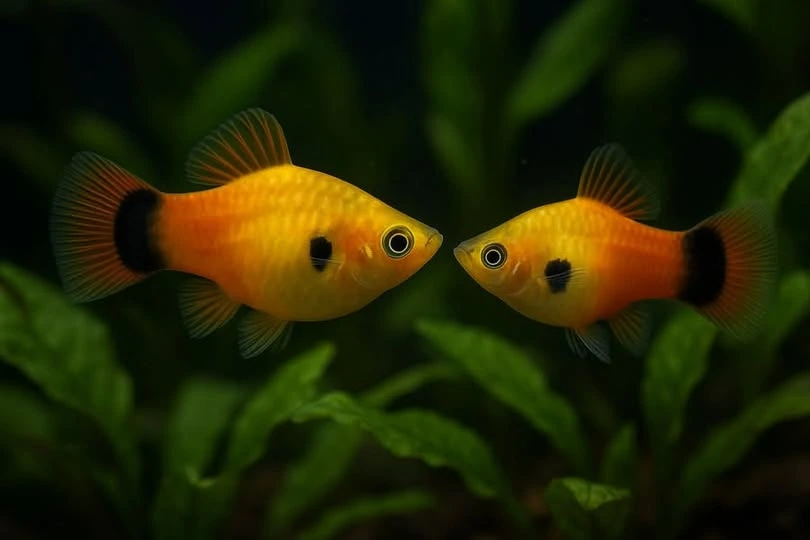
Platy
Xiphophorus maculatus
Guppy
Poecilia reticulata
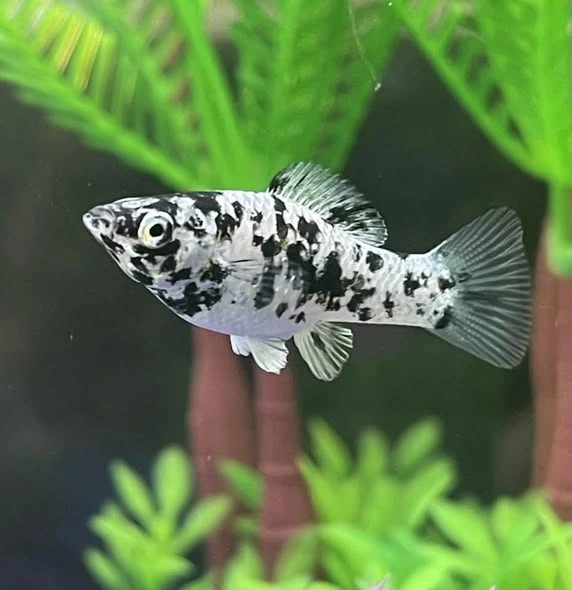
Molly
Poecilia sphenops
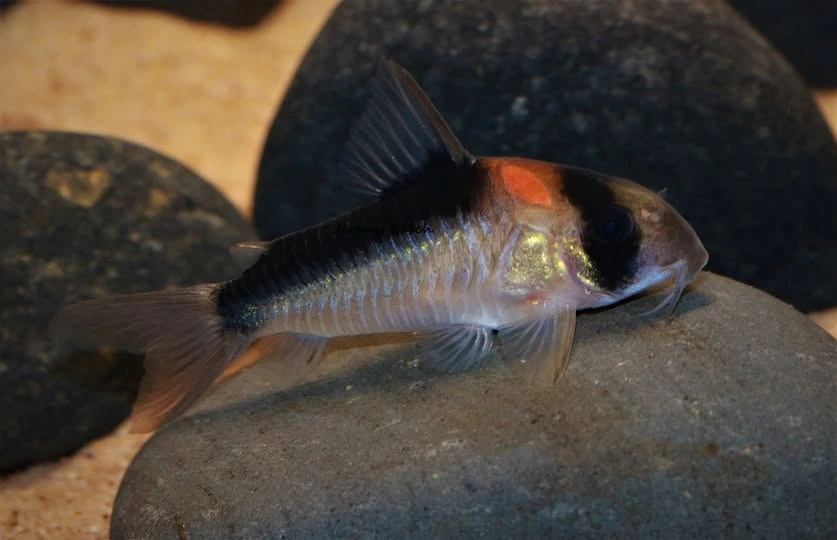
Adolfo's Corydoras
Corydoras adolfoi
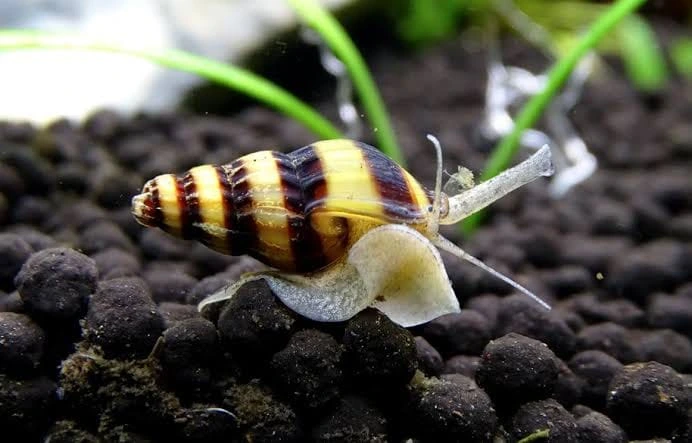
Assassin Snail
Clea helena
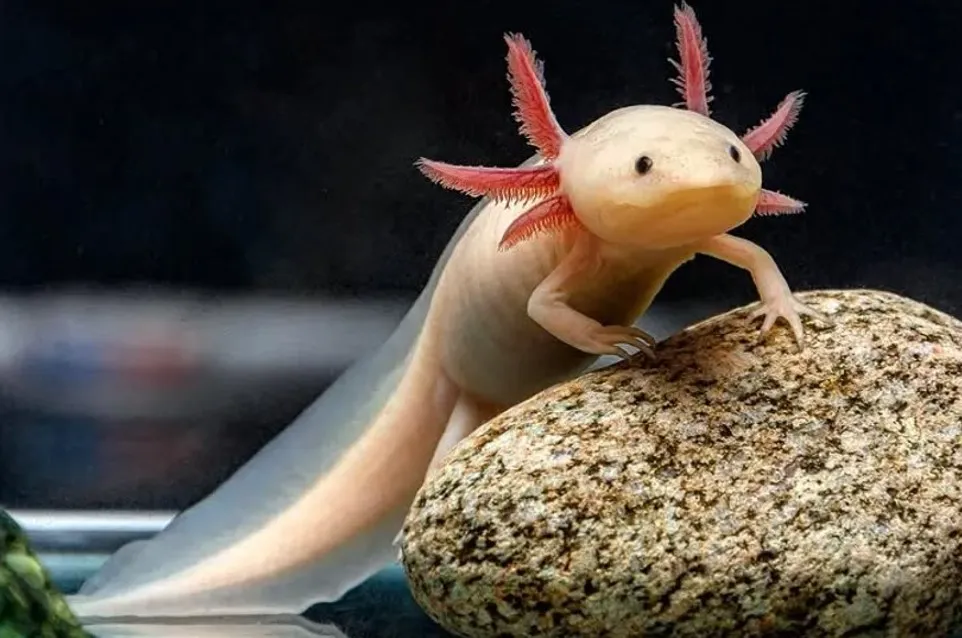
Axolotl
Ambystoma mexicanum
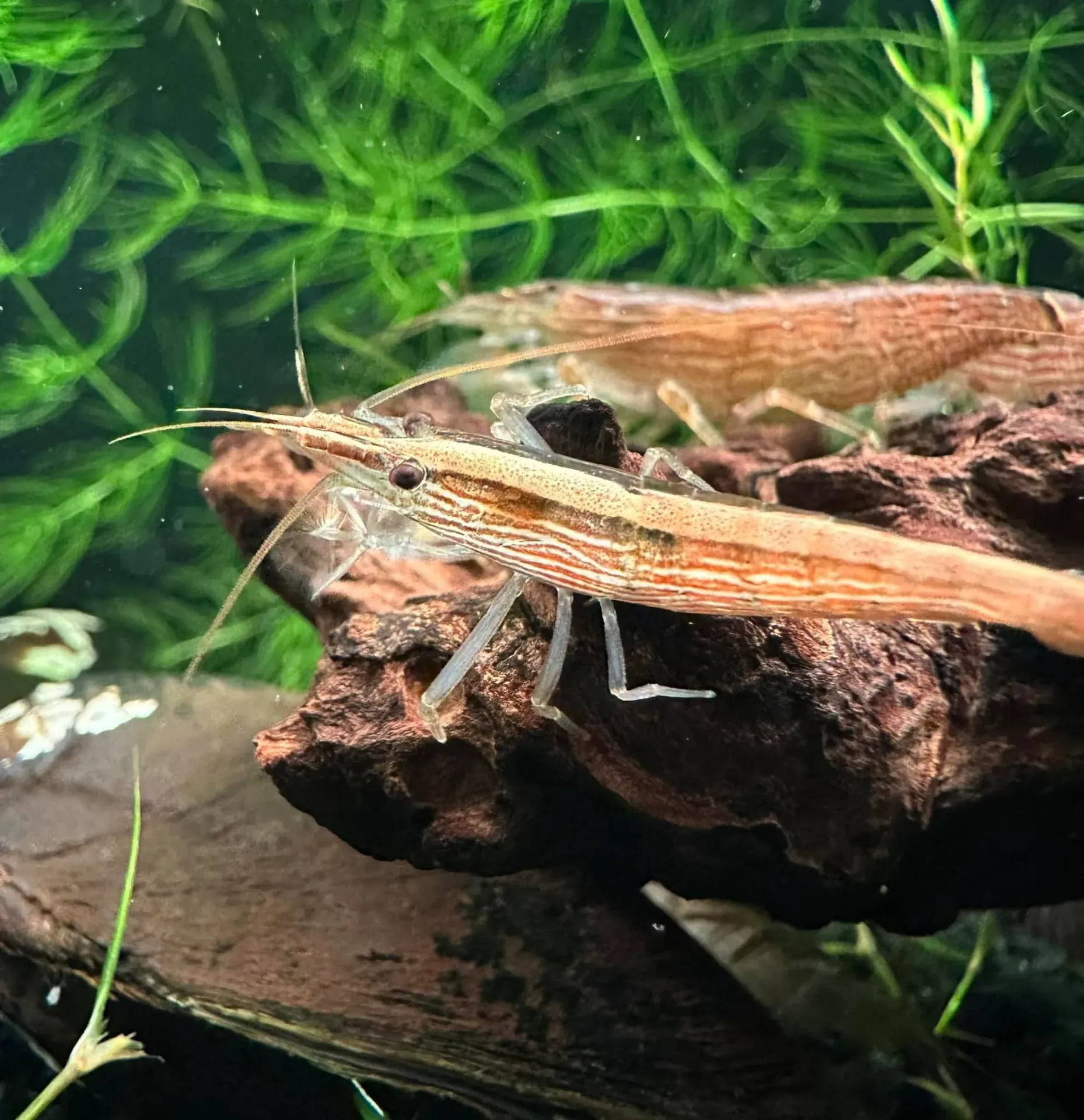
Bamboo Shrimp
Atyopsis moluccensis
Ready to Add Swordtail to Your Tank?
Use our free stocking calculator to check compatibility, bioload, and get personalized recommendations.