
Care Requirements
Adult Size
2.4" (6cm)
Min Tank
15 gal
Temperature
68-79°F
pH Range
7-8.2
Lifespan
3-4 years
Min Group
3+ fish
Diet
Omnivore
Swim Level
Middle
Bioload
3/10
Hardness
10-25 dGH
About Platy
Platies are the quintessential beginner fish—hardy, colorful, peaceful, and easy to breed. Native to Central America, these cheerful livebearers have been aquarium favorites since the early 1900s and continue to be one of the most recommended fish for newcomers to the hobby.
What makes platies so beginner-friendly is their remarkable adaptability. They tolerate a wider range of water conditions than most fish, rarely suffer from disease, and forgive the mistakes that new aquarists inevitably make. Combined with their bright colors and active personalities, they're the perfect introduction to fishkeeping.
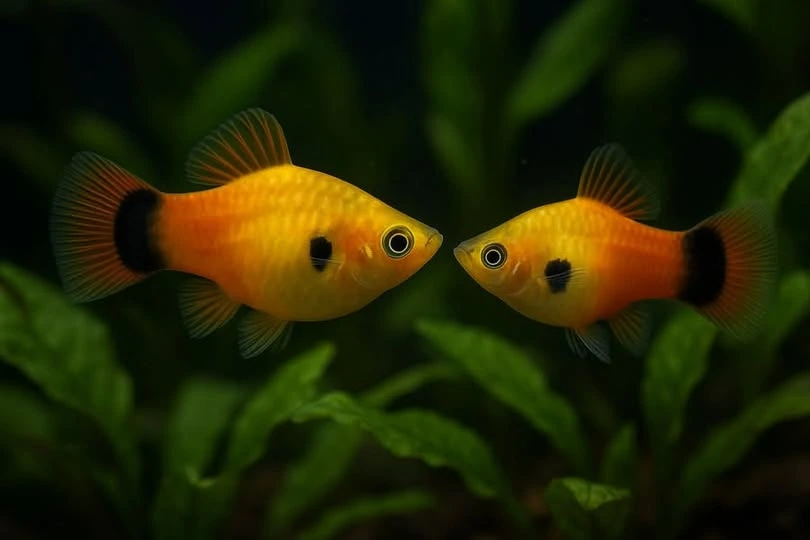
Platies come in nearly every color imaginable—red, orange, yellow, blue, white, black, and countless combinations. Through extensive breeding, aquarists have developed varieties like Mickey Mouse platies (with a distinctive tail pattern), sunburst, tuxedo, and many more. They're also one of the few fish that genuinely help control algae, grazing on it throughout the day.
Natural Habitat & Origin
Wild platies are found in the slow-moving waters of Central America, particularly Mexico, Guatemala, and Honduras. They inhabit ditches, canals, springs, and warm ponds with abundant vegetation. The water in these habitats tends to be warm, moderately hard, and slightly alkaline—conditions shaped by the limestone-rich geology of the region.
In nature, platies live in densely planted areas where they graze on algae, biofilm, and small invertebrates. They're found in relatively shallow water with plenty of sunlight reaching the bottom, encouraging the algae growth that forms a significant part of their diet.
Native Region
Central America (Mexico, Guatemala, Honduras)
Habitat Type
Slow-moving streams, ditches, canals, warm springs
Wild Water Conditions
Warm (68-79°F), moderately hard (10-25 dGH), slightly alkaline (pH 7.0-8.2)
Appearance & Varieties
Platies have compact, somewhat stocky bodies that are laterally compressed. They're smaller than mollies but larger than guppies, reaching about 2-2.5 inches (5-6 cm) at maturity. Females are larger and rounder than males, especially when pregnant. Males have a modified anal fin (gonopodium) used for mating.
The variety of colors and patterns is staggering. Solid colors include red, orange (sunset), yellow (golden), blue, white, and black. Patterns include tuxedo (dark rear half), wagtail (black fins with colored body), Mickey Mouse (spots forming recognizable shape near tail), and variatus (mottled multi-colored). Most platies sold are hybrids between X. maculatus and X. variatus.
Popular Varieties
| Variety | Description | Rarity |
|---|---|---|
| Red Wag | Solid red body with black fins; one of the most popular | Common |
| Sunburst/Sunset | Orange to yellow gradient coloration | Common |
| Mickey Mouse | Black spots near tail base forming mouse-ear shape | Common |
| Tuxedo | Dark/black rear half, contrasting colored front | Common |
| Blue | Pale to deep blue coloration; often with iridescence | Common |
| Dalmatian | White base with black spots throughout | Common |
| Panda | White body with black patches, especially around eyes | Uncommon |
| Pintail/Hi-Fin | Extended dorsal fin; various colors available | Uncommon |
Tank Setup & Requirements
Quick Requirements Summary
Tank Size
Minimum Tank Size
15 gallons
Recommended Tank Size
20 gallons
Platies are undemanding and adapt to most aquarium setups. They appreciate plants and hiding spots but don't require elaborate arrangements. Their modest size means they're suitable for smaller tanks than mollies or swordtails.
Water Parameters
Platies prefer slightly hard, alkaline water but adapt to a surprisingly wide range. Temperature 68-79°F (20-26°C)—they tolerate the cooler end better than most tropical fish. pH 7.0-8.2 and hardness 10-25 dGH is ideal, though they survive in softer water better than mollies.
Substrate
Any substrate suitable. Gravel, sand, or bare bottom all work fine. Natural colored substrates often make their colors appear more vibrant.
Plants & Decorations
Live plants recommended—platies enjoy grazing on algae growing on plant leaves. They won't damage healthy plants. Floating plants provide shelter for fry. Include some open swimming space as platies are active fish.
Filtration & Water Flow
Standard filtration adequate. Platies have moderate bioload and don't require powerful filtration, though good water quality always matters. They tolerate gentle current.
Lighting
Standard aquarium lighting works well. Platies are active during daylight hours and enjoy well-lit tanks that encourage algae growth for grazing.
Diet & Feeding Guide
Diet Type
omnivore
Feeding Frequency
2-3x daily
Portion Size
What they consume in 2 minutes
Platies are true omnivores that benefit from a varied diet including significant plant matter. In the wild, they graze on algae throughout the day. Their willingness to eat almost anything makes them easy to feed, but variety promotes health and color.
Best Foods for Platy
- Quality flake food — Staple diet—choose color-enhancing formulas
- Spirulina flakes — Important plant matter component; include regularly
- Blanched vegetables — Zucchini, cucumber, peas, spinach—adds fiber
- Frozen bloodworms — Occasional treat, 1-2x weekly
- Frozen brine shrimp — Good variety and conditioning food
- Algae wafers — Supplement if tank lacks natural algae
- Live foods — Daphnia, brine shrimp for conditioning and enrichment
Foods to Avoid
- Protein-only diet — Platies need plant matter for digestive health
- Low-quality foods — Cheap foods with fillers don't provide complete nutrition
- Overfeeding — Platies always seem hungry but obesity shortens lifespan
Platies graze constantly and always appear hungry—don't be fooled into overfeeding. Multiple small feedings are better than one large meal. They'll happily eat algae growing in the tank; this is natural and beneficial. Include plant-based foods in most feedings for optimal health.
Behavior & Temperament
Platies are active, peaceful fish that spend their time swimming throughout the tank and grazing on surfaces. They're social but not true schoolers—they'll loosely associate with each other while also doing their own thing. Unlike shy fish, platies are always visible and engaged with their environment.
Males pursue females constantly, displaying and attempting to mate. This is normal but can stress females if there are too many males. Maintain a ratio of at least 2-3 females per male. Males are not aggressive toward each other; they compete through display rather than fighting.
Platies are one of the few fish that genuinely help with algae control. They'll graze on algae-covered surfaces throughout the day, supplementing their diet while keeping things cleaner.
Tank Mates: Compatibility Guide
Compatible Tank Mates
Fellow livebearer with similar water preferences
Closely related—will actually interbreed
Classic community combination
Peaceful bottom dwellers, no competition
Good algae control partners
Works in neutral water conditions
Peaceful, occupies different zone
Equally peaceful, no conflicts
Peaceful schooler, good combination
Both appreciate harder water
Tank Mates to Avoid
Tiger Barb
May nip fins and harass peaceful platies
Betta
Some bettas attack colorful fish; platies too active for betta tanks
Large Cichlids
Aggression and predation risk
Oscar
Will eat platies
Discus
Completely different water requirements
Red Tail Shark
May harass platies, territorial aggression
Common Pairing Questions
Can platies live with swordtails?
Yes, but be aware they can interbreed since they're closely related (both Xiphophorus species). The offspring are viable but often less colorful than purebred fish. If you want to maintain specific varieties, keep them separate. Otherwise, they coexist perfectly.
Can platies live with bettas?
Sometimes, but it's not ideal. Platies are active swimmers that may stress a betta with their movement. Some bettas attack colorful fish like platies. If attempting, use a 20+ gallon tank with plenty of plants and monitor carefully. Have a backup plan.
How many platies can I keep in a 10-gallon tank?
About 4-5 platies in a 10-gallon tank, maintaining at least 2 females per male. However, breeding will quickly overpopulate this size tank. A 20-gallon or larger is more practical for managing population growth.
Platies are prolific livebearers that breed readily—if you have males and females, expect fry. Females can store sperm and produce multiple broods from a single mating, giving birth every 4-6 weeks to 20-50 fry.
Pregnancy signs include a rounded belly and darkened gravid spot near the anal fin. Females may become less active and hide before giving birth. No special conditions are needed—platies breed in community tanks constantly.
Fry are born fully formed and can eat crushed flakes immediately. They're large enough to avoid most predation but adults will eat them if given the chance. Dense floating plants like hornwort or guppy grass dramatically improve fry survival. For maximum survival, use a breeding box or separate nursery tank.
Population control becomes a real challenge. Have a plan for the fry—local fish stores may accept them, or keep a predator fish that eats excess fry.
Health Issues & Disease Prevention
Platies are among the hardiest aquarium fish, rarely suffering from disease when basic needs are met. They tolerate beginner mistakes better than most fish, recovering well from minor water quality lapses. Most health issues trace to poor water quality or inappropriate diet.
Common Diseases
| Disease | Symptoms | Treatment |
|---|---|---|
| Ich (White Spot) | White salt-like spots on body and fins, scratching against objects, clamped fins | Raise temperature to 82-86°F gradually, add aquarium salt (1 tbsp per 5 gallons), use ich medication. Platies are hardy and respond well to treatment. |
| Fin Rot | Fraying or deteriorating fins, white or red edges, progressive damage | Improve water quality—usually the root cause. Antibacterial medication if severe. Fins typically regenerate once conditions improve. |
| Constipation/Bloat | Swollen belly, stringy white feces, loss of appetite | Dietary issue—not enough plant matter. Fast 2-3 days, then feed blanched peas and increase vegetables in diet. Usually resolves quickly. |
| Velvet | Gold or rust-colored dust on body, clamped fins, scratching, lethargy | Dim lights, raise temperature slightly, copper-based medication. More common in new, stressed fish. |
Signs of a Healthy Platy
- Active swimming throughout the day
- Vibrant, bright coloration
- Fins held erect and spread
- Eager feeding response
- Grazing on surfaces for algae
- Clear eyes without cloudiness
Prevention Tips
- Maintain stable water conditions—platies are hardy but dislike fluctuations
- Feed a varied diet including plant matter
- Don't overcrowd—especially important with breeding
- Perform regular water changes (25% weekly)
- Keep proper male-to-female ratio (1:2 or 1:3)
- Quarantine new fish before adding to established tanks
Frequently Asked Questions
Platies reach about 2-2.5 inches (5-6 cm), with females slightly larger than males. They're larger than guppies but smaller than mollies, making them suitable for tanks 10 gallons and up.
Platies typically live 3-4 years with proper care, occasionally reaching 5 years. Quality food, stable water conditions, and avoiding overcrowding contribute to longevity.
Every 4-6 weeks once mature. Females store sperm and can produce multiple broods without a male present. A single female can produce hundreds of fry over her lifetime. Population management is essential.
No, but this is a common misconception. What happens is late-developing males—initially mistaken for females because they lack the gonopodium—eventually mature and show male characteristics. True sex change doesn't occur in platies.
Minimum 10 gallons for a small group, but 20 gallons is much more practical given their breeding rate. Larger tanks make population management easier and provide more stable water conditions.
Yes! Platies are one of the better algae-eating fish, constantly grazing on surfaces throughout the day. They won't eliminate heavy algae problems but help prevent buildup and supplement their diet naturally.
Unusual for normally active platies—check water parameters, look for bullying tankmates, and ensure they're not ill. New platies may hide initially while adjusting. Pregnant females often hide before giving birth.
Yes—they're both Xiphophorus species and will readily interbreed. Offspring (called 'playswords' by some hobbyists) are viable but often less attractive than purebred fish. Keep them separate if you want to maintain specific varieties.
Tips for Keeping Platy
Pro Tips
- ✓Female-only tanks are possible if you want platies without constant breeding—just buy confirmed females
- ✓Platies from local breeders are often hardier and more colorful than chain store fish
- ✓They'll eat hair algae and help control it naturally—don't overfeed if you want this benefit
- ✓A diverse group of colors creates a stunning display—mix varieties freely
- ✓Cooler temperatures (72-74°F) slow metabolism and breeding rate, extending lifespan
- ✓Floating plants like hornwort are essential if you want any fry to survive in community tanks
Common Mistakes to Avoid
- ✗Too many males—leads to female harassment and stress
- ✗No plan for fry—populations explode within months
- ✗Protein-heavy diet—platies need vegetables and algae
- ✗Tank too small for breeding population—10 gallons fills up fast
- ✗Mixing with swordtails while trying to maintain varieties—they interbreed
- ✗Overfeeding—platies always seem hungry but don't need constant feeding
Sources
- FishBase — Accepted scientific name, maximum size and native range for Platy.
Featured in Biotope Presets
Related Species You Might Like
View All Fish →
Pygmy Corydoras
Corydoras pygmaeus

Swordtail
Xiphophorus hellerii
Guppy
Poecilia reticulata
Molly
Poecilia sphenops
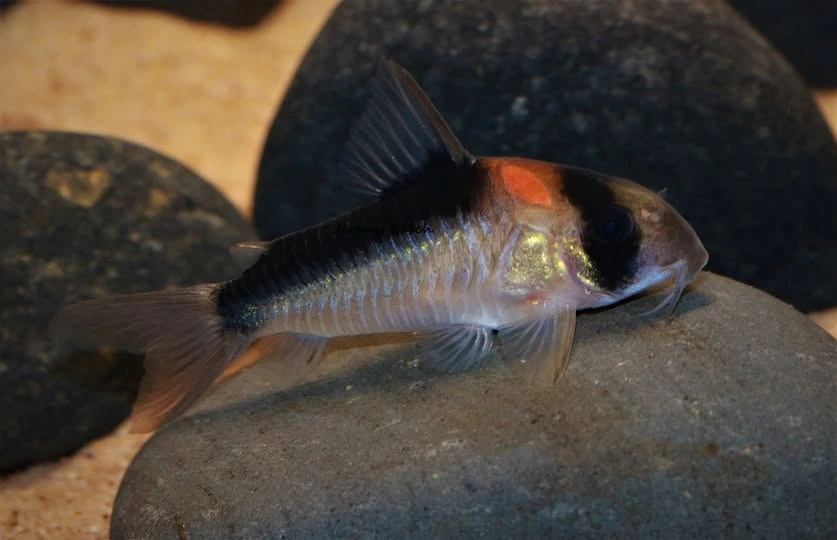
Adolfo's Corydoras
Corydoras adolfoi
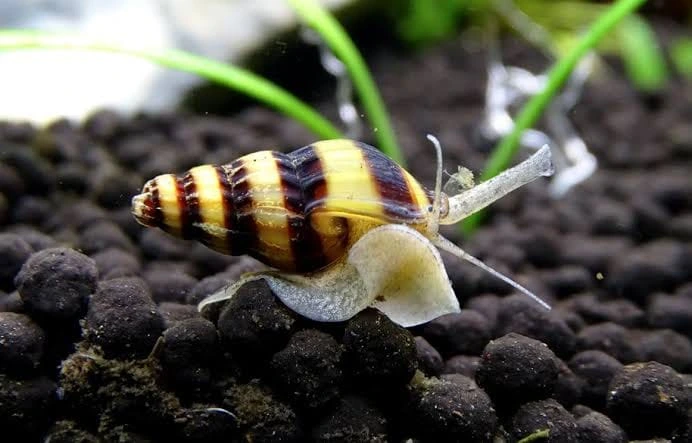
Assassin Snail
Clea helena
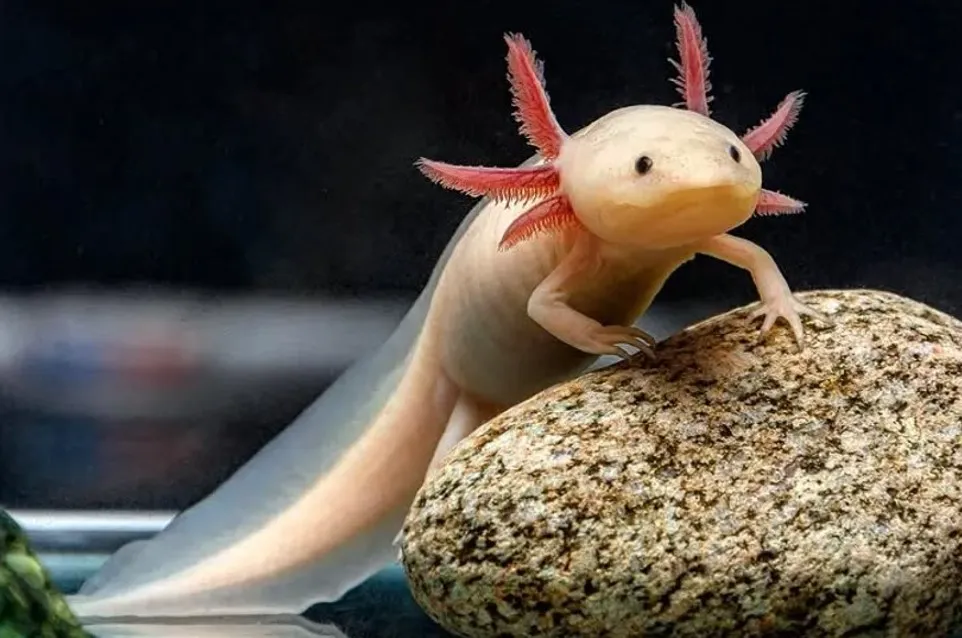
Axolotl
Ambystoma mexicanum
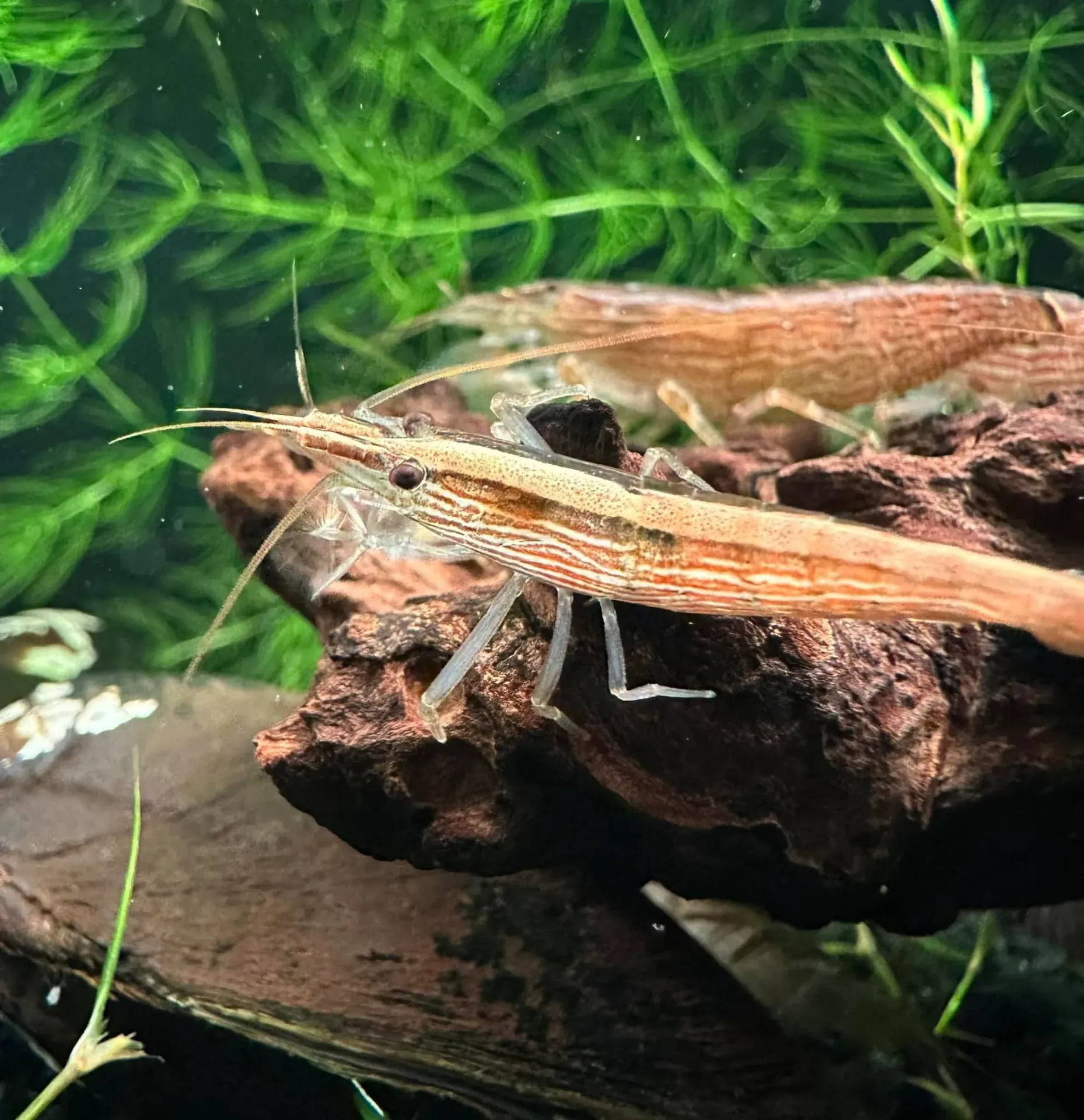
Bamboo Shrimp
Atyopsis moluccensis
Ready to Add Platy to Your Tank?
Use our free stocking calculator to check compatibility, bioload, and get personalized recommendations.