
Care Requirements
Adult Size
1.6" (4cm)
Min Tank
15 gal
Temperature
72-81°F
pH Range
6-7.5
Lifespan
5-8 years
Min Group
6+ fish
Diet
Omnivore
Swim Level
Middle
Bioload
1/10
Hardness
2-12 dGH
About Harlequin Rasbora
The Harlequin Rasbora is one of the aquarium hobby's most elegant schooling fish. Named for the distinctive black triangular patch on their flanks—reminiscent of a harlequin's costume—these Southeast Asian natives have been aquarium favorites since the early 1900s. Their combination of beauty, hardiness, and peaceful nature makes them ideal for community tanks of all experience levels.
What sets harlequins apart is their schooling behavior. While many fish loosely associate in groups, harlequins form tight, coordinated schools that move as one. A group of 10 or more harlequins swimming in formation through a planted tank is one of the hobby's simple pleasures. This behavior is most pronounced when they feel secure—proper group size and tank setup matter.
Despite being labeled a beginner fish, harlequin rasboras reward good care with intensified colors and fascinating behavior. Their copper-orange bodies contrasted with the black wedge marking create a striking visual, especially against green plants. They've remained popular for over a century because they deliver exactly what community tank keepers want: reliable beauty without complications.
Natural Habitat & Origin
Harlequin rasboras are native to Southeast Asia, found throughout the Malay Peninsula, Singapore, Sumatra, and southern Thailand. They inhabit forest streams and peat swamps where the water is stained dark with tannins from decomposing vegetation. These blackwater habitats are characterized by soft, acidic water and dim lighting filtered through dense forest canopy.
In nature, harlequins live among submerged plants and roots, often near slow-moving or still water. The substrate is typically covered in leaf litter. Understanding this habitat explains their preference for planted tanks, subdued lighting, and soft water—though captive-bred specimens adapt to a wider range of conditions.
Native Region
Southeast Asia (Malaysia, Singapore, Sumatra, Thailand)
Habitat Type
Forest streams, peat swamps, blackwater habitats
Wild Water Conditions
Warm (72-81°F), soft (2-12 dGH), acidic (pH 5.0-7.0), tannin-stained, heavily vegetated
Appearance & Varieties
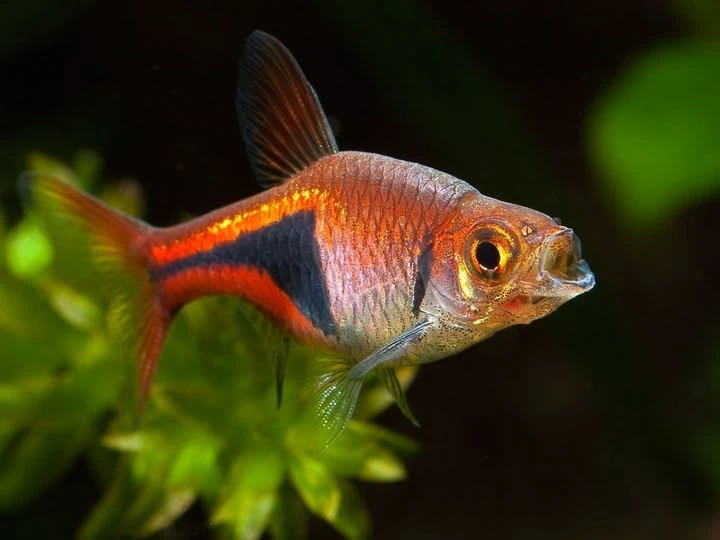
Harlequin rasboras are small, diamond-shaped fish reaching about 1.6 inches (4 cm). Their body is laterally compressed with a distinctive shape—deeper in the middle, tapering toward head and tail. The base coloration is a warm copper-orange to pinkish-red that intensifies with good care.
The defining feature is the black triangular or wedge-shaped marking on the rear half of the body, extending from below the dorsal fin to the tail base. This 'harlequin' patch varies slightly between individuals and distinguishes them from similar species. Males are slightly slimmer with a more defined, straight-edged wedge marking; females are rounder with a slightly rounded lower edge to the marking.
Popular Varieties
| Variety | Description | Rarity |
|---|---|---|
| Wild-type | Classic copper-orange with black wedge marking | Common |
| Gold/Purple Harlequin | Color variants with enhanced gold or purple iridescence; sometimes separate species | Uncommon |
| Black Harlequin | Extended black coloration; technically T. espei or similar species | Uncommon |
Tank Setup & Requirements
Quick Requirements Summary
Tank Size
Minimum Tank Size
15 gallons
Recommended Tank Size
20 gallons
Harlequin rasboras thrive in planted community tanks that provide security and showcase their schooling behavior. They're undemanding fish but reach their full potential in setups that consider their natural preferences.
Water Parameters
Temperature 72-81°F (22-27°C). While wild fish prefer soft, acidic water (pH 6.0-7.0, 2-8 dGH), captive-bred specimens adapt to moderately hard water up to 12 dGH. Stability matters most—avoid sudden parameter swings. They're sensitive to ammonia and nitrite; keep levels at zero.
Substrate
Any substrate works, but dark substrates enhance their copper coloration. Sand or fine gravel in brown or black tones creates attractive contrast with their warm body colors.
Plants & Decorations
Heavily planted tanks recommended—harlequins come from vegetated habitats and feel most secure among plants. Include broad-leaved plants like cryptocorynes and anubias (used for breeding), floating plants to diffuse light, and open swimming areas for schooling displays.
Filtration & Water Flow
Standard filtration adequate. Prefer gentle to moderate current—they're not strong swimmers and come from slow-moving water. Sponge filters are excellent for tanks with harlequins.
Lighting
Subdued to moderate lighting suits them best. Under bright lights without plant cover, they become washed out and skittish. Floating plants or tannin-stained water (from driftwood or Indian almond leaves) recreates their preferred conditions.
Diet & Feeding Guide
Diet Type
omnivore
Feeding Frequency
2x daily
Portion Size
What they consume in 2 minutes
Harlequin rasboras are easy-to-feed omnivores that accept virtually any appropriately sized food. In the wild, they eat small insects, worms, crustaceans, and plant matter. Variety keeps them healthy and enhances coloration.
Best Foods for Harlequin Rasbora
- Quality micro pellets — Good staple—choose slow-sinking types
- Crushed flake food — Readily accepted, should be crushed for their small mouths
- Frozen daphnia — Excellent natural food, promotes health
- Frozen baby brine shrimp — Perfect size, great for conditioning
- Frozen bloodworms (chopped) — Treat food—chop to appropriate size
- Live foods — Daphnia, baby brine shrimp, microworms—triggers natural feeding behavior
- Micro worms — Excellent small live food, easy to culture
Foods to Avoid
- Large pellets or flakes — Mouths are small—food must be appropriately sized
- Overfeeding — Small fish with small stomachs; excess food pollutes water
Harlequins are mid-water feeders that prefer food that drifts slowly through the water column. They may miss rapidly sinking foods. Feed small amounts that they can consume in 1-2 minutes. In community tanks, ensure food reaches them before faster surface feeders intercept everything.
Behavior & Temperament
Harlequin rasboras are quintessential schooling fish. They form tight, coordinated groups that move through the tank in formation—turning, pausing, and accelerating together. This behavior is most pronounced in groups of 10+ fish that feel secure. Smaller groups or stressed fish scatter and hide.
They're peaceful, active fish that occupy the middle water column. During the day, they alternate between active swimming and resting in plant cover. Males occasionally spar with each other—displaying and posturing—but without real aggression. When comfortable, they're bold and visible; when stressed, they become pale and hide.
Harlequins are excellent indicator fish. Tight schooling, vibrant color, and bold behavior indicate good conditions. Scattered, pale, hiding fish suggest something is wrong—usually group size, water quality, or aggressive tankmates.
Tank Mates: Compatibility Guide
Compatible Tank Mates
Classic combination—similar size, requirements, and temperament
Beautiful pairing, overlapping water preferences
Equally peaceful, no conflicts
Perfect companions—different zones, similar water preferences
Peaceful centerpiece fish that won't bother them
Usually works—harlequins are too fast to be caught, not colorful enough to trigger aggression
Gentle algae eater with similar water preferences
Lovely small companions, nice color contrast
Peaceful bottom dweller, similar soft water preference
Tank Mates to Avoid
Tiger Barb
May harass and stress peaceful harlequins
Angelfish (adult)
May eat small harlequins; juveniles can work temporarily
Large Cichlids
Predation risk and stress
Goldfish
Different temperature requirements, may eat them
Red Tail Shark
Territorial aggression stresses schooling fish
Common Pairing Questions
Can harlequin rasboras live with bettas?
Usually yes. Harlequins are fast enough to avoid a betta, not colorful enough to trigger territorial aggression, and occupy different tank zones. Keep a school of 6+ in a 15+ gallon planted tank. Monitor initially—some particularly aggressive bettas may not tolerate any tankmates.
How many harlequin rasboras should I keep?
Minimum 6, but 10-12+ is ideal for best schooling behavior. Larger groups feel more secure, school more tightly, and display better coloration. In a 20-gallon tank, 10-15 harlequins create a beautiful display.
Can harlequin rasboras live with neon tetras?
Absolutely—this is a classic, proven combination. Both are peaceful schoolers with similar size and water requirements. They occupy the same tank zone but don't compete or conflict. Keep each species in groups of 6+ for proper schooling.
Harlequin rasboras have unusual breeding behavior—they're egg depositors rather than egg scatterers. Unlike most small fish that scatter eggs randomly, harlequins deposit eggs on the undersides of broad leaves.
Breeding requires soft, acidic water (pH 5.5-6.5, hardness under 4 dGH) and temperatures around 80°F. Provide broad-leaved plants like cryptocorynes or anubias. Condition pairs with live foods for 1-2 weeks. The pair performs an inverted mating dance under a leaf, with the female depositing eggs on the leaf's underside.
Remove adults after spawning—they'll eat eggs. Eggs hatch in 24-36 hours. Fry are tiny and require infusoria for the first week before accepting baby brine shrimp. Breeding is challenging compared to many community fish, requiring precise water conditions.
Health Issues & Disease Prevention
Harlequin rasboras are hardy fish when basic needs are met. They're less disease-prone than many popular species and tolerate minor water quality issues better than cardinal tetras or other sensitive fish. Most problems trace to poor water quality or inadequate group size.
Common Diseases
| Disease | Symptoms | Treatment |
|---|---|---|
| Ich (White Spot) | White spots like salt grains on body and fins, scratching, clamped fins | Raise temperature to 82-86°F gradually, add aquarium salt cautiously (1 tsp per 5 gallons—they prefer lower salt than some fish), use ich medication at half dose for sensitive species. |
| Fin Rot | Fraying fins, white or red edges, progressive deterioration | Improve water quality immediately. Antibacterial medication if severe. Fins regenerate once conditions improve. |
| Columnaris | White or gray patches, cottony growths, rapid breathing, lethargy | Kanaplex or Furan-2. Lower temperature slightly. Quarantine affected fish. Improve water quality. |
Signs of a Healthy Harlequin Rasbora
- Tight schooling behavior
- Vibrant copper-orange coloration
- Active swimming during daylight
- Clear, intact fins
- Eager feeding response
- Bold behavior, not hiding constantly
Prevention Tips
- Keep in groups of 6+ (preferably 10+) to reduce stress
- Maintain stable water parameters—avoid sudden changes
- Provide planted tank with hiding spots
- Perform regular water changes (25% weekly)
- Avoid aggressive or overly boisterous tankmates
- Quarantine new fish before adding to established tanks
Frequently Asked Questions
Harlequin rasboras reach about 1.6 inches (4 cm) at maturity. They're small fish suitable for tanks 10 gallons and up, though larger tanks allow for bigger schools and better behavior.
With proper care, harlequin rasboras live 5-8 years—impressive for their size. Good water quality, appropriate group size, and varied diet contribute to longevity.
Minimum 6, ideally 10-15 or more. They're true schooling fish that display dramatically better behavior and coloration in larger groups. A school of 15+ in a planted tank is stunning.
Yes—they're hardy, peaceful, and adapt to various conditions. They're more forgiving than cardinal tetras or other sensitive species. Keep them in proper groups with stable water conditions, and they thrive.
Common causes: stress from too few fish (need 6+), aggressive tankmates, poor water quality, too-bright lighting, or illness. Check group size and water parameters first. Colors should intensify once conditions improve.
Minimum 10 gallons for 6 fish, but 20 gallons allows for a proper school of 10-15 and more natural behavior. Longer tanks are preferable for swimming space.
Yes—they're tropical fish requiring stable temperatures of 72-81°F. Room temperature fluctuations stress them. A reliable heater prevents temperature-related health issues.
You shouldn't. Harlequins are obligate schooling fish that become stressed, pale, and hide when kept alone or in small groups. They need at least 6 of their own kind to feel secure and display natural behavior.
Tips for Keeping Harlequin Rasbora
Pro Tips
- ✓Add Indian almond leaves or driftwood—tannins bring out their best coloration and mimic natural habitat
- ✓Larger schools (15+) create dramatically better displays than minimum groups
- ✓They're excellent 'indicator fish'—behavior changes signal tank problems before other fish show symptoms
- ✓Floating plants diffusing light encourages bolder behavior and better color
- ✓Mix with ember tetras for complementary warm tones, or neon tetras for color contrast
- ✓Males have a straighter edge to the black wedge; females' wedge has a rounded bottom edge
Common Mistakes to Avoid
- ✗Keeping too few—groups under 6 never school properly or show good color
- ✗Bright lighting without plant cover—washes out color and increases stress
- ✗Mixing with aggressive fish—harlequins are peaceful and easily stressed
- ✗Sudden parameter changes—they prefer stability over perfect numbers
- ✗Expecting them to thrive alone—they're not solitary fish
- ✗Overfeeding—small fish need small amounts; excess pollutes water
Sources
- FishBase — Accepted scientific name, maximum size and native range for Harlequin Rasbora.
Featured in Biotope Presets
Related Species You Might Like
View All Fish →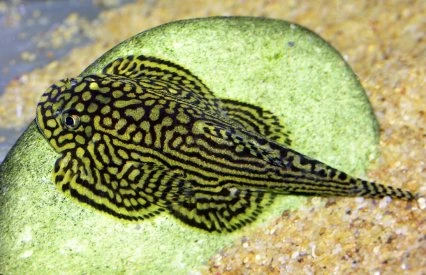
Hillstream Loach
Sewellia lineolata
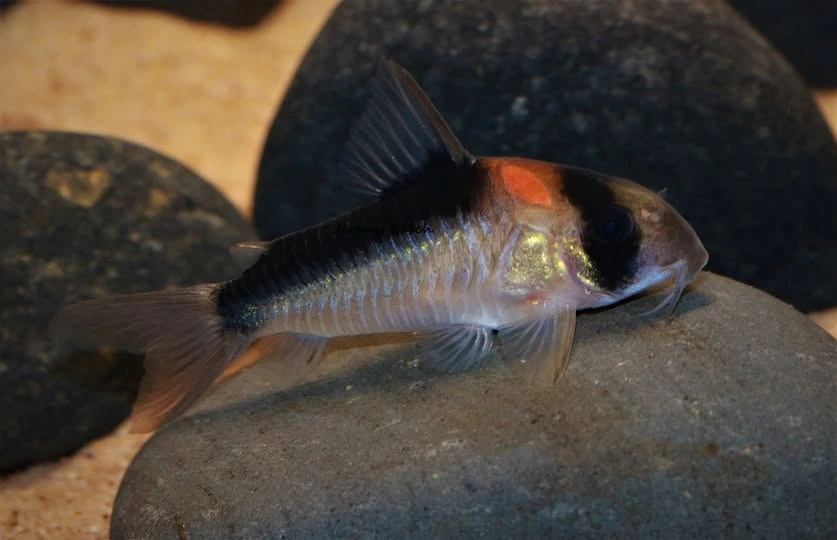
Adolfo's Corydoras
Corydoras adolfoi
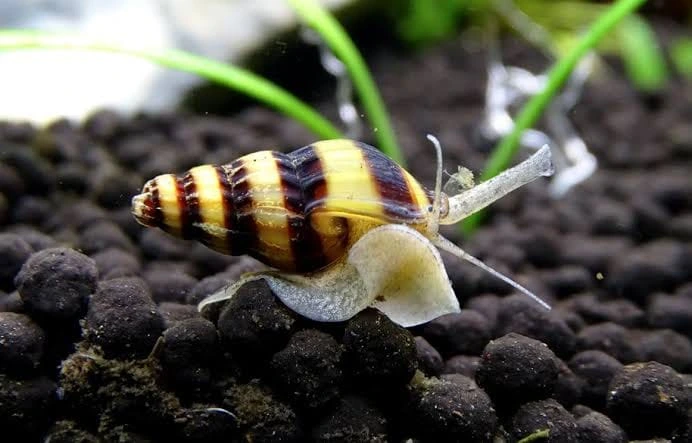
Assassin Snail
Clea helena
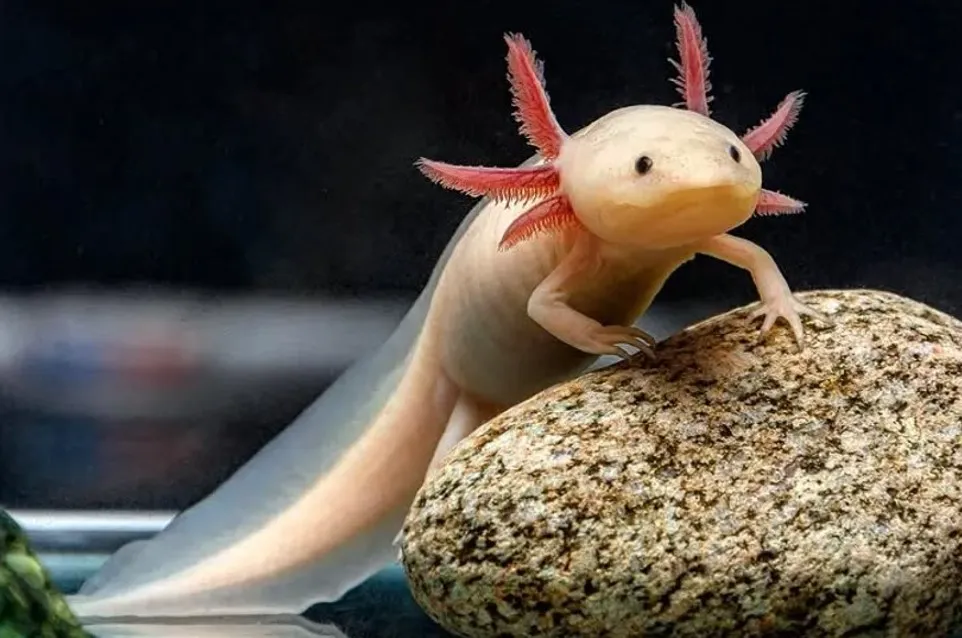
Axolotl
Ambystoma mexicanum
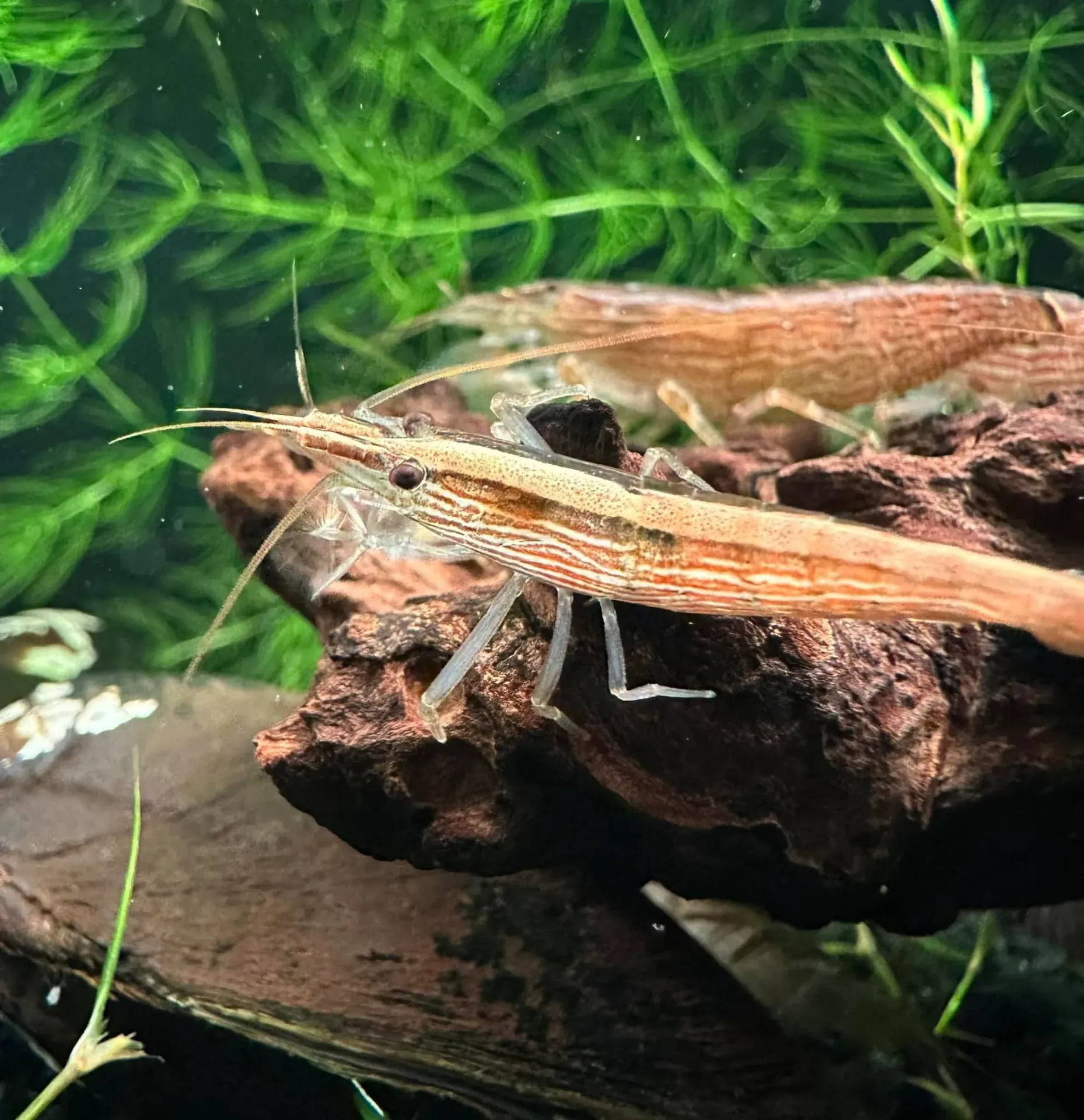
Bamboo Shrimp
Atyopsis moluccensis
Banjo Catfish
Bunocephalus coracoideus
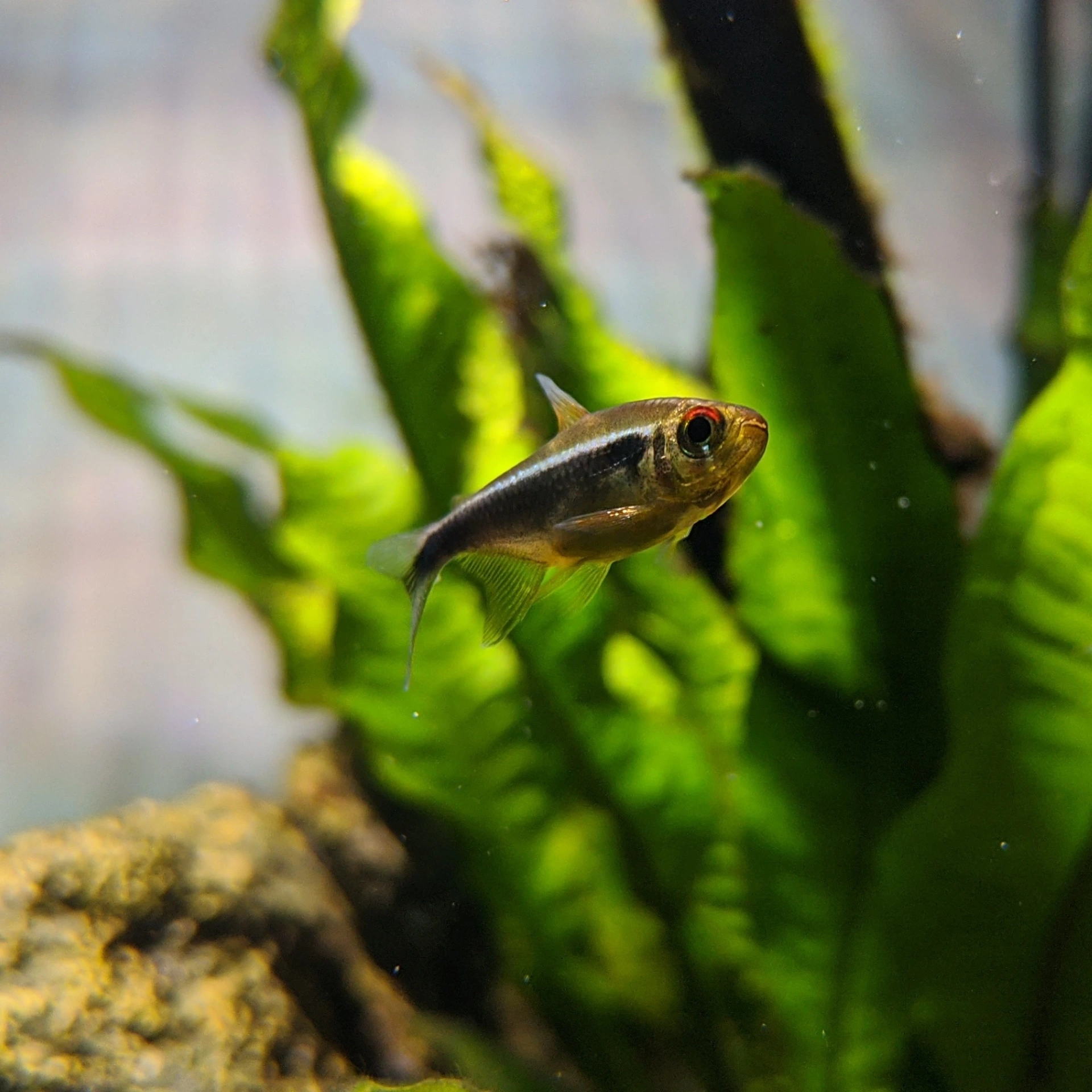
Black Neon Tetra
Hyphessobrycon herbertaxelrodi
Black Phantom Tetra
Hyphessobrycon megalopterus
Ready to Add Harlequin Rasbora to Your Tank?
Use our free stocking calculator to check compatibility, bioload, and get personalized recommendations.