
Care Requirements
Adult Size
0.8" (2cm)
Min Tank
10 gal
Temperature
73-84°F
pH Range
5.5-7
Lifespan
2-4 years
Min Group
8+ fish
Diet
Omnivore
Swim Level
Middle
Bioload
1/10
Hardness
1-10 dGH
About Ember Tetra
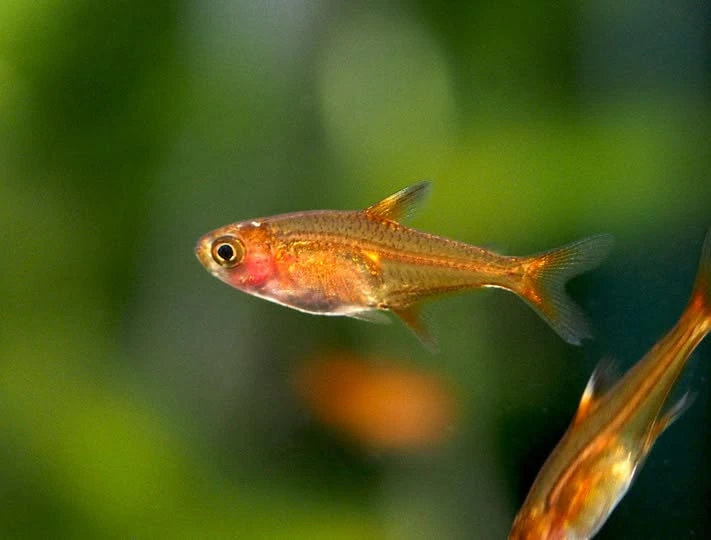
The Ember Tetra is one of the most stunning nano fish available—a tiny flame-colored jewel that brings vibrant orange to planted aquariums. At under an inch in length, these miniature tetras pack incredible visual impact, especially in groups of 10 or more against dark substrate and plants.
What makes Ember Tetras particularly appealing is their combination of brilliant color, peaceful nature, and easy care. They're one of the best choices for nano tanks, where their small size is an asset rather than a limitation. Their low bioload means you can keep impressive schools even in modest tanks.
Originally from Brazil's Araguaia River basin, Ember Tetras have quickly become favorites in the planted tank and shrimp keeping communities. They're completely shrimp-safe and thrive in the same soft, acidic conditions that many aquatic plants prefer.
Natural Habitat & Origin
Ember Tetras are native to the Araguaia River basin in central Brazil, where they inhabit slow-moving blackwater tributaries and backwaters. These waters flow through areas of dense vegetation, with submerged roots and leaf litter creating tannin-stained, tea-colored water.
Their natural habitat features warm, soft, acidic water with subdued lighting filtered through forest canopy and floating plants. Understanding this environment helps explain why Ember Tetras look their best in planted tanks with dark substrate and diffused lighting—conditions that mimic their forest stream homes.
Native Region
Brazil (Araguaia River basin, Central Brazil)
Habitat Type
Slow-moving blackwater tributaries with dense vegetation
Wild Water Conditions
Warm (73-84°F), very soft, acidic (pH 5.5-7.0), tannin-stained water
Appearance & Varieties
Ember Tetras are tiny fish, reaching only about 0.8 inches (2 cm) at maturity. Their bodies display a stunning orange to orange-red coloration that can range from pale salmon in stressed fish to a deep, glowing ember-orange in optimal conditions.
The intensity of their color depends heavily on environment—dark substrate, subdued lighting, and tannin-stained water dramatically enhance their orange glow. Males are typically more intensely colored and slightly slimmer, while females are rounder when full of eggs. Their finnage is translucent with an orange wash, and their eyes often show a subtle red tint.
Tank Setup & Requirements
Quick Requirements Summary
Tank Size
Minimum Tank Size
10 gallons
Recommended Tank Size
10 gallons
Ember Tetras are perfect nano tank inhabitants. Their tiny size and low bioload make them suitable for tanks as small as 5 gallons, though 10+ gallons allows for more impressive schools.
Water Parameters
Temperature between 73-84°F (23-29°C), pH 5.5-7.0, and soft water (1-10 dGH). They're adaptable but show best colors in softer, more acidic conditions. Stability matters more than exact values.
Substrate
Dark substrate is the single biggest factor in color intensity. Black sand or dark gravel makes their orange coloration pop dramatically. Light substrates wash out their color.
Plants & Decorations
Heavily planted tanks bring out the best behavior and color. Java moss, Java fern, Anubias, Cryptocorynes, and floating plants all work well. Driftwood and leaf litter add tannins that enhance their natural coloration.
Filtration & Water Flow
Gentle flow is essential—sponge filters are ideal. They're tiny fish that don't appreciate strong currents. The filter should turn over water without creating powerful flow.
Lighting
Moderate to subdued lighting shows off their color best. Bright light washes out their orange glow. Floating plants help diffuse light naturally.
Diet & Feeding Guide
Diet Type
omnivore
Feeding Frequency
1-2x daily
Portion Size
Tiny amounts they consume in 1-2 minutes
Ember Tetras are omnivores with very small mouths. In the wild, they feed on tiny invertebrates, zooplankton, and plant matter. In aquariums, food size is crucial—they cannot eat standard-sized pellets or flakes.
Best Foods for Ember Tetra
- Crushed high-quality flakes — Must be crushed very fine for tiny mouths
- Micro pellets — Nano fish specific foods work perfectly
- Frozen baby brine shrimp — Excellent protein, enhances coloration
- Frozen cyclops — Perfect size for their small mouths
- Frozen daphnia — Good variety, promotes natural foraging
- Live baby brine shrimp — Best for coloration and conditioning
Foods to Avoid
- Large pellets or flakes — Cannot fit in their tiny mouths—will go uneaten
- Food too big for their mouths — They'll struggle and may not eat enough
Their mouths are very small—crush flakes finely or use nano-specific foods. Multiple small feedings keep them healthiest. Live and frozen foods significantly enhance their coloration.
Behavior & Temperament
Ember Tetras are peaceful schooling fish that display loose schooling behavior—they stay grouped but not tightly packed like some tetras. They occupy the middle water column, swimming among plants and creating constant gentle activity.
In larger groups (10+), they become bolder, more visible, and display more intense coloration. Males occasionally display to each other with intensified colors, but aggression is minimal. They're peaceful even with their own kind, making them excellent community fish for nano setups.
Tank Mates: Compatibility Guide
Compatible Tank Mates
Perfect nano tank companions
Peaceful algae eaters, similar requirements
Completely shrimp safe—excellent pairing
Beautiful nano fish pairing
Active nano companions
Gentle larger companion
Similar care requirements
Tank Mates to Avoid
Any fish large enough to eat them
Very small and vulnerable
Aggressive or territorial fish
Will stress and potentially eat them
Bettas
May nip or eat tiny embers
Large cichlids
Will eat them
Common Pairing Questions
Can Ember Tetras live with shrimp?
Yes! They're one of the best fish for shrimp tanks. They're completely shrimp-safe, ignoring even baby shrimp. Their small size and peaceful nature make them perfect companions for cherry shrimp colonies.
Can Ember Tetras live with bettas?
Risky. Embers are very small and some bettas may see them as food or targets. If attempted, use heavily planted tanks with lots of cover, keep the betta well-fed, and monitor carefully.
How many Ember Tetras can I keep in a 10 gallon?
A school of 10-15 Ember Tetras works well in a 10 gallon. Their tiny size and low bioload allow for larger schools. More fish means better color and bolder behavior.
Breeding Ember Tetras is moderately challenging but achievable for dedicated hobbyists. They're egg scatterers that show no parental care.
Condition breeders with live foods for best results. A separate breeding tank with fine-leaved plants or spawning mops, soft acidic water, and dim lighting encourages spawning. Spawning typically occurs in morning light, with eggs scattered among plants.
Parents will eat eggs, so remove adults after spawning. Eggs hatch in 24-36 hours. Fry are extremely tiny and need infusoria for the first week, then can graduate to baby brine shrimp. Keep the fry tank dark—eggs and fry are light-sensitive.
Health Issues & Disease Prevention
Ember Tetras are generally hardy fish once established. Their main vulnerability is their small size, which makes them sensitive to water quality issues and susceptible to predation.
Common Diseases
| Disease | Symptoms | Treatment |
|---|---|---|
| Ich | White spots, scratching | Raise temperature slowly, medication |
| Neon Tetra Disease | Fading color, curved spine, erratic swimming | No cure—isolate affected fish |
| Fin rot | Frayed, deteriorating fins | Clean water, antibacterial treatment |
| Velvet | Gold dust appearance, lethargy | Darken tank, copper-based medication |
Signs of a Healthy Ember Tetra
- Vibrant orange-red coloration
- Active swimming in the school
- Good appetite
- Clear eyes
- Full body shape
- Intact fins
Prevention Tips
- Maintain stable, clean water conditions
- Keep in schools of 6+, ideally 10+ for reduced stress
- Provide dark substrate to reduce stress and enhance color
- Use appropriately sized foods for their tiny mouths
- Quarantine new fish for 2-3 weeks
- Avoid keeping with larger, potentially predatory fish
Frequently Asked Questions
Common causes: bright lighting, light-colored substrate, stress, recent transport, or illness. Dark substrate, subdued lighting, tannins, and larger groups dramatically improve coloration. Give new fish 2-4 weeks to color up.
Risky. Embers are very small and some bettas may see them as food or targets. If attempted, use heavily planted tanks with lots of cover and monitor carefully.
A school of 10-15 Ember Tetras works well in a 10 gallon. They have very low bioload due to their tiny size. Larger schools display better color and behavior.
Yes—they're hardy, peaceful, and undemanding. Perfect for nano tanks. Their only requirements are small food, stable water, and groups of 6+.
No—they're completely shrimp safe. They ignore shrimp of all sizes, including babies. They're one of the best fish choices for shrimp tanks.
Tips for Keeping Ember Tetra
Pro Tips
- ✓Dark substrate is the single biggest factor in color intensity
- ✓They're perfect for shrimp tanks—completely shrimp safe
- ✓Indian almond leaves add tannins and enhance their orange glow
- ✓Buy 10+ for best schooling display and boldest behavior
- ✓Live foods make their colors pop dramatically
- ✓Perfect nano tank fish—tiny bioload, huge visual impact
- ✓They look stunning under dim lighting with a dark background
Common Mistakes to Avoid
- ✗Light colored substrate—washes out their color
- ✗Keeping in groups smaller than 6
- ✗Bright lighting without plant cover
- ✗Food too large for their tiny mouths
- ✗Keeping with fish large enough to eat them
- ✗Expecting full color immediately after purchase
- ✗Strong water flow—they prefer gentle movement
Sources
- FishBase — Accepted scientific name, maximum size and native range for Ember Tetra.
Featured in Biotope Presets
Related Species You Might Like
View All Fish →
Emerald Betta
Betta smaragdina
Black Neon Tetra
Hyphessobrycon herbertaxelrodi
Black Phantom Tetra
Hyphessobrycon megalopterus
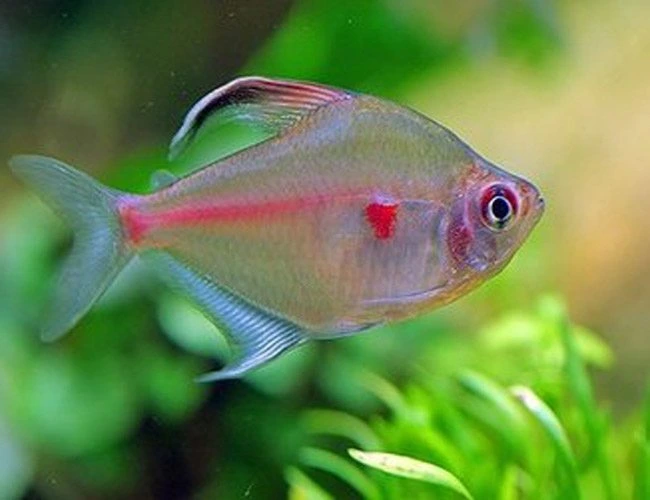
Bleeding Heart Tetra
Hyphessobrycon erythrostigma

Colombian Tetra
Hyphessobrycon columbianus
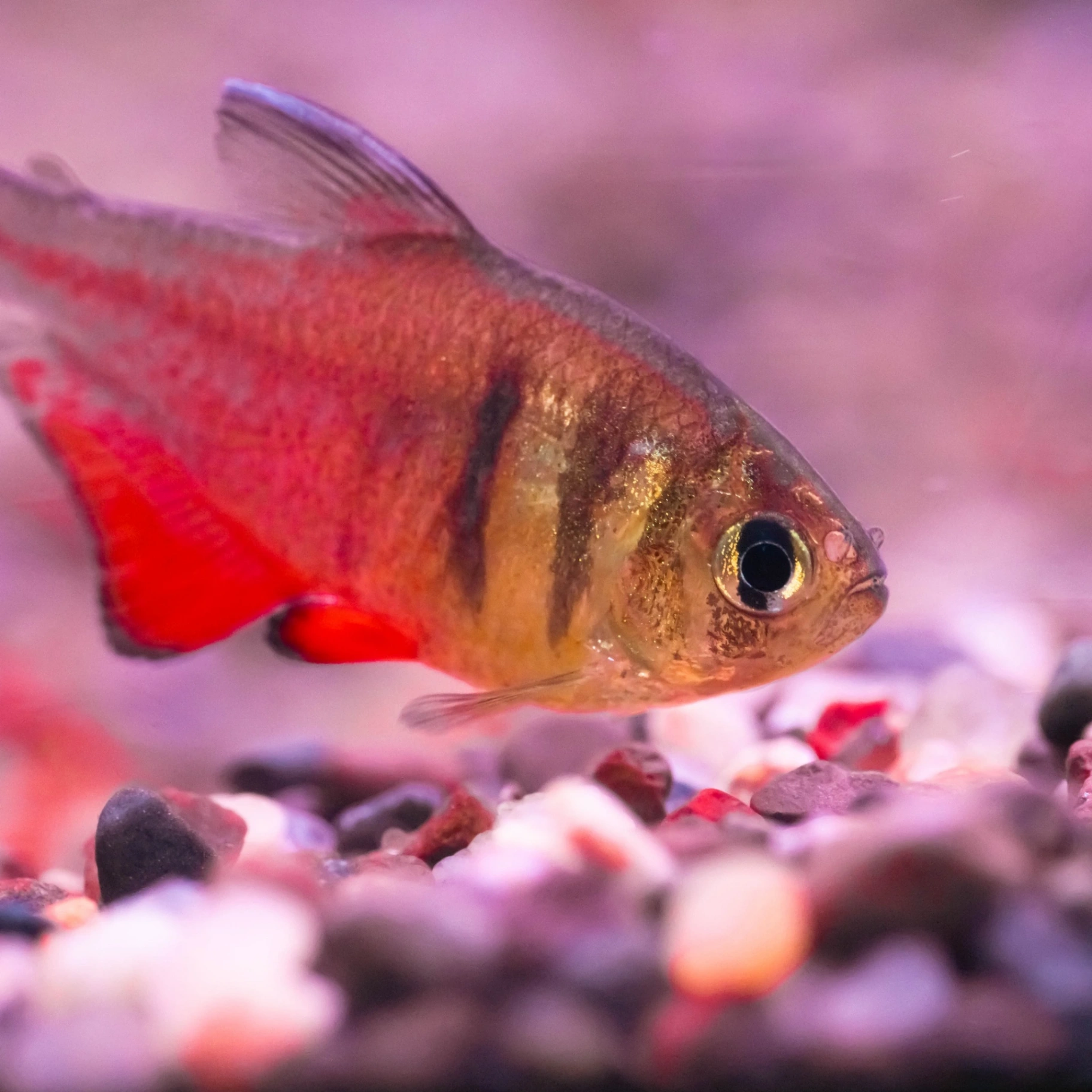
Flame Tetra
Hyphessobrycon flammeus
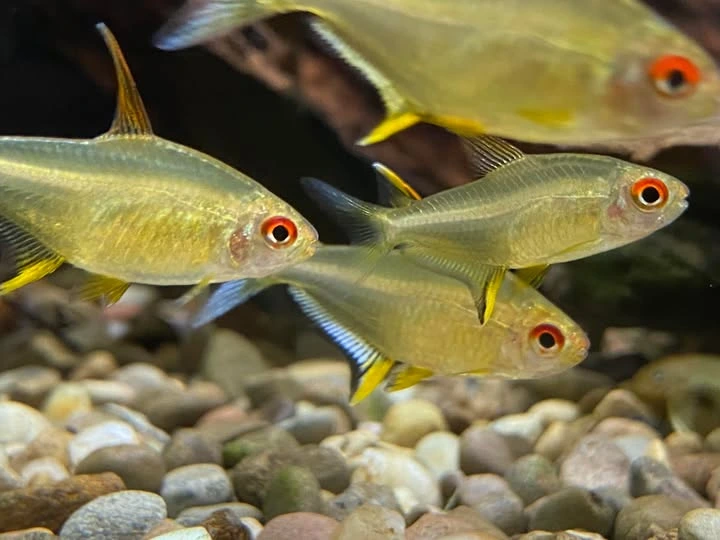
Lemon Tetra
Hyphessobrycon pulchripinnis
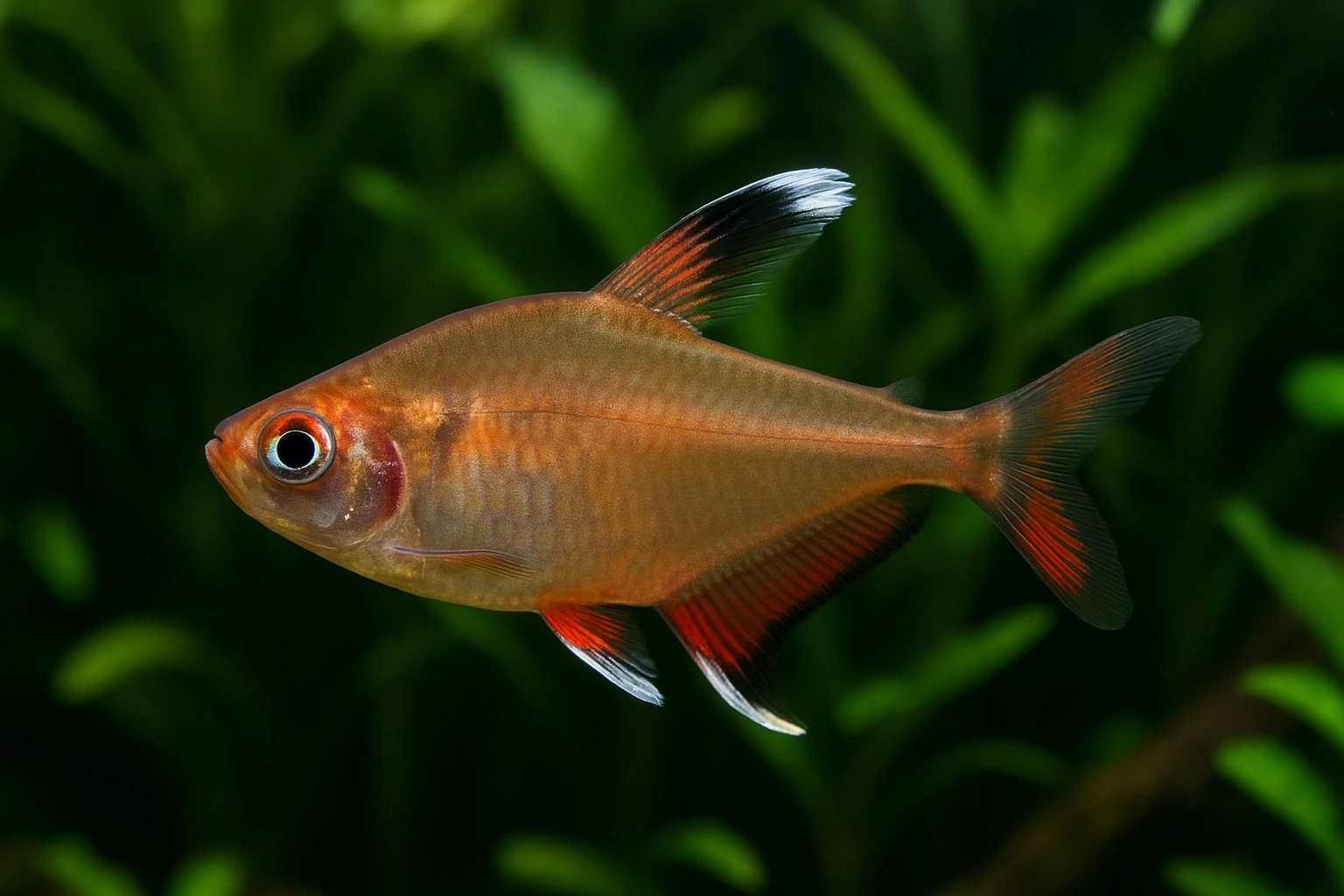
Rosy Tetra
Hyphessobrycon rosaceus
Ready to Add Ember Tetra to Your Tank?
Use our free stocking calculator to check compatibility, bioload, and get personalized recommendations.