

Care Requirements
Adult Size
2.8" (7cm)
Min Tank
20 gal
Temperature
73-82°F
pH Range
6-7.5
Lifespan
3-5 years
Min Group
6+ fish
Diet
Omnivore
Swim Level
Middle
Bioload
2/10
Hardness
5-15 dGH
About Colombian Tetra
The Colombian Tetra represents a newer addition to the aquarium hobby, only becoming widely available since the 1990s. What it lacks in historical pedigree it compensates with stunning coloration — males develop brilliant blue dorsal and tail areas contrasting with deep red-orange fins and iridescent silver-blue body scales. It's a visually striking fish that photographs beautifully.
At 2.5-3 inches, Colombian Tetras occupy the larger end of commonly kept tetras. This size gives them presence and impact that smaller species can't match. A school of mature, well-colored Colombian Tetras creates a display rivaling many larger, more demanding fish.
Despite their impressive appearance, care requirements are straightforward. They're hardy fish tolerating typical community tank conditions, accepting any food, and rarely developing health problems. Their combination of beauty and ease makes them increasingly popular among hobbyists discovering them.
Their native range in Colombia's Acandí River basin near the Darién Gap represents a relatively restricted distribution. However, captive breeding supplies the aquarium trade entirely — wild collection would be impractical and unnecessary given how readily they reproduce in captivity.
Natural Habitat & Origin
Colombian Tetras originate from the Acandí River basin in northwestern Colombia, near the Darién Gap region bordering Panama. This relatively small native range contrasts with their growing popularity in aquariums worldwide.
The Acandí basin waters tend toward soft and slightly acidic, flowing through forested areas with abundant vegetation. Water is typically clear with moderate flow.
In their natural habitat, they occupy mid-water zones in vegetated areas, schooling among submerged plants and overhanging vegetation. Diet consists of small insects, crustaceans, and plant matter.
Wild populations aren't well-studied due to the remote, difficult-to-access nature of their habitat. The aquarium trade relies entirely on commercially bred stock.
Native Region
Colombia — Acandí River basin near Darién Gap
Habitat Type
Forested streams and rivers with vegetation
Wild Water Conditions
Soft (5-12 dGH), slightly acidic (pH 6.0-7.0), warm (24-28°C)
Appearance & Varieties
Colombian Tetras display a remarkable combination of colors that intensifies dramatically in mature males. The body shows iridescent silver-blue scales that catch light brilliantly. The dorsal fin and upper caudal fin develop intense blue coloration, while the anal fin and lower body show red-orange hues.
Males are significantly more colorful than females, with brighter blues and reds plus longer, more elaborate finnage. The eyes show red coloration in the upper portion.
Adults reach 2.5-3 inches (6-7 cm), making them among the larger commonly kept tetras. Full coloration develops as fish mature over several months.
Popular Varieties
| Variety | Description | Rarity |
|---|---|---|
| Standard/Wild-Type | Blue-red coloration with iridescent silver-blue body scales. The only form commonly available. Males significantly more colorful than females. | Common |
Tank Setup & Requirements
Quick Requirements Summary
Tank Size
Minimum Tank Size
20 gallons
Recommended Tank Size
30 gallons
Colombian Tetras adapt readily to typical community tank setups. Their main requirements are adequate space for their size and activity level, plus appropriate group size for schooling behavior.
Water Parameters
Adaptable to typical community conditions (pH 6.0-7.5, 5-15 dGH, 73-82°F). Best coloration appears in softer, slightly acidic water. Consistency matters more than exact targets.
Substrate
Dark substrates make their iridescent silver-blue scales and red-blue fins pop dramatically. Black sand or dark gravel creates a showcase effect. Natural planted tank substrates work excellently.
Plants & Decorations
Their active schooling needs substantial open swimming space. Create a layout with open water through the center and front. Use plants, driftwood, and rocks around the back and sides. They're completely plant-safe — no nibbling or uprooting behaviors.
Filtration & Water Flow
Good filtration appropriate to tank size handles their moderate bioload. They tolerate moderate current and may appreciate some flow. Target 5-6x tank volume turnover per hour.
Lighting
Good lighting showcases their iridescent scales spectacularly. They're not light-sensitive. LED lighting with shimmer effects highlights their iridescence beautifully. Regular photoperiod (8-10 hours) maintains natural behavior.
Diet & Feeding Guide
Diet Type
omnivore
Feeding Frequency
Once or twice daily
Portion Size
Amount consumed within 2-3 minutes
Colombian Tetras are unfussy omnivores accepting virtually any aquarium food. Their larger size compared to small tetras means they can handle slightly bigger food items.
Best Foods for Colombian Tetra
- Quality flake food — Staple diet readily accepted. They're enthusiastic surface and mid-water feeders.
- Small pellets — Appropriately sized pellets provide varied nutrition. Sinking or slow-sinking types work well.
- Frozen bloodworms — Excellent protein source eagerly consumed. Feed 2-3 times weekly.
- Frozen brine shrimp — Readily accepted. Good variety and conditioning food.
- Frozen mysis shrimp — Larger frozen food appropriate for their size. Excellent nutrition.
- Color-enhancing foods — Foods with carotenoids help maintain their blue and red coloration.
- Live foods — Brine shrimp, daphnia, bloodworms trigger enthusiastic feeding.
Foods to Avoid
- Single food type only — Variety maintains health and coloration. Rotate different foods.
- Very large foods — Despite being larger tetras, food should still be appropriately sized for their mouths.
Colombian Tetras are eager, unfussy feeders. Their larger size means they can handle a wider range of food sizes than smaller tetras. Include color-enhancing foods regularly to maintain their impressive blue-red coloration.
Behavior & Temperament
Colombian Tetras are active schooling fish that create impressive displays when kept in appropriate numbers. They swim in coordinated formations, with mature males occasionally breaking away to display their colors to rivals or potential mates.
They're peaceful toward other species — no fin-nipping tendencies or aggression toward tankmates. Within their own species, males compete through displaying rather than fighting.
Activity level is high throughout the day. They're always moving, exploring, and interacting. They seem confident and bold compared to shyer species.
Schooling behavior is most impressive in groups of 8+ where coordinated movements become pronounced.
Tank Mates: Compatibility Guide
Compatible Tank Mates
Similar-sized tetras coexist peacefully and create nice contrast.
Active mid-water fish that match their energy level.
Classic combination. Bottom dwellers that ignore mid-water tetras.
Active, similar-sized peaceful fish.
Peaceful dwarf cichlids occupy different zones.
Bottom dwellers in different niche. Completely compatible.
Different swimming levels minimize interaction.
Tank Mates to Avoid
Large predatory fish
Despite their size, they're prey for large predators.
Aggressive cichlids
Territorial aggression causes stress and potential injury.
Very small fish
Their size means very small tankmates might be outcompeted for food.
Dwarf shrimp
May prey on small shrimp. Not suitable for shrimp breeding colonies.
Colombian Tetras breed following typical egg-scattering tetra methodology. Conditioning with varied, protein-rich foods for 1-2 weeks brings adults into breeding condition. Set up a breeding tank with fine-leaved plants, soft acidic water (pH 6.0-6.5), and temperature around 26-27°C. Spawning occurs in early morning. Remove adults immediately as they readily consume eggs.
Health Issues & Disease Prevention
Colombian Tetras are hardy fish that rarely develop health problems when basic care requirements are met. Their relative newness to the hobby means less genetic weakness from intensive breeding.
Common Diseases
| Disease | Symptoms | Treatment |
|---|---|---|
| Ich (White Spot Disease) | White spots, flashing, clamped fins. | Raise temperature to 28-30°C. Commercial medications effective. |
| Fin Rot | Frayed fins, deteriorating edges. | Improve water quality. Antibacterial medication for severe cases. |
| Columnaris | White patches, cottony growth, rapid deterioration. | Antibacterial medication. Improve water quality. Can be serious if not treated promptly. |
| Color Fading | Loss of blue-red vibrancy, dull appearance. | Indicates stress or suboptimal conditions. Review water quality, diet, tankmates. |
Signs of a Healthy Colombian Tetra
- Vibrant blue and red coloration
- Active schooling behavior
- Good appetite
- Iridescent scales
- Clear eyes and intact fins
Prevention Tips
- Maintain stable water parameters
- Keep in groups of 6+
- Provide varied diet
- Avoid overcrowding
- Quarantine new additions
- Regular water changes
Frequently Asked Questions
Mature males develop stunning coloration — brilliant blue dorsal and tail areas, red-orange fins, and iridescent silver-blue body scales. The combination rivals many more demanding fish. Full coloration develops over several months with good care.
Adults reach 2.5-3 inches (6-7 cm), making them among the larger commonly kept tetras. Their size creates visual impact and presence that smaller tetras can't match.
No — they're peaceful fish despite their size. No fin-nipping tendencies and no aggression toward tankmates. Males display competitively to each other through showing off colors rather than fighting.
They're named for their native country — Colombia. They originate from the Acandí River basin in northwestern Colombia near the Darién Gap.
Minimum 6, ideally 8-10+. Males display more impressively when competing with other males in the group. Larger schools create more dramatic visual impact.
Yes — they're hardy, peaceful, accept any food, and tolerate typical community conditions. Their care is no more difficult than common beginner tetras despite their more impressive appearance.
Tips for Keeping Colombian Tetra
Pro Tips
- ✓Include multiple males for competitive displaying that brings out their best coloration.
- ✓Dark substrate dramatically enhances their iridescent scales and blue-red fins.
- ✓Give them time to color up — store fish are often stressed and pale.
- ✓They're excellent mid-sized community additions filling the gap between small and large tetras.
Common Mistakes to Avoid
- ✗Tank too small — need 20+ gallons for their size and activity level.
- ✗Keeping too few — reduced schooling behavior and coloration. Need 6+.
- ✗Expecting instant color — full coloration develops over time with good care.
- ✗Mixing with very small fish — size difference can stress tiny tankmates.
- ✗Light substrate — colors appear less vibrant.
Sources
- FishBase — Accepted scientific name, maximum size and native range for Colombian Tetra.
Related Species You Might Like
View All Fish →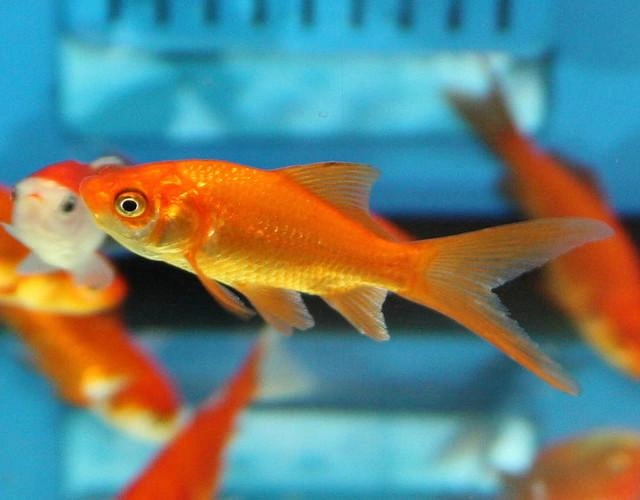
Common Goldfish
Carassius auratus
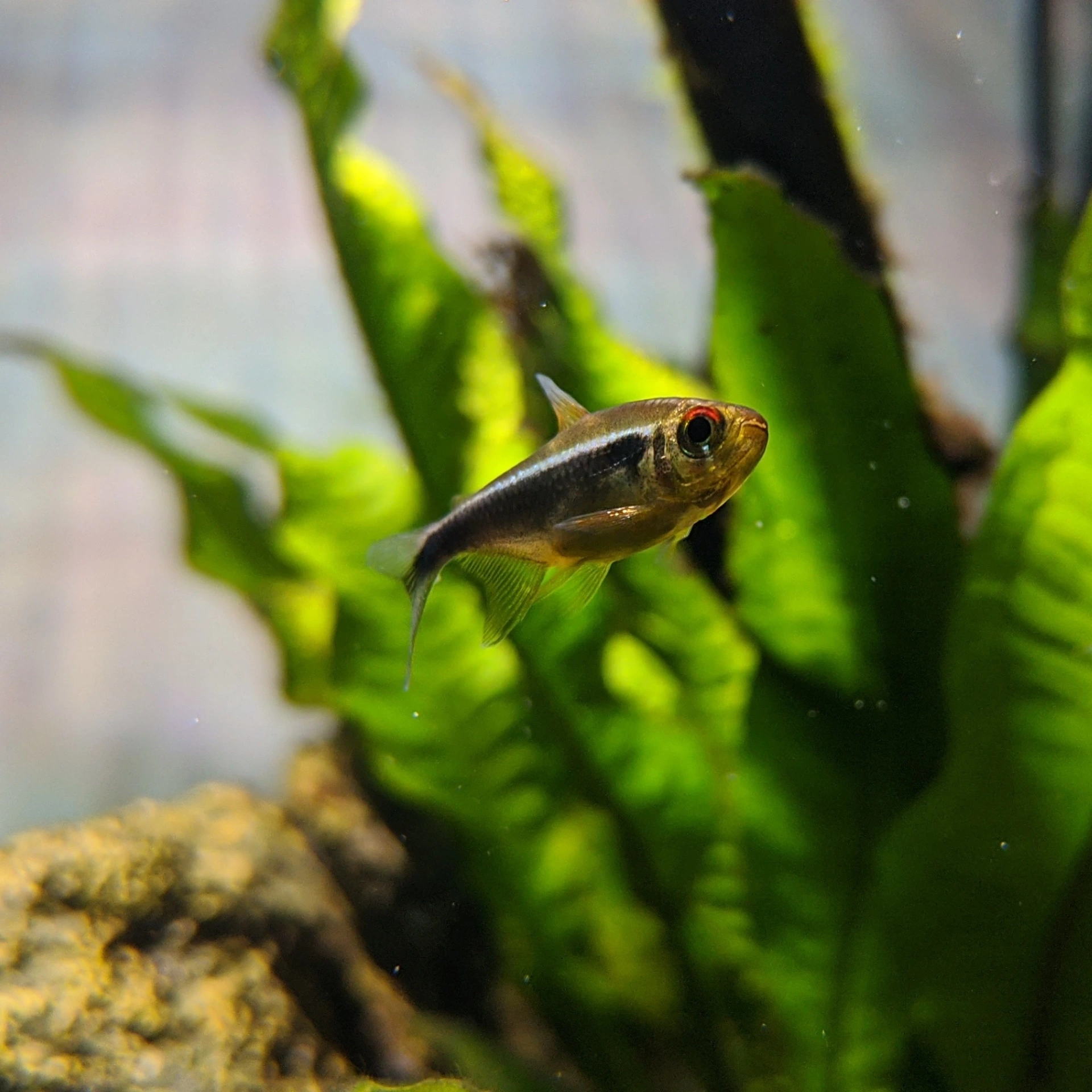
Black Neon Tetra
Hyphessobrycon herbertaxelrodi
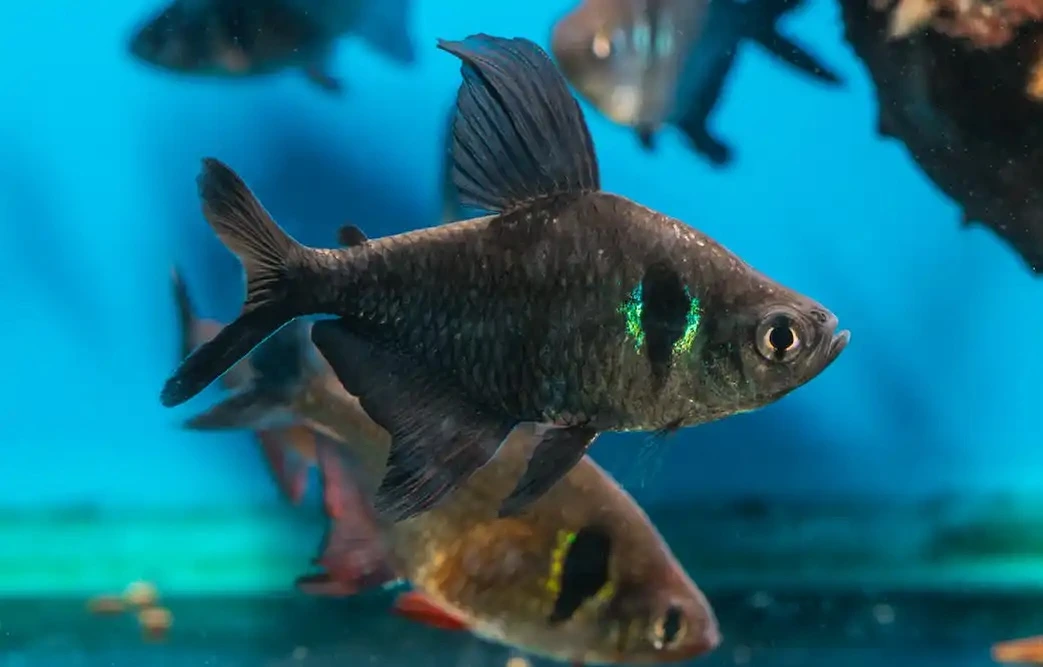
Black Phantom Tetra
Hyphessobrycon megalopterus
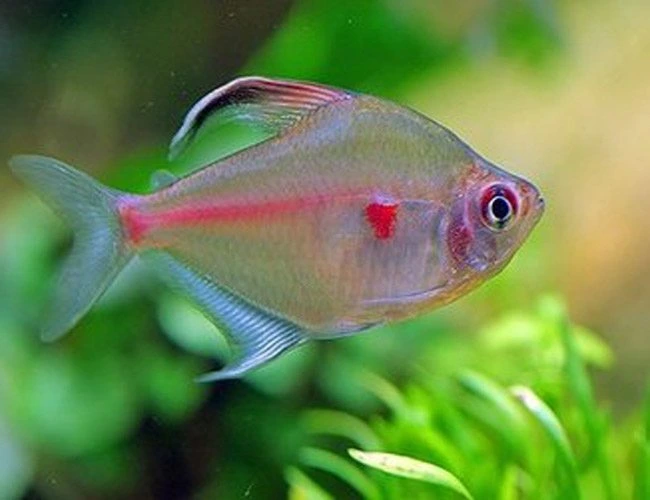
Bleeding Heart Tetra
Hyphessobrycon erythrostigma
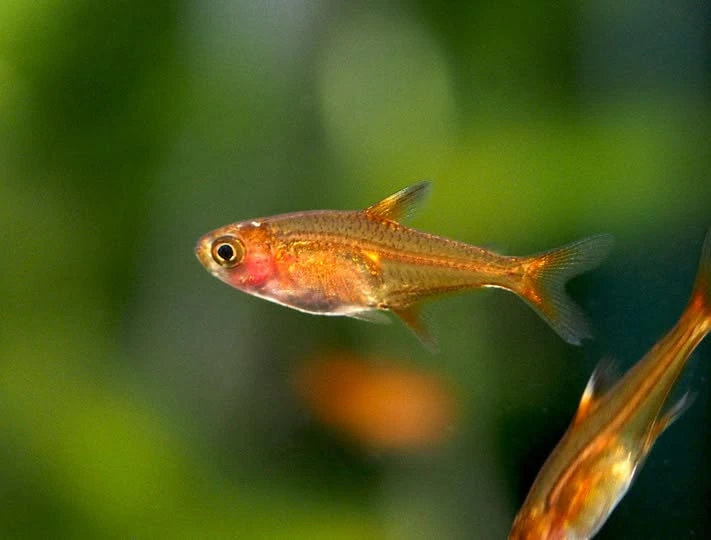
Ember Tetra
Hyphessobrycon amandae
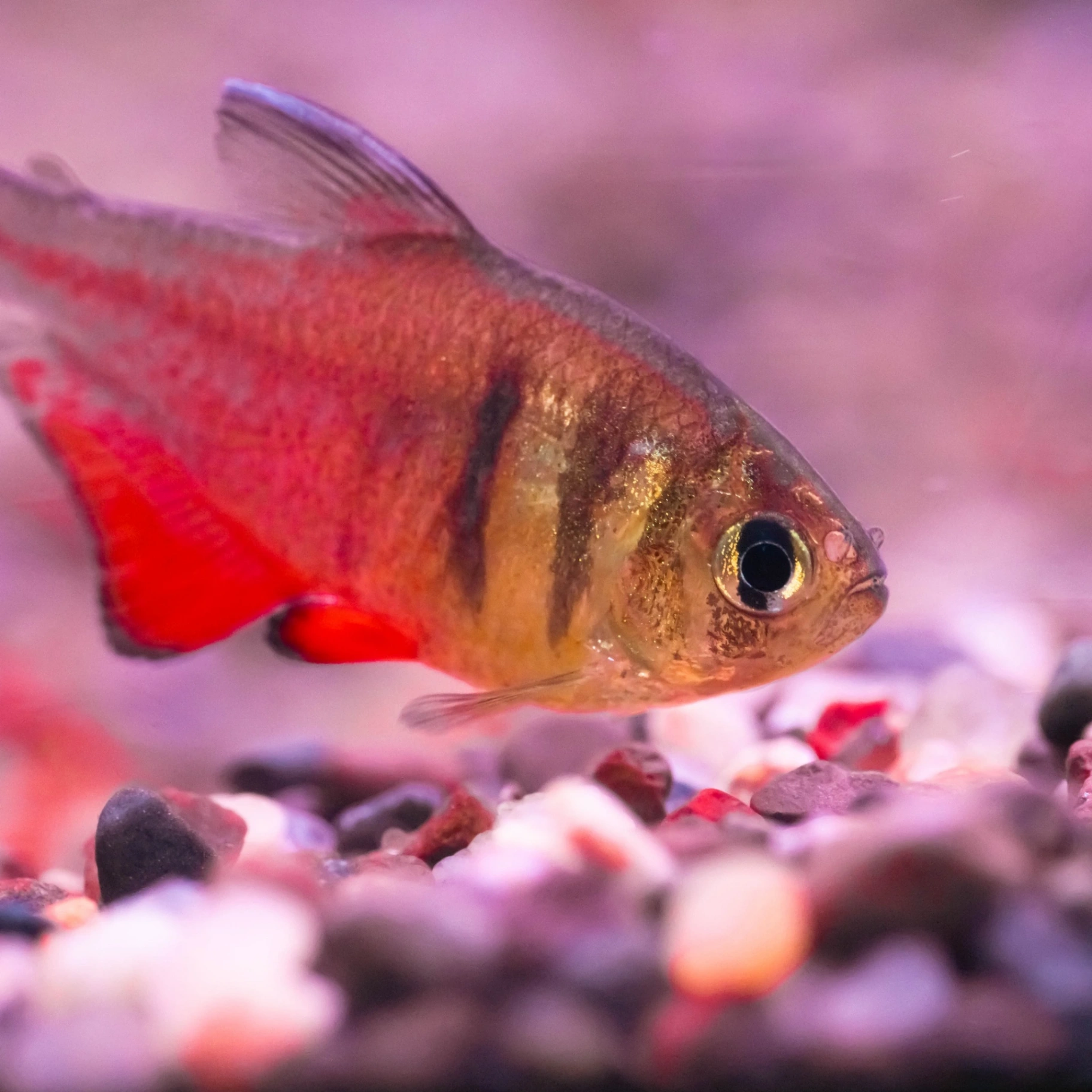
Flame Tetra
Hyphessobrycon flammeus
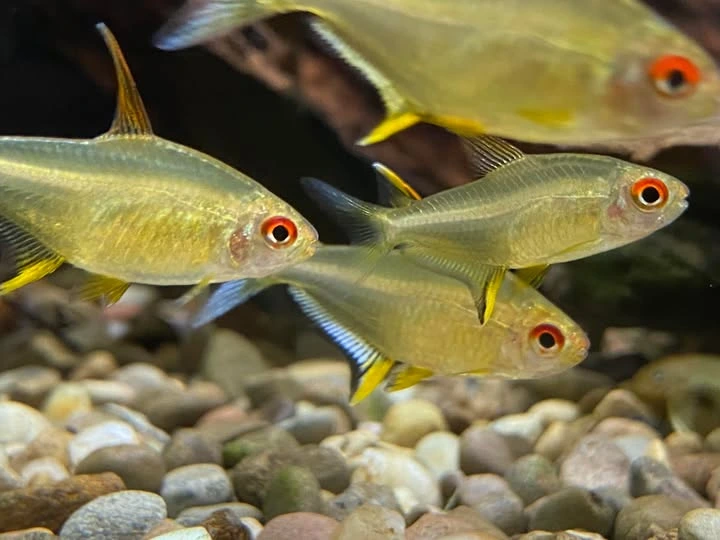
Lemon Tetra
Hyphessobrycon pulchripinnis
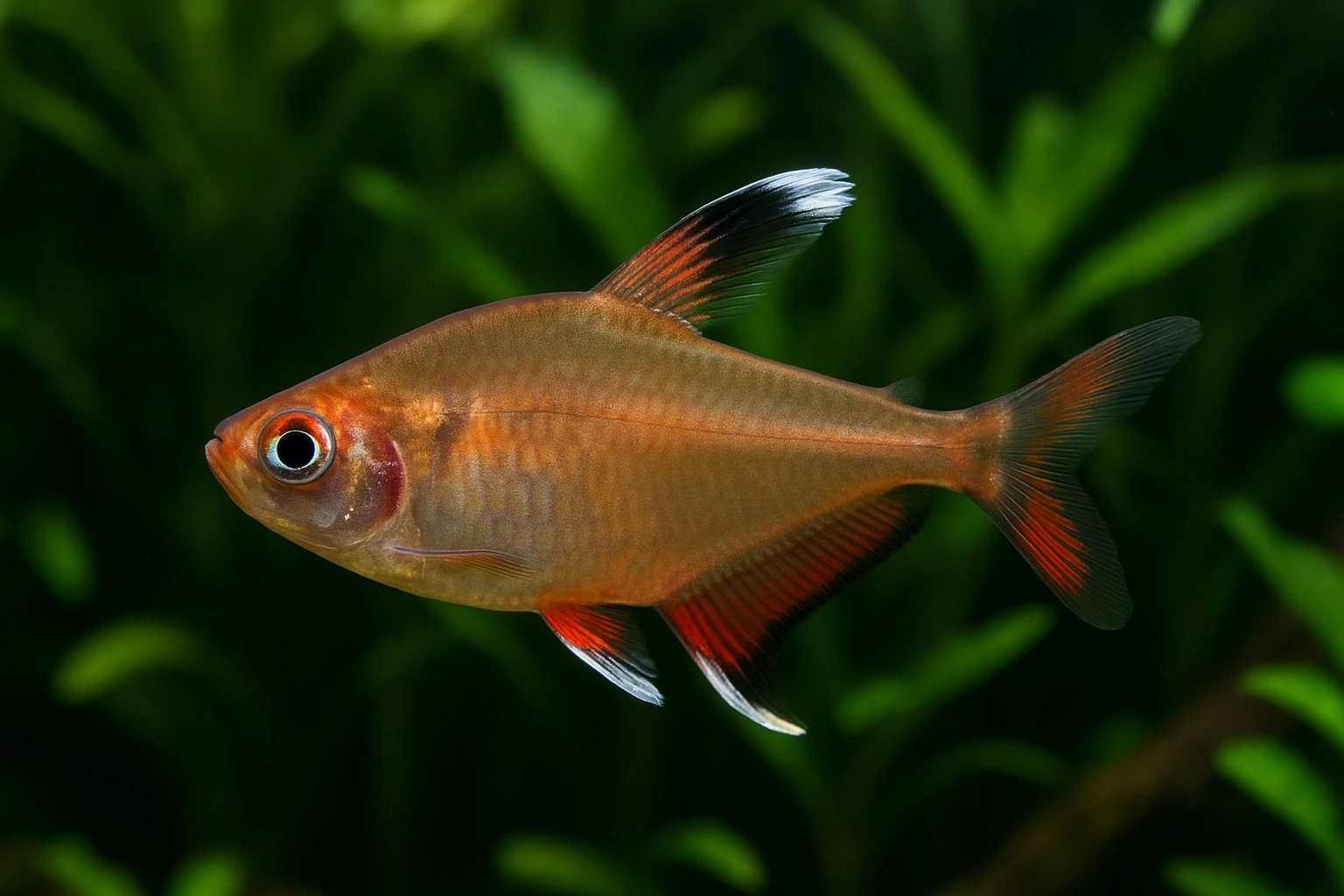
Rosy Tetra
Hyphessobrycon rosaceus
Ready to Add Colombian Tetra to Your Tank?
Use our free stocking calculator to check compatibility, bioload, and get personalized recommendations.