
Care Requirements
Adult Size
4.7" (12cm)
Min Tank
30 gal
Temperature
75-82°F
pH Range
6-7.5
Lifespan
5-8 years
Min Group
Can be kept alone
Diet
Omnivore
Swim Level
Top
Bioload
4/10
Hardness
2-15 dGH
About Pearl Gourami
The Pearl Gourami is widely considered the best gourami for community aquariums—peaceful, hardy, and stunningly beautiful. Unlike its troubled cousin the dwarf gourami, pearls aren't plagued by commercial breeding diseases and regularly live their full lifespan of 4-5 years.
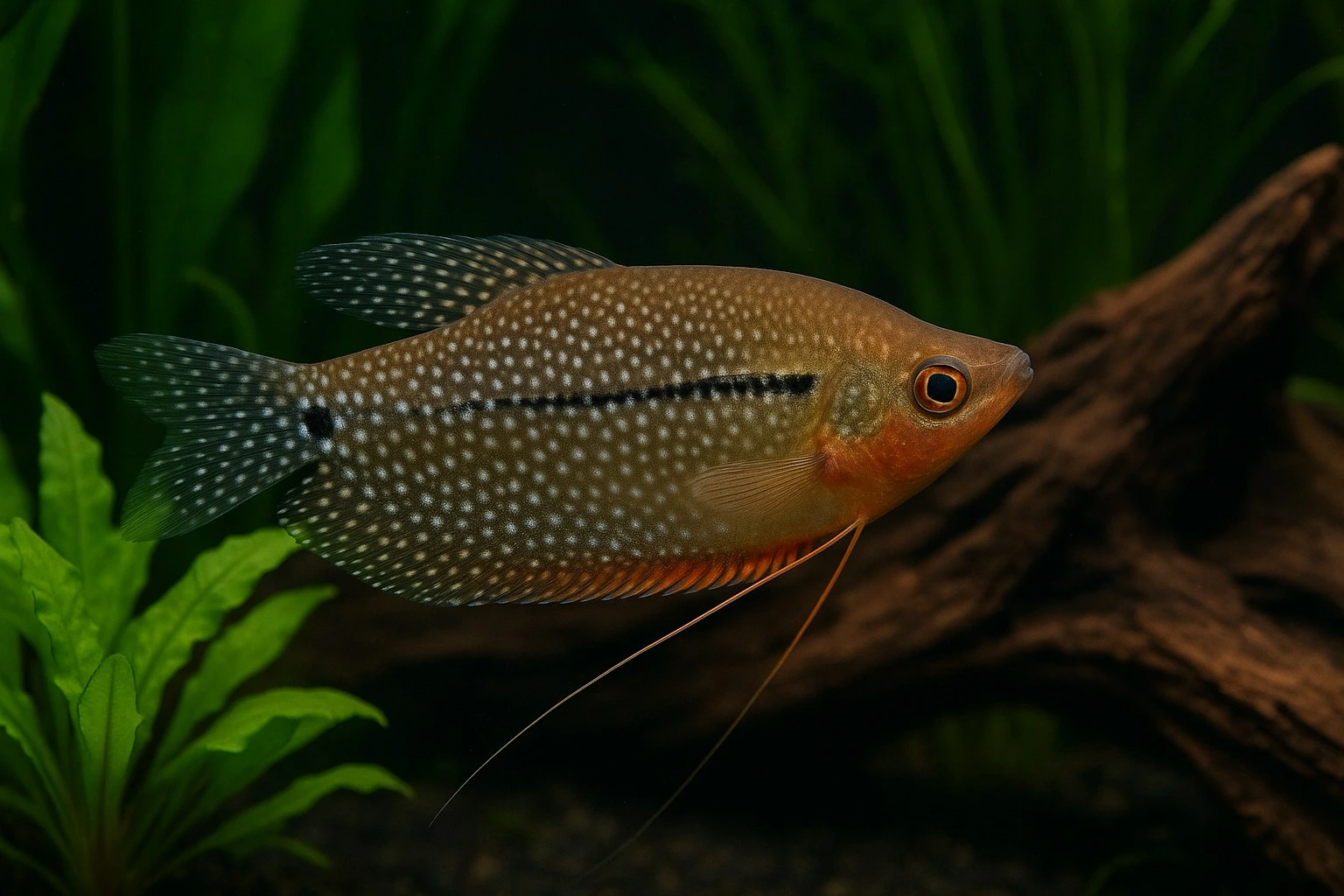
What makes pearl gouramis special is their namesake appearance: the entire body is covered in iridescent pearl-like spots that shimmer as they move. Males develop a brilliant orange-red breast during breeding condition, making them truly eye-catching centerpiece fish. They're also larger than dwarf gouramis (reaching 4-5 inches), giving them real presence in the aquarium.
Pearl gouramis are labyrinth fish, meaning they can breathe atmospheric air directly. You'll see them regularly rise to the surface to gulp air—this is normal and essential behavior. They're native to Southeast Asian swamps and flooded forests, preferring warm, slow-moving water with abundant vegetation. In the aquarium, they reward proper care with years of beauty and fascinating behavior, including bubble nest building by males.
Natural Habitat & Origin
Conservation status: Near Threatened (NT)
Pearl gouramis originate from Southeast Asia, found in Thailand, Malaysia, Sumatra, and Borneo. They inhabit slow-moving, acidic waters including lowland swamps, flooded forests, and heavily vegetated streams. These habitats feature dense plant growth, submerged roots, and accumulations of leaf litter that stain the water dark with tannins.
As labyrinth fish, they evolved in oxygen-poor environments where their ability to breathe atmospheric air provides a survival advantage. Understanding their natural habitat helps explain their aquarium preferences: warm water, gentle flow, plenty of plants, and access to the surface for air breathing.
Native Region
Southeast Asia (Thailand, Malaysia, Sumatra, Borneo)
Habitat Type
Slow-moving acidic waters, lowland swamps, flooded forests with dense vegetation
Wild Water Conditions
Warm (75-82°F), soft to moderately hard, slightly acidic to neutral, heavily vegetated with tannin-stained water
Appearance & Varieties
Pearl gouramis are among the most beautiful freshwater fish available. Their most distinctive feature is the pattern of white, pearl-like spots covering the entire body, creating an iridescent, almost lace-like appearance—hence their alternate name 'Lace Gourami.' A dark horizontal line runs from snout to tail, bisecting the body.
Males are more colorful than females, with an orange-red breast that intensifies dramatically during breeding condition. They also have longer, more pointed dorsal fins. Females are rounder-bodied with shorter fins and lack the orange coloration. Both sexes reach about 4-5 inches (10-12 cm), making them one of the larger commonly kept gouramis.
Popular Varieties
| Variety | Description | Rarity |
|---|---|---|
| Wild-type | Silver body covered in pearl-like spots with dark lateral line; males show orange breast | Common |
| Balloon/Short-body | Shortened, rounded body shape; pearl markings intact | Uncommon |
Tank Setup & Requirements
Quick Requirements Summary
Tank Size
Minimum Tank Size
30 gallons
Recommended Tank Size
40 gallons
Pearl gouramis thrive in well-planted aquariums with plenty of cover. They're mid-level to surface dwellers that need access to atmospheric air, making floating plants ideal companions. Gentle water flow is essential—they come from still or slow-moving water and stress easily in strong currents.
Water Parameters
Temperature 75-82°F (24-28°C). They tolerate a wide pH range (6.0-8.0) and hardness (5-25 dGH), making them adaptable to most tap water. As labyrinth fish, they must have access to the water surface—never cover 100% of the surface with floating plants.
Substrate
Dark sand or fine gravel is ideal—it enhances their iridescent coloration. They don't interact much with substrate, focusing on mid-level and surface areas.
Plants & Decorations
Heavily planted tanks are strongly recommended. Pearl gouramis are naturally shy and need plant cover to feel secure. Floating plants are particularly important, providing shade, surface cover, and anchoring points for bubble nests. Good choices include water sprite, Amazon frogbit, hornwort, and java fern.
Filtration & Water Flow
Gentle filtration essential. Pearl gouramis come from nearly still water and are stressed by strong currents. Use spray bars to diffuse flow, or choose sponge filters. They need calm water, especially at the surface where they breathe and build nests.
Lighting
Moderate to subdued lighting preferred. Bright lights without plant cover cause stress and hiding. Floating plants naturally diffuse light and are highly recommended. Pearl gouramis actually show their best colors in dimmer conditions.
Diet & Feeding Guide
Diet Type
omnivore
Feeding Frequency
1-2x daily
Portion Size
What they consume in 2-3 minutes
Pearl gouramis are omnivores that readily accept most aquarium foods. In the wild, they eat insects, insect larvae, small crustaceans, algae, and plant matter. A varied diet promotes health and enhances their beautiful coloration.
Best Foods for Pearl Gourami
- High-quality flake food — Good staple diet—floating foods work best for these surface feeders
- Small pellets/micro pellets — Floating types preferred
- Frozen bloodworms — Excellent protein, readily accepted
- Frozen brine shrimp — Good variety, helps condition fish
- Frozen daphnia — Natural food, promotes good health
- Mosquito larvae — Natural surface food, eagerly consumed
- Blanched vegetables — Occasional variety—they'll nibble on soft veggies
- Spirulina flakes — Good for overall health and color
Foods to Avoid
- Large pellets — Their mouths aren't large—food should be appropriately sized
- Exclusively dry foods — Frozen and live foods should supplement the diet for best health
Pearl gouramis are relatively shy feeders that may be outcompeted by more aggressive tankmates. Use floating foods so they can eat comfortably at the surface. They may take time to adapt to new foods. Multiple small feedings are better than one large feeding.
Behavior & Temperament
Pearl gouramis are peaceful, somewhat shy fish that make excellent community tank inhabitants. They're generally calm swimmers, alternating between leisurely cruising and resting among plants. Unlike dwarf gouramis, pearls are genuinely peaceful—one of the most peaceful gourami species available.
Males can show territorial behavior toward other male gouramis, particularly in smaller tanks. In tanks under 55 gallons, keeping one male with 2-3 females is the safest approach. In larger tanks with broken sightlines, multiple males may coexist.
Healthy, content males build elaborate bubble nests at the surface, incorporating plant material and saliva-coated bubbles. This behavior indicates the fish is comfortable and conditions are good. They use their labyrinth organ to breathe atmospheric air—you'll see them regularly rise to gulp air at the surface, which is completely normal.
Tank Mates: Compatibility Guide
Compatible Tank Mates
Peaceful schooler, different tank zone
Classic peaceful community fish
Peaceful, similar water preferences
Peaceful bottom dwellers, no competition
Peaceful, different tank zone
Peaceful barb, won't nip or harass
Can coexist with proper space—both peaceful
Peaceful bottom dweller
Tank Mates to Avoid
Aggressive cichlids
Will stress and potentially attack peaceful gouramis
Tiger Barb
Notorious fin nippers that target gourami fins
Other male gouramis (small tanks)
Territorial conflicts in limited space
Betta
Territorial conflicts—both are labyrinth fish
Fast aggressive feeders
Will outcompete shy pearl gouramis for food
Large predatory fish
Obvious predation risk
Common Pairing Questions
Are pearl gouramis better than dwarf gouramis?
Many fishkeepers prefer pearls because they're hardier and don't suffer from the iridovirus that plagues commercial dwarf gouramis. Pearls are larger but equally peaceful, and they typically live their full 4-5 year lifespan without disease issues.
Can I keep two male pearl gouramis together?
In tanks under 55 gallons, keeping multiple males often leads to aggression with the dominant male harassing subordinates. One male with 2-3 females works best. In larger tanks with plenty of plants and broken sightlines, two males may coexist.
Why is my pearl gourami hiding all the time?
Pearl gouramis are naturally shy and need dense plant cover to feel secure. New fish may hide for 1-2 weeks while adjusting to their new environment. Aggressive tankmates or bright lighting without cover also cause constant hiding.
Pearl gouramis are bubble nest builders with fascinating breeding behavior. Males construct elaborate floating nests of bubbles coated in saliva, often incorporating plant material from floating vegetation. Well-conditioned males may build nests even without females present.
For breeding, set up a separate tank with shallow water (6-8 inches), floating plants, warm temperature (82°F/28°C), and minimal water movement. Condition the pair with live and frozen foods for 1-2 weeks. The male will build his nest, then perform courtship displays with spread fins and intensified colors.
During spawning, the male wraps around the female beneath the nest in a spawning embrace, and she releases eggs that he fertilizes and places in the bubble nest. Females can release 200-1000 eggs per spawn. Remove the female after spawning—the male becomes an attentive guardian, repairing the nest and returning fallen eggs. Remove the male once fry are free-swimming (about 3-4 days). Fry require infusoria initially, then baby brine shrimp.
Health Issues & Disease Prevention
Pearl gouramis are considerably hardier than dwarf gouramis and don't suffer from the commercial breeding diseases that plague their smaller cousins. With proper care, they're robust fish that rarely have health issues. Most problems stem from poor water quality or incompatible tankmates.
Common Diseases
| Disease | Symptoms | Treatment |
|---|---|---|
| Ich (White Spot) | White spots like salt grains on body and fins, scratching, flashing | Raise temperature to 82-86°F gradually, add aquarium salt cautiously, use ich medication. Pearl gouramis generally recover well if treated early. |
| Bacterial Infections | Fin rot, body sores, cloudy eyes, red streaks | Antibacterial medication (Kanaplex, Maracyn 2). Usually responds well to treatment. Often secondary to poor water quality. |
| Hole-in-the-Head | Pitting lesions on head and lateral line | Improve diet variety and water quality. Metronidazole may help. Often linked to poor nutrition and water conditions. |
Signs of a Healthy Pearl Gourami
- Active swimming and exploring
- Vibrant pearl-like spots and coloration
- Good appetite
- Intact, spread fins
- Bright orange breast in males
- Regular trips to surface for air
- Bubble nest building (males)
Prevention Tips
- Maintain stable water parameters—consistency is key
- Provide plenty of plant cover to reduce stress
- Keep with peaceful tankmates only
- Avoid strong water current
- Ensure surface access for air breathing
- Quarantine new fish for 2-4 weeks
- Feed a varied diet including frozen foods
Frequently Asked Questions
Many fishkeepers prefer pearls because they're hardier and not plagued by the iridovirus that kills most commercial dwarf gouramis. They're larger but equally peaceful, and typically live their full 4-5 year lifespan without disease issues.
In tanks under 55 gallons, keeping multiple males often leads to aggression. One male with 2-3 females works best. In larger tanks with broken sightlines, two males may coexist, but monitor for harassment.
Pearl gouramis are naturally shy and need dense plant cover to feel secure. New fish may hide for 1-2 weeks while adjusting. Aggressive tankmates or bright lighting also cause hiding. Provide floating plants and patience.
Yes, they have a labyrinth organ and must breathe atmospheric air regularly. Never cover 100% of the water surface—they need access to air. A gap in floating plants is sufficient.
About 4-5 inches (10-12 cm), making them one of the larger commonly kept gouramis. They need at least a 30-gallon tank, preferably larger for groups.
Excellent community fish—they're one of the most peaceful gourami species. They ignore other fish and only show territorial behavior toward other male gouramis in small spaces.
Tips for Keeping Pearl Gourami
Pro Tips
- ✓Pearl gouramis show their best colors in dimly lit tanks with dark substrate
- ✓They're excellent for planted tanks—they won't damage plants and help control surface insects
- ✓Unlike dwarf gouramis, pearls rarely have disease issues from commercial breeding
- ✓A well-planted corner provides security while the rest of the tank gives swimming space
- ✓Floating plants are nearly essential—they reduce stress and encourage natural behavior
- ✓They're one of the best 'centerpiece' fish for peaceful community tanks
Common Mistakes to Avoid
- ✗Keeping in tanks with strong current—stresses them significantly
- ✗Housing multiple males in small tanks—leads to territorial aggression
- ✗No floating plants—they feel exposed and stressed
- ✗Keeping with aggressive or nippy tankmates
- ✗Bright lighting without plant cover for shade
- ✗Covering entire water surface—they need air access
- ✗Expecting immediate confidence—they need adjustment time
Sources
- FishBase — Accepted scientific name, maximum size and native range for Pearl Gourami.
- IUCN Red List — Near Threatened conservation assessment for Trichopodus leerii.
Related Species You Might Like
View All Fish →
Penguin Tetra
Thayeria boehlkei
Moonlight Gourami
Trichopodus microlepis
Three Spot Gourami
Trichopodus trichopterus

Australian Rainbowfish
Melanotaenia splendida
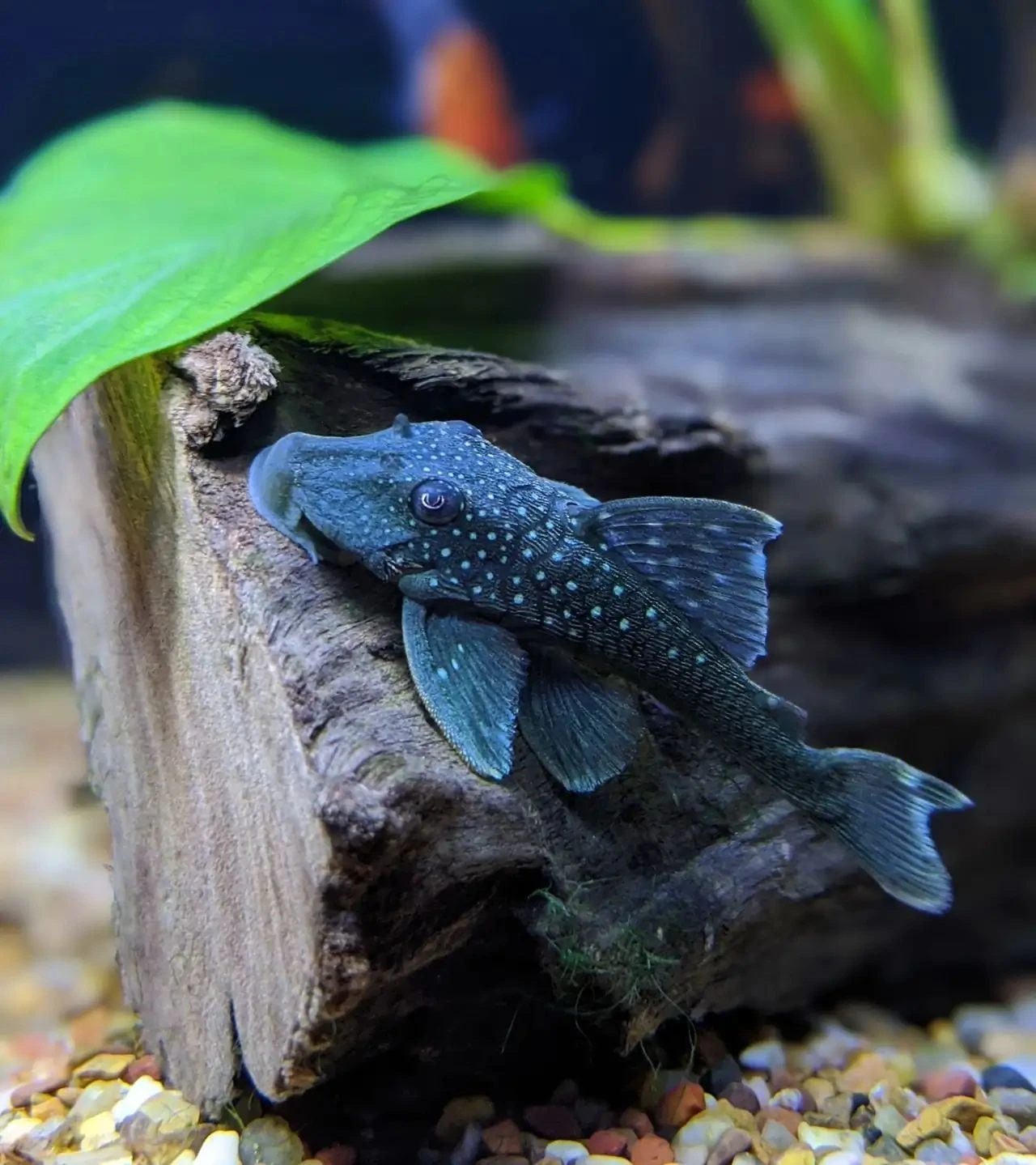
Blue Phantom Pleco
Hemiancistrus sp.
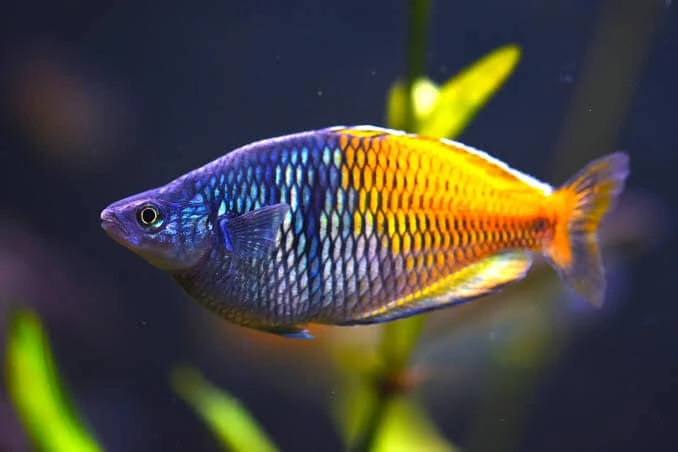
Boesemani Rainbowfish
Melanotaenia boesemani
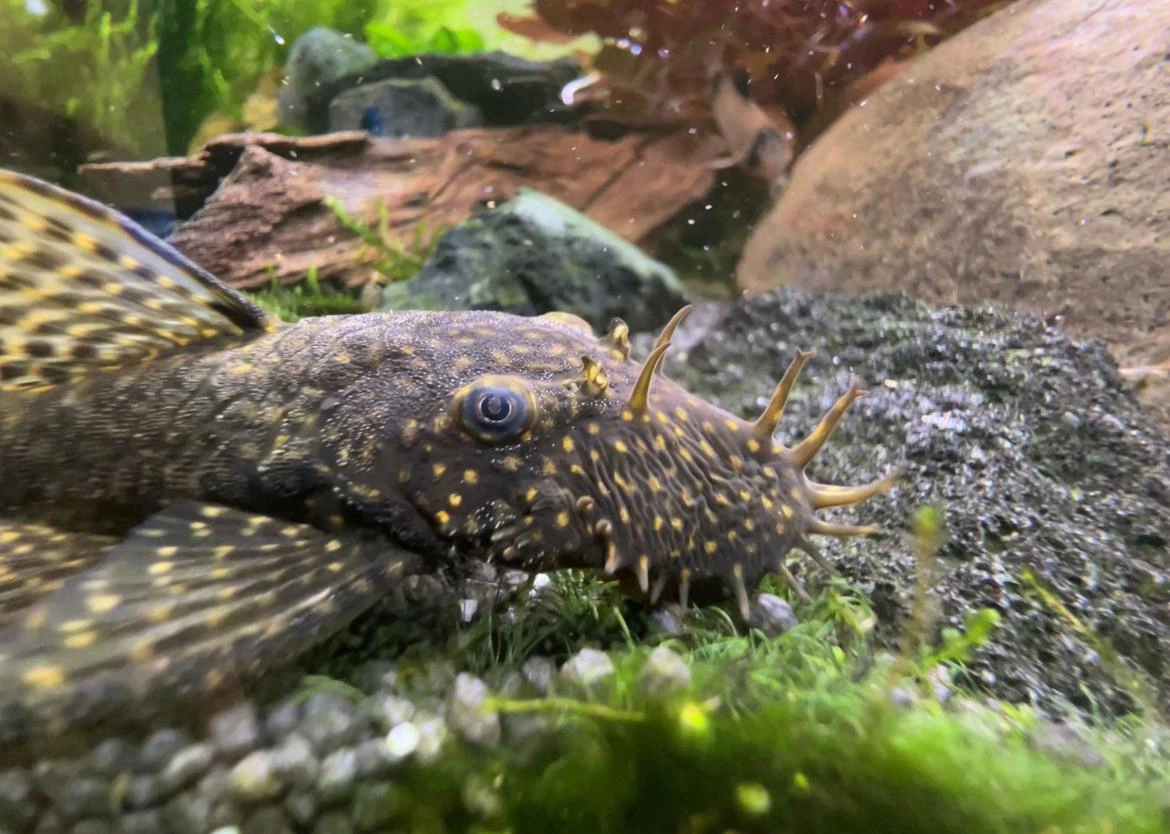
Bristlenose Pleco
Ancistrus sp.
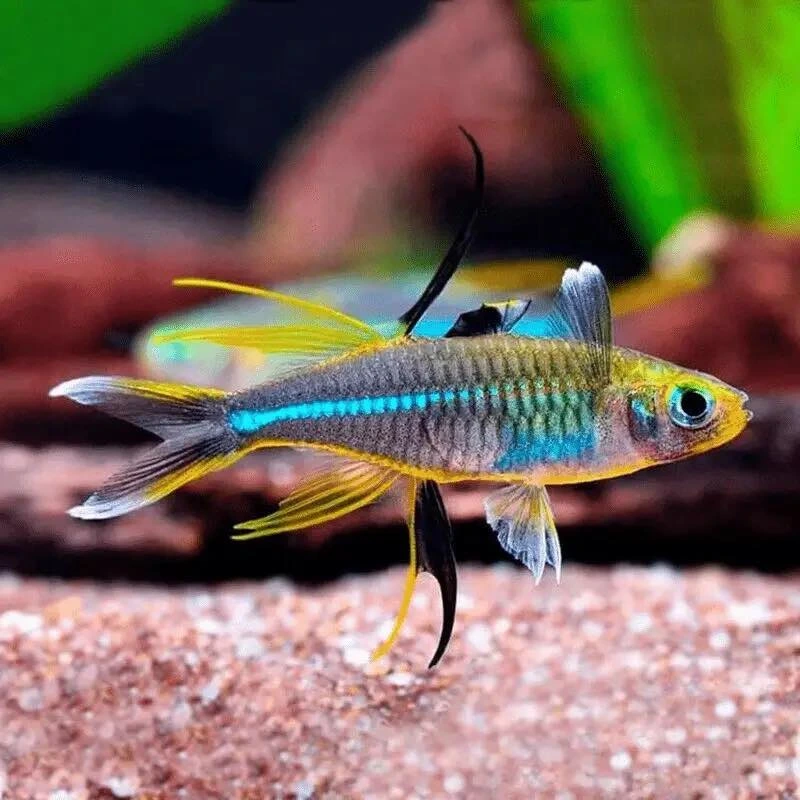
Celebes Rainbowfish
Marosatherina ladigesi
Ready to Add Pearl Gourami to Your Tank?
Use our free stocking calculator to check compatibility, bioload, and get personalized recommendations.