
Amazon Frogbit Care Guide
Limnobium laevigatum (syn. Hydromystria laevigata)
Reviewed by the AquariumStocking team · Updated August 2026
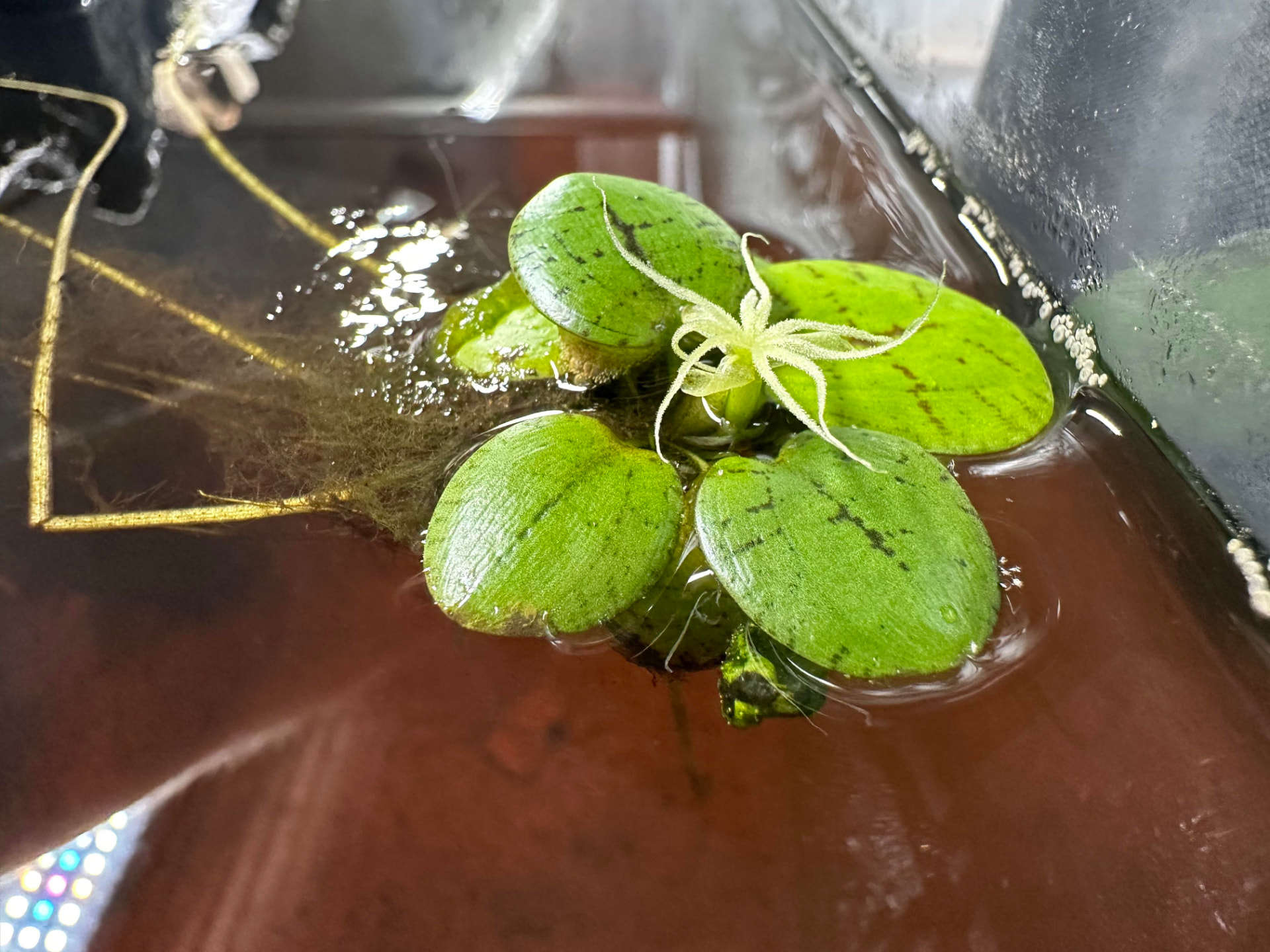
The floater grown for its roots as much as its leaves — a curtain of white feeding roots that shrimp graze and fry hide in. Keeping the leaf tops dry is the whole job.
Amazon Frogbit quick facts
- Light demand
- Low
- CO2 requirement
- Not needed
- Difficulty
- Beginner
- Growth rate
- Fast
- Placement
- Floating
- Growth habit
- Floating
- Substrate need
- None — floats at the surface
- Max size
- 5 cm (2 in) tall, ~5 cm wide
- pH
- 6.0–7.5
- Hardness
- 2–15 dGH
- Propagation
- Runners — daughter plants form on short stolons
- Temperature
- 20–28 °C (68–82 °F)
Never planted. Roots hang free and pull nutrients straight from the water column, which is why frogbit strips nitrate so quickly.
Overview
Amazon frogbit (Limnobium laevigatum) is a South American floater with round, slightly cupped leaves that sit flat on the surface and a long, pale root system hanging beneath them. In a mature tank those roots reach fifteen to twenty-five centimetres, and they are the reason to keep it: shrimp graze the biofilm on them all day, and fry treat the curtain as a nursery.
Most floaters are bought and then resented for shading the tank. Frogbit earns its shade differently — the root mass is functional habitat, not a side effect, and the nutrient uptake that comes with it is enough to visibly drag nitrate down in a lightly filtered tank.
It is not fussy about water chemistry, light or CO2. The one thing it will not tolerate is water landing on the tops of the leaves, which is a mechanical problem and not a care problem.
What you're buying
Frogbit is sold by the portion and travels reasonably well, but the naming on the label is unreliable and the plant you get is often smaller than the photo suggests.
Two names, two plants
Limnobium laevigatum is Amazon frogbit. Hydrocharis morsus-ranae is European frogbit, a temperate species regulated in parts of North America. Shops use "frogbit" for both.
Size on arrival
Young rosettes are coin-sized with two-centimetre roots. Full size takes a few weeks in the tank; do not judge the plant on what comes out of the bag.
Check the undersides
Healthy leaves have a spongy, air-filled layer underneath. Flat, waterlogged undersides mean the plant has been submerged in transit and will rot.
A dozen rosettes is plenty. Frogbit multiplies by runners and a small starter portion covers a two-foot tank within a month under any usable light.
Snail eggs and duckweed travel with it more often than with any other plant on this site, because both hide among the roots. Rinse the portion in a bucket and pick through the root mass before it goes in the tank.
Light, CO2 & nutrients
Light
Low
CO2
Not needed
Fertilisation
Water column (liquid)
Light
Low light is enough. Frogbit sits directly under the fixture with no water column absorbing anything, so even a weak LED delivers more to it than to a plant on the substrate.
Brighter light makes it grow faster and produce more runners, which in practice means more thinning rather than a better-looking plant. The leaves stay green either way — there is no colour response to chase here.
The plant to think about is whatever is underneath. A full frogbit mat can cut light to the substrate dramatically, and that is a bigger lighting decision than anything the frogbit itself needs.
CO2
Not needed. Floating plants take carbon dioxide from the air through their upper leaf surfaces, which is a far richer source than anything dissolved in the water.
Injecting CO2 for a frogbit mat is wasted gas. It benefits the submersed plants below and does close to nothing for the floater above them.
Work out your CO2 injection rate →
Nutrients
All feeding happens through the roots hanging in the water column, so root tabs are pointless. A standard all-in-one liquid fertiliser covers it, and in a well-stocked tank fish waste often covers it outright.
Iron shortage is the usual complaint. Frogbit that goes pale yellow between the leaf veins while continuing to push out new rosettes is short of iron, not light — dose a chelated iron supplement and the colour returns within a fortnight.
The plant is genuinely good at nutrient export. Pulling out a handful every week removes the nitrogen and phosphorus locked in it, which is a real and often overlooked part of algae control in a low-tech tank.
Water & temperature
pH
6.0–7.5
Hardness
2–15 dGH
Temperature
20–28 °C (68–82 °F)
Water chemistry barely registers. Anything from pH 6.0 to 7.5, 2 to 15 dGH and 20 to 28 °C suits it, and it tolerates the swings of an unheated room tank better than most tropical plants.
Surface conditions are the real parameter. Frogbit needs a calm top and, just as importantly, a gap between the water and the lid — a leaf pressed against warm cover glass cooks and rots.
Adding it to the tank
- 1Rinse the portion in a bucket and pick out duckweed and snail eggs from the root mass.
- 2Float the rosettes leaf-side up — they will not right themselves reliably if dropped upside down.
- 3Lower the filter outflow below the surface or angle it downward so nothing splashes the leaf tops.
- 4Leave two to three centimetres of air between the water surface and the lid or light fixture.
- 5Corral it with a floating feeding ring or an airline run across a corner if you want part of the surface to stay clear.
Dry leaves, wet roots. Water sitting on top of a frogbit leaf rots it within days, and a condensation-covered lid pressed against the leaves does the same thing more slowly. Aim the outflow down and leave an air gap under the cover glass.
Placement & aquascaping role
The decision is not where it sits but how much surface it gets. Left alone, frogbit takes the lot in about a month.
A third to a half is the useful range. That gives fish an open area to breathe and feed in, keeps enough light reaching the substrate for the plants below, and still leaves a proper root curtain for shrimp and fry.
A barrier keeps it honest. Suction-cupped airline, a floating ring, or a strip of rigid tubing across one end all hold the mat away from the filter outflow and stop it drifting over the whole tank.
Growth, trimming & maintenance
Growth is fast: a rosette throws a runner, the daughter plant matures, and both throw more. Doubling every two to three weeks under decent light is normal.
Maintenance is scooping, not trimming. Take out whole rosettes rather than cutting leaves, and take them from the crowded middle of the mat where the plants are stacking on top of each other.
Watch the leaf undersides on plants near the outflow. Once the spongy layer under the leaf becomes waterlogged the rosette will not recover, and one rotting plant in the middle of a tight mat fouls the ones around it.
Propagation
There is nothing to do. Frogbit sends out short stolons with a daughter rosette at the end; the connection breaks on its own once the daughter is established.
Moving it between tanks is instant — float it and it carries on. The only rule is not to crush the roots when you lift it, because a bruised root mass sheds and takes a few weeks to rebuild.
- 1Wait for a runner to produce a daughter rosette with its own roots.
- 2Separate it by pinching the stolon, or simply lift the pair and let it break naturally.
- 3Float the daughter in the destination tank, leaf-side up.
- 4Keep the surface calm and the lid gapped for the first week.
- 5Discard any rosette whose leaf underside has gone flat and waterlogged.
Troubleshooting & diagnosis
Almost every frogbit failure comes down to water on the leaves, no air gap under the lid, or an iron shortfall. The symptom tells you which one.
| Symptom | Likely cause | Fix |
|---|---|---|
| Leaves going yellow, transparent, then rotting | Water splashing onto the leaf tops from a filter outflow or air stone | Lower the outflow below the surface or angle it down; remove surface aeration. |
| Leaves browning where they touch the cover glass | No air gap — condensation and heat against the leaf | Drop the water level two to three centimetres or prop the lid. |
| Pale yellow leaves with green veins, plant still growing | Iron deficiency | Dose a chelated iron supplement; the plant recolours in one to two weeks. |
| Roots short and stubby, never growing long | Being grazed, or very high nutrients removing the need to forage | Check for goldfish, silver dollars or large barbs; long roots return in a leaner tank. |
| Rosettes shrinking and the mat thinning out | Outcompeted by duckweed, or nitrogen exhausted | Remove duckweed completely; dose an all-in-one liquid fertiliser. |
| Plants pinned against the filter intake and dying | Surface flow pulling the mat into the strainer | Fit a feeding ring or airline barrier to hold the mat away from the intake. |
Natural habitat & origin
Native range
Central and South America — from Mexico south to Argentina
Habitat type
Still ponds, ditches, flooded margins and slow backwaters
Wild growing conditions
Open sun on a calm surface, soft to moderately hard water
Limnobium laevigatum grows on still, nutrient-rich water across tropical and subtropical America, in the kind of sun-exposed pond margin where nothing disturbs the surface. It is naturalised well beyond that range, and it appears on invasive-species watch lists in several countries even where it is not formally restricted.
The long roots are a response to competition rather than to poverty: on a crowded surface the plant that reaches deepest into the water column gets the nutrients. That is exactly why they grow so long in a clean, lightly stocked aquarium and stay short in a heavily fed one.
The spongy tissue under each leaf is a flotation structure, and it explains the single care rule on this page. It works by staying dry. Waterlog it and the rosette sits lower, takes on more water, and rots.
Fish & invert compatibility
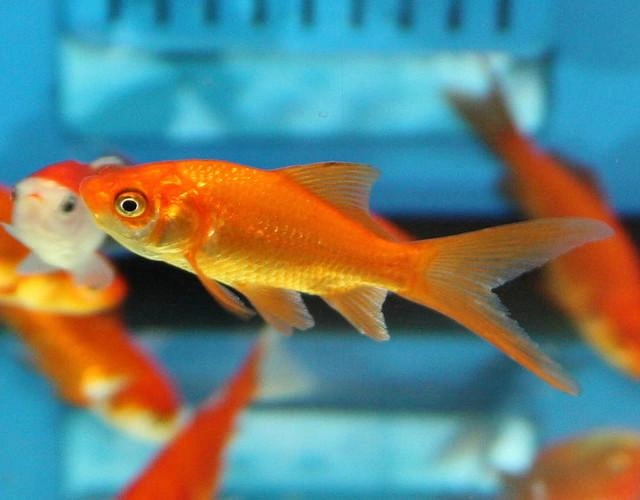
The roots are the exposed part. Anything that picks at a hanging root mass — silver dollars, goldfish, large barbs — will shorten them to stubs, and short roots are what most people were buying the plant for. Everything that ignores the surface is fine underneath it.
Safe with Amazon Frogbit
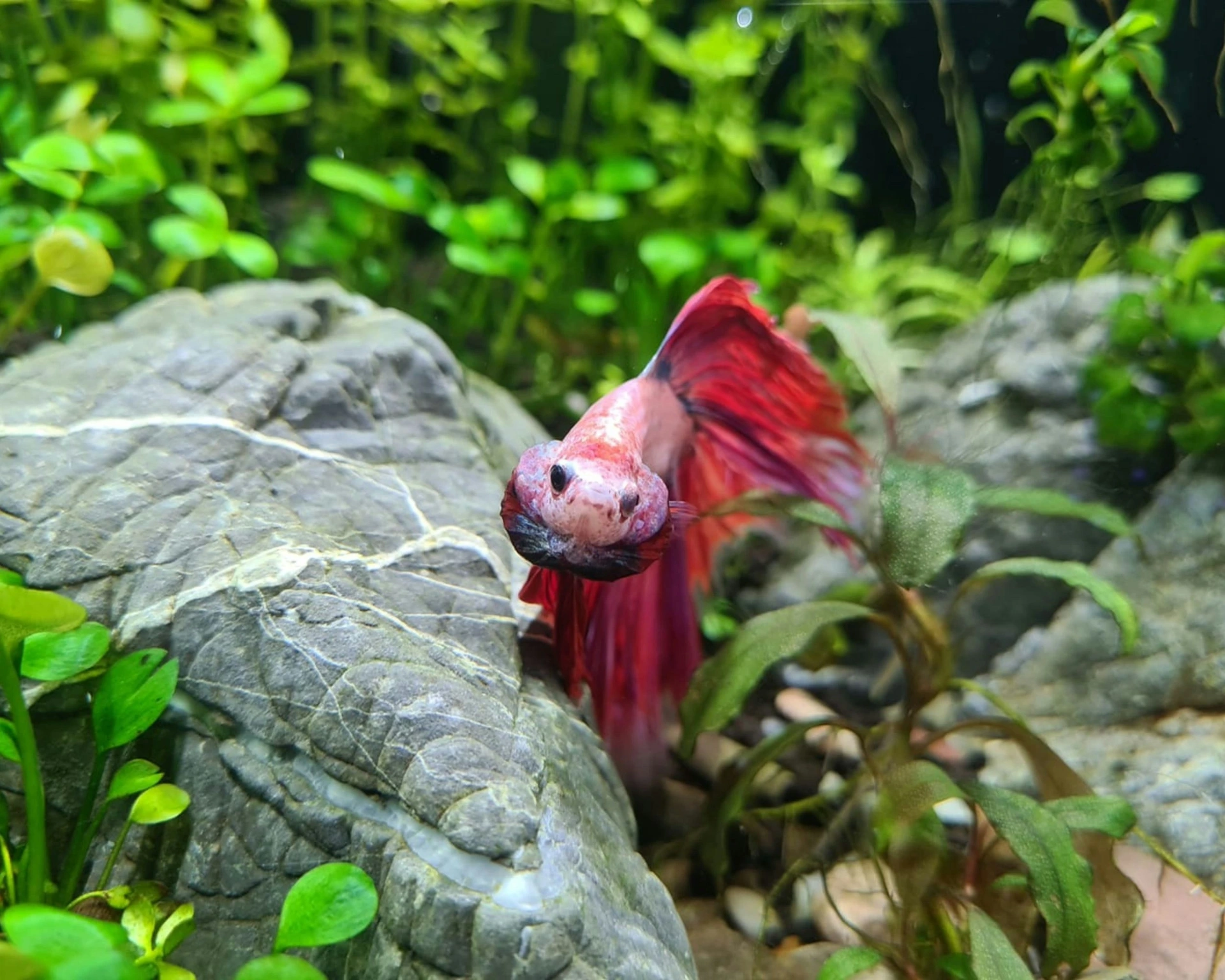 BettaBetta splendens
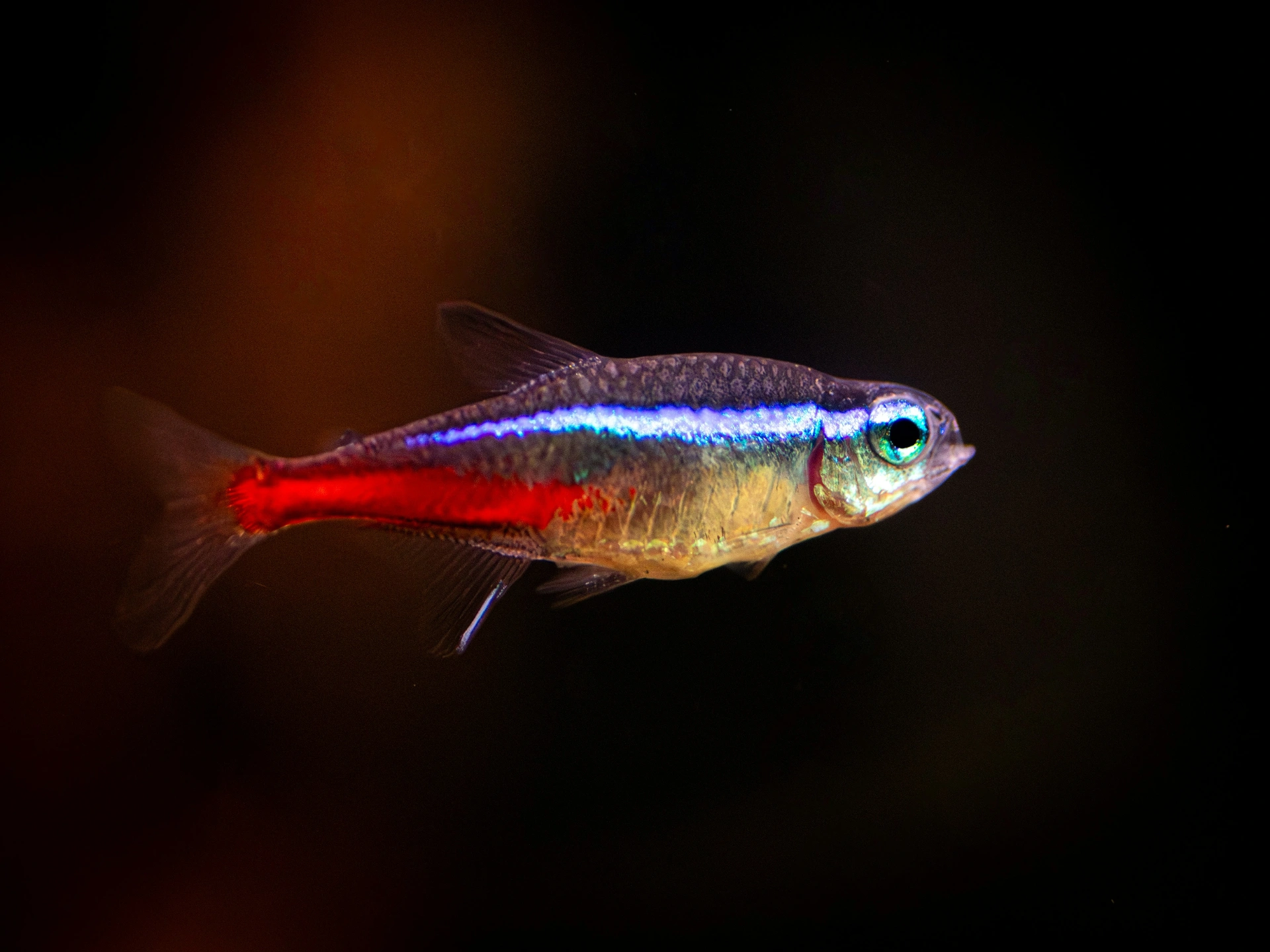 Neon TetraParacheirodon innesi
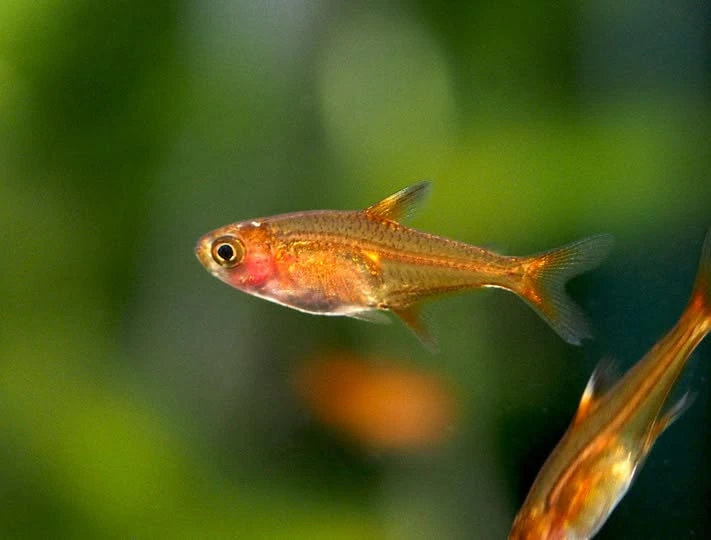 Ember TetraHyphessobrycon amandae
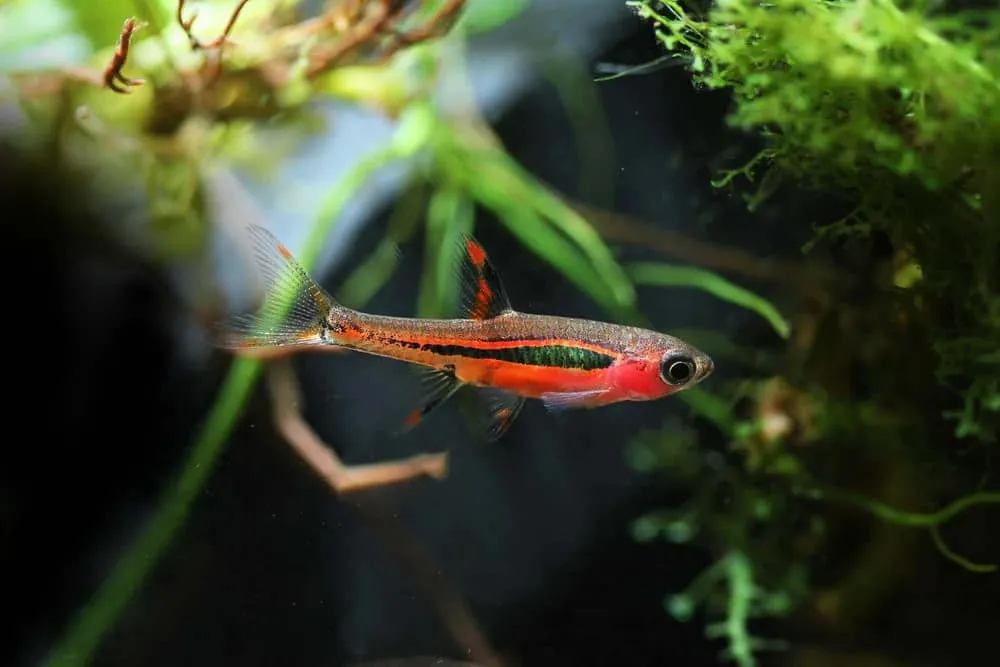 Chili RasboraBoraras brigittae
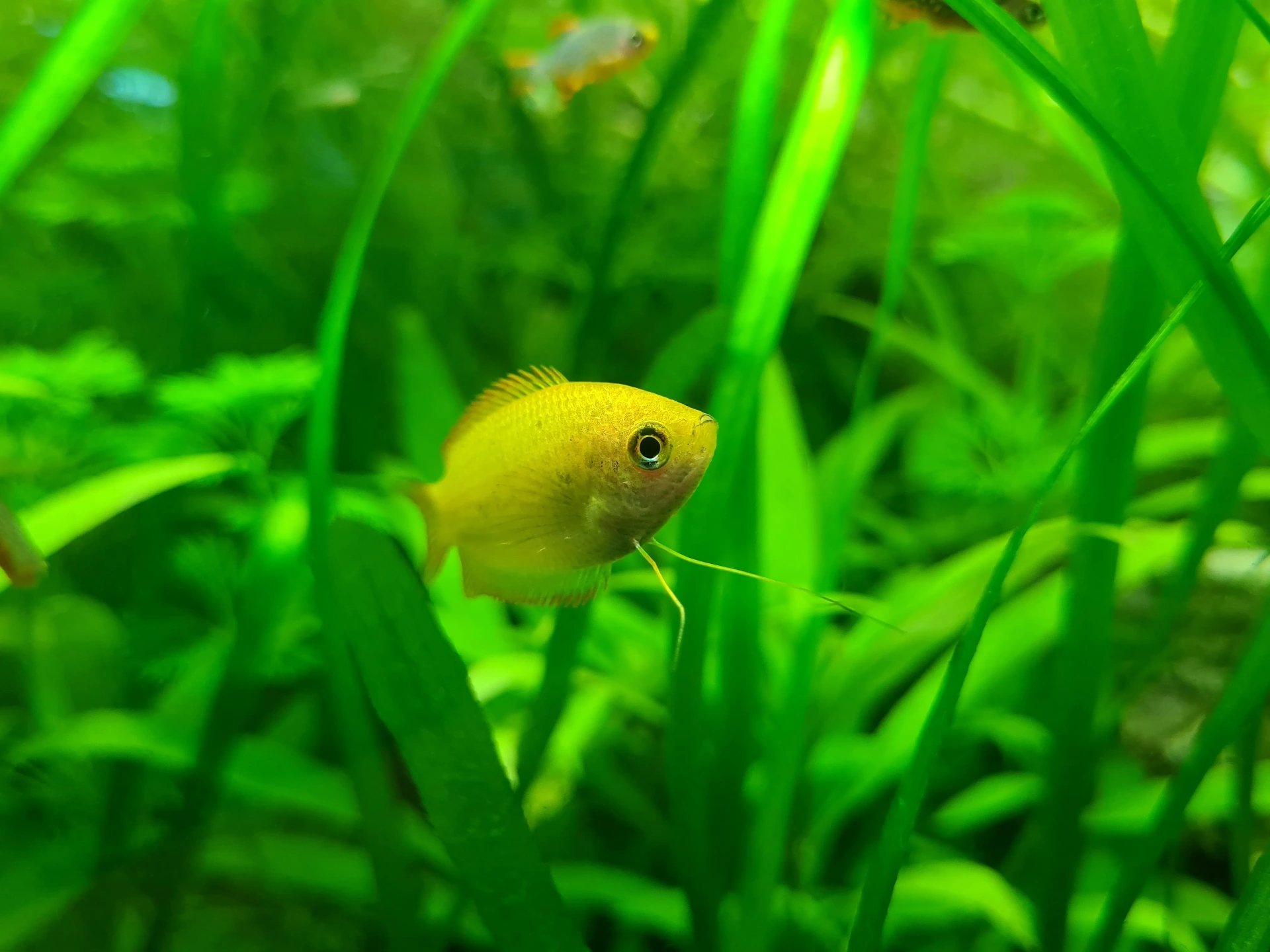 Honey GouramiTrichogaster chuna
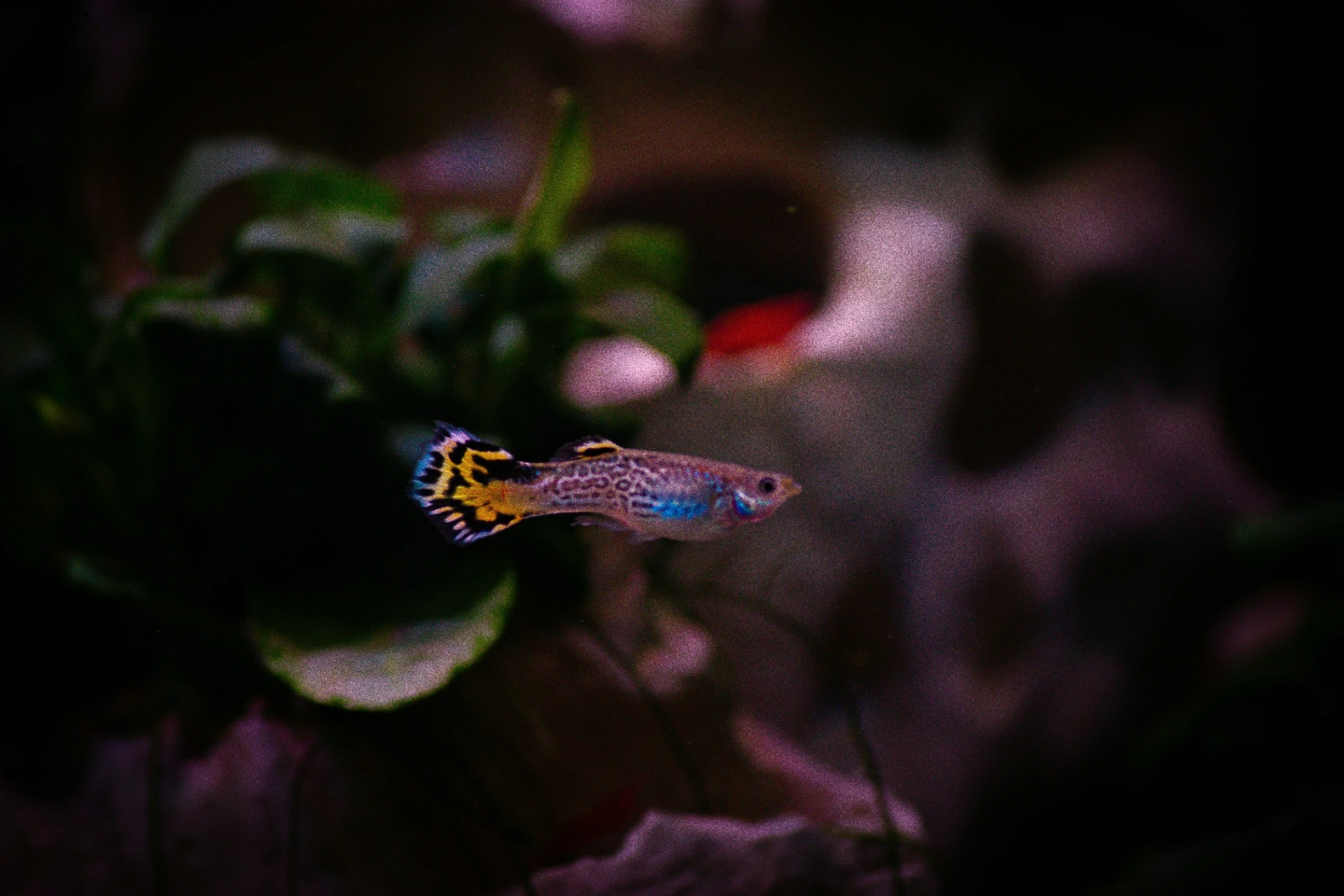 GuppyPoecilia reticulata
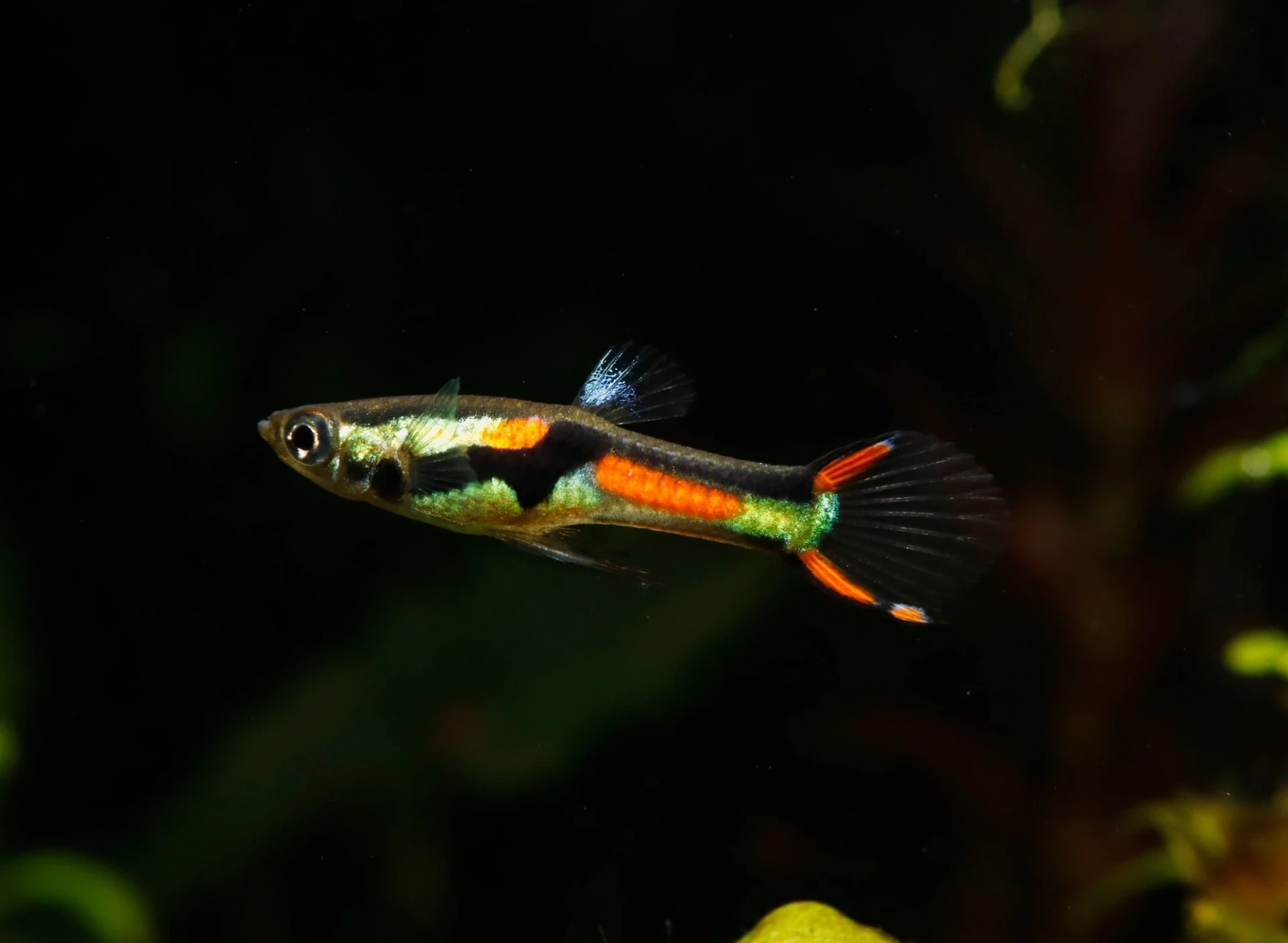 Endlers LivebearerPoecilia wingei
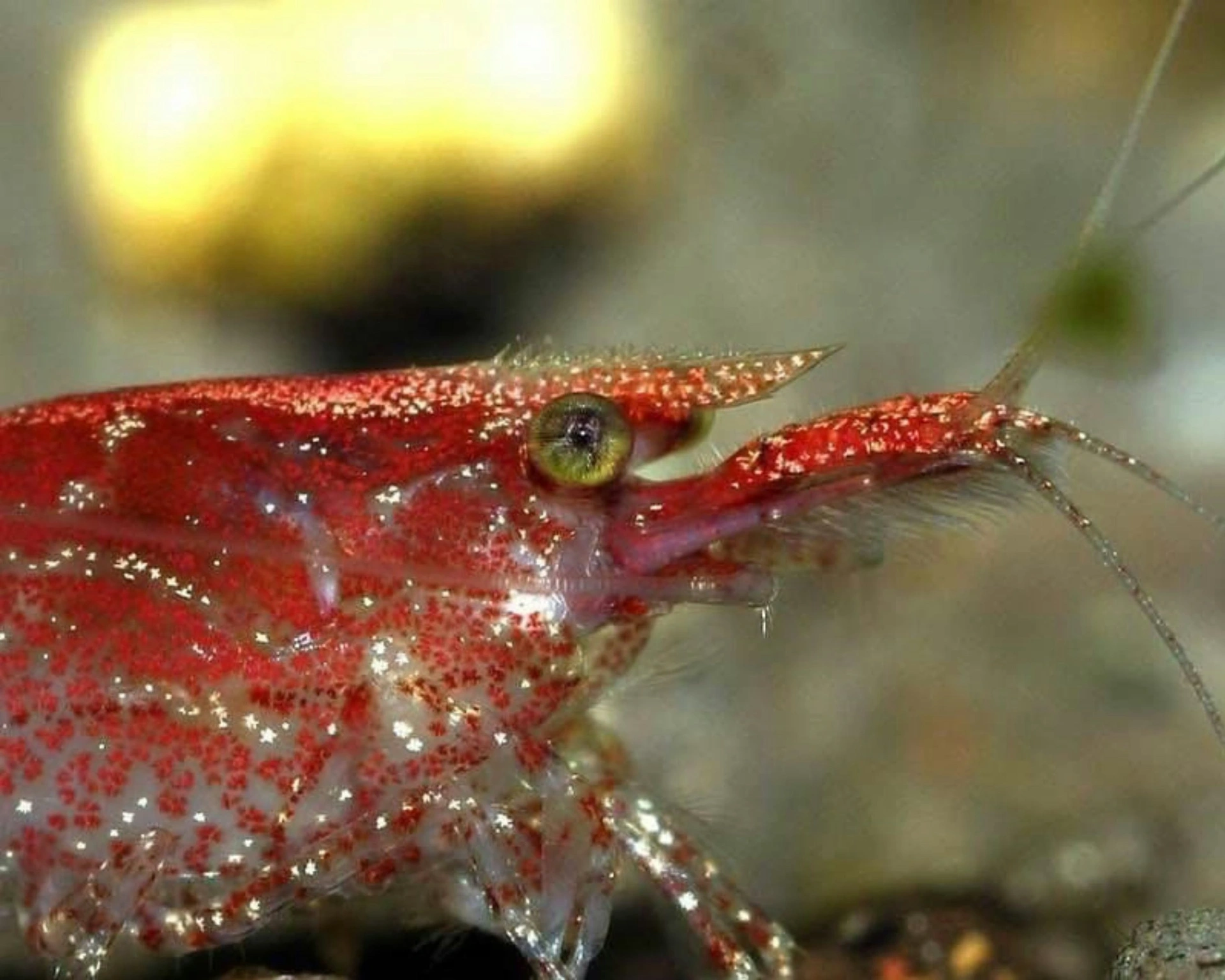 Cherry ShrimpNeocaridina davidi
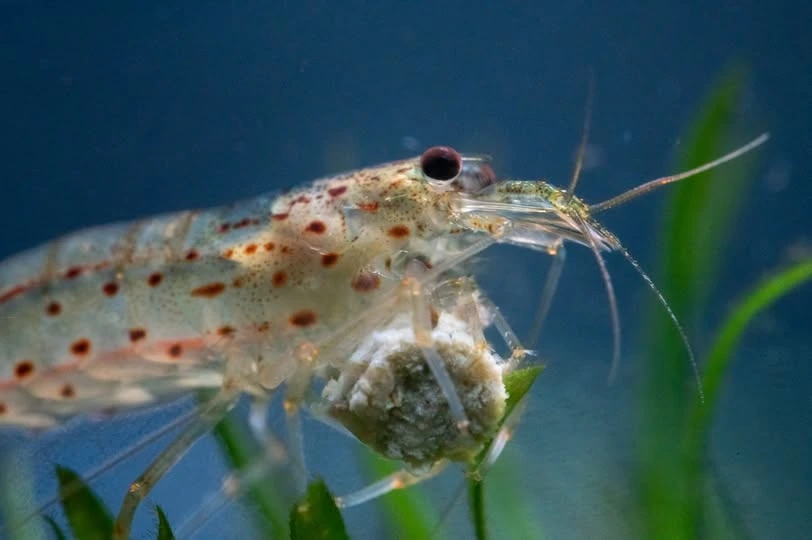 Amano ShrimpCaridina multidentata
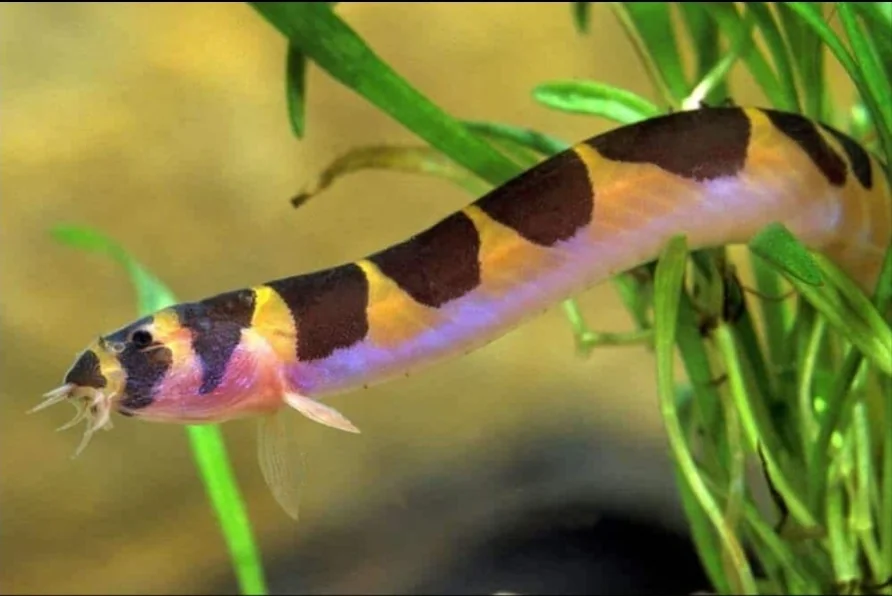 Kuhli LoachPangio kuhlii
Will eat or uproot it
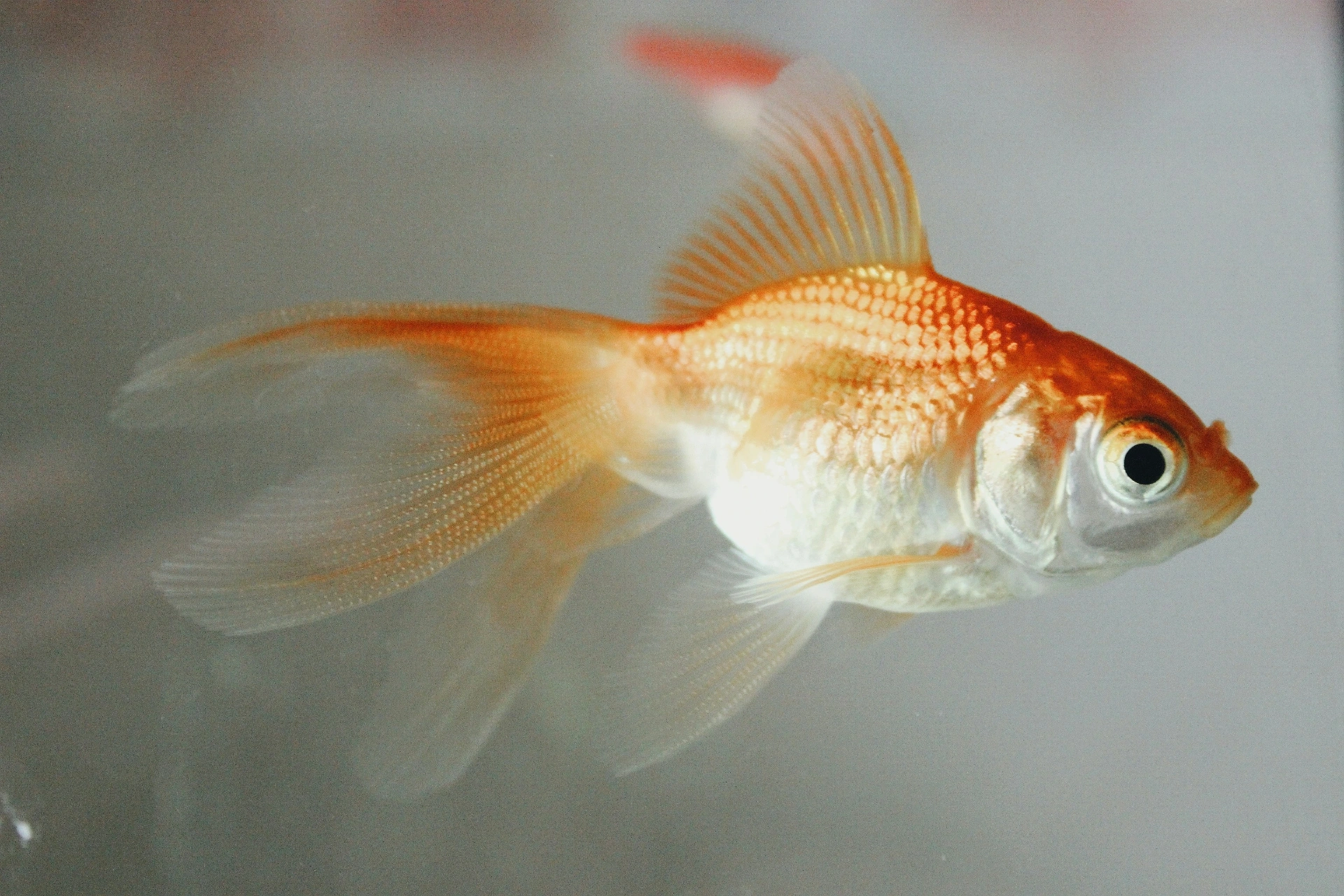
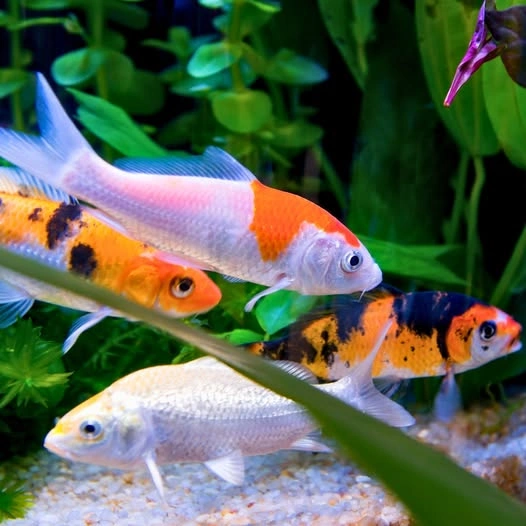
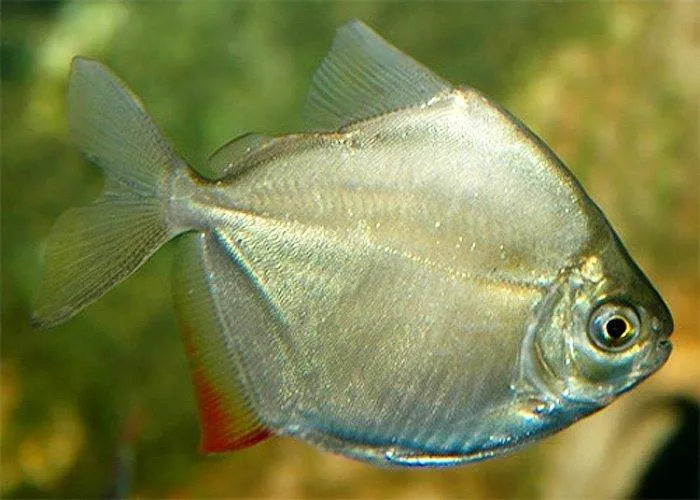
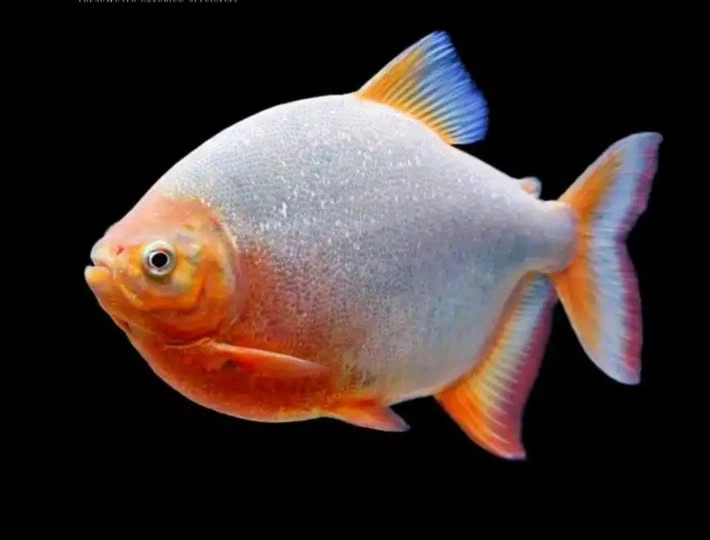
Companion plants
Frogbit is the heaviest shader on this site, so the plants below it have to be genuinely low-light species rather than merely tolerant ones.
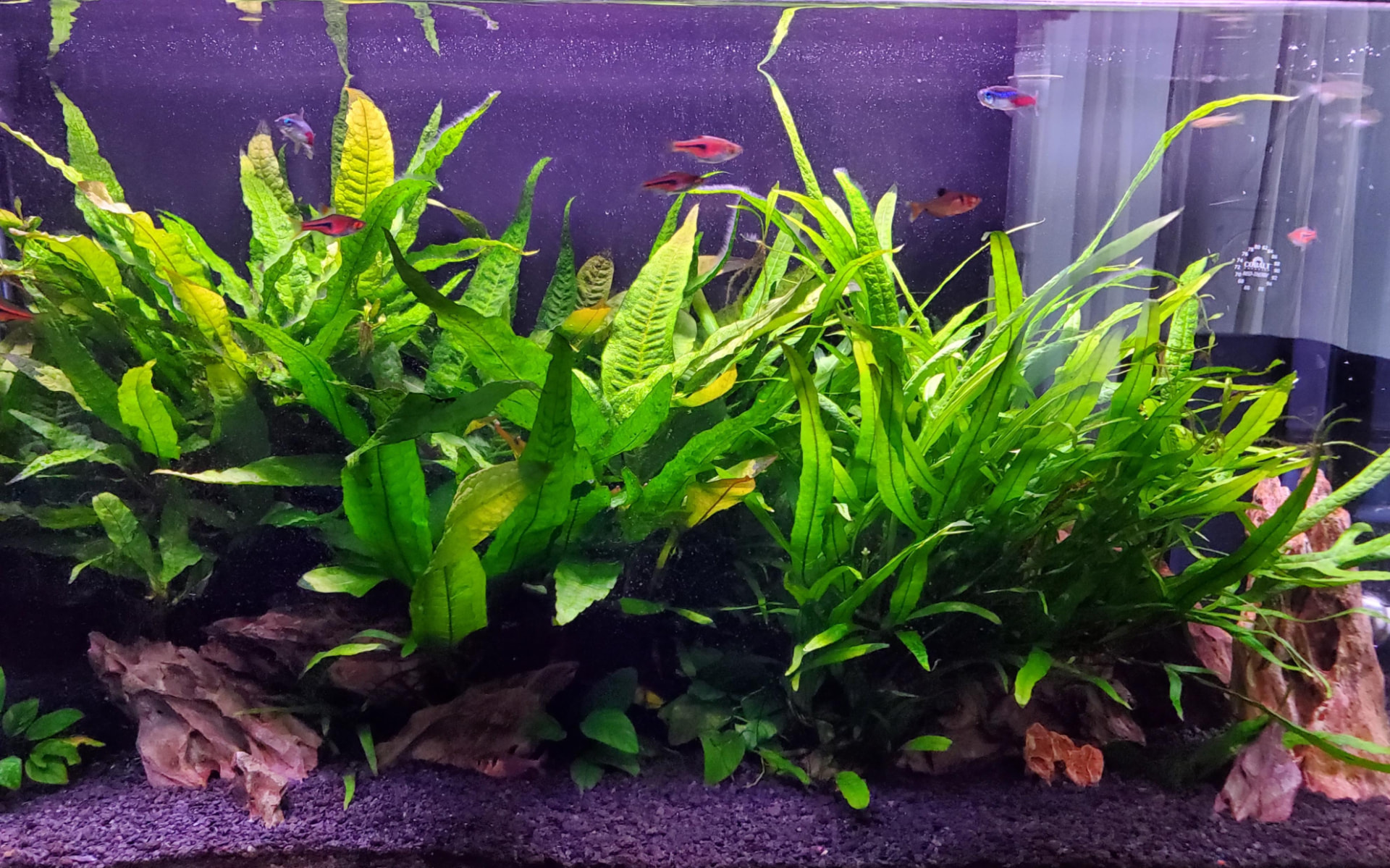
Java Fern
Microsorum pteropus
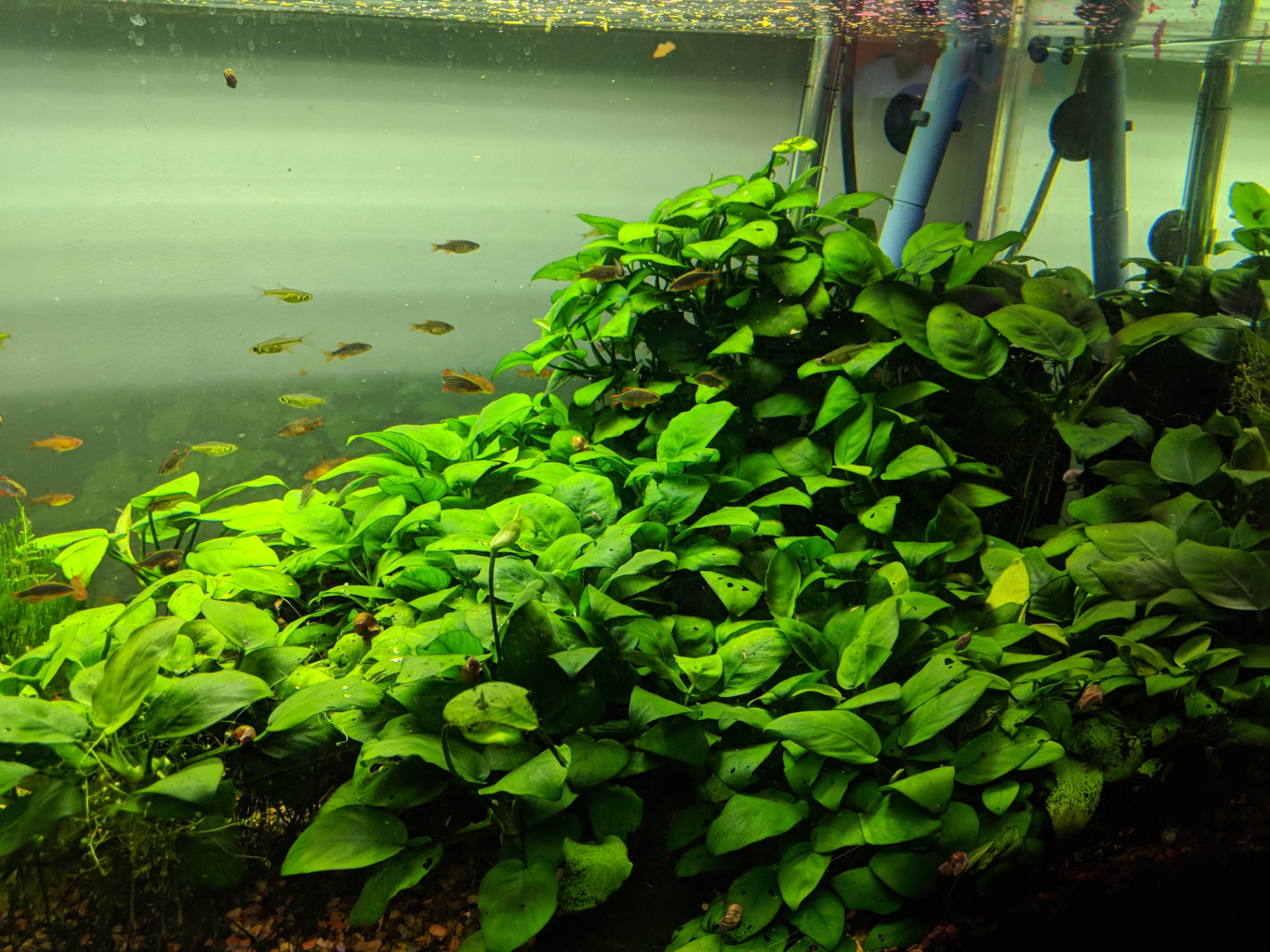
Anubias
Anubias barteri
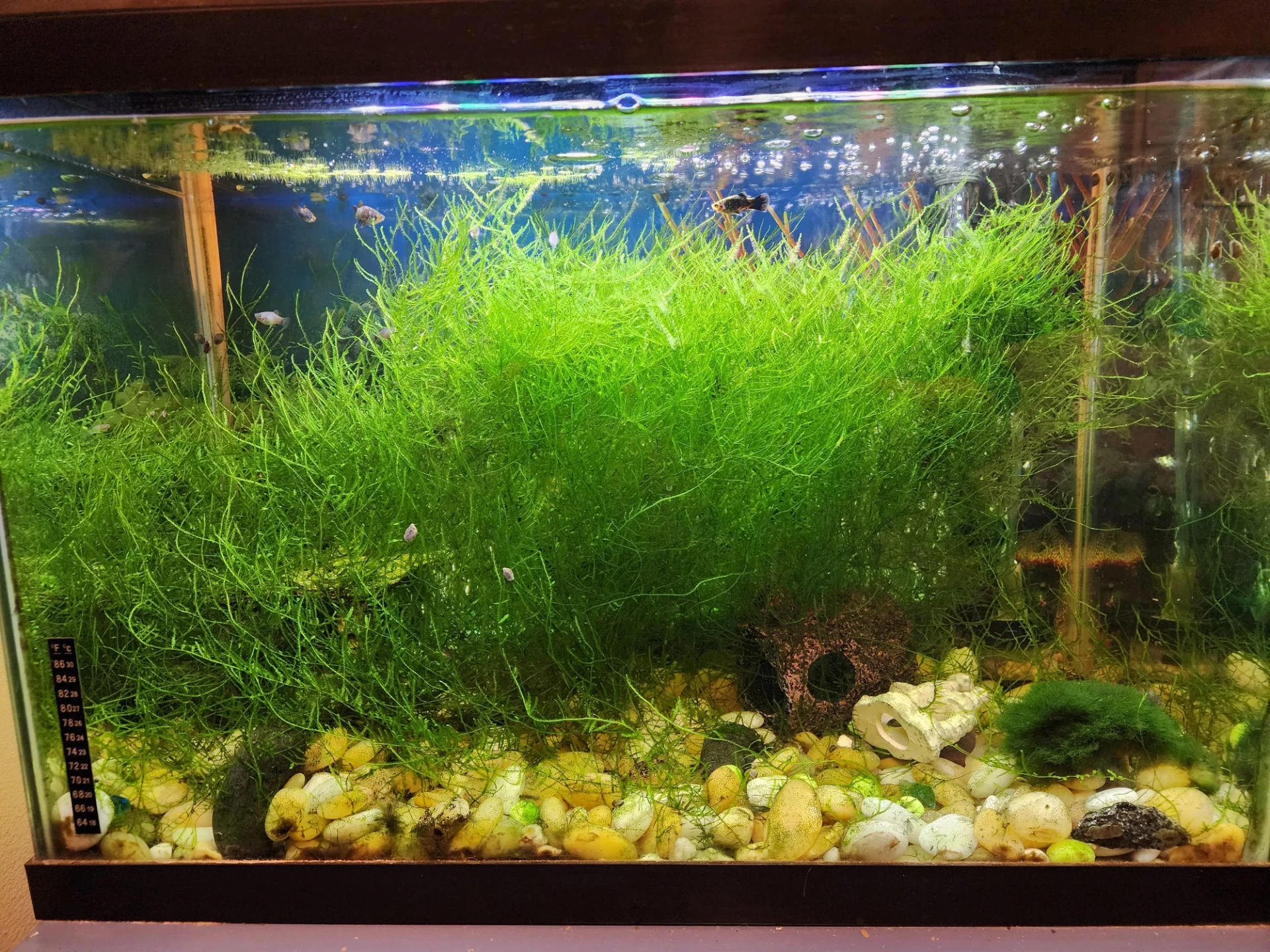
Java Moss
Taxiphyllum barbieri
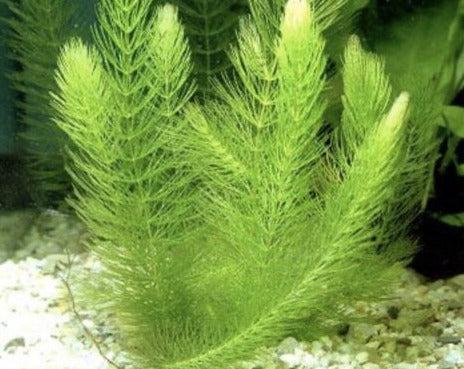
Hornwort
Ceratophyllum demersum
Pro tips & common mistakes
Pro tips
- Leave a two- to three-centimetre air gap between the water and the lid — the commonest frogbit killer is a hot, wet cover glass.
- Rinse and pick through every new portion; duckweed hitchhikes in the root mass and cannot be removed later.
- Harvest weekly rather than monthly. A handful of plants out of the tank is a real export of nitrate and phosphate.
- Do not judge root length by the shop tank. Roots grow to fit your nutrient levels, not the plant.
- If you want the shade but not the whole surface, corral it — a floating ring is cheaper and more reliable than repeated thinning.
Common mistakes
- Running an HOB filter or air stone that rains on the leaves, then blaming water quality.
- Sealing the lid tight so condensation sits against the leaf tops.
- Letting the mat close over the entire surface and shading out everything below it.
- Buying it as "frogbit" without checking whether it is the Amazon or the European species.
- Adding duckweed to the same tank and expecting frogbit to outcompete it.
Frequently asked questions
Sources
- Plants of the World Online — Accepted name Limnobium laevigatum and its native American distribution.
- Plants of the World Online — Hydrocharis morsus-ranae — Accepted name of European frogbit, the separate Eurasian species retail labels confuse with Limnobium laevigatum.
- European Commission — Union List of Invasive Species — Confirming neither Limnobium laevigatum nor Hydrocharis morsus-ranae is on the EU Union list, while European frogbit is regulated as a noxious weed in parts of North America.
Related plants
Salvinia
Salvinia minima
Azolla
Azolla filiculoides
Red Root Floater
Phyllanthus fluitans
Water Lettuce
Pistia stratiotes
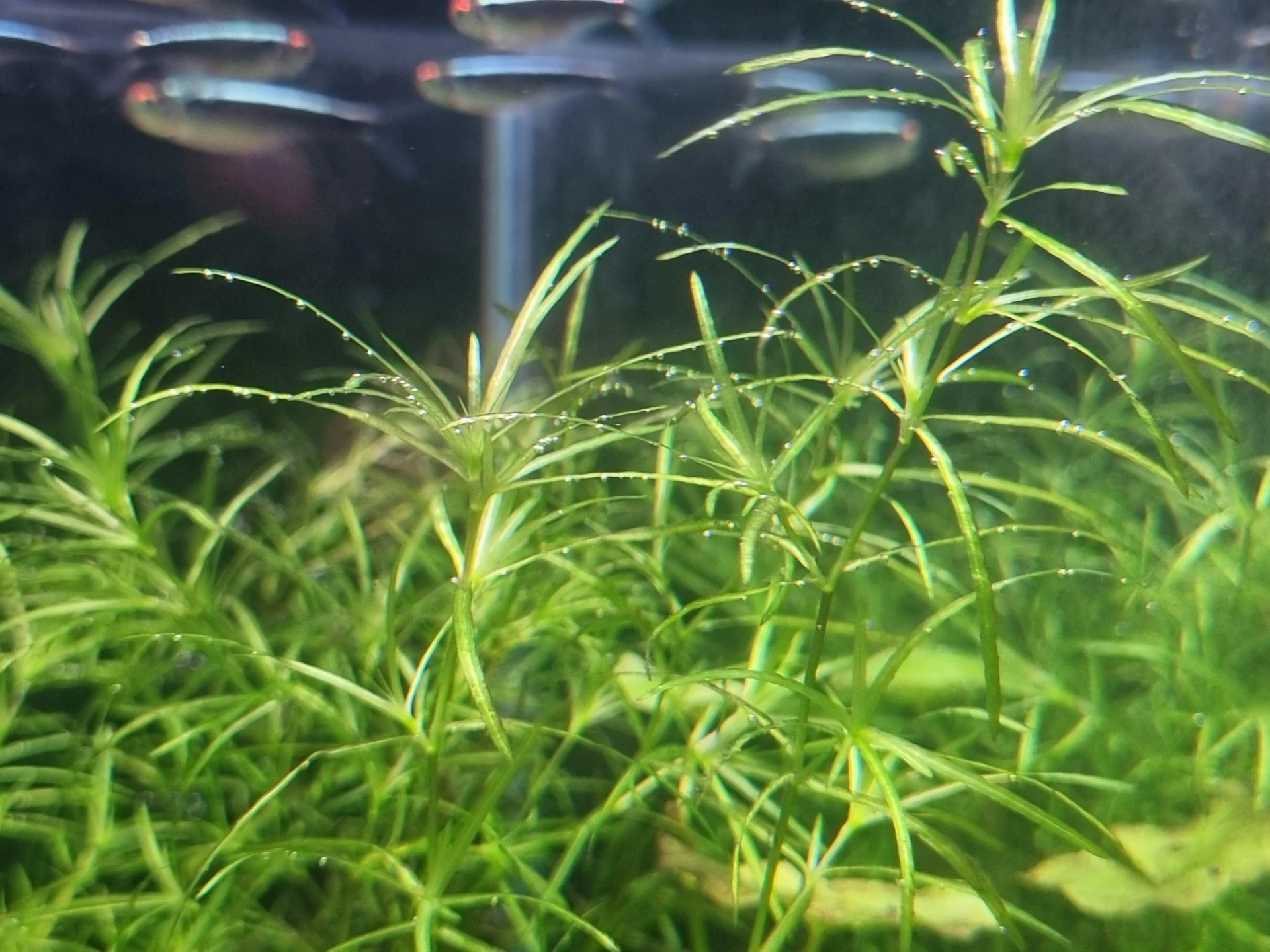
Guppy Grass
Najas guadalupensis
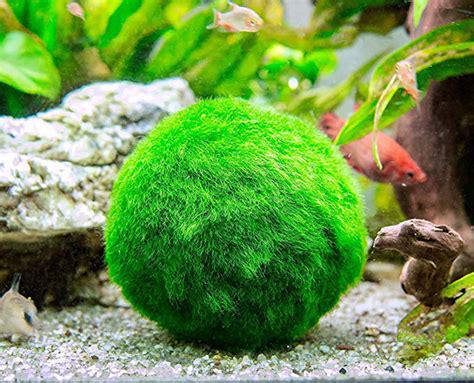
Marimo Moss Ball
Aegagropila linnaei
Shade and root cover change how fish behave
Fry and shy species use a frogbit curtain constantly, but cover is not capacity. Work out what the tank actually holds before you stock under it.
Reviewed by the AquariumStocking team · Updated August 2026