
Java Moss Care Guide
Taxiphyllum barbieri (syn. Vesicularia dubyana)
Reviewed by the AquariumStocking team · Updated August 2026
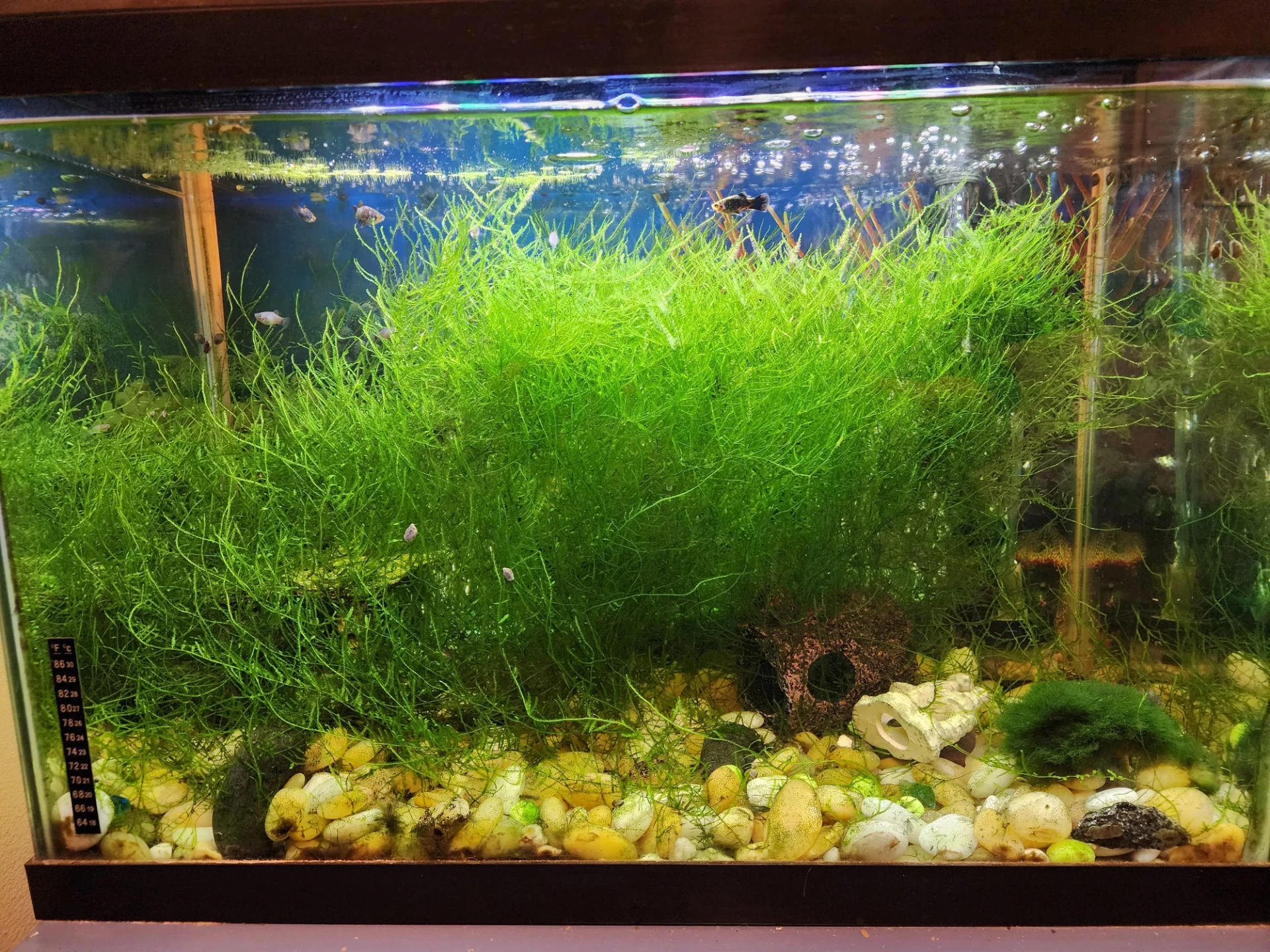
The default beginner moss: it grows on anything, propagates from any fragment, and asks for nothing except cool water and regular trimming — neglect it and the middle of the mat dies while the surface still looks fine.
Java Moss quick facts
- Light demand
- Low
- CO2 requirement
- Not needed
- Difficulty
- Beginner
- Growth rate
- Medium
- Placement
- Foreground / Midground
- Growth habit
- Moss
- Substrate need
- None — attaches to hardscape
- Max size
- 10 cm (3.9 in) tall, ~60 cm wide
- pH
- 5.5–8.0
- Hardness
- 2–20 dGH
- Propagation
- Fragmentation — any detached piece continues growing
- Temperature
- 15–28 °C (59–82 °F), best below 24 °C (75 °F)
It has no roots. The rhizoids grip wood, rock or mesh; loose moss lying on substrate collects detritus and rots underneath.
Overview
Java moss (Taxiphyllum barbieri) is a rootless aquatic moss from Southeast Asia that anchors to hard surfaces with rhizoids and grows outward as a mat. It is the moss almost everyone starts with, because it survives conditions that kill more decorative species and because any scrap of it will keep growing.
What it does not do is look after itself. A moss mat is a light and flow problem waiting to happen: the outer surface shades and blocks water movement to its own interior, so an untrimmed clump goes brown and hollow in the middle while the top stays green. Java fern can be left alone for a year; java moss cannot.
It is also the one plant on this site where temperature is a real care parameter rather than a footnote, and the one where an algae infestation is genuinely unfixable. Both are covered below, because most retail listings skip them.
Light, CO2 & nutrients
Light
Low
CO2
Not needed
Fertilisation
Water column (liquid)
Light
Low light is not just tolerated, it is preferable. Java moss grows fine under a basic LED, in shade under floaters, and in the dim lower third of a tall tank. Strong light makes it grow denser and faster, which mostly means more trimming and a much higher chance of algae threading through it.
If your tank runs bright, put the moss where the light does not reach: under an overhang, behind hardscape, or below a floating plant canopy. A photoperiod of six to eight hours is plenty.
CO2
Not needed. CO2 tightens the growth and speeds it up noticeably, which is useful if you are building a moss wall to a deadline and a nuisance otherwise.
Nothing about java moss requires injection, and adding CO2 to fix a browning mat is the wrong lever — that problem is trimming or temperature, not carbon.
Work out your CO2 injection rate →
Nutrients
Mosses feed entirely from the water column through their leaves, so root tabs are irrelevant. In a stocked tank, fish waste usually covers demand; in a lightly stocked or heavily planted tank a weak all-in-one liquid dose once a week keeps the colour up.
Resist the urge to push nutrients. Java moss cannot use a surplus quickly enough to matter, and the excess feeds the algae that lives in it.
Water & temperature
pH
5.5–8.0
Hardness
2–20 dGH
Temperature
15–28 °C (59–82 °F), best below 24 °C (75 °F)
Temperature genuinely matters here, and this is where java moss parts company with java fern. It comes from cool, shaded streams and it is happiest in the 15–24 °C band. Kept at the warm end of tropical — 26 °C and above, as in a discus or German ram tank — it thins out, goes stringy, browns at the base and loses the dense pad structure that makes it worth having.
It will not die at 28 °C, but it will look bad and grow loose, and no amount of light or fertiliser fixes that. If you keep warm-water fish and want a compact green pad, this is the wrong moss; if your tank runs at room temperature or on the cool side, it is close to ideal.
pH and hardness are much less critical: roughly 5.5–8.0 and 2–20 dGH all work, which is why it turns up in soft blackwater shrimp tanks and hard-water setups alike.
Planting & attaching
- 1Rinse the portion and tease it apart into a thin layer.
- 2Spread it thinly over wood, rock or mesh — thick pads brown underneath where light cannot reach.
- 3Tie it down with cotton thread or fix it with small dabs of glue gel.
- 4Trim it back with scissors whenever it thickens, to keep the lower layer alive.
Attach it thin. A pad thicker than about a centimetre shades and starves its own base, and the dead layer underneath is what eventually detaches the whole mat from the wood.
Placement & aquascaping role
Java moss is a foreground and midground plant in practice, because it grows along surfaces rather than upward. On driftwood it reads as age and moss cover; on a mesh panel it becomes a wall or a carpet; on a bare rock it softens the hardscape line within a couple of months.
Height is a non-question — an attached mat sits roughly 2–5 cm proud of its surface, and a neglected one 10 cm. Spread is the real dimension: given a flat surface and time, it keeps going until you stop it, which is why the trimming routine matters more than the placement decision.
It is the standard choice for shrimp tanks and breeding setups because the mat traps biofilm and hides fry, and because it does that job at any tank size. In a nano it is one of the few plants that never outgrows the scale.
Growth, trimming & maintenance
Trimming is mandatory, not optional. This is the opposite of the java fern routine. As the mat thickens, light and flow stop reaching its interior; the lower layer browns, then rots, then the whole pad lifts away from the wood in one sheet while the top surface still looks perfectly healthy. By the time you see the problem from outside it is already too late.
Trim with sharp scissors every three to six weeks, taking the mat back to roughly a centimetre thick. Do it before a water change so the cuttings can be siphoned out — every fragment you leave floating will attach somewhere you did not choose and grow there.
Growth is moderate: a small portion covers a piece of driftwood in two to three months in a cool, moderately lit tank. Expect faster in bright or CO2-injected water, slower in deep shade.
Propagation
Propagation is trivial to the point of being an accident. There is no plantlet stage, no rhizome to divide and no waiting period — java moss reproduces by fragmentation, so anything you cut off is already a new plant.
This is a real practical difference from java fern, where you wait for plantlets to grow three or four leaves and their own roots before detaching them. With moss, the trimmings you siphon out during maintenance are viable plants; the only decision is whether to keep them.
- 1Cut or pull off a piece of healthy green moss — any size works, down to a few strands.
- 2Rinse it and shake out trapped detritus, which is where most transferred algae hides.
- 3Spread it thinly on the new surface rather than dropping it on as a clump.
- 4Tie it with cotton thread or fix it with a few small dabs of glue gel, or sandwich it under plastic mesh.
- 5Leave it undisturbed for three to six weeks while the rhizoids grip, then take the first trim.
Troubleshooting & diagnosis
Almost every java moss complaint traces back to one of three causes: the mat is too thick, the water is too warm, or algae has got into it. Diagnose in that order.
| Symptom | Likely cause | Fix |
|---|---|---|
| Brown, dead layer under a green surface; the mat lifts off the wood | Grown too thick — no light or flow reaching the base | Trim back to ~1 cm, remove the dead layer, reattach a thin piece of the healthy top growth. |
| Loose, stringy, sparse growth that will not form a pad | Water too warm (typically above 26 °C) | Move it to a cooler tank, or accept the looser look — it is a temperature response, not a deficiency. |
| Black beard or hair algae threaded through the moss | Algae growing inside the mat structure | Not removable. Cut away infested sections; if it is widespread, discard the moss and restart from a clean fragment. |
| Moss browning shortly after being added to a new tank | Transport stress or a big shift in temperature and chemistry | Trim off browned growth and wait — healthy green fragments regrow within weeks. |
| Moss detaching and drifting around the tank | Rhizoids never gripped, or the base rotted out | Re-tie thinly with thread or mesh and leave it undisturbed for at least a month. |
| Moss appearing on hardscape you never planted | Fragments from trimming settled and attached | Normal. Siphon trimmings out during water changes to keep it where you want it. |
Algae relationship
Algae in java moss is the defining problem with this plant, and honest advice about it is rare. Black beard algae and hair algae have essentially the same physical structure as the moss — fine filaments in a dense tangle — so once they are growing through a mat, there is no way to separate them. You cannot pick one out of the other, you cannot brush it off, and dipping strong enough to kill the algae kills the moss.
Prevention is therefore the entire strategy: keep the mat trimmed thin so water moves through it, keep it out of direct high light, keep nutrients and CO2 stable rather than swinging, and do not let detritus accumulate in it. Shrimp and otocinclus help with soft green growth and do nothing at all for black beard algae.
Once a mat is badly infested, the honest answer is to bin it. Cut out any clean green sections, discard the rest, and restart on fresh hardscape — a new mat regrows in a couple of months, whereas fighting an established infestation in moss almost never works.
Commonly confused with
Java moss has no cultivars. Everything sold alongside it as a "type of java moss" is a different species with a different growth form, and the retail labelling is genuinely bad — so the useful skill is telling them apart on sight rather than trusting the tag.
| Plant | Species | How to tell it apart |
|---|---|---|
| Christmas moss | Vesicularia montagnei | Fronds are triangular and layered like fir branches, growing in a regular, almost symmetrical pattern. Java moss is irregular and shaggy with no repeating shape. |
| Flame moss | Taxiphyllum sp. "Flame" | Grows vertically in twisting columns instead of spreading sideways. Unmistakable once established, easy to mix up as a small fragment. |
| Willow moss | Fontinalis antipyretica | Much larger and coarser, with distinctly keeled leaves along a stiff stem. A temperate species that dislikes warm tropical tanks. |
| Weeping moss | Vesicularia ferriei | Fronds arch downward, so an attached clump drapes rather than mats. Slower to cover a surface than java moss. |
| Singapore moss | Vesicularia dubyana | The name most often printed on java moss labels. It is a real but separate species — finer and neater than java moss, and rarely what is actually in the bag. |
Natural habitat & origin
Native range
Southeast Asia — Java, Malaysia, Thailand, Vietnam and southern China
Habitat type
Shaded stream banks, wet rock and tree bases, often at the water line rather than fully submerged
Wild growing conditions
Cool, shaded, moving water; grows on rock, roots and wood, never in sediment
Java moss grows in shaded, cool, moving water across Southeast Asia, clinging to rock and wood along stream margins and often sitting half in and half out of the water. It is a moss in the ordinary botanical sense: no roots, no vascular plumbing, absorbing water and nutrients directly across its surface.
That origin explains the two care rules. Constant flow over the whole surface is normal for it, so a thick static pad in still aquarium water is an unnatural state and the interior dies. And a shaded stream in the hills is cool water — the temperature preference is not fussiness, it is where the species actually lives.
It also explains why fragmentation works so well. In the wild, pieces break off in current and re-anchor downstream; the plant has no reason to build a seed or plantlet stage when every fragment is already a functioning individual.
Fish & invert compatibility
Moss is soft enough to be eaten, but its real risk is mechanical — big fish tear strands loose while foraging and the mat unravels. Shrimp and fry, meanwhile, treat it as habitat rather than food, which is why the safe list skews small.
Safe with Java Moss
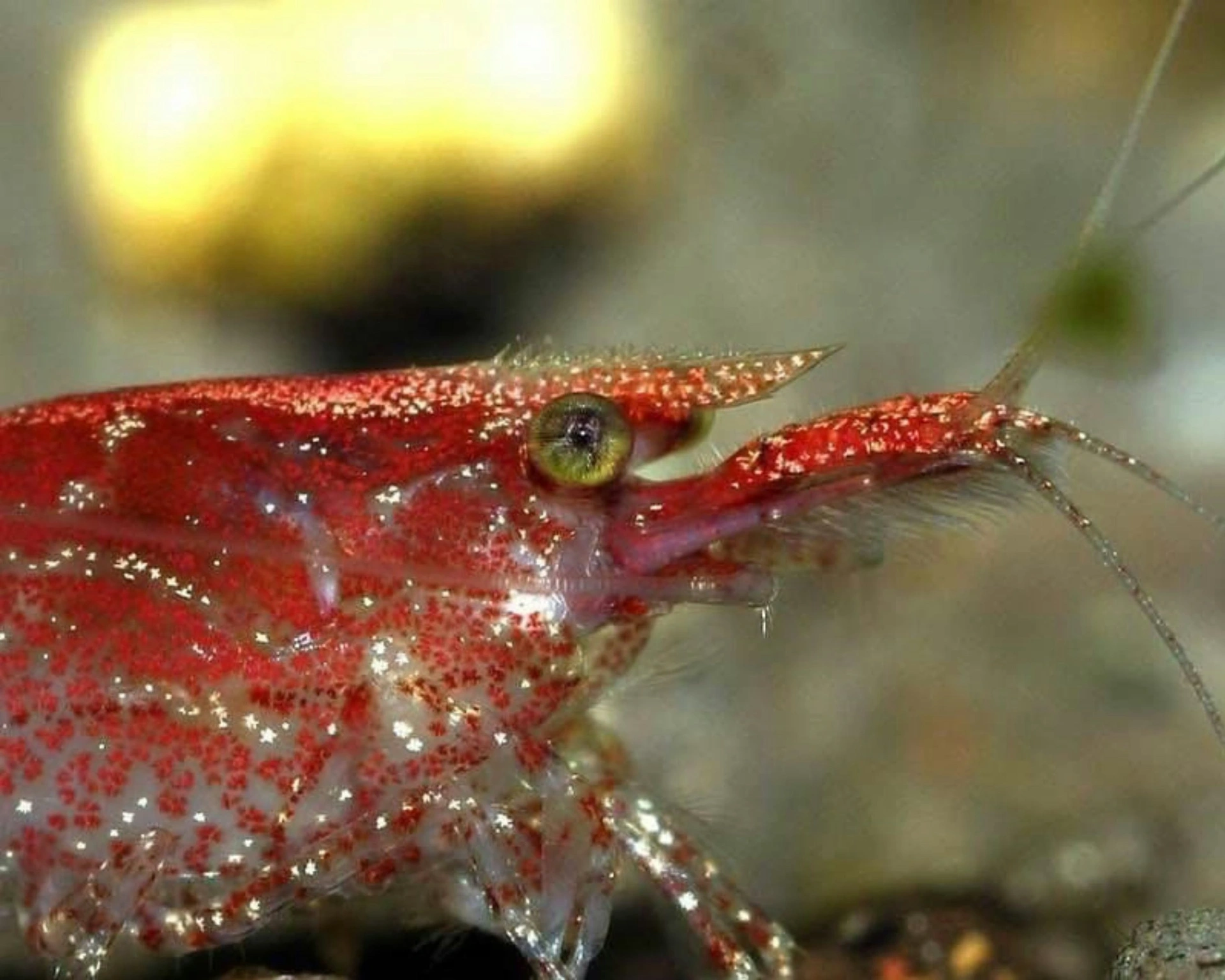 Cherry ShrimpNeocaridina davidi
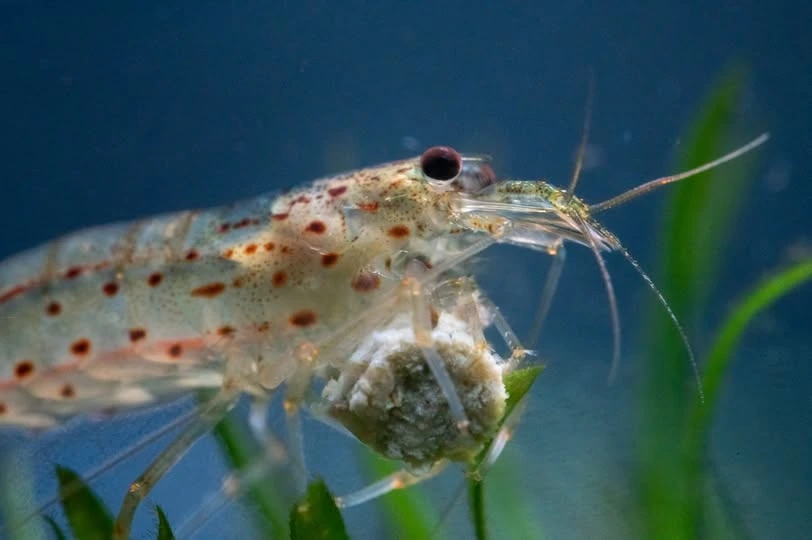 Amano ShrimpCaridina multidentata
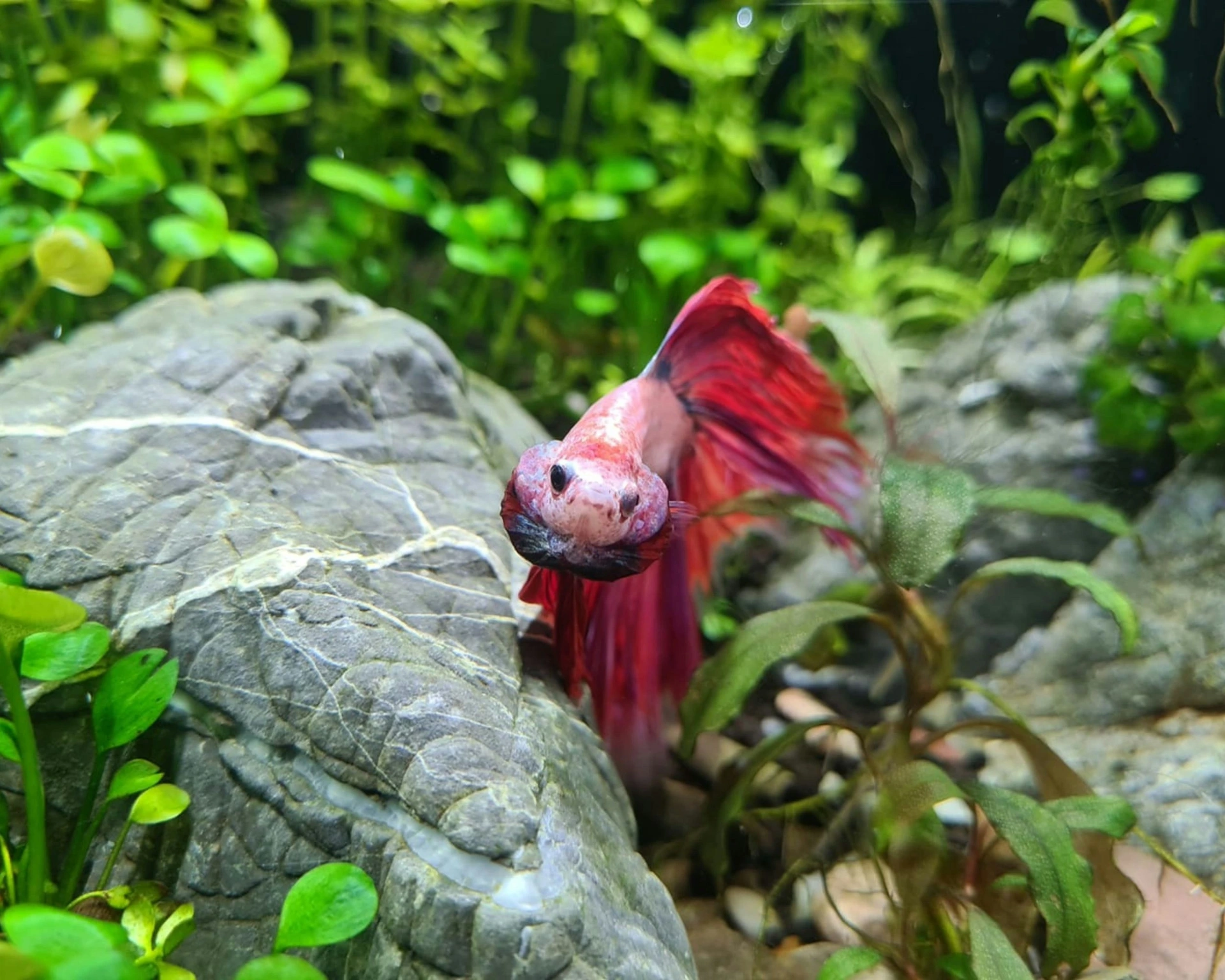 BettaBetta splendens
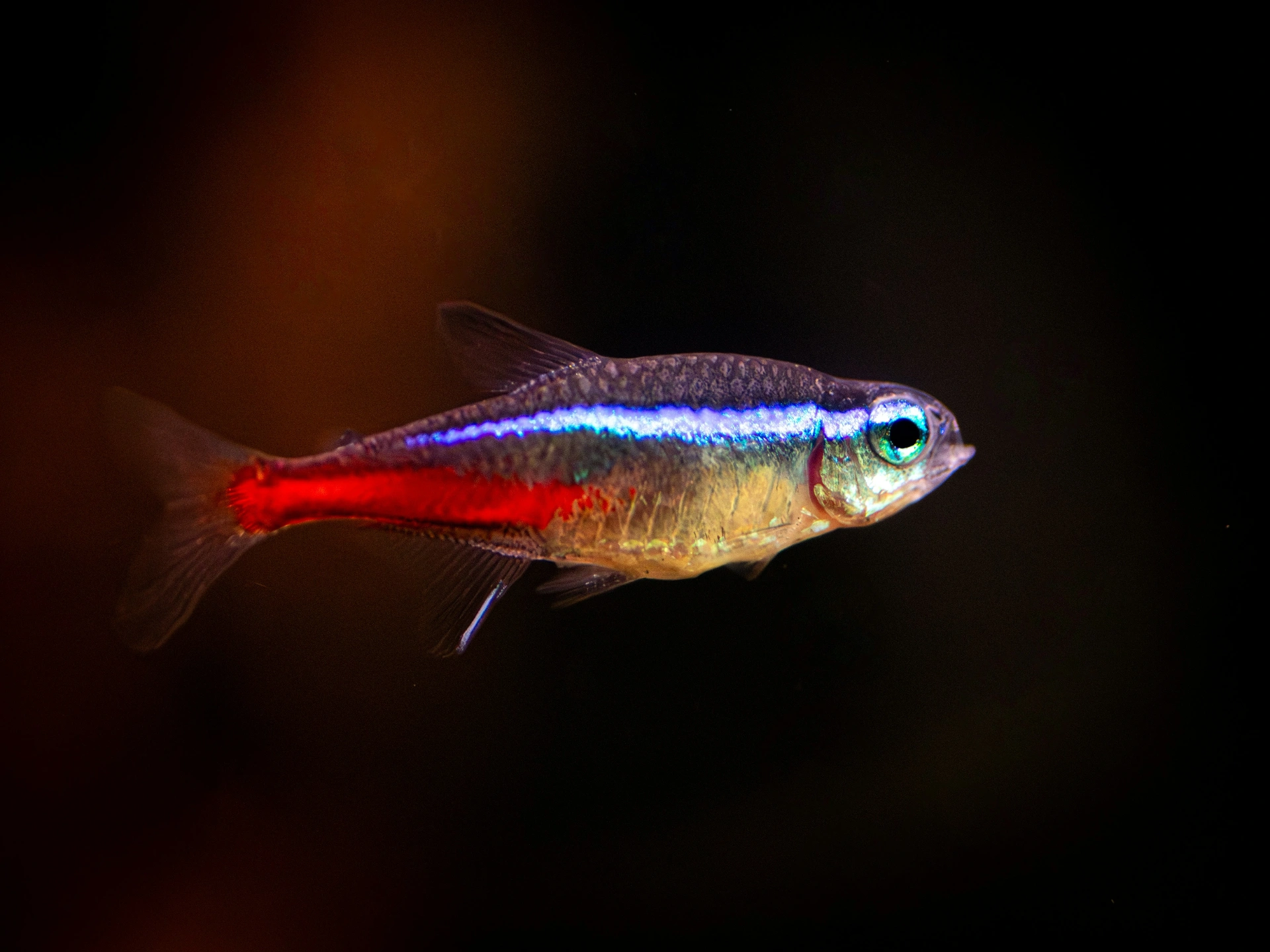 Neon TetraParacheirodon innesi
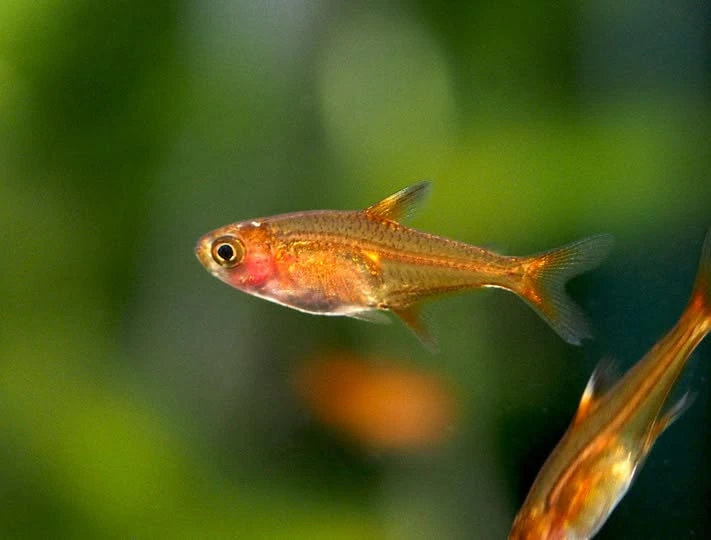 Ember TetraHyphessobrycon amandae
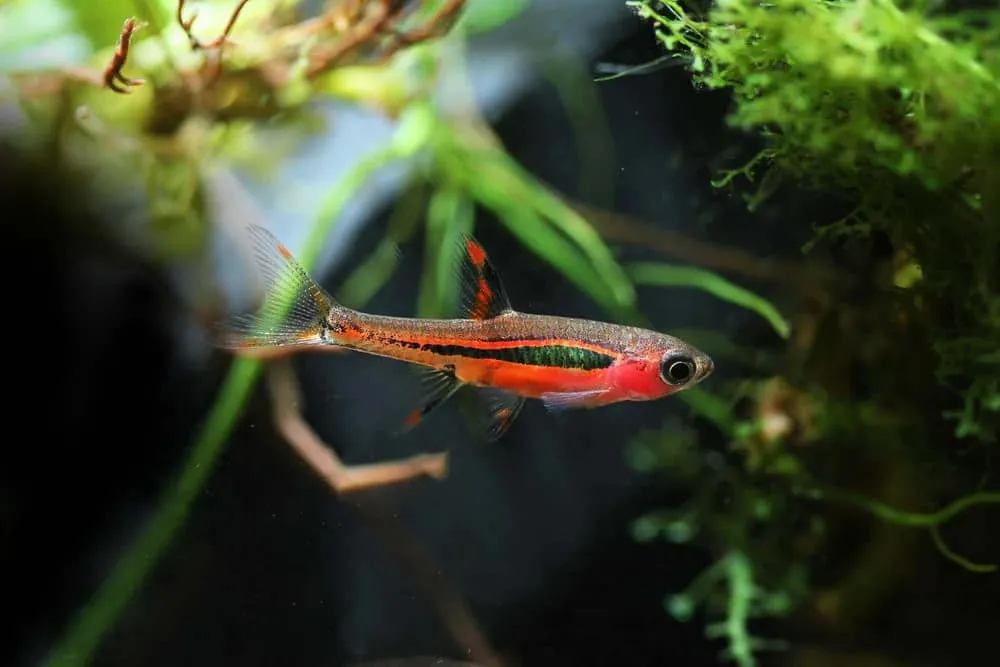 Chili RasboraBoraras brigittae
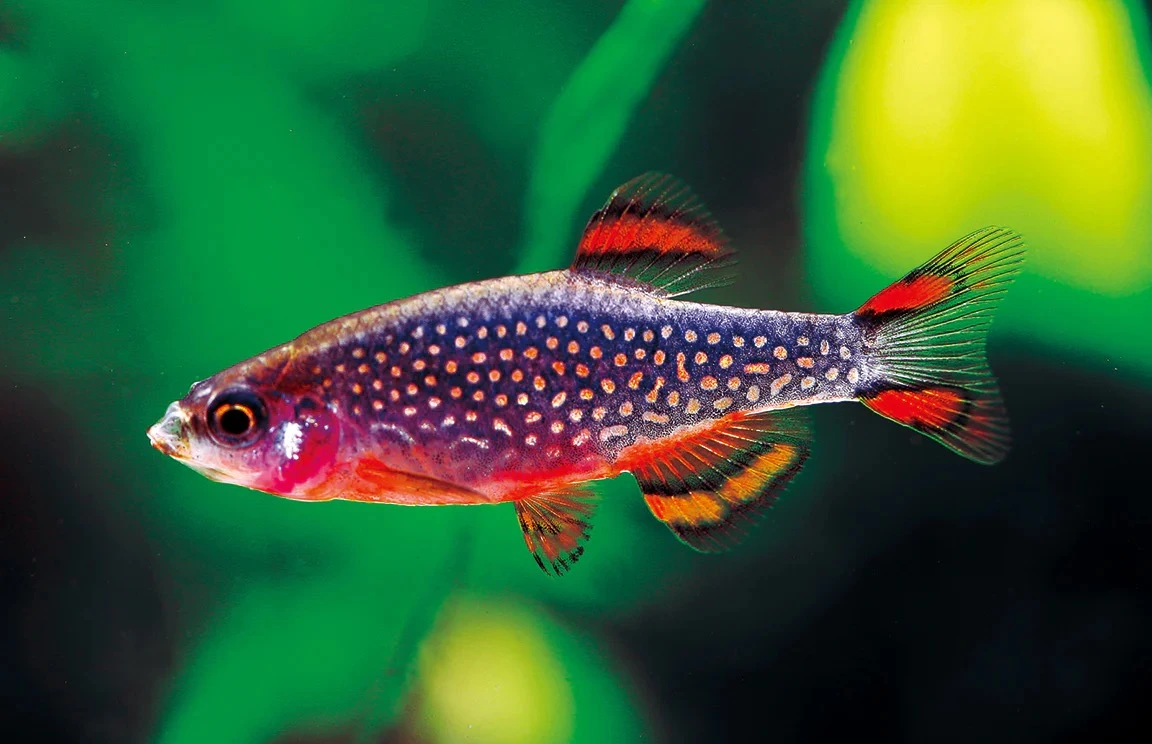 Celestial Pearl DanioDanio margaritatus
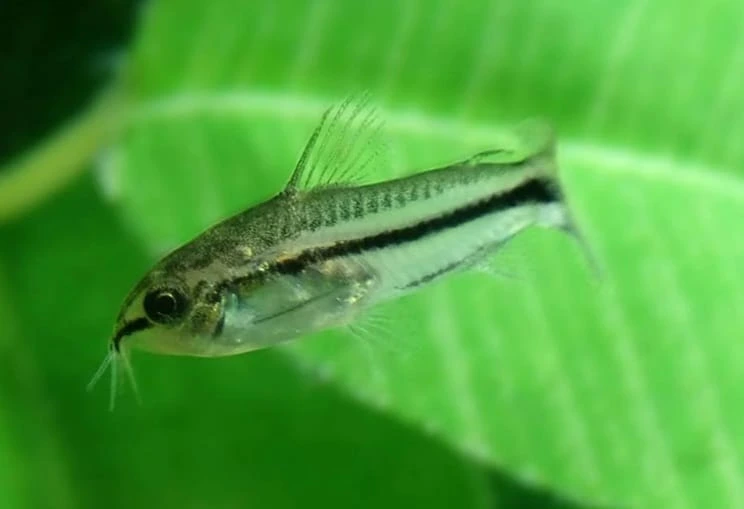 Pygmy CorydorasCorydoras pygmaeus
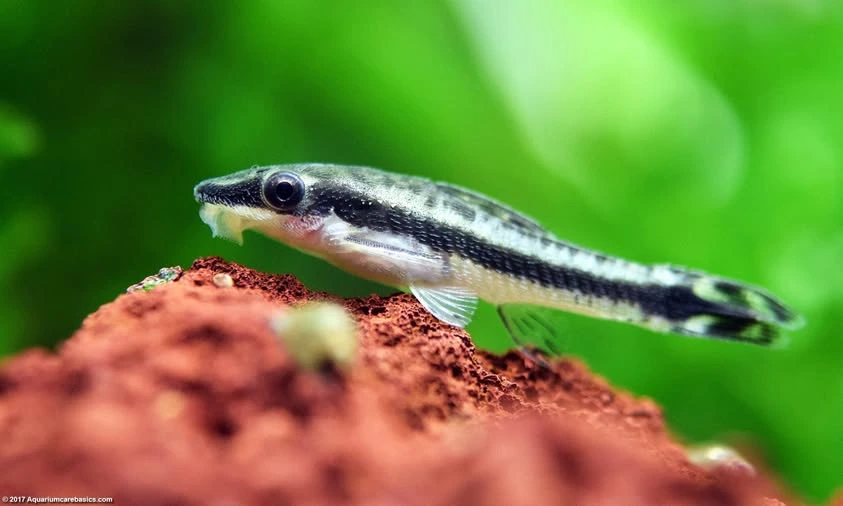 OtocinclusOtocinclus vittatus
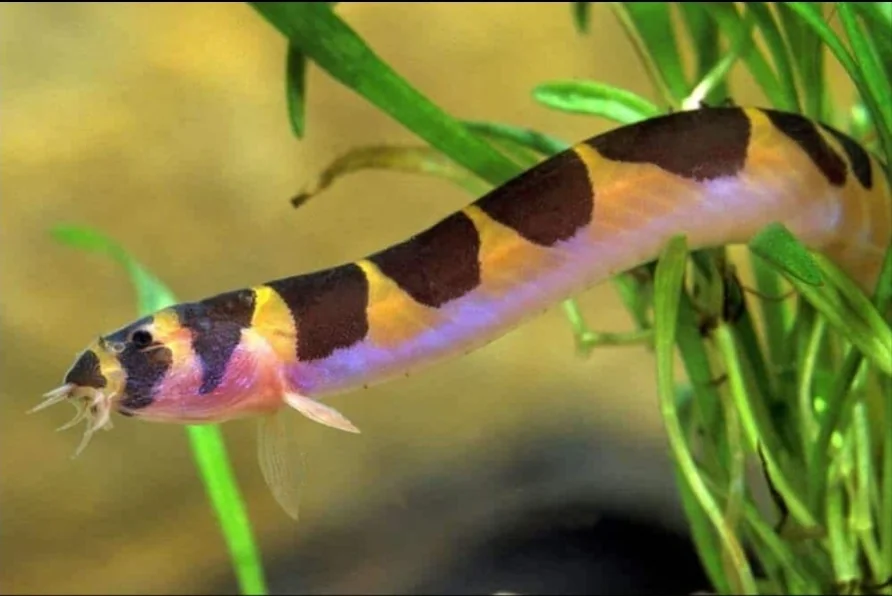 Kuhli LoachPangio kuhlii
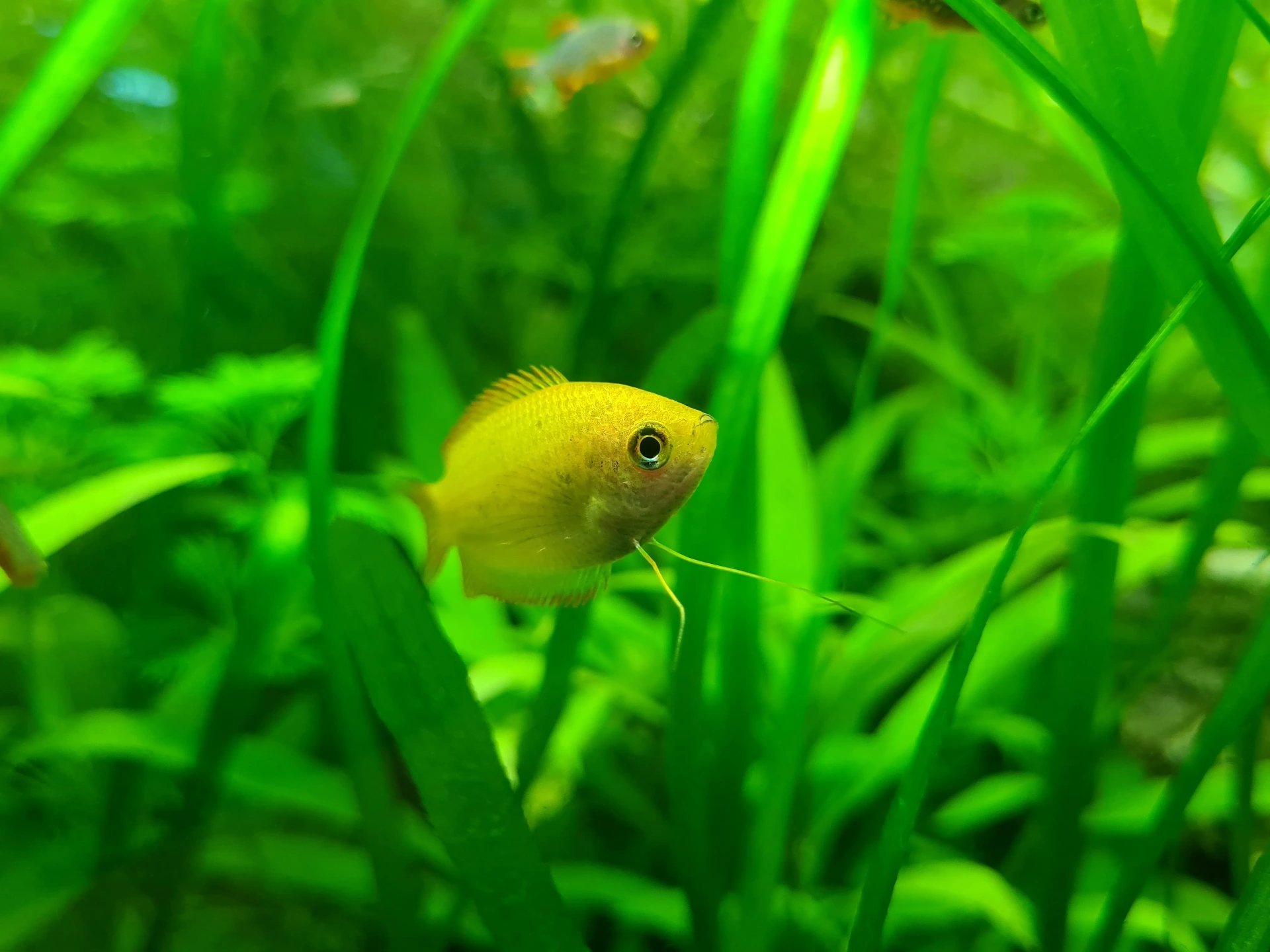 Honey GouramiTrichogaster chuna
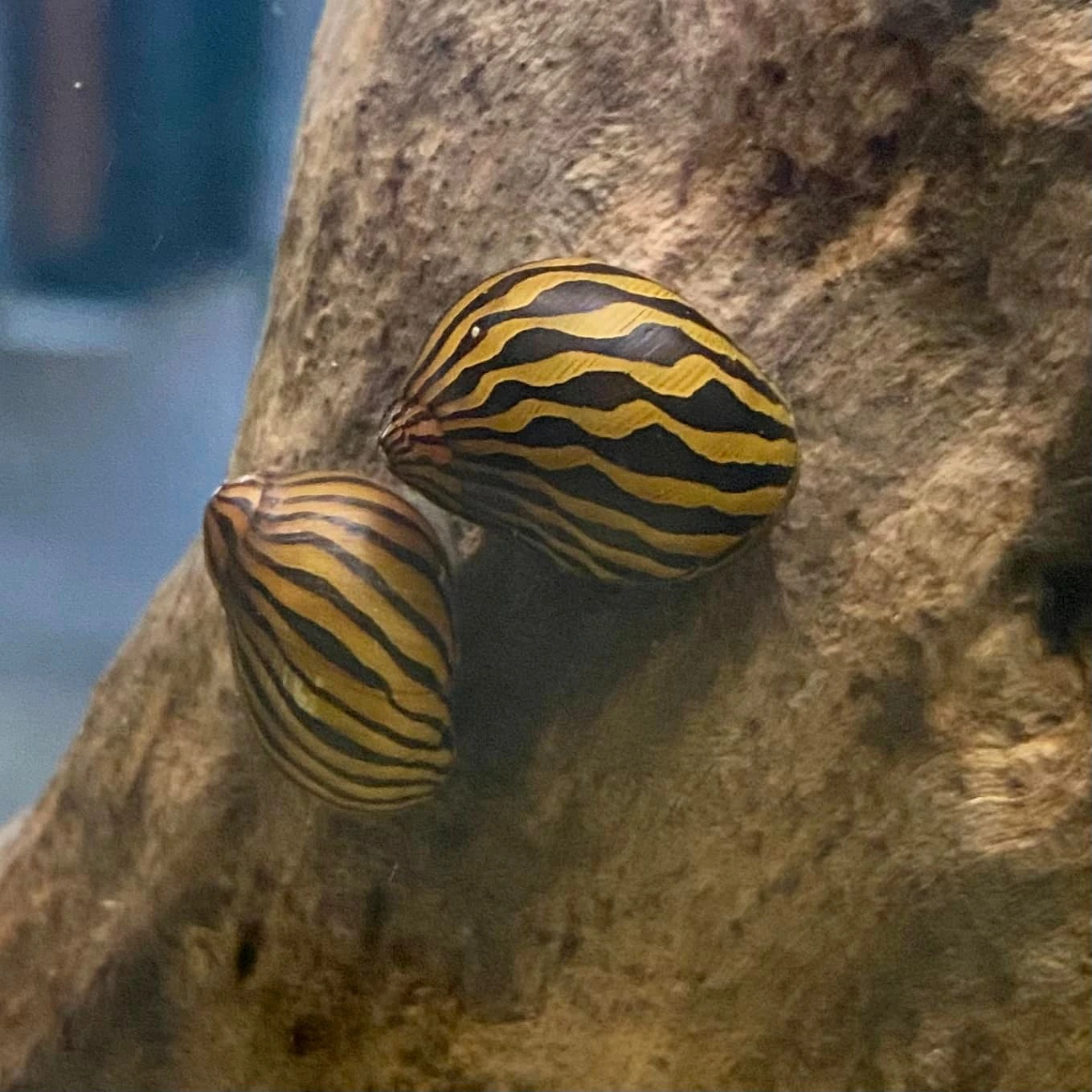 Nerite SnailNeritina sp.
Will eat or uproot it
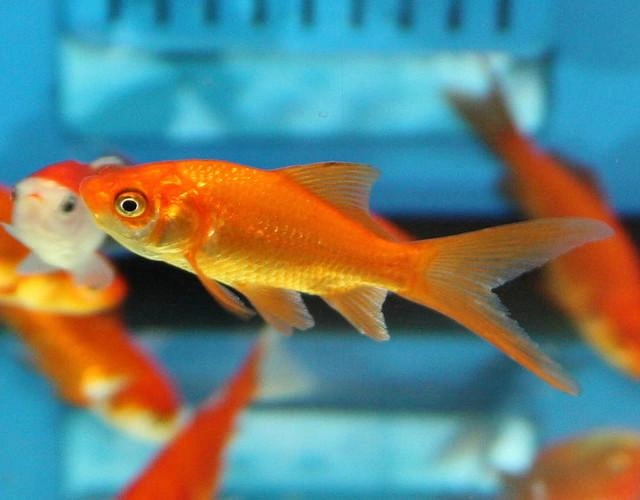
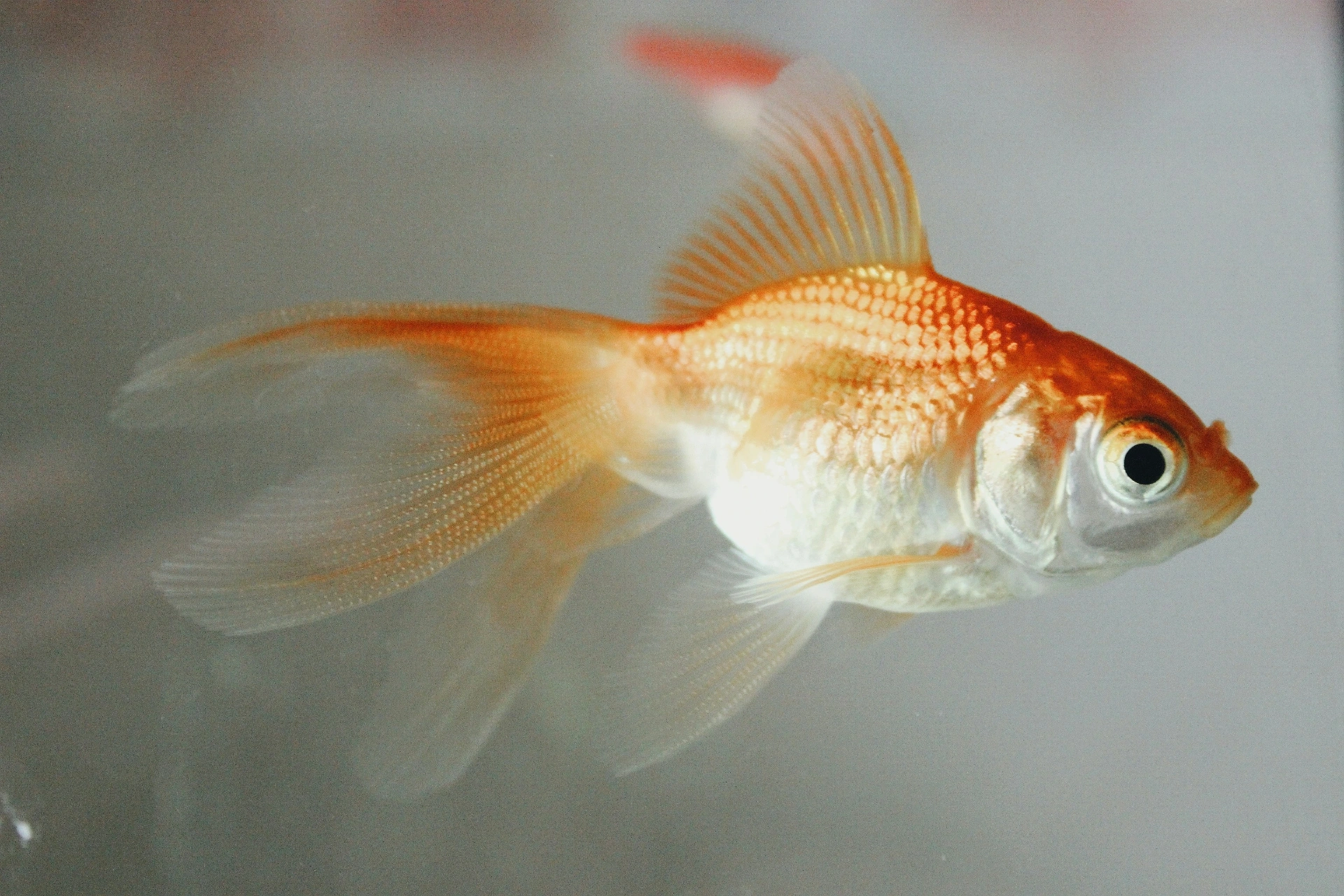
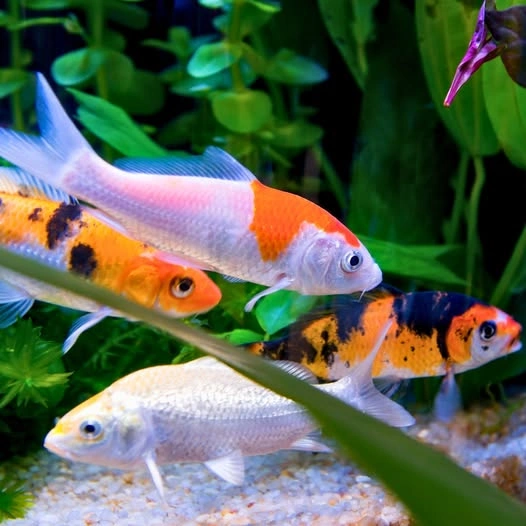
Companion plants
Moss sits in the same low-light, slow-growth bracket as the plants below, so nothing in this group will out-shade it or force you into a CO2 setup you did not plan on.
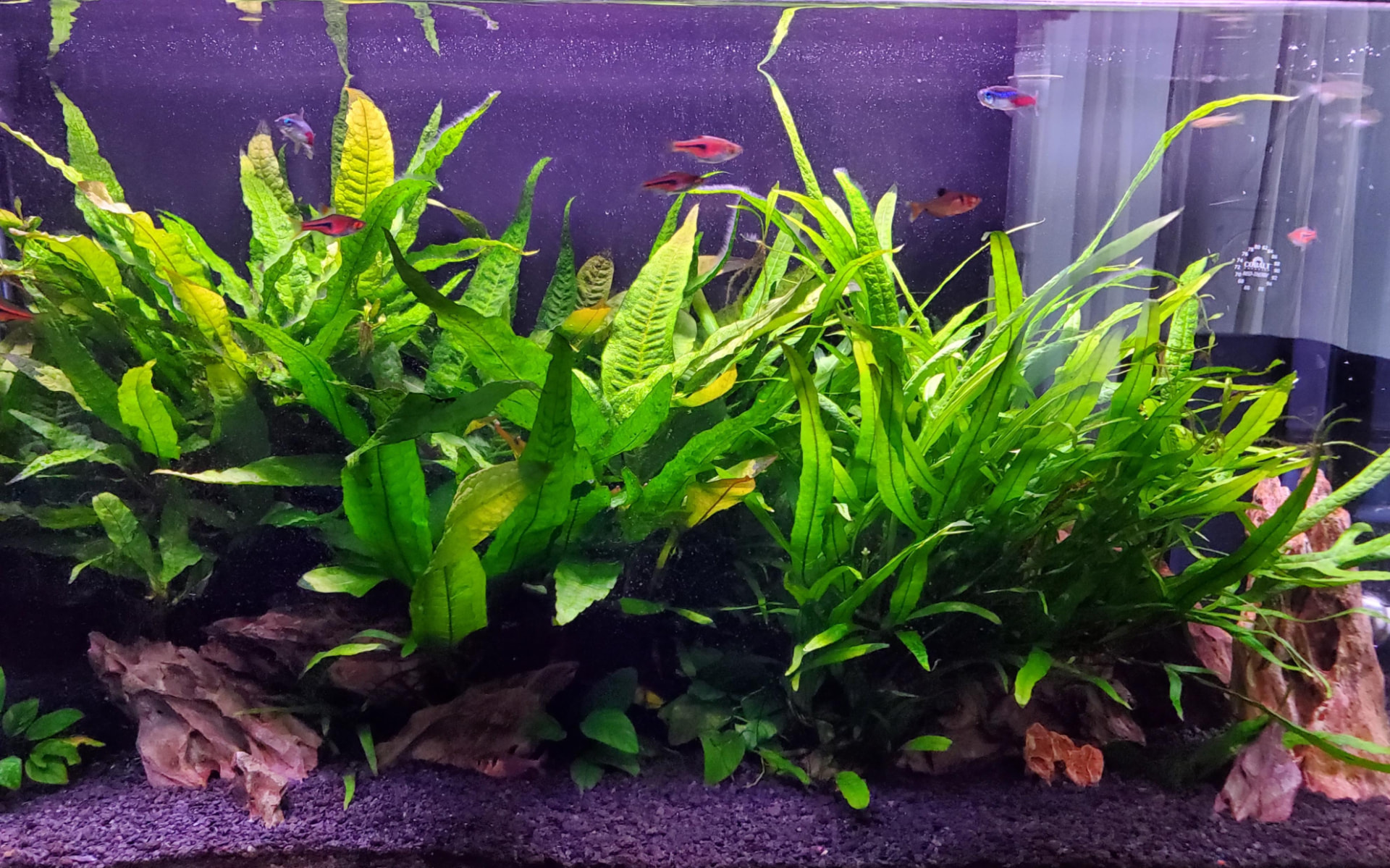
Java Fern
Microsorum pteropus
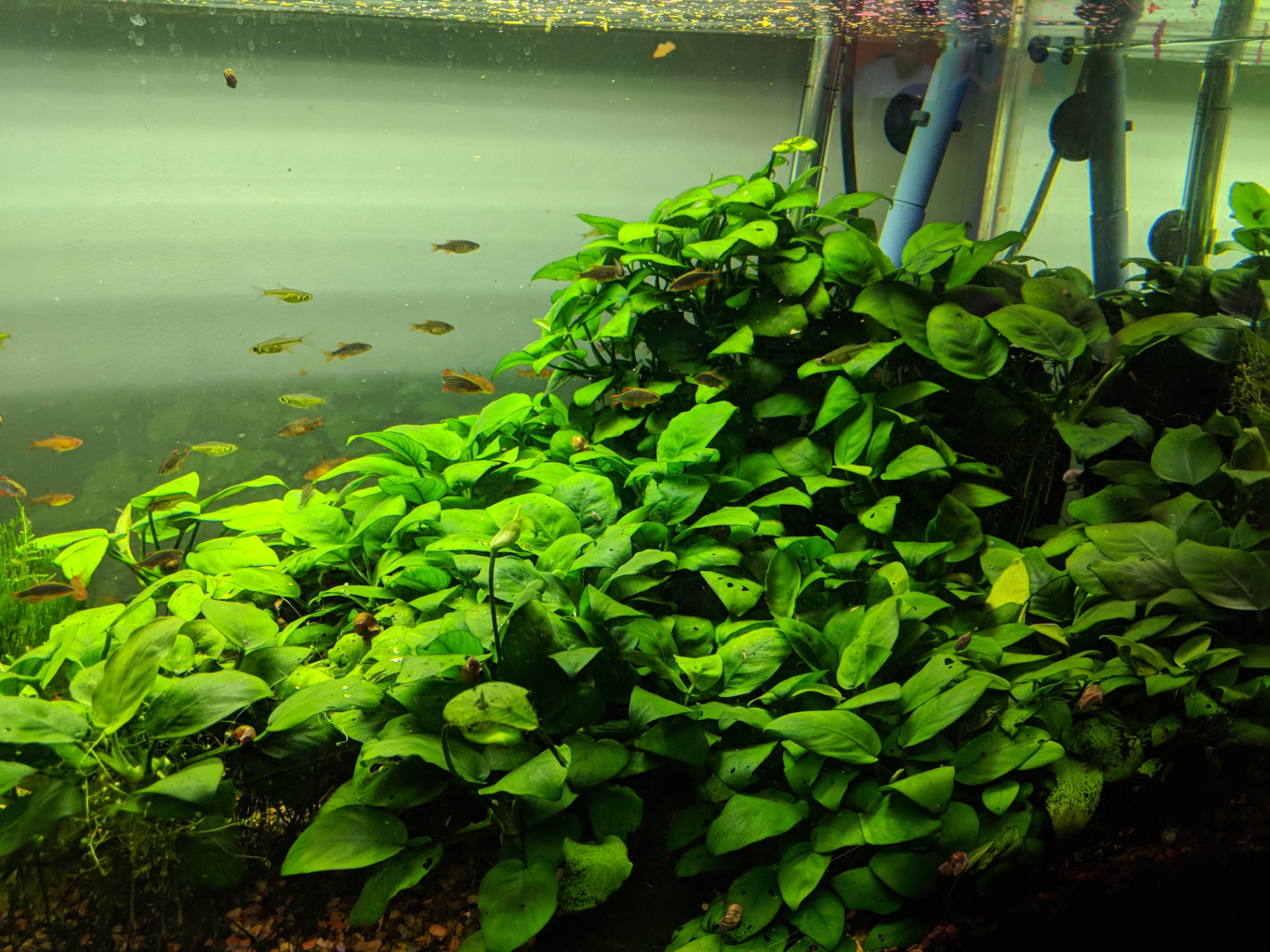
Anubias
Anubias barteri
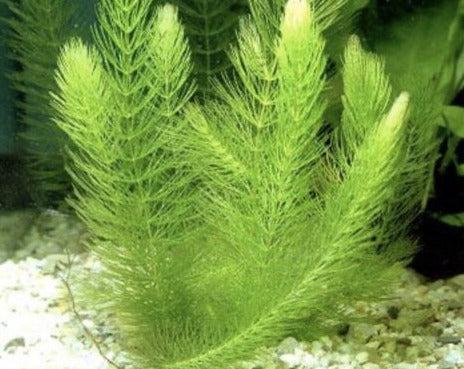
Hornwort
Ceratophyllum demersum
Pro tips & common mistakes
Pro tips
- Sandwich moss between two layers of plastic mesh to build a wall or carpet — it grows through the grid and hides it completely.
- Trim just before a water change so the cuttings can be siphoned out instead of colonising the rest of the tank.
- Cotton thread is better than fishing line: it rots away on its own once the moss has gripped.
- In a shrimp tank, keep two separate clumps on loose stones so you can pull one out for a hard trim without disturbing the colony.
- If your tank runs above 26 °C and you want a tidy pad rather than a loose tangle, use a warm-tolerant moss instead of fighting the temperature.
Common mistakes
- Attaching it in a thick clump instead of a thin layer, which kills the base within a few months.
- Skipping trims until the mat detaches in one dead sheet.
- Buying it for a discus or ram tank and expecting the dense look it has in cool water.
- Trying to save moss that black beard algae has already threaded through, instead of restarting from a clean fragment.
- Assuming the "Vesicularia dubyana" on the label means anything — that name now belongs to a different species.
Frequently asked questions
Related plants
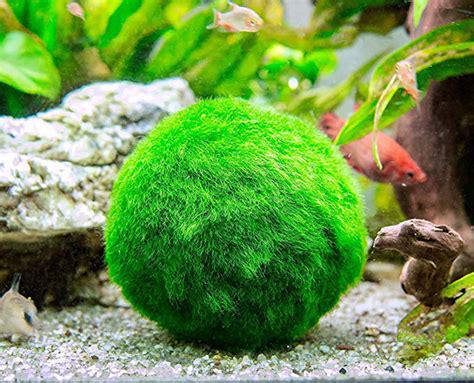
Marimo Moss Ball
Aegagropila linnaei
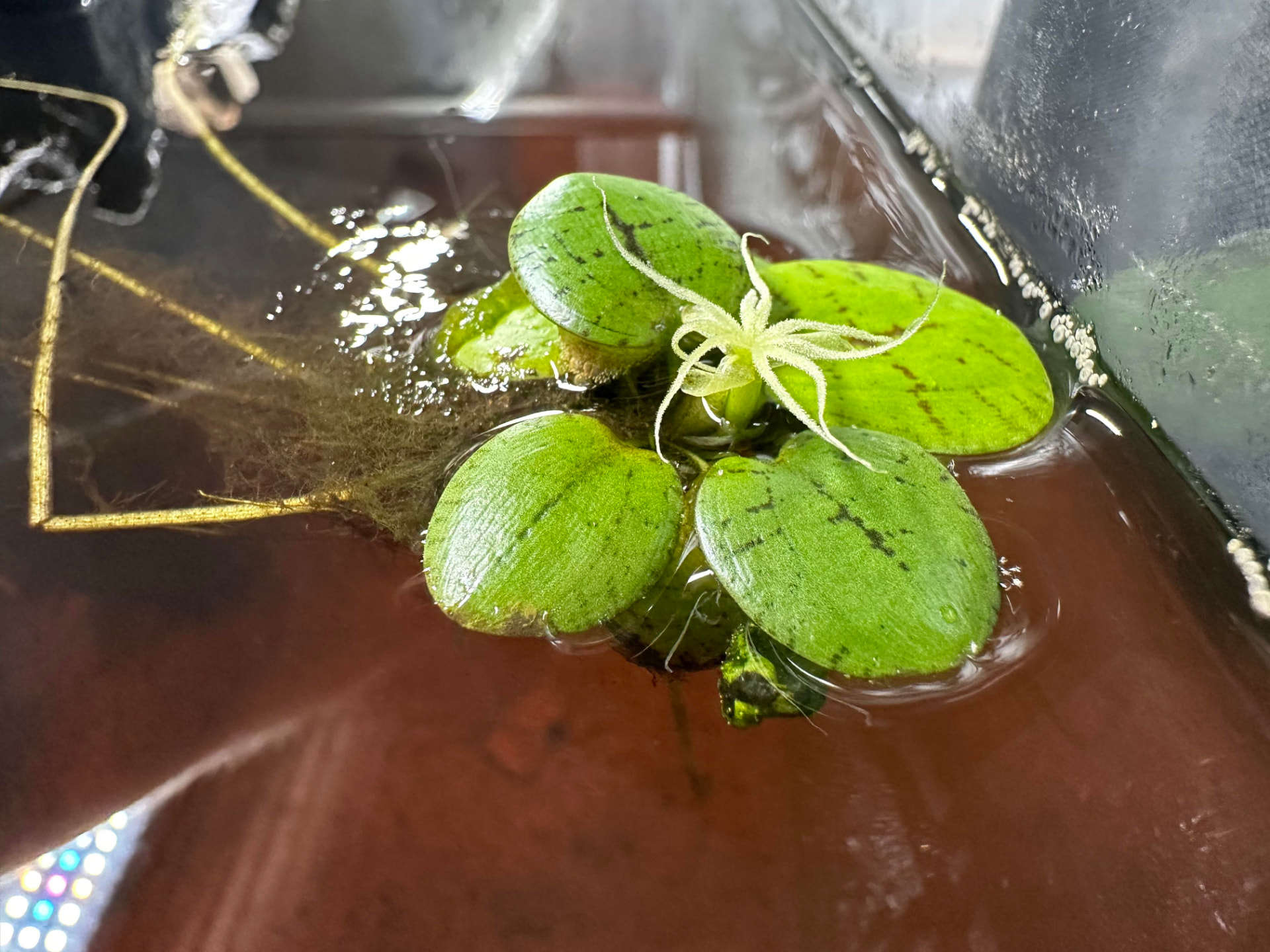
Amazon Frogbit
Limnobium laevigatum
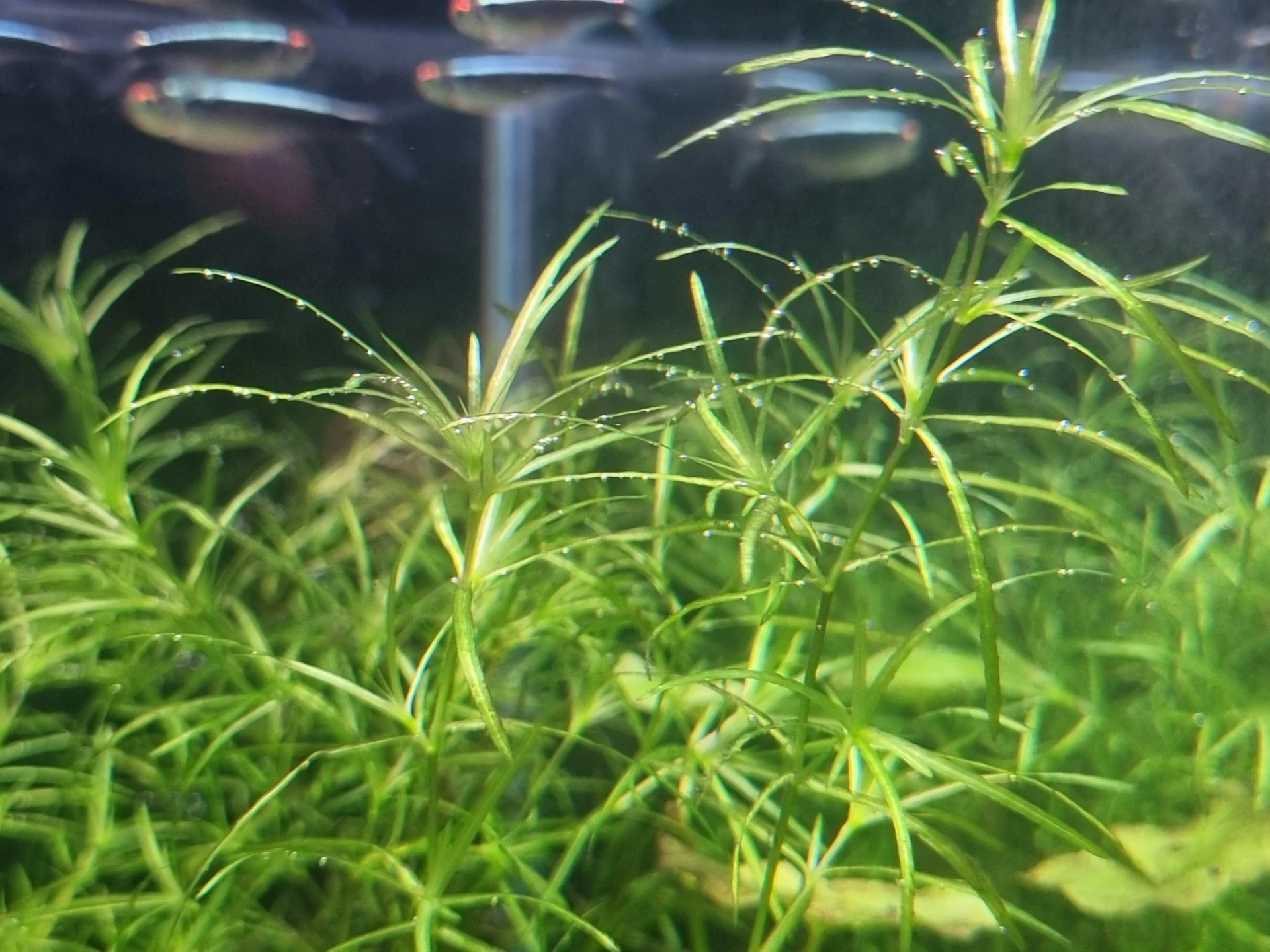
Guppy Grass
Najas guadalupensis
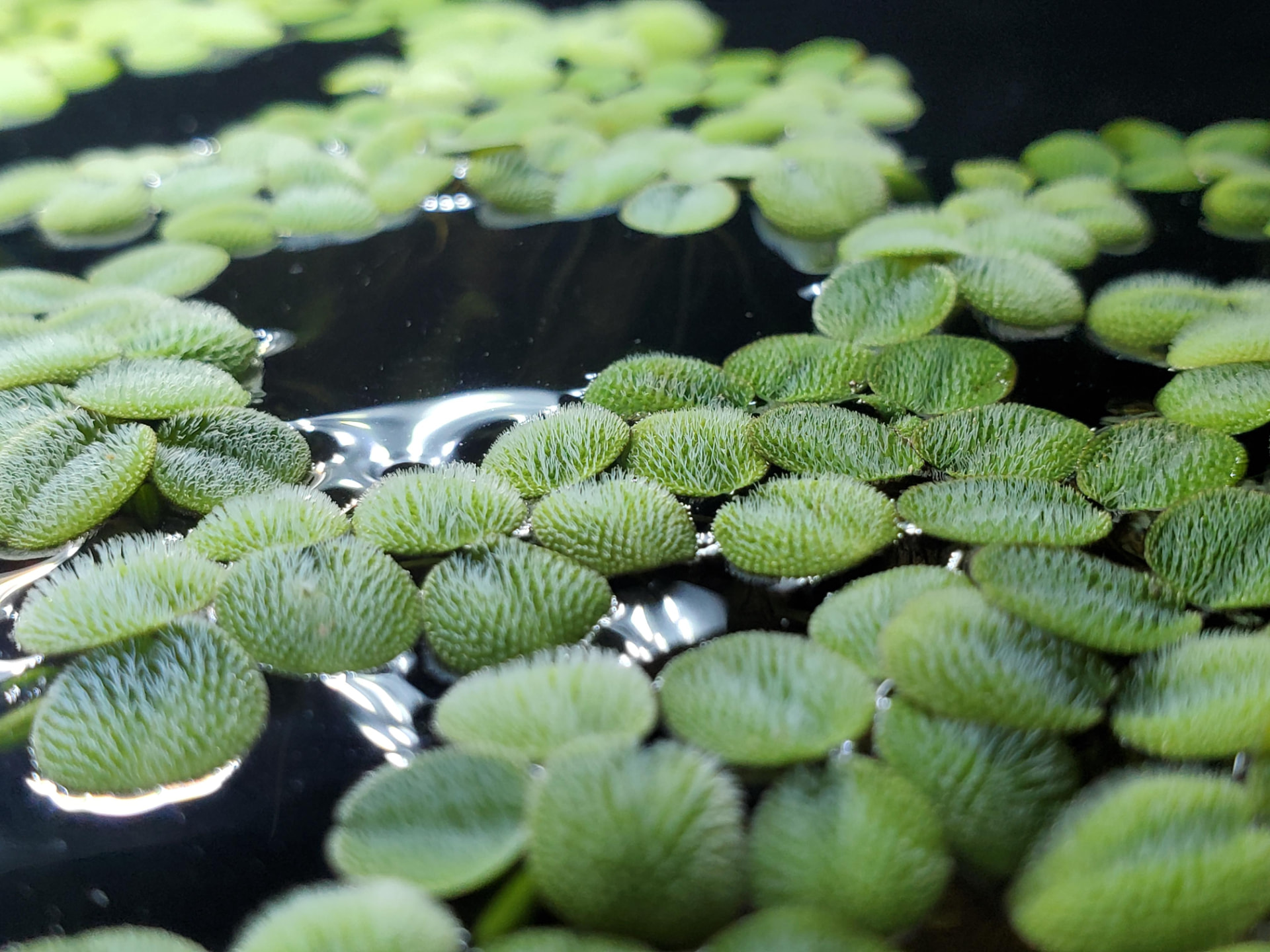
Salvinia
Salvinia minima
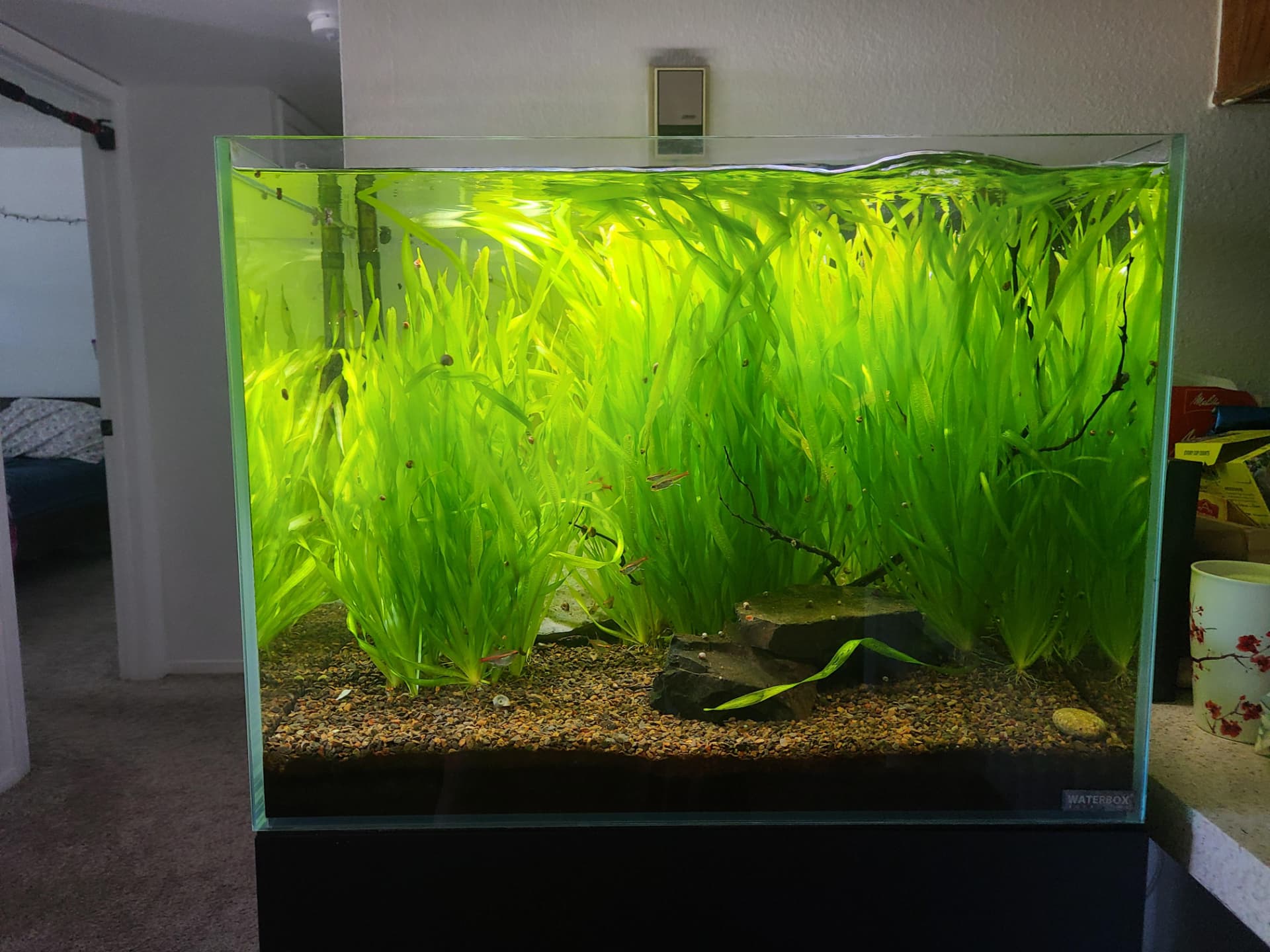
Vallisneria
Vallisneria spiralis
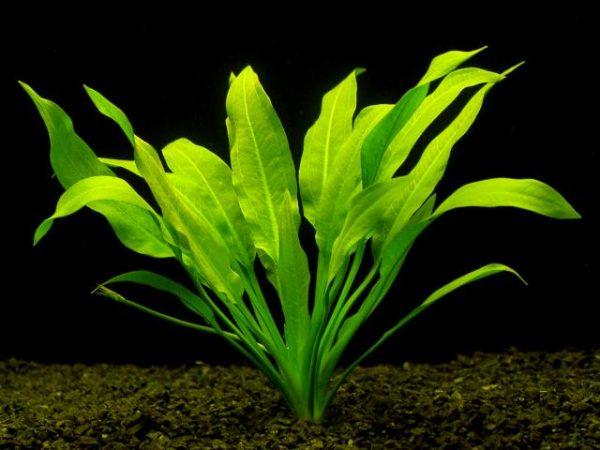
Amazon Sword
Echinodorus grisebachii
Building a shrimp or fry tank around moss?
Moss carries a bioload of nothing and shelters a lot, which changes what a small tank can hold. Work out the numbers before you add the next batch of shrimp.
Reviewed by the AquariumStocking team · Updated August 2026