
Care Requirements
Adult Size
1.0" (2.5cm)
Min Tank
15 gal
Temperature
68-79°F
pH Range
6.5-7.5
Lifespan
3-5 years
Min Group
6+ fish
Diet
Omnivore
Swim Level
Middle
Bioload
1/10
Hardness
2-12 dGH
About Celestial Pearl Danio
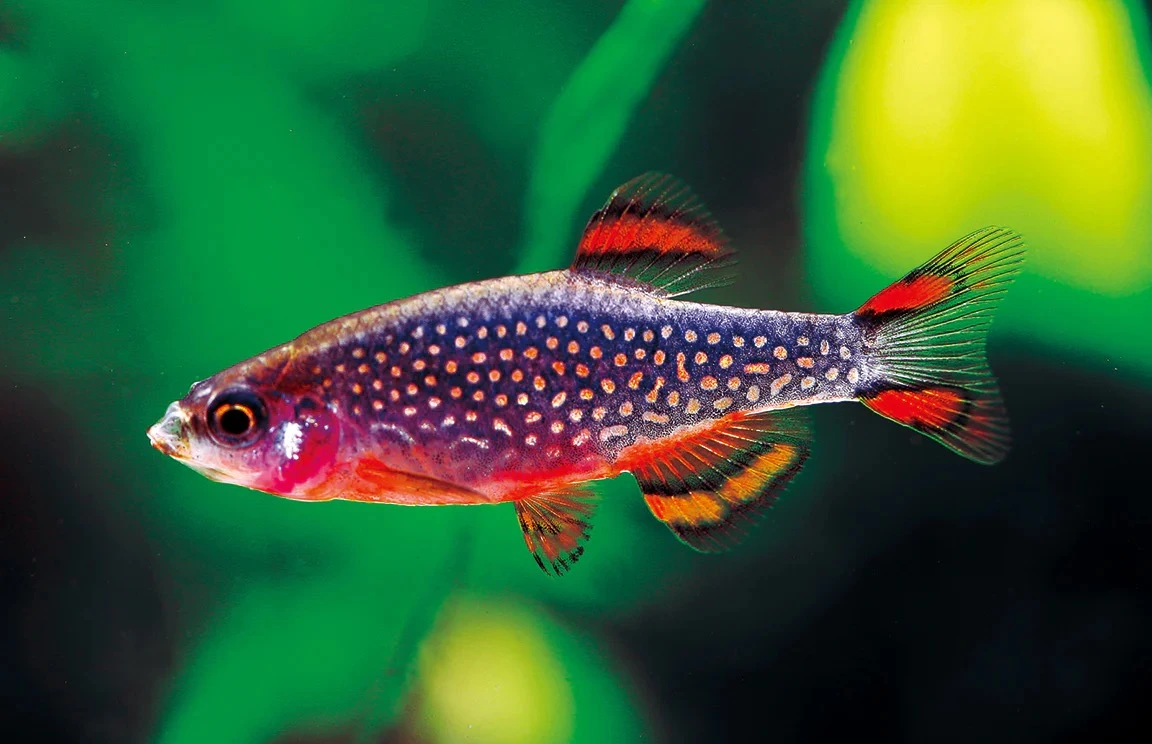
The Celestial Pearl Danio is one of the most beautiful nano fish ever discovered—a tiny jewel with a dark blue body covered in pearl-like spots and vibrant red-orange fins. When first described in 2006, they caused a sensation in the aquarium hobby, and their popularity hasn't waned since.
Originally called 'Galaxy Rasbora' before proper classification, CPDs combine stunning appearance with relatively easy care. They're peaceful, hardy, and breed readily in planted aquariums. Males display spectacular colors when sparring, spreading their red-rimmed fins in impressive shows.
Their discovery location in Myanmar faced immediate overcollection pressure, but captive breeding quickly became established, ensuring their availability while reducing wild collection. Today, most CPDs in the hobby are captive-bred, making the aquarium population an important conservation buffer.
Natural Habitat & Origin
Celestial Pearl Danios were discovered in 2006 in a small area near Hopong in Myanmar's Shan State. They inhabit shallow, heavily vegetated ponds and slow-moving waters at high altitude (over 1000m), with dense aquatic plants and cooler temperatures than typical tropical fish.
Their high-altitude origin explains their preference for cooler water—they actually do better at temperatures most hobbyists consider 'room temperature' rather than typical tropical heat. Their natural habitat features crystal-clear water with dense plant growth, creating the environment they thrive in when kept in heavily planted aquariums.
Native Region
Myanmar (Shan State, near Hopong)
Habitat Type
High-altitude vegetated ponds and slow-moving waters
Wild Water Conditions
Cool (68-75°F), soft to moderate hardness, slightly acidic to neutral pH
Appearance & Varieties
Celestial Pearl Danios are small fish reaching about 1 inch (2.5 cm). Their most striking feature is their deep blue-black body covered with pearly iridescent spots that look like a galaxy of stars—hence their common name.
Males are more intensely colored, with brilliant red-orange fins edged in black. Their belly takes on an orange hue, and they display spectacular colors when sparring. Females have paler orange fins without the black edging, rounder bodies (especially when carrying eggs), and slightly less intense body spotting.
The combination of galaxy spots and colorful fins makes CPDs one of the most photogenic fish in the hobby, though their beauty is best appreciated in person where the pearly spots catch light from different angles.
Tank Setup & Requirements
Quick Requirements Summary
Tank Size
Minimum Tank Size
15 gallons
Recommended Tank Size
15 gallons
Celestial Pearl Danios are naturally shy fish that need dense plant cover to feel secure. Without adequate hiding spots, they'll hide constantly and never display their full beauty.
Water Parameters
Temperature between 68-79°F (20-26°C)—cooler than typical tropical fish. They actually prefer the lower end of this range. pH 6.5-7.5 with soft to moderate hardness (2-15 dGH).
Substrate
Dark substrate shows off their galaxy spots and colored fins best. Any type works, but dark colors enhance their visual impact.
Plants & Decorations
Heavy planting is essential—it's the key to seeing these shy fish. Java moss is particularly important as it provides security and breeding sites. Java fern, Anubias, Cryptocorynes, and dense stem plants all work well. Multiple sight breaks help reduce male territorial behavior.
Filtration & Water Flow
Gentle flow is essential—they come from still, pond-like waters. Sponge filters are ideal. Avoid strong currents.
Lighting
Moderate lighting is best—too bright makes them hide and washes out their colors. Floating plants help diffuse light.
Diet & Feeding Guide
Diet Type
omnivore
Feeding Frequency
1-2x daily
Portion Size
Small amounts they consume in 2-3 minutes
Celestial Pearl Danios are omnivores with small mouths. They can be shy feeders initially, preferring to let food sink to their level among plants rather than competing at the surface.
Best Foods for Celestial Pearl Danio
- Crushed high-quality flakes — Must be small enough for tiny mouths
- Micro pellets — Nano fish specific foods work well
- Frozen baby brine shrimp — Excellent for coloration and conditioning
- Frozen daphnia — Good variety, readily accepted
- Frozen cyclops — Perfect size for small mouths
- Live baby brine shrimp — Best for breeding condition and color
Foods to Avoid
- Large food particles — Mouths are small—food must be appropriately sized
- Low-quality flakes — Don't provide adequate nutrition
Small mouths require appropriately sized food. Live and frozen foods significantly enhance coloration. They can be shy feeders initially—allow food to sink to their level. Once settled, they feed enthusiastically.
Behavior & Temperament
Celestial Pearl Danios are social fish, but males establish small territories among plants. They don't school tightly like tetras—instead they loosely associate, with males claiming small areas and displaying to passing females and rival males.
Male sparring is one of the highlights of keeping CPDs. They spread their colorful fins and circle each other in impressive displays that rarely result in injury. Providing dense plants gives subordinate fish places to retreat.
CPDs are naturally shy, especially in new environments or small groups. They become bolder over time and with larger group sizes. Expect them to hide initially—patience is rewarded with increasingly visible and confident fish.
Tank Mates: Compatibility Guide
Compatible Tank Mates
Perfect nano tank pairing
Excellent bottom-dweller companion
Peaceful algae eater
Excellent for shrimp tanks
Active nano companions
Gentle larger companion
Peaceful schooling fish
Tank Mates to Avoid
Large fish
May eat CPDs
Aggressive species
Will stress these shy fish
Very active fish
Boisterous activity stresses them
Fin nippers
Will damage their beautiful fins
Common Pairing Questions
Can Celestial Pearl Danios live with shrimp?
Yes! They're excellent for shrimp tanks. Adult shrimp are completely safe. CPDs may eat some shrimplets, but in well-planted tanks with java moss, plenty of baby shrimp survive.
Do male CPDs fight?
Males spar and display but rarely cause real harm. Provide plenty of plants to break sightlines and keep more females than males (1:2-3 ratio). The displays are actually quite beautiful to watch.
Can CPDs live in unheated tanks?
Yes—they prefer cooler water (68-75°F) and do well at room temperature in many climates. They're actually stressed by typical tropical temperatures above 79°F long-term.
Celestial Pearl Danios breed readily in planted aquariums—one of the easiest nano fish to breed. They're egg scatterers that spawn almost continuously once established.
Males display to females and chase them through plants. Eggs are scattered individually among fine-leaved plants like java moss. No parental care is provided—adults and tankmates will eat eggs and fry if they find them.
With dense java moss, some fry often survive even in community tanks. For maximum yield, collect eggs or move fry to a separate tank. Eggs hatch in 2-4 days. Fry are tiny and need infusoria or paramecium initially, graduating to baby brine shrimp after about a week.
Health Issues & Disease Prevention
Celestial Pearl Danios are generally hardy once established. Their main challenges are their shy nature (causing stress without adequate cover) and potential disease from wild-caught specimens (though most are now captive-bred).
Common Diseases
| Disease | Symptoms | Treatment |
|---|---|---|
| Ich | White spots, scratching | Raise temperature carefully, medication |
| Velvet | Gold dust appearance | Darken tank, copper-based medication |
| Mycobacteriosis | Wasting, curved spine, lethargy | No cure—isolate affected fish |
| Fin rot | Ragged fins | Clean water, antibacterial treatment |
Signs of a Healthy Celestial Pearl Danio
- Bright spots and colors
- Active foraging among plants
- Males displaying
- Good appetite
- Intact fins
- Clear eyes
Prevention Tips
- Provide dense plant cover to reduce stress
- Keep in groups of 8+ for confident behavior
- Maintain cooler temperatures (68-75°F ideal)
- Provide multiple sight breaks to reduce male aggression
- Quarantine new fish for 2-4 weeks
- Avoid very active or aggressive tankmates
Frequently Asked Questions
CPDs are naturally shy fish. They need dense plant cover to feel secure. Keep in groups of 10+, provide lots of hiding spots, and avoid boisterous tankmates. They become bolder over weeks/months.
Males spar and display but rarely cause real harm. Provide plenty of plants to break sightlines and keep more females than males (1:2-3 ratio). The displays are actually quite beautiful to watch.
Yes—they prefer cooler water (68-75°F) and do well at room temperature in many climates. They're actually stressed by typical tropical temperatures above 79°F long-term.
Yes—they spawn readily. With dense java moss, some fry often survive even with adults present. For serious breeding, separate eggs or fry, as adults and tankmates will eat them.
Minimum 6, ideally 10-15+. Small groups hide constantly. Larger groups are bolder, more visible, and males display more impressively.
Tips for Keeping Celestial Pearl Danio
Pro Tips
- ✓They prefer cooler temperatures than most nano fish—don't overheat
- ✓Dense java moss is the key to both their comfort and breeding success
- ✓Buy 10+ for confident, visible fish—small groups hide constantly
- ✓Males display spectacularly—their sparring is entertaining, not concerning
- ✓One of the best nano fish for planted tanks—stunning in the right setup
- ✓Live foods dramatically enhance their already beautiful coloration
- ✓Nearly extinct when discovered in 2006—all aquarium fish now help conservation
Common Mistakes to Avoid
- ✗Keeping in too-warm water (above 79°F)
- ✗Not providing enough plant cover—they hide without it
- ✗Small groups—they need 8+ to feel secure and show natural behavior
- ✗Bright lighting without shade—washes out colors and stresses them
- ✗Too many males without adequate space/plants
- ✗Expecting them to school tightly like tetras—they loosely associate
- ✗Keeping with active, boisterous tankmates
Sources
- FishBase — Accepted scientific name, maximum size and native range for Celestial Pearl Danio.
Related Species You Might Like
View All Fish →
Cherry Barb
Puntius titteya
Pearl Danio
Danio albolineatus
Zebra Danio
Danio rerio
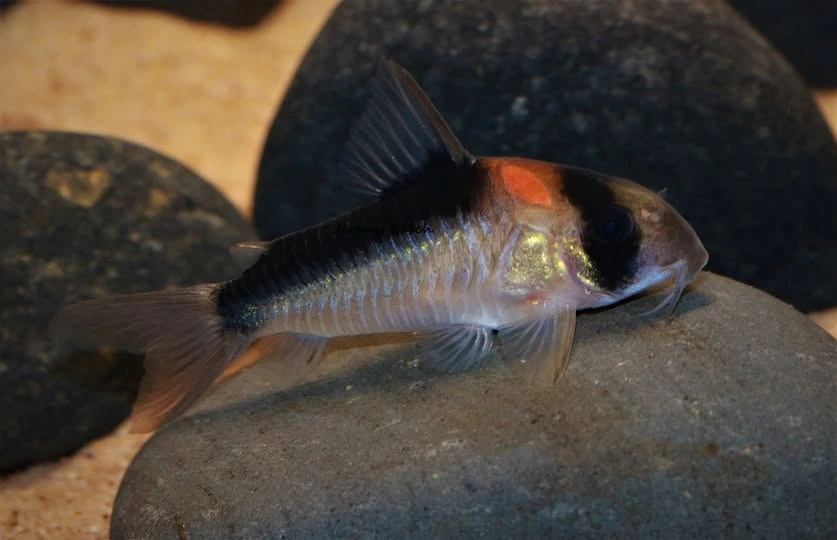
Adolfo's Corydoras
Corydoras adolfoi
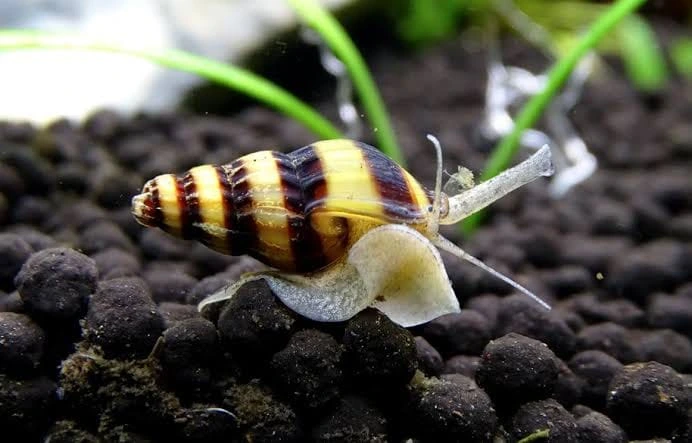
Assassin Snail
Clea helena
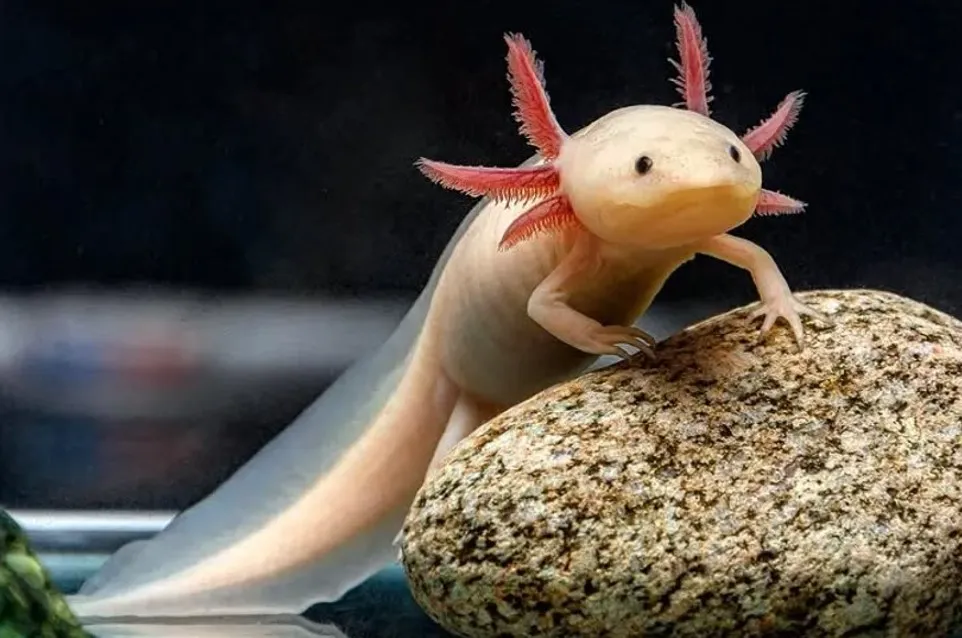
Axolotl
Ambystoma mexicanum
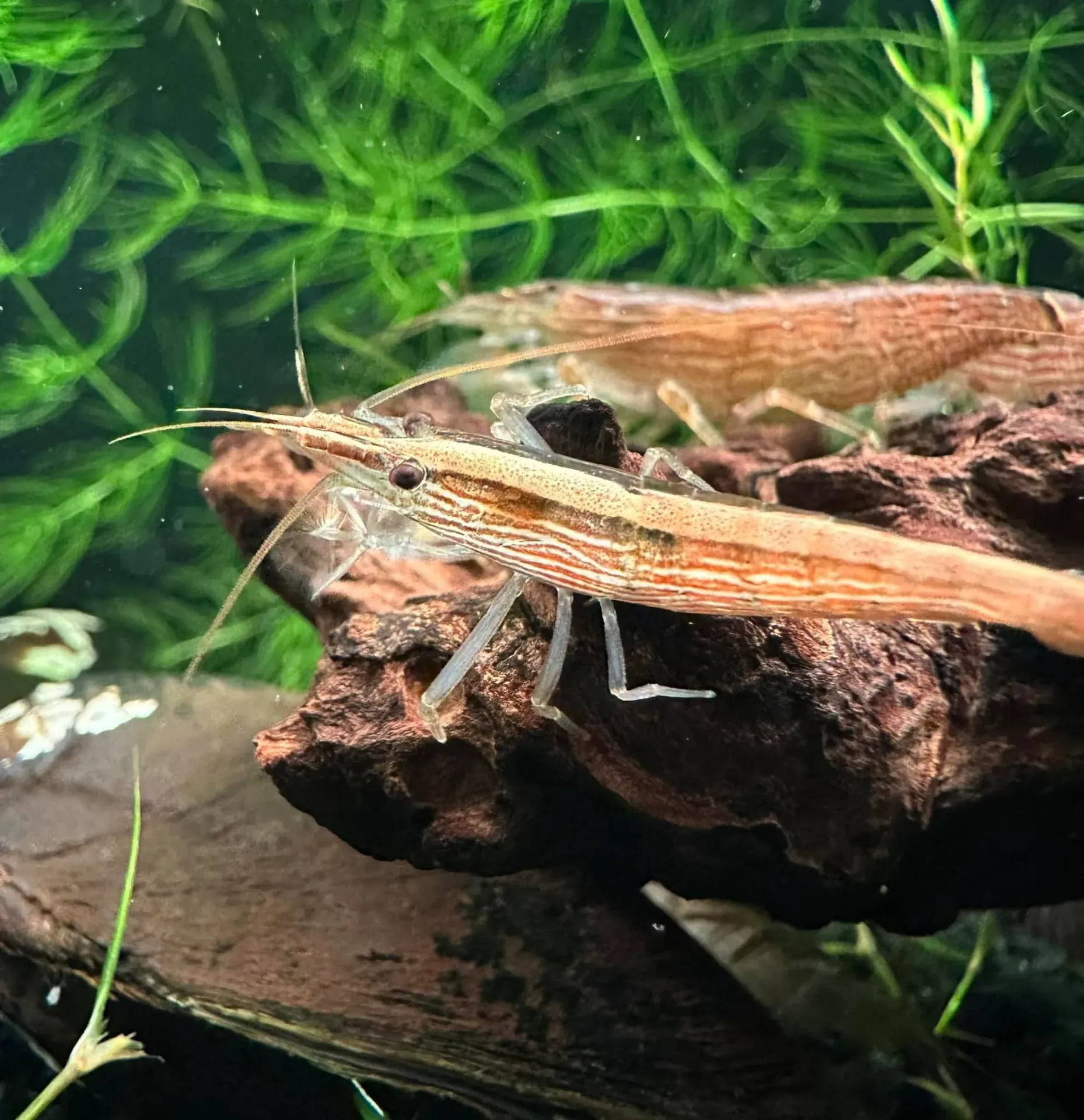
Bamboo Shrimp
Atyopsis moluccensis
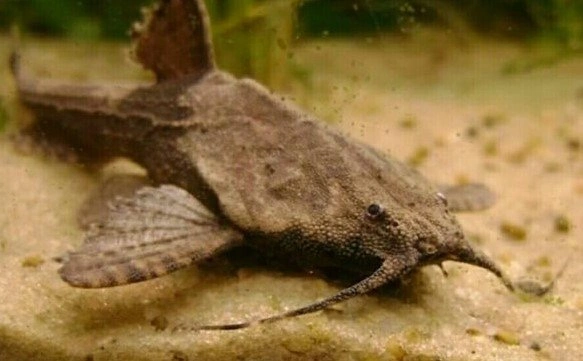
Banjo Catfish
Bunocephalus coracoideus
Ready to Add Celestial Pearl Danio to Your Tank?
Use our free stocking calculator to check compatibility, bioload, and get personalized recommendations.