
Care Requirements
Adult Size
5.9" (15cm)
Min Tank
20 gal
Temperature
72-82°F
pH Range
5.5-7.5
Lifespan
8-12 years
Min Group
Can be kept alone
Diet
Carnivore
Swim Level
Bottom
Bioload
1/10
Hardness
2-15 dGH
About Banjo Catfish
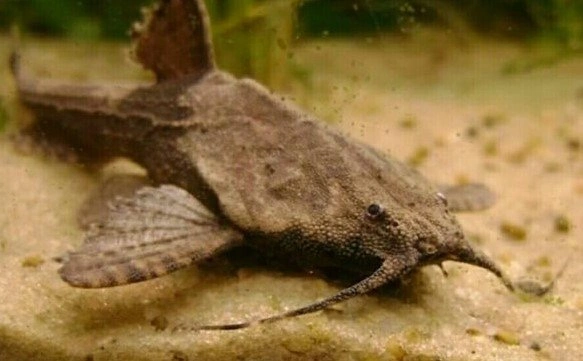
The Banjo Catfish is among the strangest-looking fish available to aquarists — its extremely flattened body, broad head, and narrow tail create a shape remarkably like its musical instrument namesake. Viewed from above, the resemblance is uncanny: a wide, flat 'body' tapering to a long, thin 'neck.' This bizarre morphology evolved for a life spent motionless on river bottoms, perfectly camouflaged among dead leaves and debris.
Camouflage is their survival strategy. Their mottled brown coloration, lumpy textured skin, and absolute stillness make them virtually impossible to spot among leaf litter. They look like dead leaves or waterlogged debris — predators swim right past without recognition. This deceptive appearance carries over to aquariums; new keepers often think their Banjo Catfish has died or escaped, only to find it buried or disguised in plain sight.
Behaviorally, they represent the opposite of active aquarium fish. During daylight, they lie completely motionless — not just 'resting' but genuinely statue-like for hours. Activity occurs only at night when they emerge to hunt invertebrates and scavenge. This nocturnal, sedentary lifestyle means keepers rarely see them active. They're pets for those who appreciate knowing something fascinating lurks unseen rather than wanting constant visible activity.
Despite their oddness, Banjo Catfish are hardy and long-lived when properly kept. They're not demanding about parameters, though they need sand for burrowing and meaty foods for nutrition. Their unusual appearance and behavior make them conversation pieces and oddball highlights — fish that challenge assumptions about what aquarium keeping can involve.
Natural Habitat & Origin
Banjo Catfish inhabit slow-moving waters across the Amazon basin and surrounding river systems in South America. They're found in areas with soft substrates — sand, mud, and accumulated leaf litter — where their flattened bodies can rest on or burrow into the bottom.
Their specific microhabitat is the leaf litter layer: the decomposing leaves, twigs, and organic debris accumulated on stream and river bottoms. This material provides both camouflage and food source. Small invertebrates living in leaf litter become prey; the debris itself provides concealment.
Water conditions feature soft, acidic to neutral chemistry typical of Amazonian waters. The slow or still water they prefer tends toward lower oxygen levels, but their reduced activity level and ability to gulp atmospheric air allows survival in conditions that would stress more active fish.
Their widespread distribution across the Amazon basin indicates adaptability within their niche requirements. Provide appropriate bottom conditions and they thrive; deny them burrowing substrate and they struggle.
Native Region
South America — Amazon basin (widespread)
Habitat Type
Slow waters with sandy/muddy bottoms and leaf litter
Wild Water Conditions
Warm (23-28°C), soft to moderate, acidic to neutral
Appearance & Varieties
Banjo Catfish possess one of the most unusual body shapes among aquarium fish. The extremely flattened, broad head and body taper dramatically to a narrow, elongated tail — creating the distinctive banjo shape. Maximum size reaches approximately 6 inches (15 cm). Skin texture is rough and bumpy with tubercles and ridges that break up outline and enhance camouflage. Coloration is cryptic: mottled browns, tans, and dark patches mimicking dead leaves. Sexing is difficult; females may appear slightly broader when gravid.
Popular Varieties
| Variety | Description | Rarity |
|---|---|---|
| Bunocephalus coracoideus | The most common 'Banjo Catfish' in trade. Mottled brown camouflage coloration. | Common |
| Other Bunocephalus species | Several related species occasionally appear, all sharing similar care requirements and banjo shape. | Occasional |
| Dysichthys species | Related 'banjo cats' sometimes sold under the same common name. Similar care. | Occasional |
Tank Setup & Requirements
Quick Requirements Summary
Tank Size
Minimum Tank Size
20 gallons
Recommended Tank Size
30 gallons
Banjo Catfish require sand substrate for burrowing — their most critical need. Setup should prioritize this requirement along with hiding spots and dim lighting.
Water Parameters
They're adaptable within reasonable tropical freshwater ranges. Soft, slightly acidic water is ideal but not mandatory. Stable conditions matter more than hitting specific targets. Temperature 22-28°C (72-82°F), pH 5.5-7.5, hardness 2-15 dGH.
Substrate
ESSENTIAL: Fine sand — they bury themselves completely, with only eyes protruding. Gravel prevents this natural behavior and stresses them. Use fine aquarium sand. Depth should allow complete burial — 2-3 inches minimum.
Plants & Decorations
Leaf litter (Indian almond, oak leaves) recreates natural habitat and provides additional hiding spots. Driftwood and caves offer daytime shelter. Plants are fine but irrelevant to Banjo Catfish — they spend time on/in substrate.
Filtration & Water Flow
Good water quality is important. Position filter intakes to avoid disturbing sand surface. Sponge filters work well and don't create problematic flow.
Lighting
They rest motionless all day; lighting level doesn't matter to them directly. Dim lighting or moonlight viewing at night allows observation of actual movement.
Diet & Feeding Guide
Diet Type
carnivore
Feeding Frequency
Every other day or 2-3 times weekly
Portion Size
Moderate amounts they can consume overnight. Drop food near their resting location after lights out.
Banjo Catfish are carnivores feeding primarily on invertebrates. They hunt at night, locating prey through smell and touch. Meaty foods are essential.
Best Foods for Banjo Catfish
- Sinking carnivore pellets — Sinking pellets designed for carnivorous catfish. Feed at night when they're active.
- Frozen bloodworms — Eagerly consumed. Drop near their resting spot after lights out.
- Frozen brine shrimp — Accepted well. Good variety option.
- Live blackworms — Excellent food that can burrow into sand, allowing natural hunting behavior.
- Sinking wafers (meat-based) — Carnivore wafers are accepted. Avoid algae-based varieties.
- Earthworms (small) — Chopped earthworms are excellent nutrition for larger specimens.
Foods to Avoid
- Floating foods — They feed from the bottom; floating foods are completely ignored.
- Algae wafers — They're carnivores, not herbivores. Plant-based foods aren't appropriate.
- Daytime feeding only — They're nocturnal; food offered during the day may be taken by tankmates first.
Their slow metabolism doesn't require daily feeding. In community tanks, ensure food reaches them at night rather than being consumed by diurnal fish.
Behavior & Temperament
Banjo Catfish behavior is defined by inactivity. During daylight hours, they lie completely motionless — often for 12+ hours straight. They may bury themselves in sand with only their eyes visible, or rest atop the substrate resembling dead leaves. This isn't illness; it's normal behavior.
Nocturnal activity is when they actually 'live.' After lights out, they emerge from burial to hunt, using barbels and smell to locate food. Their camouflage behavior extends beyond coloration — they actively position themselves among debris and adjust posture to break up their outline.
Socially, they're neither aggressive nor social. Multiple Banjo Catfish can be kept together without conflict, but they don't interact meaningfully. Toward other species, they're completely peaceful — ignoring fish too large to eat.
Tank Mates: Compatibility Guide
Compatible Tank Mates
Most peaceful community fish ignore bottom-dwelling Banjo Catfish.
Peaceful bottom dwellers that won't bother Banjo Catfish. Different activity periods.
Non-aggressive dwarf cichlids coexist fine.
Different feeding ecology; peaceful coexistence on the bottom.
May share substrate space peacefully.
Ignore bottom-dwelling catfish entirely.
Tank Mates to Avoid
Aggressive cichlids
May harass motionless Banjo Catfish.
Large predatory fish
May eat or injure Banjo Catfish despite their camouflage.
Very small fish and shrimp
May be eaten at night when Banjo Catfish hunt. They're carnivores.
Aggressive bottom dwellers
Competition for substrate space with aggressive species causes stress.
Banjo Catfish breeding in aquariums is rarely reported. Sexing is difficult. Reported spawning involves eggs deposited on flat surfaces or among substrate debris. Triggering breeding probably requires seasonal simulation. Most keepers don't attempt breeding; wild-caught specimens remain readily available.
Health Issues & Disease Prevention
Banjo Catfish are hardy fish when basic requirements are met. Their sedentary lifestyle means stress often goes unnoticed until advanced. Most problems trace to inappropriate substrate or starvation.
Common Diseases
| Disease | Symptoms | Treatment |
|---|---|---|
| Starvation | Emaciated appearance, sunken belly, weakness. | Improve feeding: offer food at night, use sinking meaty foods, reduce competition from diurnal tankmates. |
| Substrate stress | Inability to settle, constant movement (abnormal), exposed position without burrowing. | Provide appropriate fine sand substrate immediately. They cannot thrive without ability to bury. |
| Ich | White spots visible on body. | Standard ich treatment with temperature elevation. Spots may be harder to see against mottled skin. |
| Bacterial infections | Redness, sores, fin damage. | Antibacterial medication, improved water quality. |
| Fungal infections | White cottony growth on body. | Antifungal medication. May relate to substrate conditions or water quality. |
Signs of a Healthy Banjo Catfish
- Stable resting position
- Normal body condition
- Nocturnal activity
- Eating at night
- Clear eyes
- Burrowing behavior
Prevention Tips
- Provide fine sand substrate
- Feed sinking meaty foods at night
- Ensure food reaches them in community tanks
- Maintain good water quality
Frequently Asked Questions
This is completely normal — Banjo Catfish are among the most sedentary fish in the hobby. They lie motionless for 12+ hours during daylight. This isn't illness; it's their natural behavior. Activity occurs only at night after lights out.
Probably not — their extreme stillness leads many keepers to this concern. Check for subtle gill movement and eye response. Gently touch with a net; live fish will react. Leave food near them after lights out and check next morning.
Yes — sand substrate is essential, not optional. Burrowing into sand is fundamental behavior; they bury themselves with only eyes exposed. Gravel prevents this, causing chronic stress. Use fine sand, 2-3 inches minimum depth.
They're carnivores requiring meaty foods: sinking carnivore pellets, frozen bloodworms, brine shrimp, live blackworms. Feed at night when they're active — daytime feeding results in tankmates eating everything first.
Maximum size is approximately 6 inches (15 cm), though most aquarium specimens remain in the 4-5 inch range. Their flattened body makes them appear larger from above.
Extremely so — they're among the most strictly nocturnal aquarium fish. All activity occurs after dark. Use moonlight or red light for viewing. Accepting their nocturnal nature is essential to enjoying them.
Tips for Keeping Banjo Catfish
Pro Tips
- ✓Use red light for nighttime viewing — doesn't disturb nocturnal fish.
- ✓Drop food directly on them at night — ensures food reaches them in community tanks.
- ✓Don't worry about stillness — 12+ hours of statue-like behavior is normal and healthy.
- ✓Provide deeper sand in one area (3-4 inches) for optimal burrowing.
Common Mistakes to Avoid
- ✗Gravel instead of sand — unable to bury, causing chronic stress.
- ✗Daytime feeding only — starvation as diurnal tankmates consume everything.
- ✗Assuming stillness means death or illness — motionless rest is normal.
- ✗Expecting visible activity — they're nocturnal and sedentary.
- ✗Keeping with aggressive bottom dwellers — harassment of motionless fish.
Sources
- FishBase — Accepted scientific name, maximum size and native range for Banjo Catfish.
Related Species You Might Like
View All Fish →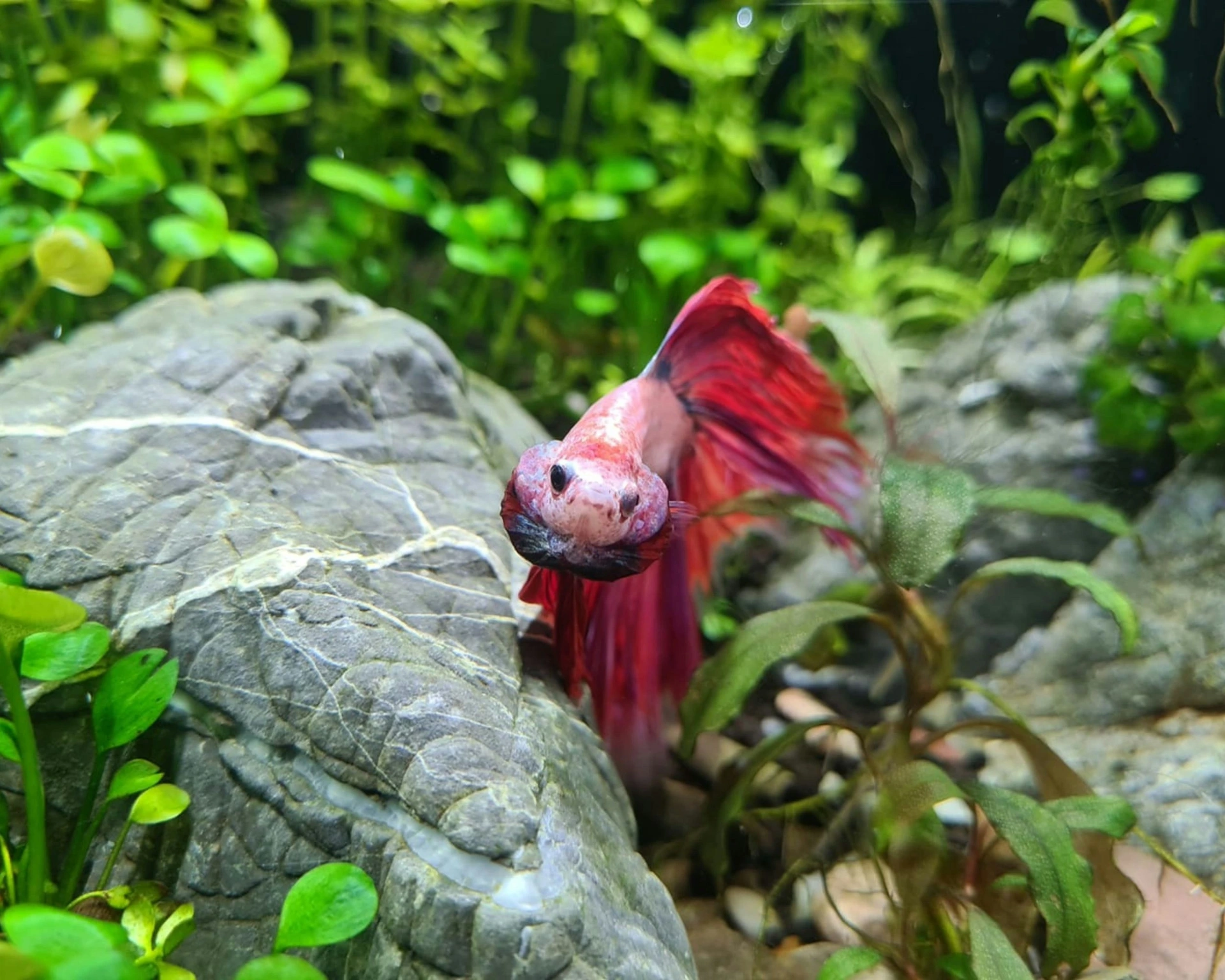
Betta
Betta splendens
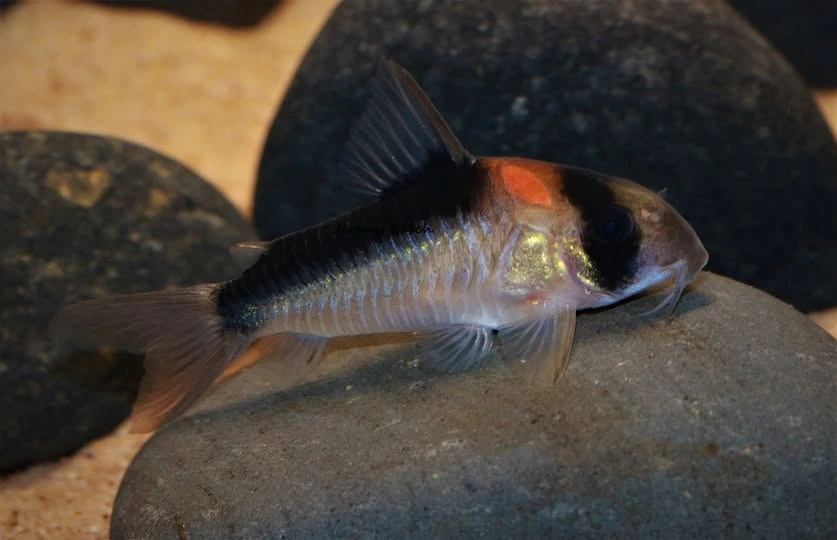
Adolfo's Corydoras
Corydoras adolfoi
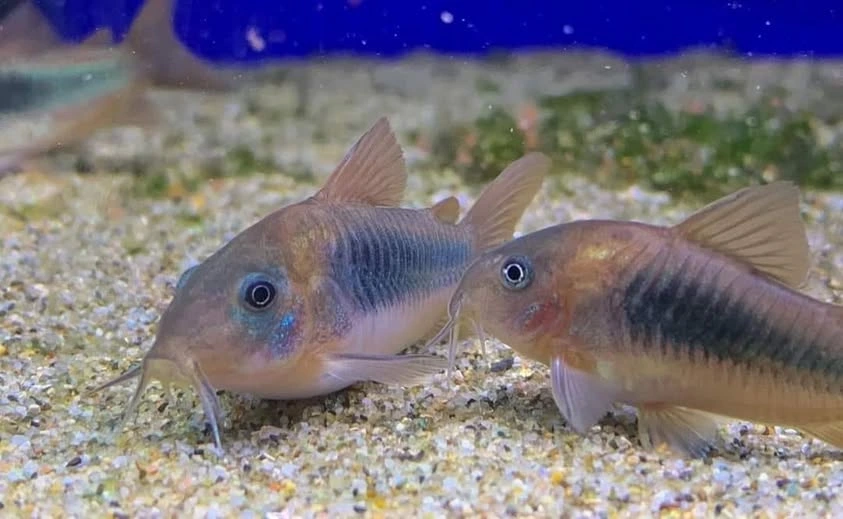
Bronze Corydoras
Corydoras aeneus
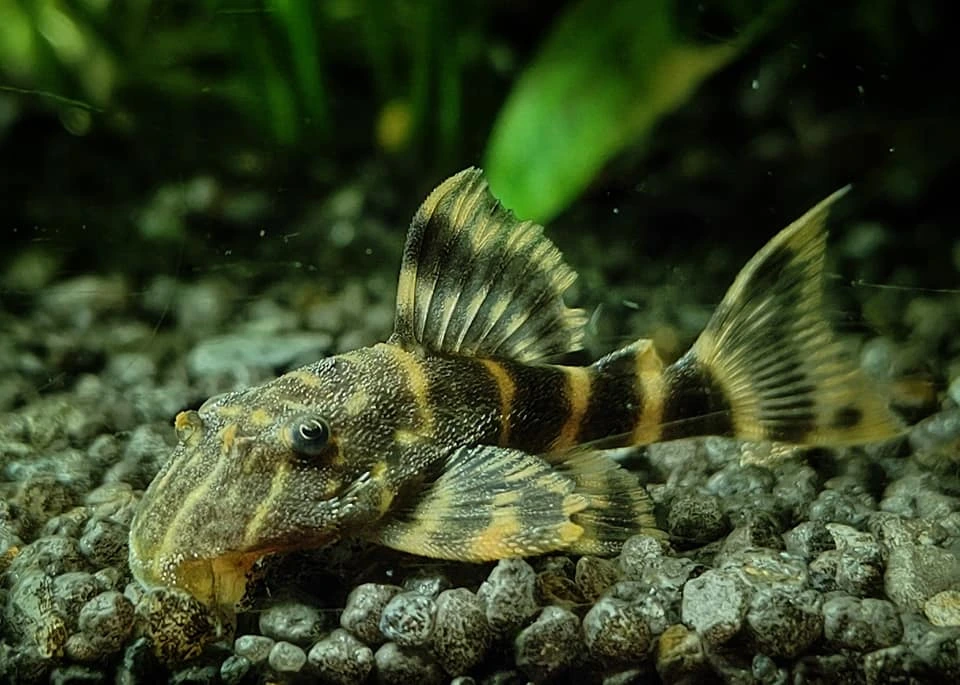
Clown Pleco
Panaqolus maccus
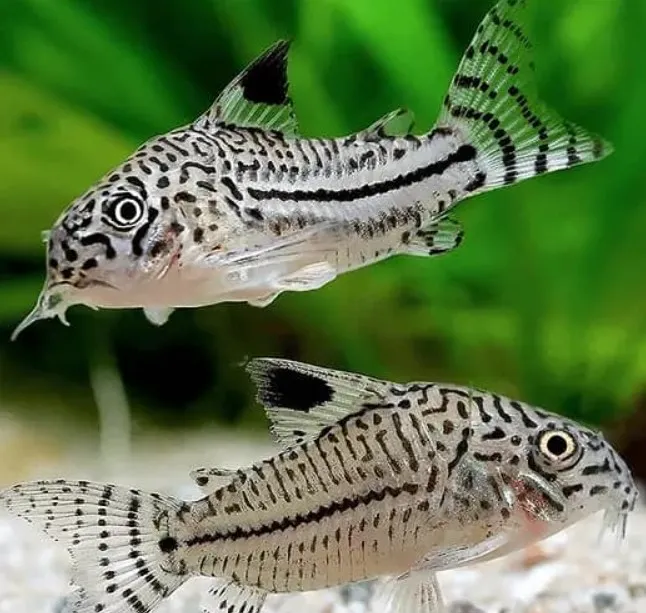
Corydoras Julii
Corydoras julii
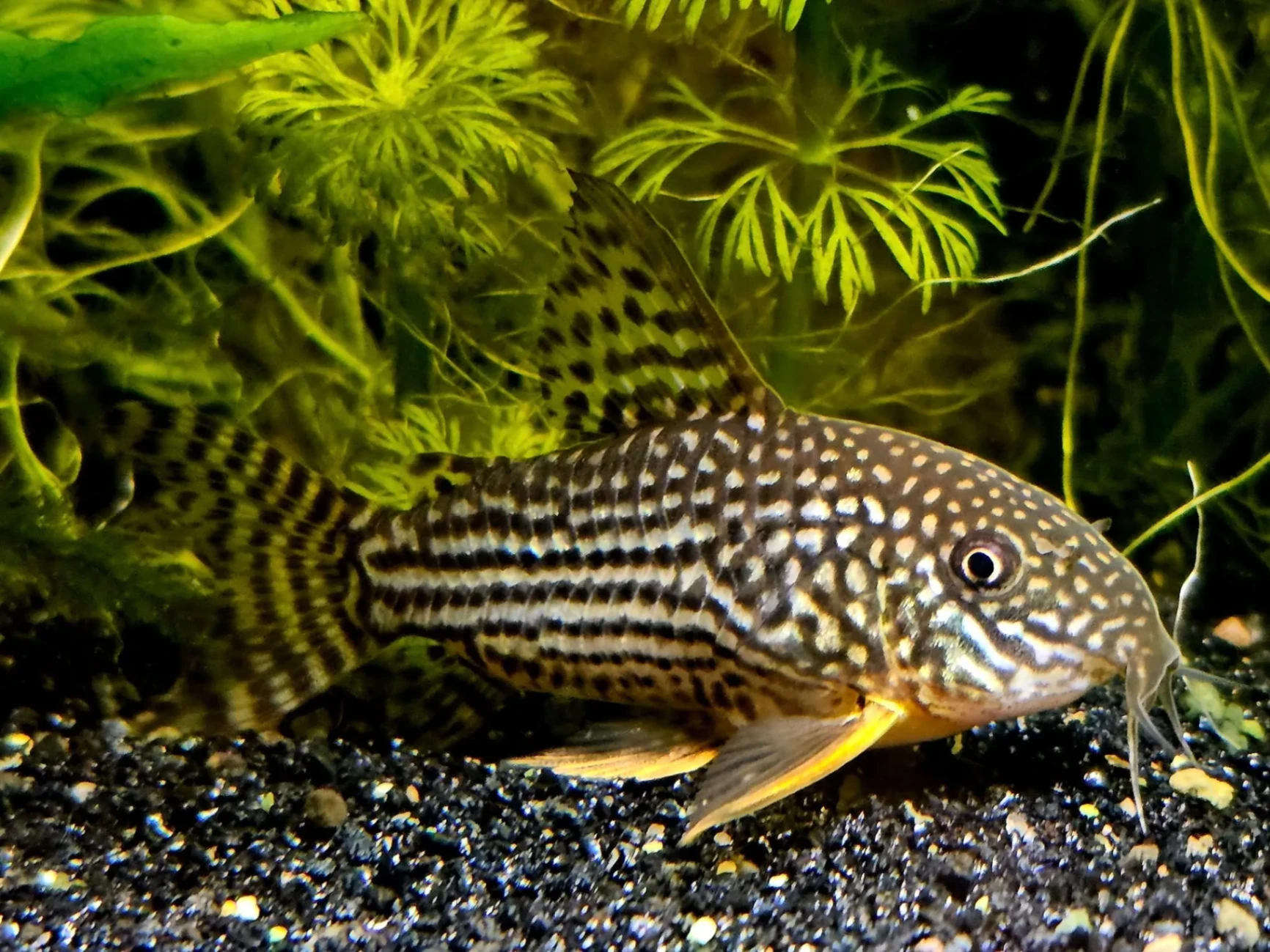
Corydoras Sterbai
Corydoras sterbai
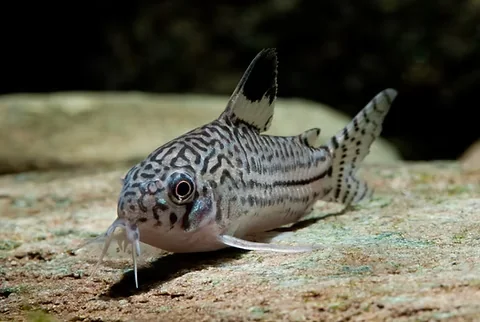
False Julii Corydoras
Corydoras trilineatus
Otocinclus
Otocinclus vittatus
Ready to Add Banjo Catfish to Your Tank?
Use our free stocking calculator to check compatibility, bioload, and get personalized recommendations.