

Care Requirements
Adult Size
3.1" (8cm)
Min Tank
20 gal
Temperature
72-79°F
pH Range
6-7.5
Lifespan
4-6 years
Min Group
Can be kept alone
Diet
Omnivore
Swim Level
Bottom
Bioload
3/10
Hardness
5-15 dGH
About Bolivian Ram
The Bolivian Ram is the beginner-friendly alternative to the demanding German Blue Ram. While less flashy than its cousin, the Bolivian offers what many hobbyists actually need: a beautiful dwarf cichlid that's hardy, peaceful, and tolerant of typical aquarium conditions.
Bolivians are substantially more forgiving than German Blue Rams in almost every way. They thrive in cooler water (72-79°F versus 82-86°F), tolerate wider parameter ranges, and are far less prone to the health issues that plague German Blues. For first-time cichlid keepers or community tank enthusiasts, Bolivian Rams offer cichlid personality without cichlid headaches.
They're natural substrate sifters, constantly picking through sand for food particles—endlessly entertaining behavior. Pairs form strong monogamous bonds and make excellent, devoted parents. Even during breeding, they remain peaceful with tankmates, making them truly compatible with community setups.
Natural Habitat & Origin
Bolivian Rams are native to slow-moving streams and pools in the Amazon River basin of Bolivia and Brazil. Their natural habitat features sandy substrates covered with fallen leaves, abundant vegetation, and relatively cooler temperatures compared to their German Blue Ram relatives.
This cooler-water origin is key to understanding why Bolivians thrive in typical aquarium conditions. While German Blues come from extremely warm, soft, acidic waters that are difficult to replicate, Bolivians evolved in more moderate conditions that align well with average home aquarium setups.
Native Region
South America—Bolivia and Brazil, Amazon River basin
Habitat Type
Slow-moving streams and pools with sandy substrate and vegetation
Wild Water Conditions
Cooler than German Blue Rams, sandy bottom with leaf litter, moderate parameters
Appearance & Varieties
Bolivian Rams display subtle but attractive coloration. Their base color is yellowish-brown with a prominent dark vertical bar through the eye and another on the body. Red accents appear on the fins, especially in dominant males. A distinguishing feature is the extended dorsal fin rays, particularly pronounced in males.
They reach about 3 inches (8 cm)—slightly larger than German Blue Rams. Males are larger with more extended finnage and brighter coloration, while females are smaller and rounder, especially when carrying eggs. Overall, they're less colorful than German Blues but display their own understated elegance.
Tank Setup & Requirements
Quick Requirements Summary
Tank Size
Minimum Tank Size
20 gallons
Recommended Tank Size
30 gallons
Bolivian Rams need at least 30 gallons (115 liters) for a pair, with 40 gallons (150 liters) or more recommended. Floor space is more important than height—they're bottom-oriented fish.
Water Parameters
Temperature 72-79°F (22-26°C)—notably cooler than German Blue Rams. pH 6.0-7.5, GH 5-15. They're tolerant of typical tap water conditions that would stress German Blues. Stability matters more than hitting exact numbers.
Substrate
Sand is strongly recommended—nearly essential. Bolivian Rams are natural substrate sifters, constantly picking through sand for food particles. Gravel prevents this important natural behavior.
Plants & Decorations
Plants provide cover and territory markers. Driftwood, rocks forming caves, and leaf litter create a natural aesthetic they appreciate. Provide some flat rocks as potential spawning sites if keeping pairs.
Filtration & Water Flow
Moderate flow is fine—they don't like strong currents. Standard filtration maintaining good water quality is sufficient. They're not as demanding as German Blues.
Lighting
Moderate lighting works well. They're not particularly light-sensitive and display natural behavior under normal aquarium lighting.
Diet & Feeding Guide
Diet Type
omnivore
Feeding Frequency
2x daily
Portion Size
What they consume in 2-3 minutes
Bolivian Rams are omnivorous substrate sifters. In the wild, they consume small invertebrates, insect larvae, worms, plant matter, and detritus sifted from sandy bottoms. They spend much of their time methodically picking through substrate for food.
Best Foods for Bolivian Ram
- High-quality small cichlid pellets — Staple diet—sinking formulas work best
- Frozen bloodworms — Excellent for conditioning and color
- Frozen brine shrimp — Good protein variety
- Daphnia — Natural food that promotes health
- Live blackworms — Excellent treat, promotes natural foraging
- Quality flakes — Accepted readily, crush for easy consumption
Foods to Avoid
- Large pellets — They have small mouths—food must be appropriately sized
- Low-quality foods — Affects color and long-term health
Sinking foods work best since they're bottom-oriented. Varied diet with frozen foods enhances color and health. They'll spend hours picking through sand after feeding, finding particles you missed.
Behavior & Temperament
Bolivian Rams are calm, methodical fish that spend much of their time foraging through substrate. Unlike many cichlids, they're genuinely peaceful—both toward tankmates and each other. Even breeding pairs remain calm and rarely harass other fish.
They're excellent parents. Pairs form monogamous bonds, clean spawning sites together, and both parents guard and care for eggs and fry. This parental care extends to moving fry around the tank and defending them from potential threats—all without terrorizing the entire community.
Males display by extending their dorsal fins and showing off to females or rival males, but actual aggression is rare. They're confident without being aggressive, making them compatible with most peaceful community fish.
Tank Mates: Compatibility Guide
Compatible Tank Mates
Excellent companions, different level
Peaceful, stay in upper levels
May share bottom space peacefully
Active, non-aggressive companions
Generally compatible
Peaceful, different level
Compatible in larger tanks
Peaceful bottom dweller
Tank Mates to Avoid
Aggressive cichlids
Will bully the peaceful Bolivians
Very large fish
May intimidate or eat them
Fast aggressive feeders
Will outcompete them for food
Dwarf shrimp
Will be eaten as food
Small snails
May be eaten
Common Pairing Questions
Are Bolivian Rams hardier than German Blue Rams?
Yes, significantly. Bolivians tolerate cooler water (22-26°C vs 26-30°C), wider parameter ranges, and are far less prone to disease. They're the recommended ram for beginners.
Can I keep one Bolivian Ram alone?
Yes—unlike many cichlids, they do fine as single specimens. They're not aggressive and don't need a mate to thrive. A pair or small group is also fine in larger tanks.
Will Bolivian Rams eat my shrimp?
Yes—they'll hunt and eat dwarf shrimp. They may ignore larger Amano shrimp but will definitely eat cherry shrimp and shrimplets.
Bolivian Rams are one of the easier dwarf cichlids to breed in home aquariums. Unlike German Blues, they don't require extremely warm, soft, acidic water to spawn successfully.
Pairs form naturally and should be allowed to choose each other from a group rather than forcing two random fish together. They clean flat surfaces (rocks, leaves, even glass) and the female deposits 100-200 eggs. Both parents guard and fan the eggs, which hatch in 3-4 days.
Remarkably, they can successfully raise fry even in community tanks, though survival is higher if separated. Cool water changes may trigger spawning. They're devoted parents that provide excellent care.
Health Issues & Disease Prevention
Bolivian Rams are hardy for dwarf cichlids—much more so than German Blue Rams. They're less prone to common cichlid ailments but still benefit from good water quality and quarantine protocols.
Common Diseases
| Disease | Symptoms | Treatment |
|---|---|---|
| Ich | White spots, scratching | Raise temperature moderately, standard ich treatment |
| Hexamita (Hole-in-head) | White stringy feces, pitting on head | Metronidazole, improve diet variety, enhance water quality |
| Bacterial infections | Fin rot, red marks, lethargy | Improve water quality, antibacterial treatment if severe |
Signs of a Healthy Bolivian Ram
- Good coloration with visible markings
- Active foraging behavior
- Healthy appetite
- Clear eyes
- Intact, full fins
Prevention Tips
- Quarantine new specimens for 2-3 weeks
- Maintain stable water parameters
- Provide varied diet including frozen foods
- Sand substrate allows natural sifting behavior
- Avoid sudden temperature or parameter changes
Frequently Asked Questions
Yes, significantly. Bolivians tolerate cooler water (22-26°C vs 26-30°C), wider parameter ranges, and are far less prone to disease. They're the recommended ram for beginners.
Yes—unlike many cichlids, they do fine as single specimens. They're not aggressive and don't need a mate to thrive. A pair or small group is also fine in larger tanks.
Strongly recommended. They're natural substrate sifters and spend much of their time picking through sand for food. Gravel prevents this natural behavior.
Yes—they'll hunt and eat dwarf shrimp. They may ignore larger Amano shrimp but will definitely eat cherry shrimp and shrimplets.
Tips for Keeping Bolivian Ram
Pro Tips
- ✓Best beginner dwarf cichlid—much hardier than German Blue Rams
- ✓Sand substrate lets them exhibit natural sifting behavior
- ✓They don't need warm water like German Blues—room temperature is fine
- ✓Pairs form strong bonds and make excellent parents
- ✓Can be kept successfully in community tanks
- ✓Let pairs form naturally from a group of juveniles
- ✓Their calm demeanor makes them compatible with most peaceful fish
Common Mistakes to Avoid
- ✗Keeping in warm water like German Blues—they prefer cooler temperatures
- ✗Gravel substrate—prevents natural sifting behavior
- ✗Keeping with aggressive tankmates
- ✗Expecting them to be as colorful as German Blues—they're subtler
- ✗Forcing incompatible pairs together—let bonds form naturally
- ✗Keeping with dwarf shrimp—they'll be eaten
Sources
- FishBase — Accepted scientific name, maximum size and native range for Bolivian Ram.
Featured in Biotope Presets
Related Species You Might Like
View All Fish →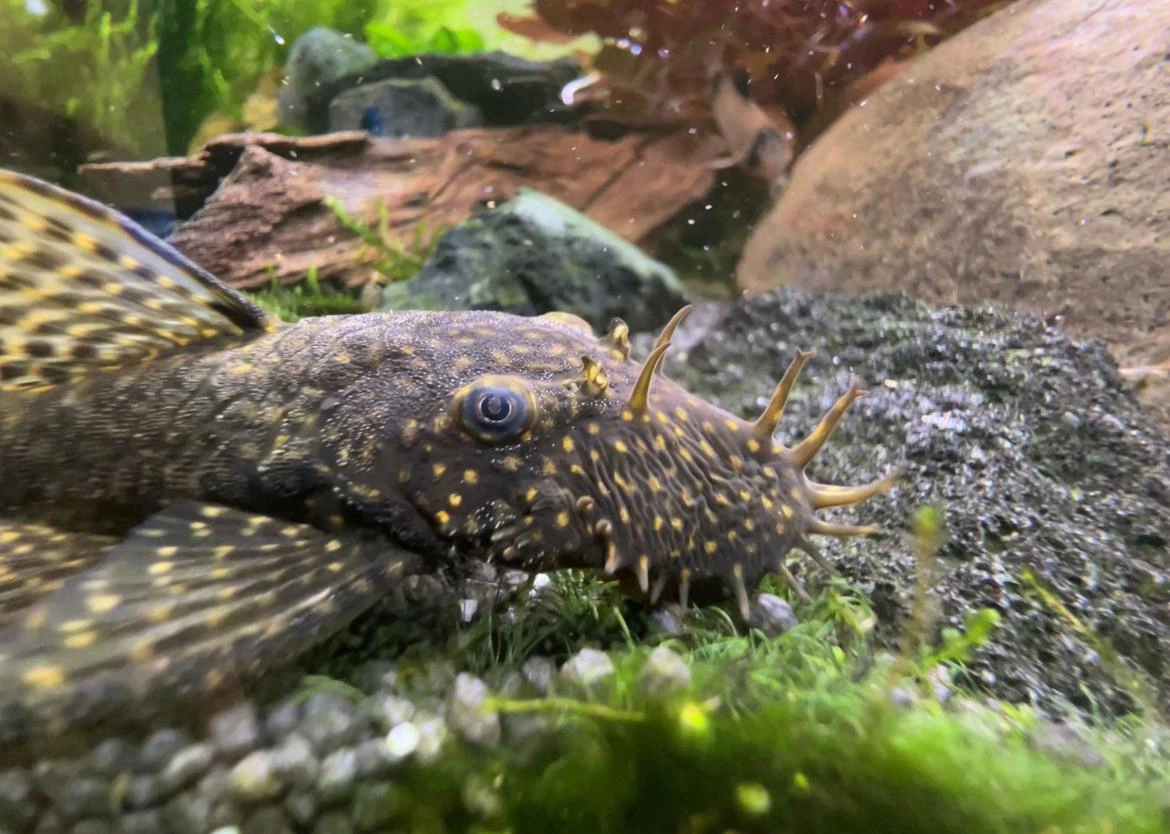
Bristlenose Pleco
Ancistrus sp.

German Blue Ram
Mikrogeophagus ramirezi
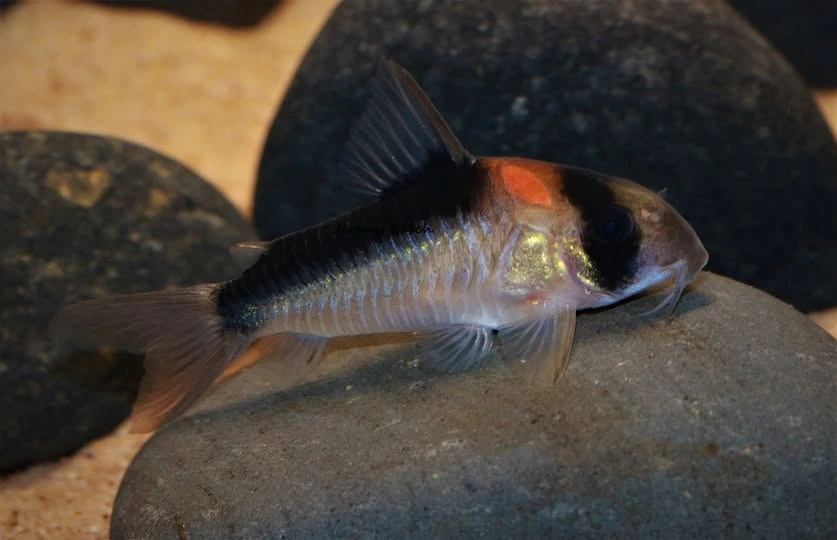
Adolfo's Corydoras
Corydoras adolfoi
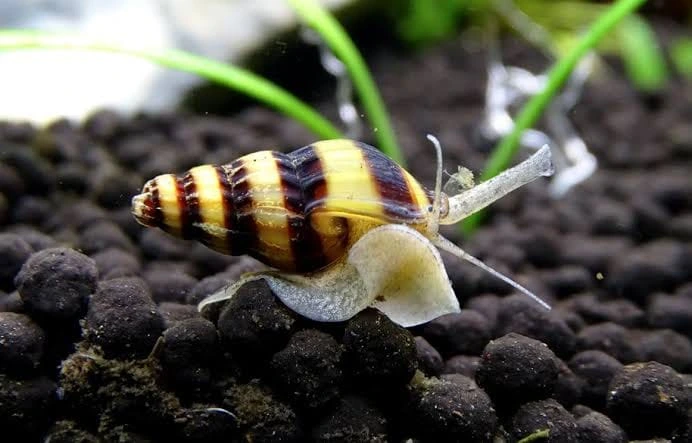
Assassin Snail
Clea helena
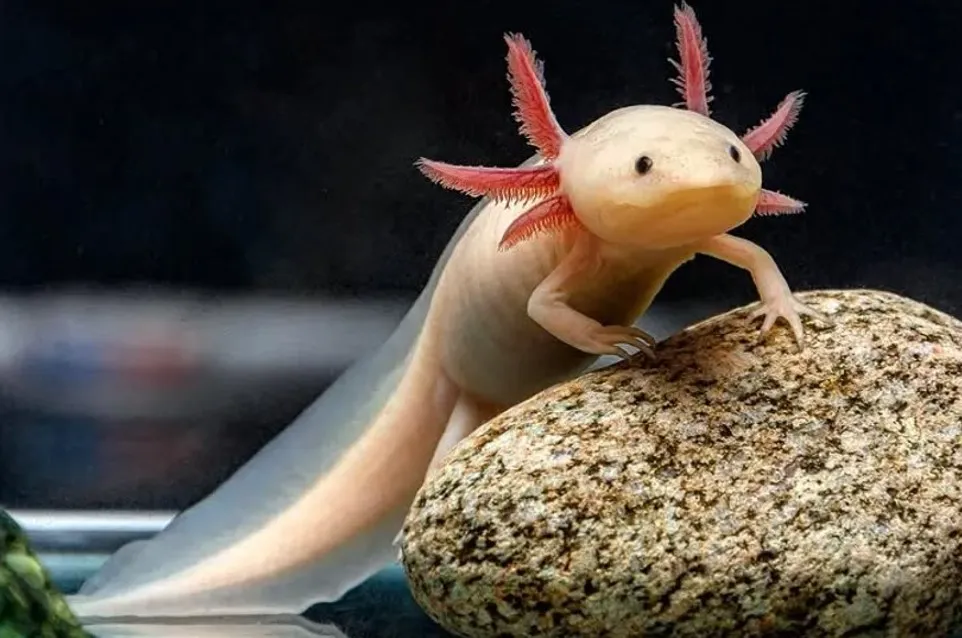
Axolotl
Ambystoma mexicanum
Bamboo Shrimp
Atyopsis moluccensis
Banjo Catfish
Bunocephalus coracoideus
Black Neon Tetra
Hyphessobrycon herbertaxelrodi
Ready to Add Bolivian Ram to Your Tank?
Use our free stocking calculator to check compatibility, bioload, and get personalized recommendations.