
Care Requirements
Adult Size
1.6" (4cm)
Min Tank
15 gal
Temperature
73-81°F
pH Range
5.5-7.5
Lifespan
5 years
Min Group
6+ fish
Diet
Omnivore
Swim Level
Middle
Bioload
1/10
Hardness
4-15 dGH
About Black Neon Tetra
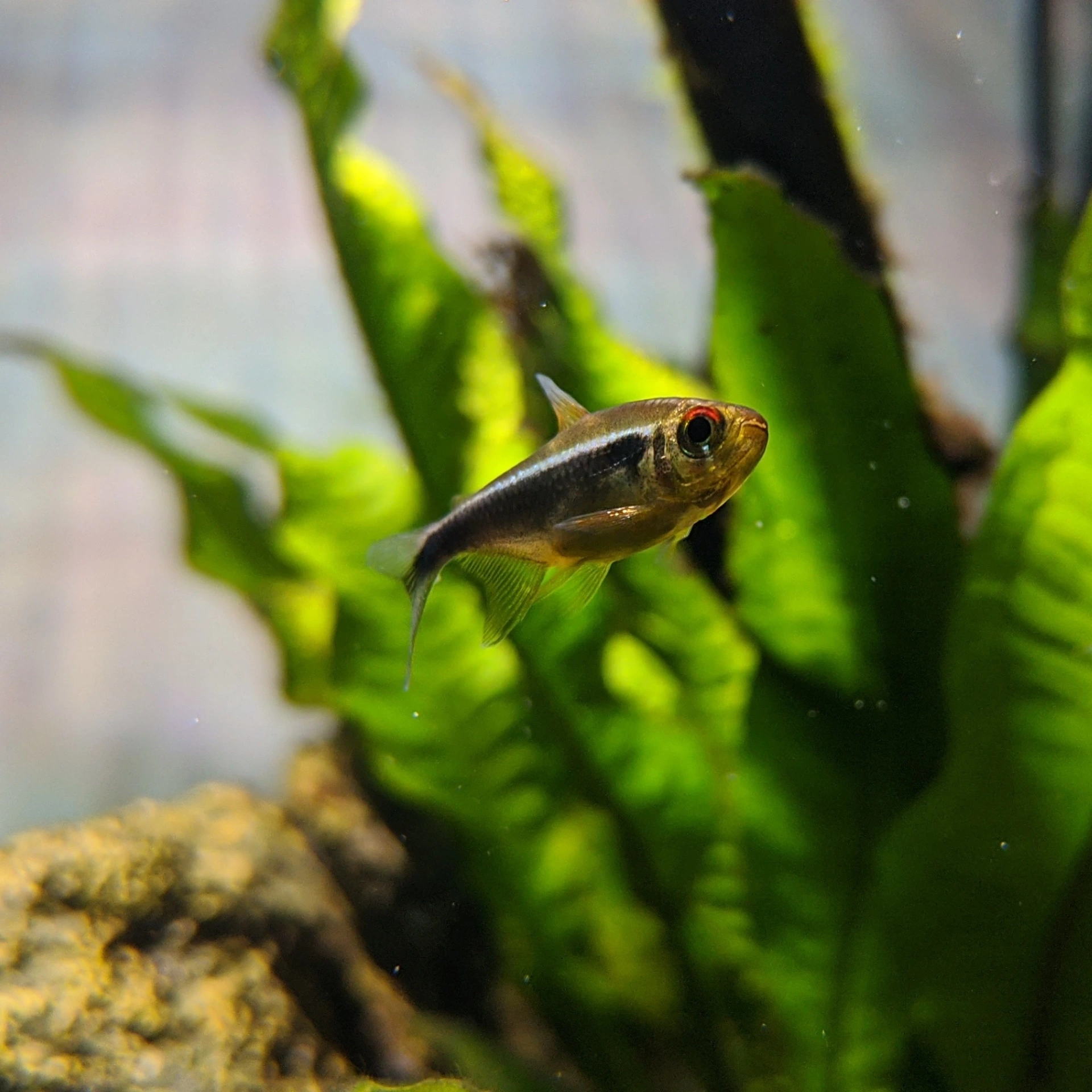
The Black Neon Tetra is one of the most underrated gems in the aquarium hobby. Despite sharing 'Neon' in its name, it's actually not closely related to the famous Neon Tetra—it belongs to a different genus and has a completely different color pattern. Where Neon Tetras flash iridescent blue and red, Black Neons feature an elegant horizontal stripe of black and white/greenish that creates a subtle but stunning display.
What makes Black Neon Tetras particularly valuable is their combination of beauty and hardiness. They're significantly more robust than regular Neon Tetras, tolerating a wider range of water conditions and living notably longer—5-8 years compared to 3-5 for Neons. This makes them an excellent choice for beginners who want the schooling tetra experience with less risk.
They're also among the most peaceful tetras available. Unlike some species that can be nippy (Serpae Tetras, Buenos Aires Tetras), Black Neons are remarkably calm and safe even with long-finned tankmates. A school of 10-15+ creates a mesmerizing visual effect, especially against a dark background that highlights their distinctive stripes.
Natural Habitat & Origin
Black Neon Tetras originate from South America, specifically the Paraguay River basin and Taquari River in Brazil's Mato Grosso region. They inhabit slow-moving blackwater streams and tributaries rich in dense vegetation, submerged roots, and decomposing leaf litter.
The water in their natural habitat is typically soft and acidic, stained tea-colored from tannins released by decaying organic matter. While they adapt well to various aquarium conditions, understanding their blackwater origins explains why they look their best with subdued lighting, dark substrates, and tannin-rich environments.
Native Region
South America (Paraguay River basin, Taquari River, Mato Grosso, Brazil)
Habitat Type
Slow-moving blackwater streams and tributaries with dense vegetation
Wild Water Conditions
Soft, acidic, tannin-stained water with leaf litter and submerged vegetation
Appearance & Varieties
Black Neon Tetras are small, torpedo-shaped fish reaching about 1.5 inches (4 cm). Their most distinctive feature is the horizontal stripe pattern running from behind the eye to the tail base. The upper portion of this stripe is iridescent white to greenish, while the lower portion is deep velvety black—creating a striking two-tone effect.
The body above the stripe is olive-brown, while the belly is silvery. Fins are mostly transparent. Males are slightly slimmer with more intense coloration, while females are rounder-bodied when carrying eggs. Their coloration looks best against dark backgrounds and with subdued lighting—bright backgrounds and intense light wash out their subtle beauty.
Popular Varieties
| Variety | Description | Rarity |
|---|---|---|
| Wild Type | Standard black and white/green stripe pattern, the only variety commonly available | Very Common |
Tank Setup & Requirements
Quick Requirements Summary
Tank Size
Minimum Tank Size
15 gallons
Recommended Tank Size
15 gallons
Black Neon Tetras require a minimum of 10 gallons for a small school, with 20+ gallons recommended for optimal schooling behavior and larger groups. Long tanks that provide horizontal swimming space are preferred over tall tanks.
Water Parameters
Temperature should be maintained between 73-82°F (23-28°C). They tolerate a wider pH range (5.5-7.5) and hardness (2-15 dGH) than many blackwater tetras, contributing to their reputation for hardiness. Stable parameters are more important than hitting exact numbers.
Substrate
Dark substrate dramatically enhances their coloration—black sand or dark gravel makes their white/green stripe pop brilliantly. Light substrates wash out their colors significantly.
Plants & Decorations
Heavily planted tanks mimic their natural habitat and increase security. Mix stem plants, floating plants, and broad-leaved species. Driftwood adds visual interest and releases beneficial tannins. Leave open swimming space in the center for schooling.
Filtration & Water Flow
Moderate flow suits them well. They prefer calmer water but tolerate standard community tank filtration. Avoid excessive current that forces them to fight water flow constantly.
Lighting
Subdued to moderate lighting brings out their best colors. Floating plants help diffuse bright light. Dark backgrounds are as important as lighting for color display.
Diet & Feeding Guide
Diet Type
omnivore
Feeding Frequency
1-2 times daily
Portion Size
What they consume in 2-3 minutes
Black Neon Tetras are omnivores that accept a wide variety of foods. In the wild, they feed on small insects, insect larvae, zooplankton, and plant matter. Their small mouths require appropriately sized foods.
Best Foods for Black Neon Tetra
- High-quality micro pellets — Should form the staple diet—appropriately sized for small mouths
- Crushed flakes — Standard tropical flakes broken to appropriate size
- Frozen bloodworms (chopped) — Excellent protein, should be cut for small mouths
- Frozen brine shrimp — Great variety, readily accepted
- Daphnia — Perfect size, natural food
- Live baby brine shrimp — Outstanding conditioning food, brings out best colors
Foods to Avoid
- Large pellets — Too big for their small mouths
- Poor quality foods with fillers — Leads to health issues and poor coloration
They're not picky eaters but benefit from dietary variety. Live and frozen foods bring out their best coloration. Feed small amounts that can be consumed quickly—uneaten food pollutes water.
Behavior & Temperament
Black Neon Tetras are among the most peaceful tetras available. Unlike some species that can be nippy (Serpae, Buenos Aires), Black Neons are remarkably calm and never bother tankmates—even long-finned fish like bettas and angelfish are safe. This peaceful nature makes them excellent community fish.
As schooling fish, they display their best behavior in groups of 6 or more, with 10-15+ being ideal. They school cohesively when new or stressed, then form looser aggregations when comfortable and secure. The horizontal stripes create a striking visual effect when a school moves together.
They're moderately active swimmers—not as frantic as some tetras but not lethargic either. Activity increases during dawn and dusk. Males may display to females with intensified coloration and fin spreading.
Tank Mates: Compatibility Guide
Compatible Tank Mates
Excellent with Neons, Cardinals, Embers, and similar species
Peaceful schoolers with similar requirements
Perfect bottom-dwelling companions
Cherry Barbs and other peaceful barbs
Most dwarf cichlids are compatible
Honey and other peaceful gouramis
One of the most shrimp-safe tetras
Completely compatible
Tank Mates to Avoid
Large Aggressive Fish
Will eat or stress the small tetras
Very Large Fish
May view Black Neons as food
Common Pairing Questions
Can Black Neon Tetras live with Neon Tetras?
Yes! They make excellent tankmates with similar requirements. Both species will school with their own kind and occasionally intermix. The contrasting colors—blue/red Neons and black/white Black Neons—look great together.
Are Black Neon Tetras safe with bettas?
Yes—they're one of the most betta-safe tetras. Unlike some species that nip fins, Black Neons are remarkably calm. Ensure the tank is large enough (10+ gallons) and has hiding spots for both species.
Are Black Neon Tetras fin nippers?
No—they're one of the most peaceful tetras available. Unlike Serpae or Buenos Aires Tetras, Black Neons never nip fins and are safe with long-finned fish like bettas and angelfish.
Breeding Black Neon Tetras is moderately challenging but easier than regular Neon Tetras. They're egg scatterers that provide no parental care and will eat their own eggs if given the opportunity.
Successful breeding requires a separate tank with very soft, acidic water (pH 5.5-6.5, 1-5 dGH), dim lighting, and fine-leaved plants or spawning mops for egg deposition. Temperature around 79-81°F (26-27°C) helps trigger spawning. Condition pairs with live foods.
Males display to females with intensified colors and fin spreading. Spawning typically occurs in morning hours, with 60-130 eggs scattered among plants. Remove adults immediately after spawning. Eggs and fry are light-sensitive—keep the tank dark. Eggs hatch in 24-36 hours, and fry require infusoria initially, graduating to baby brine shrimp.
Health Issues & Disease Prevention
Black Neon Tetras are notably hardier than regular Neon Tetras, with better resistance to disease and longer lifespans. However, they're still susceptible to common aquarium ailments if water quality deteriorates.
Common Diseases
| Disease | Symptoms | Treatment |
|---|---|---|
| Ich (White Spot Disease) | White spots on body and fins, flashing against objects, clamped fins | Raise temperature gradually to 86°F, add salt, use commercial ich medication |
| Neon Tetra Disease | Loss of color, cysts under skin, curved spine, difficulty swimming—usually fatal | No cure—remove infected fish immediately, quarantine all new fish |
| Fin Rot | Frayed or deteriorating fins, redness at base of fins | Improve water quality, antibacterial treatment if severe |
Signs of a Healthy Black Neon Tetra
- Vibrant stripe contrast
- Active schooling behavior
- Good appetite
- Full body condition
- Clear eyes
- Intact fins
Prevention Tips
- Quarantine new fish for 2-3 weeks
- Maintain stable water parameters
- Keep in schools of 6+
- Provide varied diet
- Avoid overstocking
- Regular water changes
Frequently Asked Questions
Despite the name, they're not closely related. Black Neons have a horizontal black and white/greenish stripe pattern rather than the blue/red of Neons. Black Neons are hardier, longer-lived (5-8 years vs 3-5), and more tolerant of water conditions.
Excellent beginner fish. They're hardier than regular Neon Tetras, peaceful, not picky eaters, and tolerate a range of water conditions. Just maintain a school of 6+ and keep water quality stable.
Minimum 6, but 10-15+ is ideal. Larger schools display more natural behavior, school more cohesively, and individual fish are less stressed. They're small so a group doesn't require a huge tank.
Yes! They make excellent tankmates with similar requirements. Both species will school with their own kind and occasionally intermix. The contrasting colors look great together.
Usually stress from poor water quality, too few in school, aggressive tankmates, bright lighting, or illness. Check water parameters, ensure school size is 6+, provide hiding spots, and use darker substrate/background to enhance colors.
No—they're one of the most peaceful tetras. Unlike some species (Serpae, Buenos Aires), Black Neons are very calm and don't nip fins. They're safe with long-finned fish like bettas and angelfish.
Tips for Keeping Black Neon Tetra
Pro Tips
- ✓Dark substrate and background make their stripe dramatically more visible
- ✓Hardier and longer-lived than regular Neon Tetras—better choice for beginners
- ✓One of the few tetras truly safe with long-finned fish like bettas
- ✓Indian almond leaves create natural tannins they love and enhance coloration
- ✓Groups of 15+ create a stunning visual effect when schooling
- ✓Mix with Cardinal Tetras for contrasting red/blue and black/white schools
- ✓More tolerant of harder water than many blackwater tetras
- ✓Excellent 'dither fish'—their calm presence helps shy fish feel secure
Common Mistakes to Avoid
- ✗Keeping fewer than 6—leads to stress and poor coloration
- ✗Light substrate and background—washes out their colors
- ✗Confusing with Neon Tetras—different species with different appearance
- ✗Bright lighting without plant cover—they prefer subdued conditions
- ✗Adding to uncycled tanks—though hardy, they still need established tanks
- ✗Overlooking them for flashier fish—their subtle beauty is underrated
- ✗Not quarantining new fish—can introduce Neon Tetra Disease
- ✗Too small a school—they look underwhelming in groups under 8-10
Sources
- FishBase — Accepted scientific name, maximum size and native range for Black Neon Tetra.
Related Species You Might Like
View All Fish →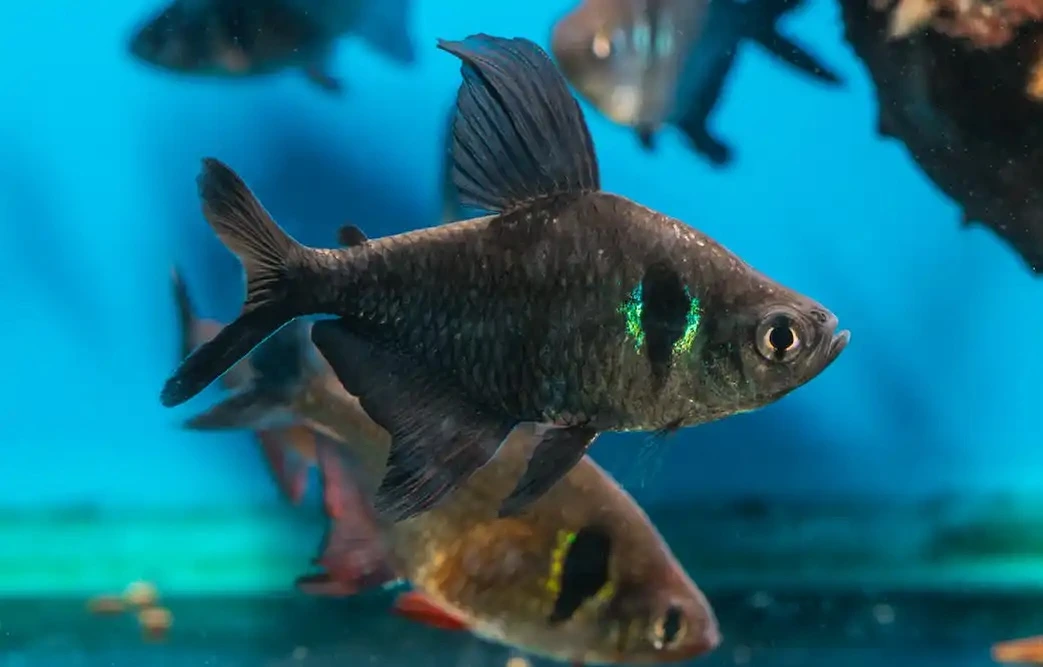
Black Phantom Tetra
Hyphessobrycon megalopterus
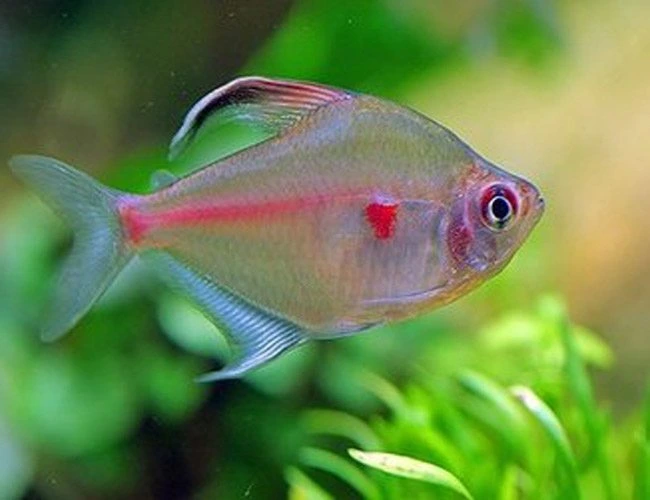
Bleeding Heart Tetra
Hyphessobrycon erythrostigma

Colombian Tetra
Hyphessobrycon columbianus
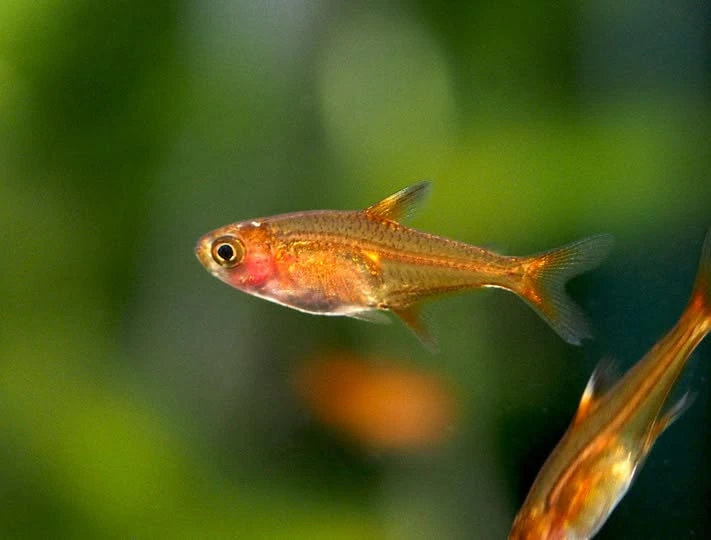
Ember Tetra
Hyphessobrycon amandae
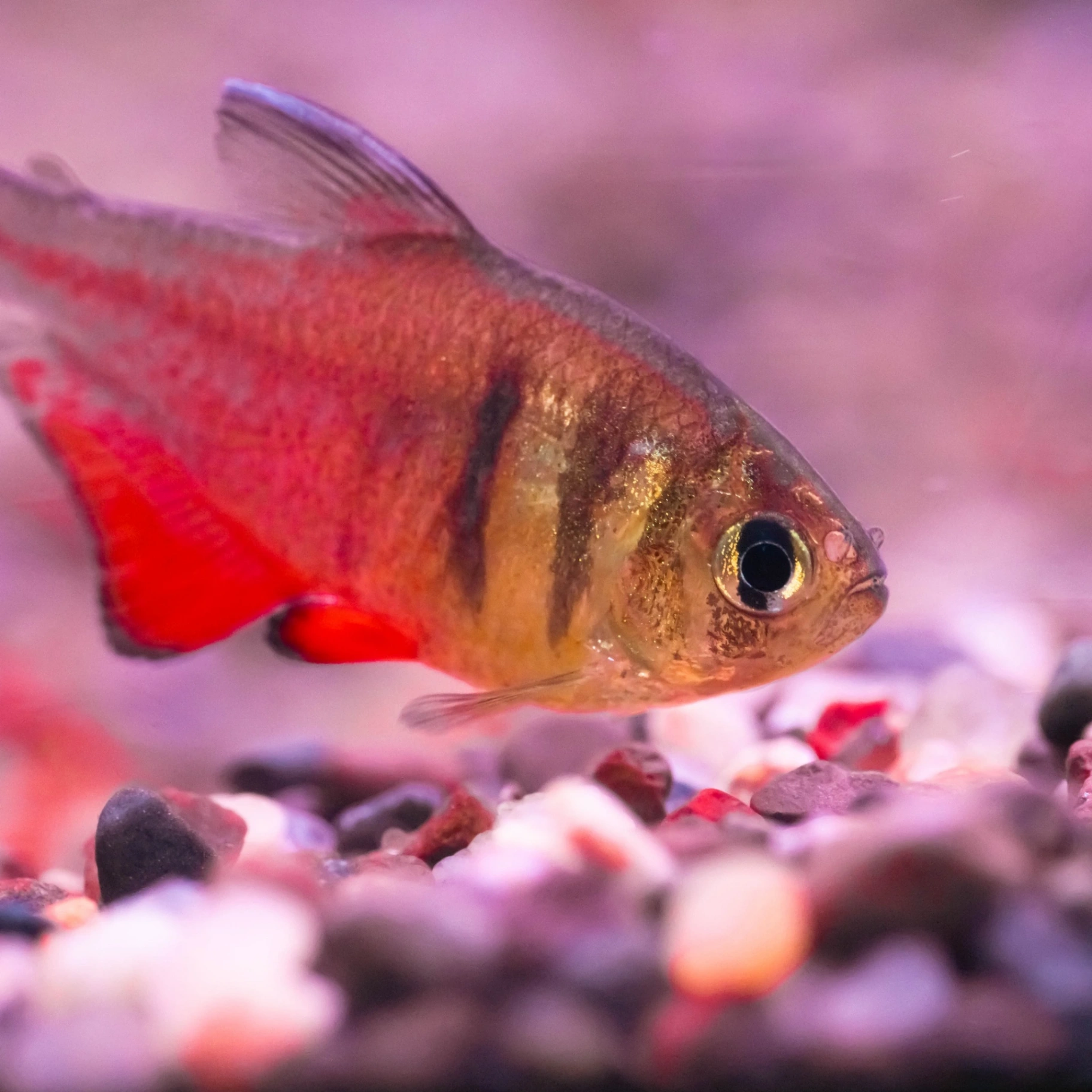
Flame Tetra
Hyphessobrycon flammeus
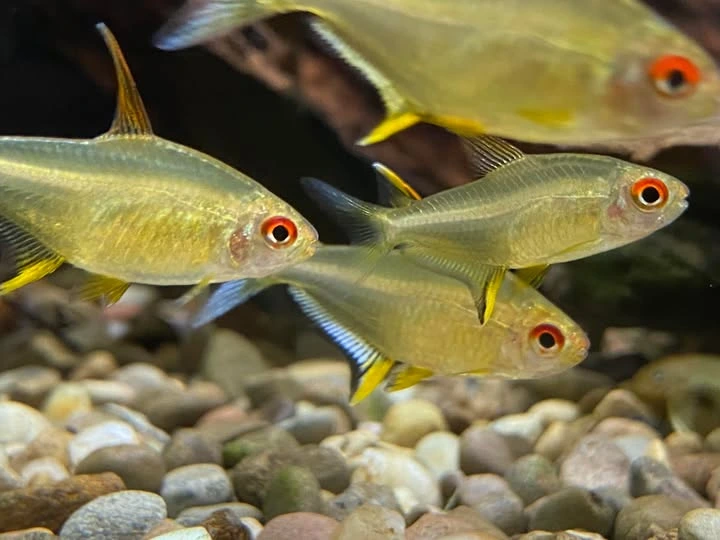
Lemon Tetra
Hyphessobrycon pulchripinnis
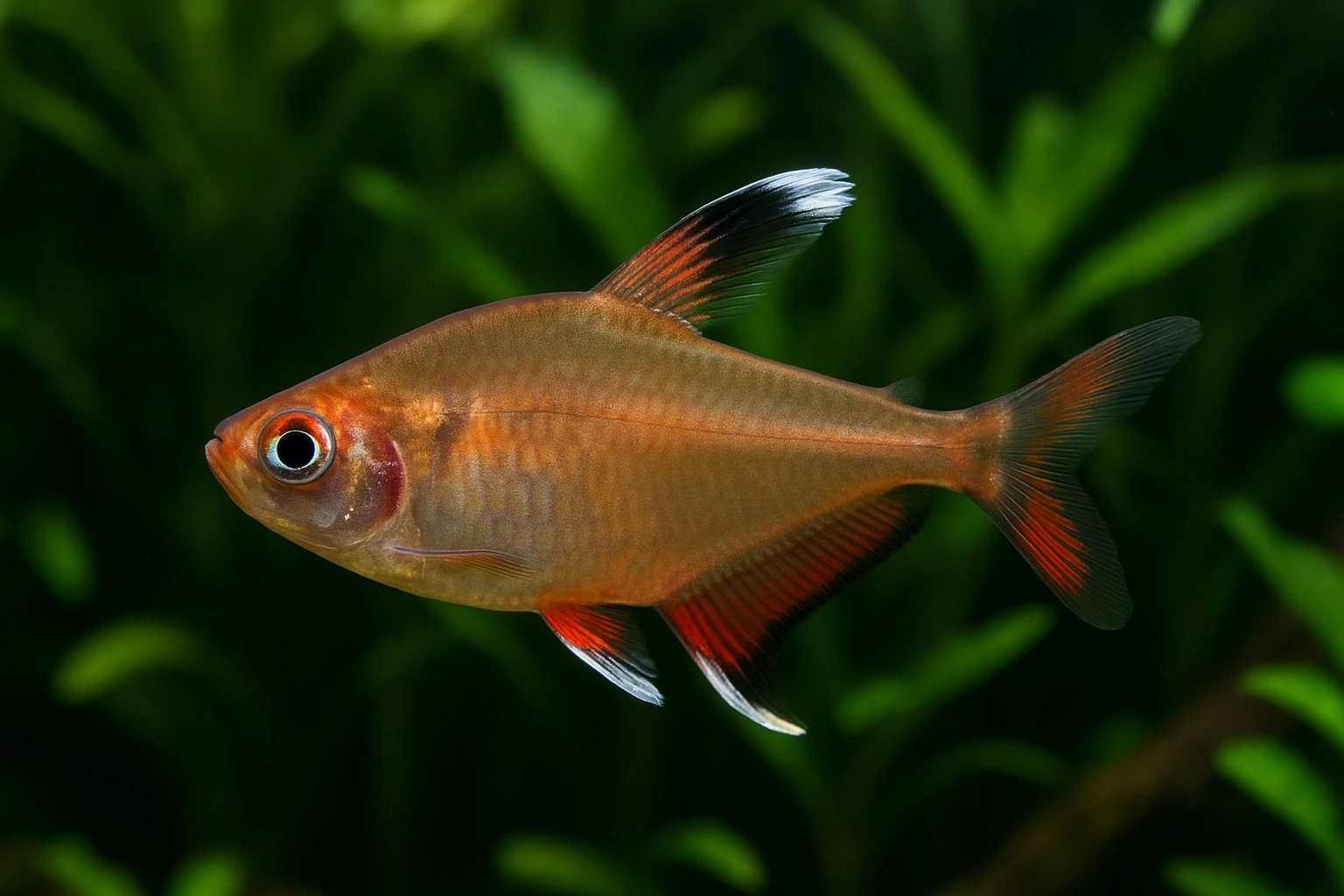
Rosy Tetra
Hyphessobrycon rosaceus

Buenos Aires Tetra
Hyphessobrycon anisitsi
Ready to Add Black Neon Tetra to Your Tank?
Use our free stocking calculator to check compatibility, bioload, and get personalized recommendations.