
Care Requirements
Adult Size
1.6" (4cm)
Min Tank
20 gal
Temperature
73-82°F
pH Range
5.5-7.5
Lifespan
6-8 years
Min Group
6+ fish
Diet
Omnivore
Swim Level
Middle
Bioload
1/10
Hardness
3-15 dGH
About Lemon Tetra
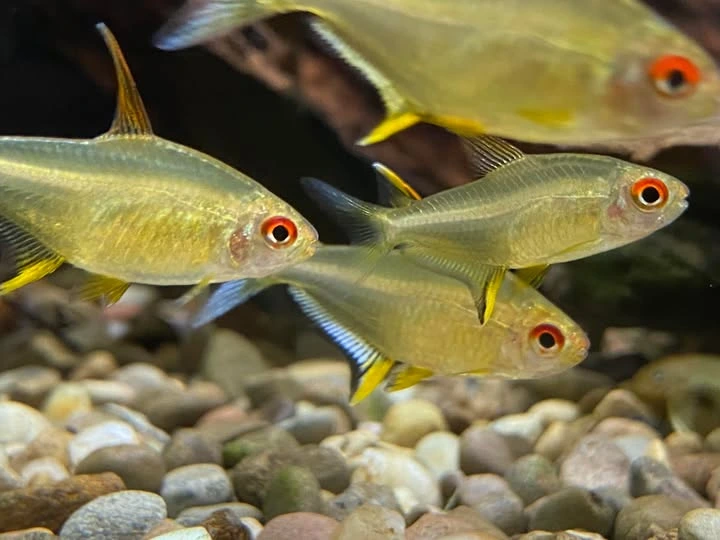
The Lemon Tetra is one of the hobby's most underrated gems. While often overlooked in favor of flashier species, properly displayed Lemon Tetras are stunning fish with a translucent yellow body that seems to glow from within. Their subtle beauty becomes remarkable when kept in appropriate conditions—dark substrate, subdued lighting, and planted tanks transform these fish from unremarkable to extraordinary.
What sets Lemon Tetras apart is their exceptional longevity and hardiness. While many small tetras live 3-5 years, Lemon Tetras regularly reach 6-8 years with proper care. They're also notably peaceful, lacking the fin-nipping tendencies of some tetra species, making them ideal community fish.
Perhaps their most endearing feature is their bright red eyes, which serve as an excellent health indicator. When Lemon Tetras are happy and healthy, their eyes glow a vivid red. Stressed or unwell fish display dull, faded eyes. This built-in 'mood ring' makes monitoring their wellbeing straightforward.
Natural Habitat & Origin
Lemon Tetras originate from the Tapajós River basin in Brazil, a tributary of the Amazon known for its crystal-clear waters. Unlike many Amazon tributaries with dark, tannin-stained blackwater, the Tapajós features clearer water, though still soft and acidic.
Their natural habitat consists of slow-moving tributaries and streams with dense vegetation, submerged wood, and leaf litter covering sandy substrates. The forest canopy filters sunlight, creating the subdued lighting conditions these fish evolved in. Understanding this habitat explains why Lemon Tetras look washed out in brightly lit, bare tanks but stunning in planted aquariums with dark substrates.
Native Region
Tapajós River basin, Brazil
Habitat Type
Slow-moving tributaries and streams with dense vegetation
Wild Water Conditions
Soft, slightly acidic water (pH 5.5-7.0), warm temperatures (73-82°F)
Appearance & Varieties
Lemon Tetras have a deep, compressed body reaching about 2 inches (5 cm) at maturity. Their coloration is a translucent lemon-yellow that intensifies dramatically with proper care and display conditions. The leading edge of the anal fin features a bold black stripe followed by bright yellow, creating an attractive contrast.
Most distinctive are their eyes, which appear brilliant red in healthy, content specimens. This red coloration is so reliable as a health indicator that experienced keepers check eye color first when assessing Lemon Tetras. Males are slimmer with more intense coloration and a more pronounced black anal fin edge, while females are rounder, especially when full of eggs.
Tank Setup & Requirements
Quick Requirements Summary
Tank Size
Minimum Tank Size
20 gallons
Recommended Tank Size
20 gallons
The key to displaying Lemon Tetras properly is understanding that their environment dramatically affects their appearance. In bright tanks with light substrates, they appear washed out and unremarkable. In properly set up tanks, they're stunning.
Water Parameters
Temperature between 73-82°F (23-28°C), with 75-78°F being ideal. pH can range from 5.5 to 7.5, though slightly acidic is preferred. They adapt to various hardness levels (3-15 dGH) but prefer softer water. Stability matters more than hitting exact numbers.
Substrate
Dark substrate is essential—this is the single most important factor for displaying their color. Black sand or dark gravel makes their yellow coloration pop dramatically. Light-colored substrates wash out their appearance entirely.
Plants & Decorations
Heavily planted tanks mimic their natural habitat and enhance their sense of security. Include a mix of stem plants, broad-leaved species like Amazon swords, and floating plants to diffuse lighting. Driftwood provides beneficial tannins and natural aesthetics. Dark backgrounds complete the setup.
Filtration & Water Flow
Moderate flow preferred—they come from slow-moving waters and don't appreciate strong currents. Standard community filtration works well. Sponge filters or baffled outputs are ideal.
Lighting
Subdued to moderate lighting is crucial. Harsh, bright lighting washes out their color and stresses them. Floating plants help diffuse light naturally. Their yellow actually appears more vibrant under lower light conditions.
Diet & Feeding Guide
Diet Type
omnivore
Feeding Frequency
1-2x daily
Portion Size
What they consume in 2-3 minutes
Lemon Tetras are unfussy omnivores that accept most aquarium foods. They have small mouths, so appropriately sized foods are important. A varied diet brings out their best coloration.
Best Foods for Lemon Tetra
- High-quality micro flakes — Should form staple diet—look for color-enhancing formulas
- Micro pellets/nano pellets — Good staple alternative to flakes
- Frozen bloodworms — Excellent protein source, feed 2-3 times weekly
- Frozen brine shrimp — Great variety, enhances coloration
- Frozen daphnia — Natural food, promotes health
- Live baby brine shrimp — Ideal for conditioning and color enhancement
Foods to Avoid
- Large pellets — Too big for their small mouths
- Low-quality foods — Don't bring out their best coloration
Color-enhancing foods with carotenoids and astaxanthin significantly intensify their yellow coloration. Varied diet keeps them healthy and vibrant. They're not picky eaters and readily accept most foods.
Behavior & Temperament
Lemon Tetras are among the calmest, most peaceful tetra species available. They school loosely when comfortable and more tightly when stressed—a useful behavioral indicator. Unlike some tetras, they're not fin nippers and can be kept safely with long-finned fish.
They're steady mid-tank swimmers, not hyperactive but consistently present and active. In larger groups of 10+, they display more natural schooling behavior and bolder coloration. Males occasionally display to females by spreading their fins to show off the contrasting black and yellow anal fin edge.
Tank Mates: Compatibility Guide
Compatible Tank Mates
Excellent companions with similar requirements—beautiful color contrast
Similar care needs, stunning together
Peaceful bottom dwellers, perfect companions
Similar temperament and requirements
Peaceful, complementary colors
Safe with adult shrimp
Good companions in larger tanks
Peaceful community companions
Tank Mates to Avoid
Large aggressive cichlids
Will stress or eat Lemon Tetras
Fin nippers
Though Lemons won't nip, aggressive fish stress them
Very boisterous species
May outcompete for food
Common Pairing Questions
Can Lemon Tetras live with Neon Tetras?
Yes! They make excellent tankmates with similar requirements. The yellow of Lemons and blue/red of Neons create beautiful contrast. Both species are peaceful and won't bother each other.
Are Lemon Tetras good for beginners?
Excellent choice. They're hardy, peaceful, long-lived (6-8 years), and tolerate a range of conditions. They're less demanding than Neon Tetras while being just as attractive once properly displayed.
Lemon Tetras can be bred in home aquariums with proper preparation. They're egg scatterers that show no parental care and will eat their own eggs if given the opportunity.
Set up a separate breeding tank with soft, acidic water (pH 6.0-6.5, 2-8 dGH), fine-leaved plants or spawning mops, and dim lighting. Temperature around 77-80°F (25-27°C). A bare bottom or marbles help protect scattered eggs.
Condition a pair with live foods for 1-2 weeks. Male displays with spread fins to the female. Spawning typically occurs in early morning among plants. Remove adults immediately after spawning. Eggs hatch in 24-36 hours, and fry become free-swimming in about 4 days.
Health Issues & Disease Prevention
Lemon Tetras are hardy fish that rarely have health issues when kept in proper conditions. Their red eyes serve as an excellent health indicator—bright red means healthy, dull or pale indicates problems.
Common Diseases
| Disease | Symptoms | Treatment |
|---|---|---|
| Ich (White Spot Disease) | White spots on body and fins, flashing against objects, clamped fins | Raise temperature to 82-86°F, treat with ich medication, add aquarium salt |
| Neon Tetra Disease | Loss of color, white cysts under skin, curved spine, erratic swimming | No cure—remove affected fish immediately to prevent spread |
| Fin Rot | Frayed or deteriorating fins, redness at base | Improve water quality, antibacterial medication if severe |
Signs of a Healthy Lemon Tetra
- Bright yellow coloration
- Vivid red eyes
- Active schooling
- Good appetite
- Intact fins
- Alert behavior
Prevention Tips
- Maintain stable water parameters
- Quarantine new fish for 2-3 weeks
- Provide varied diet
- Keep in proper school size (6+)
- Use dark substrate for reduced stress
Frequently Asked Questions
Usually environment-related. Light substrate, bright lighting, and lack of cover wash out their color. Switch to dark substrate, add floating plants, use a dark background, and they'll color up dramatically. Stress and poor diet also cause fading.
The bright red eye is a sign of health and contentment. Dull or pale eyes indicate stress, poor water quality, inadequate diet, or illness. Improve conditions and the red will return as they settle in.
Minimum 6, ideally 10-12 or more. Larger schools show better coloration, more natural behavior, and less stress. They're small enough that a proper school doesn't require a huge tank.
No—they're one of the most peaceful tetras and don't nip fins. They're safe with long-finned fish like bettas, angelfish, and fancy guppies. Much calmer than species like Serpae or Buenos Aires Tetras.
Excellent choice. They're hardy, peaceful, long-lived (6-8 years), and tolerate a range of conditions. They're less demanding than Neon Tetras while being just as attractive once properly displayed.
Yes! They make excellent tankmates with similar requirements. The yellow of Lemons and blue/red of Neons create beautiful contrast. Both species are peaceful and won't bother each other.
Tips for Keeping Lemon Tetra
Pro Tips
- ✓Dark substrate is the single most important factor for displaying their color
- ✓The red eye is your health indicator—bright red means happy fish
- ✓Underrated species—often overlooked for flashier fish but stunning when properly kept
- ✓One of the longest-lived small tetras—6-8 years with proper care
- ✓Indian almond leaves enhance their natural coloration and provide tannins they love
- ✓Excellent 'dither fish' that help shy species feel comfortable
- ✓Color-enhancing foods with astaxanthin boost their yellow dramatically
- ✓Groups of 12+ create a shimmering golden cloud effect
Common Mistakes to Avoid
- ✗Light substrate and bright lighting—completely washes out their color
- ✗Keeping fewer than 6—leads to stress and pale coloration
- ✗Judging them by pet store appearance—they look washed out in bare tanks
- ✗Not providing plant cover—they need security to show best colors
- ✗Overlooking them for 'more colorful' fish—they're stunning in proper setup
- ✗Ignoring eye color as health indicator—dull eyes mean something's wrong
- ✗Buying single specimens or pairs—they need schools
- ✗Bright white backgrounds—destroys their subtle coloration
Sources
- FishBase — Accepted scientific name, maximum size and native range for Lemon Tetra.
Related Species You Might Like
View All Fish →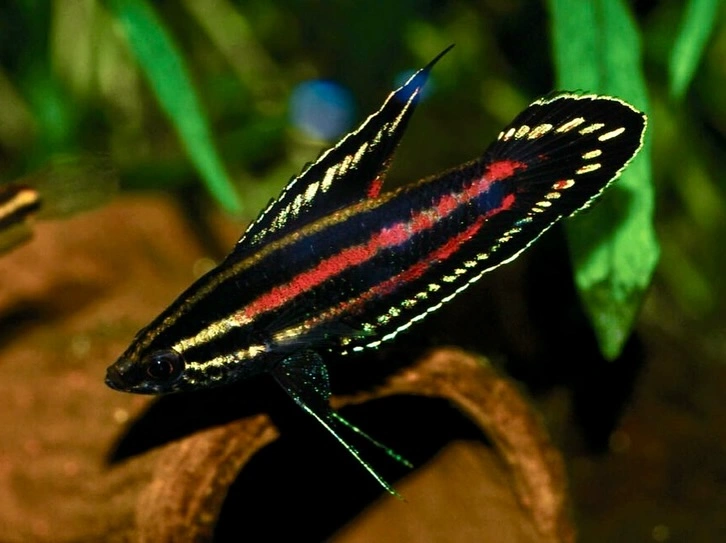
Licorice Gourami
Parosphromenus deissneri
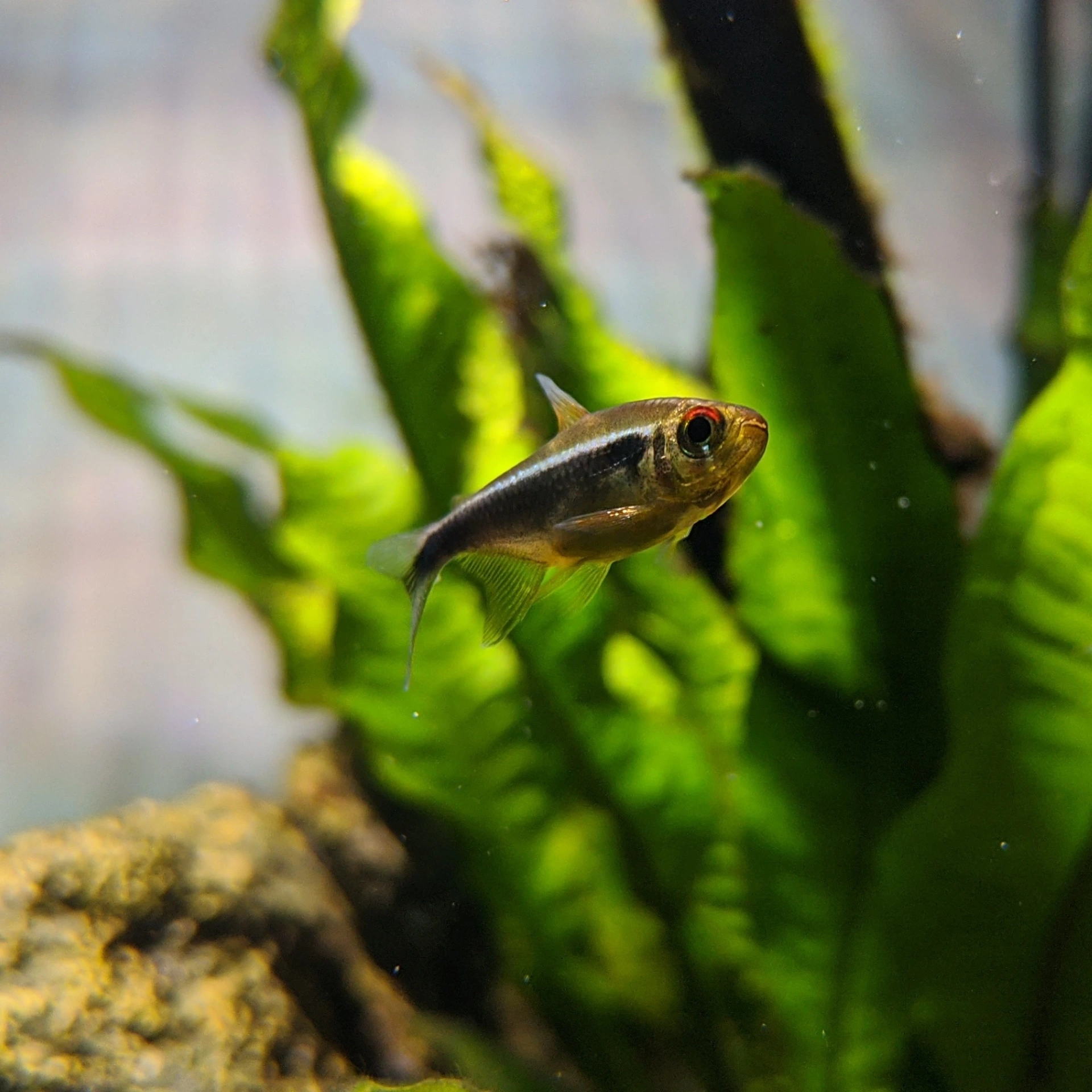
Black Neon Tetra
Hyphessobrycon herbertaxelrodi
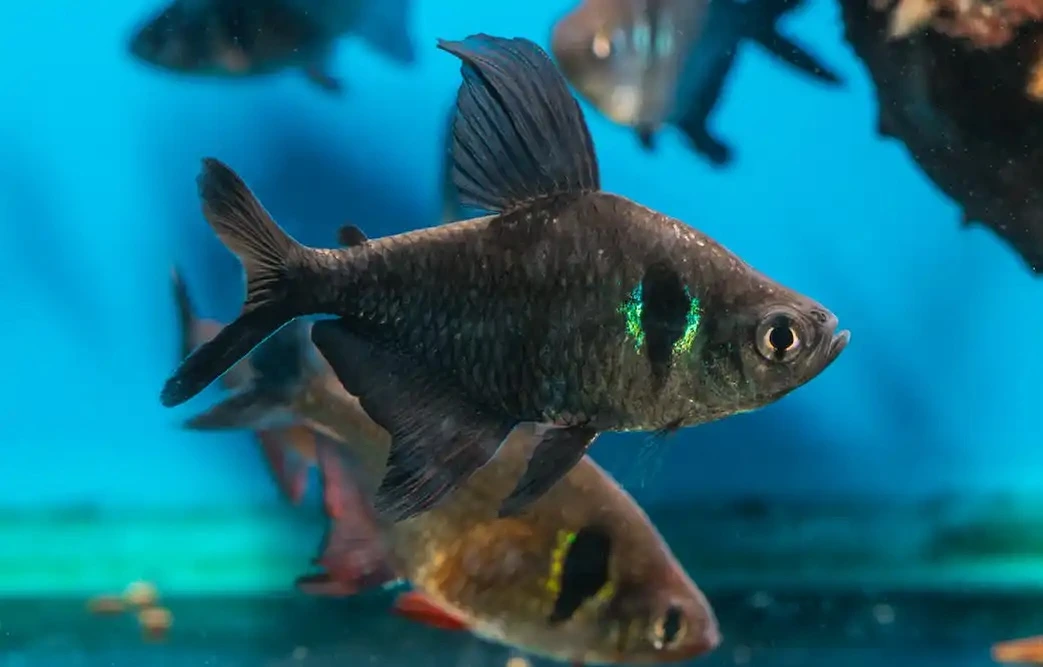
Black Phantom Tetra
Hyphessobrycon megalopterus
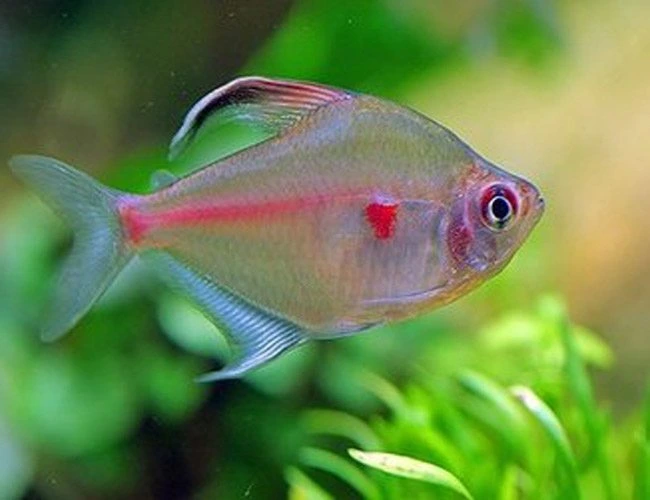
Bleeding Heart Tetra
Hyphessobrycon erythrostigma

Colombian Tetra
Hyphessobrycon columbianus
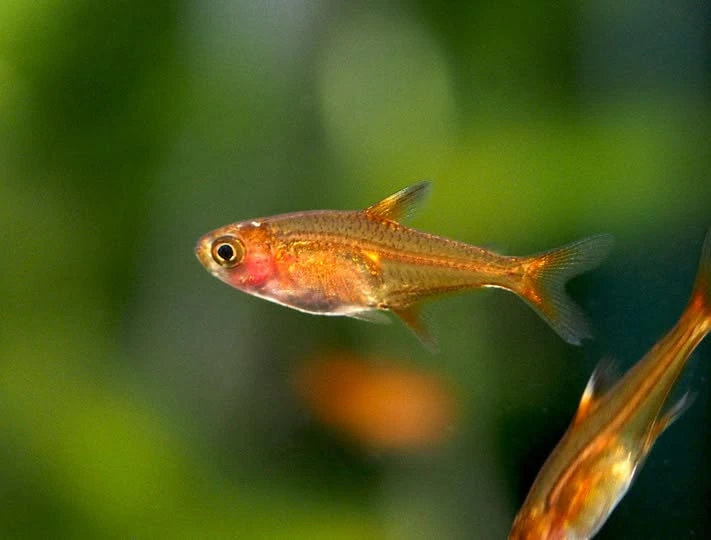
Ember Tetra
Hyphessobrycon amandae
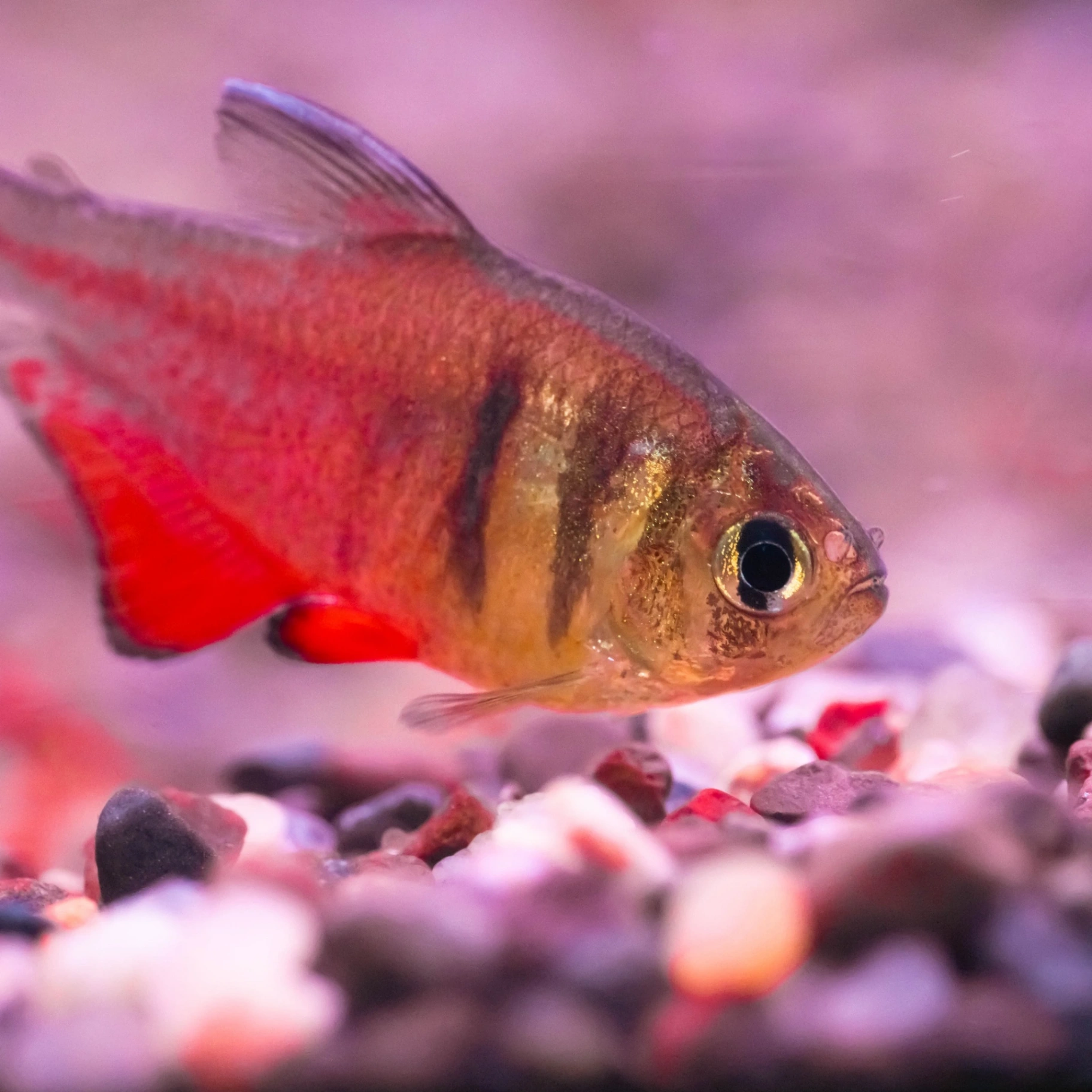
Flame Tetra
Hyphessobrycon flammeus
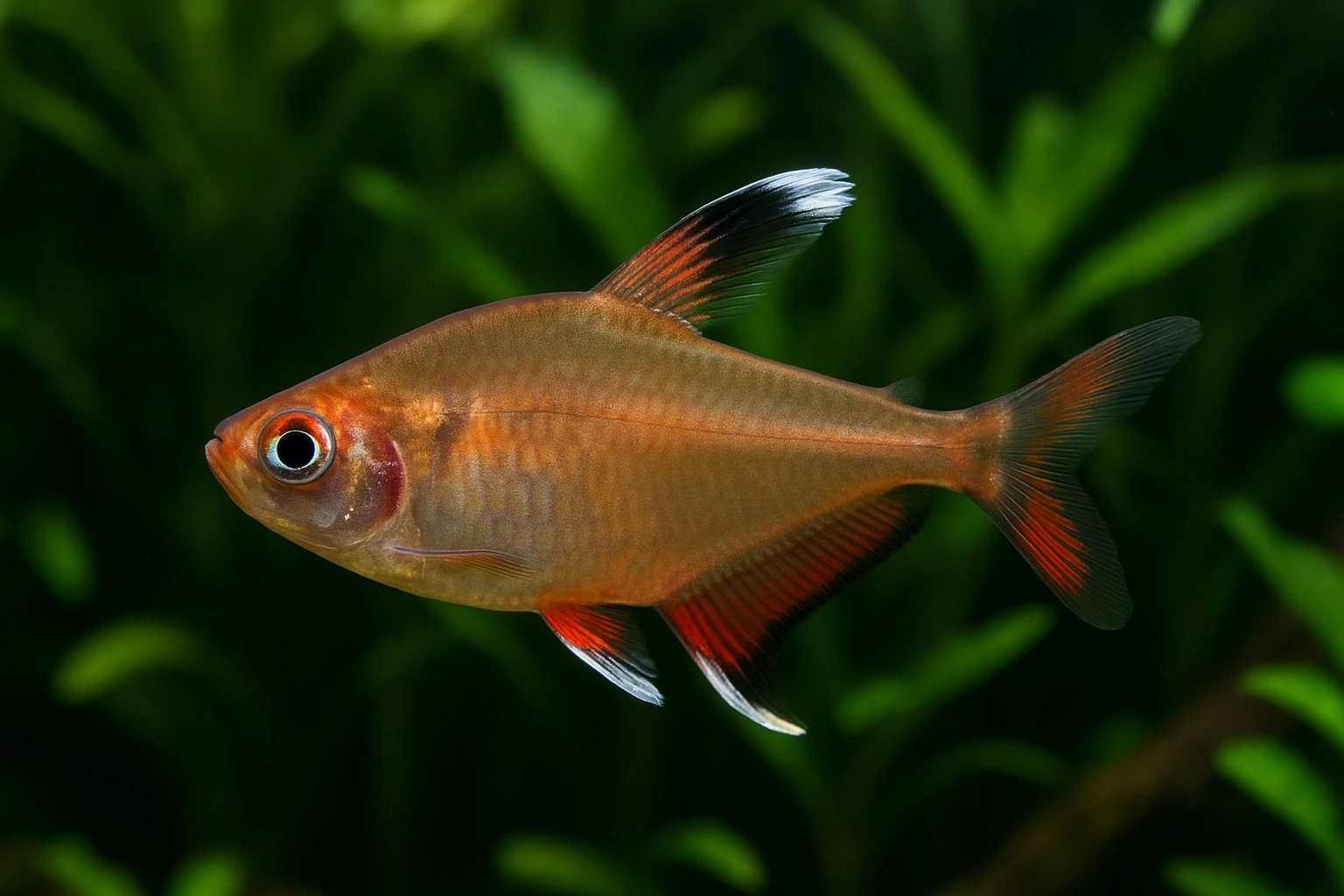
Rosy Tetra
Hyphessobrycon rosaceus
Ready to Add Lemon Tetra to Your Tank?
Use our free stocking calculator to check compatibility, bioload, and get personalized recommendations.