

Care Requirements
Adult Size
2.8" (7cm)
Min Tank
20 gal
Temperature
79-86°F
pH Range
5.5-7
Lifespan
2-4 years
Min Group
Can be kept alone
Diet
Omnivore
Swim Level
Bottom
Bioload
3/10
Hardness
1-8 dGH
About German Blue Ram
The German Blue Ram is one of the most beautiful dwarf cichlids available—a stunning fish with electric blue coloration, black markings, and iridescent highlights. They're small, peaceful, and display fascinating breeding behavior that makes them favorites among serious aquarists.
However, German Blue Rams come with a significant caveat: they're demanding fish that require specific conditions to thrive. They need warm water (79-86°F), pristine water quality, and often arrive weakened from commercial breeding practices. Many aquarists have lost rams shortly after purchase, leading to their reputation as fragile fish.
The truth is that rams aren't inherently fragile—wild-type rams are actually quite robust. The problem is commercial breeding in hormone-enhanced warm water, followed by cold shipping and display in unsuitable conditions. Buy from reputable sources, provide proper conditions, and rams can be rewarding fish that breed readily and display exceptional parental care.
Natural Habitat & Origin
German Blue Rams originate from the Orinoco River basin in Venezuela and Colombia. They inhabit warm, slow-moving streams and pools with sandy substrates, abundant vegetation, and soft, acidic water heavily stained by tannins from decomposing plant matter.
These habitats are consistently warm—rarely dropping below 79°F even in cooler seasons. The water is extremely soft and acidic, often with pH below 6.0. Understanding these origins explains why rams struggle in hard, alkaline water and cooler temperatures—they simply didn't evolve for such conditions.
Native Region
South America (Orinoco River basin in Venezuela and Colombia)
Habitat Type
Warm, slow-moving streams and pools with sandy substrate and dense vegetation
Wild Water Conditions
Very warm (79-86°F), very soft (1-10 dGH), acidic (pH 5.0-7.0), tannin-stained water
Appearance & Varieties
German Blue Rams are strikingly beautiful fish, featuring an iridescent body that shifts between blue, yellow, and orange depending on lighting and mood. Black markings include a prominent vertical bar through the eye and spots on the body and fins. The dorsal fin often features extended rays, and the overall effect is of a living jewel.
Adults reach about 2.75 inches (7 cm). Males are larger with more extended dorsal fin rays and generally more intense coloration. Females are slightly smaller, rounder, and display a distinctive pink-orange patch on the belly that intensifies during breeding condition. Several color morphs exist, though all have similar care requirements.
Popular Varieties
| Variety | Description | Rarity |
|---|---|---|
| German Blue (standard) | Blue body with black markings, yellow/orange highlights; the original variety | Common |
| Electric Blue | Intensified blue coloration throughout body; stunning but often more fragile | Common |
| Gold/Golden | Yellow-gold body with reduced blue and black markings | Common |
| Balloon | Shortened, rounded body; same coloration as standard | Uncommon |
| Long-fin | Extended finnage with flowing rays | Uncommon |
Tank Setup & Requirements
Quick Requirements Summary
Tank Size
Minimum Tank Size
20 gallons
Recommended Tank Size
30 gallons
German Blue Rams need warm, well-established tanks with excellent water quality. They're bottom-oriented fish that spend most time in the lower third of the tank, sifting through substrate and exploring decorations. Floor space is more important than tank height.
Water Parameters
Temperature 79-86°F (26-30°C)—this is non-negotiable. Rams are tropical fish that need tropical warmth; below 78°F their immune systems weaken. Soft, acidic water (pH 5.0-7.0, hardness 1-10 dGH) is preferred. Pristine water quality is essential—they're extremely sensitive to ammonia and nitrite, and nitrates should stay below 20 ppm.
Substrate
Fine sand is essential—rams are substrate sifters that constantly pick through sand looking for food particles. They can't perform this natural behavior on gravel. Play sand or pool filter sand works well.
Plants & Decorations
Heavily planted tanks with open sandy areas for foraging. Rams appreciate shade from floating plants and need territories defined by driftwood, rocks, and plant groupings. Provide flat stones or broad leaves as potential spawning sites. Amazon swords, cryptocorynes, and java fern are good choices.
Filtration & Water Flow
Excellent filtration essential—but gentle flow. Rams come from slow-moving water and don't appreciate strong currents. Use spray bars to diffuse output. Good biological filtration is critical given their sensitivity to water quality.
Lighting
Moderate to subdued lighting preferred. Bright lights stress rams and cause them to hide. Floating plants help diffuse lighting and provide the shaded areas they appreciate.
Diet & Feeding Guide
Diet Type
omnivore
Feeding Frequency
2-3x daily (small feedings)
Portion Size
Small amounts they consume in 1-2 minutes
German Blue Rams are omnivores that benefit significantly from high-quality, varied diets. In the wild, they sift through substrate eating small invertebrates, insect larvae, and organic matter. A diet heavy in frozen and live foods dramatically improves their health, coloration, and breeding success.
Best Foods for German Blue Ram
- Frozen bloodworms — Favorite food—excellent for conditioning and color
- Frozen brine shrimp — Readily accepted, good variety
- Frozen mysis shrimp — Excellent protein source
- High-quality cichlid pellets (small) — Good staple—sinking pellets work best
- Frozen daphnia — Natural food, good for digestive health
- Live blackworms — Excellent conditioning food, triggers natural foraging
- Live baby brine shrimp — Outstanding for conditioning breeders
Foods to Avoid
- Low-quality flakes — Insufficient nutrition for these demanding fish
- Large pellets — Small mouths—food must be appropriately sized
- Exclusively dry food diet — Frozen and live foods are essential for optimal health
Rams are substrate sifters—sinking foods work best. Multiple small feedings throughout the day are better than one large feeding. They can be slow, deliberate eaters and may be outcompeted by faster tankmates. Live and frozen foods significantly improve coloration and vitality.
Behavior & Temperament
German Blue Rams are peaceful dwarf cichlids that form monogamous pair bonds—unusual behavior that makes them fascinating to observe. Unlike aggressive cichlids, rams rarely cause problems in community tanks and mostly focus on their partner and territory.
They're bottom-oriented fish that spend most time in the lower third of the tank, sifting through sand and exploring decorations. Males display to females by flaring fins and intensifying colors. Both sexes establish small territories but rarely cause damage to tankmates—they mostly bluff.
Paired rams are devoted to each other and, when breeding, provide exceptional parental care. Both parents guard eggs and fry, fanning eggs to oxygenate them and moving wrigglers to safety. Watching ram parents tend their fry is one of the aquarium hobby's genuine pleasures.
Tank Mates: Compatibility Guide
Compatible Tank Mates
Classic combination—both prefer warm, soft water
Excellent match, similar requirements
Peaceful mid-level fish, good companion
Handles ram temperatures well—other corys may not
Peaceful algae eater, good match
Peaceful, different tank zone
Bottom dweller, won't compete
Tank Mates to Avoid
Aggressive cichlids
Will bully and stress peaceful rams
Cold-water species
Ram temperatures (79-86°F) are too warm for many fish
Fast aggressive feeders
Will outcompete slow-feeding rams
Fin nippers
Ram fins are vulnerable targets
Fish preferring hard, alkaline water
Incompatible water requirements
Common Pairing Questions
Why do German Blue Rams die so easily?
Commercial rams are often mass-bred in hormone-treated warm water, shipped cold, and kept in unsuitable store conditions. They need warm water (79-86°F), pristine quality, and time to recover. Buy from reputable sources and quarantine properly—wild-type genetics are hardier than heavily line-bred varieties.
Can German Blue Rams live with Corydoras?
Yes, but choose cory species that tolerate warm water. Sterbai corydoras handle ram temperatures (79-86°F) well. Bronze and panda corys prefer cooler water and may have shortened lifespans at ram temperatures.
Do I need a pair or can I keep one ram?
Single rams do fine and often live longer without breeding stress. If you want a pair, let them choose each other from a group of juveniles rather than forcing two random adults together—forced pairings often fail.
What's the difference between German Blue Rams and Bolivian Rams?
Bolivian rams are hardier, tolerate cooler water (74-78°F), and generally live longer. German Blues are more colorful but more demanding. Bolivians are much better for beginners or tanks that can't maintain high temperatures.
German Blue Rams are substrate spawners that display exceptional parental care—watching a pair raise fry is genuinely rewarding. They form monogamous pairs that may bond for life.
For breeding, provide warm water (82-86°F), soft acidic conditions (pH 6.0-6.5), and flat surfaces like smooth stones or broad plant leaves as spawning sites. Well-conditioned pairs will clean their chosen site, then the female deposits eggs in neat rows while the male follows to fertilize.
Both parents guard eggs fiercely, fanning them constantly and removing any that fungus. Eggs hatch in 2-3 days. Parents then move wriggling fry to pre-dug pits in the substrate. Fry become free-swimming about 5 days after hatching and can take baby brine shrimp immediately.
First-time parents often eat their eggs or fry—this is normal. Give pairs several attempts; parental skills improve with experience. Commercially bred rams sometimes have weaker parental instincts than wild-type fish.
Health Issues & Disease Prevention
German Blue Rams have a reputation for fragility, but much of this comes from poor commercial breeding and improper care. With correct conditions—warm temperatures, pristine water, good diet—rams are reasonably robust. Problems typically arise from cold temperatures, poor water quality, or already-weakened fish.
Common Diseases
| Disease | Symptoms | Treatment |
|---|---|---|
| Ich (White Spot) | White spots like salt grains on body and fins, scratching, lethargy | Raise temperature to 86°F (which rams tolerate well), add aquarium salt cautiously, use ich medication. Early treatment is usually successful. |
| Hexamita (Hole-in-the-Head) | Pitting lesions on head and lateral line, white stringy feces, weight loss despite eating | Metronidazole (Metroplex) is the standard treatment. Often linked to poor diet and water quality. Can become chronic if not addressed quickly. |
| Bacterial Infections | Fin rot, red streaks, cloudy eyes, body sores | Antibacterial medication (Kanaplex, Maracyn 2). Usually responds to treatment if caught early. Pristine water quality essential for recovery. |
| Velvet (Oodinium) | Gold dust-like coating on body, clamped fins, scratching, rapid breathing | Dim lights (parasite is photosynthetic), copper-based medication, raise temperature. Can spread quickly in tanks. |
Signs of a Healthy German Blue Ram
- Vibrant, intense coloration
- Active foraging through substrate
- Good appetite, eager feeding
- Bright, clear eyes
- Full body shape (not sunken belly or pinched behind head)
- Spread fins, not clamped
- Interactive behavior with mate or owner
Prevention Tips
- Maintain warm water (79-86°F)—temperature is everything for rams
- Keep pristine water quality—they're more sensitive than most fish
- Don't add to new, uncycled tanks—rams need mature, stable setups
- Quarantine new rams for 4+ weeks—they often need recovery time
- Buy from local breeders when possible—they're much hardier than mass-produced fish
- Provide varied diet with frozen and live foods
- Add tannins from driftwood or Indian almond leaves—replicates natural conditions
Frequently Asked Questions
Commercial rams are often mass-bred in hormone-treated warm water, shipped cold, and displayed in unsuitable conditions. They need consistent warm water (79-86°F), pristine quality, and recovery time. Buy from reputable sources, quarantine properly, and maintain correct conditions.
Yes, but choose temperature-tolerant species. Sterbai corydoras handle ram temperatures (79-86°F) well. Bronze and panda corys prefer cooler water and may suffer at ram temperatures.
Single rams do fine and often live longer without breeding stress. If wanting a pair, let them choose each other from a group of juveniles rather than forcing two random adults together.
Bolivian rams are hardier, tolerate cooler water (74-78°F), and live longer. German Blues are more colorful but more demanding. Bolivians are much better for beginners.
79-86°F (26-30°C), with 82-84°F being ideal. Below 78°F their immune systems weaken significantly. This is warmer than most community fish prefer, so choose tankmates carefully.
Not recommended for beginners. They require warm temperatures, pristine water quality, mature tanks, and often arrive weakened from commercial breeding. Bolivian rams are a much better choice for newer aquarists.
2-4 years with proper care. Many die within months due to poor conditions, but well-kept rams in ideal setups can reach 4 years. Wild-type genetics tend to be longer-lived than heavily line-bred varieties.
Yes—rams will hunt and eat dwarf shrimp. They're not shrimp-safe. Larger shrimp like amanos may survive but will be harassed. Small snails and snail eggs are also at risk.
Tips for Keeping German Blue Ram
Pro Tips
- ✓Temperature is everything—keep rams at 79-86°F consistently. Below 78°F weakens their immune system
- ✓Buy from local breeders when possible—they're much hardier than mass-produced fish
- ✓Indian almond leaves and driftwood tannins replicate natural conditions and boost health
- ✓Don't add rams to new tanks—they need mature, stable aquariums
- ✓If keeping a pair, provide multiple potential spawning sites (flat stones, broad leaves)
- ✓A varied diet with frozen and live foods dramatically improves color and health
- ✓Let pairs form naturally from groups of juveniles rather than forcing two adults together
Common Mistakes to Avoid
- ✗Keeping in water below 78°F—rams need tropical warmth, period
- ✗Adding to new or unstable tanks—they need established, mature setups
- ✗Poor water quality—they're far more sensitive than average fish
- ✗Gravel substrate—they need sand for natural sifting behavior
- ✗Keeping with aggressive tankmates that outcompete them for food
- ✗Buying the cheapest available fish—quality matters significantly with rams
- ✗Insufficient quarantine—weakened imports need recovery time before joining community tanks
Sources
- FishBase — Accepted scientific name, maximum size and native range for German Blue Ram.
Related Species You Might Like
View All Fish →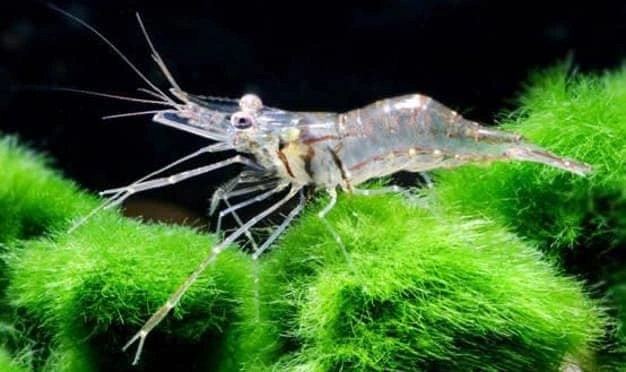
Ghost Shrimp
Palaemonetes paludosus

Bolivian Ram
Mikrogeophagus altispinosus
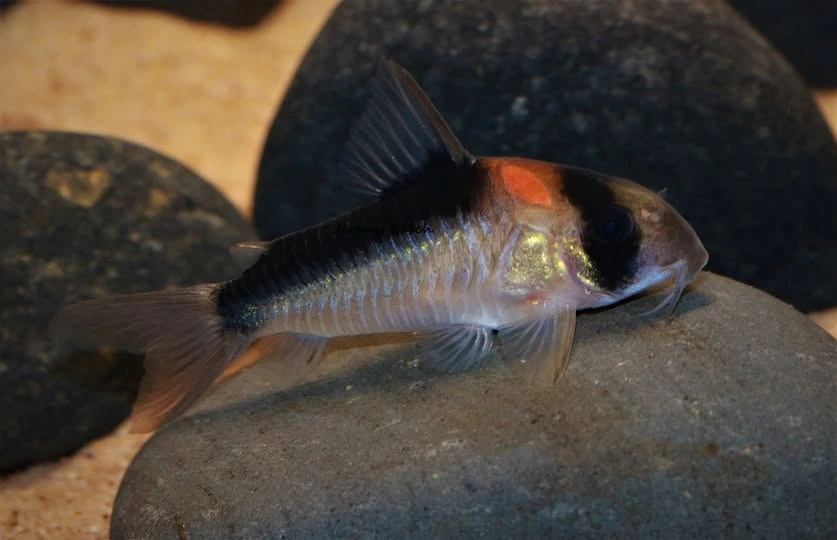
Adolfo's Corydoras
Corydoras adolfoi
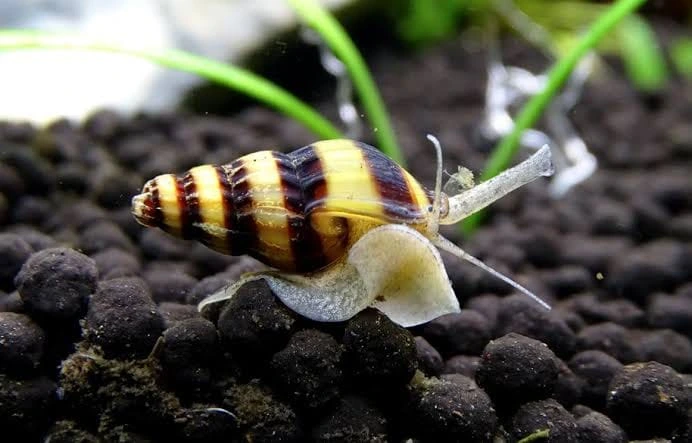
Assassin Snail
Clea helena
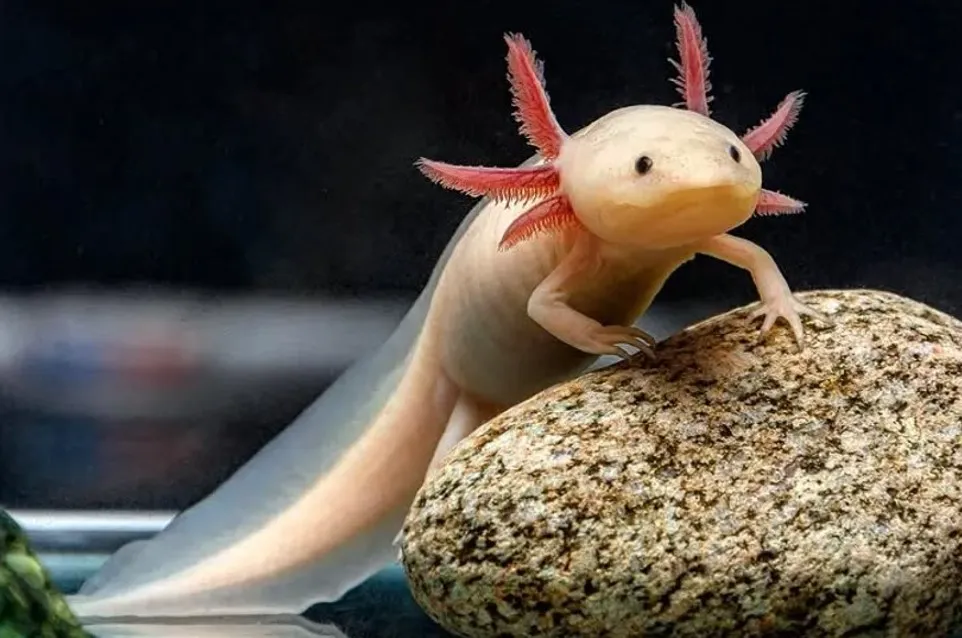
Axolotl
Ambystoma mexicanum
Bamboo Shrimp
Atyopsis moluccensis
Banjo Catfish
Bunocephalus coracoideus
Black Neon Tetra
Hyphessobrycon herbertaxelrodi
Ready to Add German Blue Ram to Your Tank?
Use our free stocking calculator to check compatibility, bioload, and get personalized recommendations.