
Care Requirements
Adult Size
2.0" (5cm)
Min Tank
5 gal
Temperature
64-82°F
pH Range
6.5-8
Lifespan
1-2 years
Min Group
3+ fish
Diet
Omnivore
Swim Level
Bottom
Bioload
1/10
Hardness
3-15 dGH
About Ghost Shrimp
Ghost Shrimp occupy a unique position in the aquarium hobby — they're simultaneously the cheapest livestock available (often under $0.50 each) and genuinely useful aquarium inhabitants. Their transparency, active scavenging behavior, and hardy nature make them excellent additions to community tanks, while their low price makes them accessible to absolute beginners testing their first tanks.
The 'Ghost Shrimp' label actually covers multiple species sold interchangeably. The most common is Palaemonetes paludosus from North America, but Asian species and even juvenile Macrobrachium prawns sometimes appear under this name. Care is generally similar, though some species grow larger or show more aggression. The confusion doesn't significantly impact basic keeping.
Their transparency is their most striking feature — you can see internal organs, food passing through their digestive system, and eggs in gravid females. This 'glass shrimp' appearance makes them fascinating to observe despite their low cost. Many aquarists who start with Ghost Shrimp as 'disposable' feeders become genuinely attached to watching their behavior.
As feeders, they provide excellent nutrition for predatory fish. As pets, they serve as efficient cleanup crew, consuming uneaten food, algae, and detritus. Either role makes them valuable. Their short 1-2 year lifespan is their main limitation — don't expect the longevity of Amano Shrimp or even Cherry Shrimp. But at their price point, maintaining ongoing populations through breeding or regular additions is economically trivial.
Natural Habitat & Origin
Ghost Shrimp (Palaemonetes paludosus specifically) are native to freshwater habitats throughout the eastern and southern United States — lakes, ponds, slow-moving streams, and ditches from the Great Lakes region through Florida and Texas. They're highly adaptable to various conditions within this broad range.
They occupy vegetated areas where they can hide among plants and debris while foraging. Natural diet consists of algae, detritus, small invertebrates, and basically anything organic they encounter. They're opportunistic scavengers rather than specialized feeders.
Their native waters vary considerably — from soft, acidic swamp waters to harder alkaline conditions. This natural adaptability translates to aquarium hardiness; they tolerate a wider parameter range than many shrimp species. Temperature tolerance is similarly broad, surviving both cool and tropical conditions.
Wild populations serve as important prey items for fish, birds, and other predators — a role they continue in aquarium settings where they're commonly used as feeders. Their prolific breeding helps maintain populations despite predation pressure.
Native Region
North America — Eastern and Southern United States
Habitat Type
Freshwater lakes, ponds, streams, ditches
Wild Water Conditions
Variable — adaptable to wide range of conditions
Appearance & Varieties
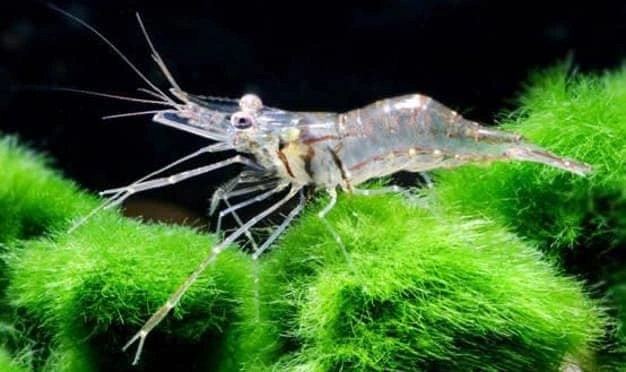
Ghost Shrimp earn their name from near-complete transparency — their bodies are essentially clear, allowing observation of internal structures. You can watch food move through their digestive tract, see the heart beating, and observe eggs developing in pregnant females. This glass-like appearance is their defining visual characteristic.
Body shape is typical shrimp — segmented body with walking legs, swimming pleopods, and characteristic rostrum. Coloration, where present, appears as subtle grey, brown, or greenish tints. Females carrying eggs display visible green or yellow egg masses.
Adults reach approximately 1.5-2 inches (4-5 cm) depending on species and conditions. Females are typically larger than males.
Sexing is possible once mature: females are larger with curved undersides (for carrying eggs) and visible saddle (developing eggs) behind the head. Males are smaller and slimmer.
Popular Varieties
| Variety | Description | Rarity |
|---|---|---|
| Standard Ghost Shrimp | Transparent/clear body, may show subtle grey or green tints. The typical form sold in stores. | Very Common |
| Freshwater Grass Shrimp | Similar appearance, sometimes sold as Ghost Shrimp. Care requirements essentially identical. | Common |
Tank Setup & Requirements
Quick Requirements Summary
Tank Size
Minimum Tank Size
5 gallons
Recommended Tank Size
10 gallons
Ghost Shrimp are among the least demanding aquarium inhabitants. Their hardiness makes them forgiving of beginner mistakes.
Water Parameters
Temperature 18-28°C (65-82°F), pH 6.5-8.0, hardness 3-15 dGH. Extremely adaptable to various conditions. Consistency matters more than hitting specific targets.
Substrate
Any — sand, gravel, or planted substrates all work fine. Dark substrates make their transparent bodies easier to observe.
Plants & Decorations
Live plants provide grazing surfaces (biofilm, algae), hiding spots, and natural habitat complexity. Moss is particularly appreciated. Hiding spots are important during vulnerable molting periods.
Filtration & Water Flow
Sponge filters are ideal — gentle, safe, and provide additional grazing surface. If using HOB or canister filters, cover intakes with sponge prefilters to protect shrimp.
Lighting
No special lighting requirements. Standard aquarium lighting works fine.
Diet & Feeding Guide
Diet Type
omnivore
Feeding Frequency
Daily to every other day (if not scavenging sufficient fish food)
Portion Size
Small amounts — they graze continuously. In tanks with fish, they often need no dedicated feeding as they clean up leftovers.
Ghost Shrimp are opportunistic omnivores that eat almost anything organic. They're efficient scavengers that help maintain tank cleanliness.
Best Foods for Ghost Shrimp
- Leftover fish food — They'll clean up any uneaten flakes, pellets, or frozen foods that reach the bottom.
- Algae wafers — Sinking algae wafers are readily consumed. Good for ensuring shrimp receive food.
- Blanched vegetables — Zucchini, spinach, cucumber accepted. Good supplemental nutrition.
- Biofilm and algae — They constantly graze on biofilm and algae growing on surfaces.
- Frozen bloodworms — Will scavenge frozen foods that reach the bottom. Good protein source.
Foods to Avoid
- Copper-containing foods/medications — Copper is toxic to invertebrates. Avoid any foods or medications containing copper.
In community tanks they often subsist entirely on leftover fish food and biofilm.
Behavior & Temperament
Ghost Shrimp are active foragers constantly moving through the tank searching for food. Their scavenging behavior makes them entertaining to watch despite their simplicity. They're social but not truly schooling — groups of 5+ display more natural behavior. Molting occurs regularly — finding shed exoskeletons is normal, not dead shrimp. Leave shed exoskeletons in the tank; they're often consumed for calcium.
Tank Mates: Compatibility Guide
Compatible Tank Mates
Fish too small to prey on adult shrimp.
Peaceful algae eaters that completely ignore shrimp.
Peaceful bottom dwellers. Don't prey on adult shrimp.
Peaceful coexistence. Both serve as cleanup crew.
Can coexist. Note: Ghost Shrimp may prey on dwarf shrimp babies.
Tank Mates to Avoid
Medium to large fish
Ghost Shrimp are food for many fish.
Cichlids
Will eat Ghost Shrimp eagerly.
Goldfish
Goldfish eat shrimp.
Puffers
Shrimp are ideal puffer food.
Common Pairing Questions
Can Ghost Shrimp live with Bettas?
Individual dependent — some bettas ignore shrimp, others hunt them relentlessly.
Ghost Shrimp breed readily in aquariums. Females carry fertilized eggs under their tail for 2-3 weeks. Babies hatch as tiny but fully-formed shrimplets. Survival improves with dense plant cover and absence of fish predators.
Health Issues & Disease Prevention
Ghost Shrimp are hardy but relatively short-lived. Most health issues relate to water quality, molting problems, or their inherently limited lifespan.
Common Diseases
| Disease | Symptoms | Treatment |
|---|---|---|
| Muscular necrosis | Normally transparent body becomes opaque white or milky. | Usually fatal. Isolate affected shrimp. Improve water quality for remaining stock. |
| Failed molts | Shrimp stuck in old exoskeleton, death during molting. | Ensure adequate hardness (calcium/magnesium). |
| Bacterial infections | Pink/red coloration, lethargy, cloudy appearance. | Improve water quality. Often fatal in shrimp. |
| Vorticella | Fuzzy white growth on body, particularly legs. | Salt dips (1 tbsp per cup of tank water for 30-60 seconds). |
| Copper poisoning | Mass die-off after medication or water change. | Prevention only. Never use copper-based medications in shrimp tanks. |
Signs of a Healthy Ghost Shrimp
- Clear/transparent body
- Active foraging
- Regular molting
- Good appetite
- Females carrying eggs
Prevention Tips
- Maintain stable water parameters
- Avoid copper-containing products
- Provide hiding spots for molting
- Ensure adequate mineral content
- Regular water changes
Frequently Asked Questions
These names are often used interchangeably for the same shrimp — both refer to their transparent appearance. However, multiple species are sold under both names. Palaemonetes paludosus is the most common, but other species and even juvenile prawns sometimes appear. For basic keeping, the distinction rarely matters as care is similar.
Only 1-2 years typically, which is shorter than many aquarium shrimp. This short lifespan is their main limitation. However, their low cost and easy breeding make maintaining populations simple.
Depends entirely on the fish. Small, peaceful fish like neon tetras generally leave adult Ghost Shrimp alone. Medium to large fish, cichlids, and most predatory species will eat them.
Milky, opaque coloration usually indicates the shrimp is sick or dying. This 'muscular necrosis' is typically caused by bacterial infection and is usually fatal.
They're bred in massive quantities primarily as feeder animals for predatory fish. This industrial-scale production keeps prices extremely low — often under $0.50 each.
Healthy fish are not at risk. However, Ghost Shrimp are scavengers that will eat dying or dead fish — this sometimes appears as 'attacking' fish that are already mortally weak.
Tips for Keeping Ghost Shrimp
Pro Tips
- ✓They make excellent 'canaries' for water quality — shrimp are more sensitive to problems than most fish.
- ✓Leave molted exoskeletons in the tank — shrimp consume them for calcium and minerals.
- ✓Acclimate slowly despite their hardiness — drip acclimation over 30-60 minutes improves survival.
- ✓Breeding populations are more reliable than restocking — establish colonies for ongoing supply.
Common Mistakes to Avoid
- ✗Using copper-based medications in shrimp tanks — causes mass die-off.
- ✗Expecting long lifespan — 1-2 years is normal, not failure.
- ✗Adding to tanks with predatory fish expecting survival — know your fish's dietary preferences.
- ✗Not covering filter intakes — shrimp trapped and killed in filter systems.
- ✗Removing molted exoskeletons — removing valuable calcium source.
Related Species You Might Like
View All Fish →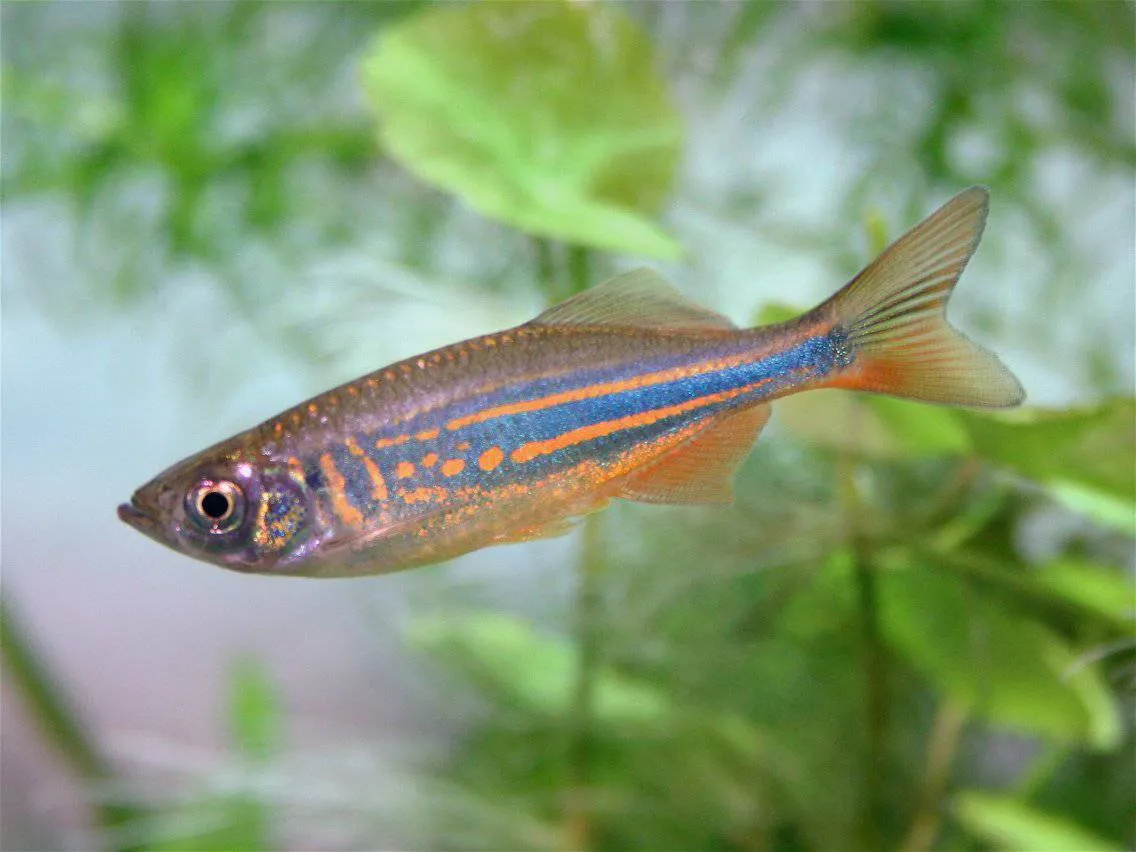
Giant Danio
Devario aequipinnatus
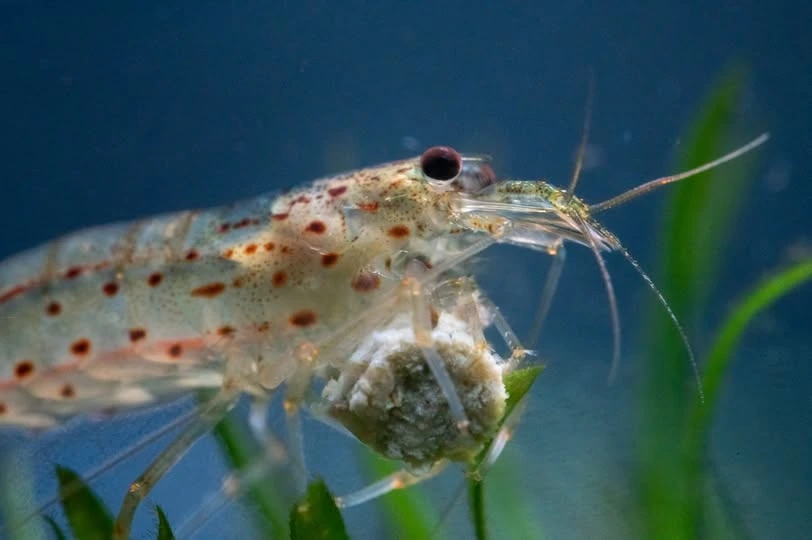
Amano Shrimp
Caridina multidentata
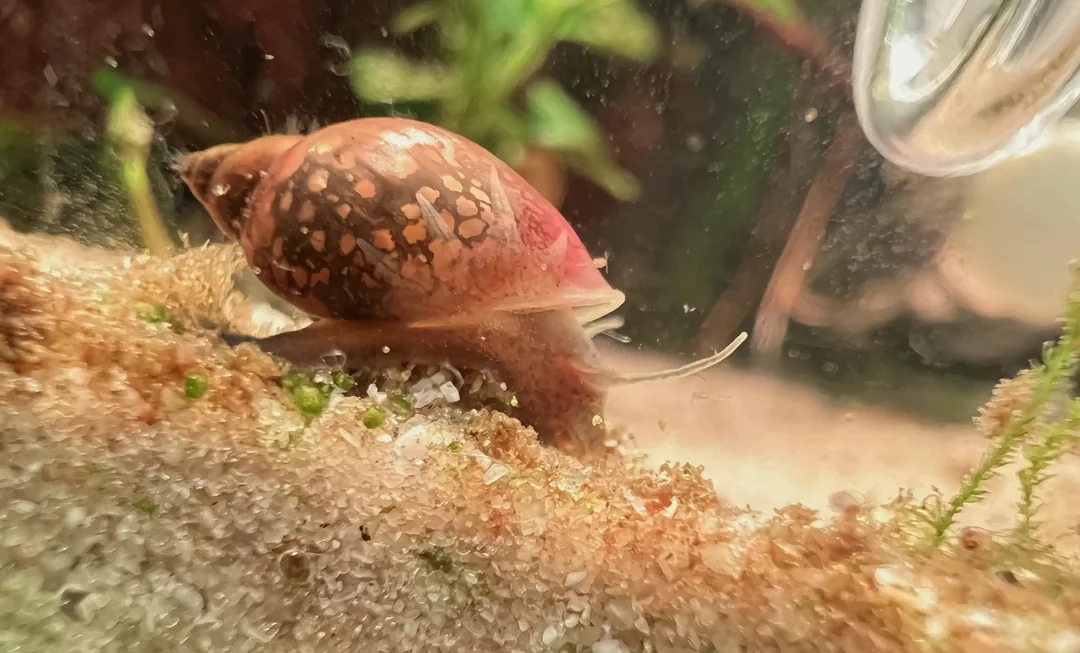
Bladder Snail
Physella acuta
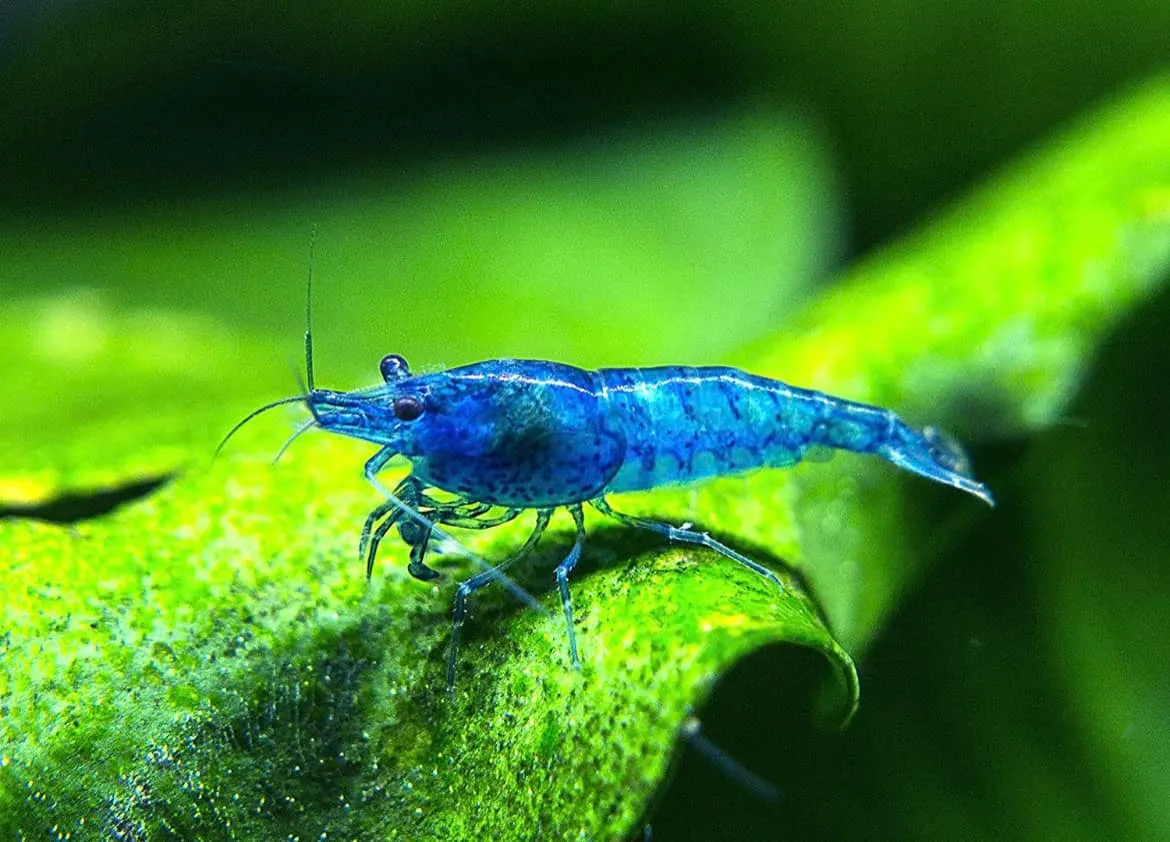
Blue Velvet Shrimp
Neocaridina davidi var. blue
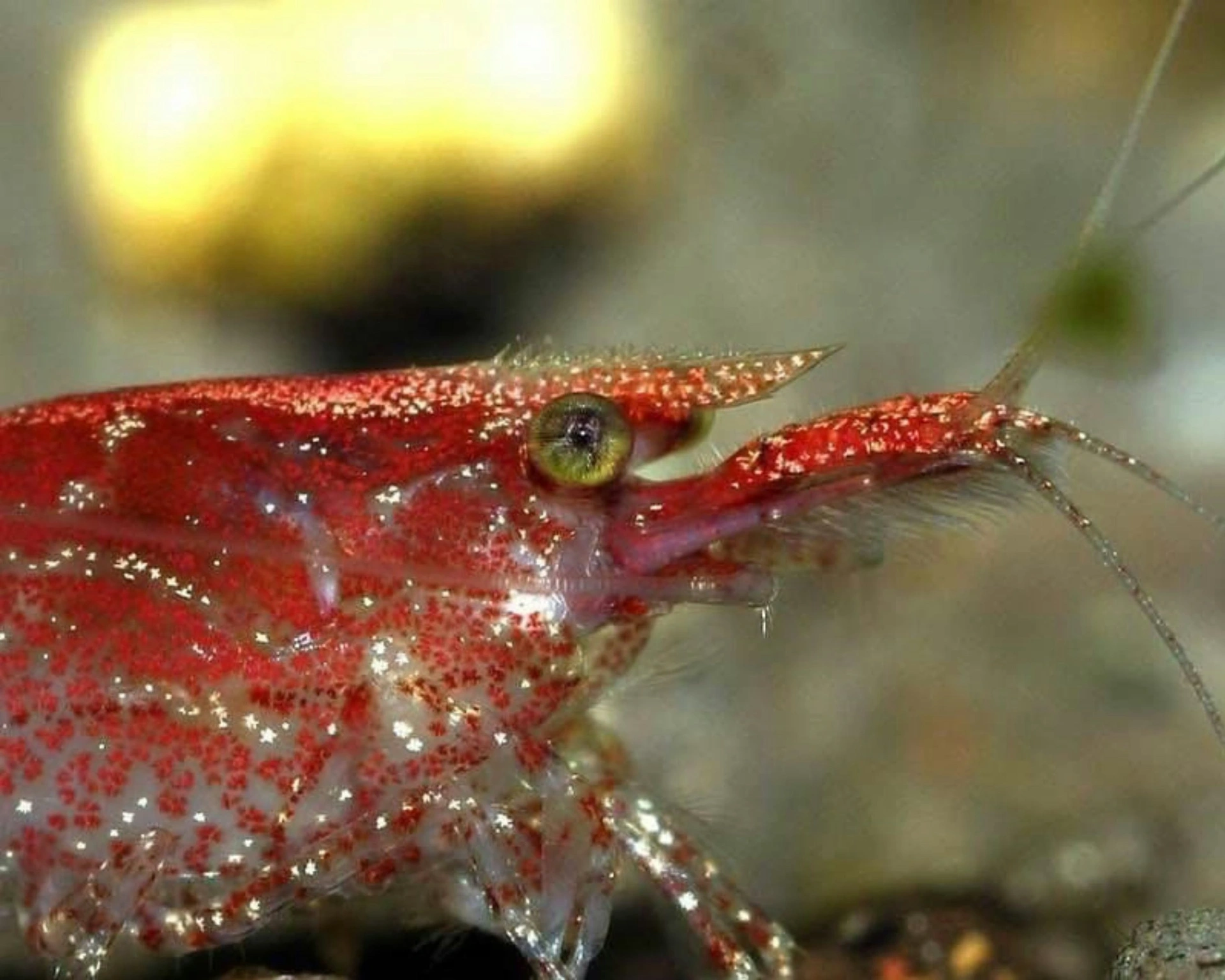
Cherry Shrimp
Neocaridina davidi
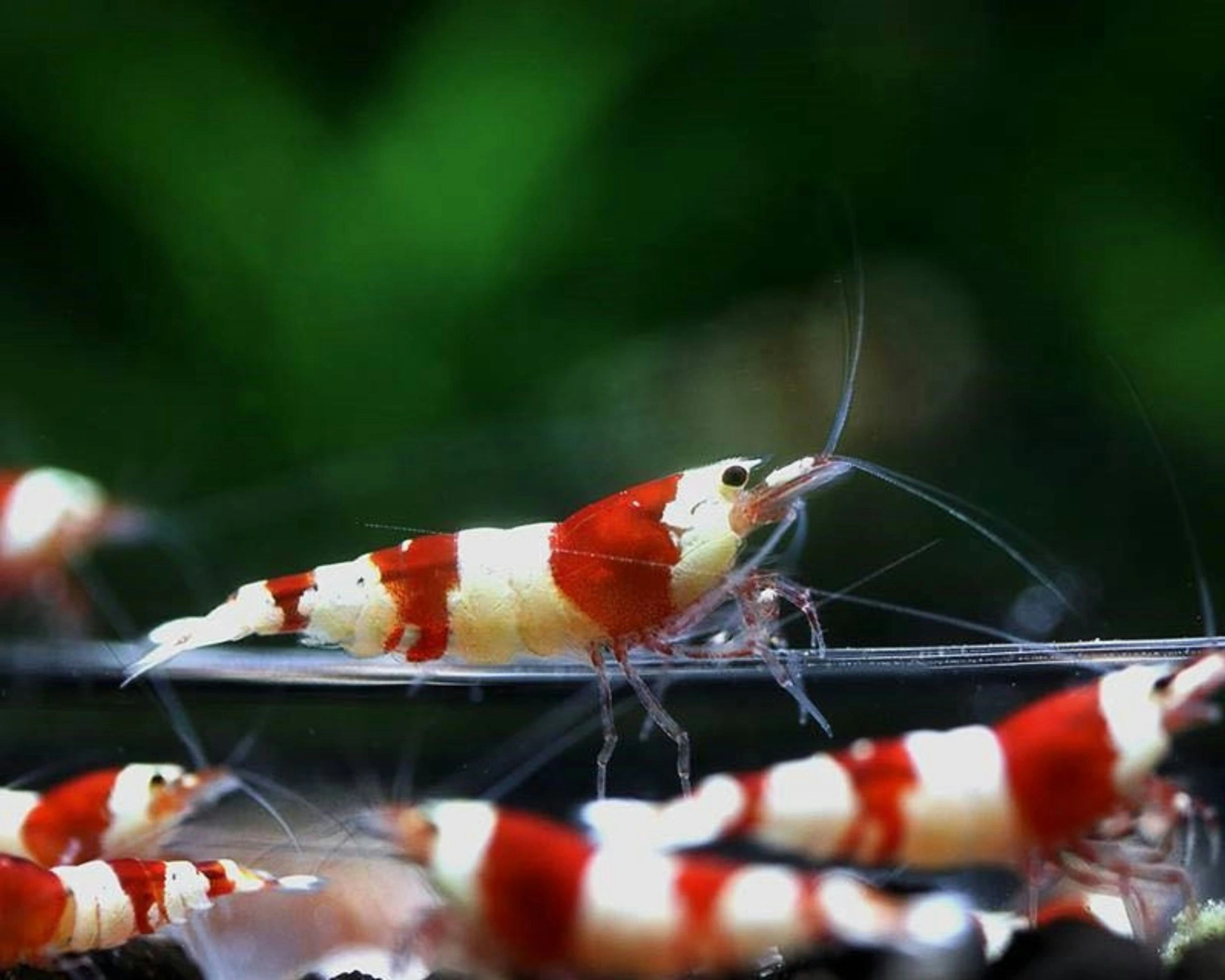
Crystal Shrimp
Caridina cantonensis
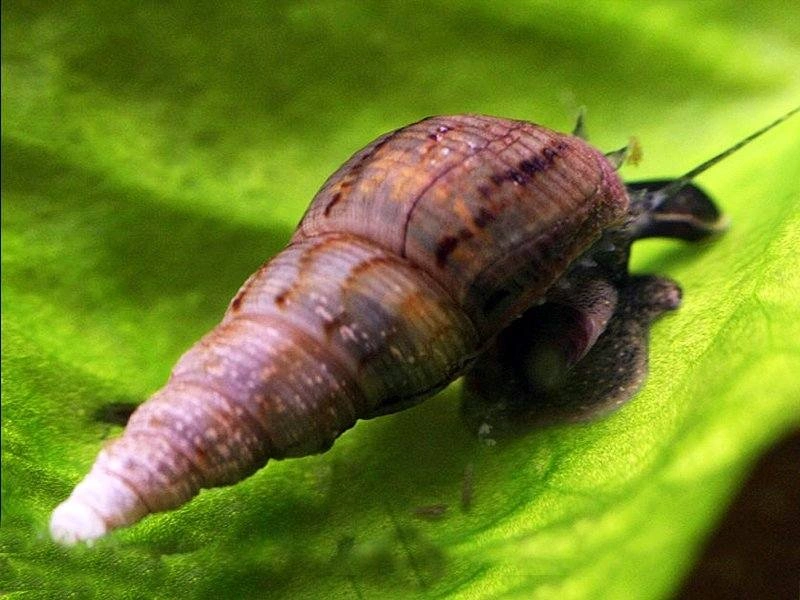
Malaysian Trumpet Snail
Melanoides tuberculata
Mexican Dwarf Crayfish
Cambarellus patzcuarensis
Ready to Add Ghost Shrimp to Your Tank?
Use our free stocking calculator to check compatibility, bioload, and get personalized recommendations.