
Care Requirements
Adult Size
0.6" (1.5cm)
Min Tank
1 gal
Temperature
59-86°F
pH Range
6-8.5
Lifespan
1-2 years
Min Group
Can be kept alone
Diet
Omnivore
Swim Level
All
Bioload
1/10
Hardness
3-20 dGH
About Bladder Snail
Bladder Snails are the hobby's most divisive invertebrates — dismissed as pests by some, valued as cleanup crew by others. The truth depends on perspective and tank management. They're neither inherently problematic nor magical cleaners; they're biological organisms responding to available resources.
Their reputation as pests stems from prolific reproduction. Egg-laying capabilities combined with rapid maturation (weeks from hatch to reproductive adult) creates exponential population growth when food is abundant. A few hitchhikers become hundreds within weeks in overfed tanks. This population boom alarms keepers who didn't introduce them intentionally.
However, they provide genuine benefits. They consume algae, biofilm, and decaying organic matter without damaging healthy plants. They're completely shrimp-safe. Their population size indicates tank conditions — explosions reveal overfeeding; stable populations indicate appropriate husbandry. They're biological feedback mechanisms.
Most arrive uninvited as eggs or tiny juveniles on plants. Prevention requires meticulous plant quarantine that most aquarists skip. Once established, complete elimination is nearly impossible — their eggs survive conditions that kill adults. The practical choice is management rather than eradication.
Natural Habitat & Origin
Bladder Snails originated in Europe and the Mediterranean region but now occur on every continent except Antarctica. They're among the most successful freshwater colonizers, establishing wherever conditions minimally support aquatic life.
Their global spread resulted from the aquarium and plant trades — eggs hitchhiking on plants and equipment transported them worldwide. Their adaptability, rapid reproduction, and tolerance of poor conditions enabled establishment wherever introduction occurred.
Natural and introduced habitat includes virtually any freshwater environment — ponds, lakes, rivers, streams, ditches, puddles, aquariums, and anything holding water. They tolerate temperatures from cool to tropical, pH from acidic to alkaline, and hardness from soft to hard.
Wild diet consists of algae, biofilm, detritus, and decaying vegetation — the same foods they consume in aquariums.
Native Region
Europe/Mediterranean (globally cosmopolitan)
Habitat Type
Any freshwater — ponds, lakes, rivers, aquariums, puddles
Wild Water Conditions
Extremely variable — highly adaptable
Appearance & Varieties
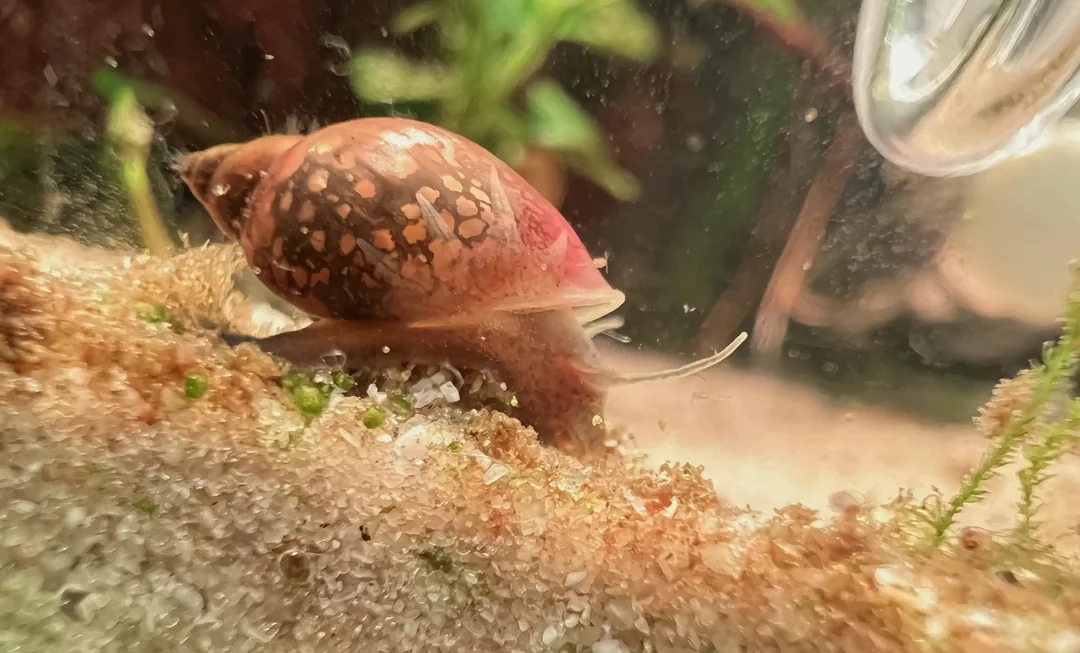
Bladder Snails are small, with adults reaching approximately 0.5 inch (1-1.5 cm). Their thin, translucent shells have a distinctive sinistral (left-handed) coil — the shell spirals opposite to most snails. This left-coiling helps distinguish them from similar species.
Shell shape is oval and somewhat pointed, thinner and more fragile than robust snails. Coloration is typically brownish to golden-horn, sometimes with darker mottling. The thin shell allows internal organs to be partially visible.
Their bodies are gray with darker spots, extending slender, pointed tentacles. They lack opercula (trapdoors) — their shell openings have no protective seal.
Sexing is irrelevant — they're simultaneous hermaphrodites, with each individual possessing both male and female reproductive organs.
Popular Varieties
| Variety | Description | Rarity |
|---|---|---|
| Standard (Wild-Type) | Brown to golden-horn translucent shell. The only form — no selective breeding occurs for this species. | Extremely Common |
Tank Setup & Requirements
Quick Requirements Summary
Tank Size
Minimum Tank Size
1 gallons
Recommended Tank Size
2 gallons
Bladder Snails require nothing specific — they establish in virtually any aquarium conditions.
Water Parameters
Temperature 15-30°C (59-86°F), pH 6.0-8.5, hardness 3-20 dGH. Highly adaptable to virtually any aquarium conditions. They survive what kills more sensitive species. Higher hardness supports better shell development.
Substrate
No substrate preference. They traverse all surfaces regardless of substrate type.
Plants & Decorations
Won't damage healthy plants — they eat decaying plant matter but don't consume healthy tissue. More surface area supports more biofilm and algae, providing more food.
Filtration & Water Flow
Standard filtration works. They tolerate a range of conditions.
Lighting
More light = more algae = more food. Not light-sensitive themselves.
Diet & Feeding Guide
Diet Type
omnivore
Feeding Frequency
None required
Portion Size
They subsist on tank detritus and algae. Intentional feeding is unnecessary and counterproductive.
Bladder Snails consume whatever organic matter exists in the tank. They rarely need supplemental feeding.
Best Foods for Bladder Snail
- Algae — Primary food source. They effectively graze algae on all surfaces.
- Biofilm — Consume biofilm coating every surface.
- Detritus and uneaten food — Process organic waste. This is their cleanup crew role.
- Decaying plant matter — Consume dead leaves without harming living plants.
- Fish waste — Process waste, contributing to nutrient cycling.
Foods to Avoid
- Overfeeding fish — Excess food is the primary driver of population explosions. Feed fish appropriately.
- Copper-containing products — Copper is toxic. Avoid copper medications in tanks with any snails.
More food means more snails. Population management = feeding management.
Behavior & Temperament
Bladder Snails are active, visible grazers moving across all tank surfaces. Unlike some snails with nocturnal habits, they're active throughout the day, making them conspicuously present — contributing to their 'pest' perception.
They demonstrate unique floating behavior, inflating with air to ascend or releasing air to descend. Watching them rise to the surface, drift along, then sink back down is entertaining once their presence is accepted.
Reproduction is constant under good conditions. As simultaneous hermaphrodites, any individual can lay eggs. Clear, gelatinous egg masses appear on glass, plants, decorations — everywhere. Eggs hatch in 1-2 weeks, and juveniles reach reproductive maturity in weeks more.
Their population dynamics directly reflect tank conditions. Abundant food means abundant snails. Reduced food means declining populations.
Tank Mates: Compatibility Guide
Compatible Tank Mates
Completely shrimp-safe. Often coexist happily.
Non-predatory fish coexist without issues.
Some bettas ignore them; others hunt them. Individual variation.
Coexist with similar small snail species.
Tank Mates to Avoid
Assassin Snail
Hunt and consume Bladder Snails. Often introduced specifically for this purpose.
Loaches
Most loaches eat small snails. Effective population control.
Puffers
Snails are puffer food. Bladder Snails are common feeder snails for puffers.
Goldfish
Often eat small snails, especially juveniles.
Common Pairing Questions
Are Bladder Snails safe with shrimp?
Completely safe. They coexist peacefully and don't compete for food significantly.
Will Assassin Snails eat Bladder Snails?
Yes — Assassin Snails are effective predators of Bladder Snails and are often introduced specifically for population control.
Bladder Snail reproduction is constant and prolific. They're simultaneous hermaphrodites — each individual has both reproductive organs. Any two snails can mate, and single individuals can self-fertilize. Eggs hatch in 1-2 weeks, and juveniles reach maturity in weeks. This rapid life cycle creates exponential population growth when food is abundant.
Health Issues & Disease Prevention
Bladder Snails are extremely hardy, surviving conditions that kill more sensitive species.
Common Diseases
| Disease | Symptoms | Treatment |
|---|---|---|
| Shell erosion | Thin, eroded shells in very soft, acidic water. | Increase hardness and pH. Their thin shells are vulnerable in mineral-poor water. |
| Copper poisoning | Mass die-off following copper medication or exposure. | None — prevention only. Avoid copper. |
Signs of a Healthy Bladder Snail
- Active movement across surfaces
- Visible feeding behavior
- Intact shell
- Population stability
Prevention Tips
- Avoid copper
- Don't overfeed (causes population explosions)
- Quarantine plants if you want to prevent introduction
Frequently Asked Questions
No — they're beneficial cleaners that consume algae, biofilm, and detritus without harming plants or tankmates. Their 'pest' reputation comes from prolific reproduction when excess food exists. Population explosions indicate overfeeding, not snail problems.
Complete elimination is nearly impossible. Options: reduce feeding dramatically, introduce Assassin Snails, add loaches or pea puffers, manual removal, or accept them. Chemical options harm other invertebrates.
Almost certainly hitchhikers on plants. Eggs or tiny juveniles survive on plant leaves and roots, going unnoticed during purchase. Prevention requires strict plant quarantine.
No — they don't eat healthy plant tissue. They consume decaying leaves, algae, and biofilm. This is actually beneficial. The reputation for plant damage is undeserved.
Bladder Snails (Physella) have sinistral (left-coiling) shells and thin tentacles. Pond Snails (Lymnaea) have dextral (right-coiling) shells and thicker tentacles. Care and management are essentially identical.
Population explosions indicate excess organic matter — typically overfeeding. Their reproduction scales to available food. Reducing feeding reduces reproduction over time.
Tips for Keeping Bladder Snail
Pro Tips
- ✓Reframe them as beneficial indicators — stable populations indicate appropriate feeding, explosions indicate excess waste.
- ✓They're excellent puffer food — easily cultured in separate containers.
- ✓Crushing on glass is efficient removal — fish and shrimp consume the remains.
- ✓Accept that eradication is impractical — manage populations rather than pursuing elimination.
Common Mistakes to Avoid
- ✗Using chemicals to kill them — chemicals harm shrimp and can stress fish.
- ✗Blaming snails for overfeeding consequences — the snails reveal the problem, not cause it.
- ✗Expecting complete elimination — their eggs survive everything short of tank teardown.
- ✗Not quarantining plants if you truly don't want them — prevention requires quarantine most skip.
Related Species You Might Like
View All Fish →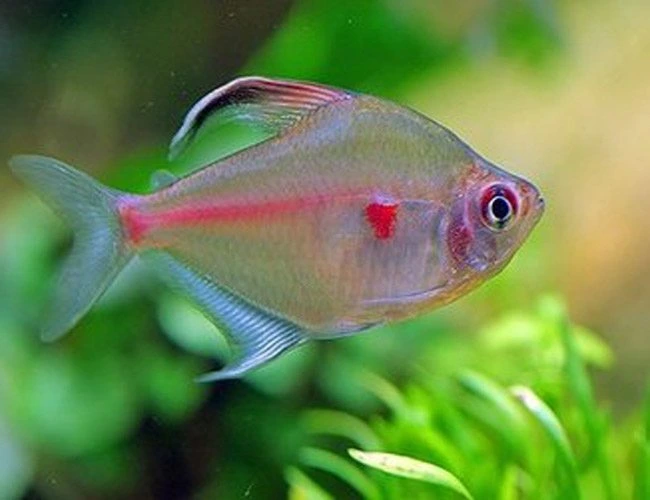
Bleeding Heart Tetra
Hyphessobrycon erythrostigma
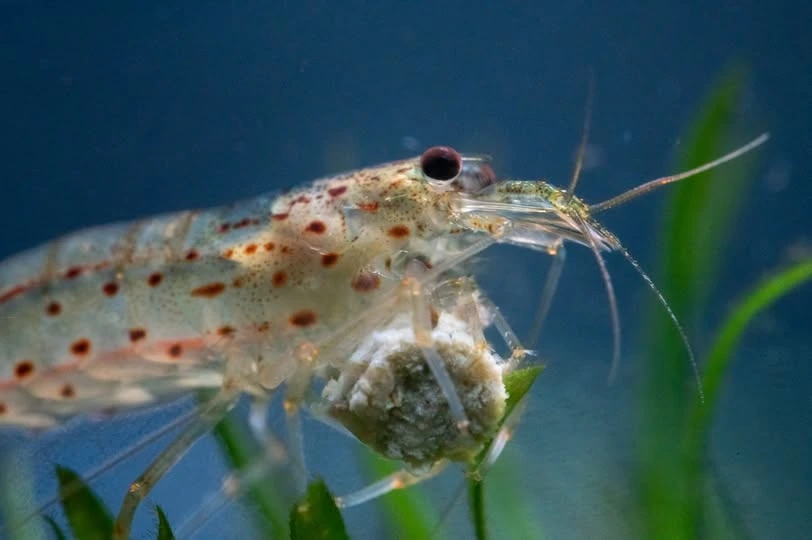
Amano Shrimp
Caridina multidentata
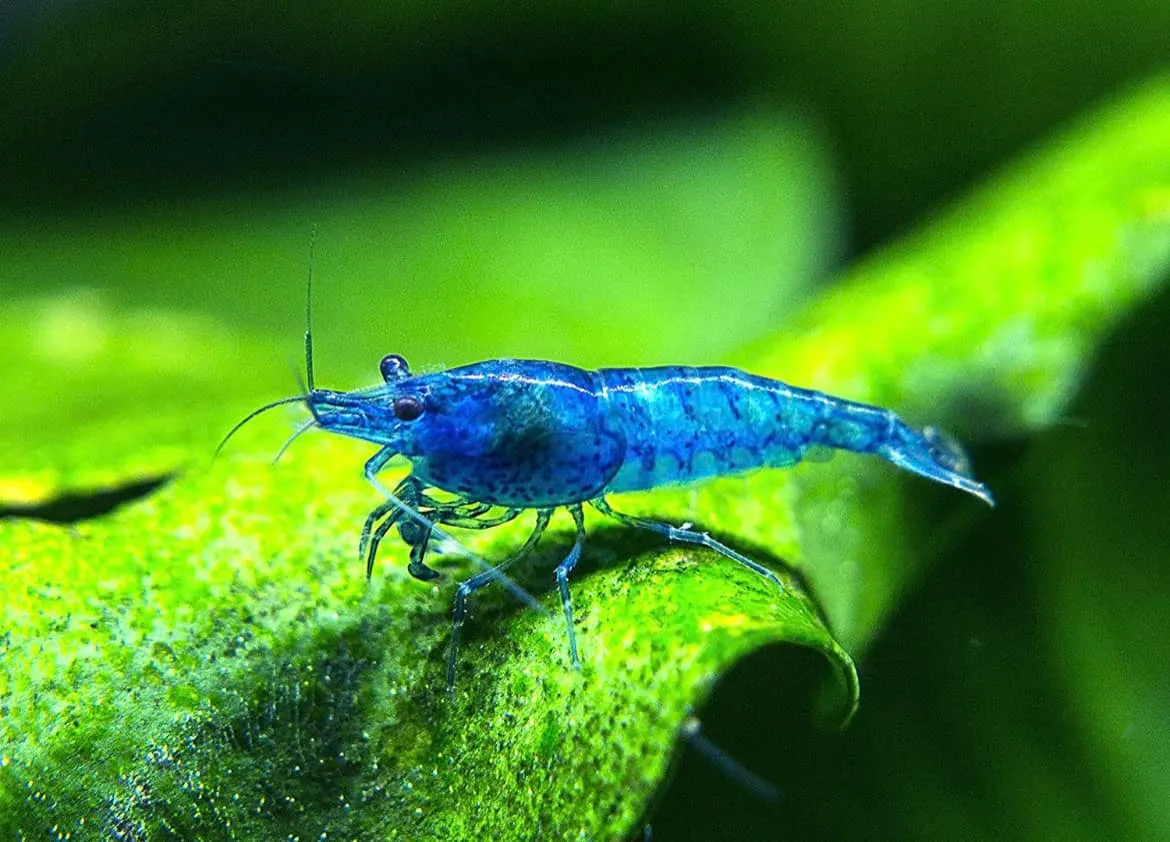
Blue Velvet Shrimp
Neocaridina davidi var. blue
Cherry Shrimp
Neocaridina davidi
Crystal Shrimp
Caridina cantonensis
Ghost Shrimp
Palaemonetes paludosus
Malaysian Trumpet Snail
Melanoides tuberculata
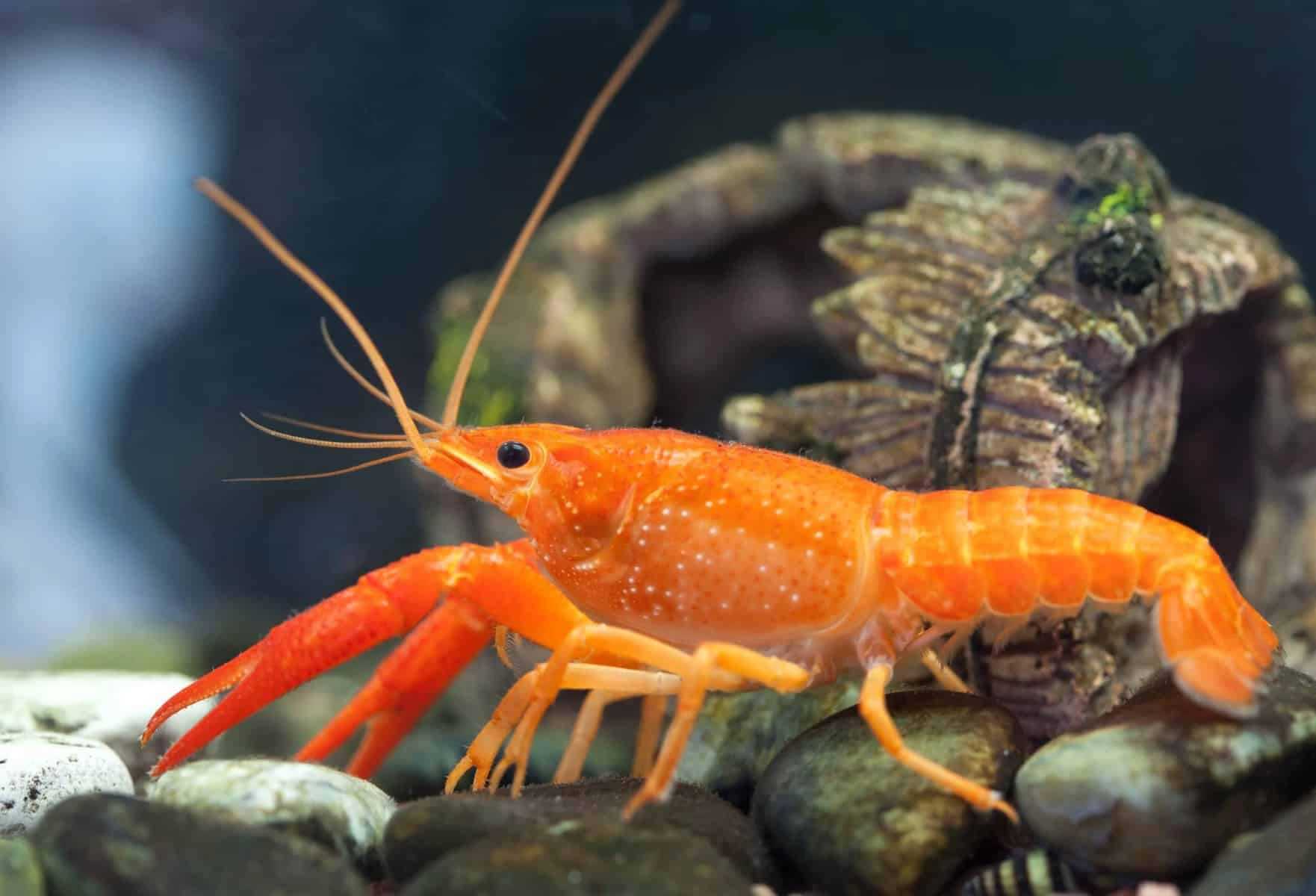
Mexican Dwarf Crayfish
Cambarellus patzcuarensis
Ready to Add Bladder Snail to Your Tank?
Use our free stocking calculator to check compatibility, bioload, and get personalized recommendations.