
Care Requirements
Adult Size
1.2" (3cm)
Min Tank
5 gal
Temperature
64-82°F
pH Range
6.5-8
Lifespan
1-2 years
Min Group
6+ fish
Diet
Omnivore
Swim Level
Bottom
Bioload
1/10
Hardness
4-15 dGH
About Blue Velvet Shrimp
The Blue Velvet Shrimp is a selectively bred color variant of Neocaridina davidi — the same species as the beloved Cherry Shrimp, but line-bred for deep, opaque blue coloration. They combine striking visual appeal with the hardy, easy-to-keep nature that makes Neocaridina the most popular freshwater shrimp genus in the hobby.
What makes Blue Velvet Shrimp so appealing is the combination of beauty and accessibility. They tolerate a wide range of water parameters, breed readily in captivity, and are constantly active — grazing on every surface in the tank for biofilm, algae, and microorganisms. A thriving colony of deep blue shrimp against a dark substrate and green plants is one of the most visually striking setups in the nano aquarium world.
While the wild-type Neocaridina davidi originates from Taiwan, China, Korea, Japan, and Vietnam, Blue Velvet Shrimp are entirely captive-bred and do not exist in the wild. They were developed through careful selective breeding in the aquarium hobby, specifically from the Chocolate/brown Neocaridina line.
Natural Habitat & Origin
Wild-type Neocaridina davidi inhabit freshwater streams, ponds, and ditches across East and Southeast Asia — Taiwan, China, Korea, Japan, and Vietnam. They thrive in a wide range of conditions, from slow-moving streams with abundant vegetation to relatively stagnant ponds with leaf litter and biofilm.
Blue Velvet Shrimp themselves are entirely captive-bred and do not exist in the wild. However, understanding the wild-type habitat helps explain their adaptability — their ancestors evolved to handle diverse conditions, which makes domesticated variants remarkably hardy compared to more specialized shrimp species like Caridina.
Native Region
Captive-bred (wild Neocaridina davidi: Taiwan, China, Korea, Japan, Vietnam)
Habitat Type
Freshwater streams, ponds, and ditches with vegetation and biofilm
Wild Water Conditions
Wide range — warm to cool (64-82°F), moderate hardness, slightly acidic to slightly alkaline
Appearance & Varieties
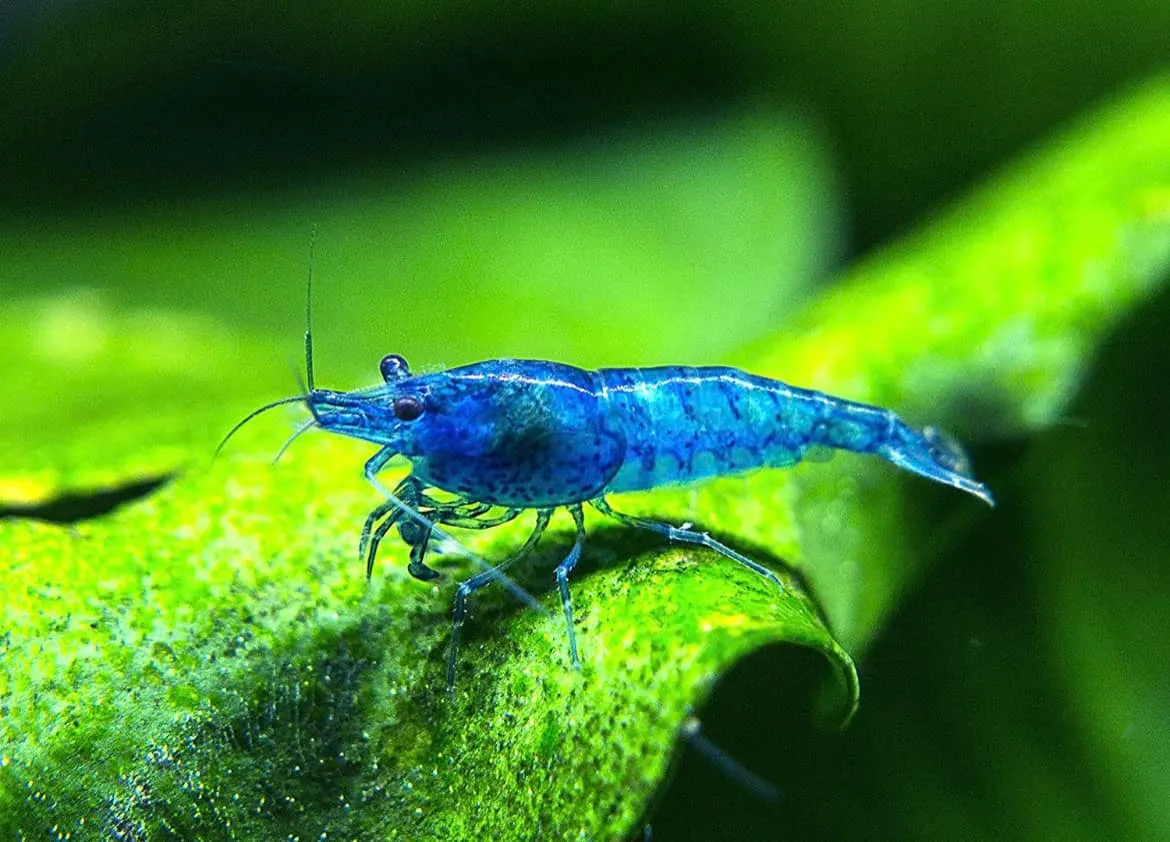
Blue Velvet Shrimp are small, reaching about 3 cm (1.25 inches). High-quality specimens display a deep, opaque, velvety blue coloration across the entire body — hence the name. The intensity of blue varies by individual genetics, diet, substrate color, and stress level.
Females are larger, more intensely colored, have a curved underbelly, and display a visible 'saddle' on their back when carrying eggs internally. Males are smaller, slimmer, often slightly less intensely colored, and more active swimmers. Berried females (carrying eggs) display a mass of eggs visible under the abdomen — one of the most fascinating sights in shrimp keeping.
Color quality is the primary selection criterion. The best specimens have consistent, deep blue across the entire body with no transparent or brown patches.
Popular Varieties
| Variety | Description | Rarity |
|---|---|---|
| Blue Velvet | Opaque, solid blue — bred from the Chocolate/brown Neocaridina line | Common |
| Blue Dream | Deeper blue, sometimes with translucent patches — bred from the Carbon Rili line | Common |
Tank Setup & Requirements
Quick Requirements Summary
Tank Size
Minimum Tank Size
5 gallons
Recommended Tank Size
10 gallons
Stability is the most important factor. Neocaridina shrimp tolerate a wide parameter range but are sensitive to sudden changes. A cycled, established tank with stable parameters is essential. New tanks should run for at least 4-6 weeks before adding shrimp to allow biofilm development.
Water Parameters
Temperature 64-82°F (18-28°C), pH 6.5-8.0, hardness 4-14 dGH. Wide tolerance but stability matters most. Avoid large sudden water changes that shift parameters. NEVER use copper-based products.
Substrate
Dark substrate dramatically enhances blue coloration. Black sand, black gravel, or active shrimp substrate (ADA Amazonia, Fluval Stratum) all work well. Light substrates wash out their color visually.
Plants & Decorations
Heavily planted tanks are ideal. Plants provide grazing surfaces, shelter for molting and baby shrimp, and help maintain water quality. Moss is a shrimp paradise — Java Moss, Christmas Moss, Flame Moss. Driftwood (especially cholla wood), Indian almond leaves, and alder cones develop biofilm that shrimp love.
Filtration & Water Flow
Sponge filters are the gold standard for shrimp tanks. They provide biological filtration, gentle flow, and a massive grazing surface while being completely safe for baby shrimp. If using HOB or canister filters, sponge pre-filters on intakes are mandatory.
Lighting
Low to moderate is fine. Enough for plant growth. Very bright light may make shrimp less active during daytime.
Diet & Feeding Guide
Diet Type
omnivore
Feeding Frequency
Every 1-2 days (less in established tanks with biofilm)
Portion Size
A few pellets or small piece of blanched vegetable
Less is more with Neocaridina shrimp. In an established tank with plants and biofilm, they're constantly grazing on surfaces. Supplemental feeding should be light — overfeeding is far more dangerous than underfeeding and is the number one killer of shrimp colonies.
Best Foods for Blue Velvet Shrimp
- Shrimp-specific pellets — Designed for Neocaridina nutrition — staple diet
- Biofilm (naturally occurring) — Their primary food source in established tanks
- Algae wafers (small pieces) — Supplemental grazing food
- Blanched spinach — Excellent vegetable supplement
- Blanched zucchini — Popular with shrimp colonies
- Indian almond leaves — Decomposing leaves provide biofilm and mild antibacterial tannins
- Snowflake food (soy husks) — Develops biofilm as it breaks down — great supplemental food
- Bee pollen — Nutritious treat rich in protein
Foods to Avoid
- Overfeeding any food — The #1 killer — excess food decays, spikes ammonia, crashes water quality
- Copper-containing foods or supplements — Copper is lethal to shrimp even in trace amounts
In an established tank with plants and biofilm, supplemental feeding 2-3 times per week is plenty. A few pellets or a small piece of blanched vegetable is sufficient. Remove uneaten food after 2-3 hours. If you can see thick biofilm buildup on surfaces, you're overfeeding. A thin biofilm layer means your shrimp always have natural food available.
Behavior & Temperament
Blue Velvet Shrimp are highly social and completely non-aggressive. They thrive in colonies and display natural behaviors best in groups of 10 or more — constantly foraging, exploring, and interacting with each other. They graze on every surface in the tank, picking at biofilm, algae, and microorganisms.
One of the most fascinating behaviors is the 'shrimp dance' — after a female molts and releases pheromones, males frantically swim around the tank searching for her. Berried females (carrying eggs) constantly fan their eggs to keep them oxygenated and clean.
Color intensity varies by individual genetics, diet, substrate color, and stress level. They'll ride on snail shells and pick at surfaces of larger, peaceful tankmates. Molting precedes growth — finding empty exoskeletons is normal and healthy, not a cause for alarm.
Tank Mates: Compatibility Guide
Compatible Tank Mates
One of the few truly shrimp-safe fish
Peaceful, zero conflict
Different feeding niche, peaceful
Different feeding niche, peaceful
Peaceful coexistence
Tank Mates to Avoid
Betta
Most Bettas will actively hunt and eat Neocaridina shrimp
Dwarf Gourami
Will eat baby shrimp and harass adults
Angelfish
Will eat shrimp
Most fish
Even small 'peaceful' fish eat baby shrimp — shrimp-only tanks produce the best colonies
Different Neocaridina colors
Will interbreed and offspring revert to wild-type brown
Common Pairing Questions
Can I keep Blue Velvet with Cherry Shrimp?
You can, but you shouldn't if you care about color. Both are Neocaridina davidi variants that interbreed freely. Within a few generations, offspring revert to dull wild-type brown. Keep only one color variant per tank.
Can Blue Velvet Shrimp live with Betta fish?
Not recommended. Many Bettas actively hunt Neocaridina shrimp. If attempted, use a heavily planted 10+ gallon tank with abundant moss. Never rely on a Betta being 'peaceful' — their hunting instinct can activate at any time.
What's the best tankmate for Blue Velvet Shrimp?
Otocinclus are the gold standard — truly shrimp-safe fish. For maximum colony growth, a shrimp-only tank is ideal since even tiny fish eat baby shrimp.
Blue Velvet Shrimp are among the easiest aquarium animals to breed. Unlike Amano and Bamboo Shrimp, their babies hatch as miniature versions of the adults — no larval stage and no brackish water needed. If you have healthy males and females in stable conditions with adequate food, they will breed without any special intervention.
Females carry 20-50 eggs under their abdomen for 28-35 days, constantly fanning them for oxygenation. The 'shrimp dance' of males searching for a freshly molted female is a sign your colony is healthy and breeding. A colony of 10 can grow to 50-100+ within 3-4 months in good conditions.
The biggest breeding challenge isn't getting them to breed — it's maintaining color quality. Cull or separate shrimp showing poor color (brown, clear, mixed) to maintain the blue line. Never mix with other Neocaridina colors or offspring revert to wild-type brown.
Health Issues & Disease Prevention
Blue Velvet Shrimp are hardy by shrimp standards but still more sensitive than most fish to water quality issues, copper exposure, and sudden parameter changes. The most common health problems relate to water quality (overfeeding causing ammonia spikes), molting failures from unstable mineral content, and parasites introduced from new additions.
Common Diseases
| Disease | Symptoms | Treatment |
|---|---|---|
| Molting failure (White Ring of Death) | White crack/ring between cephalothorax and abdomen, shrimp stuck in molt, death during molting | Maintain stable GH (4-14), provide mineral supplements or cuttlebone, avoid large sudden water changes. |
| Vorticella (parasitic protozoan) | White fuzzy tufts on shell, especially on head and rostrum | Good water quality, salt dips for affected individuals, quarantine new additions. |
| Scutariella (parasitic worm) | Tiny white worms visible around head/rostrum area, scratching against surfaces | Salt dips, quarantine new shrimp, maintain good water quality. |
| Copper poisoning | Sudden death, lethargy, erratic swimming, color loss | Remove copper source immediately. NEVER use copper-based medications. Check all fertilizers and products. |
| Bacterial infection | Black or brown spots/lesions on shell, shell erosion | Pristine water quality, remove affected individuals, improve tank hygiene. |
Signs of a Healthy Blue Velvet Shrimp
- Active foraging throughout the day
- Vibrant blue coloration
- Regular molting (every 3-5 weeks)
- Berried females
- Visible baby shrimp
- Immediate response to food
Prevention Tips
- Maintain stable water parameters — small, frequent water changes (10-15%) are safer than large ones
- NEVER use copper-based products — check ALL labels
- Don't overfeed — this is the #1 killer of shrimp colonies
- Quarantine new shrimp for 2-3 weeks before adding to established colony
- Test tap water for copper — some municipal water contains traces that are harmless to fish but lethal to shrimp
- Establish tank for 4-6 weeks before adding shrimp to build biofilm
Frequently Asked Questions
Both are Neocaridina davidi color variants from different breeding lines. Blue Velvet are typically bred from the Chocolate/brown line with a more opaque, solid blue. Blue Dream are from the Carbon Rili line and can appear deeper blue with translucent patches. Care is identical. Names are often used interchangeably — focus on actual color quality rather than labels.
You can, but they'll interbreed and within a few generations, offspring revert to dull wild-type brown. Keep only one Neocaridina color variant per tank to maintain color quality.
Start with at least 10 for genetic diversity and a mix of males and females. A group of 10-20 in a 10-gallon tank is ideal. They breed readily, so a small group becomes a thriving colony within months.
Yes — they graze on most soft algae and biofilm constantly. They're effective at managing green algae, diatoms, and biofilm but won't eat tough types like black beard algae or staghorn algae.
Common causes: light substrate (switch to dark), stress from poor water quality, recent molting (color returns as shell hardens), inadequate diet, age, or poor genetics. Dark substrate makes the most dramatic difference in visual vibrancy.
Not recommended. Many Bettas actively hunt Neocaridina shrimp. If attempted, use a heavily planted 10+ gallon tank with abundant moss. Never rely on a Betta being 'peaceful.'
Very fast in good conditions. A berried female produces 20-50 shrimplets every 5-6 weeks. With multiple females, a colony of 10 can grow to 50-100+ within 3-4 months. Population is exponential until food and space become limiting.
Tips for Keeping Blue Velvet Shrimp
Pro Tips
- ✓Dark substrate is the single most impactful thing for color vibrancy — black sand or gravel makes them look dramatically more vivid
- ✓Java Moss is the ultimate shrimp plant — baby shrimp hide in it, adults graze on its biofilm, zero maintenance
- ✓Sponge filters are the gold standard — safe for babies, doubles as a grazing surface
- ✓Indian almond leaves provide biofilm, mild antibacterial tannins, and a grazing surface. Drop one in every few weeks
- ✓Resist the urge to overfeed — thin biofilm on surfaces means shrimp always have food
- ✓Cull aggressively for color to maintain quality — remove brown, clear, or washed-out individuals
- ✓Stick to 10-15% water changes weekly — large changes trigger molting failures in shrimp
- ✓Test tap water for copper — some municipal water contains traces that are harmless to fish but lethal to shrimp
Common Mistakes to Avoid
- ✗Adding shrimp to uncycled tanks — wait at least 4-6 weeks after cycling for biofilm to develop
- ✗Mixing different Neocaridina color variants — offspring revert to brown wild-type within generations
- ✗Overfeeding — the #1 killer. Excess food decays, spikes ammonia, crashes water quality
- ✗Using copper-based medications or fertilizers — lethal to shrimp even in trace amounts
- ✗Large water changes (50%+) — sudden parameter shifts kill shrimp or trigger fatal molting failures
- ✗Keeping with fish and wondering where baby shrimp went — even tiny 'peaceful' fish eat shrimplets
- ✗Using light-colored substrate — dramatically washes out their blue coloration
- ✗Not sealing gaps around filter tubing and cords — shrimp are expert climbers and escape artists
Related Species You Might Like
View All Fish →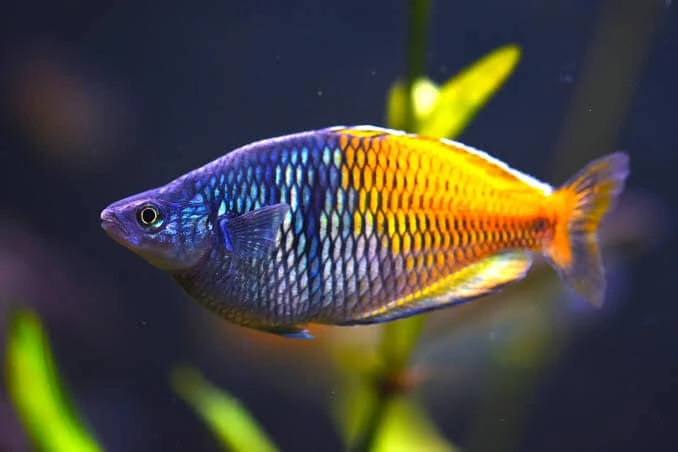
Boesemani Rainbowfish
Melanotaenia boesemani
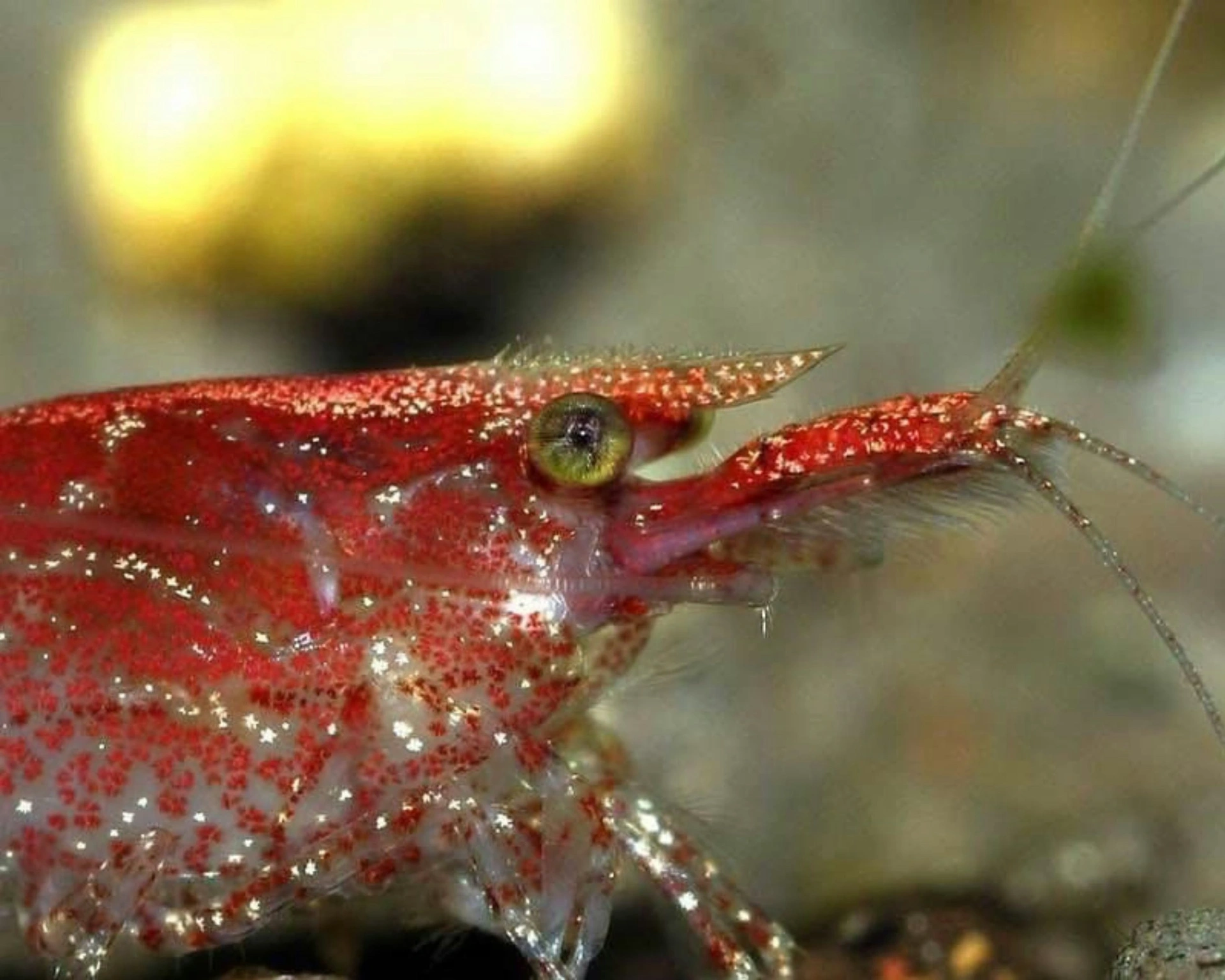
Cherry Shrimp
Neocaridina davidi
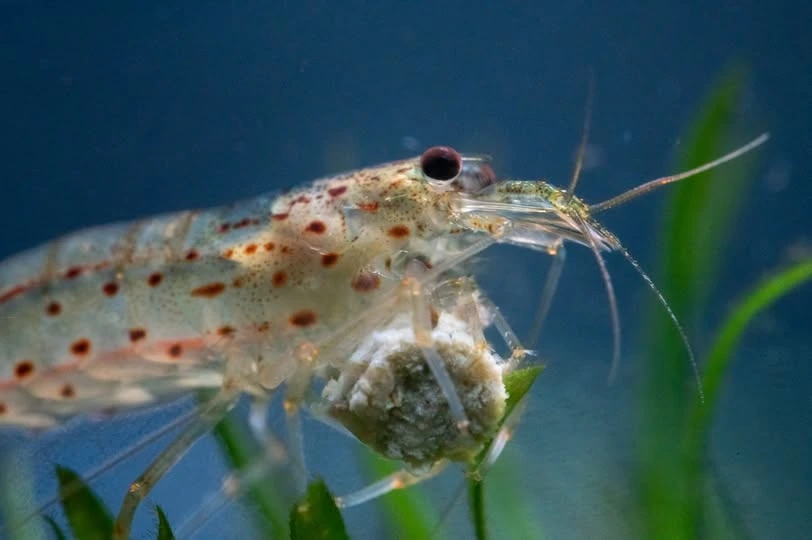
Amano Shrimp
Caridina multidentata
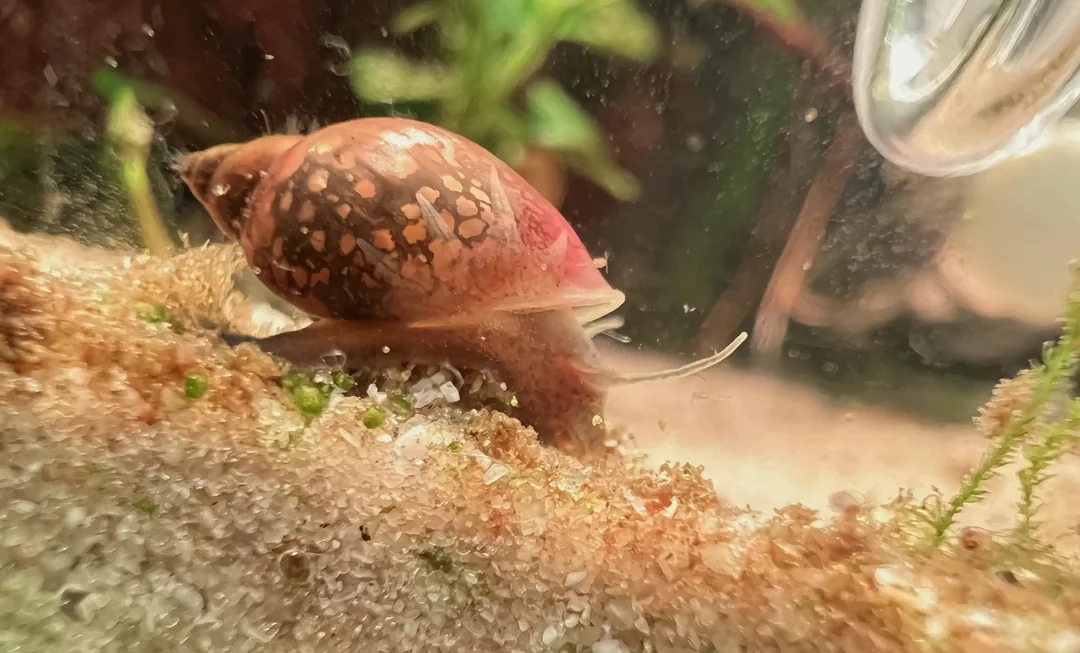
Bladder Snail
Physella acuta
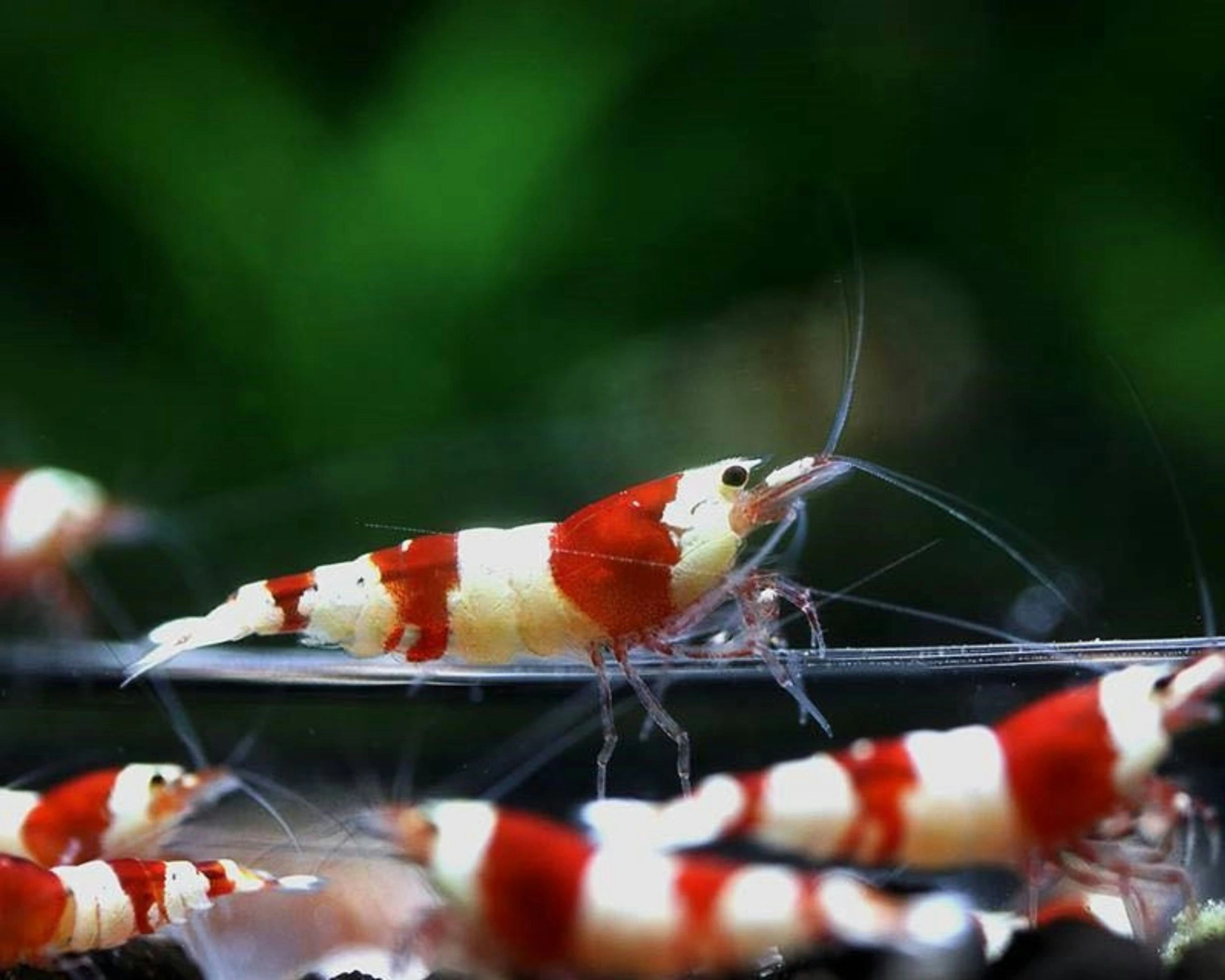
Crystal Shrimp
Caridina cantonensis
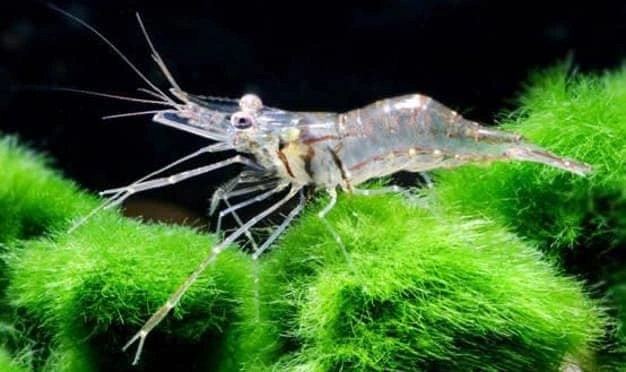
Ghost Shrimp
Palaemonetes paludosus
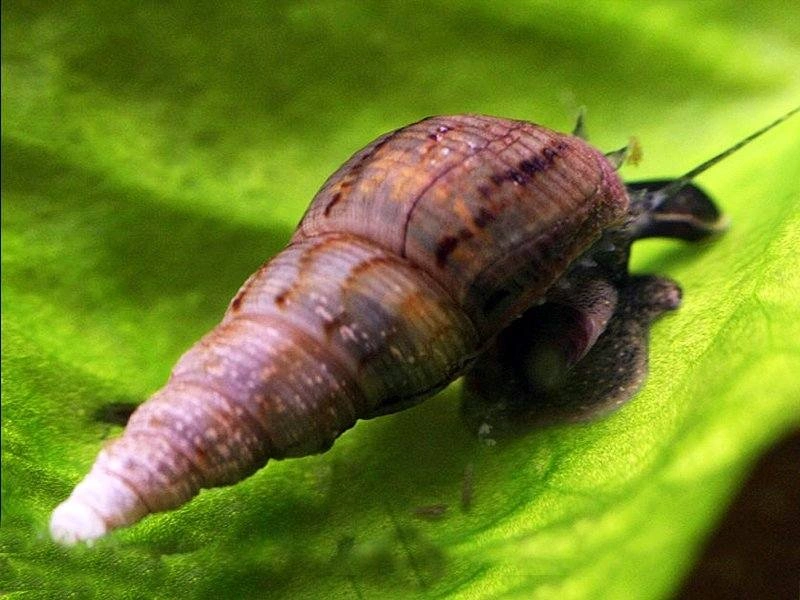
Malaysian Trumpet Snail
Melanoides tuberculata
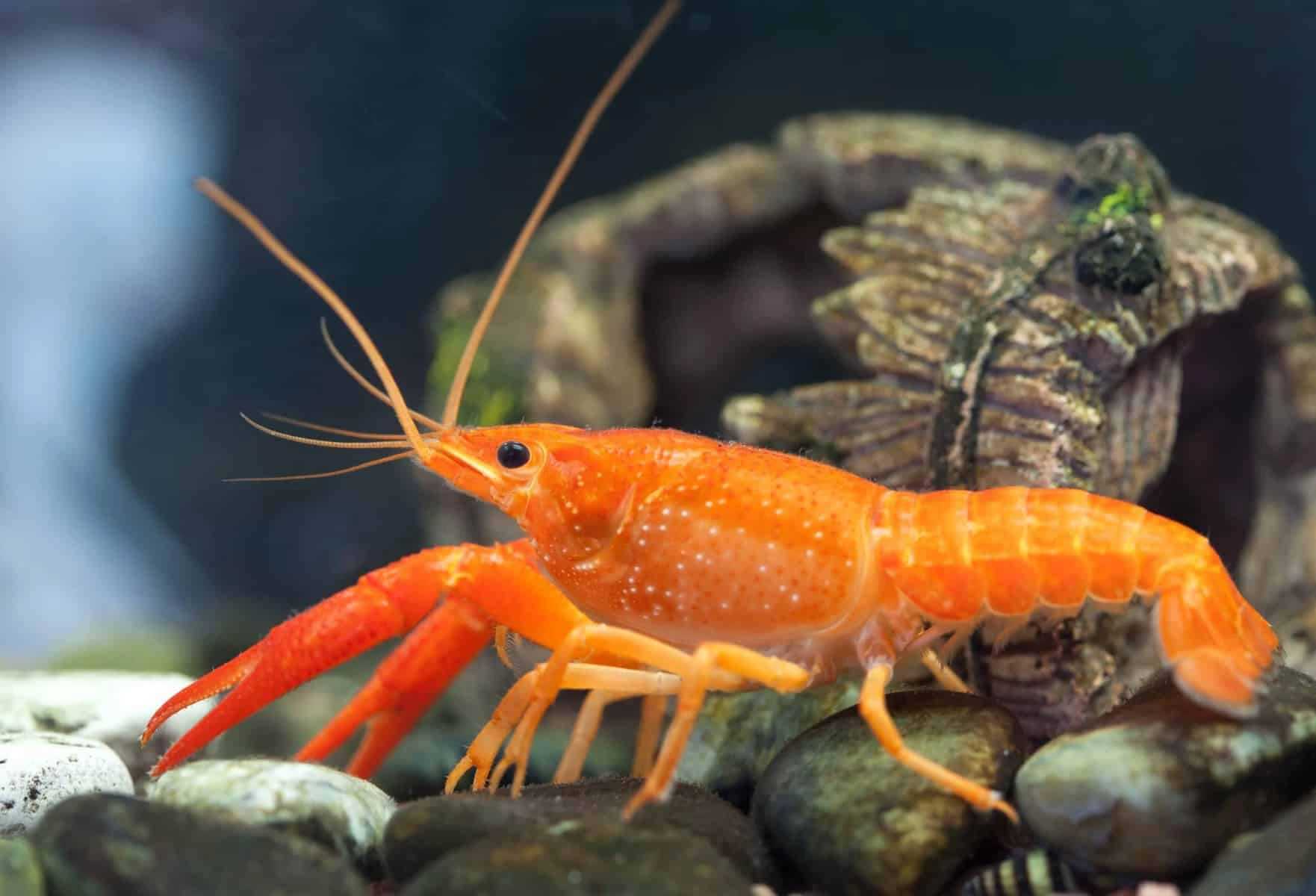
Mexican Dwarf Crayfish
Cambarellus patzcuarensis
Ready to Add Blue Velvet Shrimp to Your Tank?
Use our free stocking calculator to check compatibility, bioload, and get personalized recommendations.