
Care Requirements
Adult Size
4.3" (11cm)
Min Tank
40 gal
Temperature
75-82°F
pH Range
7-8
Lifespan
5-8 years
Min Group
6+ fish
Diet
Omnivore
Swim Level
Middle
Bioload
4/10
Hardness
10-20 dGH
About Boesemani Rainbowfish
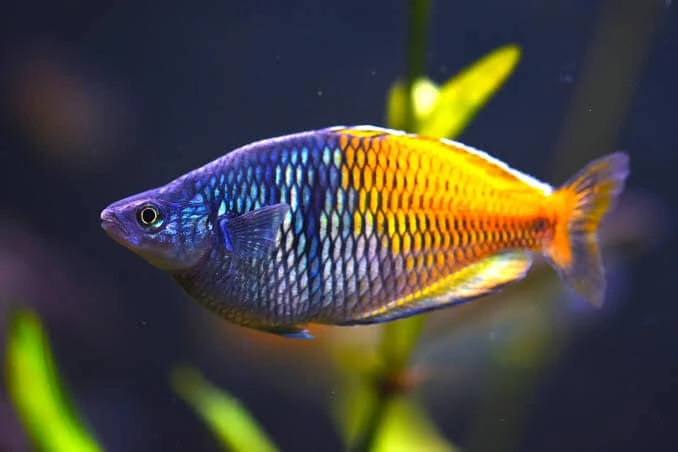
The Boesemani Rainbowfish is widely considered one of the most beautiful freshwater aquarium fish in the world. Native to the Ajamaru Lakes region of West Papua, Indonesia, these stunning fish feature a dramatic two-tone coloration—deep iridescent blue on the front half transitioning to brilliant orange-gold on the rear. This striking appearance has made them favorites among aquarists worldwide.
What makes Boesemanis particularly special is how their color develops with age. Juveniles are rather dull and gray, giving no hint of their adult splendor. It takes 12-18 months for males to develop their full coloration, making patience a virtue with this species. The wait is worth it—mature males displaying in morning light are breathtaking.
These are critically endangered in their very limited wild range, making captive-bred specimens important for conservation. Fortunately, they breed readily in captivity, and virtually all aquarium fish are commercially bred. By keeping Boesemanis, hobbyists help reduce collection pressure on wild populations.
Natural Habitat & Origin
Conservation status: Endangered (EN)
Boesemani Rainbowfish have an extremely restricted natural range, found only in the Ajamaru Lakes system in the Bird's Head Peninsula of West Papua, Indonesia. This small area consists of three interconnected lakes with clear, shallow water rich in aquatic vegetation.
Their native waters are hard and alkaline—quite different from the soft acidic waters many tropical fish prefer. The lakes feature sandy or muddy substrates with abundant plant growth, and the fish inhabit areas with good light penetration. Understanding these origins explains their preference for hard, alkaline water conditions in captivity.
Native Region
Indonesia - Ajamaru Lakes region, West Papua
Habitat Type
Shallow, clear lakes with abundant vegetation
Wild Water Conditions
Hard, alkaline water (pH 7.0-8.5, GH 10-25), warm temperatures
Appearance & Varieties
Boesemani Rainbowfish are medium-sized, deep-bodied fish reaching about 4.5 inches (11cm) in length. Their most distinctive feature is the dramatic bicolor pattern—the front half of the body is a deep iridescent blue that can appear purple or teal depending on lighting, while the rear half transitions to brilliant orange or gold. This color split is unique among rainbowfish.
Males are significantly more colorful than females, with deeper bodies, higher dorsal fins, and more intense coloration. Females are smaller with a more subdued silvery-yellow coloration. Both sexes show best color in morning light, when males engage in spectacular displays.
Tank Setup & Requirements
Quick Requirements Summary
Tank Size
Minimum Tank Size
40 gallons
Recommended Tank Size
55 gallons
Boesemani Rainbowfish need spacious tanks—a minimum of 40 gallons (150 liters) for a school, though 60+ gallons is recommended. Long tanks are essential rather than tall ones, as these are active horizontal swimmers that need room to cruise. Their jumping ability means a secure lid is absolutely necessary.
Water Parameters
These fish strongly prefer hard, alkaline water (pH 7.0-8.5, GH 10-25). Unlike many tropical fish, they thrive in harder water conditions. Temperature range of 75-86°F (24-30°C) with middle range being ideal. Stability matters—avoid sudden parameter changes.
Substrate
Any substrate works, but dark substrates dramatically enhance their coloration. Black sand or dark gravel makes their blue and orange really pop compared to light substrates.
Plants & Decorations
Plants are beneficial for natural appearance and provide spawning sites. Use hardy species like Vallisneria, Java Fern, Amazon Swords, and Anubias that tolerate hard water. Driftwood adds interest, but leave plenty of open swimming space—they need room to move.
Filtration & Water Flow
Good filtration with moderate flow suits them well—they appreciate some current as active swimmers. Standard tropical filtration at 4-6x tank volume turnover works well. Ensure good oxygenation.
Lighting
Moderate lighting works best. Morning sunlight or LED lights that simulate dawn trigger the most spectacular male displays and color shows. This 'dawn display' is one of the hobby's highlights.
Diet & Feeding Guide
Diet Type
omnivore
Feeding Frequency
2x daily
Portion Size
What they consume in 2-3 minutes
Boesemani Rainbowfish are enthusiastic omnivores that accept virtually any aquarium food. They're eager feeders at all water levels, making them easy to feed. A varied diet keeps them healthy and brings out their best coloration.
Best Foods for Boesemani Rainbowfish
- Color-enhancing flakes/pellets — Foods with carotenoids dramatically improve their orange coloration
- High-quality tropical flakes — Good staple diet base
- Frozen bloodworms — Excellent protein source, feed 2-3 times weekly
- Frozen brine shrimp — Natural color enhancement and variety
- Daphnia — Great for digestive health and color
- Spirulina flakes — Supports coloration and overall health
Foods to Avoid
- Low-quality foods — Affects color development and health
- Exclusively dry diet — Variety is important for optimal coloration
- Overfeeding — Can pollute water and cause health issues
Color-enhancing foods containing astaxanthin and other carotenoids are particularly beneficial for bringing out their spectacular orange coloration. Feed varied diet including frozen and live foods for best results.
Behavior & Temperament
Boesemani Rainbowfish are active, peaceful schooling fish that add constant movement to the aquarium. They swim throughout the middle to upper water column and are always on the move.
Males are known for their spectacular morning displays, where they compete for female attention with flashing colors and flared fins. This 'dawn display' is when their coloration is most intense. Males also spar with each other, but this is harmless posturing rather than actual fighting.
Their coloration intensifies significantly with age—patience is required as juveniles look nothing like the stunning adults. Healthy, mature males in good conditions are among the most colorful freshwater fish available.
Tank Mates: Compatibility Guide
Compatible Tank Mates
Other Rainbowfish
Excellent companions with similar needs
Larger Tetras
Congo tetras, larger characins work well
Corydoras
Peaceful bottom-dwellers complement the mid-water rainbows
Loaches
Clown loaches, yoyo loaches make good companions
Plecos
Bristlenose and other peaceful plecos
Peaceful Cichlids
Rams, angelfish (in large tanks), peaceful species
Gouramis
Pearl, honey, and similar peaceful species
Barbs
Cherry barbs, larger peaceful barbs
Tank Mates to Avoid
Very small fish
May be intimidated by the active swimming
Slow-moving long-finned fish
May be outcompeted for food or stressed
Aggressive species
Will stress the peaceful rainbowfish
Soft water fish
Require different water chemistry
Common Pairing Questions
Can Boesemani rainbowfish live with shrimp?
Adult Boesemanis will likely eat small shrimp like cherry shrimp. Larger shrimp like Amanos may be safer, but rainbowfish are opportunistic and shrimp aren't recommended tankmates.
Can I keep Boesemani rainbowfish with other rainbowfish species?
Absolutely—they mix well with other rainbowfish species. Different species add variety while having similar care requirements. Just ensure adequate tank size for multiple species.
Are Boesemani rainbowfish good community fish?
Yes—they're peaceful and compatible with most community fish. Just ensure tankmates can tolerate hard, alkaline water and aren't so small they'll be intimidated by the active swimming.
Boesemani Rainbowfish are moderate to breed and make rewarding breeding projects. They're egg scatterers that deposit adhesive eggs among fine-leaved plants or spawning mops over several days.
Males display intensely at dawn, showing their most vibrant colors. Pairs swim into plant thickets where eggs are scattered with adhesive threads that attach to vegetation. Spawning continues over several days with eggs deposited in batches.
Remove eggs or spawning mops to a separate tank, as parents will eat eggs. Eggs hatch in 7-12 days depending on temperature. Fry are tiny and require infusoria for the first week or two before graduating to baby brine shrimp. Fry grow slowly and take over a year to develop adult coloration.
Health Issues & Disease Prevention
Boesemani Rainbowfish are generally hardy when their water chemistry needs are met. They prefer hard, alkaline water and may struggle in soft, acidic conditions. Good water quality and stable parameters keep them healthy.
Common Diseases
| Disease | Symptoms | Treatment |
|---|---|---|
| Ich | White spots, scratching against objects | Raise temperature gradually, standard ich medication |
| Velvet | Gold dust appearance on body | Dim lights, copper-based medication |
| Fish Tuberculosis | Wasting, curved spine, lethargy | Often untreatable—prevention through quality stock is key |
| Columnaris | White patches, mouth fungus appearance | Antibacterial treatment, pristine water quality |
Signs of a Healthy Boesemani Rainbowfish
- Vibrant blue and orange coloration
- Active swimming throughout tank
- Good appetite—eager at feeding time
- Males displaying to females
- Natural schooling behavior
Prevention Tips
- Quarantine new fish for 2-3 weeks
- Maintain hard, alkaline water conditions
- Keep water parameters stable
- Provide high-quality, varied diet
- Keep in groups of 6+ for security
Frequently Asked Questions
Juveniles are dull gray-silver and take 12-18 months to develop full coloration. Adults need good diet with color-enhancing foods, proper water chemistry, and low stress. Males are much more colorful than females.
Yes—critically endangered in the wild with a very restricted range. Fortunately, they breed readily in captivity, and most aquarium fish are captive-bred, helping reduce wild collection.
They strongly prefer hard, alkaline water (pH 7.0-8.5, GH 10-25). They can adapt to moderately soft water but won't show their best colors or health in acidic conditions.
Morning light triggers the most intense color displays as males compete for female attention. This 'dawn display' is when their blue and orange colors are most vibrant.
Tips for Keeping Boesemani Rainbowfish
Pro Tips
- ✓Buy juveniles knowing they'll take over a year to color up fully
- ✓Morning viewing shows the most spectacular color displays
- ✓Hard alkaline water brings out the best coloration
- ✓Color-enhancing foods with astaxanthin dramatically improve color
- ✓One of the most beautiful freshwater fish when mature
- ✓Buying captive-bred supports wild population conservation
- ✓Males need competition—keep multiple males for best displays
Common Mistakes to Avoid
- ✗Expecting immediate color—juveniles take 12-18 months
- ✗Soft acidic water—they need hard alkaline conditions
- ✗Too small tanks—they're active swimmers needing space
- ✗Small groups—need 6+ for natural behavior
- ✗Poor diet—affects color development significantly
- ✗Gaps in lid—they're excellent jumpers
Sources
- FishBase — Accepted scientific name, maximum size and native range for Boesemani Rainbowfish.
- IUCN Red List — Endangered conservation assessment for Melanotaenia boesemani.
Featured in Biotope Presets
Related Species You Might Like
View All Fish →
Bolivian Ram
Mikrogeophagus altispinosus

Australian Rainbowfish
Melanotaenia splendida
Turquoise Rainbowfish
Melanotaenia lacustris
Dwarf Neon Rainbowfish
Melanotaenia praecox
Celebes Rainbowfish
Marosatherina ladigesi
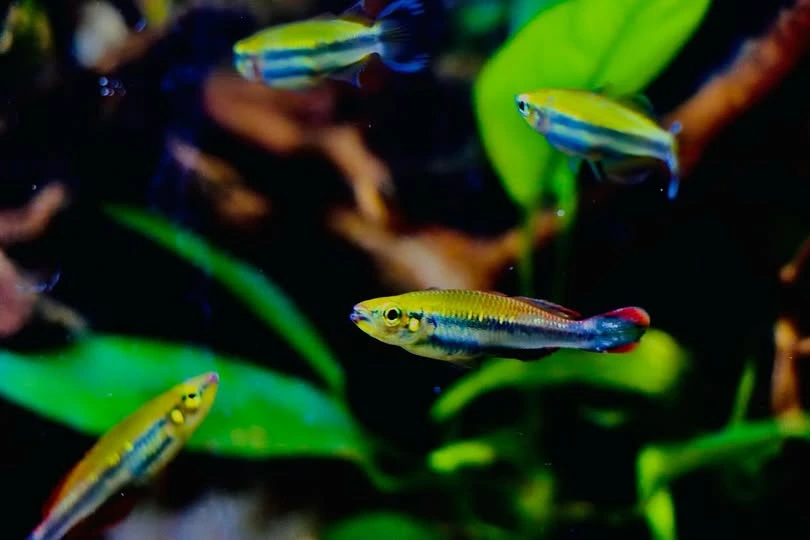
Madagascar Rainbowfish
Bedotia madagascariensis
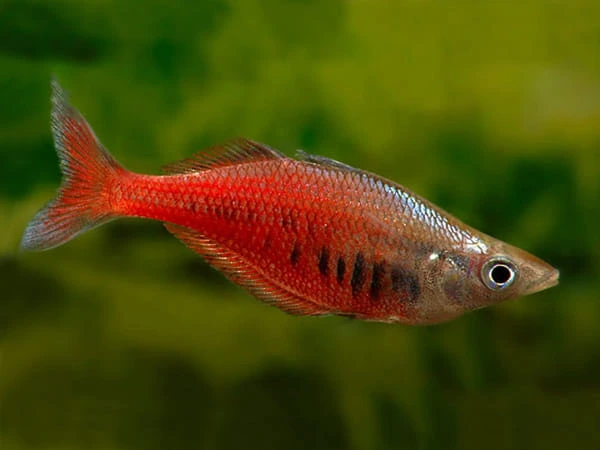
Red Rainbowfish
Glossolepis incisus
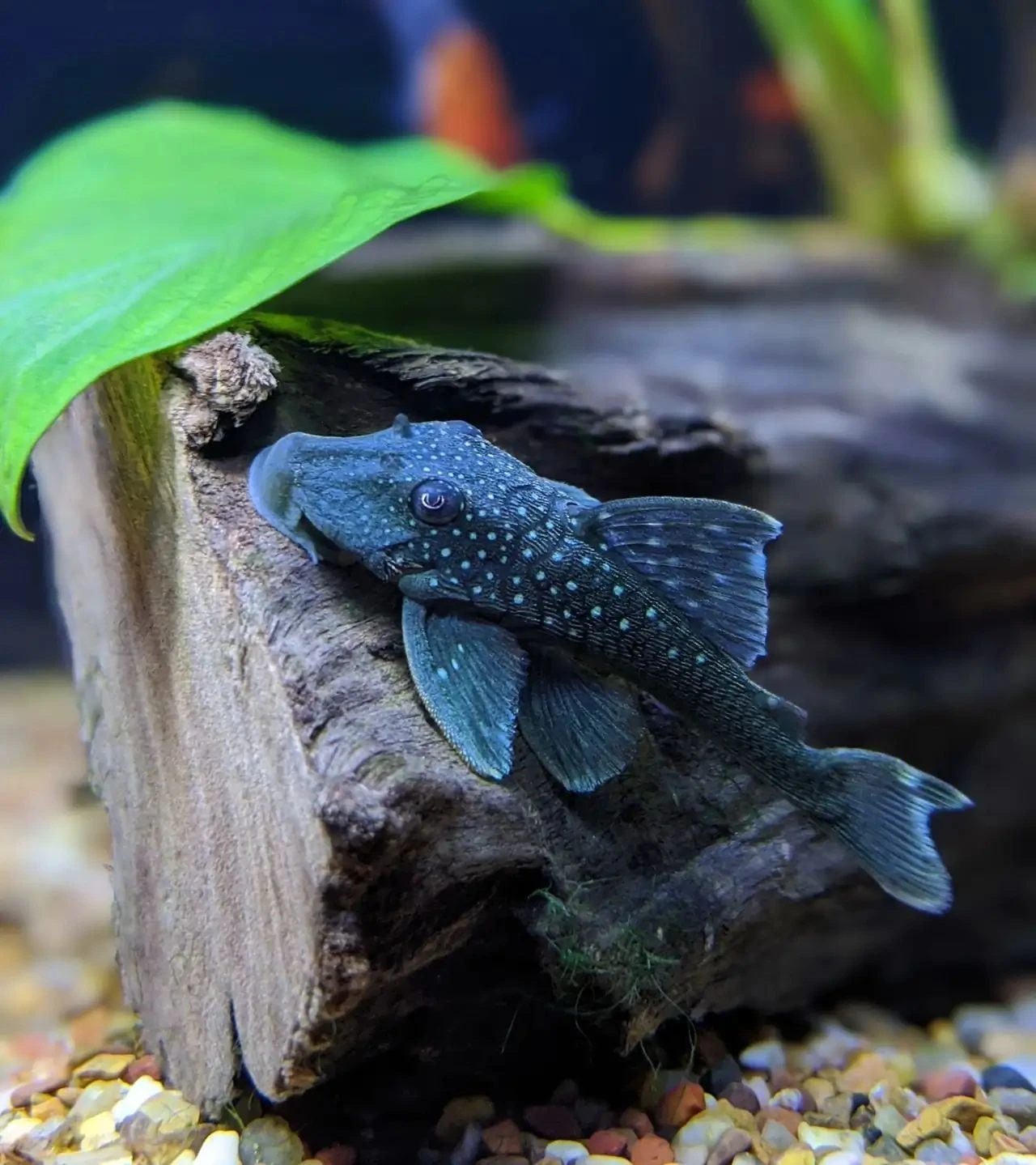
Blue Phantom Pleco
Hemiancistrus sp.
Ready to Add Boesemani Rainbowfish to Your Tank?
Use our free stocking calculator to check compatibility, bioload, and get personalized recommendations.