
Care Requirements
Adult Size
4.7" (12cm)
Min Tank
40 gal
Temperature
68-77°F
pH Range
6.5-7.5
Lifespan
5-7 years
Min Group
6+ fish
Diet
Omnivore
Swim Level
Middle
Bioload
3/10
Hardness
5-15 dGH
About Madagascar Rainbowfish
The Madagascar Rainbowfish offers a fascinating alternative to the Australasian rainbowfish that dominate the hobby. Despite sharing the 'rainbowfish' common name, Bedotia species evolved completely independently in Madagascar, separated from Australian and New Guinean relatives by the Indian Ocean.
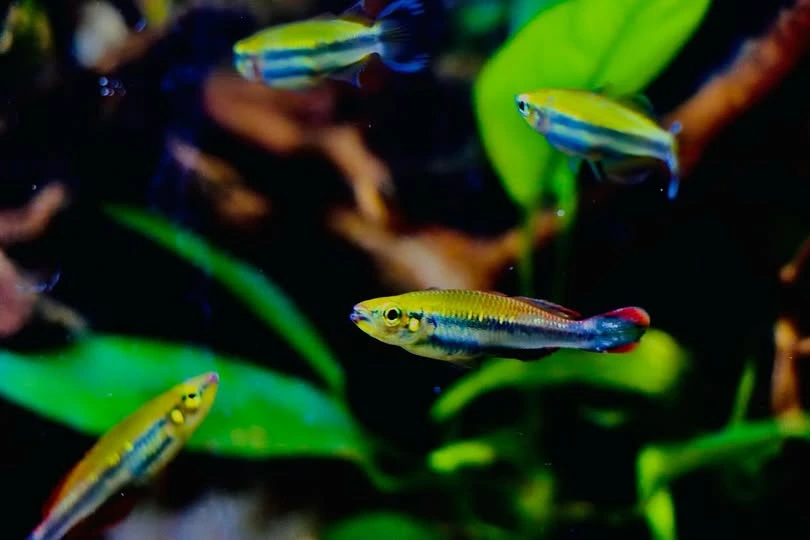
Their appearance is elegant rather than flashy — silver-olive bodies with subtle iridescence, accented by red-orange edging on male fins. The coloration intensifies during displays and breeding condition.
Madagascar Rainbowfish prefer cooler water than most tropical fish — 68-75°F suits them best, reflecting their highland stream origins in Madagascar's eastern mountains.
Conservation status adds significance to keeping this species. Madagascar's devastating deforestation has critically endangered native freshwater fish. Wild populations face extinction pressures from habitat destruction and introduced species. Captive breeding helps maintain genetic diversity.
Natural Habitat & Origin
Conservation status: Endangered (EN)
Madagascar Rainbowfish inhabit highland streams in eastern Madagascar, a region of exceptional endemism. These clear, cool streams flow through remnant forests.
Madagascar's eastern highlands experience cooler temperatures than lowland tropical environments. The native habitat is under severe threat — Madagascar has lost over 90% of its original forest cover.
The IUCN classifies Madagascar Rainbowfish as Critically Endangered based on population declines and ongoing threats. Aquarium populations represent an important genetic reservoir.
Native Region
Madagascar — Eastern highland streams
Habitat Type
Clear, cool highland streams in forested areas
Wild Water Conditions
Cool (20-24°C), soft to moderately hard, neutral pH
Appearance & Varieties
Madagascar Rainbowfish display refined, elegant coloration. The base color is silver-olive with subtle iridescent reflections. Males show red-orange edging on dorsal, anal, and caudal fins.
Body shape differs from Melanotaenia — more elongated with a single dorsal fin (rather than two). This immediately distinguishes them from Australasian species.
Adults reach 4-5 inches (10-12 cm). Coloration develops with maturity.
Popular Varieties
| Variety | Description | Rarity |
|---|---|---|
| Standard/Wild-Type | Silver-olive body with red-orange fin edging (males). The only form available. | Uncommon in trade |
Tank Setup & Requirements
Quick Requirements Summary
Tank Size
Minimum Tank Size
40 gallons
Recommended Tank Size
60 gallons
Madagascar Rainbowfish tanks must accommodate their preference for cooler temperatures. This limits tankmate options but creates appropriate conditions.
Water Parameters
Temperature 68-77°F (20-25°C), ideal 70-75°F. pH 6.5-7.5. Hardness 5-15 dGH. Cooler than typical tropicals — temperatures below 77°F are essential. They don't thrive at 78-82°F.
Substrate
Natural appearance suits them. Sand or fine gravel. Not particular about substrate type.
Plants & Decorations
Provide swimming space with peripheral plants and driftwood. Choose cool-water tolerant plant species. Create a natural stream appearance when possible.
Filtration & Water Flow
Good filtration with moderate current suits their stream origins. Standard community filtration works well.
Lighting
Standard aquarium lighting shows their subtle coloration. Not light-sensitive.
Diet & Feeding Guide
Diet Type
omnivore
Feeding Frequency
Once or twice daily
Portion Size
Amount consumed within 2-3 minutes.
Madagascar Rainbowfish are omnivores accepting a variety of foods. Like other rainbowfish, they're enthusiastic feeders.
Best Foods for Madagascar Rainbowfish
- Quality flake food — Staple diet. They feed readily at surface and mid-water levels.
- Small floating pellets — Quality pellets provide varied nutrition.
- Frozen bloodworms — Excellent protein source. Feed several times weekly.
- Frozen brine shrimp — Readily accepted. Good variety food.
- Live foods — Daphnia, mosquito larvae, brine shrimp eagerly consumed. Excellent for conditioning.
- Color-enhancing foods — Foods with carotenoids may enhance fin coloration in males.
Foods to Avoid
- Single food type only — Variety maintains health.
Like other cool-water species, their metabolism is lower than warm-water tropicals. Don't overfeed.
Behavior & Temperament
Madagascar Rainbowfish are active, schooling fish displaying typical rainbowfish behavior. Males display with intensified fin coloration. The red-orange fin edging becomes most vivid during competitive displays.
They're peaceful community fish that ignore other species. Schooling behavior is best in groups of 6+.
Tank Mates: Compatibility Guide
Compatible Tank Mates
Prefer similar cooler temperatures. Excellent companions.
Tolerate cooler water. Active companions.
Prefer cooler water. Different zones.
Tolerate cooler temperatures. Compatible.
Share preference for cooler, flowing water.
Tank Mates to Avoid
Warm-water tropical fish
Species requiring 78°F+ are incompatible.
Aggressive species
Peaceful rainbowfish shouldn't be kept with aggressive tankmates.
Very small fish
May consume very small tankmates.
Madagascar Rainbowfish can breed following general rainbowfish principles. They're egg scatterers depositing adhesive eggs among fine-leaved plants. Eggs hatch in 10-14 days at appropriate temperatures. Raising fry contributes to captive populations of this Critically Endangered species.
Health Issues & Disease Prevention
Madagascar Rainbowfish are reasonably hardy when their temperature requirements are met. The primary health concern is keeping them too warm.
Common Diseases
| Disease | Symptoms | Treatment |
|---|---|---|
| Temperature Stress | Lethargy, faded color, susceptibility to infection. From keeping too warm. | Reduce temperature to 68-75°F. They're highland fish. |
| Ich | White spots, flashing, clamped fins. | Raise temperature moderately (to 75-77°F maximum). Commercial medications. Don't overheat. |
| Columnaris | White patches, frayed fins. | Antibacterial medication. Improve water quality. |
| General Decline | Lethargy, loss of color, reduced appetite. | Review temperature (most common issue), water quality, and stressors. |
Signs of a Healthy Madagascar Rainbowfish
- Active swimming
- Good coloration with visible fin edging (males)
- Enthusiastic feeding
- Clear eyes and intact fins
Prevention Tips
- Maintain cooler temperatures (68-75°F)
- Provide adequate swimming space
- Keep in groups of 6+
- Feed varied diet
- Choose temperature-compatible tankmates
Frequently Asked Questions
They evolved completely independently from Australasian rainbowfish. Key differences include a single dorsal fin, different body proportions, different geographic origin (Africa), and cooler temperature preference.
Cooler than typical tropicals — 68-75°F (20-24°C). Their highland origin means they don't thrive at 78-82°F.
Yes — Critically Endangered. Madagascar's massive deforestation has devastated freshwater habitats. Breeding them in captivity contributes to conservation.
Temperature is the key factor. Turquoise Rainbowfish share cooler preferences and could be combined. Avoid mixing with species requiring warm tropical temperatures.
It reflects their separate evolutionary history — Bedotia evolved independently in Madagascar and developed different fin structures from Melanotaenia.
Tips for Keeping Madagascar Rainbowfish
Pro Tips
- ✓Build communities around their cooler temperature needs — White Clouds, Danios, Peppered Corys.
- ✓Breeding contributes to conservation of this Critically Endangered species.
- ✓Appreciate their subtle, elegant beauty rather than comparing to bold-colored species.
- ✓Source from reputable breeders maintaining captive populations.
Common Mistakes to Avoid
- ✗Keeping at typical tropical temperatures (78-82°F) — causes stress.
- ✗Mixing with warm-water species — temperature incompatibility.
- ✗Expecting bold Melanotaenia coloration — their beauty is subtle.
- ✗Tank too small — need 40+ gallons.
Sources
- FishBase — Accepted scientific name, maximum size and native range for Madagascar Rainbowfish.
- IUCN Red List — Endangered conservation assessment for Bedotia madagascariensis.
Related Species You Might Like
View All Fish →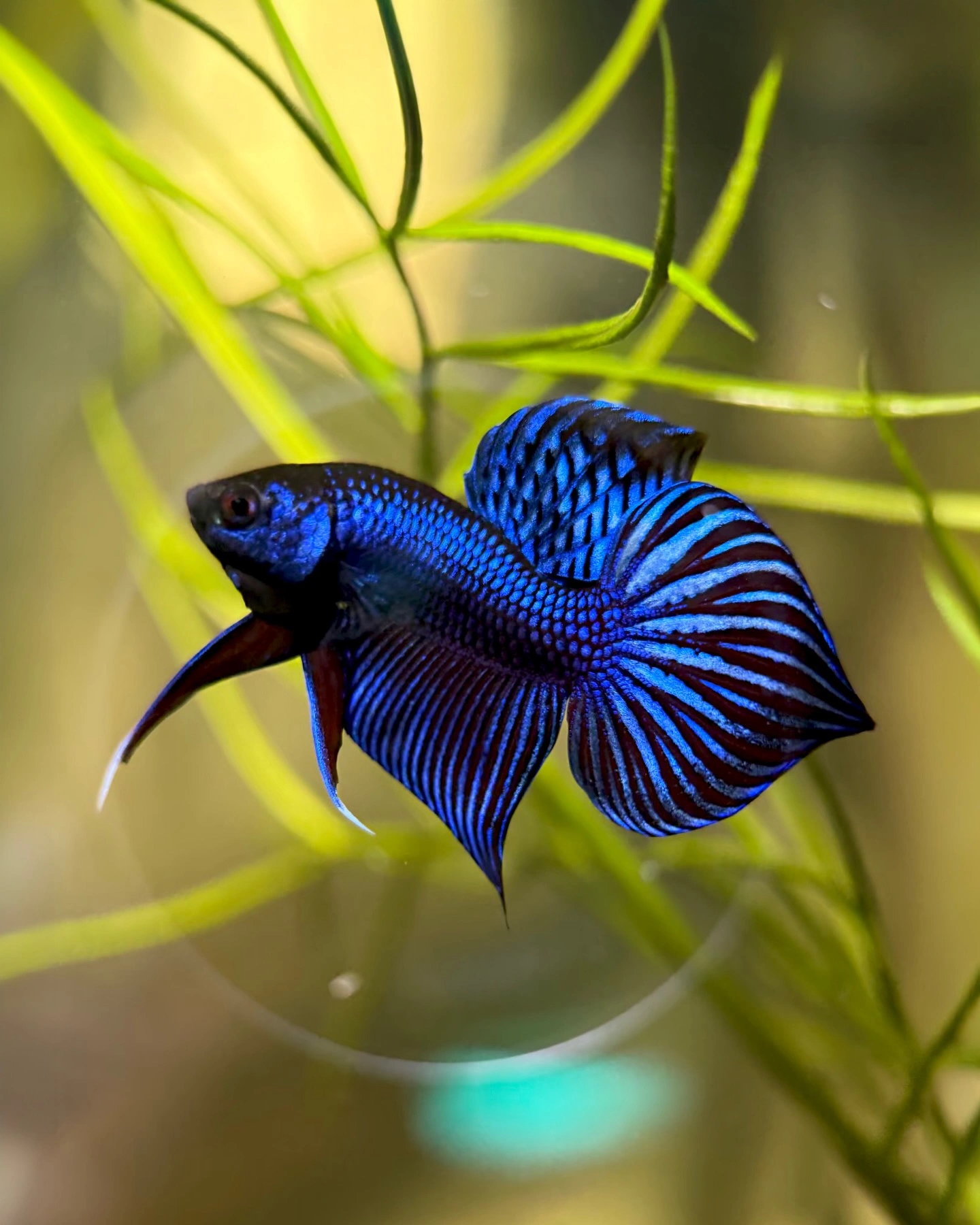
Mahachai Betta
Betta mahachaiensis

Australian Rainbowfish
Melanotaenia splendida
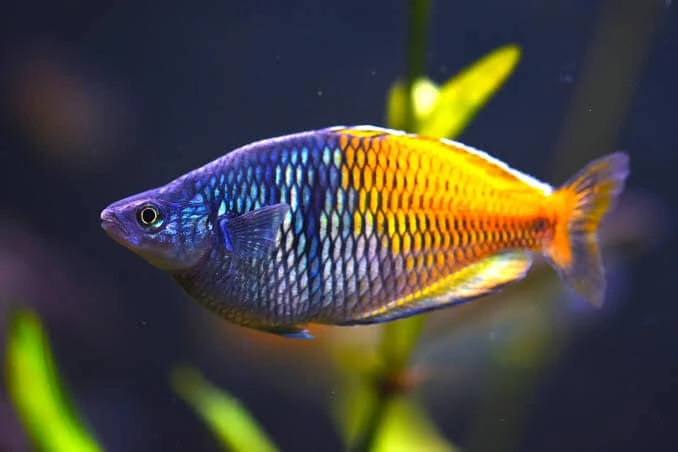
Boesemani Rainbowfish
Melanotaenia boesemani
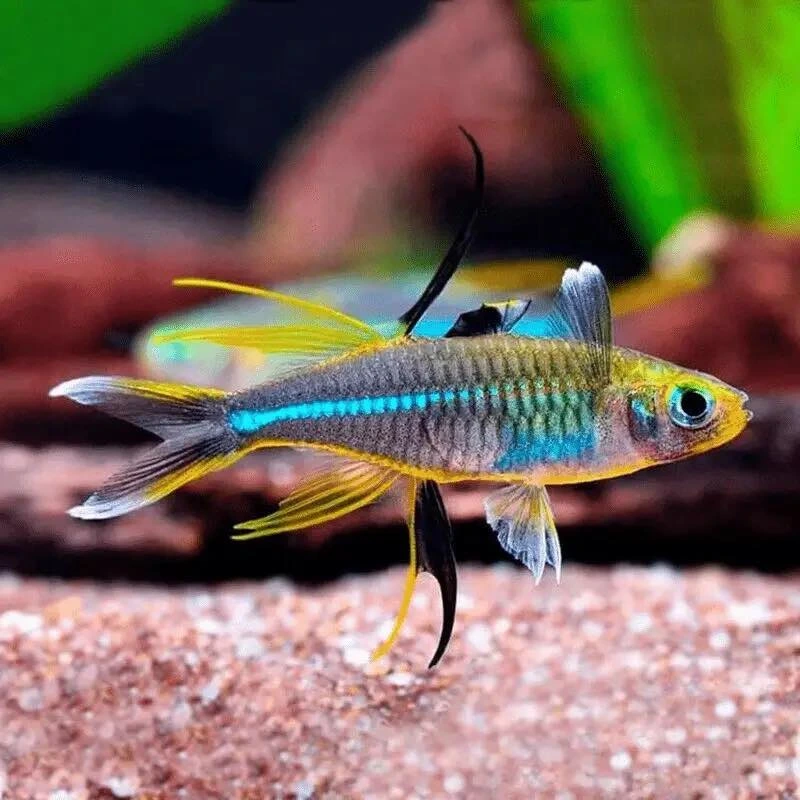
Celebes Rainbowfish
Marosatherina ladigesi
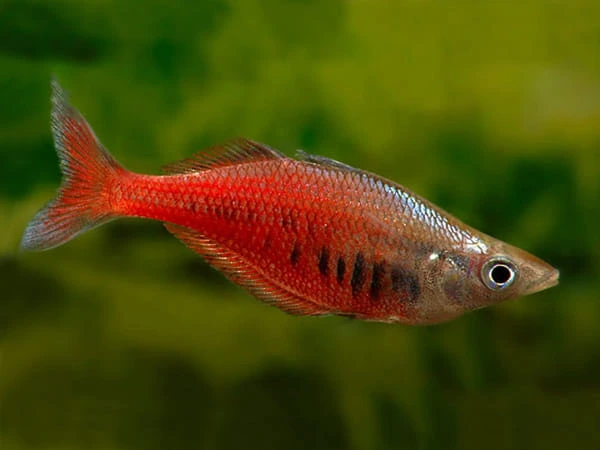
Red Rainbowfish
Glossolepis incisus
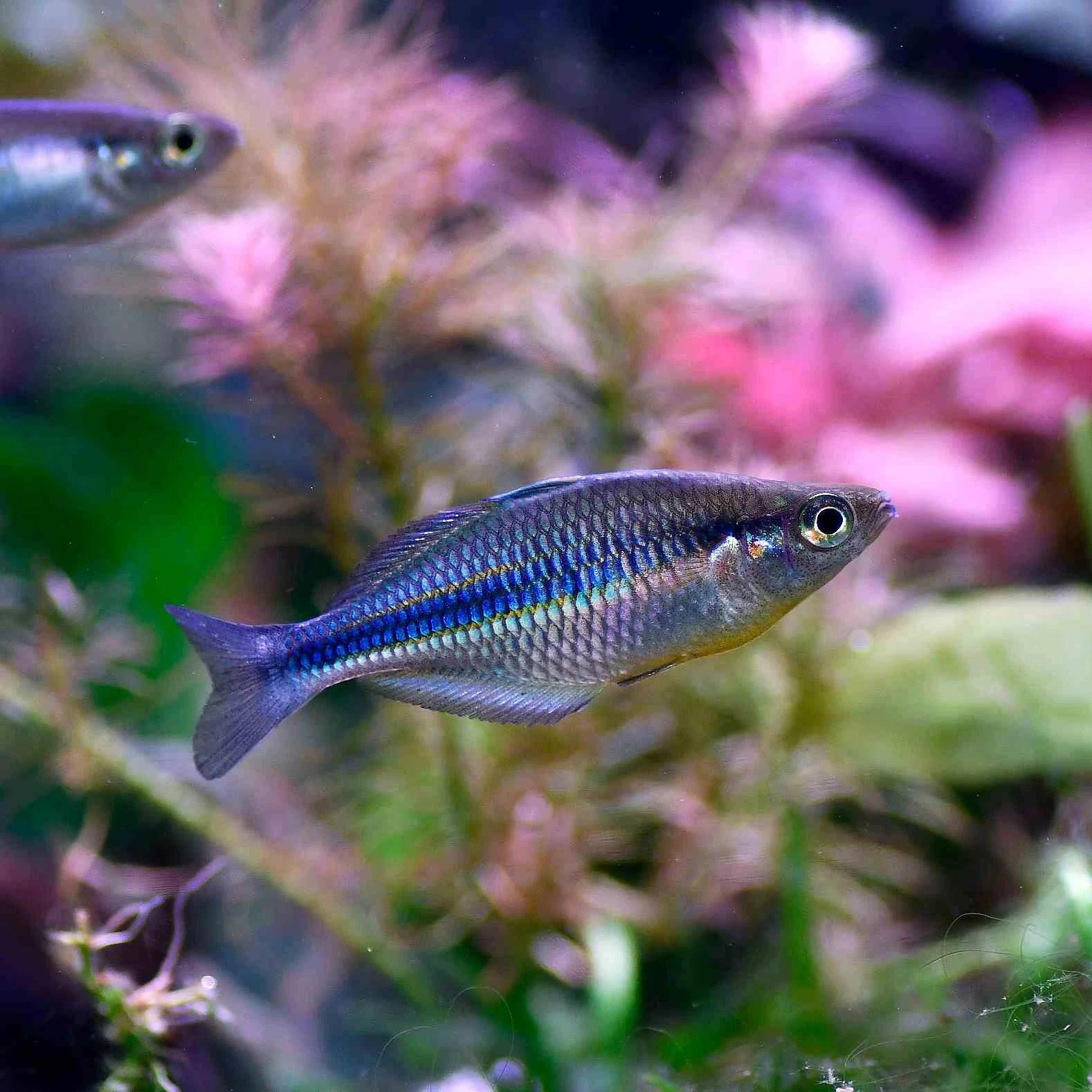
Turquoise Rainbowfish
Melanotaenia lacustris
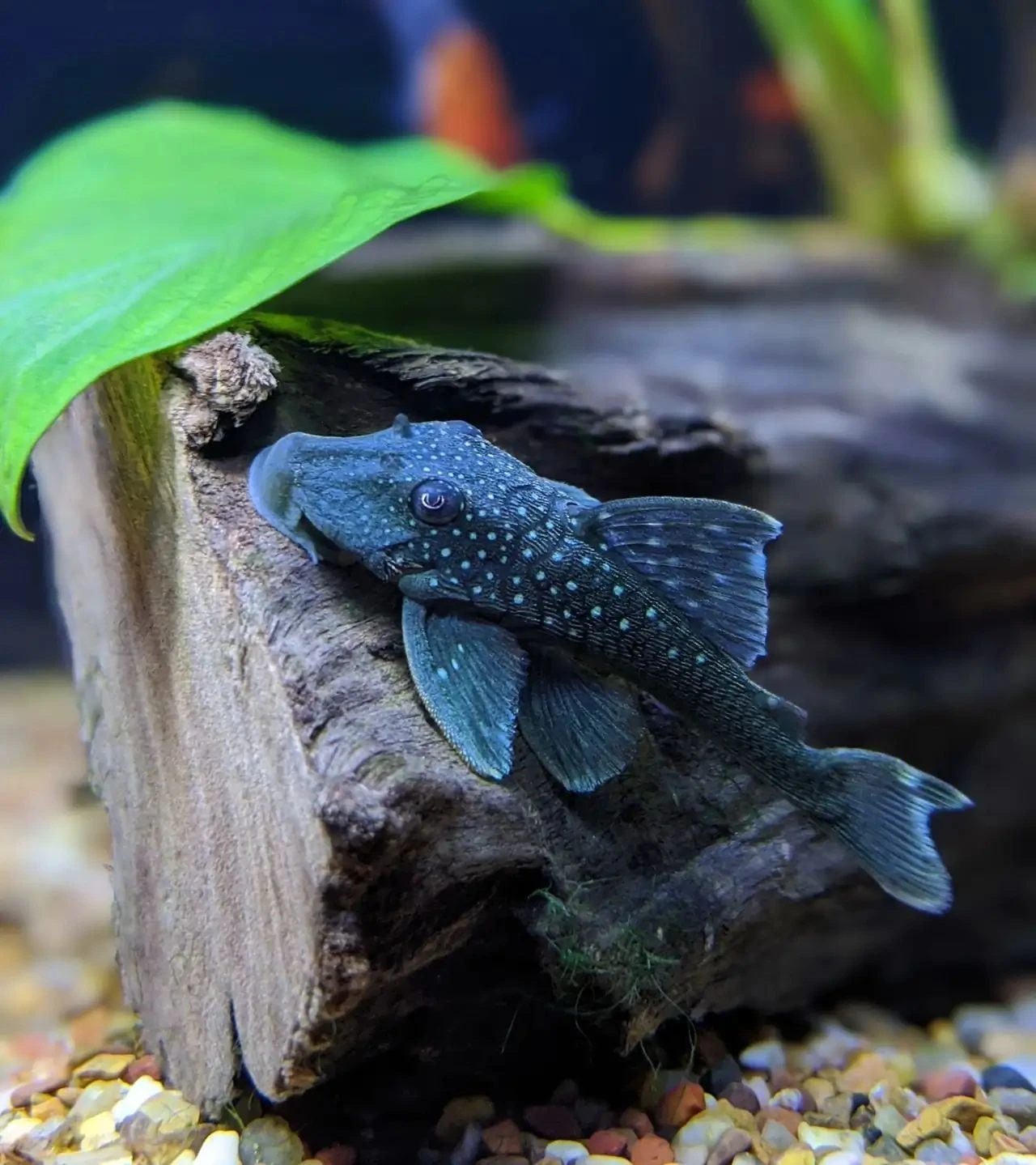
Blue Phantom Pleco
Hemiancistrus sp.
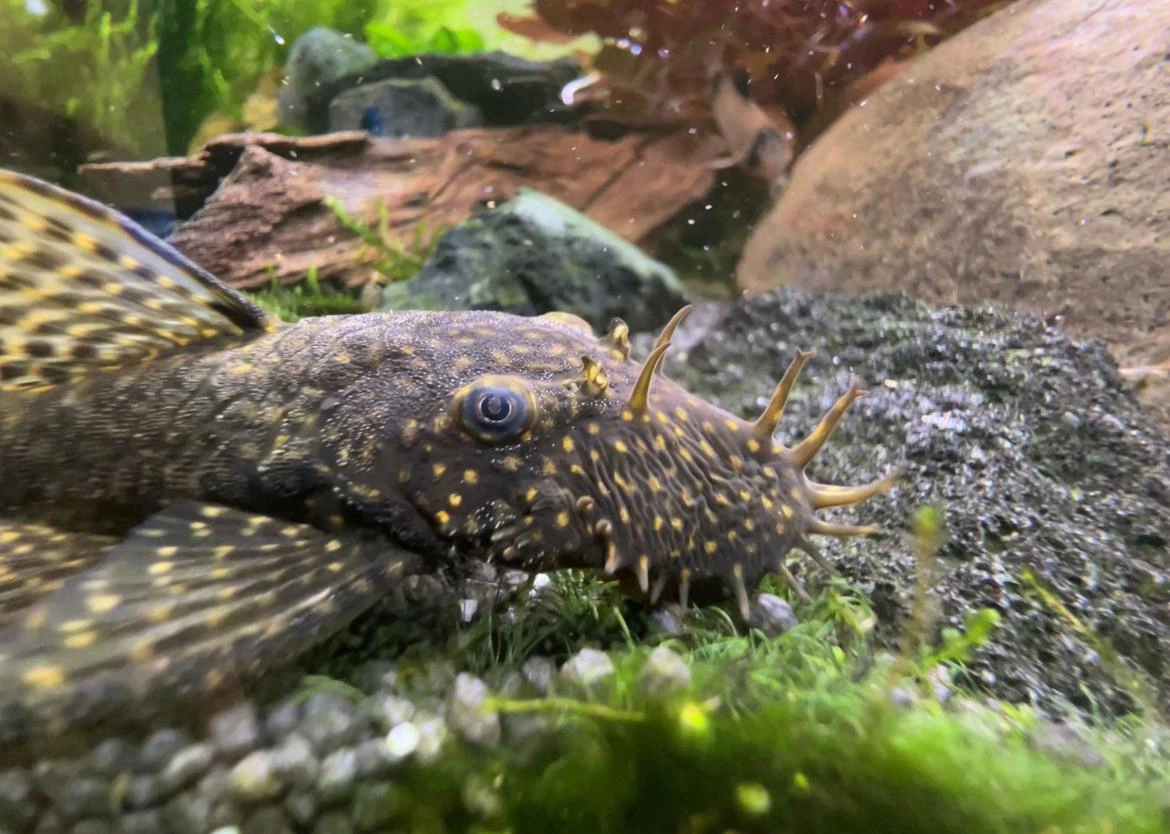
Bristlenose Pleco
Ancistrus sp.
Ready to Add Madagascar Rainbowfish to Your Tank?
Use our free stocking calculator to check compatibility, bioload, and get personalized recommendations.