
Care Requirements
Adult Size
7.1" (18cm)
Min Tank
50 gal
Temperature
75-86°F
pH Range
6-7.5
Lifespan
10-15 years
Min Group
Can be kept alone
Diet
Omnivore
Swim Level
Bottom
Bioload
2/10
Hardness
2-15 dGH
About Blue Phantom Pleco
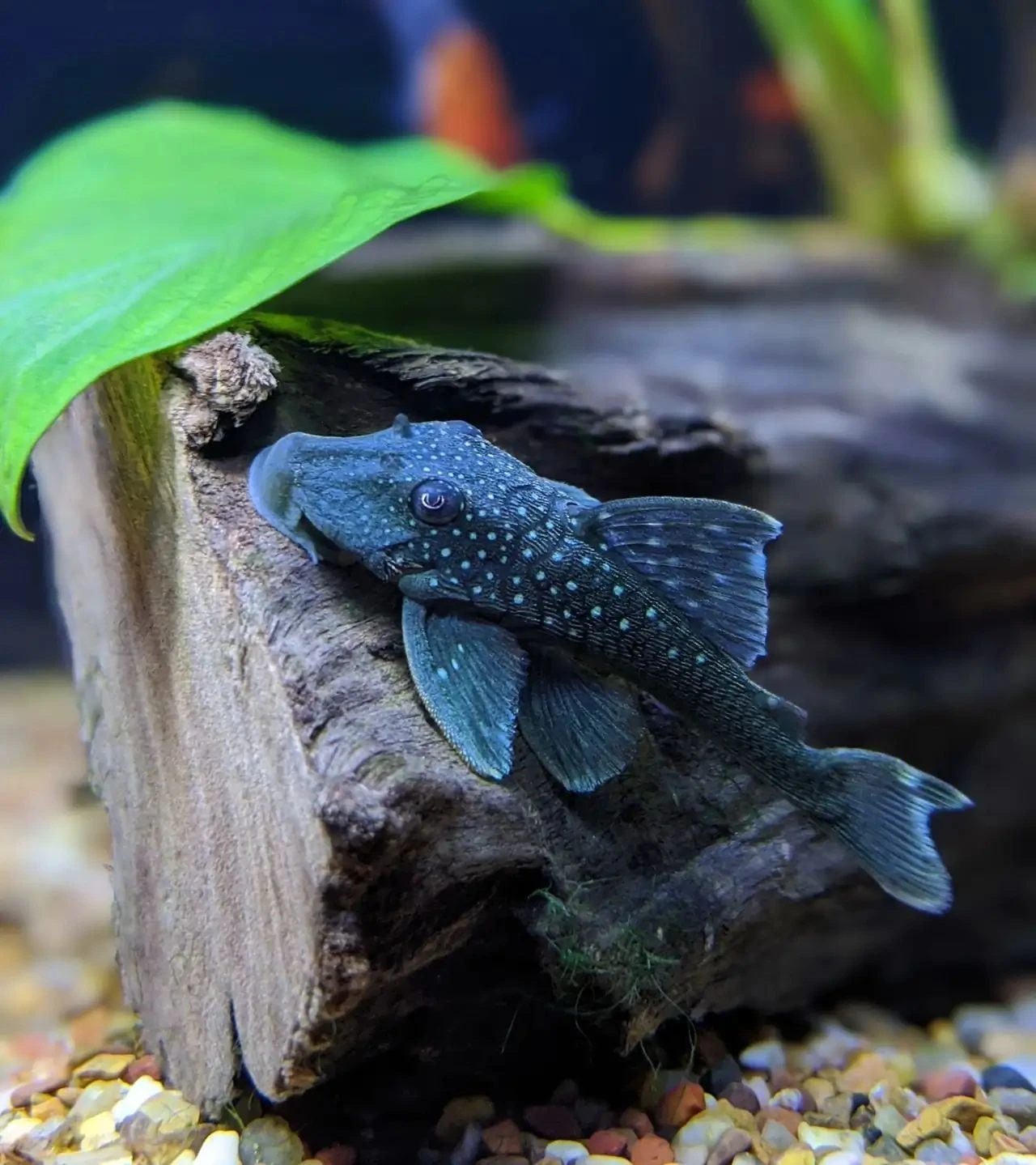
The Blue Phantom Pleco is among the more beautifully colored plecos available — blue-gray base coloration adorned with light blue or white spots creates an attractive, subtle appearance that differs from the browns and blacks of many common plecos. They're often considered one of the most aesthetically pleasing mid-range plecos.
At a maximum size of about 7 inches (18cm), Blue Phantoms are more reasonably sized than many popular plecos. They fit in tanks that couldn't accommodate Giants, Sailfins, or Royals. This manageable size combined with their beauty makes them appealing to aquarists wanting an attractive pleco without monster fish commitment.
Native to Venezuela's Orinoco River, they appreciate warm, soft, well-oxygenated water with some current. Their requirements aren't extreme but do need attention — they're intermediate rather than beginner fish. The warmth requirement (77-86°F) limits some tankmate options.
Blue Phantoms are peaceful and relatively shy, spending daylight hours hidden and emerging at night to feed. They're not demanding fish once established, but proper acclimation and stable conditions matter more than for hardier species.
Natural Habitat & Origin
Blue Phantom Plecos originate from the Orinoco River basin in Venezuela, particularly the main Orinoco channel and some tributaries. They inhabit rocky areas with moderate to strong current and well-oxygenated water.
The Orinoco is a large river system with warm, soft, acidic to neutral water. Blue Phantoms are found in areas with rocky substrate providing caves and crevices for shelter.
They're part of a complex of similar species from the region, with exact taxonomy still being clarified. What's sold as L128 Blue Phantom may encompass related forms with similar care requirements.
Native Region
Venezuela — Orinoco River basin
Habitat Type
Rocky river areas with moderate current
Wild Water Conditions
Warm, soft, slightly acidic to neutral (pH 6.0-7.0), well-oxygenated
Appearance & Varieties
Blue Phantom Plecos display attractive blue-gray base coloration covered with small white or light blue spots. The blue tone varies from subtle gray-blue to more intense blue depending on the individual, conditions, and mood.
Their body shape is typical pleco — flattened, armored, with large head and sucker mouth. Fins are proportional and also display the spotted pattern. The overall effect is elegant rather than dramatic.
Adults reach about 7 inches (18cm), making them medium-sized plecos. This manageable size is part of their appeal.
Popular Varieties
| Variety | Description | Rarity |
|---|---|---|
| L128 (Standard Blue Phantom) | Blue-gray body with white/light blue spots. The commonly available form. Intensity of blue coloration varies individually. | Uncommon |
| Green Phantom (L200) | Related species with greenish-yellow coloration rather than blue. Often sold alongside Blue Phantoms. Similar care requirements. | Uncommon |
Tank Setup & Requirements
Quick Requirements Summary
Tank Size
Minimum Tank Size
50 gallons
Recommended Tank Size
75 gallons
Blue Phantom Pleco tanks should provide warm temperatures, good oxygenation, and appropriate caves. Their requirements are moderate but specific.
Water Parameters
Temperature 24-30°C (75-86°F), pH 6.0-7.5, hardness 2-15 dGH. Prefer warmer temperatures (77-82°F ideal). Soft, slightly acidic water matches their Orinoco origin. Good oxygenation important. More sensitive than some hardier plecos.
Substrate
Sand or smooth gravel protects their underside. Sand is practical and allows natural behavior. They don't dig extensively but appreciate soft substrate.
Plants & Decorations
Caves and rocky structures are essential — they're shy and need secure hideouts. Multiple caves reduce stress. Driftwood appreciated but not essential. Plants aren't necessary but contribute to water quality. They ignore plants entirely — choose species tolerant of their warmer temperature.
Filtration & Water Flow
Good filtration with moderate flow. They appreciate some current matching their river origin. Good oxygenation important. Standard canister or HOB filtration adequate for their moderate bioload.
Lighting
Subdued preferred. Shy fish more active in dimmer conditions. Bright lighting drives them into hiding. Moderate aquarium lighting with floating plants works well.
Diet & Feeding Guide
Diet Type
omnivore
Feeding Frequency
Daily or every other day
Portion Size
What they consume overnight. Feed toward evening when they're becoming active. Remove uneaten food.
Blue Phantom Plecos are omnivores with a preference for meatier foods than some plecos. They're not primarily algae-eaters — protein should be a significant part of their diet.
Best Foods for Blue Phantom Pleco
- Sinking carnivore pellets — Important protein source — they lean more carnivorous than many plecos. Should be a staple.
- Frozen bloodworms — Eagerly accepted and important for protein. Feed several times weekly. Excellent conditioning food.
- Frozen brine shrimp and mysis — Good protein variety. Readily accepted. Part of varied omnivore diet.
- Sinking algae wafers — Accepted for plant matter balance. Shouldn't be the only food — they need protein.
- Blanched vegetables — Zucchini and similar accepted for variety. Supplement to meat-focused diet.
- Repashy gel foods — Omnivore formulas provide balanced nutrition. Good variety option.
Foods to Avoid
- Vegetable-only diets — They need significant protein. Pure herbivore diets lead to malnutrition.
- Floating foods only — Bottom-feeders that won't surface. All food must sink.
Blue Phantom Plecos lean more carnivorous than typical plecos. Frozen bloodworms and carnivore pellets should be significant parts of their diet, not just algae wafers.
Behavior & Temperament
Blue Phantom Plecos are peaceful, shy, primarily nocturnal fish. They spend daylight hours hidden in caves, emerging at night to feed. In dimmer tanks or once well-established, they may become more visible during the day.
They're not aggressive toward tankmates or other plecos, though providing multiple caves reduces any territorial behavior. Their shy nature means they can be outcompeted for food by more aggressive feeders.
When stressed, they may remain hidden for extended periods. New specimens often hide completely for days or weeks during acclimation. Patience and stable conditions eventually bring them out.
Their feeding behavior involves slow, methodical grazing and searching. They'll explore tank surfaces at night rasping biofilm and seeking food items.
Tank Mates: Compatibility Guide
Compatible Tank Mates
Peaceful community fish
Mid-water peaceful species are ignored. Tetras, rasboras, peaceful cichlids work well.
Other peaceful plecos (with space)
Can coexist with other plecos in adequately sized tanks with multiple territories.
Different feeding niche, peaceful coexistence. Both appreciate similar conditions.
Rams and similar dwarf cichlids coexist well. Different zones and no conflict.
Tank Mates to Avoid
Aggressive fish
Their shy nature makes them vulnerable to harassment. Aggressive tankmates cause chronic stress.
Aggressive feeders
May outcompete them for food. Ensure food reaches them at night.
Fish requiring very different conditions
Their warm temperature preference limits some combinations.
Common Pairing Questions
Can Blue Phantom Plecos live with other plecos?
Yes — they're peaceful and coexist well with other plecos in adequately sized tanks. Provide multiple caves for individual territories.
Are Blue Phantom Plecos good community fish?
Yes, with compatible species. They're peaceful and ignore mid-water fish. Just ensure they get food despite shyer feeding habits.
Blue Phantom Plecos have been bred in captivity but rarely in home aquariums. They're cave spawners requiring mature adults and specific conditions.
Breeding requires established pairs in spacious tanks with appropriate cave structures. Males typically develop broader heads and more pronounced odontodes. Simulating rainy season through temperature and water changes may trigger spawning.
Males guard eggs in caves until hatching. Fry require appropriate small foods and pristine water quality. Most aquarium specimens are wild-caught from Venezuela.
Health Issues & Disease Prevention
Blue Phantom Plecos are moderately hardy when their needs are met. They're more sensitive than some common plecos but not delicate. Most problems stem from inadequate conditions.
Common Diseases
| Disease | Symptoms | Treatment |
|---|---|---|
| Ich (White Spot Disease) | Small white spots on body and fins, flashing against objects. | Raise temperature toward upper end of their range (84-86°F). Use half-dose medication. They tolerate warm temperatures well. |
| Bacterial Infections | Red streaks, ulcers, fin erosion. | Usually secondary to poor water quality or stress. Improve conditions; treat with antibacterial if needed. |
| Stress-Related Issues | Faded color, constant hiding, refusing food, increased disease susceptibility. | Address stressors — water quality, temperature, aggressive tankmates, inadequate hiding spots. |
| Malnutrition | Sunken belly despite feeding, poor coloration. | Ensure adequate protein in diet. Increase frozen foods and carnivore pellets. |
Signs of a Healthy Blue Phantom Pleco
- Blue coloration visible
- Full belly
- Active at night
- Clear eyes
- Intact fins
- Accepting food
Prevention Tips
- Maintain warm, stable temperatures
- Provide adequate caves for hiding
- Feed protein-rich diet
- Ensure good oxygenation
- Avoid aggressive tankmates
- Be patient during acclimation — hiding is normal initially
Frequently Asked Questions
Not primarily — they're omnivores leaning carnivorous. Don't buy them expecting tank cleaning — feed them properly.
They're naturally shy, nocturnal fish. Hiding during the day is normal. New specimens may hide for weeks. Ensure adequate caves, dim lighting, and stable conditions.
About 7 inches (18cm) — more manageable than many popular plecos. This moderate size is part of their appeal.
77-86°F (25-30°C) — warmer than some community fish prefer. This should guide tankmate selection.
Coloration primarily — Blue Phantoms (L128) are blue-gray with light spots, Green Phantoms (L200) are greenish-yellow. Care is similar.
Yes — they're peaceful and coexist well with other plecos in adequately sized tanks with multiple caves.
Feed at night when they're naturally active. Offer protein-rich foods. New specimens may take time to settle before eating.
Intermediate difficulty. Their needs — warm water, good oxygen, protein-rich diet, caves — aren't extreme but do require attention.
Tips for Keeping Blue Phantom Pleco
Pro Tips
- ✓Feed protein, not just algae wafers — frozen bloodworms and carnivore pellets should be significant diet components.
- ✓Be patient during acclimation — new specimens often hide completely for days or weeks. This is normal.
- ✓Dim lighting brings them out — floating plants or reduced lighting help.
- ✓Feed toward evening — as nocturnal fish, they become active at dusk.
Common Mistakes to Avoid
- ✗Expecting them to eat algae — they need protein-rich diet.
- ✗Keeping too cool — they need warm water (77-86°F).
- ✗Not providing caves — chronically stressed fish without secure hideouts.
- ✗Giving up during acclimation — extended hiding is normal for new specimens.
- ✗Housing with aggressive feeders — shy fish that get outcompeted for food.
Related Species You Might Like
View All Fish →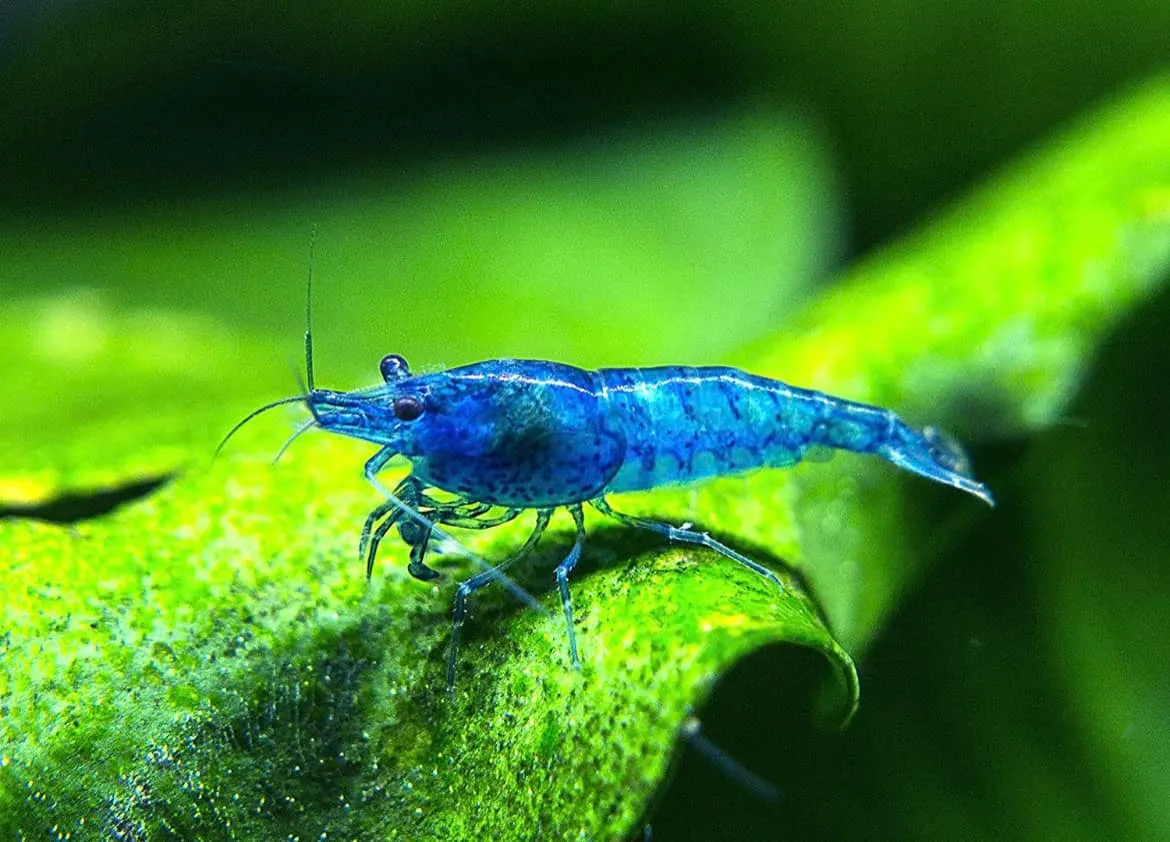
Blue Velvet Shrimp
Neocaridina davidi var. blue
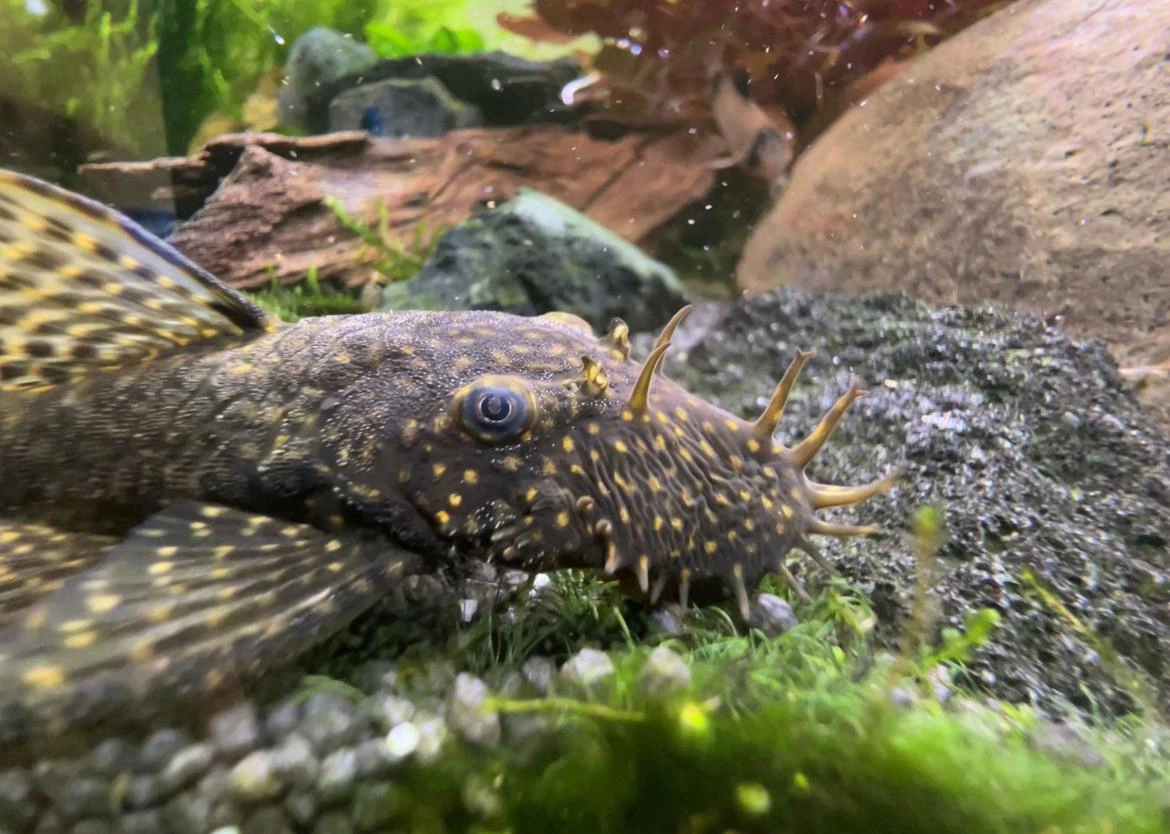
Bristlenose Pleco
Ancistrus sp.
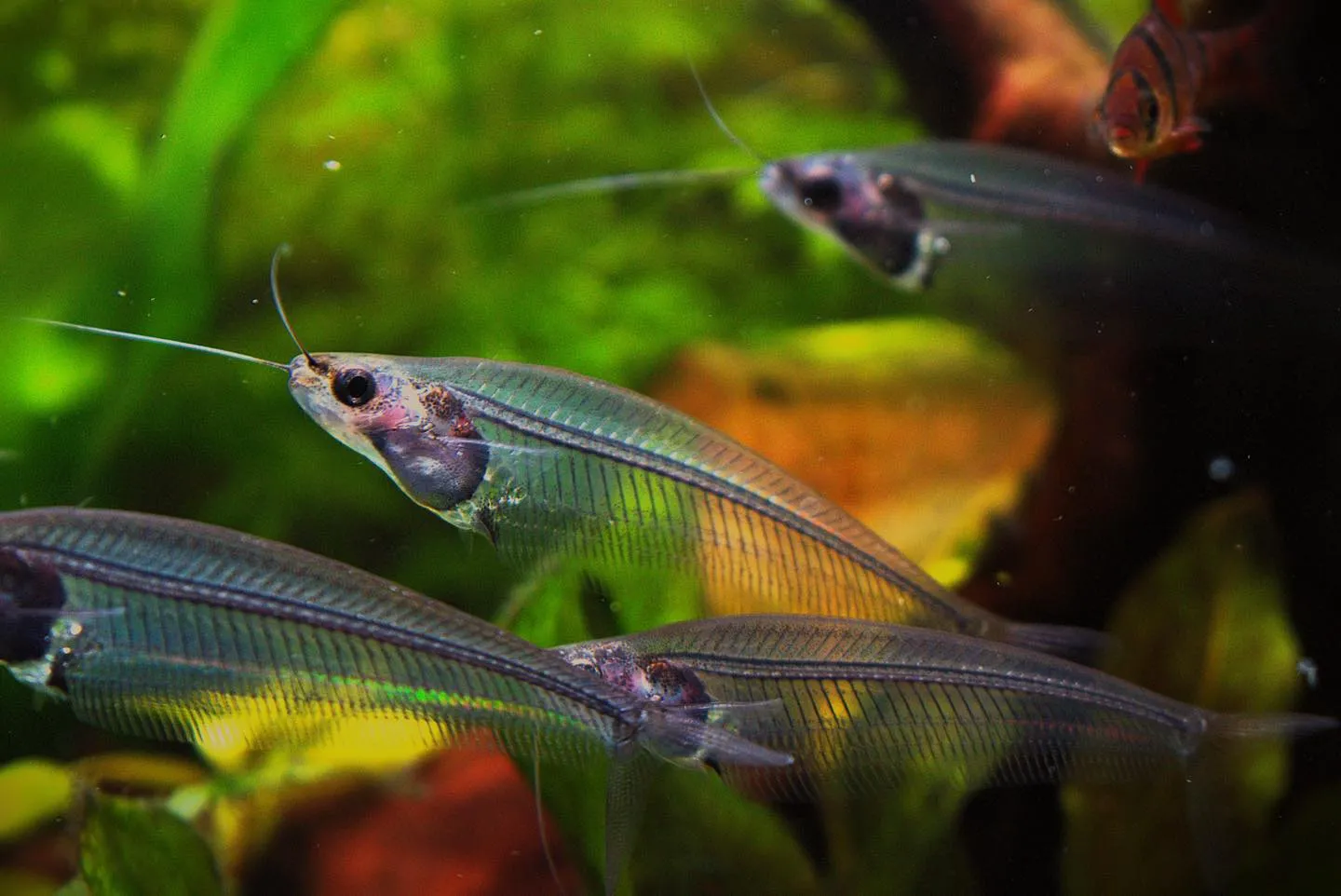
Glass Catfish
Kryptopterus vitreolus
Rubber Lip Pleco
Chaetostoma formosae
Striped Raphael Catfish
Platydoras armatulus
Synodontis Petricola
Synodontis petricola
Twig Catfish
Farlowella acus
Upside Down Catfish
Synodontis nigriventris
Ready to Add Blue Phantom Pleco to Your Tank?
Use our free stocking calculator to check compatibility, bioload, and get personalized recommendations.