
Care Requirements
Adult Size
2.0" (5cm)
Min Tank
10 gal
Temperature
75-86°F
pH Range
6.5-8
Lifespan
3-5 years
Min Group
Can be kept alone
Diet
Carnivore
Swim Level
Middle
Bioload
1/10
Hardness
5-20 dGH
About Mahachai Betta
Betta mahachaiensis holds a unique position among wild bettas — it's the only commonly-kept species naturally inhabiting brackish water. While other Betta species require soft, acidic freshwater, this species evolved in coastal nipa palm swamps where freshwater mixes with seawater.
Discovered and scientifically described only in 2012, Betta mahachaiensis represents one of the most recently-recognized Betta species. Their late discovery reflects their extremely limited range — a small area of Samut Sakhon Province southwest of Bangkok. The swamps they inhabit are rapidly disappearing under urban expansion, making them genuinely critically endangered in the wild.
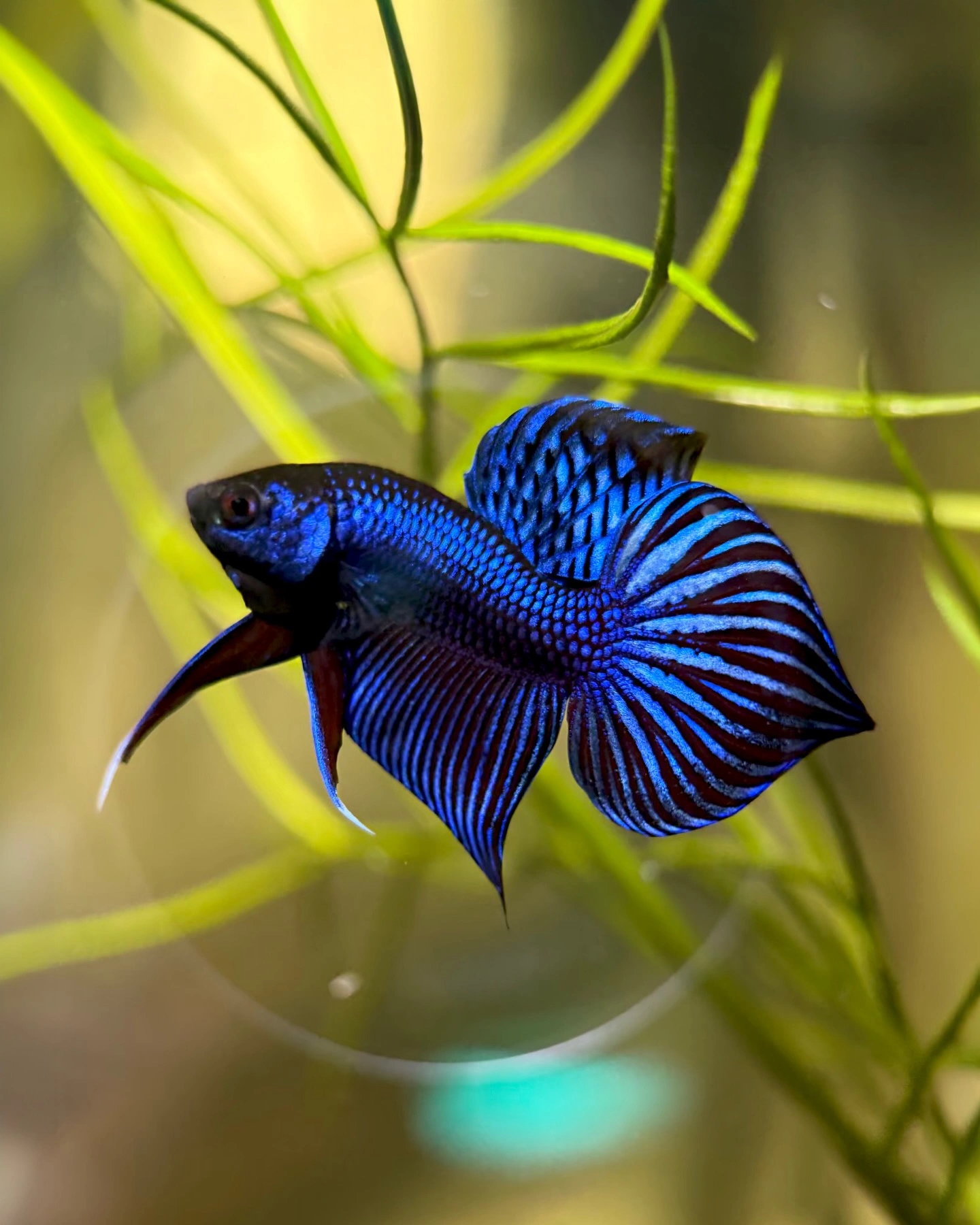
Males display spectacular blue-green iridescence over a dark, almost black base, creating a jewel-like appearance. The contrast produces depth and complexity rare among freshwater fish.
Unlike the 'peaceful' wild bettas, male Betta mahachaiensis show aggression levels approaching domestic splendens. Male cohabitation rarely succeeds. This aggression likely reflects their challenging, resource-limited habitat.
Natural Habitat & Origin
Betta mahachaiensis occupies one of the smallest and most unusual ranges of any wild betta — coastal nipa palm swamps in Samut Sakhon Province, Thailand. These swamps exist where freshwater meets Gulf of Thailand seawater, creating brackish conditions.
Nipa palm swamps are remarkable ecosystems with extensive root systems creating complex structure. Water conditions fluctuate with tides and seasons. Betta mahachaiensis evolved to tolerate this variability.
These swamps are disappearing rapidly. Urban expansion from Bangkok and coastal development have destroyed most habitat. The species' total wild range may now occupy just a few square kilometers. This extreme habitat loss qualifies them as Critically Endangered.
Aquarium populations represent insurance against extinction. Hobbyist breeding programs maintain genetic diversity that wild populations may soon lack.
Native Region
Thailand — Samut Sakhon Province (extremely limited range)
Habitat Type
Coastal nipa palm swamps, brackish water
Wild Water Conditions
Warm (26-30°C), variable salinity (fresh to brackish), pH 6.5-8.0
Appearance & Varieties
Males display stunning iridescence over a dark base — brilliant blue-green jewels on black velvet. Scale edges show the brightest iridescence while centers remain dark, producing a distinctive honeycomb pattern. Adult size approximately 2 inches (5 cm). Fins show iridescent blue-green rays with darker membranes.
Females show reduced coloration with prominent ovipositor. Both sexes display horizontal stress bars when stressed.
Popular Varieties
| Variety | Description | Rarity |
|---|---|---|
| Wild-Type | Blue-green iridescence over dark/black base with honeycomb scale pattern. The natural and only true form. | Uncommon — specialty trade |
| Hybrids | Hybrids with B. splendens exist in trade, sometimes mislabeled. Source from reputable breeders. | Occasional (mislabeled) |
Tank Setup & Requirements
Quick Requirements Summary
Tank Size
Minimum Tank Size
10 gallons
Recommended Tank Size
20 gallons
Betta mahachaiensis require setup accommodating their unique adaptations — particularly brackish tolerance. However, they thrive in freshwater too.
Water Parameters
Temperature 24-30°C (75-86°F), pH 6.5-8.0, hardness 5-20 dGH, salinity fresh to low brackish (SG 1.000-1.005). They tolerate harder, more alkaline water than most wild bettas. Fresh water is fine; brackish is optional but tolerated.
Substrate
Sand or fine gravel. Dark substrates enhance coloration. If keeping brackish, ensure substrate is salt-tolerant.
Plants & Decorations
Complex structure with sight-line breaks is important given their aggression. Provide hiding spots for females. Java fern, Java moss, Anubias tolerate both freshwater and mild brackish. Dense planting improves group harmony. Moderate to bright lighting shows off their iridescence — they benefit from adequate illumination unlike some wild bettas preferring darkness.
Filtration & Water Flow
Moderate — gentle flow preferred. Good filtration maintains water quality. They handle moderate flow better than species from stagnant swamps. If keeping brackish, ensure equipment is salt-tolerant.
Lighting
Moderate to bright — shows iridescence well. Their spectacular coloration benefits from adequate lighting. Provide some shaded areas for comfort.
Diet & Feeding Guide
Diet Type
carnivore
Feeding Frequency
1-2 times daily
Portion Size
Small amounts consumed within 2-3 minutes. Prone to overfeeding. Varied diet provides complete nutrition. Fast one day weekly.
Betta mahachaiensis are carnivores that typically accept prepared foods more readily than some sensitive species.
Best Foods for Mahachai Betta
- Frozen bloodworms, brine shrimp, daphnia — Readily accepted and nutritionally excellent. Core diet.
- Live daphnia, brine shrimp, fruit flies — Trigger excellent feeding response. Best for conditioning breeders.
- Quality betta pellets — Usually accepted well. Convenient daily feeding option.
- Freeze-dried foods — Convenient treats. Soak before feeding.
Foods to Avoid
- Plant-based foods — Carnivore diet; vegetable-heavy foods don't meet their needs.
- Large food items — Small mouths require appropriately-sized food.
They accept prepared foods more readily than many wild bettas. Varied diet across frozen, live, and prepared foods is ideal.
Behavior & Temperament
Betta mahachaiensis behavior resembles domestic bettas more than 'peaceful' wild species. Males are territorial and aggressive toward rivals — substantially more so than B. imbellis or B. smaragdina. Male cohabitation rarely succeeds.
Male displays are impressive: full fin extension, intense color brightening, gill flaring. Their blue-green iridescence reaches maximum intensity during display — genuinely spectacular.
They're bubble nesters. Males construct floating nests and court females aggressively. Males guard nests aggressively after spawning.
They're confident, bold fish that often approach the front of the tank.
Tank Mates: Compatibility Guide
Compatible Tank Mates
Peaceful livebearers tolerate similar conditions. Avoid flowing-finned fish.
Peaceful bottom dwellers staying out of betta territory.
If keeping brackish, mollies thrive in similar conditions.
Peaceful cleanup crew. Nerites handle brackish.
Tank Mates to Avoid
Male Betta mahachaiensis
Will fight seriously. Don't attempt male cohabitation.
Domestic Betta
Hybridization risk; domestic males equally aggressive.
Other wild Betta species
Hybridization dilutes wild genetics.
Tiger Barb
Fin nippers will damage betta fins.
Cherry Shrimp
Will hunt and eat dwarf shrimp.
Angelfish
Flowing fins may trigger aggression from male bettas.
Common Pairing Questions
Do they need brackish water?
No — brackish is tolerated but not required. They thrive in freshwater.
Can males live together?
Generally no — their aggression approaches domestic betta levels.
Betta mahachaiensis breeding follows standard bubble-nesting patterns. Given their conservation status, successful breeding contributes to species preservation. Breeding can occur in fresh or slightly brackish water. Males are aggressive during and after spawning.
Health Issues & Disease Prevention
Betta mahachaiensis are reasonably hardy regarding water chemistry tolerance. Their adaptability to varied parameters means fewer water quality issues than with sensitive species.
Common Diseases
| Disease | Symptoms | Treatment |
|---|---|---|
| Fin rot | Fraying or deteriorating fin edges, tissue loss. | Improve water quality. Antibacterial medication for severe cases. |
| Ich | White spots, scratching, clamped fins. | Raise temperature to 82-84°F. Add aquarium salt (they tolerate it well). |
| Velvet | Gold dusty appearance, scratching, lethargy. | Dim lighting, raise temperature, copper medication. Salt treatment also works. |
| Aggression injuries | Torn fins, missing scales, wounds. | Separate fighting fish immediately. Clean water promotes healing. |
| Constipation | Bloated belly, loss of appetite. | Fast 2-3 days, then feed daphnia. |
Signs of a Healthy Mahachai Betta
- Brilliant iridescent coloration
- Active, bold behavior
- Good appetite
- Intact fins
- Males displaying and building nests
Prevention Tips
- Maintain good water quality
- Don't house multiple males together
- Avoid overfeeding
- Provide adequate space and cover
- Monitor male-female pairs for aggression
Frequently Asked Questions
No — brackish is tolerated but not required. They thrive in freshwater. Their brackish tolerance simply adds options — if you're interested in brackish systems, they work there too.
Generally no — unlike 'peaceful' wild bettas, male B. mahachaiensis show aggression levels approaching domestic bettas. They will fight, potentially causing serious injury.
Their entire natural range occupies a tiny area of coastal swamps near Bangkok. Urban expansion and coastal development have destroyed most of this habitat. The species was only described in 2012, meaning conservation attention came late.
Distinctive dark-centered scales with iridescent blue-green edges creating a honeycomb appearance. Source from reputable breeders who maintain documented pure lines.
Yes — they're part of the splendens complex and can interbreed. Hybridization produces fertile offspring. Keep species separate if maintaining pure genetics.
Tips for Keeping Mahachai Betta
Pro Tips
- ✓Their salt tolerance is a feature, not a requirement — freshwater works perfectly.
- ✓Source from reputable breeders for pure genetics — hybridization is common in trade.
- ✓Treat aggression like domestic bettas — don't expect 'peaceful betta' behavior.
- ✓Conservation through keeping — every successful breeding contributes to species preservation.
Common Mistakes to Avoid
- ✗Attempting multiple male cohabitation — fighting and injury.
- ✗Assuming they require brackish water — unnecessary complications.
- ✗Purchasing hybrids unknowingly — source carefully from documented breeders.
- ✗Housing with domestic bettas — hybridization and aggression.
- ✗Underestimating aggression toward females — monitor pairs and provide escape cover.
Sources
- FishBase — Accepted scientific name, maximum size and native range for Mahachai Betta.
Related Species You Might Like
View All Fish →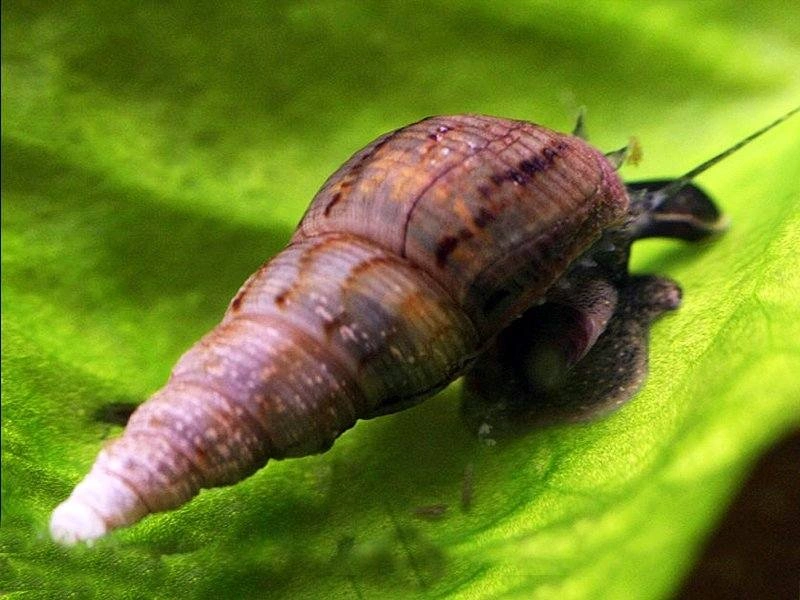
Malaysian Trumpet Snail
Melanoides tuberculata
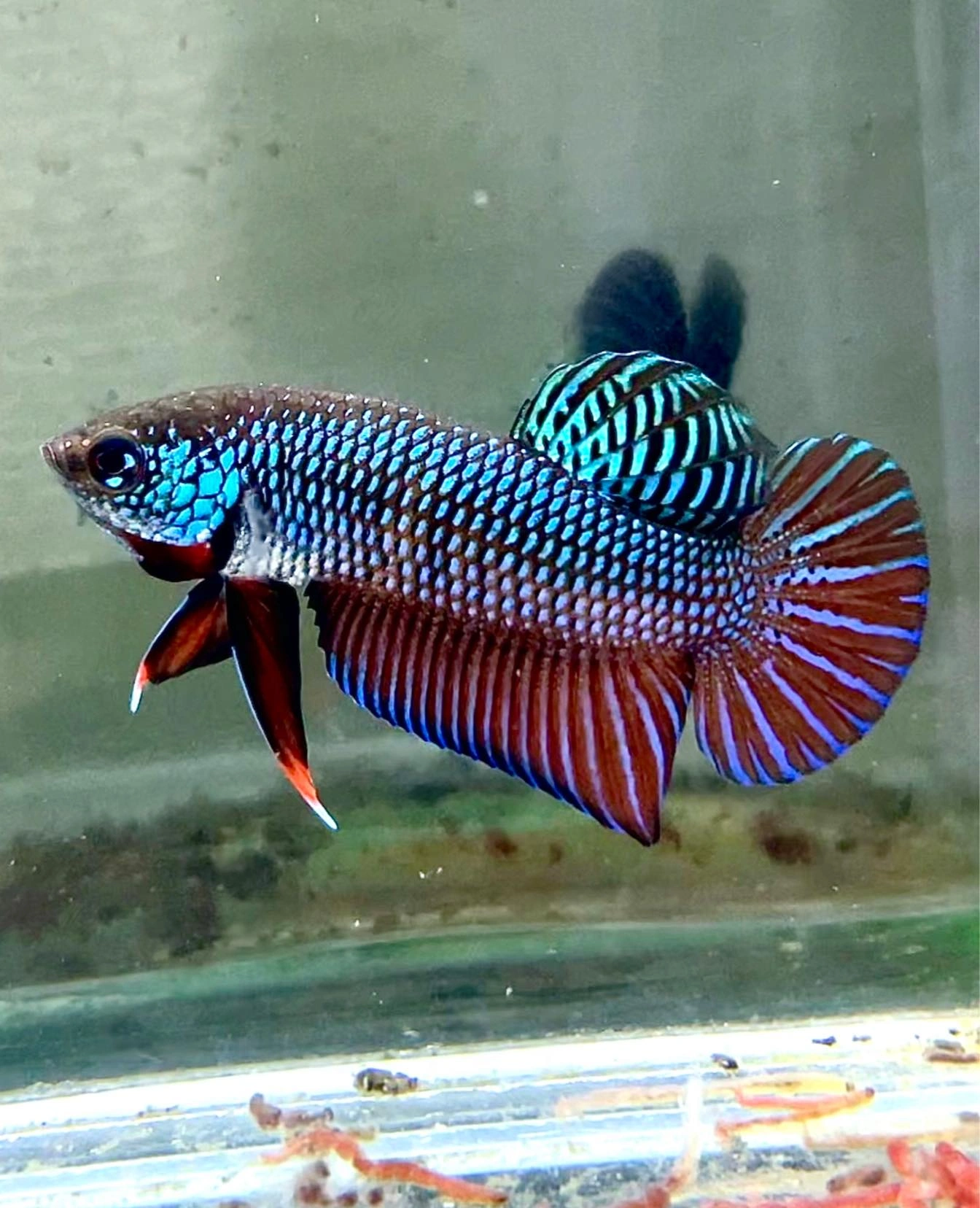
Emerald Betta
Betta smaragdina
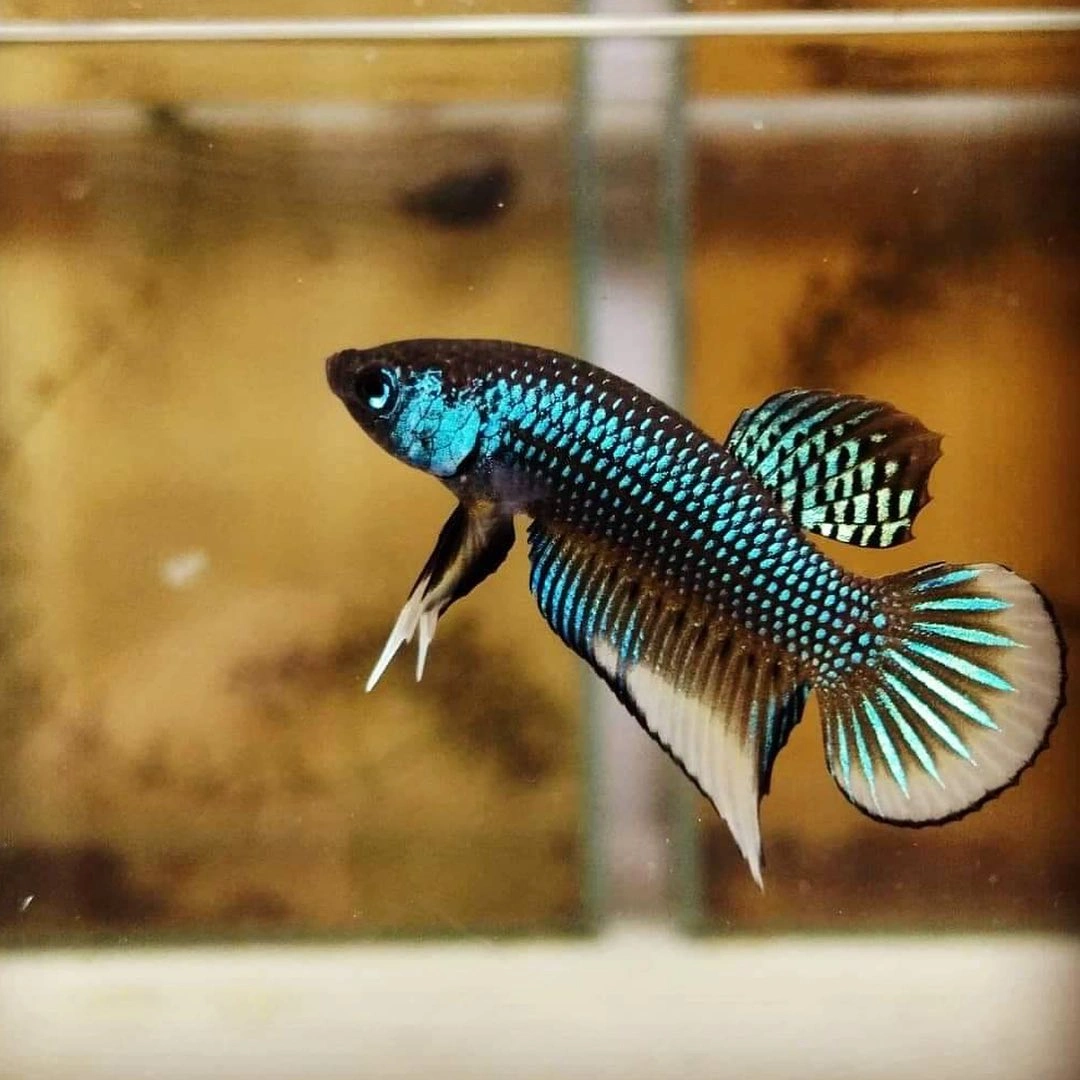
Peaceful Betta
Betta imbellis
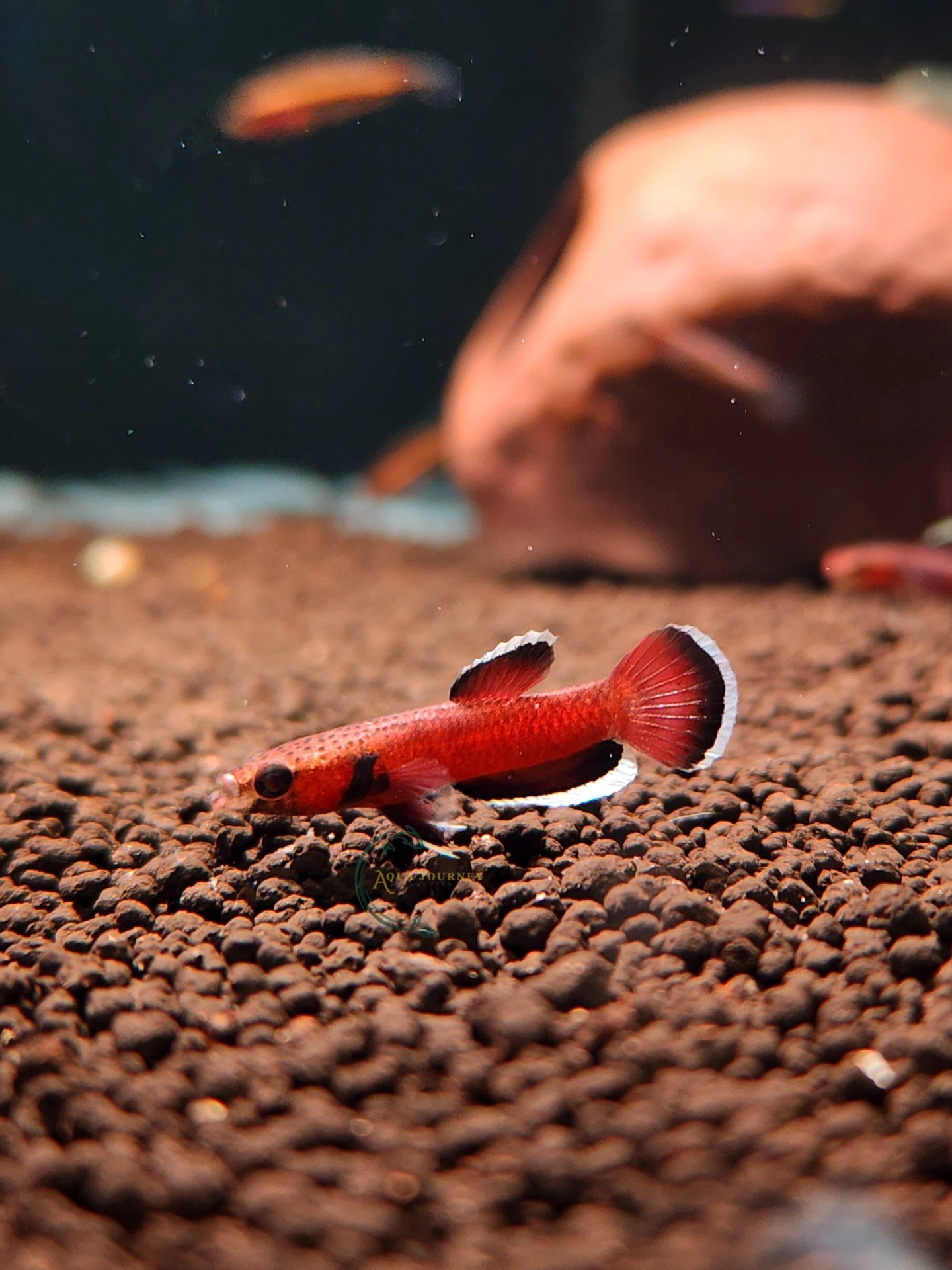
Strawberry Betta
Betta albimarginata
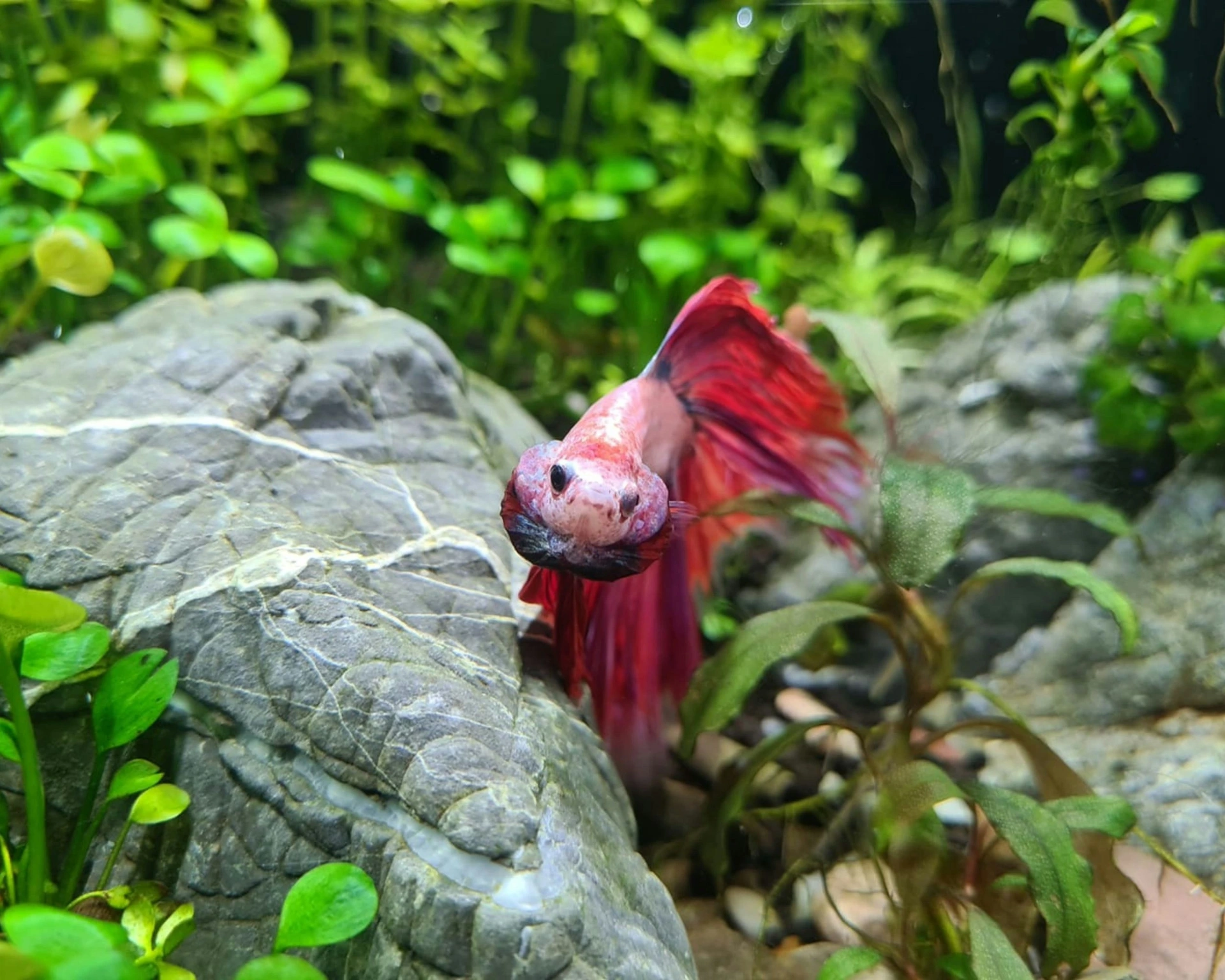
Betta
Betta splendens

African Clawed Frog
Xenopus laevis

Apistogramma Cacatuoides
Apistogramma cacatuoides

Black Skirt Tetra
Gymnocorymbus ternetzi
Ready to Add Mahachai Betta to Your Tank?
Use our free stocking calculator to check compatibility, bioload, and get personalized recommendations.