
Care Requirements
Adult Size
3.9" (10cm)
Min Tank
20 gal
Temperature
72-82°F
pH Range
7.5-8.5
Lifespan
3-5 years
Min Group
3+ fish
Diet
Omnivore
Swim Level
Middle
Bioload
4/10
Hardness
15-30 dGH
About Molly
Mollies are beloved livebearers known for their hardiness, variety of colors, and adaptability to different water conditions—including brackish and even full marine environments. Native to the Americas from Mexico to South America, they've been aquarium staples for over a century and remain among the most popular fish for beginners and experienced hobbyists alike.
What sets mollies apart from other livebearers is their size and their unique preference for hard, alkaline water. While guppies and platies tolerate a range of conditions, mollies genuinely thrive in harder water and often struggle in soft, acidic environments. This makes them perfect for aquarists with naturally hard tap water—a situation where many other fish would be less comfortable.
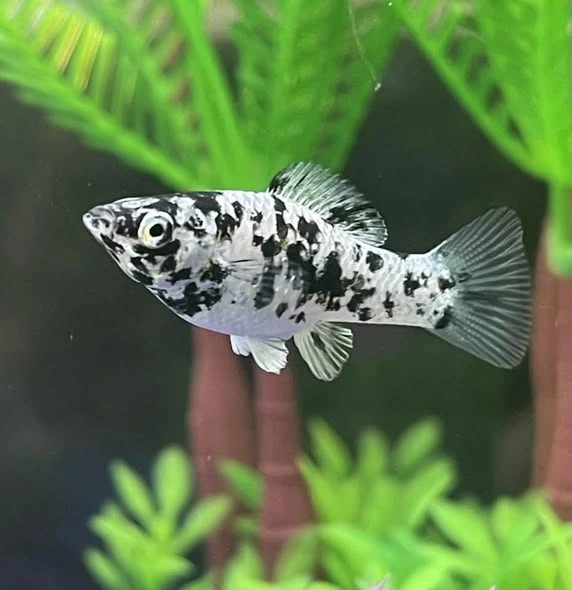
Mollies come in a dazzling array of colors and fin types developed through decades of selective breeding. From the classic black molly to dalmatian patterns, sailfins to balloon varieties, there's a molly for every taste. They're active, personable fish that quickly learn to recognize their owners and eagerly greet anyone approaching the tank.
Natural Habitat & Origin
Wild mollies inhabit coastal streams, marshes, and brackish estuaries from the southern United States through Central America and into South America. They're remarkably euryhaline—capable of surviving in freshwater, brackish, and even full marine conditions. This adaptability stems from their natural habitats, which often fluctuate between fresh and salty water with the tides.
In nature, mollies prefer slow-moving or still waters with dense vegetation and algae growth. The water is typically warm, hard, and alkaline—conditions shaped by limestone geology common in their range. Understanding this habitat explains why mollies often struggle in soft, acidic aquarium water that differs dramatically from their evolutionary environment.
Native Region
Southern United States through Central America to South America
Habitat Type
Coastal streams, marshes, brackish estuaries, freshwater springs
Wild Water Conditions
Warm (72-82°F), hard (15-30 dGH), alkaline (pH 7.5-8.5), often brackish
Appearance & Varieties
Mollies are robust, deep-bodied fish larger than most livebearers, reaching 3-4 inches for common varieties and up to 5-6 inches for sailfin types. Males are slimmer with pointed anal fins modified into a gonopodium for mating. Females are larger and rounder, especially when pregnant—which is most of the time.
Decades of selective breeding have produced incredible variety. Colors include black, white, silver, gold, orange, dalmatian (spotted), and marble patterns. Fin types range from standard short fins to dramatic sailfin varieties where males sport enormous dorsal fins, and lyretail forms with extended tail fin rays. The controversial 'balloon' variety has a shortened, rounded body shape.
Popular Varieties
| Variety | Description | Rarity |
|---|---|---|
| Black Molly | Solid velvety black coloration; one of the most popular varieties | Common |
| Dalmatian Molly | White/silver base with black spots; pattern varies individually | Common |
| Gold/Sunset Molly | Golden-orange coloration throughout body | Common |
| Silver/White Molly | Pale silver to pure white coloration | Common |
| Sailfin Molly | Males have dramatically enlarged dorsal fins; various colors | Common |
| Balloon Molly | Shortened, rounded body shape; controversial due to health concerns | Common |
| Lyretail Molly | Extended upper and lower tail fin rays; elegant appearance | Uncommon |
| Marble Molly | Mixed black and white/silver marbled pattern | Common |
Tank Setup & Requirements
Quick Requirements Summary
Tank Size
Minimum Tank Size
20 gallons
Recommended Tank Size
30 gallons
Mollies need more space than their livebearer cousins due to their larger size and higher bioload. They're active swimmers that appreciate room to move, and their waste production means filtration and tank volume matter more than with smaller fish.
Water Parameters
Mollies strongly prefer hard, alkaline water: pH 7.5-8.5 and hardness of 15-30 dGH. They struggle in soft, acidic water—common health problems often trace to inappropriate water chemistry. Temperature 72-82°F (22-28°C). Some keepers add aquarium salt (1 tablespoon per 5 gallons) to promote health, though it's not strictly required in hard water.
Substrate
Any substrate works. Gravel or sand both suitable. Dark substrates can enhance coloration of black and colored varieties.
Plants & Decorations
Live plants appreciated but not required—mollies may nibble on soft-leaved plants when hungry. Hardy plants like java fern, anubias, and vallisneria work well. Provide some open swimming space as mollies are active fish.
Filtration & Water Flow
Strong filtration essential—mollies produce significant waste for their size. Aim for 8-10x tank volume turnover per hour. They tolerate moderate current well, matching their natural stream habitats.
Lighting
Standard aquarium lighting suits mollies. They're active during daylight and appreciate a consistent day/night cycle.
Diet & Feeding Guide
Diet Type
omnivore
Feeding Frequency
2-3x daily
Portion Size
What they consume in 2-3 minutes
Mollies are omnivores with a strong herbivorous tendency—they need significant plant matter in their diet. In the wild, they graze constantly on algae and plant material. A diet too heavy in protein and lacking vegetables often leads to digestive problems.
Best Foods for Molly
- Spirulina flakes — Should be a dietary staple—matches natural algae-heavy diet
- Quality omnivore flakes — Varied nutrition, feed alongside spirulina
- Blanched vegetables — Zucchini, cucumber, spinach, peas—excellent fiber source
- Algae wafers — Good supplement, especially if tank lacks natural algae
- Frozen bloodworms — Occasional treat, 1-2x weekly—don't overfeed protein
- Frozen brine shrimp — Good variety, conditioning food for breeding
- Live foods — Daphnia, brine shrimp—treats that encourage natural behavior
Foods to Avoid
- Protein-heavy diet — Mollies need plant matter—too much protein causes constipation and bloat
- Low-quality flakes — Fillers provide poor nutrition; invest in quality spirulina-based foods
- Overfeeding — Mollies beg constantly but obesity shortens lifespan
Mollies graze constantly in the wild, so multiple small feedings suit them better than one large meal. Include plant-based foods at every feeding. They'll enthusiastically eat algae growth in the tank—this is natural and beneficial. Pregnant females benefit from extra vegetable matter.
Behavior & Temperament
Mollies are active, social fish that spend their time swimming throughout the middle and upper water column. They're bold and quickly learn to associate their owner with food, rushing to the front of the tank in anticipation. Unlike shy fish, mollies are almost always visible and engaged with their environment.
Males constantly court females, displaying their fins and performing mating dances. This can exhaust females if the ratio is wrong—keep at least 2-3 females per male. Males may also squabble with each other, flaring and chasing, though serious injury is rare. Mollies are peaceful toward other species and make excellent community fish.
Tank Mates: Compatibility Guide
Compatible Tank Mates
Fellow livebearer with identical water preferences—perfect match
Same family, same water needs, compatible size
Works well though mollies prefer harder water
Peaceful bottom dwellers, different tank zone
Good algae control companion
Excellent cleanup crew, both prefer hard water
Both enjoy hard, alkaline water
Hardy and active, tolerates molly water conditions
Tank Mates to Avoid
Cardinal Tetra
Prefers soft, acidic water—opposite of mollies
Discus
Completely different water requirements, sensitive fish
Neon Tetra
Prefers softer water; may work in neutral conditions but not ideal
German Blue Ram
Needs soft, acidic, warm water—poor match
Betta
Risk of fin nipping; bettas prefer calmer, softer water
Tiger Barb
Known fin nippers, especially toward sailfin varieties
Large Cichlids
Aggression and predation risk
Common Pairing Questions
Can mollies live with guppies?
Yes, with caveats. Both are livebearers but have different ideal water parameters—guppies are more flexible while mollies truly need hard, alkaline water. In hard water conditions, they coexist well. In soft water, guppies adapt better while mollies suffer. They won't interbreed despite both being livebearers.
Can mollies live in brackish water?
Yes, mollies thrive in brackish conditions (specific gravity 1.005-1.015) and can even adapt to full marine environments. In fact, many health problems clear up when mollies are kept in slightly brackish water. However, this limits tankmate options to other brackish-tolerant species.
Do mollies need salt in their water?
Not strictly required if your water is hard and alkaline (pH 7.5+, 15+ dGH). However, adding 1 tablespoon of aquarium salt per 5 gallons often improves health and disease resistance. If keeping mollies in softer water, salt becomes more beneficial. Never use table salt—only aquarium salt or marine salt.
Mollies are prolific livebearers that breed readily without any special encouragement. Females can store sperm for months and produce broods of 20-100 fry every 4-8 weeks. If you have males and females together, expect babies.
Females show obvious pregnancy signs: squared-off belly, darkened gravid spot near the anal fin, and behavioral changes like hiding or decreased appetite before birth. Gestation is approximately 60 days but varies with temperature and conditions.
Molly fry are large enough to avoid most predation and can eat crushed flakes immediately. However, adults—including parents—will eat fry if given the opportunity. Dense floating plants (hornwort, guppy grass) provide essential hiding spots for fry survival. For maximum survival, use a breeding box or separate pregnant females to a nursery tank.
Health Issues & Disease Prevention
Mollies are generally hardy but have specific needs—particularly regarding water chemistry. Most molly health problems trace back to being kept in soft, acidic water. In appropriate conditions, they're robust fish that rarely cause concern.
Common Diseases
| Disease | Symptoms | Treatment |
|---|---|---|
| Molly Disease (Shimmies) | Rocking/shimmying in place without forward movement, clamped fins, lethargy | Usually caused by stress from wrong water parameters—too soft or acidic. Test and adjust water chemistry. Add aquarium salt (1 tbsp per 5 gallons). Raise temperature slightly. Often resolves once conditions improve. |
| Ich (White Spot) | White salt-like spots on body and fins, flashing against objects, rapid breathing | Raise temperature to 82-86°F gradually, add aquarium salt, use ich medication. Mollies tolerate salt treatment well. |
| Fin Rot | Fraying, discolored fins; white or red edges; progressive deterioration | Improve water quality, add aquarium salt, antibacterial medication if severe. Often indicates underlying stress from water conditions. |
| Columnaris | White or gray patches (often around mouth), cottony growths, rapid decline | Kanaplex or Furan-2. Lower temperature slightly. Highly contagious—quarantine affected fish immediately. |
| Bloat/Constipation | Swollen belly, stringy white feces, loss of appetite | Usually dietary—too much protein, not enough plant matter. Fast 2-3 days, then feed blanched peas and increase vegetable content in diet. |
Signs of a Healthy Molly
- Active swimming throughout the tank
- Vibrant coloration
- Fins held erect, not clamped
- Eager appetite
- Steady swimming—no shimmying or rocking
- Clear eyes without cloudiness
Prevention Tips
- Keep in hard, alkaline water (pH 7.5+, 15+ dGH)—most molly problems stem from wrong water chemistry
- Add aquarium salt if water is borderline soft
- Feed a plant-heavy diet—spirulina flakes, vegetables
- Don't overcrowd—mollies have high bioload
- Maintain proper male-to-female ratio (1 male per 2-3 females)
- Quarantine new fish for 2-3 weeks
- Perform regular water changes (25-30% weekly)
Frequently Asked Questions
Common mollies reach 3-4 inches (7-10 cm). Sailfin varieties can grow to 5-6 inches (12-15 cm). Females are larger than males. They need more space than guppies or platies due to this larger size.
Mollies typically live 3-5 years with proper care. Hard, alkaline water and a plant-based diet are key factors in longevity. Fish kept in inappropriate soft, acidic water often have shortened lifespans.
Shimmying (rocking in place) is the classic sign of molly stress, almost always caused by improper water chemistry. Test your water—mollies need hard, alkaline conditions (pH 7.5+, 15+ dGH). Adding aquarium salt often helps. This is rarely disease; it's environmental stress.
Start with at least 3-4, maintaining a ratio of 1 male per 2-3 females. Males constantly harass females, and too few females leads to exhaustion and stress. A 30-gallon tank comfortably houses 6-8 mollies.
Yes, this is critical. Mollies evolved in hard, alkaline water and struggle in soft, acidic conditions. Target pH 7.5-8.5 and hardness of 15-30 dGH. If your water is naturally soft, mollies may not be the best choice, or consider adding mineral supplements.
Every 4-8 weeks once mature. Females can store sperm and produce multiple broods from a single mating. A single female can produce hundreds of fry over her lifetime. Plan for population control—have a plan for the babies.
Minimum 20 gallons (75 liters) for a small group, but 30 gallons is much better. Mollies are larger than guppies, produce more waste, and need swimming space. Sailfin varieties need even larger tanks.
Yes, mollies can fully adapt to marine conditions through gradual acclimation. They're sometimes used to cycle new saltwater tanks. However, this is a one-way transition—once acclimated to full marine, they shouldn't return to freshwater.
Tips for Keeping Molly
Pro Tips
- ✓If your mollies are always sick, check your water hardness first—soft water is the #1 cause of molly problems
- ✓Adding crushed coral to your filter is an easy way to raise pH and hardness for mollies
- ✓Sailfin males need extra space to display their impressive dorsal fins—don't crowd them
- ✓Spirulina flakes should be a staple, not a supplement—mollies need plant matter daily
- ✓A brackish setup (1.005 SG) often eliminates chronic health issues in problem mollies
- ✓Female-only tanks are an option if you don't want constant breeding
Common Mistakes to Avoid
- ✗Keeping in soft, acidic water—mollies need hard, alkaline conditions
- ✗Feeding protein-heavy diet—they need significant plant matter
- ✗Wrong male-to-female ratio—too many males exhaust females
- ✗Underestimating bioload—mollies produce more waste than similar-sized fish
- ✗Mixing with soft-water fish—forces compromise that hurts one species
- ✗No plan for fry—breeding is inevitable, populations explode quickly
Sources
- FishBase — Accepted scientific name, maximum size and native range for Molly.
Featured in Biotope Presets
Related Species You Might Like
View All Fish →
Moonlight Gourami
Trichopodus microlepis
Guppy
Poecilia reticulata
Endlers Livebearer
Poecilia wingei
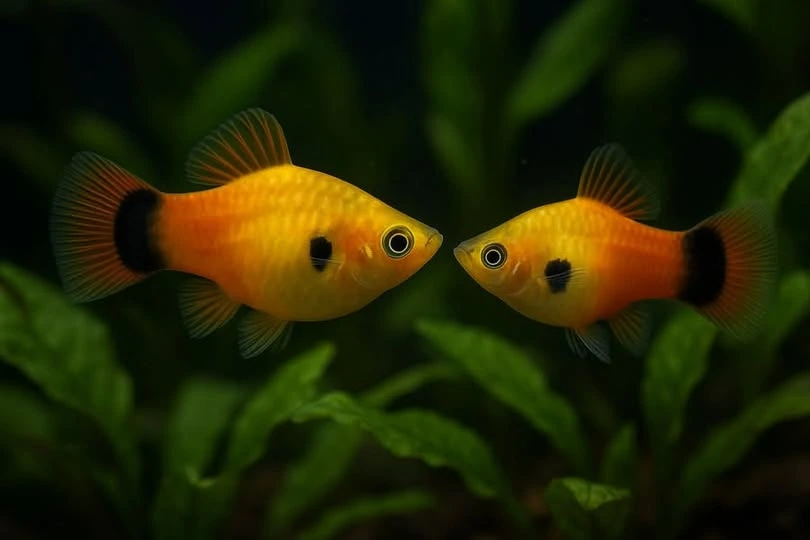
Platy
Xiphophorus maculatus

Swordtail
Xiphophorus hellerii
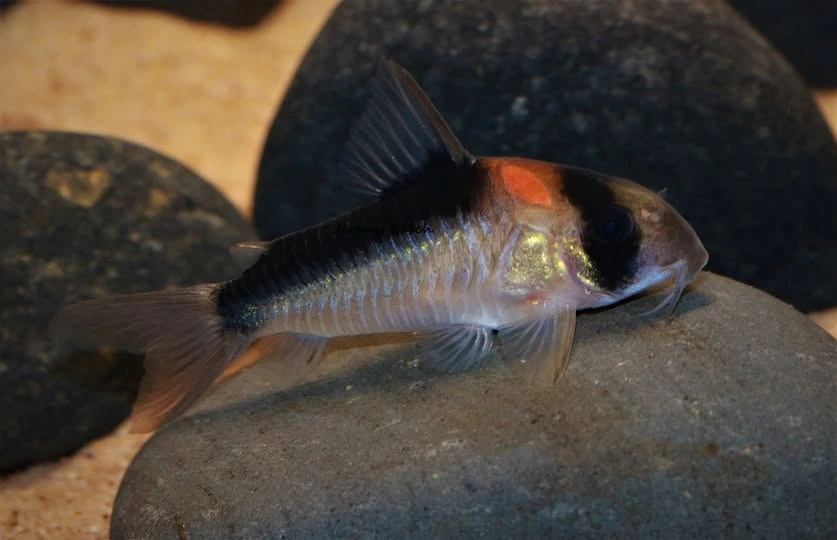
Adolfo's Corydoras
Corydoras adolfoi
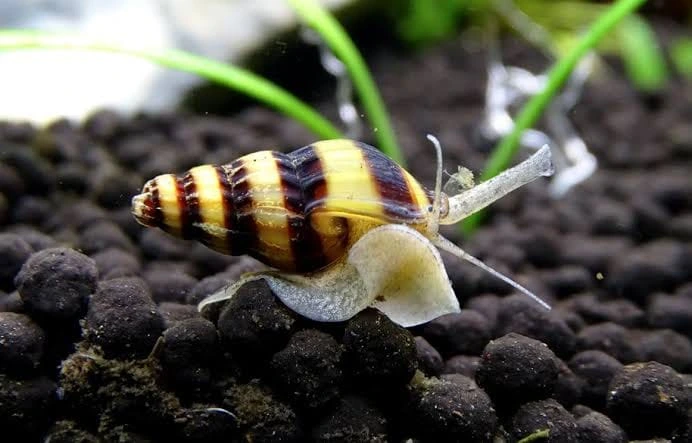
Assassin Snail
Clea helena
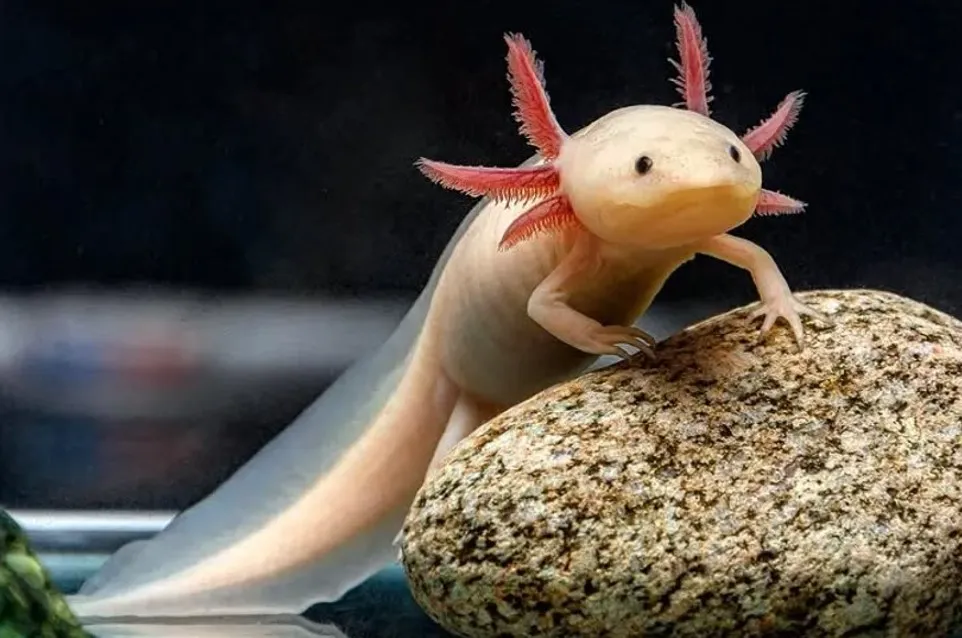
Axolotl
Ambystoma mexicanum
Ready to Add Molly to Your Tank?
Use our free stocking calculator to check compatibility, bioload, and get personalized recommendations.