
Vallisneria Care Guide
Reviewed by the AquariumStocking team · Updated August 2026
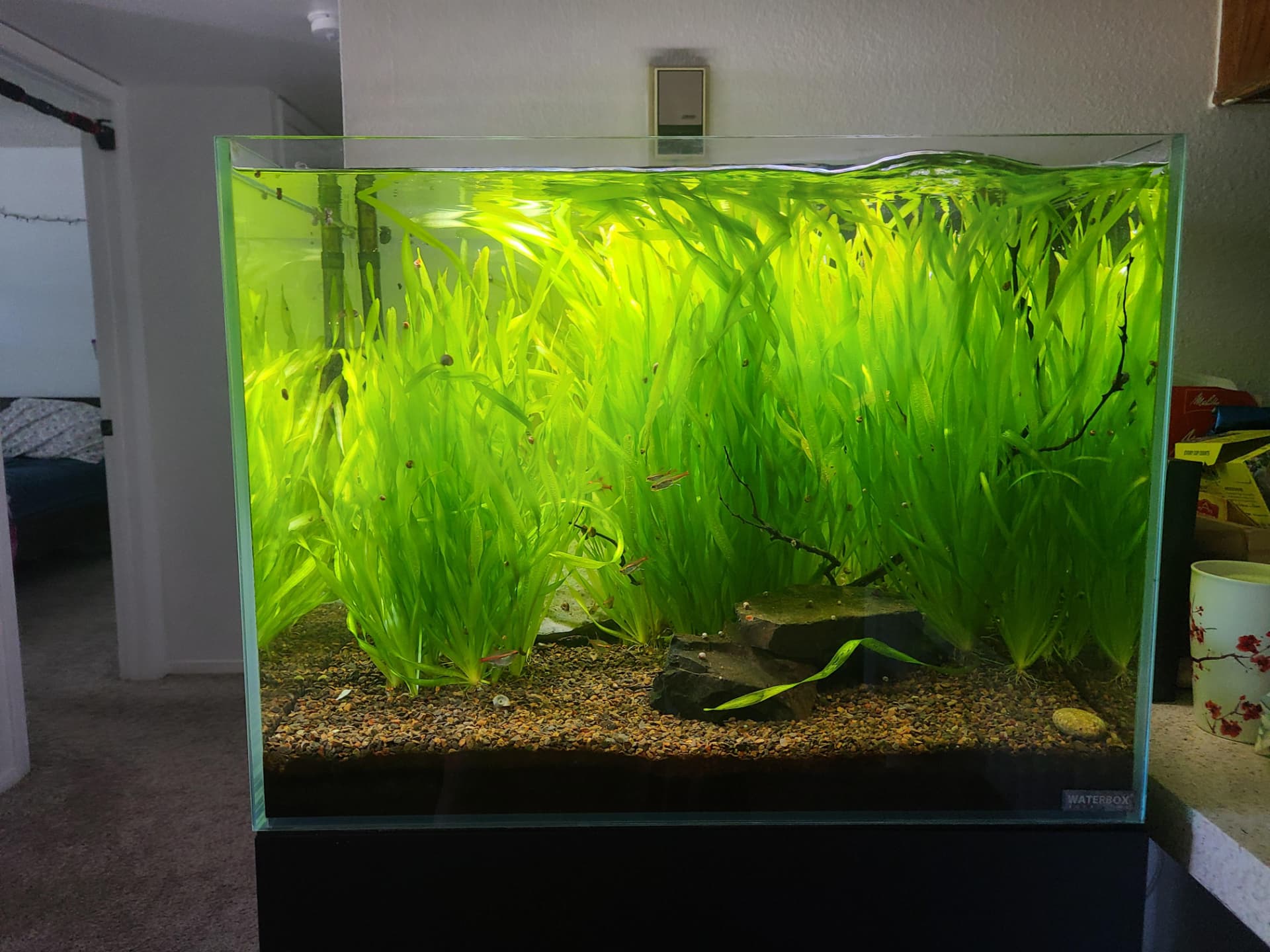
A ribbon-leaved background plant that spreads by runners into a jungle — and melts if you dose liquid carbon or cut across its leaf tips.
Vallisneria quick facts
- Light demand
- Low
- CO2 requirement
- Not needed
- Difficulty
- Beginner
- Growth rate
- Fast
- Placement
- Background
- Growth habit
- Rooted
- Substrate need
- Substrate required, root tabs beneficial
- Max size
- 100 cm (39.4 in) tall, ~30 cm wide
- pH
- 6.5–8.5
- Hardness
- 5–25 dGH
- Propagation
- Runners — daughter plants form along horizontal stolons under the substrate
- Temperature
- 18–28 °C (64–82 °F)
It is a heavy root feeder. Two to three inches of sand or fine gravel gives the runners room to travel; a bare bottom or a very coarse substrate stops the spread entirely.
Overview
Before anything else: do not dose liquid carbon in a tank with vallisneria. Glutaraldehyde-based supplements — Seachem Excel, Easy Carbo and their equivalents — are notorious for melting this plant, often within days of the first dose, and the reaction is severe enough that keepers routinely have to choose between the product and the plant. If you are running liquid carbon and considering vallisneria, that decision comes first and everything else on this page comes second.
With that out of the way, vallisneria is one of the easiest background plants there is. Long ribbon leaves rise straight from a rosette in the substrate, it grows without CO2 in low light, it takes hard alkaline water better than almost anything else here, and it spreads by underground runners into a continuous stand.
That spread is the appeal and the maintenance burden in one. A single plant sends horizontal stolons through the substrate, each producing a new rosette, and within a few months a corner becomes a jungle across the whole back wall. Nothing else in this database propagates that way — not plantlets on a leaf, not fragments, not division by hand.
The other thing to know before you buy is that trimming works differently. Cutting across a vallisneria leaf does not tidy it up; the leaf browns back from the cut. Whole leaves are removed at the base instead.
What you're buying
Vallisneria is sold in bunches of loose rosettes, often as emersed-grown stock, and the label rarely tells you which species you are getting. Height at maturity is the thing to establish.
Ask which val it is
Jungle val reaches a metre or more; corkscrew and dwarf forms stop between 20 and 40 cm. Shops label all of them "vallisneria". Buying jungle val for a 20 gallon is the classic mistake.
Emersed stock will melt
Most nursery vallisneria is grown out of water. It commonly drops most of its leaves after planting and regrows from the roots over three to four weeks. This is expected, not a failure.
Check the crown
Look for a firm, pale crown where the leaves meet the roots. A soft or brown crown means rot, and that plant will not recover.
Buy fewer plants than the tank needs. Vallisneria fills space by itself, and six rosettes spaced along the back of a four-foot tank will close the gap within a couple of months.
If the shop tank has been dosed with liquid carbon, the plants may already be damaged. Brown, translucent leaf tips on shop stock are worth asking about.
Light, CO2 & nutrients
Light
Low
CO2
Not needed
Fertilisation
Root tabs
Light
Low light is enough, which is unusual for a plant that reaches this size. Vallisneria grows in turbid natural water and is well adapted to making do.
Under stronger light it grows faster and spreads harder, and the red forms colour up. It does not get more compact — the leaves simply reach the surface sooner and start laying flat along it.
Surface-laying leaves are the real lighting consideration. Once a val stand reaches the top it shades everything beneath, and thinning the stand becomes a lighting decision for the rest of the tank rather than a tidiness one.
CO2
Not needed. Vallisneria is one of the most reliable non-CO2 background plants available, and it grows quickly enough without injection that most people never consider it.
Liquid carbon is a different matter entirely, and it is the reason this section exists. Glutaraldehyde-based supplements damage vallisneria at normal dosing rates: leaves go translucent, then brown, then the whole plant collapses. Reduced doses sometimes work and often do not. There is no reliable way to run both.
If a tank needs carbon supplementation badly enough to justify liquid carbon, pressurised CO2 is the option that vallisneria tolerates without complaint.
Work out your CO2 injection rate →
Nutrients
It feeds primarily through its roots, so root tabs are the fertiliser that matters. Push one into the substrate near each clump every few months and the plant will look after itself.
A water-column dose still helps, particularly for iron, but it is secondary. A val stand in an inert substrate with no root tabs slowly goes pale and stops running.
Nitrogen-starved vallisneria yellows from the leaf tips downward and stops producing runners. That is the earliest signal that the substrate is exhausted.
It is very tolerant of hard, alkaline, mineral-rich water, and in fact grows more strongly in it than in soft acidic tanks — which makes it one of the few genuinely good plant choices for a hard-water community or a rift lake tank with the right stocking.
Water & temperature
pH
6.5–8.5
Hardness
5–25 dGH
Temperature
18–28 °C (64–82 °F)
Hard water is a strength, not a compromise. Vallisneria handles pH up to 8.5 and hardness well into the twenties, which is why it turns up in African cichlid and hard-water livebearer tanks where most plants fail.
Temperature is broad — from a cool 18 °C up to 28 °C — so it suits unheated and tropical tanks alike.
Melting after planting is normal and worth restating: the emersed-grown leaves die back and new submersed leaves grow from the crown. The single worst thing to do is pull the plant out during that period.
Sudden shifts in hardness sometimes trigger a melt in established plants too. It recovers from the roots as long as the crown is intact.
Planting
- 1Separate the bunch into individual rosettes and remove any rubber band, weight or rock wool.
- 2Trim damaged roots back to roughly three centimetres so they anchor rather than coil.
- 3Open a hole in the substrate and set the roots in, then draw the substrate back around them.
- 4Keep the crown above the substrate line. A buried crown rots and the plant is lost — this is the one planting rule that matters.
- 5Push a root tab in beside each rosette; vallisneria feeds mainly through its roots.
- 6Space plants ten to fifteen centimetres apart and let the runners fill the gaps rather than planting densely.
Two rules carry this plant: never bury the crown, and never dose liquid carbon in the same tank. Everything else it will forgive.
Placement & aquascaping role
It is a background plant and nothing else. Even the dwarf forms reach twenty to thirty centimetres, and the standard species goes well past half a metre.
The rear corners are the usual starting point. Plant a few rosettes there and let the runners work along the back wall on their own.
In tanks shorter than about forty centimetres, the leaves reach the surface and lie flat across it. That can look good as a canopy or it can shade out the entire tank — it depends on what is underneath, and it is worth deciding deliberately rather than discovering it.
Growth, trimming & maintenance
Never trim the tips. Cutting across a vallisneria leaf causes the entire leaf to brown back from the cut, often all the way to the base, and a stand that has been "tidied" with scissors ends up looking far worse a fortnight later. This catches out more people than anything except the liquid carbon problem.
Remove whole leaves instead. Follow an old or damaged leaf down to the crown and pull it away cleanly at the base — the plant replaces it from the centre.
Thin the stand rather than shortening it. Pull out entire rosettes where the bed has become too dense, and snap the runner connecting them.
Expect to do that regularly. An established vallisneria bed produces new plants continuously, and in a year an unmanaged corner becomes the whole back of the tank and then starts advancing forward through the midground.
Runners travel under the substrate and surface where they choose, including through the middle of a carpet. Removing them is a matter of following the stolon back and cutting it, not just pulling the visible rosette.
Propagation
Vallisneria propagates by runners, and it does it whether or not you want it to. Horizontal stolons push out through the substrate from the parent crown, and a new rosette forms at intervals along each one, rooting where it emerges.
This is a different mechanism from anything else in this database — not fragments like guppy grass, not plantlets on the leaves like java fern, not hand division like a rhizome plant. You are managing an expanding colony rather than propagating individual plants.
- 1Wait until a daughter rosette has four or five leaves of its own and visible roots.
- 2Follow the runner back to the parent and cut or pinch it cleanly.
- 3Lift the daughter with as much of its root mass as you can.
- 4Replant it at the depth the crown sat before, keeping the crown clear of the substrate.
- 5Push a root tab in alongside it; a newly separated plant establishes noticeably faster with one.
- 6Leave undisturbed daughters attached if you want the stand to thicken — separation is only needed for moving plants elsewhere.
Troubleshooting & diagnosis
Four things account for nearly every vallisneria problem: liquid carbon, cut tips, a buried crown, and normal post-planting melt being mistaken for death.
| Symptom | Likely cause | Fix |
|---|---|---|
| Leaves going translucent then brown, whole plant collapsing | Glutaraldehyde-based liquid carbon dosing | Stop dosing entirely. Remove dead material and give the plant a few weeks; badly hit plants do not recover. |
| Leaves browning back from a cut tip | Trimmed across the leaf with scissors | Remove whole leaves at the base instead. Never shorten individual leaves. |
| Most leaves lost in the first fortnight after planting | Normal emersed-to-submersed transition | Leave the plant in place. New submersed leaves grow from the crown within three to four weeks. |
| Crown soft and brown, plant lifts out easily | Crown buried in the substrate and rotted | Discard the plant. Replant survivors with the crown clearly above the substrate line. |
| Yellowing from the leaf tips down, no new runners | Nutrient exhaustion in the substrate, usually nitrogen or iron | Add root tabs and a water-column dose; new growth returns within a month. |
| New plants constantly uprooted | Diggers working the substrate before the runners have anchored | Weight new rosettes or protect them with hardscape until they root; established beds hold far better. |
Algae relationship
Vallisneria leaves are long-lived and slow to replace, which makes them a standing surface for algae in a way that fast-cycling foliage is not. The same leaf can be in the tank for months, and anything that colonises it stays.
Green spot algae and black beard algae along the leaf edges are the usual results, and they concentrate on the oldest leaves and the parts of the stand sitting under the strongest light or in the flow from a filter outlet.
The remedy is leaf removal rather than treatment. Pull affected leaves at the base and let the crown replace them; scrubbing a ribbon leaf damages it and spot-treating with peroxide near vallisneria carries the same risk that liquid carbon does.
Against that, an established stand is a heavy nutrient consumer and shades the substrate, both of which work against algae elsewhere in the tank. The net effect in a mature val jungle is usually positive — it is the individual old leaves that need attention.
Varieties & cultivars
| Variety | Appearance | Mature size | Availability |
|---|---|---|---|
| Vallisneria spiralis | Narrow flat ribbons, roughly 1 cm wide; the standard trade plant | ~40–60 cm | Very common |
| Jungle Val (V. americana) | Broad, heavy strap leaves up to 2.5 cm wide | ~1 m or more, laying along the surface | Common |
| Corkscrew Val (V. asiatica / "tortifolia") | Tightly twisted, spiralling leaves | ~20–40 cm | Common |
| Dwarf Val (V. nana and dwarf spiralis forms) | Very fine, narrow leaves only a few millimetres wide | ~20–35 cm | Uncommon |
| Red Jungle Val (V. americana "Rubra") | Broad leaves with a bronze to reddish flush under strong light | ~60–100 cm | Uncommon |
The size difference between these is the biggest practical decision on this page. Jungle val in a 20 gallon lies flat along the surface and blocks the light for everything below it; corkscrew and dwarf forms are the ones that suit tanks under three feet. Care is identical across all of them.
Natural habitat & origin
Native range
Widespread — southern Europe, Africa and Asia, naturalised worldwide
Habitat type
Rivers, canals, lakes and irrigation channels, often in flowing water
Wild growing conditions
Hard alkaline water, moderate to strong current, soft silty substrate
Vallisneria spiralis grows across a vast range of warm-temperate and tropical fresh water, and it is one of the most successful aquatic plants on earth. Much of that range is hard, alkaline and mineral-rich, which is precisely why it performs so well in tap water that defeats softer-water species.
In flowing water the ribbon leaves lie down with the current and the plant holds position through its runner network rather than through any individual anchor — an arrangement that explains both its resilience in an established tank and its vulnerability in the first few weeks.
The flowers are worth a mention because they are genuinely unusual: female flowers rise to the surface on a long spiralling stalk, male flowers detach and float across the surface to reach them, and the stalk then coils back down. The species name comes from that spiral.
Its success in the wild has a consequence worth checking locally. Vallisneria is naturalised well outside its native range, and some jurisdictions regulate aquatic plants at genus level regardless of the species on the tag.
Fish & invert compatibility
Ribbon leaves are tough enough that grazing is rarely the problem. Substrate disturbance is: a fish that redecorates the bottom of the tank will undo a season of runners in an afternoon.
Safe with Vallisneria
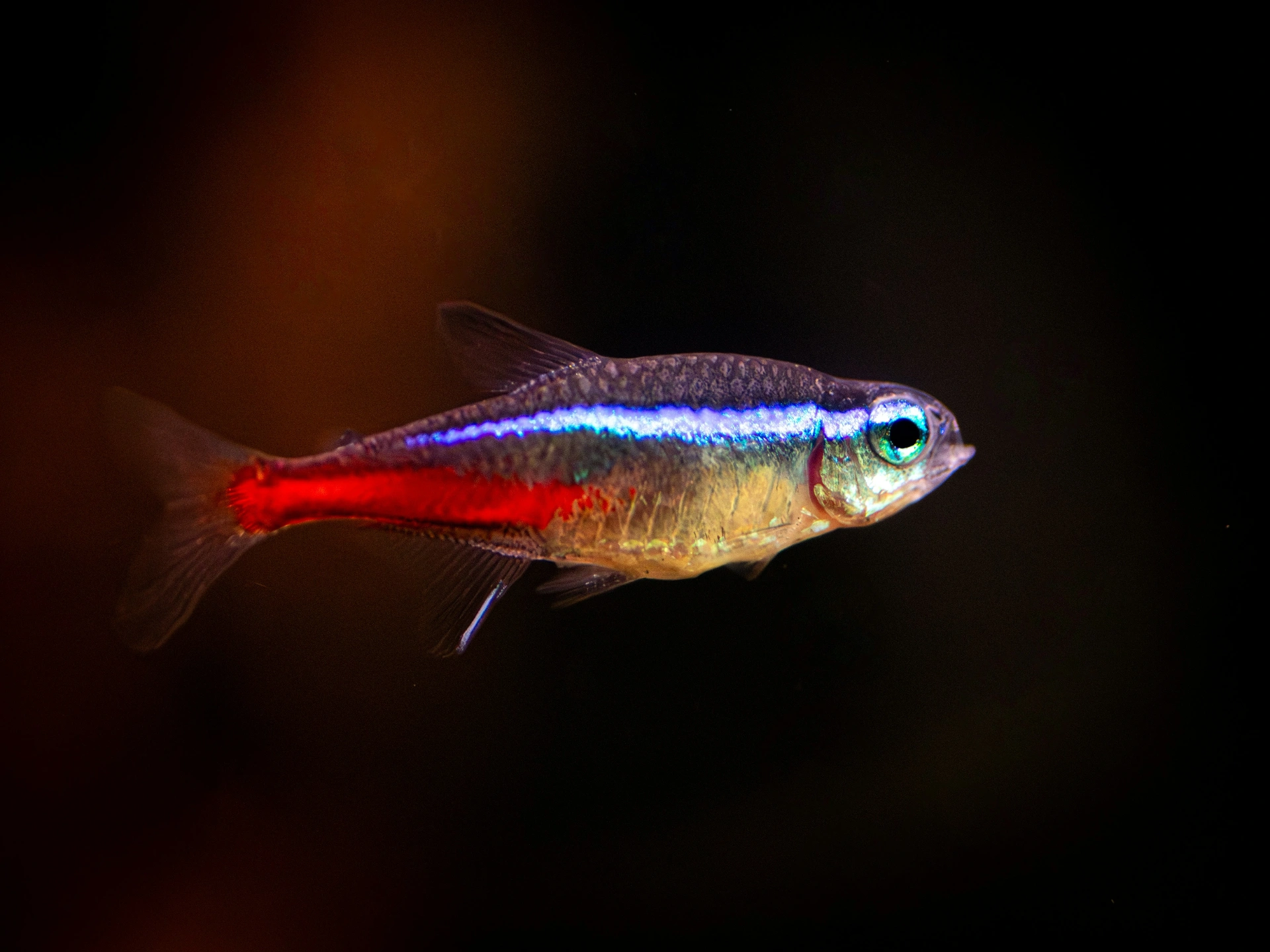 Neon TetraParacheirodon innesi
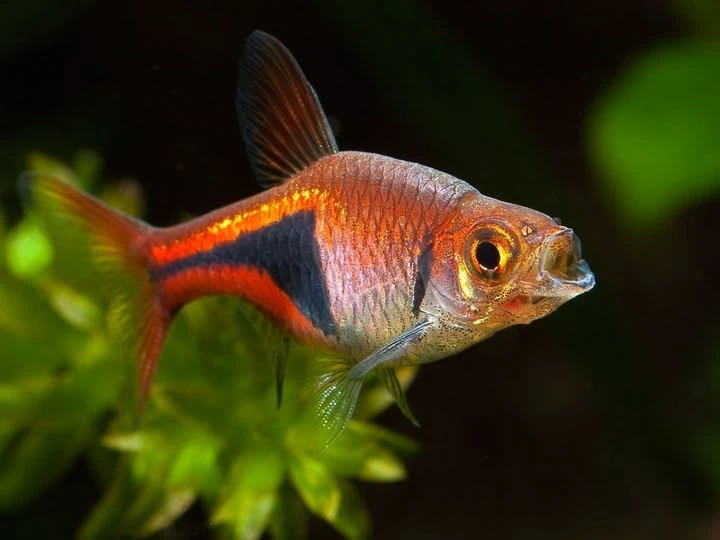 Harlequin RasboraTrigonostigma heteromorpha
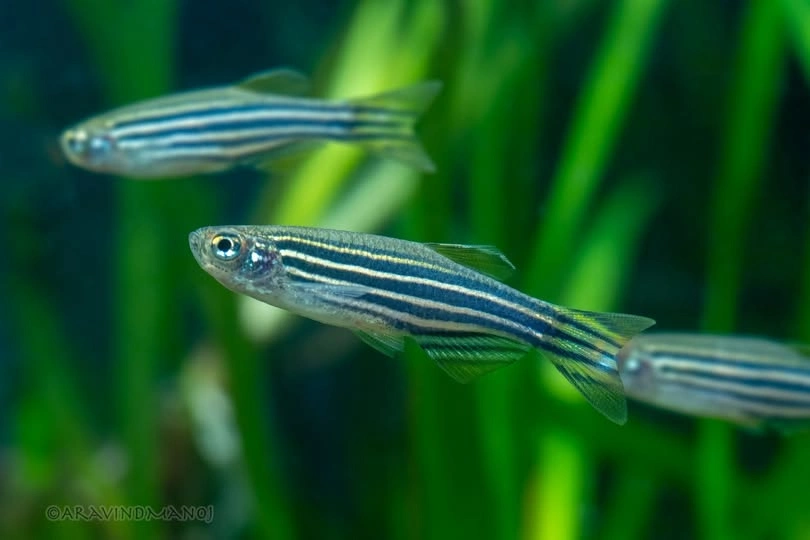 Zebra DanioDanio rerio
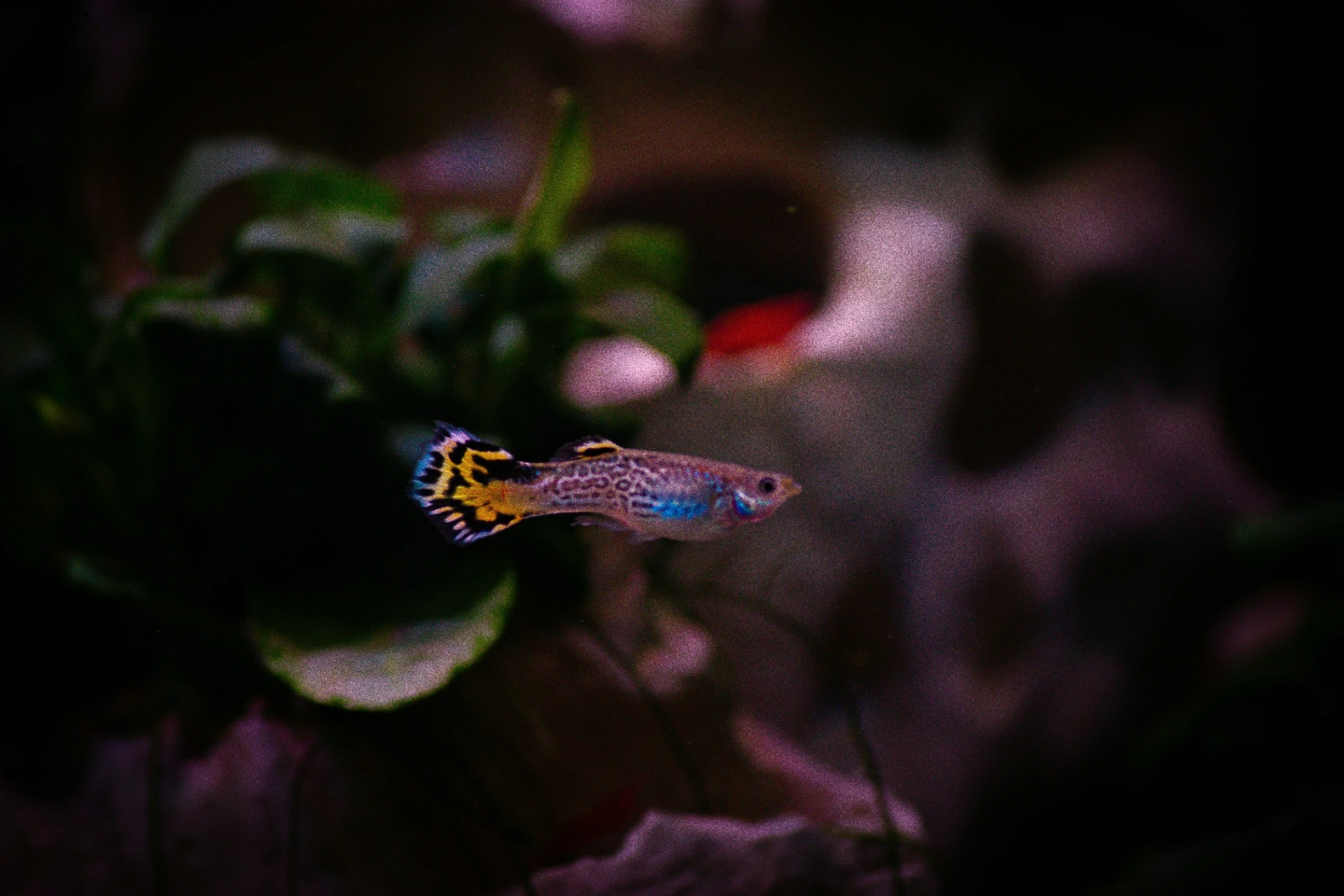 GuppyPoecilia reticulata
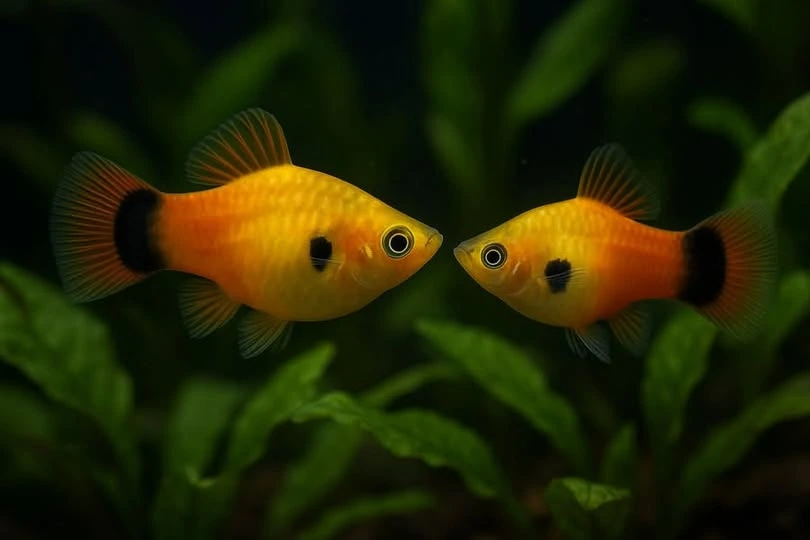 PlatyXiphophorus maculatus
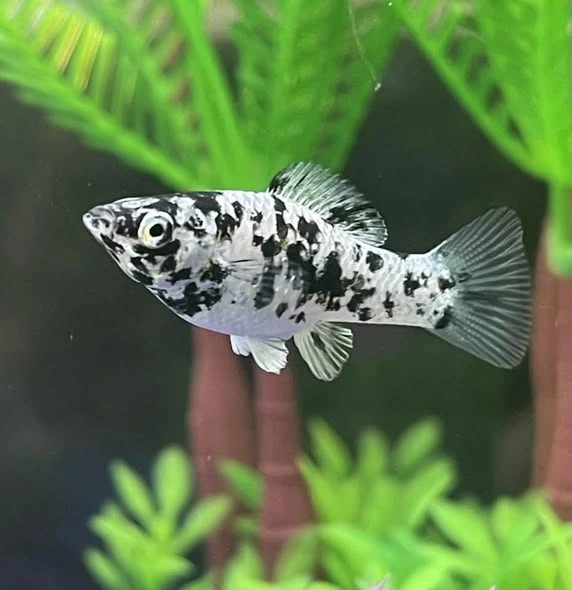 MollyPoecilia sphenops
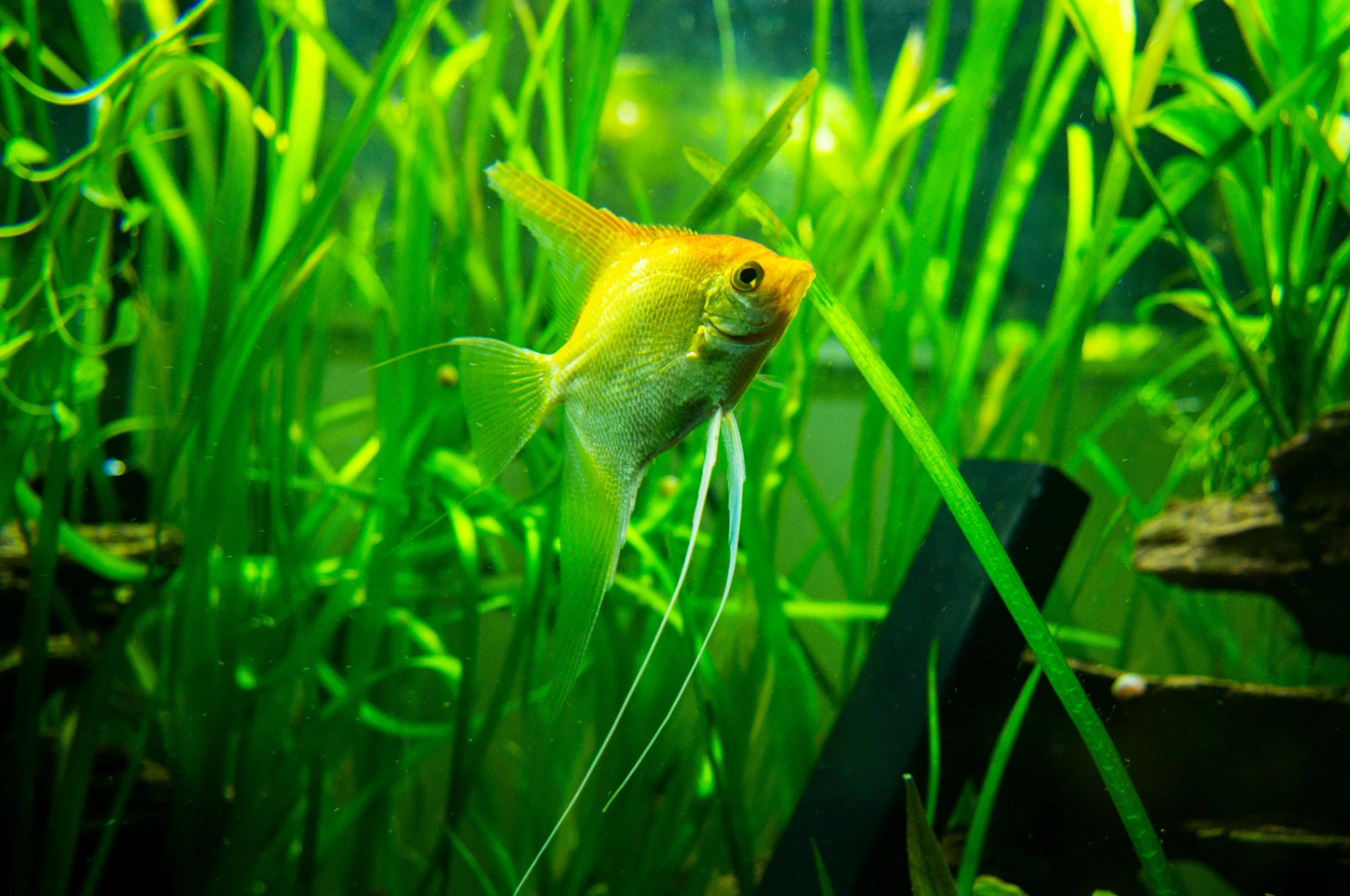 AngelfishPterophyllum scalare
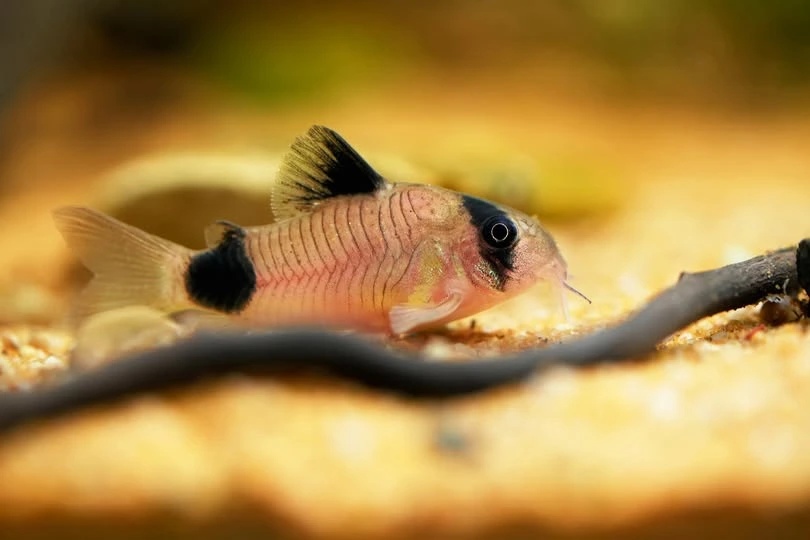 Panda CorydorasCorydoras panda
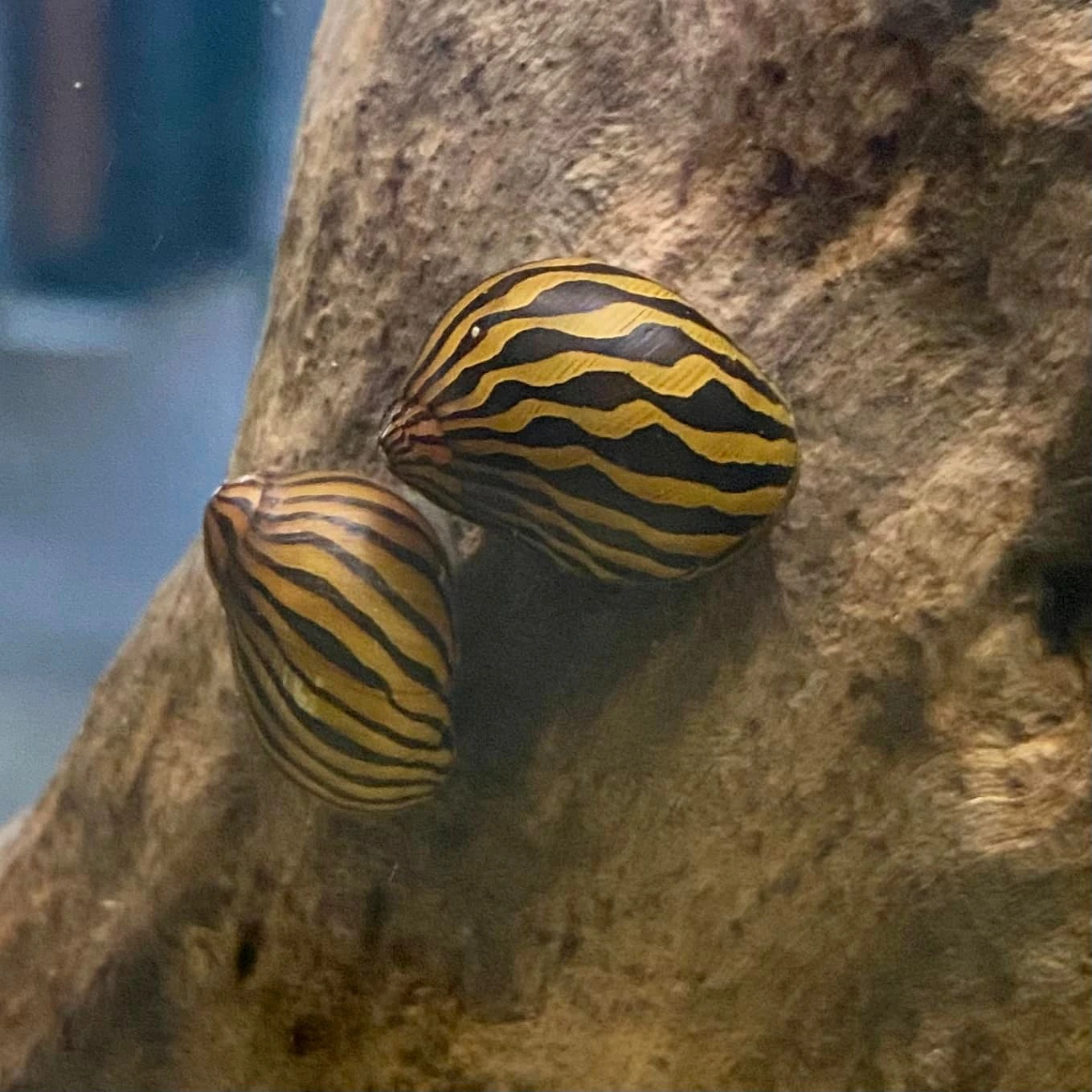 Nerite SnailNeritina sp.
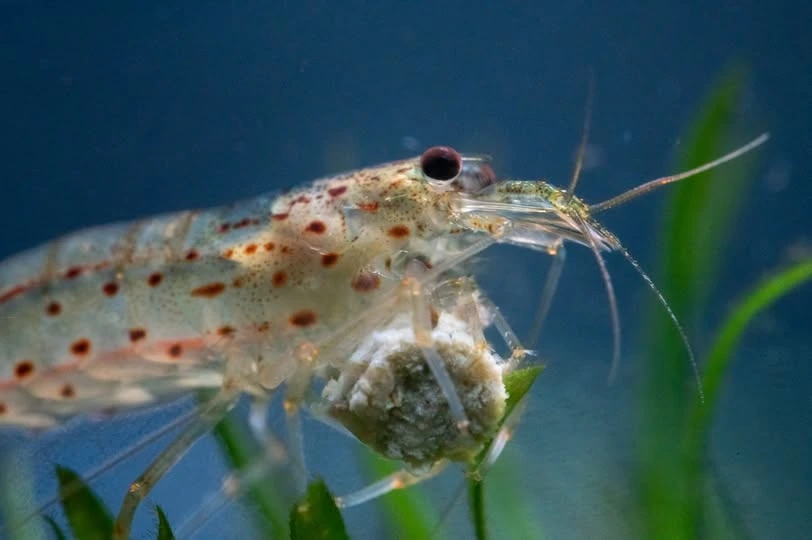 Amano ShrimpCaridina multidentata
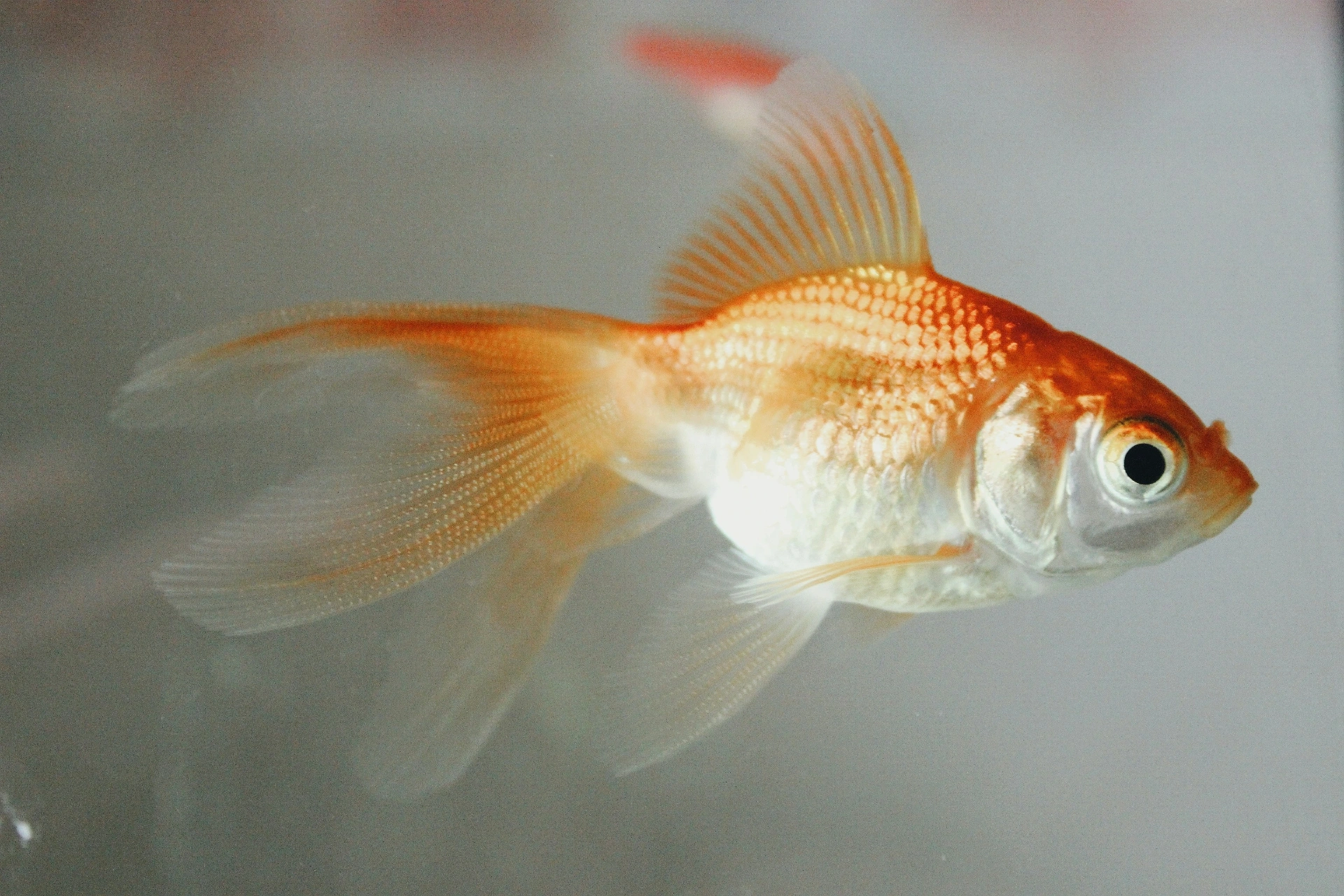
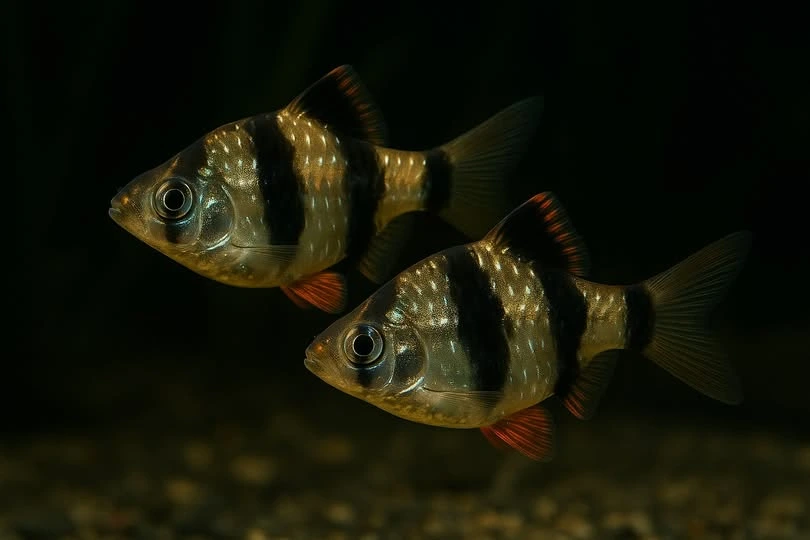
Will eat or uproot it
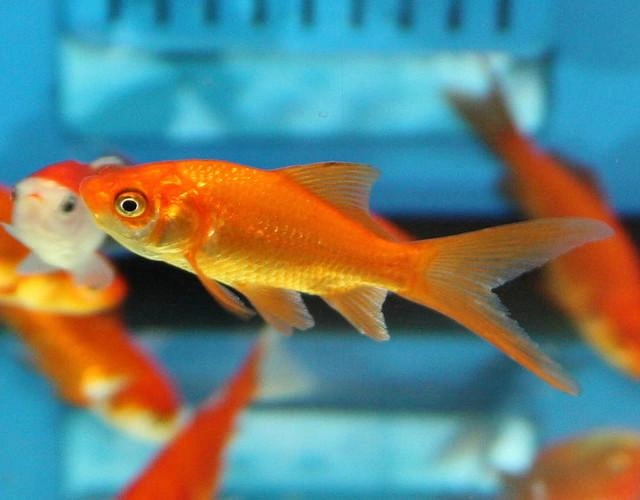


Companion plants
Plants that tolerate the shade a mature val stand throws across the back of the tank, and that do not compete with it for root space.
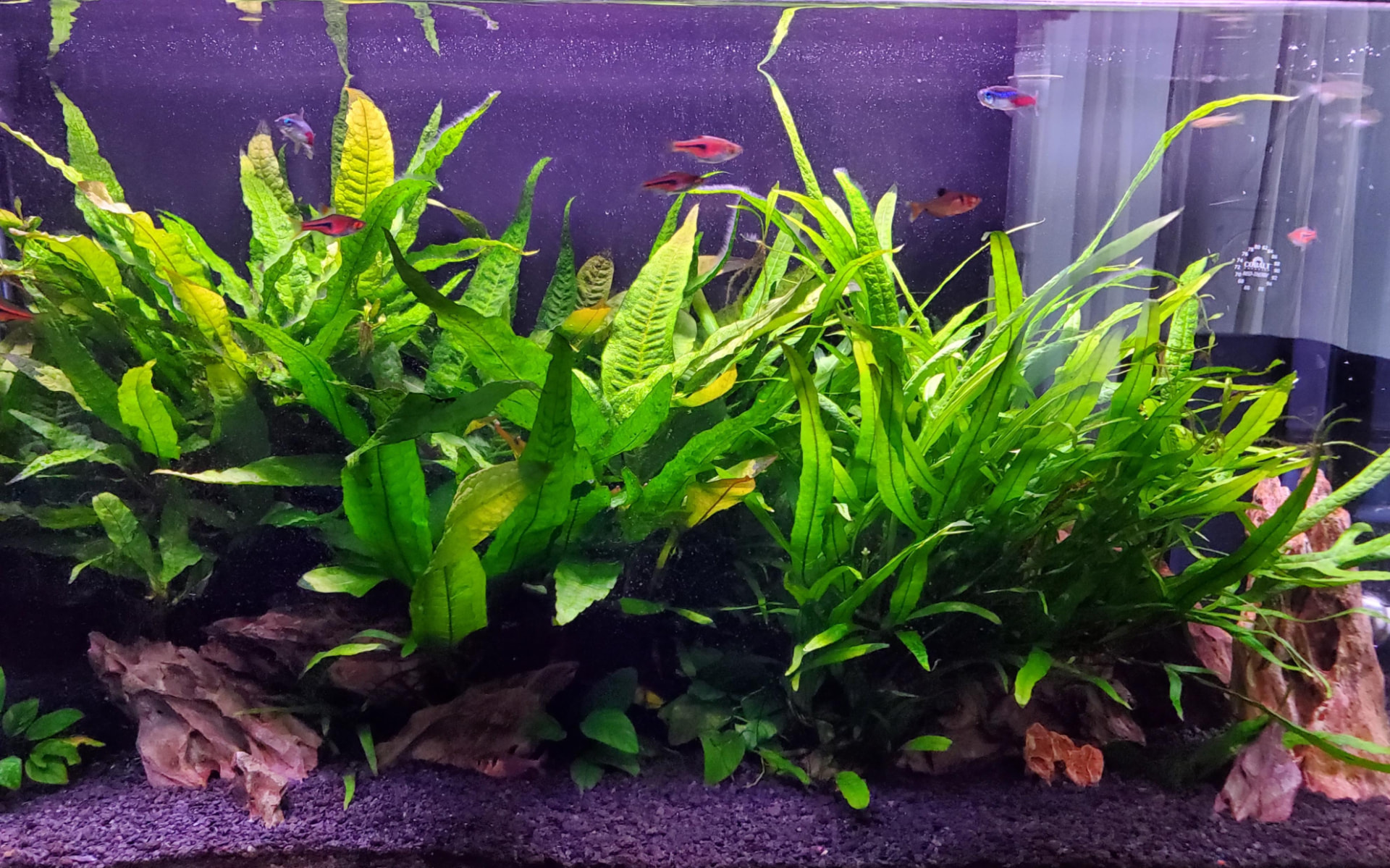
Java Fern
Microsorum pteropus
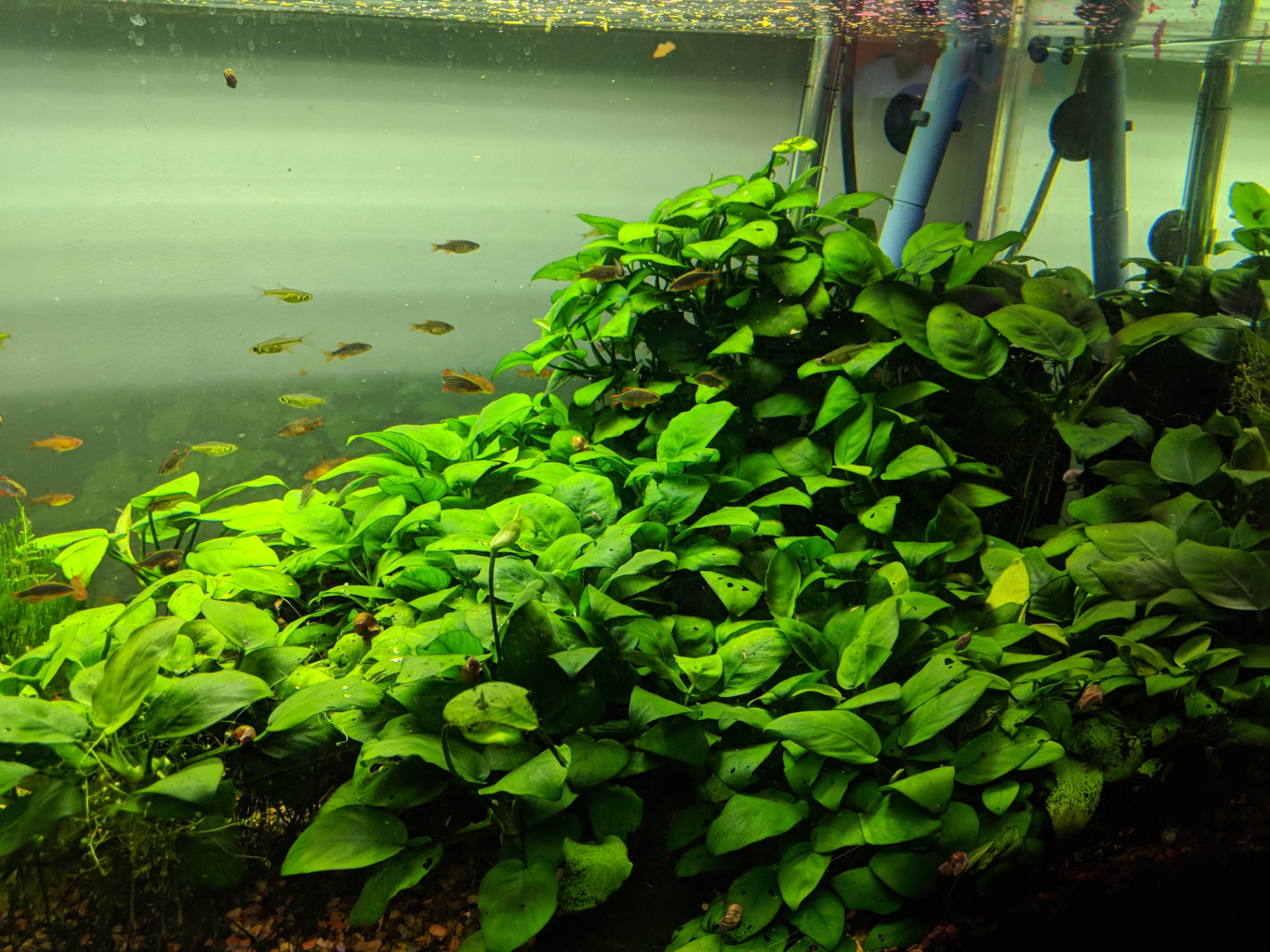
Anubias
Anubias barteri
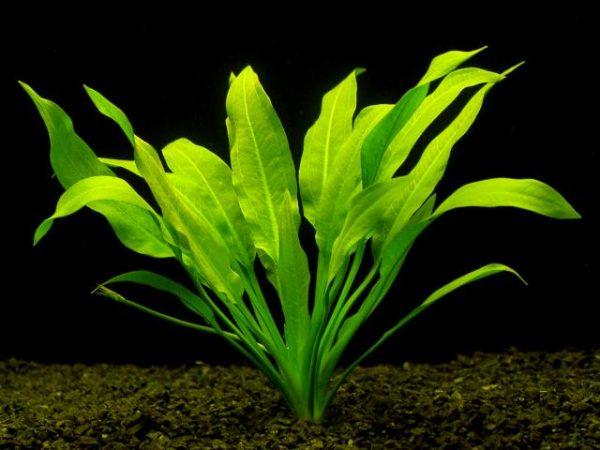
Amazon Sword
Echinodorus grisebachii
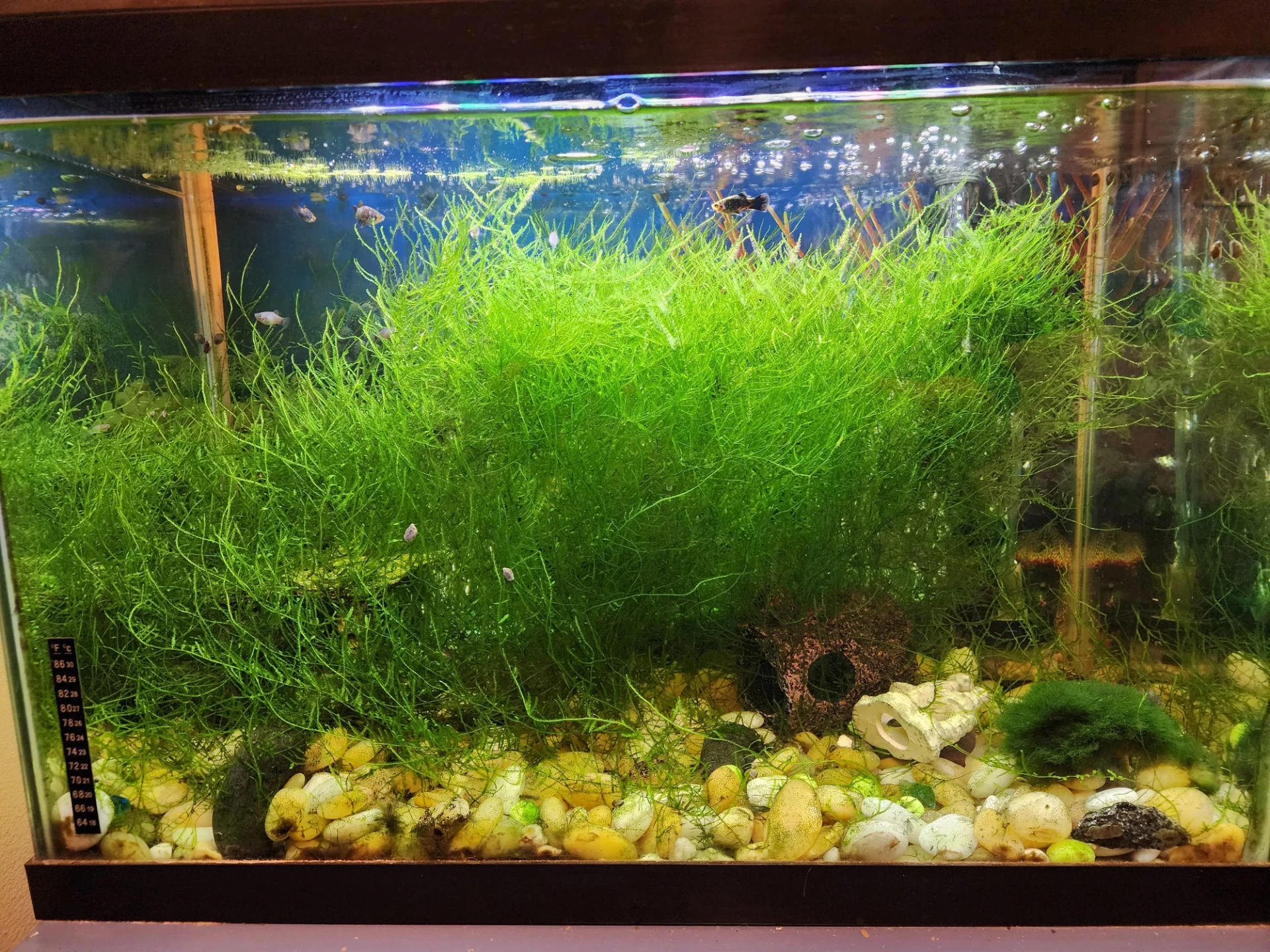
Java Moss
Taxiphyllum barbieri
Pro tips & common mistakes
Pro tips
- Do not dose liquid carbon. If the tank needs carbon, use pressurised CO2 instead.
- Remove whole leaves at the crown; never cut a leaf across.
- Check which val you are buying — the difference between dwarf and jungle forms is 30 cm against a metre.
- Root tabs every few months keep the runners coming; without them the stand stalls.
- Plant sparsely and let the runners fill in. Overplanting wastes money on plants you will be pulling out anyway.
- When you thin the bed, follow the runner back and cut it rather than yanking the rosette out.
Common mistakes
- Dosing Excel or Easy Carbo and blaming the melt on water quality.
- Trimming the leaf tips to make the stand look tidy.
- Burying the crown when planting.
- Pulling the plant out during the normal post-planting melt.
- Buying jungle val for a tank under three feet long.
- Feeding only the water column and wondering why a root feeder stopped spreading.
Frequently asked questions
Sources
- Plants of the World Online — Accepted name Vallisneria spiralis L. and its native range from Europe to Indo-China and South Africa.
- EPPO Global Database — Worldwide distribution and its escape from ornamental use outside the native range.
Related plants
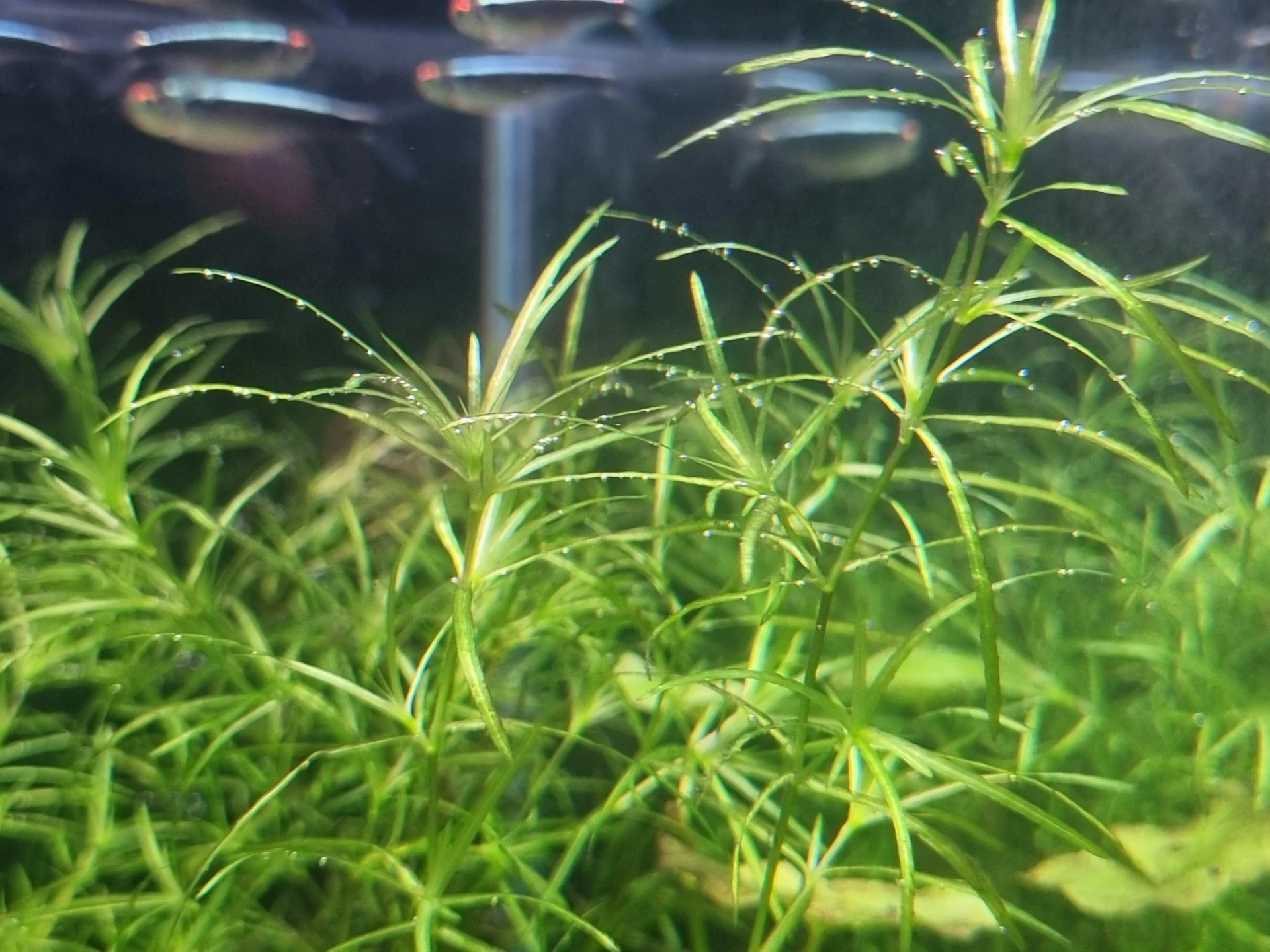
Guppy Grass
Najas guadalupensis
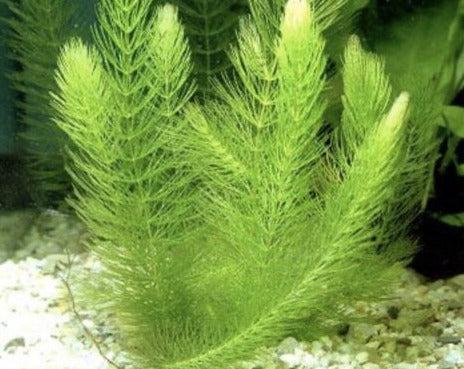
Hornwort
Ceratophyllum demersum
Amazon Frogbit
Limnobium laevigatum
Marimo Moss Ball
Aegagropila linnaei
Salvinia
Salvinia minima
Azolla
Azolla filiculoides
A val jungle changes the back of the tank
Dense background planting gives shy fish cover and changes how they use the space. Check what your tank can hold, then stock into the jungle rather than around it.
Reviewed by the AquariumStocking team · Updated August 2026