

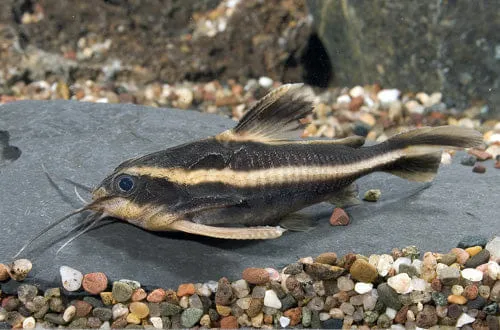
Striped Raphael Catfish
The single most forgiving choice on this list.
Adult Size
13.8" (35cm)
Min Tank
75 gal
Temperature
73-82°F
pH Range
6-8
Lifespan
15-20 years
Min Group
Can be kept alone
Diet
Carnivore
Swim Level
All
Bioload
10/10
Hardness
5-20 dGH
The Oscar is one of the most popular large cichlids in the aquarium hobby, beloved for their intelligence, personality, and interactive nature. Often called 'water dogs' or 'wet pets,' Oscars recognize their owners, beg for food, and even allow themselves to be petted. They're among the most personality-driven fish available, with each Oscar developing its own distinct character.
Native to the slow-moving rivers and floodplains of the Amazon basin, Oscars are powerful predators that grow rapidly to impressive sizes of 12-14 inches. Their intelligence is remarkable for fish—they can be trained to perform tricks, will rearrange their tanks constantly, and may even splash water at owners during feeding time.
However, this intelligence and size come with significant care requirements. Oscars produce massive amounts of waste, require enormous tanks, and will eat anything that fits in their surprisingly large mouths. They're a serious long-term commitment of 10-20 years that demands proper planning, substantial investment, and dedicated maintenance.
In the wild, Oscars inhabit the slow-moving rivers, floodplains, and lakes throughout the Amazon River basin in Peru, Colombia, and Brazil. Their natural environment features muddy bottoms, submerged branches, and dense vegetation, though Oscars themselves spend little time hiding—they're confident apex predators in their ecosystem.
These waters are warm, slightly acidic to neutral, and can vary considerably in clarity from clear to turbid. Oscars are remarkably adaptable to various water conditions, which contributes to their hardiness in captivity. Understanding their origins as open-water predators explains their need for large, open swimming spaces rather than heavily decorated tanks.
Native Region
South America - Amazon River basin (Peru, Colombia, Brazil)
Habitat Type
Slow-moving rivers, floodplains, and lakes with muddy bottoms
Wild Water Conditions
Warm (73-81°F), pH 6.0-8.0, muddy bottoms with submerged branches and vegetation
Oscars are large, robust cichlids with powerful bodies built for predation. Wild-type Oscars display an olive-green to dark brown base color with orange-red markings and a distinctive ocellus (eye spot) on the tail fin base—a feature believed to confuse predators. The ocellus gives them their scientific name 'ocellatus.'
Through selective breeding, numerous color varieties have been developed. Tiger Oscars feature bold orange and black patterns, Red Oscars display vibrant red-orange coloration, Albino Oscars show pink-white bodies with red eyes, and Lemon Oscars present yellow-gold hues. All varieties share the same impressive adult size of 12-14 inches and powerful build.
| Variety | Description | Rarity |
|---|---|---|
| Tiger Oscar | Wild-type coloration with olive-green and orange-red markings | Common |
| Red Oscar | Vibrant red-orange coloration throughout body | Common |
| Albino Oscar | Pink-white body with red eyes | Common |
| Lemon Oscar | Yellow-gold coloration | Uncommon |
| Black Oscar | Very dark, nearly black base color | Uncommon |
Minimum Tank Size
75 gallons
Recommended Tank Size
125 gallons
Oscars require substantial tanks that can accommodate their size, activity level, and massive waste production. The absolute minimum for a single Oscar is 75 gallons, with 100+ gallons strongly recommended. For pairs, 125+ gallons is essential. Long tanks that maximize floor space are preferable to tall tanks.
Temperature 73-81°F (23-27°C), pH 6.0-8.0 (flexible), hardness 5-20 dGH. Oscars are adaptable but require pristine water quality due to their heavy bioload. Weekly 30-50% water changes are mandatory, not optional. Ammonia and nitrite must remain at 0 ppm.
Large smooth river rocks or bare bottom are best. Sand can trap waste and make cleaning difficult. Many experienced Oscar keepers prefer bare bottom tanks for easier maintenance. If using substrate, avoid anything sharp that could injure them during their constant redecorating.
Plants are nearly impossible—Oscars uproot everything. Large driftwood, heavy rocks, PVC pipes, and terracotta pots can work, but EVERYTHING must be secured and weighted. They WILL rearrange all decorations constantly. Many keepers accept a minimalist setup that the Oscar controls.
OVERSIZED filtration is essential—target 6-10x tank volume turnover per hour. Canister filters or sumps are strongly recommended. Budget $150-300 for filtration alone. They're incredibly messy eaters with high bioload. Have backup filtration available.
Standard aquarium lighting 8-10 hours daily. No special requirements. Secure all equipment—heater guards are essential as Oscars may break unprotected heaters.
Diet Type
omnivore
Feeding Frequency
Once daily for adults, twice for juveniles
Portion Size
What they consume in 3-5 minutes
Oscars are omnivores with a strong carnivorous preference. In the wild, they eat fish, insects, crustaceans, worms, and some plant matter. They're extremely food-motivated and will beg constantly—this can lead to overfeeding, which is a common problem.
Extremely messy eaters—food debris significantly increases waste load. Very food motivated and will beg constantly, but resist overfeeding. Can be hand-fed and trained. Fast one day per week recommended for adults. Variety prevents nutritional deficiencies and keeps them interested.
Oscars are among the most intelligent and interactive aquarium fish. They recognize their owners, respond to their presence, and develop distinct personalities—some are aggressive terrors while others are surprisingly docile. This intelligence makes them fascinating but also demanding pets.
They're highly active fish that constantly patrol their territory. One defining behavior is their compulsive need to rearrange tank decorations—they move rocks, uproot plants, and generally redecorate according to their preferences. This isn't destructive behavior per se; it's natural exploration and territory modification.
Oscars may spit water at owners during feeding time, stare through the glass begging for food, and show obvious excitement when their 'person' approaches. However, they're also territorial predators that will eat anything that fits in their mouth and may show aggression toward tankmates, especially during breeding.
An oscar eats anything it can swallow, produces waste on a scale most filters are not sized for, and rearranges the tank for entertainment. Company has to be big, fast, robust and cheap to feed, and it only works in a tank far larger than the oscar alone needs. Most oscars end up better off kept on their own.
The single most forgiving choice on this list.
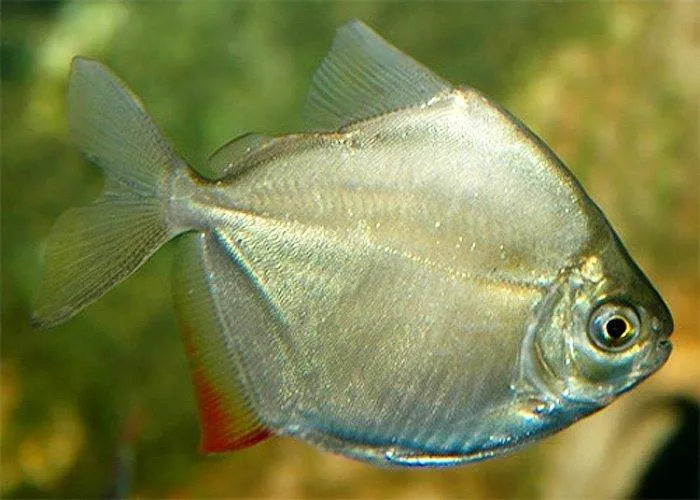
A deep, disc-shaped shoaler that is exactly the wrong shape to be swallowed, and fast enough to stay out of reach if the oscar does take an interest.

A broad South American cichlid that reaches 25 cm and holds its ground without escalating, which is an unusual combination at this size.
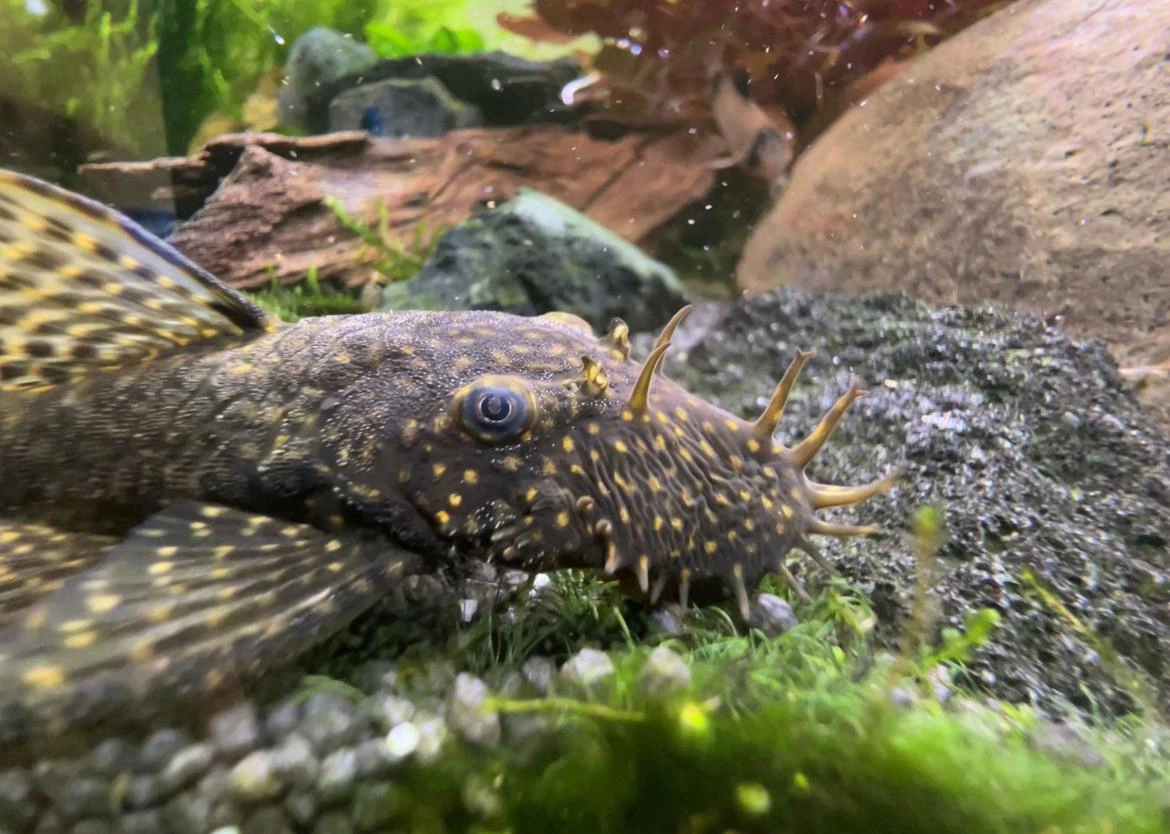
Also compatible: Senegal Bichir, Clown Loach, Common Pleco, Sailfin Pleco
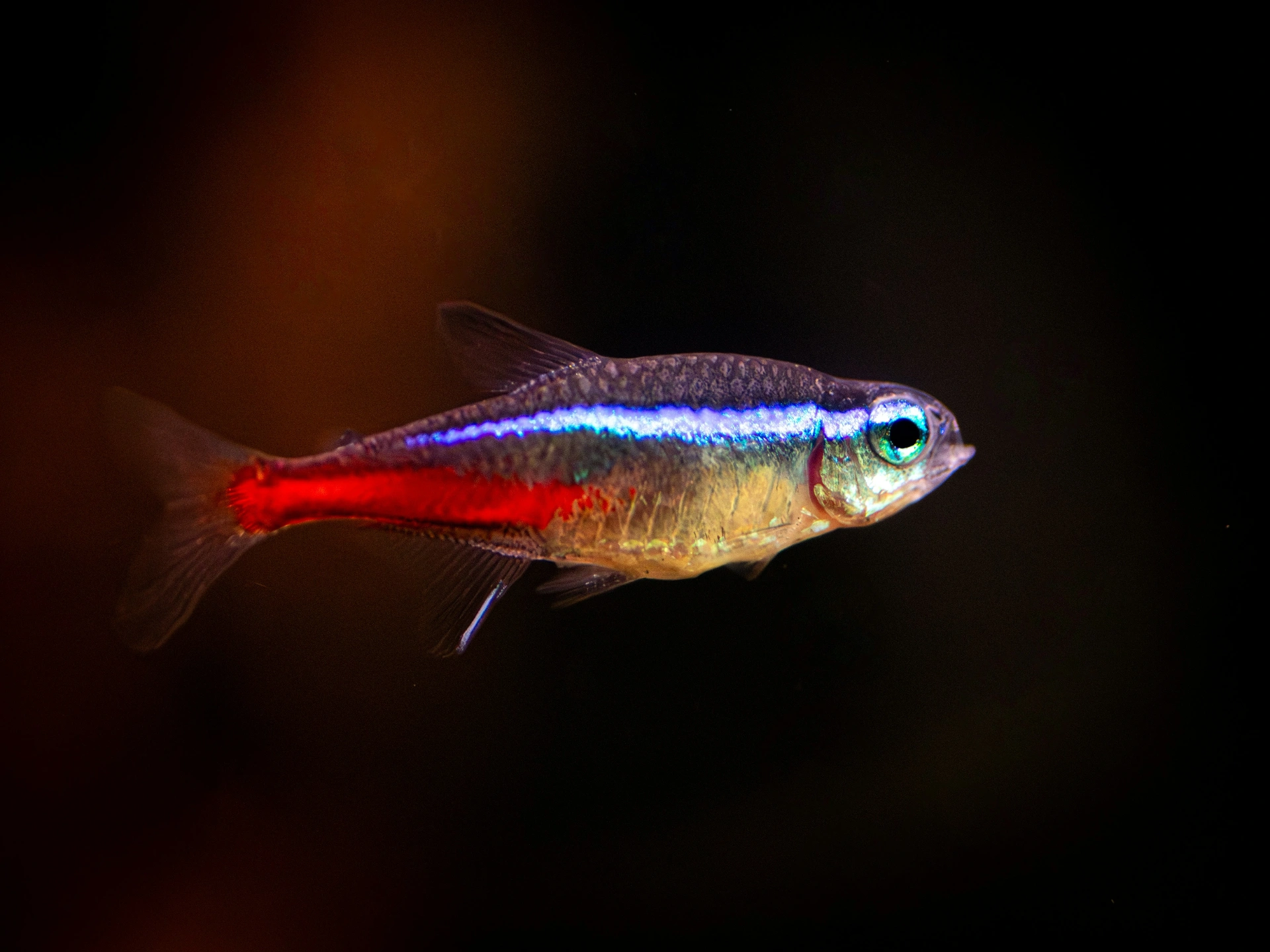
Avoid — will be eaten
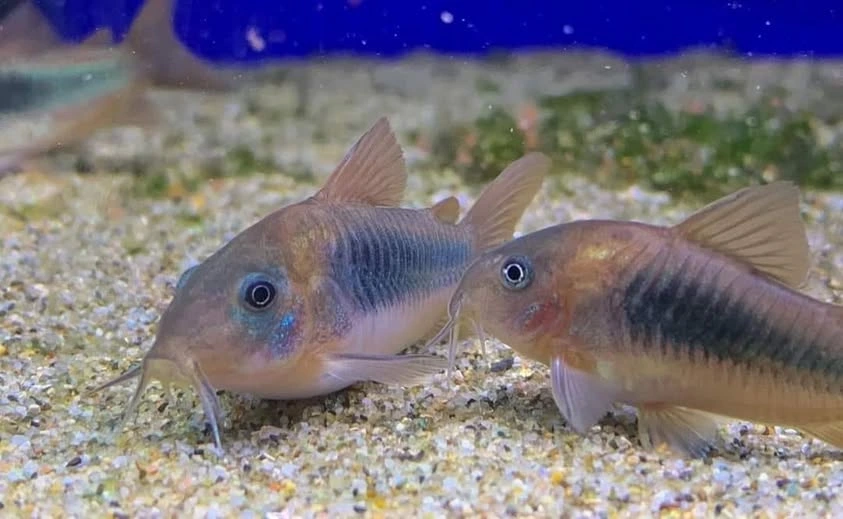
Avoid — will be eaten
Avoid — too small
Also avoid: Angelfish, Discus, Electric Blue Acara, Cherry Shrimp
Full Oscar tank mates guideBreeding Oscars is challenging primarily because sexing them is nearly impossible without venting, and pairs must bond naturally over months or years. Forced pairing almost never works and often results in serious fighting and injury.
Oscars are generally hardy fish when kept in proper conditions, but their sensitivity to water quality and specific dietary needs make certain diseases more common. Hole-in-the-Head Disease (HITH) is particularly associated with Oscars.
| Disease | Symptoms | Treatment |
|---|---|---|
| Hole-in-the-Head Disease (HITH) | Pits and holes in head and lateral line, lesions that can become infected | Improve water quality drastically, varied diet with vitamins, Metronidazole for severe cases. Prevention is key—pristine water and quality nutrition |
| Ich (White Spot) | White spots covering body and fins, scratching, lethargy | Raise temperature to 86°F, add aquarium salt, use ich medication. Quarantine all new fish to prevent introduction |
| Fin Rot | Ragged, deteriorating fins, redness at fin edges | Pristine water quality—often resolves with improved conditions. Antibacterial treatment for severe cases |
| Bloat | Severe abdominal swelling, loss of appetite, lethargy | Epsom salt baths, fast the fish, improve diet variety. Often caused by overfeeding or inappropriate foods |
75 gallons is the absolute minimum for one adult Oscar, with 100+ gallons strongly recommended. For two Oscars, 125+ gallons minimum. They reach 12-14 inches and are extremely messy. Don't believe '55 gallon is fine'—it's not, and will lead to stunted growth, disease, and premature death.
This is completely normal Oscar behavior! They're intelligent fish that constantly interact with and modify their environment. Secure all decorations with weights or aquarium-safe silicone. Many Oscar keepers simply accept a constantly changing layout or use bare bottom tanks.
Yes! Oscars are highly intelligent and form genuine bonds with their owners. They recognize faces, beg for food, allow petting, and show distinct personalities. This is why they're called 'wet pets'—they're more interactive than most aquarium fish.
Absolutely not. Feeder goldfish carry diseases and parasites, have poor nutritional value, and can cause digestive issues. They're the #1 food to avoid for Oscars. Use high-quality pellets, frozen foods, and occasional earthworms instead.
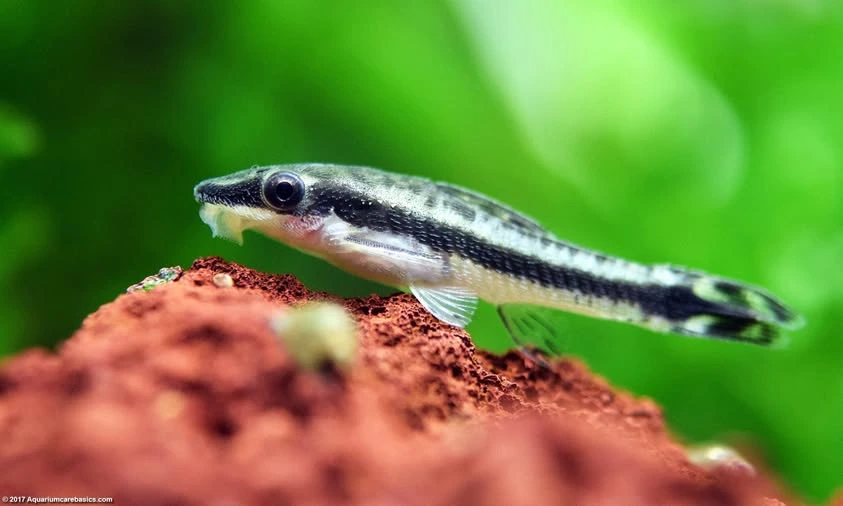
Otocinclus vittatus

Pseudotropheus crabro

Andinoacara rivulatus

Rocio octofasciata

Tropheus duboisi

Hybrid (Amphilophus × Vieja crosses)

Pseudotropheus acei

Sciaenochromis fryeri
Use our free stocking calculator to check compatibility, bioload, and get personalized recommendations.