

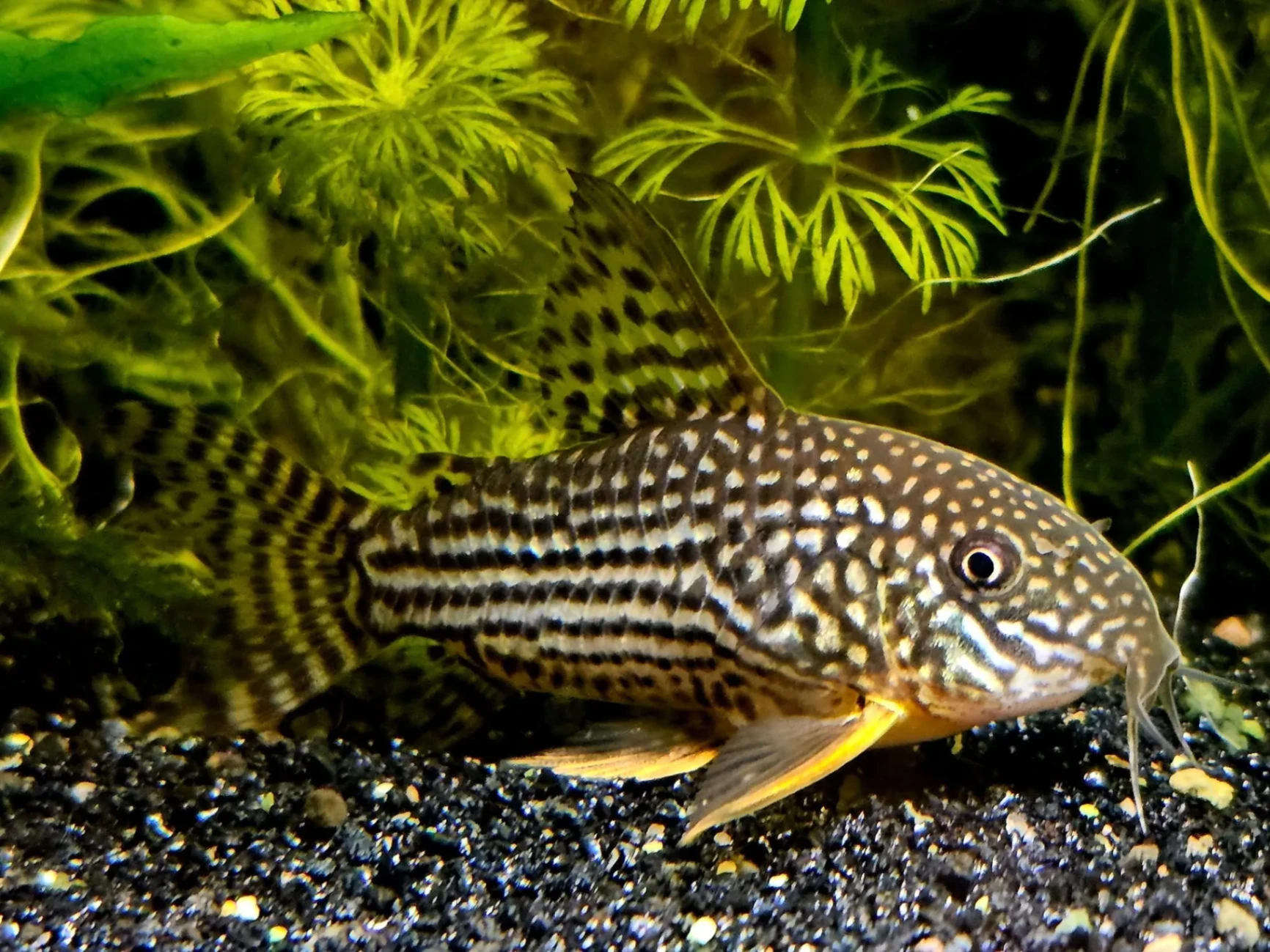
Corydoras Sterbai
The one corydoras that belongs in a discus tank, and the reason is narrow: it handles sustained high temperature where bronze and panda corys are being slowly cooked.
Adult Size
7.9" (20cm)
Min Tank
70 gal
Temperature
82-90°F
pH Range
5.5-7
Lifespan
10-15 years
Min Group
5+ fish
Diet
Omnivore
Swim Level
Middle
Bioload
6/10
Hardness
1-8 dGH
Discus are often called the 'King of the Aquarium,' and for good reason. These magnificent South American cichlids display stunning colors, elegant disc-shaped bodies, and a graceful presence that commands attention in any aquarium. Centuries of selective breeding have produced an incredible array of color varieties—from wild-type browns and greens to brilliant blues, reds, yellows, and intricate patterns.
However, the discus's royal status comes with royal demands. These are not beginner fish by any measure. They require extremely warm water (82-88°F), very soft and acidic conditions, pristine water quality with minimal nitrates, and daily maintenance that most hobbyists aren't prepared for. The financial investment is also significant—quality discus cost $30-200+ each, and proper setup including RO systems can run into thousands of dollars.
For those willing to meet their demanding needs, discus offer an unparalleled fishkeeping experience. They're intelligent, interactive fish that recognize their owners, display complex social behaviors in groups, and provide years of enjoyment. Many dedicated discus keepers consider them the ultimate freshwater challenge and wouldn't keep anything else.
The key to success is honest self-assessment: Do you have the knowledge, time, and resources to provide what discus need? If not, admire them at quality fish stores until you're ready. If yes, prepare for one of the hobby's greatest rewards.
Discus inhabit the slow-moving, warm waters of the Amazon River basin in South America, primarily in Brazil, Peru, and Colombia. Their natural habitat consists of flooded forest areas and blackwater tributaries—waters stained dark with tannins from decaying vegetation and leaf litter.
These blackwater environments are extreme: temperatures consistently above 80°F, pH values as low as 4.0-5.0, hardness near zero, and minimal mineral content. The water is shaded by dense forest canopy, creating dim conditions. Discus are found among submerged root systems and fallen branches, using their flat bodies to navigate through tight spaces.
Understanding these origins is crucial for discus success. While captive-bred strains are somewhat more adaptable than wild-caught fish, they still require warm, soft, acidic water and calm, low-light environments. You cannot keep discus in standard community tank conditions—they need their own specialized setup.
Native Region
South America - Amazon River basin (Brazil, Peru, Colombia)
Habitat Type
Slow-moving blackwater tributaries, flooded forests with submerged roots and leaf litter
Wild Water Conditions
Very warm (82-88°F), extremely soft (0-4 dGH), acidic (pH 4.0-6.5), tannin-stained blackwater
The discus's iconic shape is instantly recognizable—a laterally compressed, nearly circular body that resembles a disc when viewed from the side. Adults typically reach 6-8 inches in diameter, with some exceptional specimens growing larger. Their body proportions, flowing fins, and graceful movements create an almost regal appearance.
Wild discus come in several geographic variants: Heckel Discus with their distinctive bold center bar, Brown Discus, Blue Discus, and Green Discus. Captive breeding over decades has produced countless color morphs and patterns that far exceed wild coloration.
Healthy discus display vibrant, consistent coloration with clear eyes and smooth skin. Stressed discus show dark vertical bars (stress bars), faded colors, and may clamp their fins—useful visual indicators of their emotional state. Color intensity varies with mood, diet, water quality, and lighting.
| Variety | Description | Rarity |
|---|---|---|
| Blue Diamond | Solid brilliant blue body, no pattern | Common |
| Pigeon Blood | Orange-red base with black peppering | Common |
| Red Turquoise | Red base with turquoise stripes and patterns | Common |
| Snakeskin | Intricate fine striping pattern across body | Common |
| Leopard | Spotted pattern across body | Uncommon |
| Golden | Bright yellow-gold solid coloration | Uncommon |
| Checkerboard | Geometric pattern of spots and bars | Uncommon |
| Wild Heckel | Natural coloration with bold center bar | Rare |
| White/Snow White | Solid white body, red eyes | Rare |
Minimum Tank Size
70 gallons
Recommended Tank Size
110 gallons
Discus tanks are fundamentally different from standard community setups. Everything revolves around maintaining the extremely warm, soft, acidic, clean water these fish require. Many discus keepers use bare-bottom tanks for easier maintenance, though planted discus tanks are achievable with dedication.
Temperature is NON-NEGOTIABLE: 82-88°F (28-31°C). This is much warmer than standard tropical (75-78°F). pH should be 5.0-7.0, with 6.0-6.5 ideal for most captive-bred discus. Hardness must be very low: 1-8 dGH. Ammonia and nitrite: absolute zero. Nitrates: below 10 ppm (much stricter than standard tanks). RO/DI water is typically required unless you have naturally soft, acidic tap water.
Bare bottom is popular for serious discus keeping—makes cleaning easier and prevents debris accumulation. If using substrate, fine sand is best. Dark substrates enhance coloration.
Plants are beneficial but optional. If using plants, choose heat-tolerant species: Amazon Swords, Java Fern, Anubias, Vallisneria. Floating plants help diffuse lighting. Driftwood adds natural tannins and creates a more natural environment. Keep decoration minimal to allow easy cleaning. Avoid sharp objects that could injure these delicate fish.
High-quality canister filtration with gentle output. Strong flow stresses discus—use spray bars to diffuse return. Sponge filters are popular, especially for breeding setups. Despite needing gentle flow, excellent biological filtration is critical for pristine water quality. Oversize your filtration capacity.
Low to moderate lighting. Discus prefer dim conditions and are stressed by bright lights. Floating plants help create shade. If keeping live plants needing stronger light, provide shaded areas for discus retreat.
Diet Type
carnivore
Feeding Frequency
2-3 times daily in small portions
Portion Size
What they consume in 3-5 minutes
Discus are carnivores with relatively picky eating habits. They need high-quality, varied foods to maintain health and color. Poor diet quickly shows in faded coloration and health issues. Feeding discus is more demanding than most tropical fish.
Discus are notoriously picky and slow eaters. Remove uneaten food immediately to maintain water quality. Feed 2-3 small meals daily rather than one large feeding. Variety is essential for optimal color and health. Fasting one day weekly is recommended. Young discus (under 4 inches) need more frequent feeding (4-5x daily) for proper growth.
Discus are highly social cichlids that must be kept in groups—single specimens or pairs become stressed and fail to thrive. They form hierarchies within groups, with dominant individuals claiming preferred spots and feeding first. This is normal and groups of 6+ distribute aggression better than smaller groups.
They're intelligent, observant fish that quickly learn to recognize their owners. Many discus swim to the front of the tank when their keeper approaches and display during feeding time. They're also acutely sensitive to their environment—stress from poor water quality, aggressive tankmates, or disturbances shows immediately in their behavior and coloration.
Discus are peaceful toward other fish but occupy the middle water column and don't appreciate hyperactive tankmates. Their slow, graceful swimming style is mesmerizing to watch. When comfortable, they display vibrant colors and interact constantly with group members. Stressed discus show dark stress bars, hide, refuse food, and fade in color.
Almost everything about discus company is decided by water rather than temperament. They need 28–30 °C and very low nitrate, and that narrow window rules out most of the standard community list before behaviour is even considered. What is left are warm-water, low-waste fish calm enough not to outcompete a slow, deliberate feeder.
The one corydoras that belongs in a discus tank, and the reason is narrow: it handles sustained high temperature where bronze and panda corys are being slowly cooked.

A dwarf cichlid that genuinely wants the same conditions rather than merely surviving them — 26–30 °C, soft, acidic water is its natural preference, not its limit.
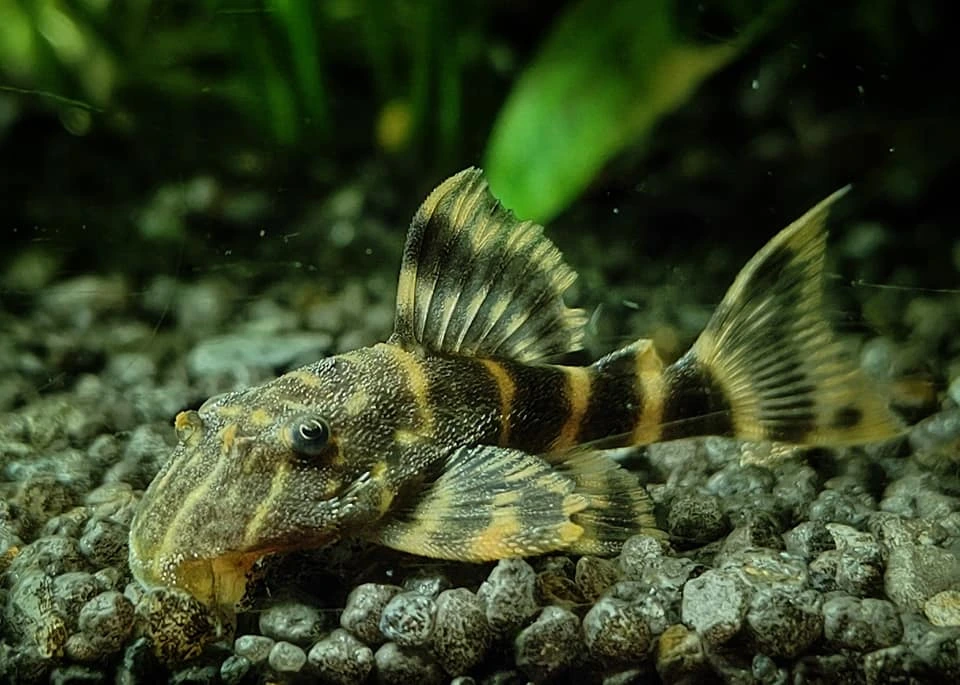
Small enough not to matter to your nitrate and warm-water tolerant to 30 °C, which most plecos are not.
Also compatible: Apistogramma Cacatuoides, Zebra Pleco, Glass Catfish, Dwarf Chain Loach, Golden Pencilfish
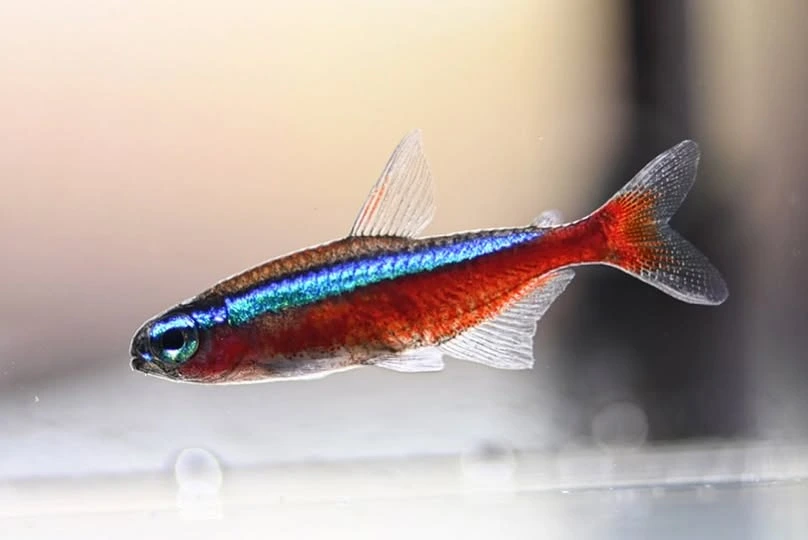
Avoid — shortened by the heat
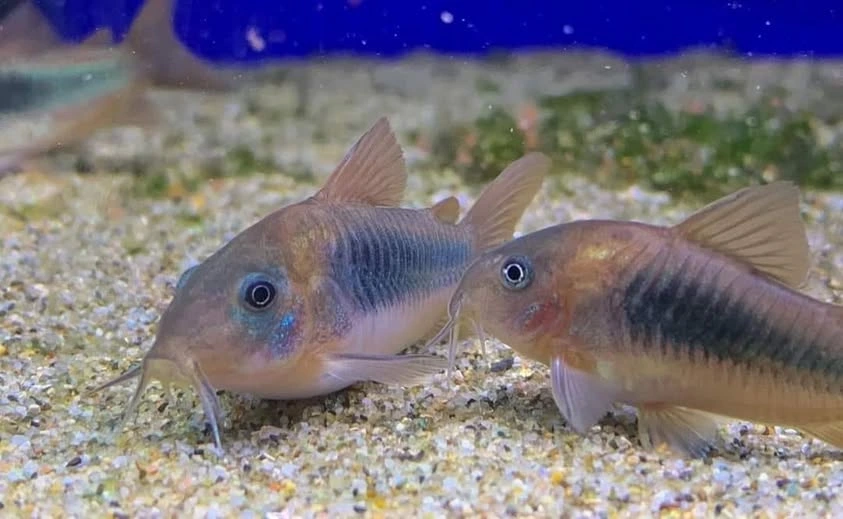
Avoid — wrong temperature range
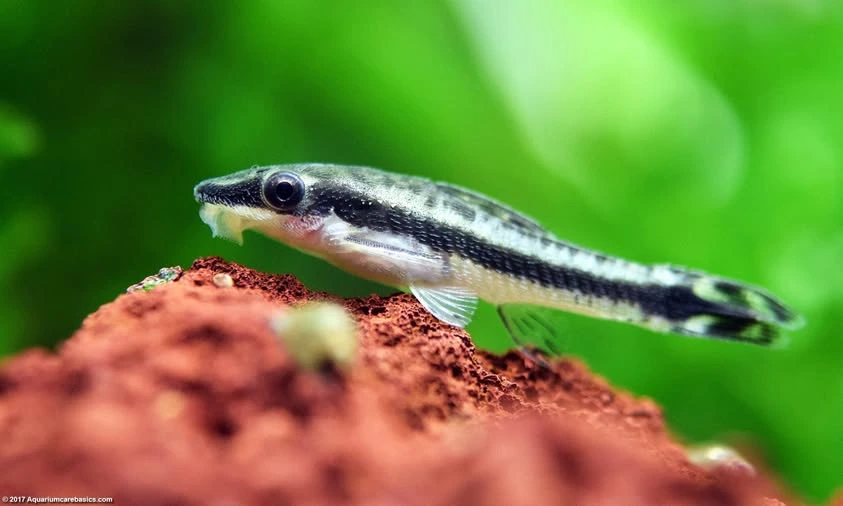
Avoid — wrong temperature range
Also avoid: Zebra Danio, Tiger Barb, Oscar, Cherry Shrimp
Full Discus tank mates guideBreeding discus is considered the pinnacle of freshwater fishkeeping achievement. While difficult, it's achievable for dedicated hobbyists who master discus care. The most fascinating aspect of discus breeding is parental care—both parents produce a mucus coating ("discus milk") that fry feed on for the first week of life.
Pairs form naturally from groups—attempting to buy 'proven pairs' often fails due to pair bonds breaking in new environments. Let discus choose their own mates from a group of 6+. Once paired, they'll claim territory and begin spawning behavior.
Breeding setup requires pristine, very soft acidic water (pH 5.5-6.0), temperature 84-86°F, and vertical spawning surfaces (slate, PVC pipes, terracotta cones). Eggs hatch in 48-72 hours; fry become free-swimming and immediately seek parental slime coat for nutrition.
The critical challenge is preventing parents from eating eggs (common when stressed) and ensuring fry have access to parental slime coat. Artificial raising is possible but much more difficult. Breeding discus requires extensive experience and dedication.
Discus are sensitive fish prone to health issues when conditions aren't optimal. The overwhelming majority of discus diseases stem from poor water quality, stress, or inadequate diet—factors entirely within the keeper's control. Prevention through excellent husbandry is far easier than treatment.
| Disease | Symptoms | Treatment |
|---|---|---|
| Hole-in-the-Head (HITH) | Pits and erosions on head and lateral line, often starting small and worsening | Improve water quality drastically, varied vitamin-rich diet, metronidazole in severe cases. Often linked to stress, poor nutrition, and water quality issues. |
| Ich (White Spot) | White salt-like spots on body and fins, flashing against objects, clamped fins | Raise temperature to 86-88°F (discus can handle this), medication. Ich struggles in warm water—discus's high temperature requirement actually helps. |
| Hexamita/Spironucleus (Internal Parasites) | White stringy feces, loss of appetite, lethargy, thinning, hole-in-head | Metronidazole treatment (Metroplex), improve water quality, quarantine. Common in stressed or new discus. |
| Bacterial Infections | Lesions, fin damage, red areas, lethargy, rapid breathing | Antibiotics (Kanaplex, Furan-2), pristine water quality. Usually secondary to stress or injury. |
| Gill Flukes | Rapid breathing, gasping, scratching, clamped fins | Praziquantel treatment, improve water quality. Common in new imports. |
Yes. They require extremely warm water (82-88°F), very soft acidic water, pristine conditions, frequent water changes, and are very sensitive to stress and water parameter fluctuations. Not suitable for beginners. They're beautiful but demanding.
Very difficult. Most community fish don't tolerate the extreme heat discus need (82-88°F). Tankmates must be peaceful, slow-moving, and heat-tolerant. Species-only discus tanks are strongly recommended, especially for beginners.
Minimum 5-6, ideally 6-8+. They're schooling fish and become stressed alone or in pairs. Larger groups create more stable hierarchies and reduce stress. This means you need large tanks (75+ gallons minimum).
Usually yes, unless you have naturally very soft acidic water (rare). Most tap water is too hard and alkaline. Discus need pH 5.0-7.0 and very soft water (1-8 dGH). RO/DI remineralized water is standard for serious discus keeping.
Daily or every other day is ideal—10-25% changes. They're extremely sensitive to nitrates (should be < 10 ppm). Frequent small changes maintain pristine conditions better than large weekly changes. This is a major time commitment.
Not recommended. They require advanced knowledge of water chemistry, consistent maintenance, expensive equipment (RO systems), and are very sensitive to mistakes. Master easier fish first, then consider discus after 2-3 years of experience.
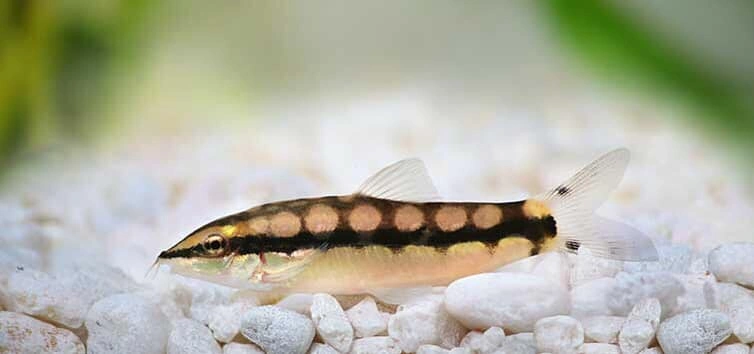
Ambastaia sidthimunki

Cleithracara maronii

Iodotropheus sprengerae

Melanotaenia splendida
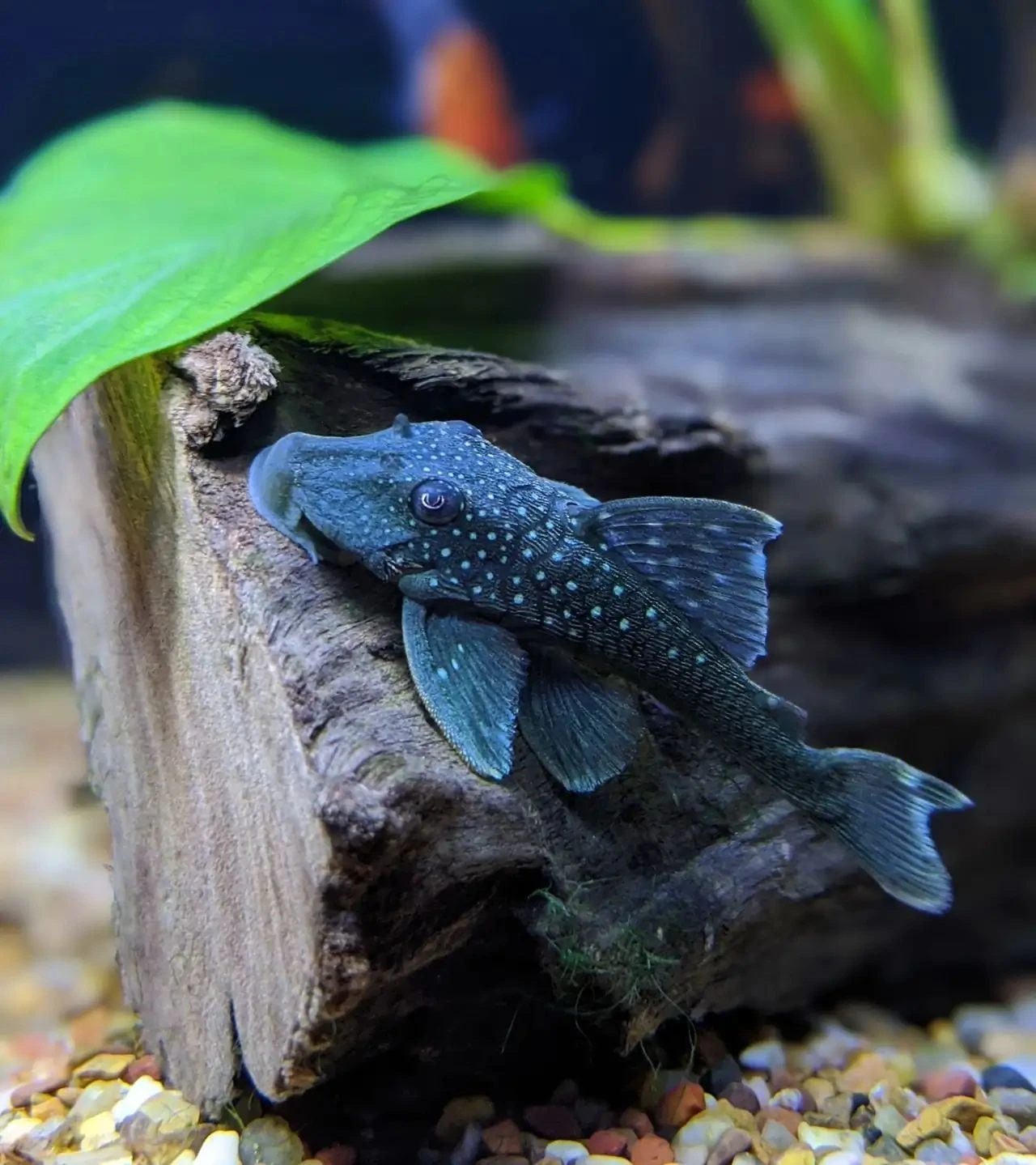
Hemiancistrus sp.
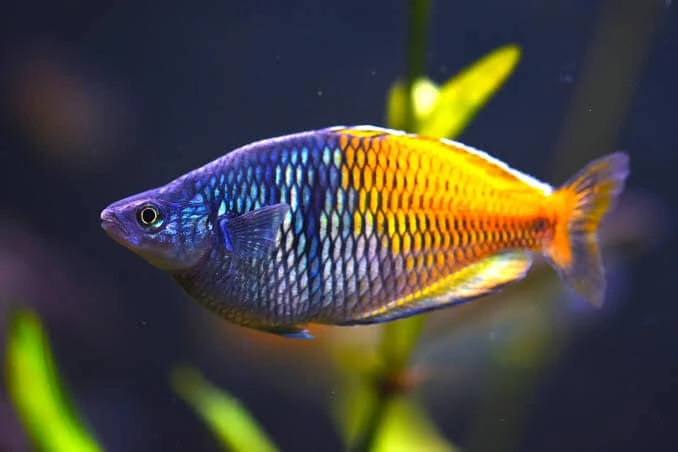
Melanotaenia boesemani
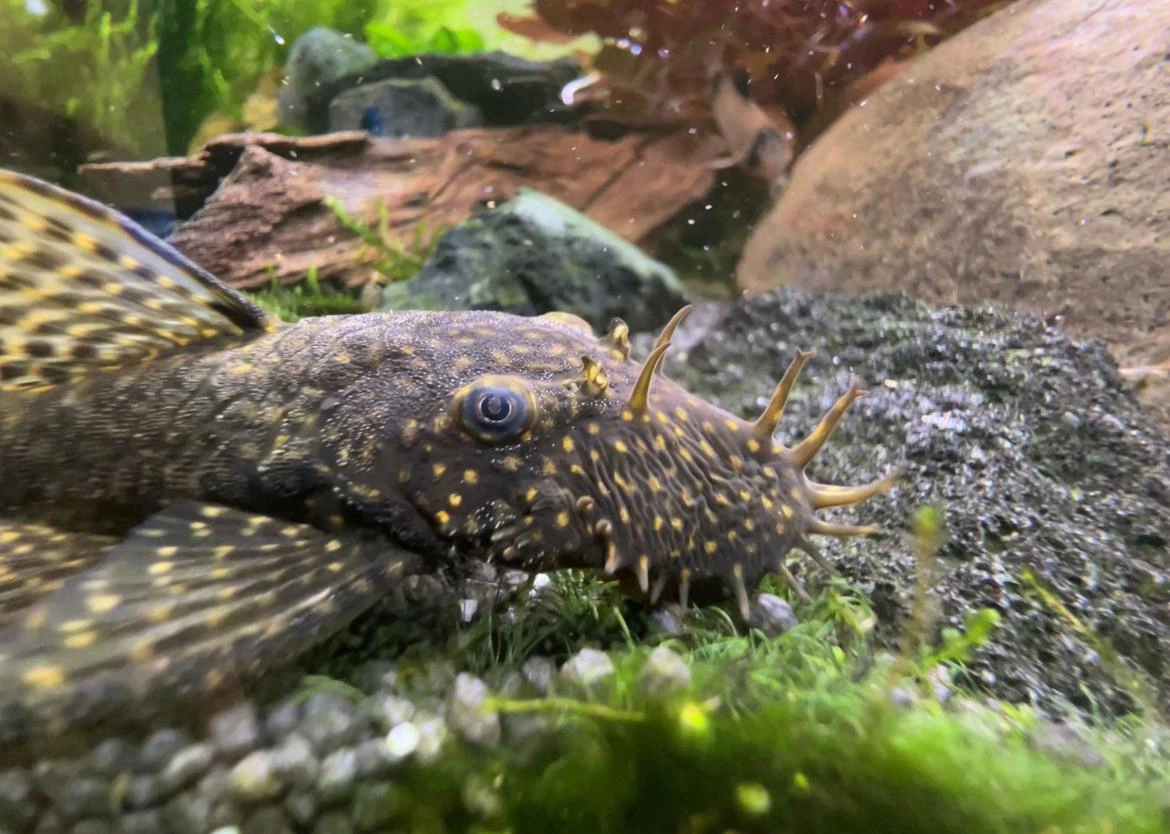
Ancistrus sp.
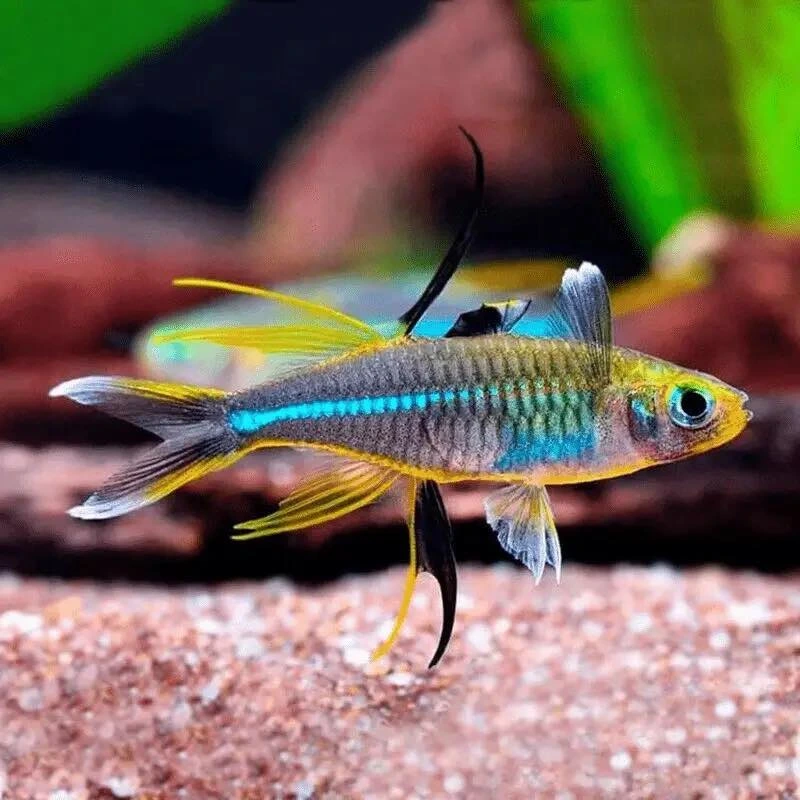
Marosatherina ladigesi
Use our free stocking calculator to check compatibility, bioload, and get personalized recommendations.