

Care Requirements
Adult Size
3.9" (10cm)
Min Tank
30 gal
Temperature
72-82°F
pH Range
6-7.5
Lifespan
8-10 years
Min Group
2+ fish
Diet
Omnivore
Swim Level
Middle
Bioload
4/10
Hardness
4-15 dGH
About Keyhole Cichlid
The Keyhole Cichlid is the exception that proves the rule about cichlid aggression. While most cichlids are known for territorial behavior and aggression, the Keyhole Cichlid is genuinely peaceful, shy, and retiring—making it one of the best cichlids for community aquariums.
Named for the distinctive keyhole-shaped dark marking on their flank, these South American cichlids offer all the intelligence and personality that cichlids are loved for, without the aggression that makes many species challenging. They form lasting pair bonds, display fascinating color-changing behavior based on mood, and become surprisingly personable once comfortable in their environment.
The main challenge with Keyhole Cichlids isn't aggression—it's their shyness. They can be easily stressed by boisterous tankmates, bright lighting, or lack of hiding spots. Understanding and accommodating their timid nature is the key to successful keeping. With patience and proper setup, they reward their keeper with years of gentle, engaging cichlid behavior.
Natural Habitat & Origin
Keyhole Cichlids are native to northeastern South America, found in Trinidad, Tobago, Venezuela, Guyana, Suriname, and French Guiana. They inhabit slow-moving coastal rivers, streams, and flooded areas with sandy or muddy substrates and submerged vegetation.
Their natural waters are soft and slightly acidic, often stained with tannins from leaf litter—classic blackwater or near-blackwater conditions. Dense vegetation, submerged roots, and fallen leaves provide the cover and security these shy fish depend on. Replicating these conditions with driftwood, leaf litter, and dim lighting brings out their best behavior and coloration.
Native Region
South America - Trinidad, Tobago, Venezuela, Guyana, Suriname, French Guiana
Habitat Type
Slow-moving coastal rivers, streams, flooded areas with leaf litter
Wild Water Conditions
Soft, slightly acidic blackwater conditions (pH 6.0-7.0), sandy/muddy substrates
Appearance & Varieties
Keyhole Cichlids reach about 5 inches (12 cm) with a moderately deep, laterally compressed body. Their base coloration ranges from cream to olive-brown, with the defining feature being the dark keyhole-shaped marking on the upper flank—a dark spot with a stripe extending downward, resembling a keyhole.
One of their most interesting visual features is their ability to change color based on mood. When stressed, they darken significantly, sometimes becoming almost black. When comfortable and content, they lighten to a warm cream or golden tone with the keyhole marking clearly visible. This color-changing ability serves as an excellent mood indicator for attentive keepers. Males and females are difficult to distinguish, though males may be slightly larger with more pointed fins.
Tank Setup & Requirements
Quick Requirements Summary
Tank Size
Minimum Tank Size
30 gallons
Recommended Tank Size
40 gallons
Keyhole Cichlids need a minimum of 30 gallons (115 liters) for a single specimen or pair, with 40 gallons (150 liters) recommended. Hiding spots and cover are far more important than swimming space for this species.
Water Parameters
Temperature 72-82°F (22-28°C), pH 6.0-7.5, hardness 2-12 dGH. They prefer softer, slightly acidic water but adapt to moderate conditions. Stability and cleanliness matter most.
Substrate
Sand or fine gravel allows natural foraging behavior. Avoid bright-colored substrates—natural tones help them feel secure.
Plants & Decorations
Heavily planted tanks are essential—plants provide the security and hiding spots they need to feel comfortable. Driftwood, rocks, and caves create sheltered areas. Indian almond leaves or leaf litter add beneficial tannins that mimic their natural blackwater habitat.
Filtration & Water Flow
Moderate flow—avoid strong current. Gentle filtration suits their preference for calm water. Sponge filters or baffled hang-on-back filters work well.
Lighting
Subdued lighting is strongly recommended—they feel exposed and stressed under bright lights. Floating plants help diffuse lighting naturally.
Diet & Feeding Guide
Diet Type
omnivore
Feeding Frequency
1-2x daily, small amounts
Portion Size
What they consume in 3-5 minutes
Keyhole Cichlids are omnivores that feed on insects, insect larvae, small crustaceans, worms, and plant matter in the wild. They're timid eaters that may be outcompeted by faster, more aggressive tankmates—target feeding or multiple small feedings help ensure they eat.
Best Foods for Keyhole Cichlid
- High-quality cichlid pellets — Sinking varieties work best—they feed in mid to lower tank
- Flakes — Accepted but sinking foods preferred
- Frozen bloodworms — Excellent supplement, helps build confidence at feeding time
- Frozen brine shrimp/daphnia — Good variety, readily accepted
- Live blackworms — Outstanding for conditioning and encouraging natural foraging
- Blanched vegetables — Zucchini, peas for variety
Foods to Avoid
- Aggressive feeding competition — They're shy eaters—will be outcompeted by assertive fish
- Surface-only foods — They prefer feeding in mid to lower water column
Keyhole Cichlids are timid feeders that may not compete well with aggressive eaters. Target feed them directly or use multiple small feedings throughout the day. They become more confident feeders as they settle in, but never as assertive as most cichlids.
Behavior & Temperament
Keyhole Cichlids are unusually peaceful for cichlids—genuinely shy and retiring rather than territorial and aggressive. They often hover near cover, darting into hiding when startled. Their mood-based color changes are fascinating to observe—darkening when stressed and lightening when comfortable.
They form gentle, lasting pair bonds without the violent courtship seen in most cichlids. Even when breeding, their aggression is minimal compared to other cichlid species—tankmates usually don't need to be removed. They may hide for extended periods when first introduced, but gradually become bolder as they acclimate. Counterintuitively, providing more hiding spots makes them more visible, as secure fish venture out more confidently.
Tank Mates: Compatibility Guide
Compatible Tank Mates
Peaceful mid-dweller, similar water preferences
Peaceful, calm community companion
Peaceful bottom dweller, won't compete
Compatible peaceful cichlid
Similarly gentle temperament
Peaceful algae eater, different zone
Peaceful bottom dweller
Compatible peaceful dwarf cichlid
Tank Mates to Avoid
Jewel Cichlid
Far too aggressive—will terrorize Keyholes
Oscar
Too large and aggressive
Tiger Barb
Too nippy and boisterous—will stress them
Convict Cichlid
Too aggressive, especially when breeding
Common Pairing Questions
Can Keyhole Cichlids live in a community tank?
Yes—they're one of the best cichlids for community tanks. Choose peaceful, calm tankmates and avoid boisterous or aggressive species. They're more likely to be bullied than to bully.
Can Keyhole Cichlids live with other cichlids?
With peaceful cichlids like Angelfish, Bolivian Rams, or German Blue Rams, yes. Avoid aggressive cichlids like Jewels, Convicts, or Firemouths that will dominate and stress them.
Breeding Keyhole Cichlids is moderately challenging, primarily because they're shy and easily disturbed. Unlike most cichlids, they don't become significantly more aggressive when breeding—their parental care is devoted but gentle.
Pairs gently clean a flat surface (rock, driftwood, or even broad plant leaf) for spawning. The female lays 100-300 eggs while the male guards the area. Both parents tend the eggs and fry, but without the extreme aggression seen in other cichlids—tankmates usually don't need to be removed.
Eggs hatch in 3-4 days. Feed fry baby brine shrimp, microworms, and finely crushed flakes. Don't disturb the pair during courtship or spawning—they're easily spooked. Parents may eat the first few batches of eggs until they become experienced. Patience is key with this species.
Health Issues & Disease Prevention
Keyhole Cichlids are generally hardy when their environmental needs are met, but their susceptibility to stress makes them more prone to stress-related illness than robust cichlids. Providing security and calm conditions is the best preventive medicine.
Common Diseases
| Disease | Symptoms | Treatment |
|---|---|---|
| Ich (White Spot Disease) | White spots on body, flashing, clamped fins | Raise temperature gradually, use ich medication. Reduce stressors as stress weakens immunity. |
| Stress-related illness | Persistent dark coloration, hiding, refusing food, susceptibility to infections | Address root cause—add hiding spots, dim lighting, remove aggressive tankmates, check water parameters. |
| Hole in the Head (HITH) | Pitting around head and lateral line | Improve diet variety and water quality. Metronidazole for active cases. Often linked to poor nutrition or chronic stress. |
Signs of a Healthy Keyhole Cichlid
- Light, warm coloration with visible keyhole marking
- Venturing out of hiding regularly
- Steady appetite
- Interest in surroundings and owner
- Clear, bright eyes
- Relaxed, unpinned fins
Prevention Tips
- Provide abundant hiding spots—security reduces stress dramatically
- Subdued lighting helps them feel comfortable
- House only with peaceful, calm tankmates
- Maintain stable water parameters—avoid sudden changes
- Regular 25-30% weekly water changes
- Varied diet maintains immune health
- Give new fish time to acclimate—don't panic if they hide initially
- Indian almond leaves provide beneficial tannins and natural feel
Frequently Asked Questions
No—they're the exception. Keyhole Cichlids are genuinely peaceful, shy, and retiring. They can be kept in community tanks with peaceful fish. Even when breeding, their aggression is minimal compared to other cichlids.
Darkened coloration indicates stress. Check for aggressive tankmates, ensure adequate hiding spots, verify water parameters, and make sure they're eating. They lighten up when comfortable.
They're naturally shy and need time to acclimate. Provide plenty of hiding spots, keep lighting subdued, and house with peaceful tankmates. They may hide for weeks initially but become bolder over time.
Yes—they're one of the best cichlids for community tanks. Choose peaceful, calm tankmates. Avoid boisterous or aggressive fish that will outcompete or stress them.
They have a distinctive dark marking on their side that resembles a keyhole shape. The marking may fade when stressed but is prominent when the fish is comfortable.
Provide plenty of hiding spots (counterintuitively, more hiding spots = more confidence), keep lighting dim, house with calm tankmates, feed at consistent times, and give them time. They become bolder as they settle in.
Tips for Keeping Keyhole Cichlid
Pro Tips
- ✓The exception to 'cichlids are aggressive'—genuinely peaceful
- ✓More hiding spots actually makes them more confident, not less visible
- ✓Indian almond leaves create the tannin-stained water they prefer
- ✓Perfect for keepers who want cichlid personality without aggression
- ✓Give them time—they may hide for weeks initially but become personable
- ✓One of the few cichlids that won't terrorize a community tank when breeding
- ✓Color changes are excellent mood indicators
- ✓Long-lived (8-10 years) and form lasting pair bonds
Common Mistakes to Avoid
- ✗Keeping with aggressive or boisterous tankmates—they'll be stressed constantly
- ✗No hiding spots—essential for their wellbeing
- ✗Bright lighting—prefer subdued conditions
- ✗Expecting cichlid aggression—they're peaceful
- ✗Fast aggressive eaters as tankmates—Keyholes are shy feeders
- ✗Giving up too soon—they need time to settle
- ✗Judging by stressed store appearance—they color up when comfortable
- ✗Treating like typical cichlids—they're an exception
Sources
- FishBase — Accepted scientific name, maximum size and native range for Keyhole Cichlid.
Related Species You Might Like
View All Fish →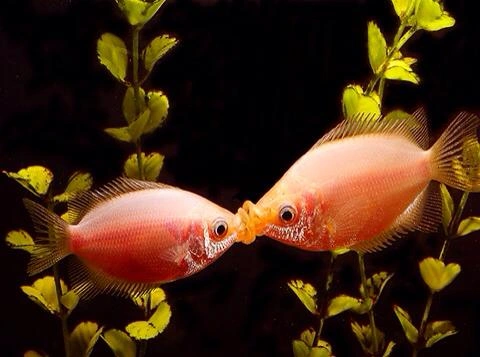
Kissing Gourami
Helostoma temminckii

Discus
Symphysodon aequifasciatus

Rusty Cichlid
Iodotropheus sprengerae

Australian Rainbowfish
Melanotaenia splendida
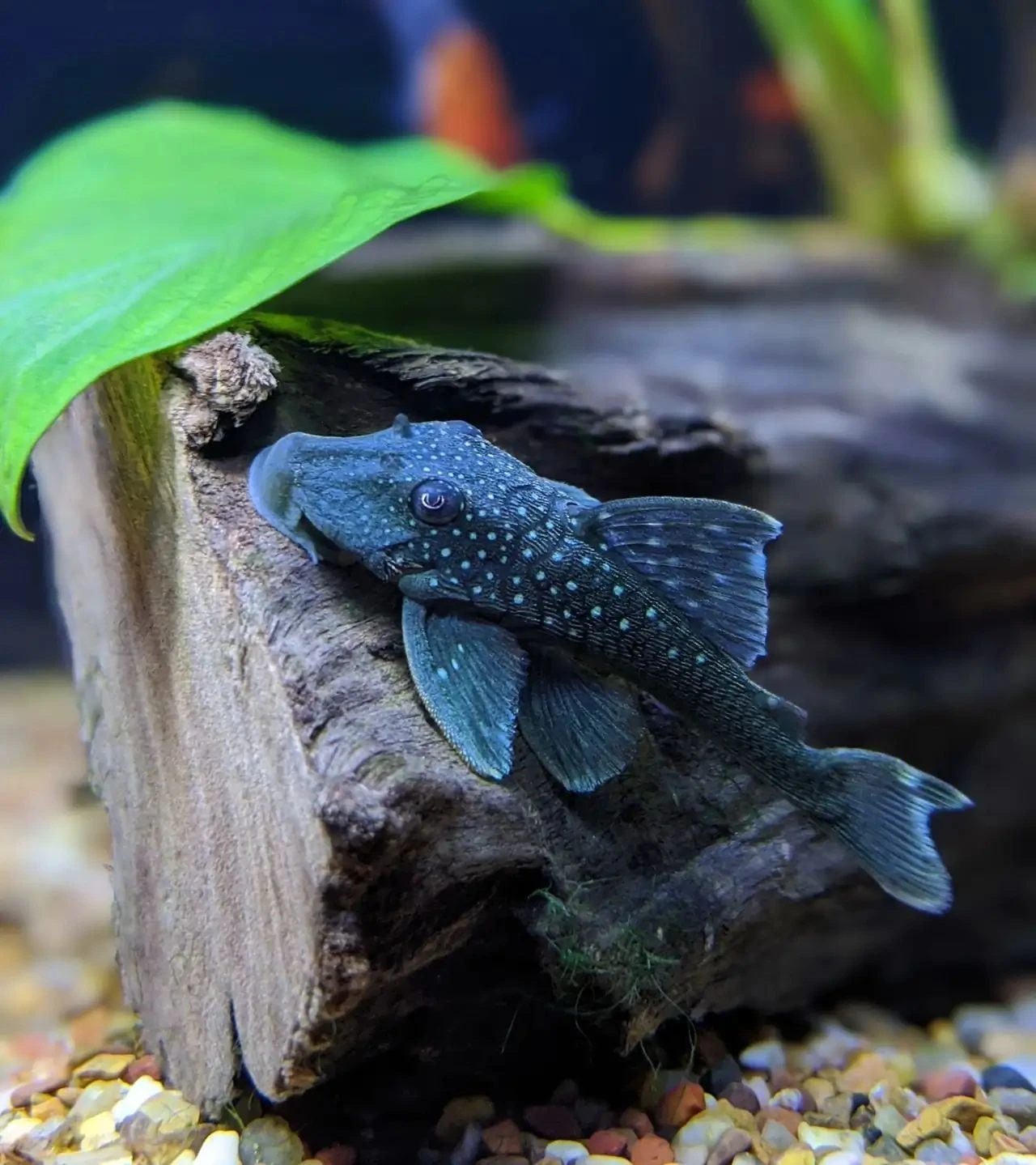
Blue Phantom Pleco
Hemiancistrus sp.
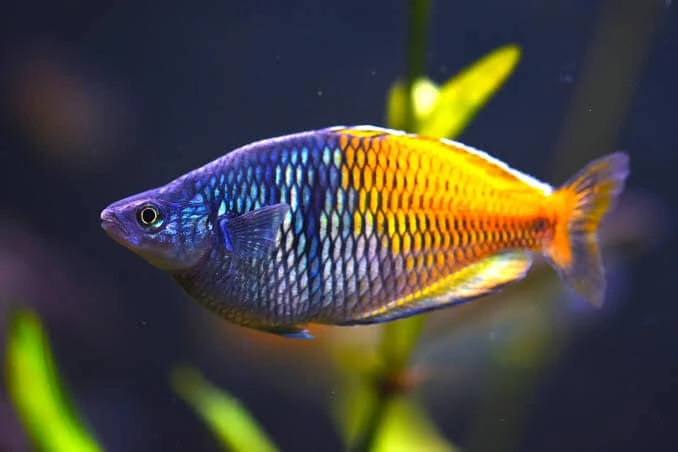
Boesemani Rainbowfish
Melanotaenia boesemani
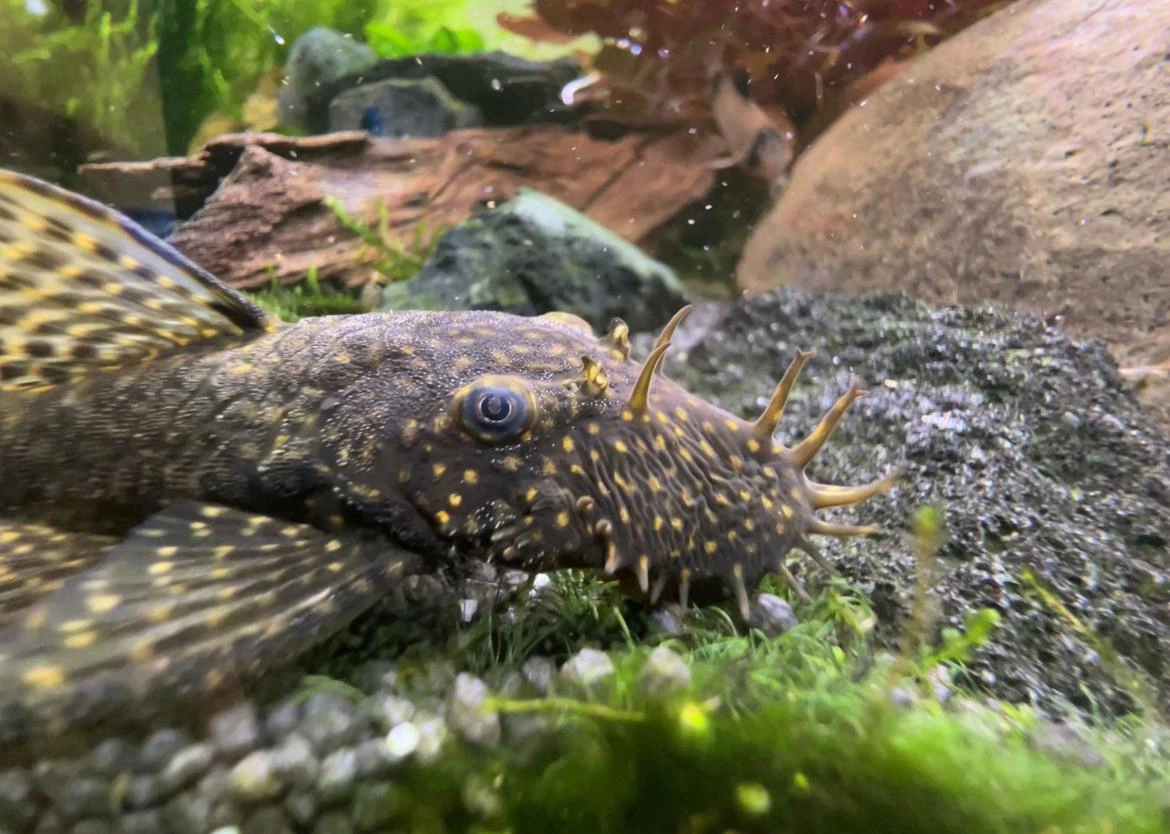
Bristlenose Pleco
Ancistrus sp.
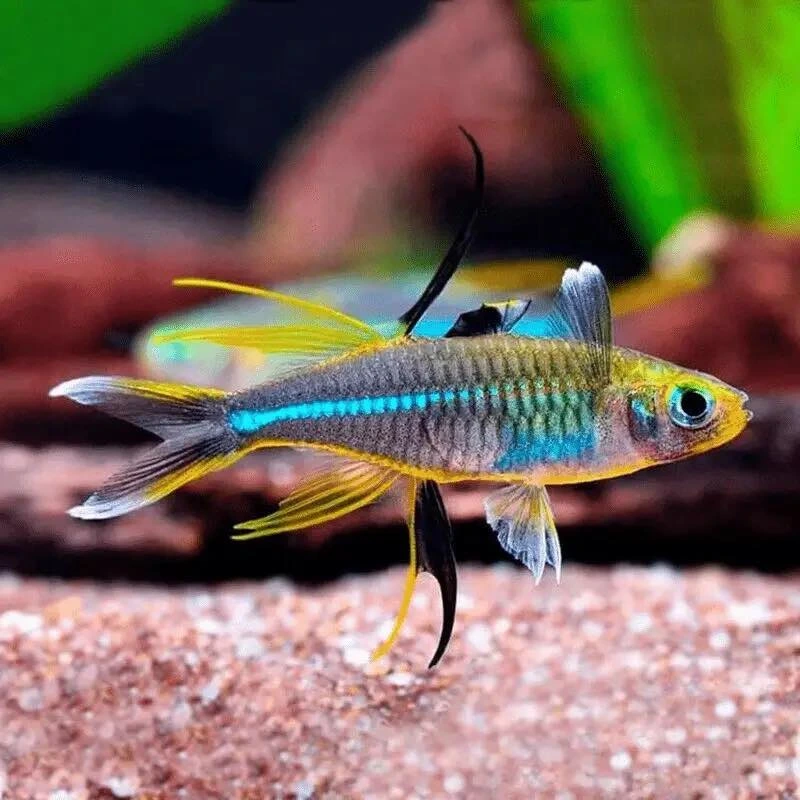
Celebes Rainbowfish
Marosatherina ladigesi
Ready to Add Keyhole Cichlid to Your Tank?
Use our free stocking calculator to check compatibility, bioload, and get personalized recommendations.