
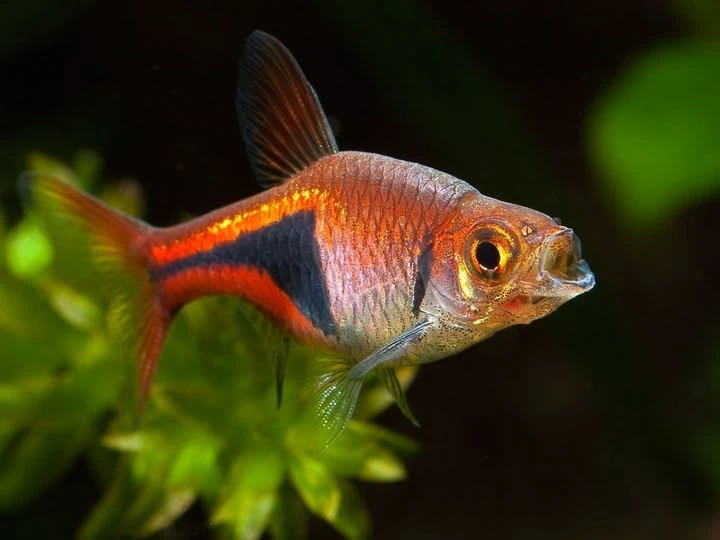
Harlequin Rasbora
A calm mid-water shoal that occupies the layer kuhlis never use and takes its food at the surface, so nothing sinking gets intercepted.
Adult Size
3.9" (10cm)
Min Tank
20 gal
Temperature
75-82°F
pH Range
5.5-7
Lifespan
10+ years
Min Group
6+ fish
Diet
Omnivore
Swim Level
Bottom
Bioload
2/10
Hardness
1-10 dGH
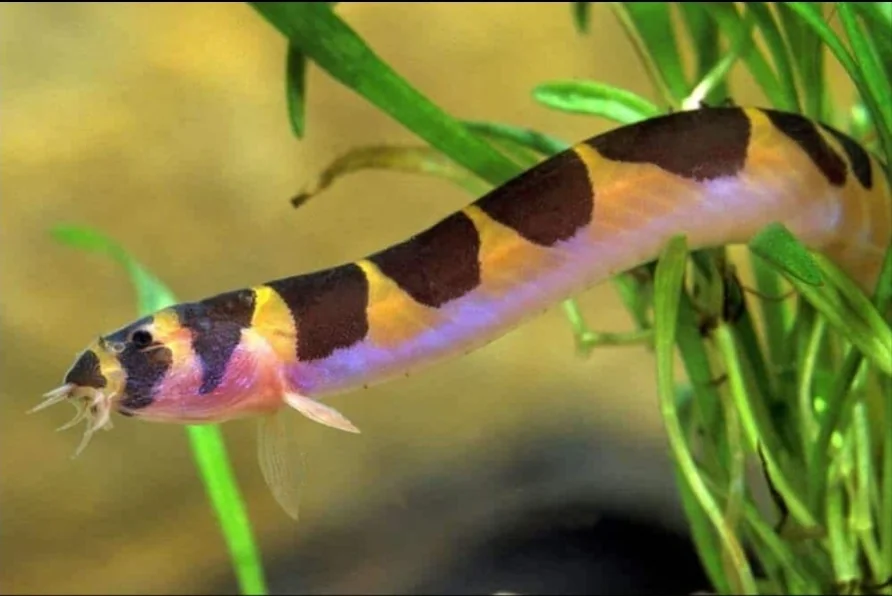
The Kuhli Loach is one of the most unique and fascinating fish in the freshwater aquarium hobby. These eel-like loaches from Southeast Asia bring something different to community tanks—they're nocturnal bottom-dwellers that burrow through sand, scavenge for food, and often pile together in groups while resting.
What makes kuhlis particularly appealing is their combination of unusual appearance and peaceful temperament. With their striped, snake-like bodies and tiny barbels, they look unlike anything else in most aquariums. Yet they're completely harmless, spending their days hiding in caves and under decorations, then emerging at night to explore every inch of the tank.
Despite their somewhat exotic appearance, kuhli loaches are surprisingly hardy once established. They can live 10-14 years in captivity—often outlasting many of their tankmates. The key to their success is providing soft sand substrate for burrowing, plenty of hiding spots, and keeping them in groups where they feel secure.
In the wild, kuhli loaches inhabit slow-moving forest streams throughout Indonesia, Malaysia, Thailand, Singapore, and Borneo. These waters flow through dense tropical forests, carrying leaf litter and organic debris that creates the soft, muddy substrate kuhlis love to explore.
Their natural habitat features sandy or muddy bottoms covered in decomposing leaves, with abundant hiding spots among tree roots, submerged vegetation, and debris. The water is typically warm, soft, and acidic—stained brown from tannins. Understanding this environment explains why kuhlis need sand substrate and plenty of cover to feel secure in captivity.
Native Region
Southeast Asia (Indonesia, Malaysia, Thailand, Singapore, Borneo)
Habitat Type
Slow-moving forest streams with leaf litter and dense vegetation
Wild Water Conditions
Warm (75-86°F), soft, acidic (pH 5.5-7.0), tannin-stained water
Kuhli loaches have elongated, eel-like bodies reaching about 4 inches (10 cm) in length. Their most distinctive feature is the series of dark brown to black vertical bands alternating with lighter salmon-pink or yellow sections along their body. The underside is typically lighter colored.
Their bodies are scaleless and somewhat slimy to the touch, with tiny barbels around the mouth used for detecting food in the substrate. They have small, beady eyes and a small, downturned mouth adapted for sifting through sand. Under each eye is a small, sharp spine—their scientific name 'Pangio' refers to this feature. Males and females are difficult to distinguish, though gravid females appear rounder when full of eggs.
Minimum Tank Size
20 gallons
Recommended Tank Size
30 gallons
Kuhli loaches require specific setup considerations due to their burrowing behavior and nocturnal lifestyle. Tank floor space is more important than height—they're dedicated bottom dwellers who need room to explore.
Temperature should be maintained between 75-86°F (24-30°C). They prefer soft, slightly acidic water with pH between 5.5-7.0 and hardness under 10 dGH. Ammonia and nitrite must be zero, with nitrates kept below 20 ppm. Stability matters more than hitting exact numbers.
Fine sand is essential—not optional. Kuhlis naturally burrow into substrate, disappearing entirely for days at a time. Gravel prevents this natural behavior and can damage their sensitive barbels and scaleless skin. Play sand or pool filter sand works perfectly.
Dense planting with shaded areas is appreciated. Java fern, Anubias, Cryptocorynes, and floating plants all work well. Decorations should provide abundant hiding spots—PVC pipe elbows, coconut caves, driftwood with gaps, and smooth rocks with crevices are ideal. Multiple hiding spots reduce competition and stress.
Moderate filtration is sufficient, but filter intakes must be covered with sponge or mesh. Kuhlis can get trapped and injured in uncovered intakes. Avoid extremely strong currents near the bottom where they live.
Subdued lighting is preferred—kuhlis are nocturnal and shy in bright light. They'll be more visible with dim lighting or during evening hours. Adding floating plants helps diffuse light and makes them more comfortable.
Diet Type
omnivore
Feeding Frequency
Once daily (evening)
Portion Size
What they consume overnight
Kuhli loaches are omnivores that naturally feed on small invertebrates, worms, insect larvae, and organic matter they find in the substrate. In aquariums, they're excellent scavengers but should not be relied upon to survive on leftovers alone.
Feed after lights out when kuhlis are most active. They're often outcompeted by daytime feeders, so drop sinking foods near their hiding spots in the evening. Their nocturnal nature means you may rarely see them eating, but they'll clean up overnight.
Kuhli loaches are primarily nocturnal, spending daylight hours hidden in caves, under decorations, or burrowed into the sand. They're highly social and often pile together in groups while resting—sometimes appearing as a tangled knot of striped bodies.
In groups of 6 or more, kuhlis become noticeably bolder and more visible. Solitary or paired kuhlis often hide constantly and may never be seen. Larger groups move about with more confidence, sometimes even appearing during daylight hours.
One fascinating behavior is their role as natural barometers—kuhlis often swim erratically and become unusually active before weather changes. They scavenge through substrate like tiny snakes, using their barbels to detect buried food particles.
Kuhli loaches spend the day hidden and the night working the substrate, so most conflicts are about food and floor space rather than aggression. They need soft sand, plenty of cover and calm mid-water fish that leave sinking food alone long enough for them to find it. Anything big enough to swallow a thin, eel-shaped fish is out.
A calm mid-water shoal that occupies the layer kuhlis never use and takes its food at the surface, so nothing sinking gets intercepted.
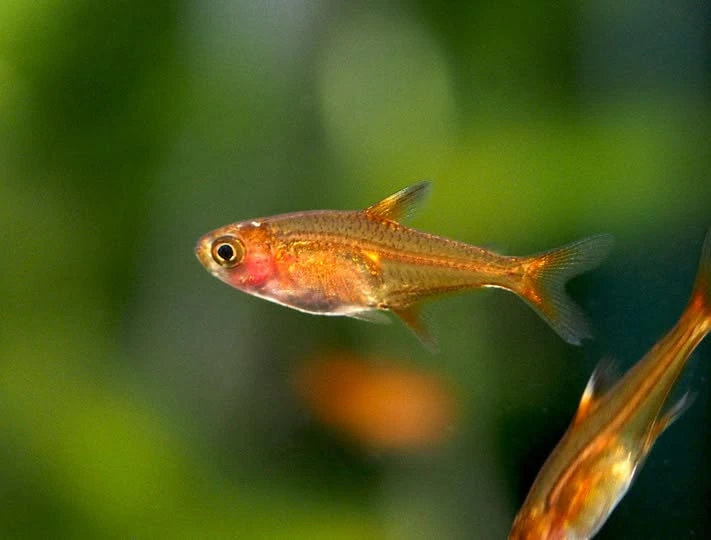
Two centimetres of orange that hangs among plant stems and never approaches the substrate, which is about as low-impact as a tank mate gets.
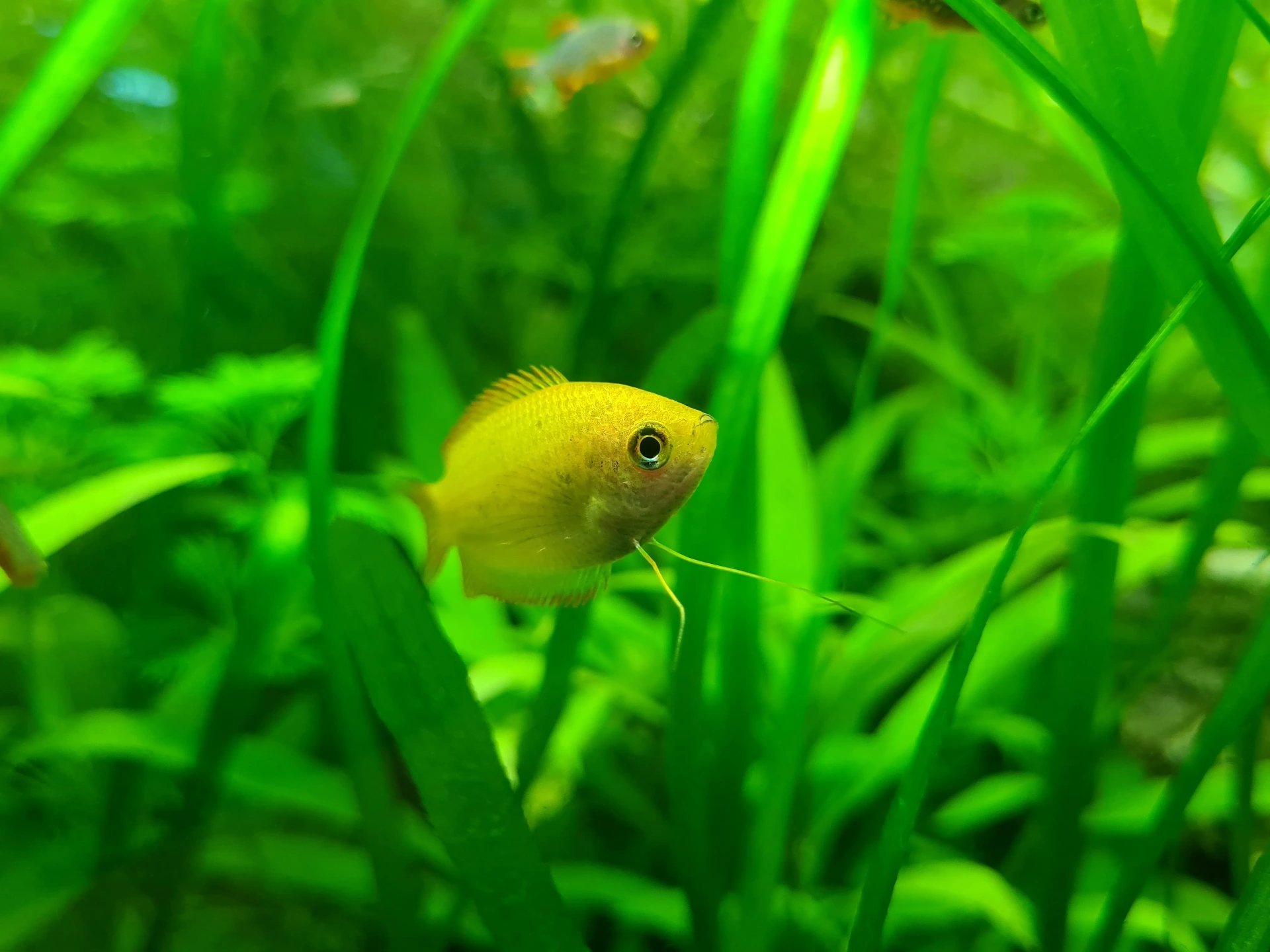
A genuinely mild anabantoid that patrols the top third and breathes at the surface, leaving the floor entirely alone.
Also compatible: Otocinclus, Pygmy Corydoras, Celestial Pearl Danio, Bristlenose Pleco

Avoid — swallows them whole

Avoid — predatory and territorial

Avoid — rasps at other fish
Also avoid: Jewel Cichlid, Molly, Green Spotted Puffer
Full Kuhli Loach tank mates guideBreeding kuhli loaches is challenging and rarely achieved in home aquariums. They're egg scatterers that show no parental care.
Successful breeding requires a large group of mature fish (2+ years old), very soft acidic water, heavy feeding with live foods, and floating plants for egg attachment. Spawning is rarely observed—females release bright green eggs that float or stick to plants. Adults will eat eggs, so separation is necessary.
Eggs hatch in 24-48 hours, and fry require infusoria, then baby brine shrimp. Most commercially available kuhlis are bred using hormones. Home breeding success is uncommon but possible with pristine conditions and patience.
Kuhli loaches are surprisingly hardy once established, though their scaleless skin makes them sensitive to medications and sudden parameter changes. Most health issues stem from poor substrate choices or inadequate food reaching them.
| Disease | Symptoms | Treatment |
|---|---|---|
| Ich | White spots visible on body and fins | Raise temperature slowly, half-dose medication (scaleless) |
| Skinny disease | Wasting despite eating, sunken belly | Ensure food reaches them, treat for internal parasites |
| Bacterial infections | Redness, sores, lethargy | Clean substrate, improve water quality, antibacterials at half dose |
| Parasites | Weight loss, abnormal feces, scratching | Quarantine, antiparasitic medication at reduced dose |
Kuhlis are nocturnal and hide during the day, especially in small groups. Get 6+ loaches—larger groups are dramatically bolder. Feed after lights out and watch with a red flashlight or dim moonlight LEDs.
Strongly recommended. They burrow and sift through substrate naturally. Gravel prevents this behavior and can damage their sensitive barbels and scaleless skin. Fine sand is essential for their wellbeing.
With proper care, 10-14 years is common. They're long-lived fish that often outlast their tankmates. Many aquarists report kuhlis living over a decade.
Yes—they're excellent escape artists and will find any gap in the lid. If a pencil can fit through an opening, so can a kuhli. Seal all gaps around filter intakes, airline tubing, and heater cords.
Minimum 4, but 6-10+ is strongly recommended. Larger groups are dramatically more visible and confident. Solitary or paired kuhlis often hide constantly and never settle in.
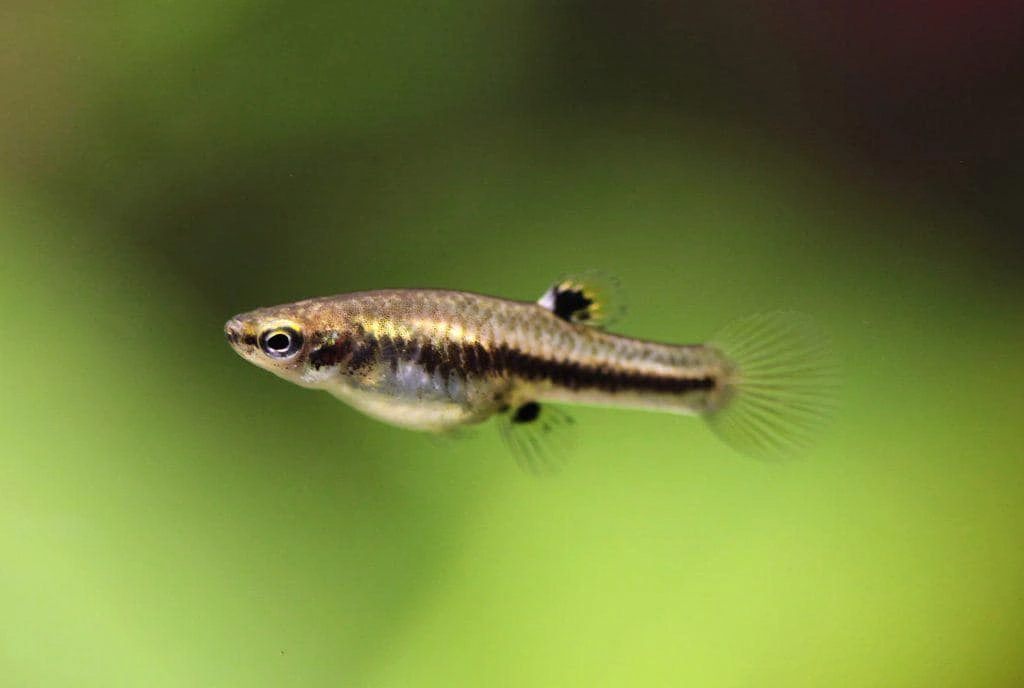
Heterandria formosa
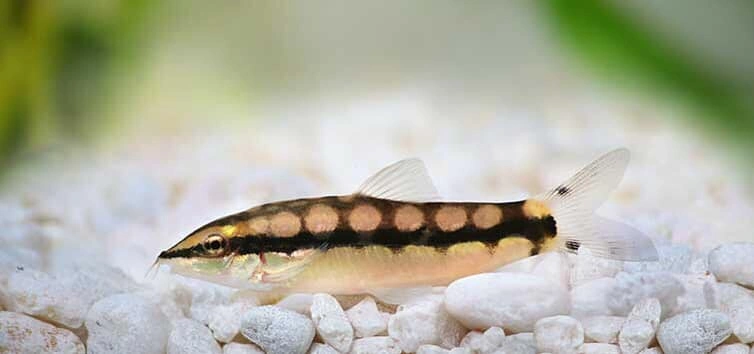
Ambastaia sidthimunki
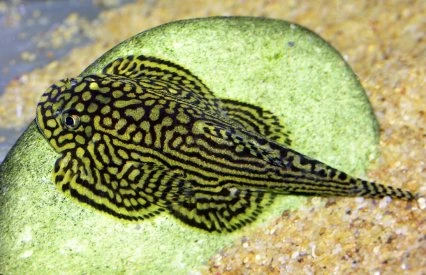
Sewellia lineolata
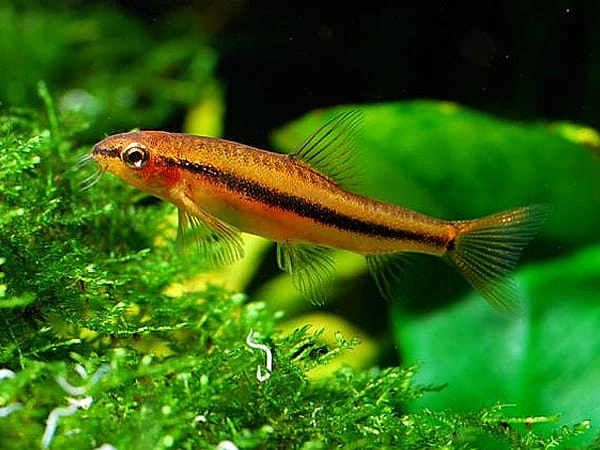
Petruichthys sp. 'rosy'
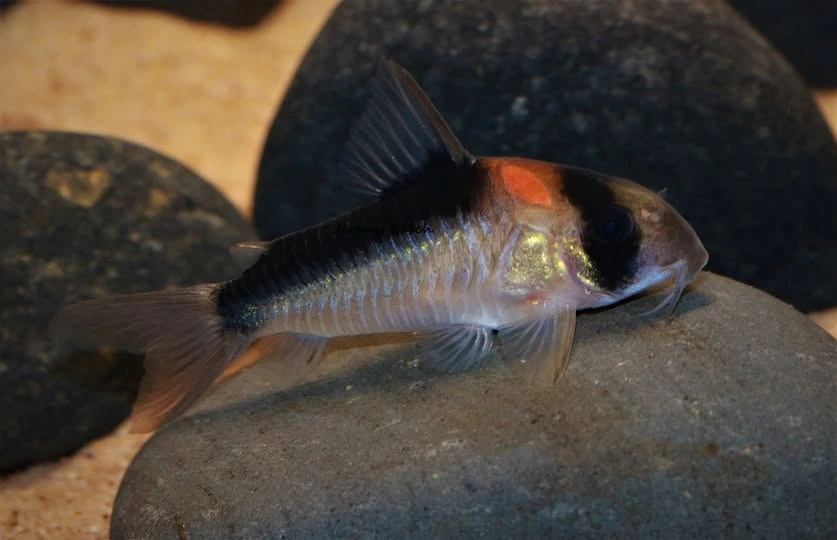
Corydoras adolfoi
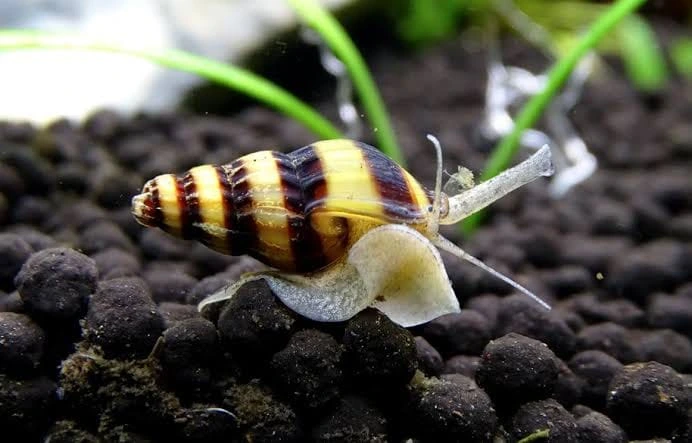
Clea helena
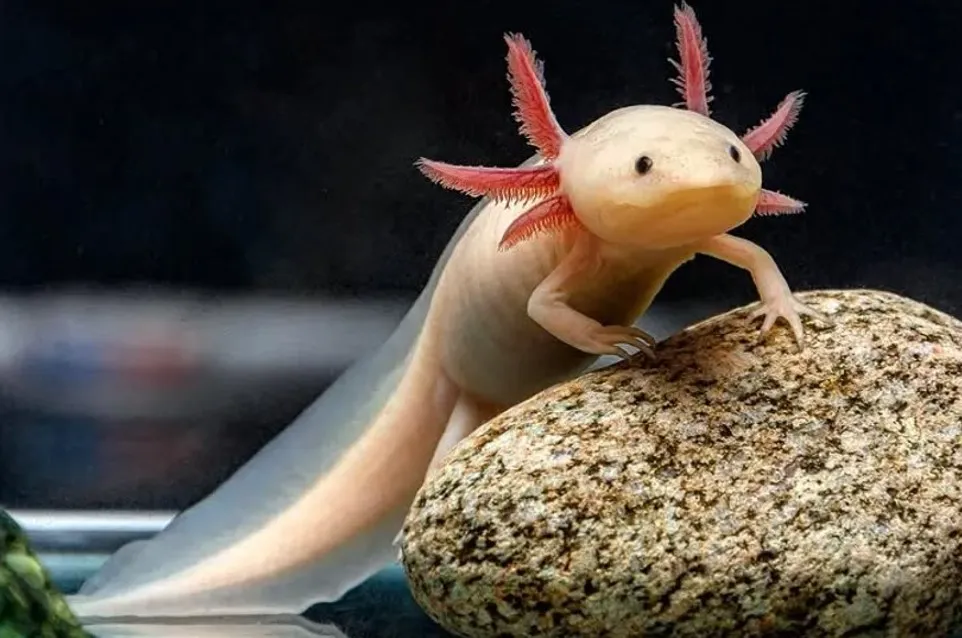
Ambystoma mexicanum
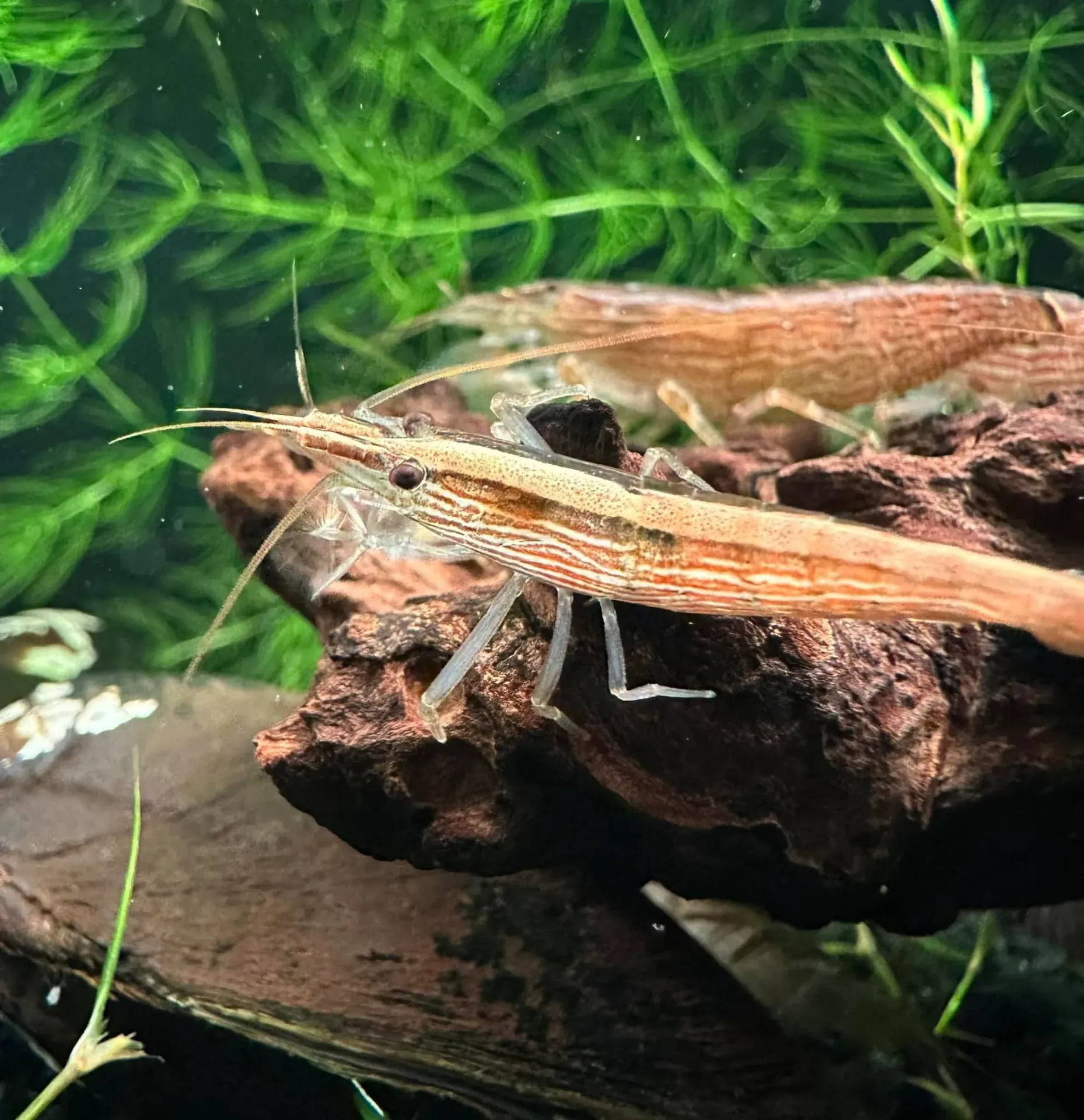
Atyopsis moluccensis
Use our free stocking calculator to check compatibility, bioload, and get personalized recommendations.